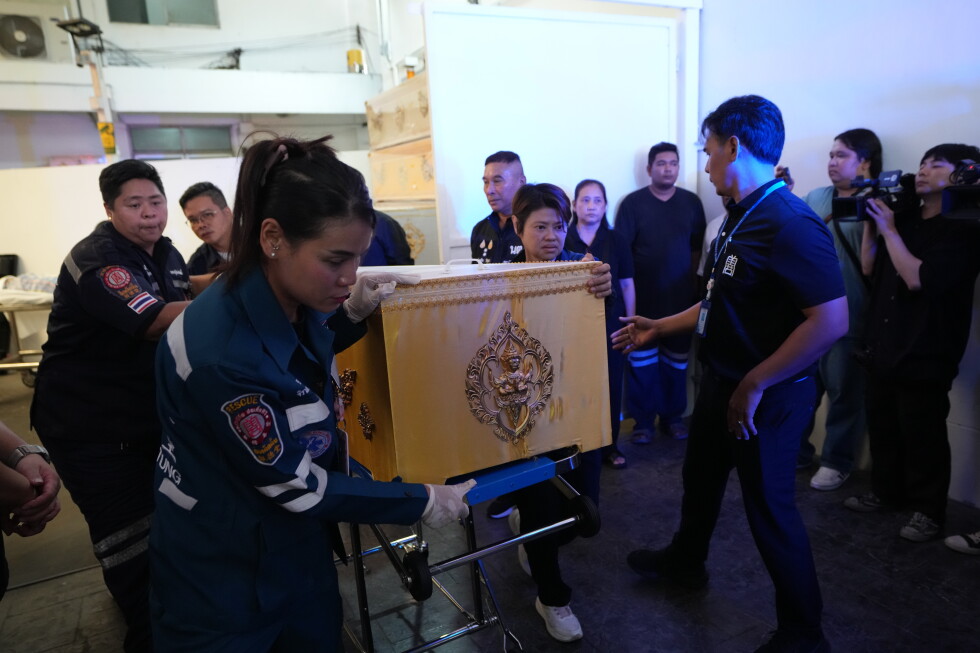
BANGKOK — A day after a 14-year-old school student carried out one of the deadliest mass shootings in Thailand’s recent history, grieving relatives arrived Saturday to claim the bodies of their loved ones, as the country grapples with shocking new details of the violence and rising concerns over gun access. The attack unfolded in the early hours of Friday in Nonthaburi province, a residential area just northwest of Bangkok. Officials confirmed the teenager first fatally shot his two grandparents at the family home, where he lived, before traveling to Debsirin Nonthaburi School and opening fire just after 10 a.m. The gunman eventually died by suicide at the school, bringing the total death toll to seven. As of Saturday, Thailand’s Ministry of Health reported 16 wounded victims remained hospitalized, with seven in critical condition. Most of those injured in the attack are between 12 and 14 years old, matching the age range of the shooter’s peers at the school. By early Saturday afternoon, all eight bodies — five school employees, the 14-year-old attacker, and his two grandparents — had been released from Bangkok’s Institute of Forensic Medicine to families for funeral arrangements. Wiroon Supasingsiripreecha, head of the forensic institute, told reporters that nearly all fatally wounded victims suffered a single lethal gunshot wound to a vital area, such as the head or chest. The wound suffered by the 14-year-old shooter aligns with the weapon recovered at the scene, he added, with more comprehensive forensic analysis, including toxicology screenings, expected to be released in the coming days. Officials confirmed the weapon used in the attack, described as a small, compact firearm, was legally registered to the shooter’s grandfather, raising new questions about firearm storage and regulation in the country. While preliminary reports indicate the teenager had shown visible signs of stress linked to academic and school pressures, some family members told local Thai media they had no prior knowledge of any mental health struggles or behavioral issues he may have been experiencing. In the wake of the attack, school administrators announced all classes would be suspended from August 10 through August 14, with all staff instructed to work remotely during that period. On Saturday, the campus stood eerily quiet, with only a small contingent of police stationed at the main entrance. A small number of mourners trickled in throughout the day to lay flowers at the gate, while parents arrived to collect personal belongings left behind by their children when the shooting unfolded. Charin Siriananchai, a local resident who brought his 9-year-old and 6-year-old sons to pay respects, said the entire neighborhood was stunned by the violence. “Everyone was saddened and shocked, because it was unexpected that this would happen in Thailand, and also it’s quite a great loss,” he said. One father of a student who was on campus during the attack, who asked to remain anonymous, said his son remains traumatized by the event and is unable to sleep alone. The deadly attack has once again put a spotlight on Thailand’s gun ownership regulations, which are among the most lax in Asia. According to 2017 data from Small Arms Survey and GunPolicy.org, the most recent comprehensive international study on the topic, Thailand has roughly 15.1 civilian-owned guns per 100 residents. That rate is far higher than most of its Southeast Asian neighbors — neighboring Malaysia counts less than one gun per 100 residents — and gives Thailand the second highest rate of civilian gun ownership in Asia, behind only Pakistan. 2023 statistics from World Population Review put Thailand’s firearm death rate at 3.49 per 100,000 people. While that rate is far lower than that of Latin America and the Caribbean, it is among the highest in Asia, with only the Philippines recording a higher rate in Southeast Asia. Though mass indiscriminate shootings remain rare in Thailand, the country has seen a steady increase in high-profile fatal shootings in recent years. In February 2024, a 17-year-old stole a service weapon from a police officer and carried out an attack at a public high school in southern Thailand, killing one person and wounding two others during a two-hour standoff that included hostage-taking. In 2023, a 14-year-old boy was charged in a fatal shooting at a major shopping mall in central Bangkok that left multiple people dead and injured.
分类: society
-

Queensland farmstay which hosted fatal rave announces closure
Two weeks after a 40-year-old New Zealand father of two died following a fall at an unlicensed rave held on its grounds, Hidden Camp – an off-grid farmstay and camping venue nestled in bushland between Queensland’s Maryborough and Gympie – has announced an immediate temporary shutdown that will last at least several months. The venue’s owners confirmed the decision in a public statement posted to Facebook on Friday, noting that the closure is tied to ongoing planning and development approval processes that have come to the forefront following the fatal incident. All existing and future bookings will be fully canceled and refunded to guests via the camping booking platform HipCamp, per the announcement. For the family that runs Hidden Camp, the shutdown is far more than a business interruption: the property is not only their commercial operation but their family home and primary livelihood, the statement explained. “It is our home, our livelihood, and something we’ve poured our hearts, savings and countless hours into,” the statement read. “Unfortunately, this means Hidden Camp could remain closed for several months while this process runs its course. We know this is incredibly disappointing for everyone who had plans to visit, and it is devastating for our family.” The sudden closure comes in the wake of a tragic accident that shocked the local Glenwood community two weeks prior. During the unauthorised “Rhythm of the Wild” secret rave held on the property, Trenton Ehrhorn, a 40-year-old New Zealand national and father of two, fell from the event stage and suffered fatal injuries. Immediately after the incident, the venue’s owners released an initial statement expressing profound sorrow over the loss of life, extending condolences to Ehrhorn’s family and friends, and acknowledging the negative impact of the tragedy on nearby residents and the wider Glenwood community. Following the accident, Queensland Police took a 33-year-old man from Burpengary into custody for questioning. As of earlier this week, however, law enforcement officials confirmed no charges have been filed against any person connected to the incident, and the official investigation remains active and ongoing. The venue owners said they look forward to reopening Hidden Camp once all required planning and development processes are finalized, though no specific timeline for a potential reopening has been set.
-
70 years after South Africa’s women challenged apartheid, some say their freedom isn’t complete
On Sunday, South Africa marked a landmark moment in its anti-apartheid struggle: the 70th anniversary of the 1956 Women’s March, a watershed act of collective resistance that brought nearly 20,000 women of all racial backgrounds together to challenge unjust segregation laws. Seventy decades on, however, contemporary South African women say the freedom their predecessors risked everything to win remains incomplete, as the nation grapples with persistent crises of gender-based violence, systemic poverty, and deep-rooted structural inequality.
The 1956 march saw demonstrators converge on Pretoria, South Africa’s administrative capital, to protest apartheid pass laws that forced Black women to carry restrictive identity documents to control their movement across the country. The action has long been recognized as one of the most powerful displays of mass resistance against white minority rule in the nation’s history.
For Ramnie Dinat, an 84-year-old who was a teenager when the march took place on August 9, the day remains a vivid memory. Dinat assisted her mother, Ama Naidoo, a prominent anti-apartheid activist of Indian heritage, with last-minute organizing ahead of the rally. The multiracial coalition that turned out included Black women, women of Indian descent like Naidoo, and a small group of white women, all united in their opposition to racist legislation.
“Black women were organizing, and Indian women couldn’t be silent,” Dinat told the Associated Press, adding that none of the ordinary women who took part could have predicted their action would be etched into national history. “We were ordinary women who believed we could make a difference. We simply believed it was the right thing to do.”
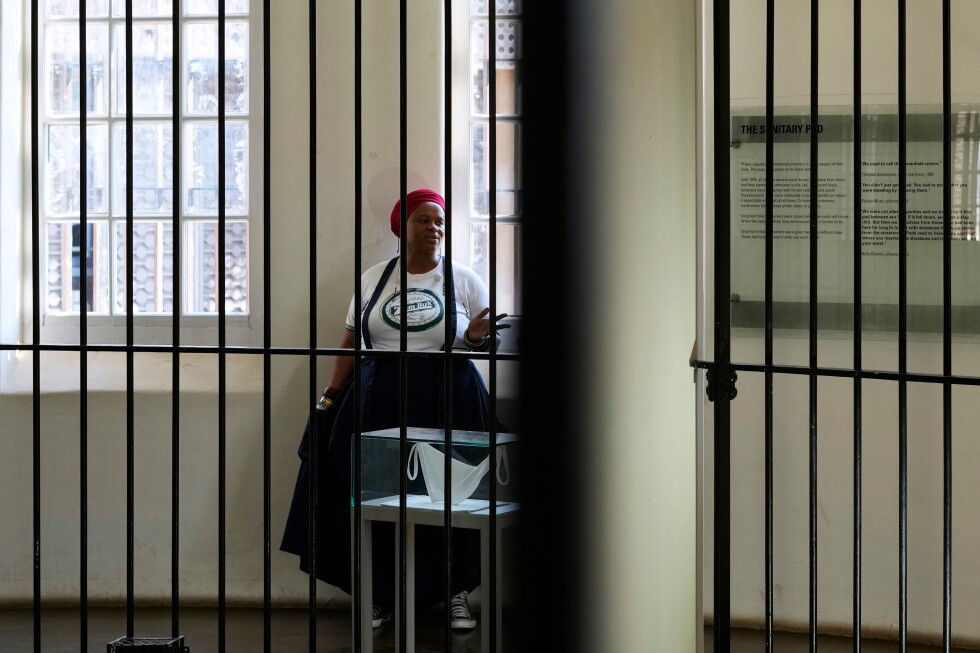
Today, the legacy of the 1956 march is preserved at the former Women’s Jail on Constitution Hill in Johannesburg, a facility once used as a key part of the apartheid prison system that has since been converted into a public museum. Many leaders and participants of the 1956 march were later imprisoned at the facility, where inmates were segregated by race in line with apartheid policy, just as segregation was enforced across every sphere of South African public life.
Nolubabalo Memese, visitor services manager at Constitution Hill, explains that the jail was intentionally designed to dehumanize and break anti-apartheid activists. Black women held at the facility were denied even basic human dignity, including access to proper underwear and sanitary products. Now, the museum honors both the iconic leaders of the anti-apartheid movement, including Winnie Madikizela-Mandela and Albertina Sisulu, and the thousands of ordinary women whose contributions to the struggle have often been left out of mainstream history books.
“Our freedom is built on the shoulders of those kinds of women who were at this prison,” Memese said.
That sentiment is echoed by Kgothatso Montjane, a 40-year-old Paralympic wheelchair tennis champion and the first Black South African woman to compete in all four of tennis’ Grand Slam tournaments, who took home the 2024 Wimbledon wheelchair doubles title. Montjane says the courage of the 1956 marchers cleared a path for her and other women to pursue opportunities their predecessors could not access.
“The fight the women took on 70 years ago has paved the way for us,” she said.
Yet even with the end of apartheid in 1994 and the formal elimination of racial restrictions on movement, work, and political participation, many women argue that new, persistent barriers continue to block full gender freedom in modern South Africa. A 2024 study supported by UN Women found that more than one in three South African women will experience physical or sexual violence over their lifetime, a crisis the United Nations has labeled a “national wound” for the country.
For Memese, gender-based violence acts as a modern restriction on women’s freedom, just as pass laws constrained the movement of Black women 70 years ago. “There’s a different monster which precludes us from enjoying freedom of movement and economic participation. And that’s gender-based violence. That’s a crime,” she said. “If you want to go jog at six o’clock and it’s a bit dark, you’d rather not.”
Systemic economic inequality further exacerbates these challenges. Official government data shows women in South Africa face higher unemployment rates than men, carry a disproportionate share of unpaid care work, and remain drastically underrepresented in senior leadership roles across public and private sectors. Even in sports, Montjane says, structural barriers persist: financial gaps limit access to elite training and competition, leaving women of color underrepresented at the highest levels of the sport.
“The barriers I had to overcome … in a sport like tennis, it’s just a financial issue,” Montjane said. “They don’t lie when they say tennis is a white sport, and you don’t really find people of color dominating in this sport.”
Even amid these ongoing struggles, Montjane emphasized that the 1956 marchers transformed the trajectory of South Africa for her and future generations of women. “The platform has been set,” she said.
The symbolic reuse of materials from the apartheid-era jail to build the current museum holds deep meaning for Memese, who frames the work toward gender equity as a process of building a better future from the lessons of the past. “We are using the bricks of the past to build our future,” she said. “Once we forget the past, it’s very easy for us to make the same mistakes.”
For Dinat, one of the last living participants of the 1956 march, the core lesson of that historic day remains unchanged after seven decades. “Every generation has its own struggles, and every generation has to decide whether it will stand up for what is right,” she said.
-

‘Unfair’ court system lets wealthy offenders hide behind secrecy orders
Two high-profile convicted rapists in Australia have drawn renewed scrutiny of a controversial legal loophole that allowed their identities to remain hidden from the public for years, leading legal experts to warn that the current system undermines open justice, erodes public trust, and perpetuates harmful stereotypes about sexual assault survivors.
Tom Silvagni, son of Australian Football League legend Stephen Silvagni, and Ralph Carr, a prominent sports and entertainment manager, both secured court-issued suppression orders during their separate rape trials, preventing public disclosure of their names until guilty verdicts were returned. Carr’s identity remained sealed for three years, with the order only lifted after his conviction this week. For Silvagni, who was found guilty of raping a friend’s girlfriend on two occasions, the defendant went to extraordinary lengths to maintain his anonymity: he hired a full additional legal team exclusively to argue for continued secrecy, successfully keeping his name out of public view for 18 months throughout his trial.
Legal analysts say the cases highlight deep structural flaws in Australia’s suppression regime, particularly in the state of Victoria, which has gained a reputation as the nation’s “suppression order capital.” Associate Professor Jason Bosland, a legal scholar at Melbourne Law School, argues that prolonged secrecy around high-profile sexual assault cases does profound damage to survivors and the integrity of the justice system. These extended orders, he explains, reinforce harmful cultural narratives that question the credibility of female complainants, while also creating the public perception that wealthy, connected offenders receive preferential treatment in the courts. This uneven application of justice, Bosland says, severely undermines public confidence in how justice is administered. He warns that open justice in Australia, and particularly in Victoria, is at a crisis point, with orders frequently remaining in force for months or even years after they are first granted – one case he reviewed only had its suppression order revoked after six years.
Current laws around the public disclosure of criminal defendants in sexual assault cases vary widely across Australian jurisdictions. In Queensland, new legislation only passed in 2023 to allow public identification of adult defendants charged with rape and other severe sexual offenses before they go to trial. In the Northern Territory, media outlets are still barred from naming defendants in sexual assault cases until they are formally committed for trial or sentencing.
Justin Quill, a partner at law firm Thomsons who represented media organizations in both the Silvagni and Carr trials, says the current system is fundamentally unfair. He notes that most ordinary Australians cannot afford to hire even one King’s Counsel, let alone two separate legal teams focused entirely on keeping a defendant’s name out of the press. Quill says the outcome of these two cases has justifiably left the Australian public angry and disappointed.
Under Australian law, judges grant suppression orders on a limited set of grounds: to protect the fairness of an upcoming trial, to prevent distress to victims, children or witnesses, to protect the personal safety of any individual, or for national security purposes. In both the Silvagni and Carr cases, defense teams centered their arguments for secrecy on mental health grounds, framing public identification as a threat to the defendants’ mental safety. Silvagni’s legal team secured an order citing risks of psychiatric harm and suicide, while Carr’s team argued his history of prior suicide attempts put him at risk of self-harm if his name was made public.
Quill argues that this interpretation of the “safety” provision of the 2013 Open Courts Act directly misrepresents the legislation’s original intent. When the law was drafted, he explains, the safety exception was intended to protect informers who faced deadly violence after providing evidence during the aftermath of Melbourne’s gangland wars – legislative drafters never contemplated that it would be used to shield criminal defendants from public scrutiny by claiming mental harm. Critics add that the process itself is stacked against transparency: defendants submit untested psychiatric evidence to support their claims, and neither media outlets nor prosecution teams are given the opportunity to cross-examine or challenge that evidence before the order is granted. To Quill, this amounts to defendants gaming the system, stretching the law far beyond its intended purpose.
To address these flaws, legal experts are calling for urgent reform. First, Quill says, legislators must close the loophole that allows the safety ground to be used for claims of mental health risk from public identification. Beyond legislative change, he argues, there must be a broad cultural shift among barristers and judges. While many legal professionals pay lip service to the principle of open courts, few are willing to uphold that principle consistently in high-profile, politically charged cases. Bosland is currently set to host a roundtable to discuss targeted reforms to the Open Courts Act that would limit the misuse of suppression orders in sexual assault cases, as the legal community pushes for change to restore public faith in open justice.
-
13yo charged with NT vehicle theft, police search for others involved
A chaotic, high-risk incident involving a stolen car driven by a group of teenagers has left the remote Northern Territory town of Katherine on high alert, with two minors already in police custody and a manhunt underway for five remaining suspects.
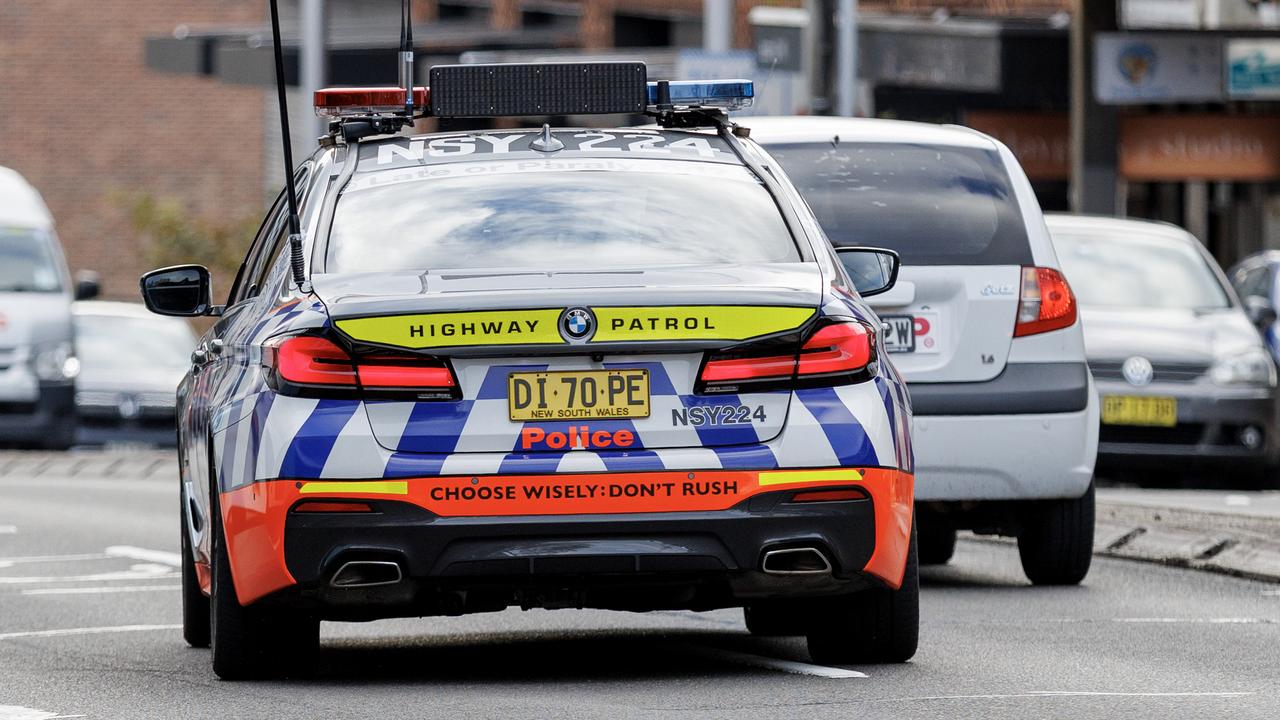
The incident unfolded on Thursday afternoon, when a black Volkswagen was reported stolen from outside a commercial property located on Katherine Terrace, the town’s main commercial strip. For more than eight hours after the theft, the stolen vehicle terrorized local roads: witnesses described the car speeding recklessly along both the Victoria Highway and residential streets of Katherine, with multiple young people seen hanging out of the vehicle’s open windows during the rampage. Eyewitness accounts confirmed up to seven teenagers were involved in the dangerous stunt.
Facing a difficult choice between immediate apprehension and public safety, local police made the deliberate decision not to initiate a high-speed chase. Acting Assistant Commissioner James Gray-Spence explained that standard police policy requires officers to weigh law enforcement goals against the potential harm a high-speed pursuit could cause to innocent bystanders, road users and the broader community. In this case, commanders opted to de-escalate the situation by prioritizing evidence collection and suspect identification over an immediate, risky pursuit.
“The behaviour displayed was extremely concerning and created an unacceptable risk to members of the Katherine community,” Gray-Spence said in a statement released to media.
The rampage came to an abrupt end at approximately 8:50 pm, when the stolen vehicle crashed into a residential fence on Stutterd Street in Katherine South. All seven teenagers fled the scene on foot before officers arrived.
By Friday evening, police had taken the first two suspects into custody. A 13-year-old boy was arrested just before 11 pm, facing charges including motor vehicle theft, additional theft offenses and dangerous driving. A 15-year-old male suspect was taken into custody around 12:30 am Saturday, charged with being a passenger in a stolen motor vehicle and breaching existing bail conditions. Both teens remain in police custody and are scheduled to appear in court at a later date. As of Friday, investigators had identified a third suspect, and are continuing work to track down the remaining five people involved in the incident.
“In this instance, officers made a deliberate decision to prioritise public safety. Rather than escalating the situation through a pursuit, they focused on gathering evidence, identifying those involved and progressing the investigation,” Gray-Spence added. “Police have already identified three suspects, and we are actively working to identify and locate all remaining offenders. We will continue to pursue every available investigative avenue to ensure those responsible are held accountable.”
Local law enforcement has issued a public call for information, urging any Katherine resident or visitor who witnessed the incident or has additional details about the involvement of the remaining suspects to contact Northern Territory Crime Stoppers anonymously with tips.
-
Top doctor slams NSW health system following controversial Chris Minns plea
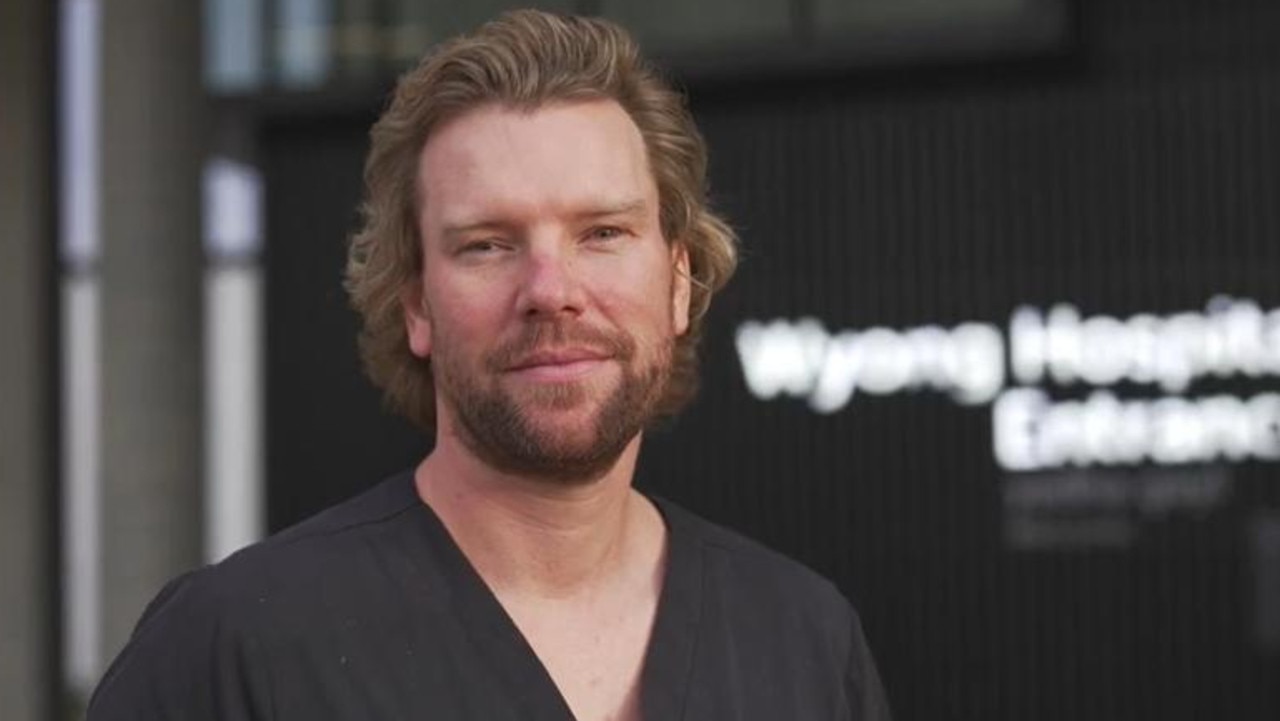
A growing public health conflict has erupted in New South Wales (NSW), Australia, after state premier Chris Minns drew sharp criticism from a leading medical leader over his controversial call for residents to avoid public hospital emergency departments unless facing life-threatening conditions. The premier’s appeal came in response to a historic winter surge in demand that saw almost 10,000 Sydney residents seek emergency care in a single day earlier this week – a figure that marks the highest daily emergency department attendance ever recorded in the region.
-
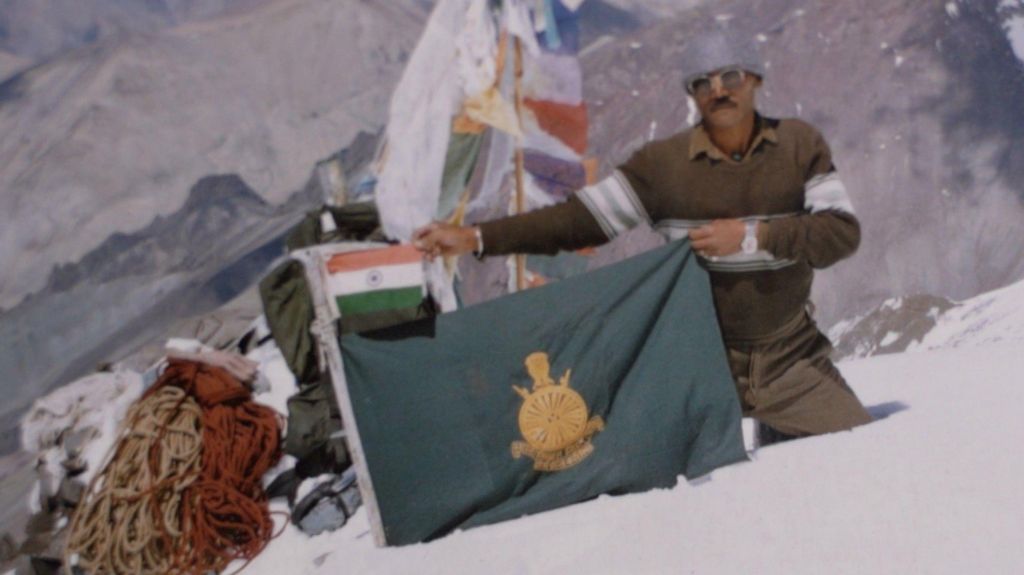
He’s been frozen on Everest for 30 years, now ‘Green Boots’ may finally be coming home
For nearly 30 years, a frozen body tucked into a rock overhang just 350 vertical meters below Mount Everest’s summit has served as one of the mountain’s most haunting and recognizable landmarks. Known universally by the distinctive lime-green mountaineering boots it has worn since the 1996 blizzard that killed its owner, “Green Boots” has guided countless climbers toward the peak of the world’s highest mountain, a grim reminder of the cost of conquering Everest. Now, three decades after the tragedy that claimed his life, Indian authorities are preparing to launch an unprecedented high-risk recovery mission to bring the remains — now confirmed to belong to Indian climber Dorje Morup — home to his waiting family.
Morup, a 48-year-old lance corporal with the Indo-Tibetan Border Police (ITBP), was an experienced Himalayan mountaineer who had already summited Stok Kangri, the highest peak in India’s Ladakh range, when he joined a historic 1996 ITBP expedition. The team aimed to become the first Indian expedition to summit Everest from the treacherous northern slope, located on the Chinese-administered Tibetan side of the mountain, a far less popular and more dangerous route than the southern approach from Nepal.
The night before he departed his Ladakh home for the expedition, Morup made a promise to his wife, Konchak Yangskit: he would return a hero, and make India proud. He asked her to care for their children and wait for him at the airport on his return. But Yangskit carried a quiet premonition that night: she wondered if she would ever see him again.
When the expedition hit a brutal snowstorm mid-ascent, three of the six team members turned back early. Morup and two other climbers, Tsewang Smanla and Tsewang Paljor, pushed on, successfully reaching the 8,849-meter summit. Disaster struck as they began their descent, however, when a full blizzard engulfed the upper slopes, killing all three men. Like more than 300 other climbers who have died on Everest since record-keeping began, their bodies were left trapped in the mountain’s extreme altitude, where recovery was deemed impossible at the time. While the bodies of Smanla and Paljor were never located, Morup’s remains, identifiable by his bright green boots, settled into a stable snow cave at 8,500 meters — just inside what climbers call the “death zone,” where oxygen levels are one-third of those at sea level and temperatures can plummet to -40°C.
For decades, mountaineers assumed Green Boots was the remains of Tsewang Paljor. But new testimony from surviving 1996 expedition members, combined with analysis of the location of Morup’s final radio transmission, led Indian authorities to conclude the body is in fact Morup. A recent review of his climbing gear and clothing confirmed the preliminary identification, and ITBP has now spent years planning a mission to retrieve their former comrade. Officials say the goal is to confirm the identity via DNA testing and finally give Morup’s family the closure they have waited 30 years to receive.
“On some days, before I went to sleep, I would think that there’d be a knock on the door tonight and that when I opened, he would be there,” Yangskit, now in her mid-70s, told the BBC. “When he comes home, I will ask him: ‘Where were you all these years?’” For decades, Yangskit has refused to fully accept Morup’s death, because she never saw his body. “Even though we organised cremation prayers at home, my heart refused to believe he had died,” she said, through tears. “I didn’t see his dead body, so it was difficult for me to believe it.”
The recovery mission that will attempt to bring Morup home is one of the most complex and dangerous high-altitude recovery operations ever attempted on Everest. The body lies on the steep, underdeveloped northern slope, which lacks the helicopter evacuation infrastructure and support systems that exist on Nepal’s more popular southern side. Unlike the south, there is no option for emergency evacuation if the recovery team runs into trouble. Even in the mild spring climbing season, reaching 8,500 meters to retrieve a frozen body is a monumental challenge. Autumn, when ITBP hopes to complete the mission before September, brings far more unpredictable and dangerous weather.
Veteran mountaineers who have led prior recovery efforts say the operation will require a team of 10 to 12 experienced summit climbers just to fix support ropes to the recovery site. Frozen into the snow and encased in layers of ice, the body will weigh several times its original mass, and must be carried by hand down 1,000 meters of extremely steep, rocky terrain before it can be transferred to a helicopter or yak train for transport to India. The first 1,000 meters of descent, experienced Indian climber Kuntal Joisher noted, will be the most treacherous part of the entire mission, with logistical challenges that put the entire team at severe risk.
“The main thing is to not put Sherpa lives at risk for a dead body,” Joisher said. Most recovery operations on Everest cost between $40,000 and $80,000, a sum out of reach for most families of fallen climbers. This mission will be far more expensive, and is being fully funded by ITBP, which has never forgotten its fallen comrade. “We never forgot him. It was only a matter of time,” an anonymous ITBP official told BBC News Hindi.
For most fallen climbers left on Everest, authorities and local teams typically only move bodies out of sight of climbing routes, rather than undertaking the dangerous work of full recovery. For example, American climber Francys Arsentiev, known as the “Sleeping Beauty of Everest,” was only moved to a more private location on the mountain a decade after her death, rather than being brought down. But for Morup’s family, full recovery is the only way to finally close 30 years of uncertainty.
If the mission is successful, Morup’s eldest son Punchok Dorjai says the family will hold a public funeral near the Martyrs Park in Leh, the capital of Ladakh. “My father gave his life for the country and he should be remembered as a martyr,” Dorjai said, noting that his two fallen teammates deserve the same recognition. The family plans to display Morup’s famous green boots alongside his Chinese-issued Everest summit certificate in their home, as a permanent reminder of his legacy.
For the thousands of climbers who have passed Green Boots on their way to the summit over the past 30 years, the landmark has been a permanent part of Everest’s landscape. If the recovery mission succeeds, it will bring an end to one of the mountain’s most famous stories, and finally give a fallen hero the homecoming he promised 30 years ago.
-
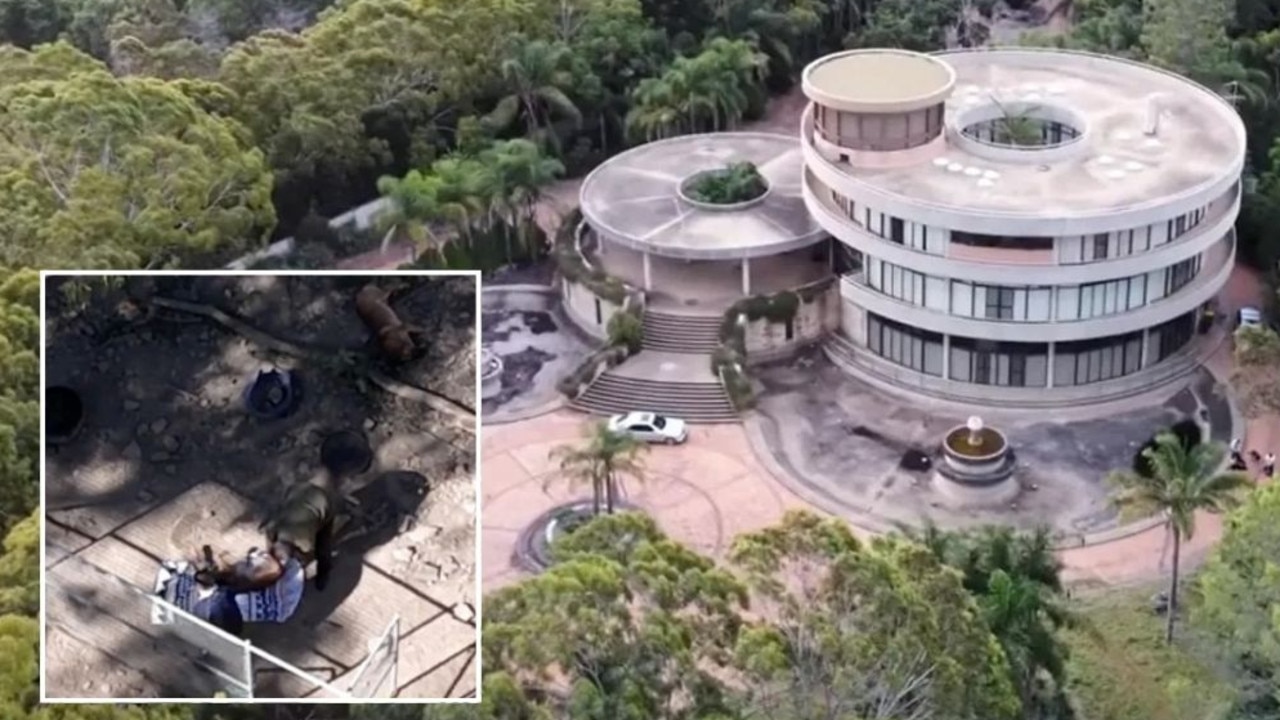
Five dogs seized from iconic Sydney property after man mauled in fatal attack
A grim discovery in southwest Sydney has launched a full police investigation after a 23-year-old man was found dead Wednesday near the famous Saturn’s Rings property in Eschol Park, with authorities confirming his death is suspected to be the result of a fatal dog attack. Local media reports indicate the young man may have lain dead at the site for as much as 24 hours before his body was located by passersby around midday.
-

Thai PM vows to introduce stricter gun laws after eight killed in shooting
A devastating mass shooting carried out by a 14-year-old student near the Thai capital Bangkok has killed eight people and wounded 22 others, sparking urgent new calls for tougher gun regulation in a country long grappling with widespread civilian firearm ownership.
The tragedy unfolded on a Friday morning in August, starting at the two-story home the teenager shared with his 73-year-old grandfather and 74-year-old grandmother, whom he shot and killed around 5 a.m. local time. A single shot to the head killed each of his guardians, according to Thai law enforcement officials.
Rather than fleeing the scene, the teen smuggled the legally registered weapon — which belonged to his grandfather, alongside dozens of rounds of ammunition — onto a public school bus bound for his campus, Debsirin School in Nonthaburi, a satellite province bordering Bangkok. He attended his first scheduled class at 8:30 a.m. and joined his second session just under an hour later. Around 30 minutes into that second class, he pulled out the gun and opened fire.
Investigative accounts from police confirm the shooter first targeted teachers on the school’s sixth floor, killing three before moving down the main stairwell. There he encountered the school’s deputy director and the director’s secretary, who were ascending the stairs to respond to reports of gunfire. Both were shot and killed at the scene. By the time armed police officers surrounded the campus and located the attacker around 10:40 a.m., he had already taken his own life. Initial counts put five immediate deaths and 23 injuries, but an additional wounded victim later succumbed to their injuries, bringing the total death toll to eight.
Forensic analysis conducted by national police found the teen’s shots were surprisingly accurate, with many striking vital organs. Prime Minister Anutin Charnvirakul told reporters the attack was well-planned, with deliberate steps and clear premeditated targets. Searches of the teen’s personal electronic devices uncovered multiple videos of school shooting attacks in the United States, local Thai media has reported.
Family members told local outlets the teen, who lived with his grandparents following his parents’ divorce, had long been quiet and socially withdrawn, spending most of his time inside playing violent video games and rarely leaving the home. No family members reported noticing any warning signs that would have indicated he was planning a mass attack.
Founded in 1885, Debsirin School ranks among Thailand’s most prestigious secondary education institutions, with a network of campuses across the country and a alumni roster that includes some of Thailand’s most prominent public figures, from senior diplomats and professional athletes to multiple former prime ministers.
In the immediate aftermath of the tragedy, Prime Minister Anutin Charnvirakul announced plans to push through sweeping new gun control legislation that would drastically restrict public firearms carry. Under the proposed new rules, only on-duty government officials would be legally permitted to carry weapons in public spaces.
This is not Anutin’s first push for tighter gun rules: during his tenure as Thailand’s interior minister, he implemented several key gun control measures, including a temporary freeze on new firearms licenses and new restrictions on gun imports.
Thailand already has one of the highest rates of civilian gun ownership in Southeast Asia, with an estimated 10.3 million firearms held by private citizens. Roughly four million of these weapons are unregistered and held illegally. While the country already has formal laws on the books that impose penalties of up to 10 years imprisonment for illegal gun possession, consistent and effective enforcement of these regulations has long been a persistent gap in national policy.
Speaking publicly after the attack, Anutin expressed shock and sorrow over the unthinkable violence. “This tragedy shouldn’t have happened,” he said. “I don’t just feel sorry for the victims but I feel sorry that this happened. How can this happen in our country?”
Police investigations are still ongoing, with forensic teams continuing to comb the school campus for evidence and interview witnesses and family members to build a full picture of the attack and what motivated the teen’s actions.
-
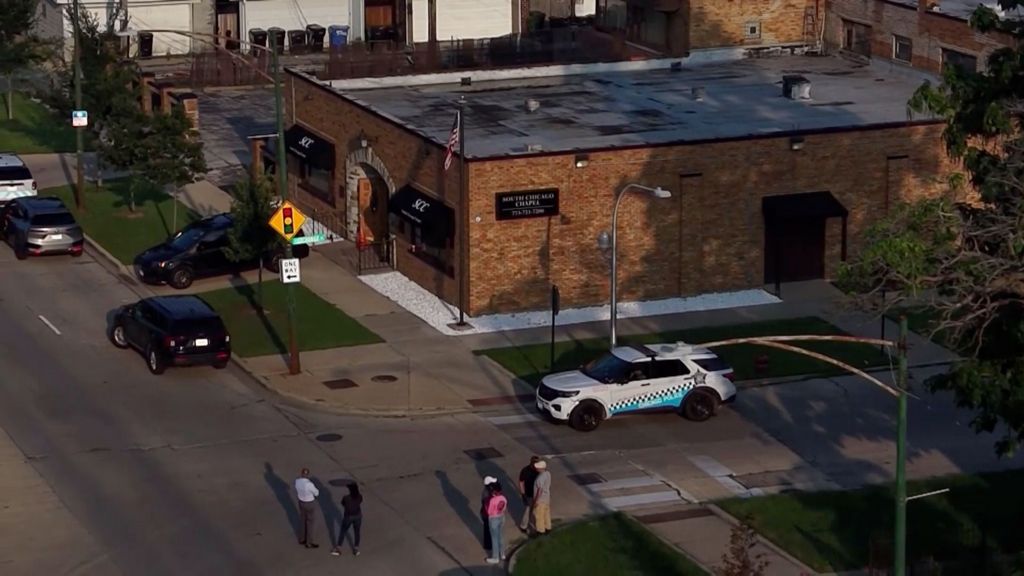
Coroners try to identify dozens of bodies kept in ‘deplorable conditions’ at US funeral home
A shocking discovery at a Chicago funeral home has left dozens of families in agonizing uncertainty, as investigators launched a painstaking process to identify improperly stored remains found in deplorable, unrefrigerated conditions. The Cook County Medical Examiner’s Office, leading the multi-agency investigation, confirmed Thursday that nearly 60 bodies were located at South Chicago Chapel, left in various stages of decomposition amid documented rodent and maggot infestations. Investigators worked through the overnight hours to transport all remains to secure facilities to begin the identification process, which officials warn could take multiple days to complete.
According to regulatory records obtained by CBS News, the BBC’s media partner, the funeral home’s director Johanna Morgan intentionally allowed multiple decedents to be stored in an unrefrigerated space with unsanitary conditions that accelerated decomposition and attracted pests. In response to the findings, the Illinois Department of Financial and Professional Regulation (IDFPR) has suspended Morgan’s funeral director license. The facility has not responded to multiple requests for comment from the BBC.
The case has already raised questions about regulatory gaps, as the operation of South Chicago Chapel has ties to a prior mishandling incident involving the Morgans. Public records show that Clark Morgan, Johanna Morgan’s husband and the listed president of South Chicago Chapel, had his own funeral director license revoked in 2024. Clark Morgan previously owned and operated Heights Crematory, another Chicago-based facility that was shut down in 2025 after investigators also uncovered mishandling of human remains there. Michael Sharkey, general counsel at the Illinois Funeral Directors Association, told the BBC he was the one who initially reported the Heights Crematory incident last year, and he questioned why regulatory officials did not increase scrutiny of the Morgans ahead of the latest discovery.
“It is extremely disturbing that the same individuals who appear to be involved with the events at South Side Chapel are the same persons,” Sharkey said in a formal statement. He added that while he believes the IDFPR has performed well overall, the repeated failures by the same operators point to gaps in proactive oversight.
For local families already grieving, the discovery has turned mourning into fear and uncertainty. Patrice Halliburton told CBS News Chicago that she arranged for her late sister Melody to be cremated at South Chicago Chapel, but now has no way to confirm whether the ashes she received actually belong to her loved one. “We don’t know if Melody is in there or not,” Halliburton said. “So right now, we’re more fearful… than we are angry. I’d rather save that anger for later when we know for sure what’s going on.”
The Chicago incident is the latest in a string of high-profile mishandling cases across the United States that have reignited calls for stricter, more consistent regulation of funeral homes. Currently, oversight of the funeral industry is split between federal and state authorities: Federal Trade Commission rules mostly govern pricing transparency and consumer contract requirements, while day-to-day operational standards for handling remains are set entirely by individual states.
Sharkey explained that Illinois already has relatively strict rules for handling decedents, including requirements that each body be stored separately rather than stacked, and that a written chain of custody log must be maintained to track every movement of a remain after it enters a funeral home’s care. State regulators are authorized to audit these logs and conduct routine inspections of facilities, though Sharkey acknowledged that consistent enforcement remains a challenge.
Regulatory frameworks vary widely across the country, with some states requiring no licensing for funeral home operators at all. In 2023, nearly 200 bodies were discovered at the Return to Nature funeral home in Colorado, a state that did not require operators to hold a license at the time of the incident. In response to that case, Colorado will implement new mandatory licensing requirements for funeral operators starting in January 2027. Similar high-profile cases have been reported internationally: in the United Kingdom, a funeral director was sentenced to 20 years in prison after authorities discovered dozens of improperly stored bodies and half a tonne of unprocessed ashes at his facility, a case that inflicted years of trauma on affected families and sparked widespread calls for regulatory reform.
Dan Ford, president of the U.S. National Funeral Directors Association, expressed deep sorrow over the Chicago incident in a statement to the BBC. “I am absolutely heartbroken over what has happened here,” Ford said. “I feel for everybody that’s affected, all the families and loved ones who are now facing this additional pain after losing someone they care about.”