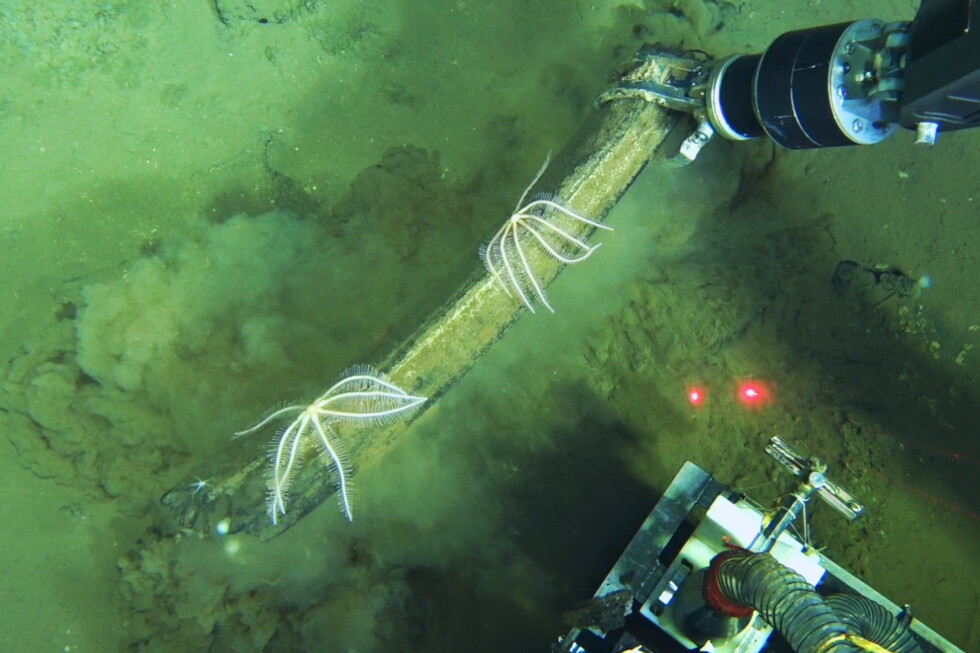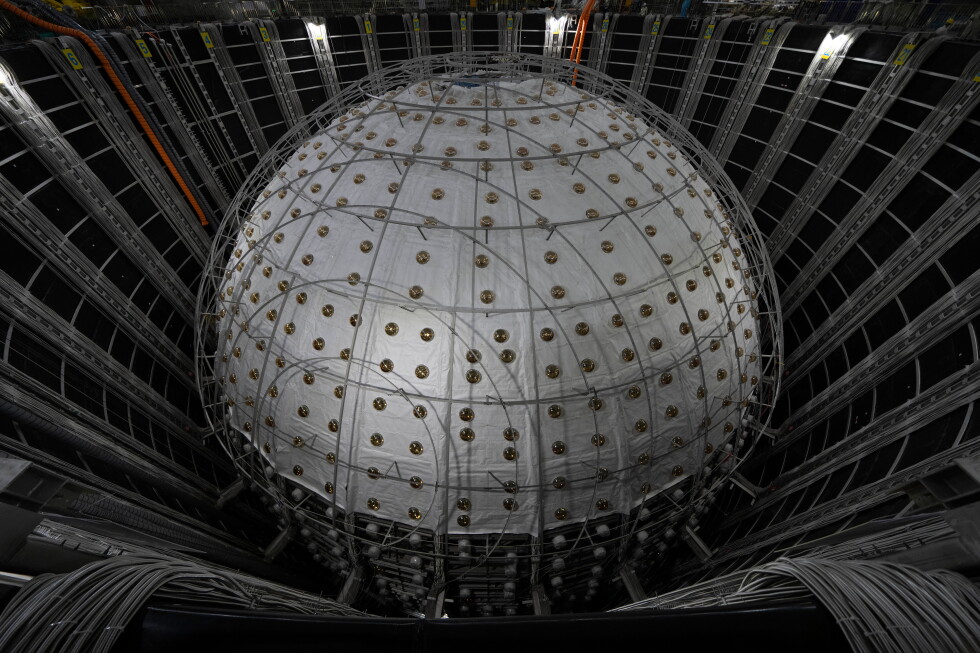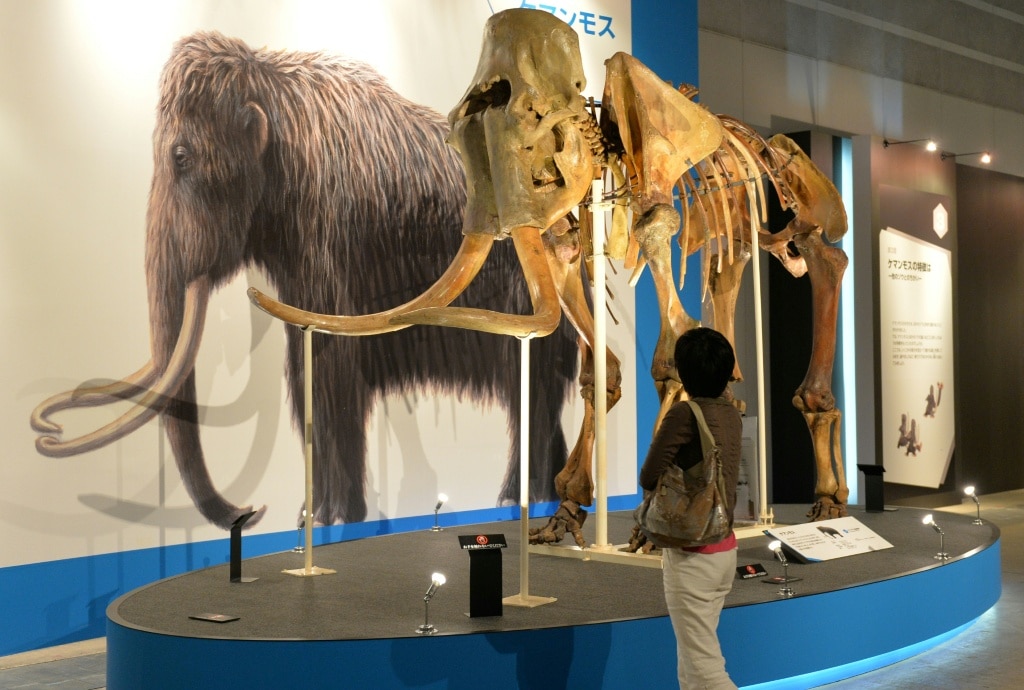
After more than four decades since the last major international joint expedition to the region, a landmark three-year scientific effort has produced the first comprehensive map of wildlife populations and ecosystem health across Cangshan Mountain in southwest China’s Yunnan province, solidifying the site’s reputation as one of the world’s critical biodiversity hotspots. The large-scale collaborative project, which wrapped up its field and analytical work ahead of the April 2026 announcement, spanned nearly 1,000 square kilometers of the mountain range located within Dali Bai Autonomous Prefecture, bringing together experts and resources from multiple leading Chinese research institutions. Zhong Mingchuan, core team member and director of the Yunnan Academy of Forestry and Grassland, noted that this new study marks the most rigorous, systematic assessment of the mountain’s full ecological profile since international researchers conducted joint surveys of the area in the 1980s. Prior to this initiative, much of the existing data on Cangshan’s diverse flora and fauna was fragmented, outdated, or limited to specific taxonomic groups, leaving major gaps in scientific understanding of how the region’s ecosystems have shifted amid global climate change and local human activity over the past generation. The comprehensive mapping effort deployed a mix of traditional field observation, camera trapping, genetic sampling, and habitat assessment techniques to document every documented and newly discovered species across the mountain’s varied elevation zones, from subtropical lowland valleys to alpine tundra at the highest peaks. Researchers involved in the project emphasized that the data collected will serve as a critical baseline for future long-term ecological monitoring, as well as inform evidence-based conservation policies and sustainable land management practices for the protected area. The findings are also expected to support broader global research into patterns of biodiversity in the Hengduan Mountains region, a global priority area for conservation due to its exceptionally high concentration of endemic species found nowhere else on Earth.
分类: science
-

4,000-year-old water channel network discovered in Central China
Zhengzhou, China – A well-preserved, purpose-built water channel network dating back approximately 4,000 years has been excavated at the Wangchenggang archaeological site in Dengfeng, central China’s Henan province. The landmark find, announced Thursday by Chinese archaeological authorities, is providing groundbreaking new evidence that confirms the advanced state-level organizational capabilities and structured urban planning of China’s first recorded dynasty, the Xia Dynasty, which ruled from approximately 2070 BC to 1600 BC.
The discovery was publicly unveiled at a academic forum highlighting Henan province’s most recent archaeological breakthroughs. Lead on-site excavation director Ma Long, a veteran local archaeologist, reported that two large early Xia Dynasty artificial ditches have been fully mapped at the site. Each ditch measures roughly 3 meters wide, with a confirmed excavated length exceeding 120 meters. Aligned on a consistent north-south axis, the two main ditches connect to a larger moat spanning approximately 10 meters in width, creating a fully integrated system that delivered water, removed waste, and divided the ancient settlement into distinct functional zones.
According to Ma, the uniform construction and alignment of the two main ditches reflect a remarkably high level of pre-construction planning, sophisticated design, and advanced engineering execution for the era. Preliminary calculations estimate that workers moved thousands of cubic meters of earth to complete the project – a feat that would only have been possible with the coordination of large, well-organized labor forces under a centralized governing authority.
Beyond the large main ditches and perimeter moat, archaeologists also uncovered a network of smaller secondary channels, ranging from just 0.3 meters to 1 meter in width. These smaller branches extend directly to individual residential buildings and ancient kiln sites across the settlement, allowing for fast and efficient removal of rainwater and domestic wastewater to keep living and working spaces dry.
Yang Wensheng, deputy director of the Henan Provincial Institute of Cultural Heritage and Archaeology, explained the broader significance of the find. The large, hierarchically organized artificial water network demonstrates that even in the early Xia Dynasty, the Wangchenggang site operated under a unified governing authority with the capacity to organize large public works projects and enforced standardized engineering practices. Yang emphasized that this system serves as critical tangible archaeological evidence confirming the maturity of early state formation in ancient China.
Additional excavation and academic analysis of the site and newly uncovered features is ongoing, with researchers expecting to reveal more details about urban life and governance during China’s earliest dynastic period in coming months.
-

Beneath Yellowstone: How a supervolcano is born
Supervolcanoes stand as Earth’s most formidable volcanic forces, with a single catastrophic supereruption capable of expelling more than 1,000 cubic kilometers of volcanic debris – enough to smother a large, modern metropolis under tens of meters of ash and rock. Given their capacity to upend global ecosystems, alter long-term climate patterns, and threaten human civilization across continents, geoscientists have spent decades working to unravel the geophysical mechanisms that generate these extraordinary geological features.
A new collaborative study led by a joint team of researchers from the Chinese Academy of Sciences’ Institute of Geology and Geophysics and the University of Illinois in the United States has delivered the first complete, evidence-based explanation for how Yellowstone’s underground magma system formed and has sustained its activity over millions of years. The peer-reviewed findings were published in the prominent academic journal *Science* on April 4, 2026. Researchers note the breakthrough will drastically improve future volcanic hazard forecasting and help communities mitigate potential disaster risks from supervolcanic activity around the globe.
Nestled within Yellowstone National Park in western North America, the Yellowstone caldera is one of the most studied and well-known active supervolcanoes on the planet. Over the last 2.1 million years, it has erupted two enormous events, releasing approximately 2,500 and 1,000 cubic kilometers of volcanic material respectively. Its wealth of publicly available geological and geophysical survey data has turned it into a natural, open-air laboratory for geoscientists researching supervolcanic formation.
For decades, the dominant scientific framework held that supervolcanoes were powered by large, continuous reservoirs of fully liquid magma trapped within the Earth’s crust. Under this long-held model, molten rock accumulated steadily underground, pressure built to critical levels until it fractured surrounding solid rock, and an eruption followed. Scientists previously believed the heat driving this activity originated from a vertical plume of hot rock rising from thousands of kilometers deep within the Earth’s lower mantle.
However, accumulated research over the past ten years has called this traditional model into question. Multiple independent studies have confirmed that instead of a large pool of entirely molten rock, supervolcano magma systems are mostly made up of a viscous “crystal mush” – a semi-solid mixture of molten rock and solid mineral crystals that can remain stable underground for millions of years. In addition, high-resolution geophysical data has confirmed that Yellowstone’s entire magma system is tilted at an angle, rather than being vertically aligned, extending progressively further toward the southwest as depth increases.
To resolve these contradictions and build a more accurate model of the supervolcano’s formation, the research team constructed a high-resolution three-dimensional geophysical model of the lithosphere and upper mantle beneath western North America. The model integrates decades of geological field data, geophysical survey readings, and geochemical analysis to simulate both the ancient evolution and current state of Yellowstone’s volcanic activity.
The study’s surprising results confirm that Yellowstone’s magma originates much deeper in the Earth than the scientific community previously assumed. The source of the molten rock lies near the base of the North American lithosphere, the rigid outer layer of the Earth that extends roughly 100 kilometers below the continental surface.
At this great depth, hot, partially molten rock moves slowly eastward through a narrow geologic channel beneath the Yellowstone region. As this buoyant hot material is dragged and stretched by mantle flow moving under the thicker section of the North American continental lithosphere, pressure on the material drops rapidly, triggering partial melting of the hot rock that generates the magma that feeds the supervolcano above.
At the same time, the North American tectonic plate is moving steadily westward, creating a counterforce that pushes against the deeper eastward flow of mantle rock. This interaction of opposing tectonic forces pulls apart the base of the continental lithosphere, creating a diagonal pathway that allows rising magma to move upward toward the crust. This geodynamic process directly explains the tilted, angled shape of the magma system observed in earlier seismic surveys of the region.
“Our study provides the first comprehensive explanation of how magmatic systems beneath supervolcanoes form and evolve over geologic time,” explained Liu Lijun, the study’s corresponding author and a senior researcher at the Institute of Geology and Geophysics.
Cao Zebin, the study’s first author and a postdoctoral researcher on the project, noted that the newly identified geodynamic mechanism is not unique to Yellowstone. It can likely be applied to other large supervolcanic systems across the globe, including Indonesia’s Toba volcano – site of one of the largest supereruptions in Earth’s history – and the Altiplano-Puna volcanic complex in the Andes Mountains of South America.
Looking ahead, Liu added that this new, accurate model could eventually be used to develop forecasting systems for volcanic activity that function similarly to modern weather prediction. These tools would allow government agencies and disaster management authorities to anticipate volcanic activity far in advance and implement mitigation measures that drastically reduce the risk to human life and infrastructure.
-

Chinese scientists report first clinical success using base editing to treat severe blood disorder
The global field of genetic medicine has reached a landmark milestone, as a team of Chinese scientists has announced the world’s first clinically proven successful application of base editing technology to treat a life-altering severe inherited blood disorder. The groundbreaking research results, which mark the first Chinese thalassemia study ever accepted for publication in the top-tier academic journal *Nature*, offer a potentially curative, safer alternative to existing treatments for thousands of patients living with the condition worldwide.
The clinical trial focused on five patients diagnosed with transfusion-dependent beta-thalassemia, a genetic condition that leaves patients unable to produce functional adult hemoglobin, requiring regular, lifelong monthly blood transfusions to manage symptoms. After receiving a single one-time infusion of the experimental base-edited therapy CS-101, all five participants were able to stop their regular transfusions entirely, a outcome that has redefined what is possible for the treatment of this disorder.
Traditional gene editing approaches for beta-thalassemia work by reactivating the gene that produces fetal hemoglobin, which can compensate for the faulty adult hemoglobin that causes the condition. However, older gene editing technologies rely on cutting the DNA double helix to make changes, introducing significant risks of unintended DNA damage, chromosomal abnormalities, and harmful off-target effects. The only curative option available to patients prior to this innovation has been matched bone marrow transplantation, a procedure that requires a genetically compatible donor (a match that is inaccessible to most patients) and carries the life-threatening risk of graft-versus-host disease, where transplanted donor cells attack the recipient’s body.
To address these long-standing gaps and risks, the research team — led by principal investigator Lai Yongrong, a professor in the Hematology Department at the First Affiliated Hospital of Guangxi Medical University, and carried out in collaboration with researchers from ShanghaiTech University, Fudan University, and biotech firm CorrectSequence Therapeutics — deployed a next-generation transformer base editor. Unlike older techniques, this technology can directly rewrite specific genetic bases in a patient’s own hematopoietic stem cells without cutting through the DNA double helix. By eliminating DNA breaks, the approach drastically cuts the risk of unintended collateral genetic damage while producing higher levels of active fetal hemoglobin with far lower systemic toxicity.
Clinical outcomes from the trial have exceeded initial expectations. On average, the edited stem cells began demonstrating healthy function in all five patients just 16 days after infusion. All participants achieved stable, near-normal hemoglobin levels and discontinued regular blood transfusions within one month of treatment. The trial’s first enrolled patient has remained transfusion-free for more than 28 months, and across a median follow-up period of nearly two years, no serious adverse side effects linked to the therapy have been recorded. Critically, because the therapy uses the patient’s own modified stem cells, it eliminates the need for a matched donor entirely, removing two of the largest barriers to curative treatment for beta-thalassemia.
Beta-thalassemia disproportionately impacts populations across South China and Southeast Asia, where carrier rates in high-prevalence regions such as Guangxi can exceed 20%, leaving thousands of patients in the region without access to curative care. The research team notes that this breakthrough not only demonstrates that China’s homegrown gene editing technology meets global top-tier standards, but also positions the innovation as a potential best-in-class curative treatment that could expand access to life-changing care for patients with beta-thalassemia around the world.
-

Antarctic voyage ends with crucial findings
After more than five months traversing the remote, ice-choked waters of the southernmost continent, China’s polar research icebreaker Xuelong (Snow Dragon) sailed back to its home berth in Shanghai on Thursday, bringing a successful close to the primary voyage of China’s 42nd Antarctic expedition and delivering a wealth of critical scientific data collected in one of Earth’s most extreme environments.
A small but official welcoming ceremony was held on the Shanghai docks to greet the returning crew and research team, with senior representatives from both China’s Ministry of Natural Resources and the Shanghai municipal government in attendance to mark the expedition’s achievements.
The 42nd expedition launched in early November 2025, deploying two state-of-the-art icebreaking research vessels, Xuelong and Xuelong 2, to carry a total cohort of 550 scientists and specialists drawn from 125 domestic and international research institutions. Both vessels arrived at their Antarctic research zones by the end of the same month, after a long crossing from Shanghai.
According to official briefing from the Ministry of Natural Resources, the research team overcame extraordinary environmental challenges to complete their work. Navigating unpredictable, tangled sea ice formations, battering storm swells, persistent gale-force winds, and sub-zero temperatures that tested both equipment and personnel, the team carried out extensive, multi-disciplinary ecological and geological surveys across three key regions: the Antarctic Peninsula, the Cosmonaut Sea, and the Amundsen Sea.
Beyond pure scientific research, the expedition also fulfilled a number of logistical operational goals: completing scheduled infrastructure upgrades at onshore research stations, delivering critical resupplies to ongoing field missions, and rotating personnel stationed at Antarctic outposts back to civilization.
By the time Xuelong docked in Shanghai, the vessel had logged a total distance of 63,000 nautical kilometers across its entire voyage. In contrast, after fulfilling its assigned Antarctic research and logistical tasks, the Xuelong 2 icebreaker remained in southern waters to embark on a separate specialized mission focused on studying the unique and understudied marine ecosystems of the Southern Ocean.
This successful expedition marks another major milestone in China’s long-term collaborative polar research program, expanding global scientific understanding of Antarctica’s rapidly changing environment and its role in regulating global climate and ocean systems.
-

How the Artemis crew will splash down on Earth
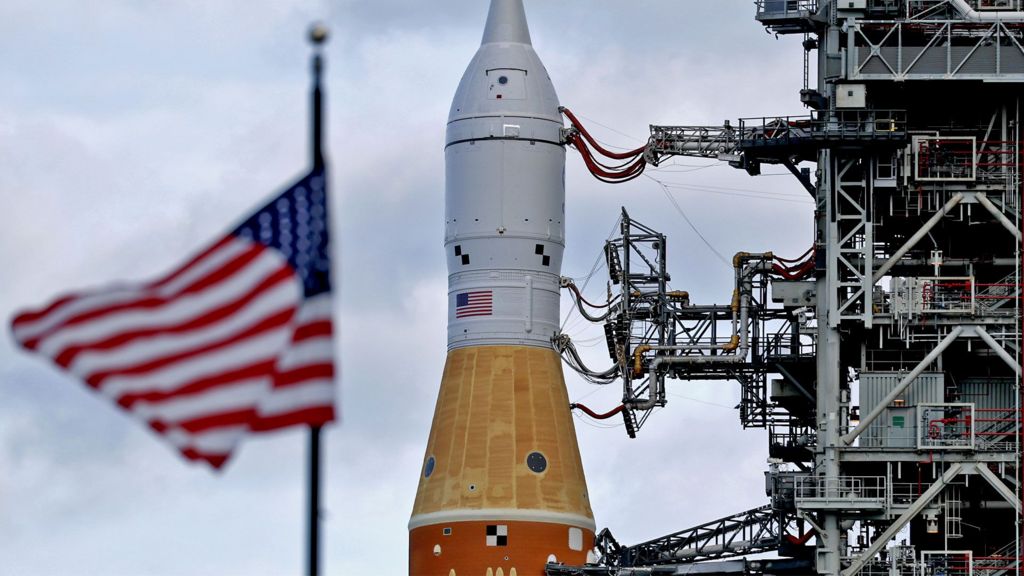
NASA’s groundbreaking Artemis lunar mission is approaching its final milestone, as the four-person crew prepares to wrap up their 10-day journey around the Moon and make their dramatic return to Earth via splashdown on April 10. This mission marks a critical step in humanity’s renewed push for deep space exploration, building on decades of lunar research and laying the groundwork for future crewed landings on the lunar surface. Unlike the Apollo missions of the 20th century, this flight tests updated life support systems, navigation technology, and reentry protocols that will be essential for the upcoming Artemis III landing, which aims to place the first woman and person of color on the Moon. The splashdown process itself is a carefully choreographed operation: after the crew module separates from the service module, it will enter Earth’s atmosphere at hypersonic speeds, with heat shields absorbing the extreme temperatures generated by atmospheric friction. Parachutes will then deploy in sequential stages to slow the capsule down to a safe landing speed, before it touches down in a pre-determined open ocean area. NASA recovery teams, working alongside the U.S. Coast Guard and other partner organizations, have completed months of training to rapidly locate the capsule, extract the crew, and transport them to waiting facilities for medical checks and debriefing. Every step of this return operation is being closely watched by space agencies and aerospace teams around the world, as success here will clear the way for the next phase of the Artemis program, which ultimately aims to establish a sustainable lunar outpost and prepare for future human missions to Mars.
-

Watch: How the US Navy will help recover the Artemis II crew
As NASA’s Artemis program inches closer to its first crewed lunar mission in over half a century, the United States Navy has stepped into a critical role, finalizing preparations to retrieve the Orion spacecraft and its four-person crew after their splashdown in the Pacific Ocean. The mission, which will mark humanity’s first return to crewed deep space exploration since the Apollo program concluded in 1972, is scheduled to conclude with a controlled splashdown off the coast of San Diego on April 10.
-

Chinese scientists shed light on how brain switches between thinking, perceiving
For decades, neuroscientists have puzzled over a fundamental question of human cognition: how does the same large-scale brain network seamlessly shift between deep internal thought — remembering a childhood celebration, planning next week’s work schedule, or reflecting on personal experiences — and active engagement with the outside world, such as reading a conversation partner’s facial expression or processing spoken language? Now, a team of Chinese researchers says they have resolved this longstanding mystery, uncovering a core organizational rule that governs one of the brain’s most important cognitive networks.
Led by researchers from the Institute of Psychology at the Chinese Academy of Sciences, the work centers on the default mode network (DMN), a interconnected system of brain regions that has been studied by neuroscientists for decades. For years, the scientific consensus held that the DMN was exclusively dedicated to internal cognitive processes. But newer research has challenged that view, finding that the DMN also activates during externally focused cognitive tasks, from interpreting emotional cues to parsing spoken language. Prior to this new study, no research had been able to explain how a single network could effectively carry out two seemingly conflicting roles.
To untangle this question, the research team integrated three distinct analytical approaches across multiple independent brain activity datasets: analysis of directional functional connectivity (which maps the direction of information flow between brain regions), assessment of the DMN’s intrinsic internal structure, and measurement of brain activity triggered by specific cognitive tasks. What they found upends long-held assumptions about how the DMN is organized: rather than being a single, uniform network, the DMN is actually split into two functionally distinct subregions, each specialized for a unique cognitive role.
The team’s findings, published in the leading peer-reviewed journal *Proceedings of the National Academy of Sciences* (PNAS), classify these subregions by their function: receiver-type areas and sender-type areas.
Receiver-type subregions are optimized to absorb incoming information from the outside environment, the research confirms. These areas take the lead when the brain processes external sensory input — what a person sees, hears, or experiences in their immediate surroundings — to support perception of the outside world. Sender-type subregions, by contrast, are specialized to transmit stored internal information to other brain systems. These areas draw on memories, past experiences, and internal thought to guide decision-making and action.
Using cutting-edge functional brain imaging and large-scale data analysis techniques, the team verified these distinct roles through task-based testing. When participants completed perception-focused tasks like recognizing a familiar face, receiver-type areas showed significantly higher activation. When participants relied on stored memory to make decisions, sender-type areas became the more active of the two subregions.
Zhang Meichao, the lead researcher on the project, explained that the DMN’s ability to support both external perception and internal cognition directly stems from this natural structural division into functionally distinct sender and receiver zones. This organizational framework allows the brain to shift smoothly between internal thought processes and engagement with the external world without conflict or cognitive overload.
Zhang added that this breakthrough offers a new, simplified framework for understanding how the brain’s association cortex — the region responsible for high-order cognitive functions including complex thinking and flexible cognition — enables seamless transitions between internal reflection and interaction with the surrounding environment. The discovery lays a critical foundation for future research into cognitive processing, and may open new avenues for understanding neurological conditions that impact cognitive flexibility.
-

China successfully launches 23rd space mission of 2026
In another landmark step for China’s expanding space program, the country successfully placed a new batch of internet satellites into planned orbit early Thursday, marking its 23rd space launch mission of 2026. The launch was carried out by a Long March 6A carrier rocket, lifting off at 3:38 a.m. local time from the Taiyuan Satellite Launch Center located in northern China’s Shanxi Province, according to mission contractor China Aerospace Science and Technology Corp.
This latest group of spacecraft represents the 21st batch of low-orbit satellites built for China’s state-operated global space-based internet network. Developed by the Innovation Academy for Microsatellites, a Shanghai-based subsidiary of the Chinese Academy of Sciences, all satellites were successfully delivered to their preassigned orbital positions shortly after liftoff.
With this latest deployment, the Chinese mega-constellation — frequently compared to SpaceX’s Starlink network in global aerospace circles — now operates nearly 170 low-Earth orbit satellites. When fully completed, the large-scale network is planned to include approximately 13,000 low-orbit satellites that will deliver continuous global internet coverage across the world.
The Long March 6A rocket, which carried out this mission, was developed by the Shanghai Academy of Spaceflight Technology as a medium-lift launch vehicle tailored for modern satellite deployment missions. Standing 50 meters tall, the rocket features a liquid-fueled core booster paired with four solid-propellant side boosters, with a total liftoff weight of 530 metric tons. It is capable of delivering payloads to a range of orbital regimes, including low-Earth orbit, sun-synchronous orbit and intermediate circular orbit. This mission marked the sixth flight of the Long March 6A that has been dedicated to deploying satellites for the low-orbit internet constellation.
Nationwide, this successful launch also pushed the total number of flights for China’s entire Long March rocket family to 637, underscoring the reliability and consistent progress of the country’s commercial and governmental launch programs. The steady cadence of missions in 2026 — already 23 completed before the end of the second quarter — reflects China’s ongoing push to advance its space infrastructure and expand its capabilities in satellite-based communications.
-

Chinese icebreaker Xuelong returns after fruitful Antarctic expedition
After more than five months of groundbreaking scientific exploration in one of the planet’s most remote and unforgiving environments, China’s iconic research icebreaker Xuelong — meaning “Snow Dragon” in Chinese — sailed back to its home port of Shanghai on Thursday, capping a highly productive voyage as part of the country’s 42nd Antarctic expedition. The expedition’s total runtime stretched to 160 days, during which the vessel and its on-board team of researchers, engineers, and support staff navigated treacherous sea ice, extreme sub-zero temperatures, and harsh wind conditions to carry out a wide range of critical scientific work across the Southern Ocean and Antarctic continent.
As a core component of China’s longstanding polar research program, this expedition focused on advancing global understanding of Antarctic climate systems, ice sheet dynamics, marine ecosystem biodiversity, and geological features of the southern polar region. Teams conducted on-ice field surveys, collected water and ice core samples, deployed and maintained autonomous scientific monitoring equipment, and carried out logistical support for China’s permanent Antarctic research stations, laying critical groundwork for future polar scientific collaboration and discovery. The successful return of Xuelong marks the conclusion of another major milestone for China’s polar exploration efforts, contributing valuable new data to the global scientific community’s ongoing study of the Antarctic and its critical role in regulating the Earth’s climate.
This voyage adds to a decades-long legacy of polar research carried out by the Xuelong vessel, which has served as China’s primary platform for Antarctic expeditions since it entered service. The 42nd expedition’s outcome reflects continued progress in China’s investment in scientific polar exploration, alongside growing international collaboration to address shared global challenges such as climate change, which is disproportionately impacting polar regions. Local port officials and the expedition’s leadership welcomed the vessel and its crew back to Shanghai, noting that the data and samples collected during the voyage will now undergo detailed analysis by research institutions across China and in partnership with international scientific bodies.