分类: science

  • Drone video from inside a Fukushima reactor shows a hole in pressure vessel, likely fuel debris

    Drone video from inside a Fukushima reactor shows a hole in pressure vessel, likely fuel debris

    In a groundbreaking exploration, micro-drones have captured unprecedented footage from within the devastated Fukushima Daiichi nuclear power plant, revealing critical new details about the 2011 meltdown’s aftermath. The remotely operated drones, measuring just 12 by 13 centimeters and weighing only 95 grams, successfully navigated the highly radioactive environment of Unit 3’s reactor during a two-week reconnaissance mission.

    The newly released video evidence shows a substantial breach in the steel pressure vessel’s base, with substantial deposits of what experts believe to be melted nuclear fuel debris suspended from the damaged structure. This marks the first direct observation of the reactor vessel’s bottom since the catastrophic meltdown triggered by the March 2011 earthquake and tsunami that crippled Japan’s northeastern coast.

    Tokyo Electric Power Company Holdings (TEPCO), the plant’s operator, deployed these specialized drones to gather visual documentation, radiation measurements, and three-dimensional mapping data from the previously inaccessible containment chamber. The footage reveals extensively damaged internal structures, including ruptured tubes and formations resembling large icicles of solidified nuclear material.

    According to TEPCO spokesperson Masaki Kuwajima, the mission provided ‘valuable data that can be used for our future internal investigations and to develop melted fuel debris removal strategy.’ The three damaged reactors collectively contain approximately 880 tons of highly radioactive melted fuel debris, presenting extraordinary technical challenges for eventual cleanup operations.

    The successful drone deployment represents significant progress from earlier robotic probes, including an underwater investigation nearly a decade ago that yielded limited visual information. TEPCO plans additional remote-controlled missions and sampling operations to analyze the melted fuel composition and develop specialized robotics for the complex removal process, which experts anticipate could require several decades to complete.

  • Nasa’s Moon rocket Artemis rolls back to pad for possible April launch

    Nasa’s Moon rocket Artemis rolls back to pad for possible April launch

    NASA has initiated the meticulous transport of its colossal Space Launch System (SLS) rocket for a second rollout to Launch Pad 39B at Florida’s Kennedy Space Center. This critical maneuver follows extensive repairs to resolve a technical issue that previously halted launch preparations.

    The 98-meter (322-foot) rocket, paired with the Orion spacecraft, embarked on its slow four-mile journey from the Vehicle Assembly Building (VAB) to the coastal launch complex. The massive Crawler-Transporter-2, a veteran NASA vehicle dating back to 1965, carries the approximately 5,000-tonne assembly at a deliberate pace not exceeding 1 mph. This cautious speed minimizes structural stress on the multi-billion dollar system during transit.

    Engineering teams recently completed repairs addressing a helium system malfunction in the rocket’s upper stage that forced the mission’s postponement in March. Specialists working within the VAB replaced suspect components and renewed batteries in critical systems before conducting comprehensive retests.

    Upon reaching the launch pad, technicians will perform several days of verification procedures including reconnecting the launch tower, conducting pressure tests on the revised helium system, and executing simulated countdown sequences using the actual flight computers and networks.

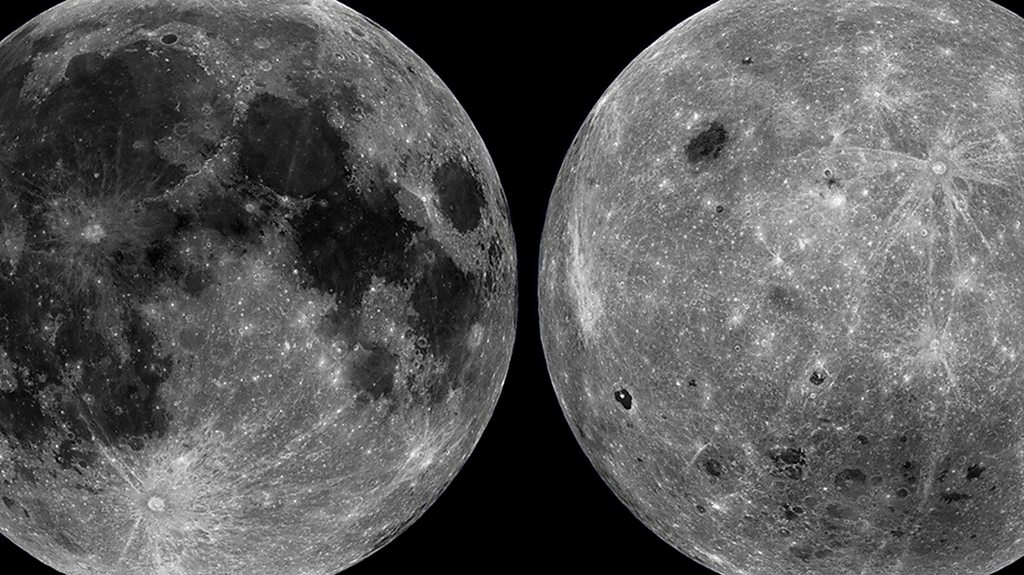
    The Artemis II mission represents humanity’s first crewed lunar flyby in over five decades, featuring astronauts Reid Wiseman, Victor Glover, Christina Koch, and Jeremy Hansen. The crew has entered pre-flight quarantine protocols and will participate in final rehearsals at Kennedy Space Center as NASA targets early April launch opportunities beginning April 1st.

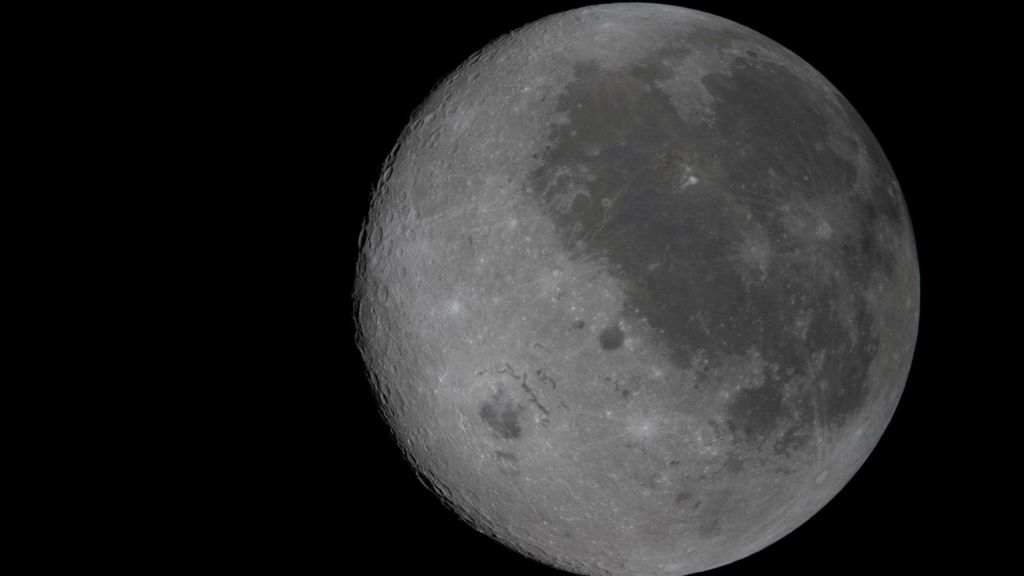
    Mission managers will review all test data before making a final launch decision. If successful, this ten-day mission will orbit the Moon’s far side before returning to Earth, paving the way for subsequent Artemis missions including planned lunar surface landings.

  • Top scientist urges global collaboration on brain-computer interface development

    Top scientist urges global collaboration on brain-computer interface development

    In a significant prelude to the upcoming Zhongguancun Forum, Dr. Luo Minmin, a prominent figure in neuroscience and Director of the Chinese Institute for Brain Research, has issued a compelling appeal for international cooperation in brain-computer interface (BCI) technology development. The forum will serve as the platform for unveiling China’s latest neural research achievement—the Beinao-2 model.

    During an exclusive interview, Dr. Luo provided a comprehensive overview of the global BCI landscape, noting distinct regional specializations. “The United States possesses considerable historical depth in this domain, while European researchers are achieving remarkable breakthroughs,” he observed. “China’s research ecosystem demonstrates particular strength in advancing invasive BCI methodologies.”

    The renowned scientist emphasized the transformative potential of BCI systems in restoring functionality to individuals affected by paralysis and stroke victims, characterizing the need for breakthrough solutions as both urgent and morally imperative.

    Representing a public research institution, Dr. Luo articulated a vision that transcends commercial competition. He framed BCI development as a shared scientific challenge requiring collective intelligence. “Rather than engaging in proprietary competition, research communities across Europe, the United States, and China should combine expertise to create superior solutions that benefit humanity universally,” he asserted. Dr. Luo concluded with a powerful call to action, urging the global brain science community to consolidate efforts in delivering revolutionary treatments to patients worldwide.

  • New study challenges a site that’s key to how humans got to the Americas

    New study challenges a site that’s key to how humans got to the Americas

    A groundbreaking archaeological study has ignited intense scholarly debate by challenging the established timeline of human settlement in the Americas. For over four decades, Chile’s Monte Verde site has stood as the most significant evidence of early human presence in the Western Hemisphere, with previous research dating artifacts and footprints to approximately 14,500 years ago.

    Published in the prestigious journal Science, the controversial new research presents a radically different interpretation of the site’s geology. Through extensive sediment sampling and analysis along the Chinchihuapi Creek adjacent to Monte Verde, researchers identified a volcanic ash layer dating back approximately 11,000 years. This geological marker suggests that any materials found above this stratum—including the famous wooden tools and structural remains—must be younger than previously believed.

    Lead researcher Claudio Latorre of Chile’s Pontifical Catholic University stated, ‘Our comprehensive reinterpretation of the site’s geology concludes that Monte Verde cannot be older than 8,200 years.’ The research team proposes that landscape transformations, including stream erosion that mixed geological layers, may have caused earlier dating inaccuracies.

    The scientific community has responded with significant skepticism. Several prominent archaeologists, including those involved in the original excavations, have raised substantial objections to the methodology and conclusions. Michael Waters of Texas A&M University commented that the study ‘provides, at best, a working hypothesis not supported by the presented data.’

    Critics highlight that the new analysis examined areas surrounding rather than directly within the protected archaeological site, where geology may differ substantially. They further note the absence of evidence that the volcanic ash layer uniformly covered the entire landscape. Most importantly, opponents question how the study accounts for directly dated artifacts from the site—including a crafted mastodon tusk tool and fire-hardened digging implements—that consistently yield dates around 14,500 years old.

    Tom Dillehay of Vanderbilt University, who led the initial Monte Verde excavations, emphasized that the new interpretation ‘disregards a vast body of well-dated cultural evidence.’

    The dating of Monte Verde carries profound implications for understanding human migration patterns. The site’s original dating helped overturn the long-standing ‘Clovis first’ theory of human arrival in the Americas. A revised timeline could reopen fundamental questions about migration routes—whether early humans traveled through ice-free corridors, along coastal waterways, or via combined land-and-sea routes.

    As the scientific debate continues, researchers acknowledge that further independent analyses of early settlement sites will be essential for resolving these fundamental questions about human history in the Americas.

  • Scientists reveal how global megadunes form and evolve

    Scientists reveal how global megadunes form and evolve

    In a landmark study published in the Proceedings of the National Academy of Sciences, an international research consortium has fundamentally transformed our understanding of how Earth’s largest sand structures form and develop. The research, led by scientists from China’s Northwest Institute of Eco-Environment and Resources in collaboration with the University of California, Los Angeles and Zhejiang University, demonstrates that topography—not atmospheric constraints or bedrock limitations—serves as the primary determinant in megadune evolution.

    The investigation systematically mapped and analyzed megadunes globally—those towering sand formations exceeding 100 meters in height—revealing that over 97% concentrate in the Sahara Desert and arid Asian regions. Through advanced dune simulation modeling, researchers discovered that mountain-proximate locations and depression areas within dune fields create the necessary conditions for massive sand accumulation.

    Contrary to previous theories that emphasized atmospheric boundary layer depth or sediment supply limitations, the study demonstrates that abrupt shear stress gradients generated by mountainous and basin-shaped topographies trigger rapid, localized sand accumulation. These topographic features accelerate dune coarsening and megadune growth through enhanced sand flux convergence and increased collision rates among migrating dunes.

    The research further explains the scarcity of megadunes in regions like Australia, where vegetation cover limits sediment transport despite otherwise favorable conditions. The findings not only resolve longstanding questions about maximum natural sand accumulation heights but also provide critical insights for studying aeolian processes on extraterrestrial bodies where similar landforms have been observed.

  • Experts: Too soon to predict El Nino effect

    Experts: Too soon to predict El Nino effect

    Climate specialists from China’s National Climate Center are advising the public to treat dire social media warnings about an impending super El Niño event with measured skepticism. While online discourse has been rife with predictions of record-breaking heat and extreme weather patterns for 2026-2027, experts emphasize that current scientific modeling cannot yet confirm these alarming forecasts.

    The administration’s monitoring data indicates that lingering La Niña conditions—characterized by cooler-than-average sea surface temperatures in the central and eastern equatorial Pacific—are gradually weakening. This transition suggests the tropical Pacific could potentially shift toward an El Niño state later this year, though significant uncertainties remain regarding the timing, intensity, and specific characteristics of such an event.

    Liu Yunyun, Director of the Climate Prediction Division at the National Climate Center, clarified the current scientific understanding: ‘While probability models indicate a strong possibility that the central and eastern equatorial Pacific will enter an El Niño phase during the latter half of this year, accurately predicting its precise onset or overall intensity remains beyond our current capabilities.’

    The El Niño-Southern Oscillation (ENSO) represents a naturally recurring climate pattern involving complex interactions between ocean temperatures and atmospheric conditions across the tropical Pacific. This phenomenon typically cycles every three to seven years and exerts considerable influence on global weather systems.

    Scientific classification of ENSO phases relies on meticulous measurement of sea surface temperature anomalies in the central and eastern tropical Pacific. A sustained three-month average anomaly exceeding 0.5°C for at least five consecutive months indicates El Niño conditions, while a consistent anomaly below -0.5°C signifies La Niña.

    Chen Lijuan, Chief Forecaster at the center’s climate prediction division, provided additional context: ‘Historical data confirms that El Niño events frequently correlate with increases in global average temperatures. However, the magnitude of warming and the severity of extreme weather events depend critically on the specific strength, type, and regional climate responses to any developing event. At this preliminary stage, declaring that a super El Niño will materialize and inevitably produce the hottest year on record would be scientifically premature.’

    Experts specifically cautioned against uncritical acceptance of social media narratives predicting ‘the hottest year’ or catastrophic weather scenarios, noting that such discussions often exaggerate or misrepresent the nuanced findings of climate science. Chen emphasized the importance of interpreting climate predictions with appropriate caution, given the substantial uncertainties surrounding the timing, intensity, and regional impacts of any potential El Niño development.

  • The platypus is even weirder than thought, scientists discover

    The platypus is even weirder than thought, scientists discover

    In a groundbreaking discovery that adds yet another extraordinary feature to one of nature’s most enigmatic creatures, scientists have revealed that the platypus possesses hollow melanin structures—a characteristic previously documented exclusively in birds. This finding, published in the Royal Society’s Biology Letters journal, positions the Australian monotreme as the only known mammal with this unique pigment configuration.

    The research emerged unexpectedly when biologists at Ghent University in Belgium were compiling a comprehensive database of mammalian melanosomes—specialized cellular structures containing the pigment melanin. Lead author Jessica Leigh Dobson described the moment her team identified the platypus’s hollow melanosomes as “extremely surprising and exciting.”

    Melanin serves critical functions in vertebrates, including ultraviolet radiation protection, thermal regulation, and coloration. While mammals typically possess solid melanosomes—elongated for dark brown/black hues (eumelanin) and spherical for reddish tones (pheomelanin)—birds exhibit hollow or flattened variants that contribute to their vibrant and iridescent plumage.

    The platypus, already renowned for its duck-like bill, beaver-like tail, egg-laying reproduction, and venomous spurs, now adds hollow melanosomes to its catalog of biological curiosities. Surprisingly, these structures don’t produce iridescent effects in the platypus’s dark brown fur but appear randomly scattered throughout its hair cortex.

    This discovery raises significant evolutionary questions. As descendants of aquatic burrowing ancestors, platypuses might have developed hollow melanosomes as an adaptation to aquatic environments, potentially providing enhanced insulation. However, this theory presents a paradox: why haven’t other aquatic mammals evolved similar features?

    The platypus continues to fascinate scientists centuries after European naturalists first examined taxidermied specimens in 1799 and suspected an elaborate hoax. As one of only five egg-laying mammal species (monotremes) and among the few venomous mammals, this Australian native demonstrates how evolutionary pathways can produce truly exceptional biological innovations.

  • Study reveals endophytic fungi fermentation enhances coffee flavor

    Study reveals endophytic fungi fermentation enhances coffee flavor

    Groundbreaking research from the Kunming Institute of Botany under the Chinese Academy of Sciences has unveiled a revolutionary biological approach to transforming ordinary coffee beans into premium specialty products through fungal fermentation. The scientific breakthrough demonstrates how specific endophytic fungi can fundamentally enhance coffee’s flavor profile and chemical composition.

    Under the leadership of researcher Qiu Minghua, the scientific team established an extensive microbial repository containing 655 distinct endophytic fungal strains. These were meticulously collected from five different Yunnan Arabica coffee cultivars across three separate maturity stages. Through rigorous screening processes, researchers identified six particularly promising fungal strains capable of significantly improving coffee’s sensory qualities.

    The most remarkable performer, Talaromyces funiculosus strain KQ2, emerged as a fermentation agent capable of elevating coffee’s sensory evaluation score by 1.5 points—sufficient to cross the critical 80-point threshold that defines specialty coffee classification. This transformative fungal treatment imparts distinctive vanilla-cinnamon aromatic notes while substantially improving the bean’s chemical profile. Comprehensive metabolomic analysis revealed a striking 17.11 percent increase in sucrose content following fungal treatment.

    Unlike externally introduced microbial strains, these naturally occurring endophytic fungi function as innate ‘bioprocessing facilities’ within coffee cherries. They demonstrate superior pectinase and cellulase enzymatic activities and possess unique secondary metabolic pathways that efficiently degrade complex pectin polysaccharides. This biological process significantly enriches the diversity and concentration of flavor precursors that ultimately determine coffee’s taste characteristics.

    The research findings, recently published in the prestigious journal Food Chemistry, carry substantial implications for Yunnan’s coffee industry. As China’s largest Arabica coffee producing region, Yunnan has been progressively transitioning from supplying low-cost raw materials to establishing itself as a serious contender in the premium specialty coffee market. This fungal fermentation technology provides a scientific foundation for maintaining consistent, high-quality flavor profiles essential for the industry’s sustainable development and market competitiveness.

  • Chinese scientists adopt magnetic fluids to treat heart disease

    Chinese scientists adopt magnetic fluids to treat heart disease

    Chinese researchers have unveiled a groundbreaking medical innovation using magnetically controlled fluids to address cardiac complications associated with atrial fibrillation. The pioneering technique, developed through collaboration between the Shenzhen Institutes of Advanced Technology (SIAT) and Fuwai Hospital, represents a paradigm shift in left atrial appendage occlusion procedures.

    The research, recently featured in the prestigious journal Nature, introduces a novel approach to preventing stroke-causing blood clots in heart patients. The technology utilizes a unique magnetic fluid composition that combines magnetic particles with curable carrier fluids, creating deformable robotic systems controllable through external magnetic fields.

    According to corresponding authors Dr. Xu Tiantian of SIAT and Dr. Pan Xiangbin of Fuwai Hospital, the magnetofluid solution addresses critical limitations of conventional solid-based occlusion methods. The approximately 2.5 ml fluid volume demonstrates remarkable adaptability, flowing into complex cardiac structures and conforming to irregular cavities while maintaining precise magnetic guidance.

    This innovation specifically targets left atrial appendage thrombosis, a common complication in atrial fibrillation patients that significantly elevates stroke risk. The magnetic fluid system achieves complete fluidic sealing, marking a technological transition from traditional solid adaptation approaches to a more advanced liquid-based methodology.

    The research team emphasizes that this breakthrough offers a safer, more durable stroke prevention strategy while potentially reducing secondary surgical interventions and associated healthcare costs. Ongoing investigations will focus on long-term safety profiles and clinical translation pathways to bring this innovative treatment to patient care settings.

  • Moment suspected meteor is spotted over Ohio and Pennsylvania

    Moment suspected meteor is spotted over Ohio and Pennsylvania

    Residents across Ohio and Pennsylvania witnessed a breathtaking astronomical event as a brilliant fireball, suspected to be a meteor, streaked across the night sky. The spectacular display culminated in a sonic boom that reverberated through the region, startling witnesses and drawing immediate scientific attention.

    NASA officials have confirmed the extraterrestrial origin of the phenomenon, verifying that the space rock descended through Earth’s atmosphere and landed in the vicinity of Cleveland. The agency’s meteor tracking systems recorded the object’s trajectory and impact data, providing valuable information for further analysis.

    The atmospheric entry created both visual and auditory sensations, with the meteor breaking the sound barrier during its descent. This sonic event resulted in the characteristic ‘kaboom’ reported by numerous observers across multiple states, demonstrating the substantial energy released during the object’s interaction with Earth’s atmosphere.

    Such events, while dramatic, represent natural occurrences as space debris regularly enters Earth’s atmosphere. NASA and other scientific organizations continuously monitor these phenomena to better understand the composition of objects in our solar system and to assess potential risks from larger celestial bodies.

    The event has sparked renewed public interest in astronomy and space science, with many witnesses sharing their experiences and footage of the extraordinary sight. Scientific institutions are now conducting further analysis of the event data to determine the meteor’s composition, origin, and any potential recoverable fragments.