分类: politics

  • Mainland slams DPP for ‘selling out Taiwan’

    Mainland slams DPP for ‘selling out Taiwan’

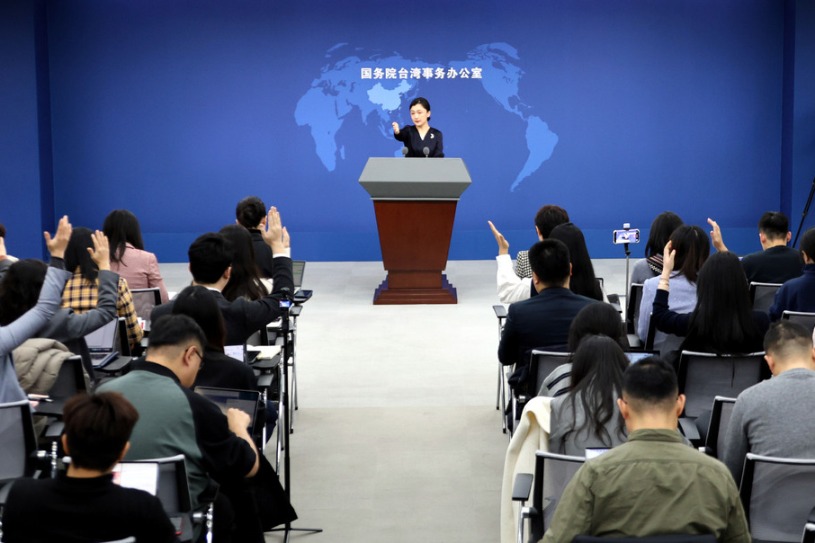
    Chinese officials have issued a stern condemnation of Taiwan’s Democratic Progressive Party (DPP) administration, accusing it of recklessly compromising the island’s economic and security interests to appease foreign powers. At a Wednesday press conference, State Council Taiwan Affairs Office spokeswoman Zhang Han characterized U.S.-Taiwan relations as fundamentally exploitative, stating Washington views Taiwan merely as “fat meat” and a “cash machine” to serve American strategic objectives.

    The criticism came in response to Taiwanese leader Lai Ching-te’s proposed $40 billion supplementary defense package aimed at purchasing American weaponry. Zhang denounced the expenditure as a catastrophic misallocation of resources that should instead benefit Taiwan’s economy and public welfare. “Buying weapons does not bring security; instead, it accelerates Taiwan’s slide into danger,” she asserted, emphasizing that subservience to external forces would “inevitably lead to self-destruction.”

    Domestic opposition to the defense budget has emerged within Taiwan, with protesters and lawmakers from the Kuomintang and Taiwan People’s Party blocking the bill from legislative agenda consideration. Simultaneously, reports indicate Taiwan is negotiating reduced U.S. tariff rates in exchange for expanded semiconductor investments, a move Zhang described as draining Taiwan’s industrial resources without regard for residents’ livelihoods.

    The spokeswoman also addressed concerning developments in U.S.-Taiwan relations, including the recently enacted Taiwan Assurance Implementation Act requiring regular review of engagement guidelines. Zhang reiterated China’s firm opposition to any U.S.-Taiwan military cooperation and urged Washington to adhere to the one-China principle, cautioning that provocative actions would undermine regional stability.
  • Chinese premier calls for implementation of new urbanization strategy to boost social, economic development

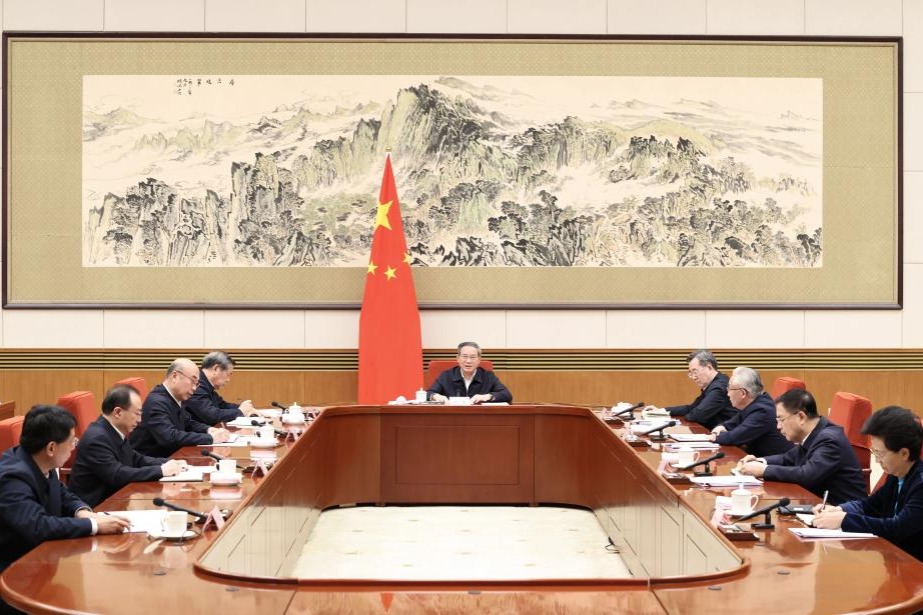
    Chinese premier calls for implementation of new urbanization strategy to boost social, economic development

    In a pivotal State Council study session convened on December 3, 2025, Premier Li Qiang championed the accelerated implementation of China’s people-centered new urbanization strategy. He emphasized its critical role in unlocking domestic demand potential through urban-rural integration and driving comprehensive socioeconomic advancement.

    Presiding over the high-level meeting attended by Vice Premiers Ding Xuexiang, He Lifeng, and State Councilor Wang Xiaohong, Premier Li characterized urbanization as a fundamental engine for expanding domestic consumption, catalyzing industrial modernization, and strengthening China’s internal economic circulation. He noted that while significant progress has been achieved nationwide, the 15th Five-Year Plan period (2026-2030) presents substantial opportunities for further development.

    Premier Li observed that China’s urbanization is transitioning from rapid expansion to stable maturation, accompanied by profound transformations in demographic patterns, urban systems, and rural-urban dynamics. This evolution necessitates enhanced precision and effectiveness in policy implementation.

    The Premier outlined a multifaceted approach requiring localized adaptation of urbanization plans, optimized coordination between population distribution, industrial development, and urban planning. He specifically highlighted the urgency of addressing critical social challenges including employment security, social welfare provisions, housing accessibility, and educational opportunities for rural migrant populations.

    Further directives included advancing urban renewal initiatives, promoting construction of ‘quality homes,’ and fostering high-quality development within the real estate sector. Premier Li also stressed the importance of strengthening infrastructure connectivity and industrial alignment between urban and rural regions to achieve genuinely integrated development.

  • UK and Norway will mount joint naval patrols to protect undersea cables and hunt Russian submarines

    UK and Norway will mount joint naval patrols to protect undersea cables and hunt Russian submarines

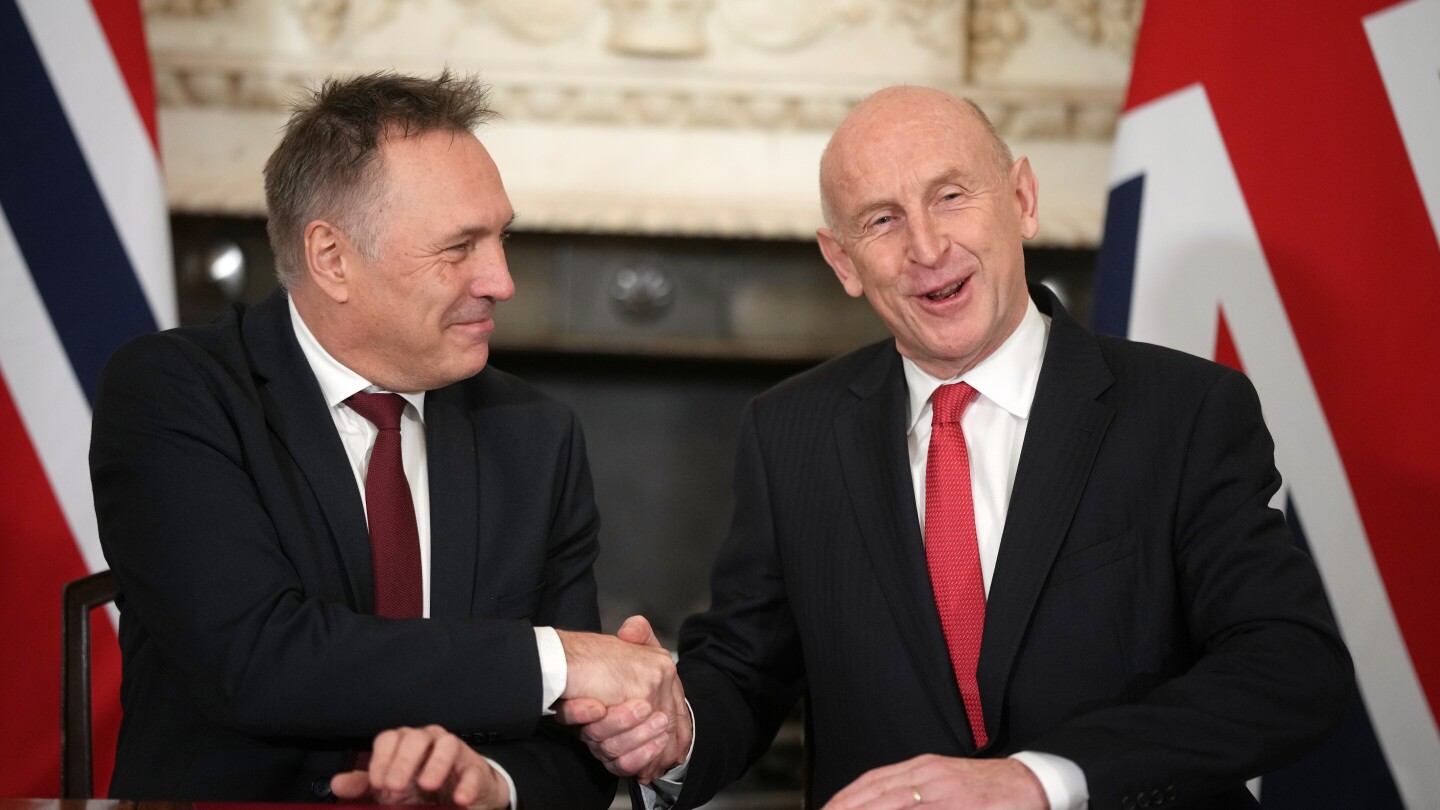
    In a significant escalation of NATO’s northern defense capabilities, the United Kingdom and Norway have formally established a joint naval task force dedicated to safeguarding subsea infrastructure from Russian threats. The landmark agreement, signed Thursday in London by defense ministers from both nations, creates a combined fleet of at least 13 warships that will conduct coordinated patrols across the North Atlantic.

    The strategic partnership, announced following high-level talks between British Prime Minister Keir Starmer and Norwegian Prime Minister Jonas Gahr Støre, represents a direct response to what both governments describe as increasingly aggressive Russian naval activity. Official statistics indicate a concerning 30% surge in Russian vessel operations around UK waters over the past two years, raising alarms about the vulnerability of critical communication and energy cables on the seabed.

    This enhanced military cooperation builds upon a previously established £10 billion ($13.4 billion) defense procurement agreement finalized in August, through which Norway committed to acquiring a minimum of five British-manufactured frigates. These Norwegian vessels will operate alongside eight Royal Navy ships, forming a specialized fleet tasked with detecting and deterring Russian submarine operations along NATO’s northern flank.

    In a reciprocal arrangement strengthening bilateral defense ties, the UK has agreed to integrate Norwegian missile systems into the Royal Navy’s surface fleet. The partnership extends beyond hardware integration to include joint operational planning and intelligence sharing between naval commands.

    The two leaders were scheduled to personally assess the strategic situation firsthand with a visit to RAF Lossiemouth in Scotland, where they met with British and Norwegian personnel responsible for monitoring Russian maritime movements. This base serves as a critical hub for NATO’s surveillance operations tracking Russian naval activity in the North Atlantic and Arctic regions.

  • Putin calls talks with US on ending the Ukraine war ‘useful’ but also ‘difficult work’

    Putin calls talks with US on ending the Ukraine war ‘useful’ but also ‘difficult work’

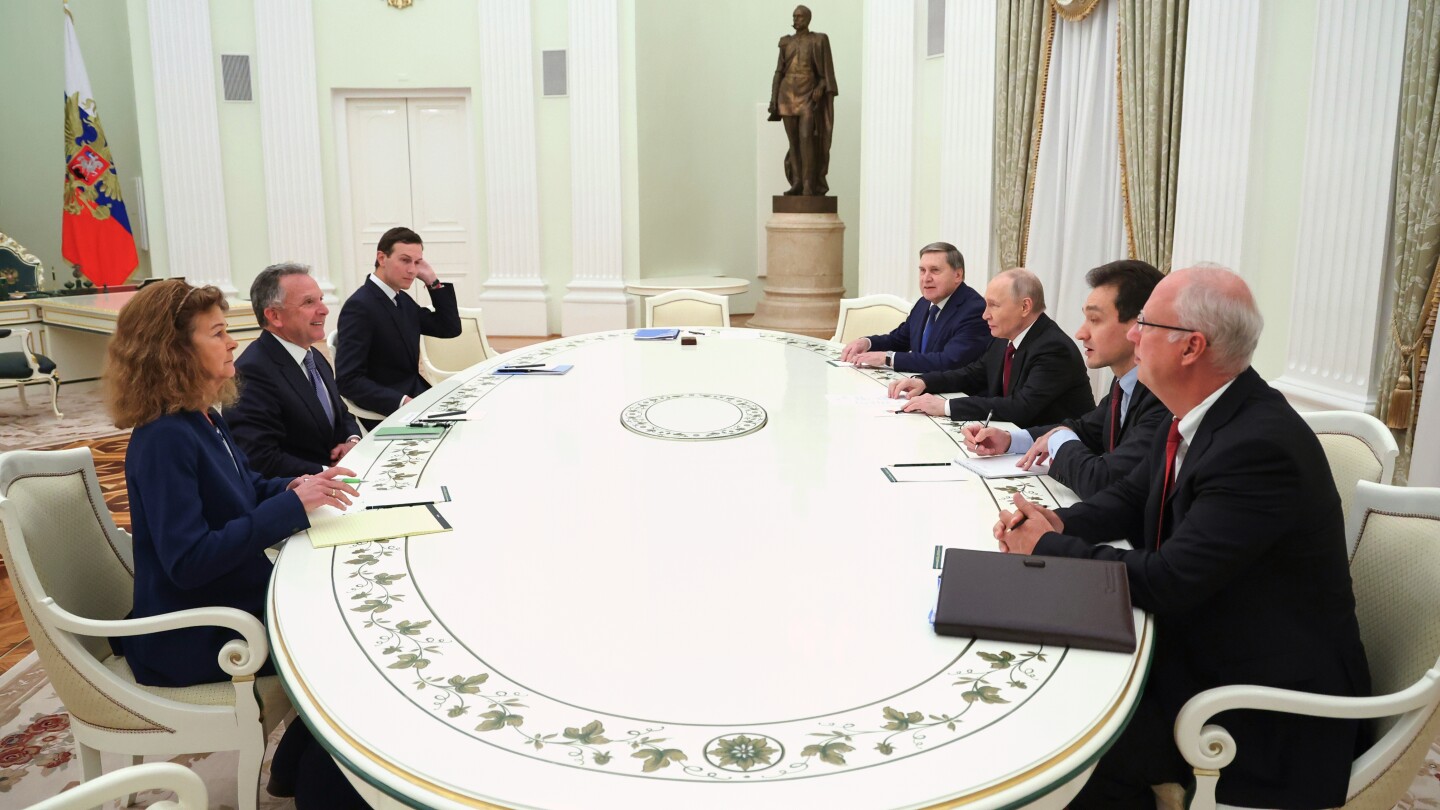
    Russian President Vladimir Putin has characterized his extensive five-hour diplomatic engagement with U.S. representatives as both “necessary” and “useful” while simultaneously acknowledging the challenging nature of negotiations aimed at resolving the ongoing Ukraine conflict. In pre-recorded comments for India Today TV channel, obtained by Russian state media outlets Tass and RIA Novosti, Putin revealed that certain American proposals presented during the Kremlin discussions remained unacceptable to Moscow’s strategic interests.

    The high-level talks occurred as U.S. President Donald Trump’s special envoy Steve Witkoff and senior advisor Jared Kushner prepared for subsequent negotiations with Ukrainian lead negotiator Rustem Umerov in Miami. According to an unnamed Trump administration official, these parallel diplomatic efforts represent a renewed American initiative to broker peace in the nearly four-year conflict, despite the significant challenges in reconciling the fundamental positions of both warring nations.

    President Trump expressed optimism following the Moscow meeting, stating that his emissaries departed the marathon session with strong confidence in Putin’s genuine desire to reach a negotiated settlement. “Their impression was very strongly that he’d like to make a deal,” Trump remarked on Wednesday.

    Putin provided additional context regarding the protracted nature of the discussions, explaining through Tass that both parties meticulously examined each component of the American peace proposal. The Russian leader described the exchange as a “very concrete” conversation that required thorough examination of all points. While indicating Moscow’s willingness to engage with certain aspects of the proposal, Putin unequivocally stated that other provisions remained beyond the Kremlin’s acceptable parameters, characterizing the overall process as “difficult work.”

    The diplomatic developments occur against the backdrop of continued violence in eastern Ukraine, where government forces and Russian-backed separatists have been engaged in conflict since 2014. The recent flurry of high-profile negotiations signals potentially the most serious effort to date to find a political solution to the crisis that has claimed over 13,000 lives and displaced millions.

  • Trump hosting the leaders of Congo and Rwanda to sign key deal for peace in eastern Congo

    Trump hosting the leaders of Congo and Rwanda to sign key deal for peace in eastern Congo

    WASHINGTON — In a significant diplomatic maneuver, the Trump administration has brokered what it terms a “historic” agreement between the Democratic Republic of Congo and Rwanda, aiming to quell decades of conflict in mineral-rich eastern Congo while securing American access to critical rare earth minerals. The signing ceremony, dubbed the Washington Accords for Peace and Prosperity, will bring Presidents Félix Tshisekedi and Paul Kagame to the U.S. Institute of Peace on Thursday for a trilateral meeting with President Trump.

    The accord represents the culmination of months of U.S.-led mediation involving the African Union and Qatar, building upon a preliminary agreement signed in June. Beyond its peace objectives, the pact establishes a Regional Economic Integration Framework that will govern future economic partnerships between the three nations, particularly focusing on Congo’s vast mineral reserves essential for manufacturing fighter jets, cellphones, and other advanced technology.

    This strategic move comes as the United States seeks to counter China’s dominance in rare earth minerals, which currently accounts for nearly 70% of global mining and 90% of processing. By leveraging Congo’s urgent need for security assistance, the Trump administration has positioned American companies to gain preferential access to these resources.

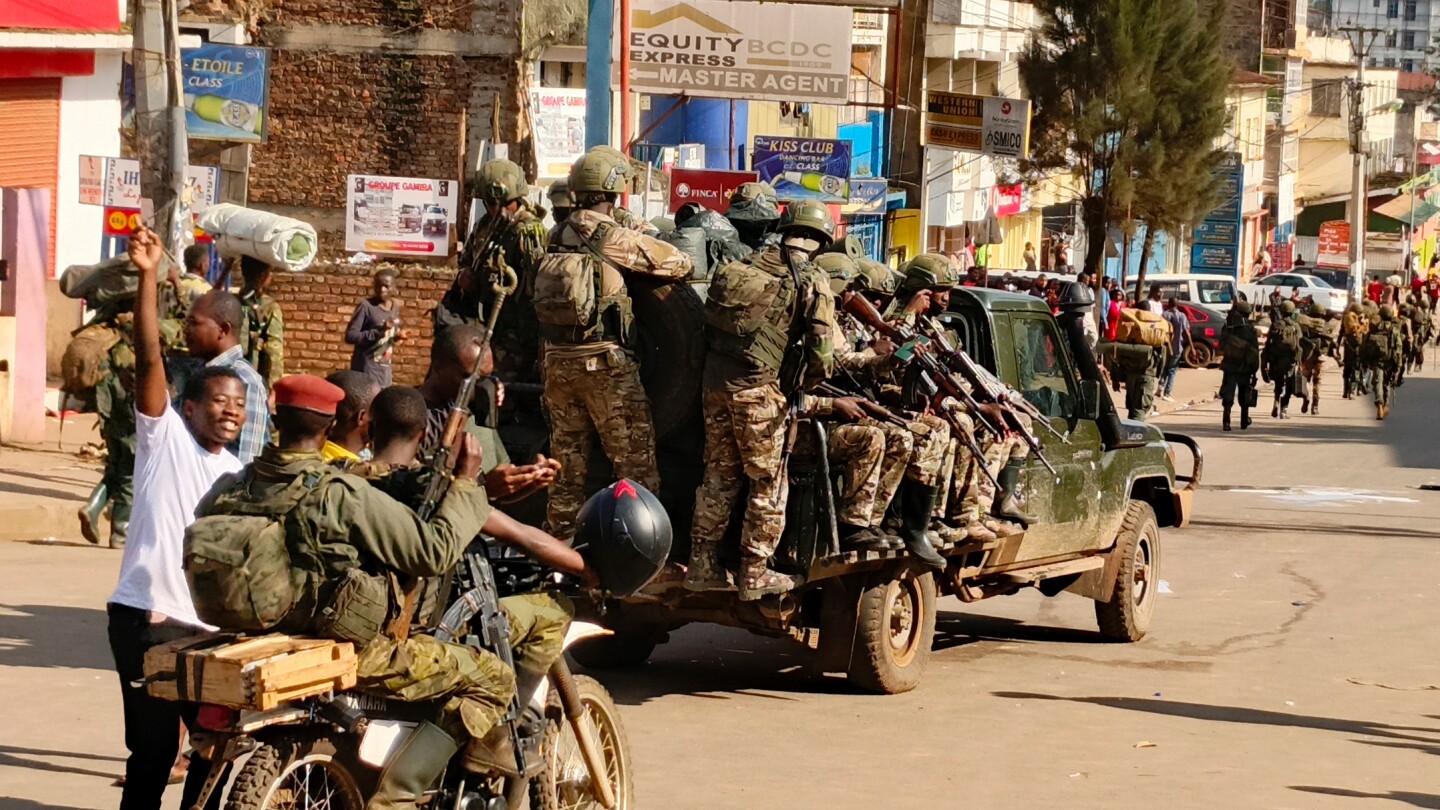
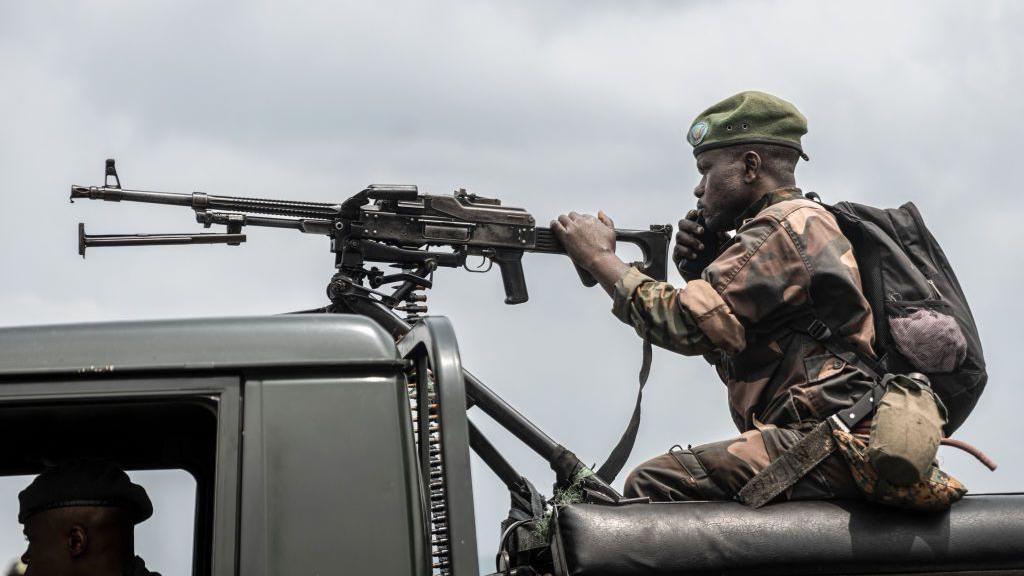
    However, the reality on the ground contrasts sharply with diplomatic optimism. Eastern Congo remains embroiled in violence, with the Rwanda-backed M23 rebels maintaining control over key cities including Goma and Bukavu despite a separate peace agreement between Congo and the rebel group. Residents report ongoing clashes, closed international airports, suspended banking operations, surging crime rates, and skyrocketing prices of essential goods.

    The conflict’s roots extend to the aftermath of Rwanda’s 1994 genocide, where nearly two million Hutus fled into Congo fearing reprisals. Rwandan authorities maintain that Hutu militias operating in eastern Congo pose an existential threat to Rwanda’s Tutsi population, while Congo insists permanent peace requires Rwanda to withdraw both troops and support for M23 rebels. UN experts estimate between 3,000-4,000 Rwandan forces are currently deployed in the region.

    As American business leaders gather for parallel meetings hosted by the U.S. Chamber of Commerce to explore investment opportunities in minerals, energy, and tourism, Congolese civilians express skepticism. “We are still at war,” stated Amani Chibalonza Edith, a 32-year-old Goma resident. “There can be no peace as long as the front lines remain active.”

  • Trump to host signing of peace deal between leaders of DR Congo and Rwanda

    Trump to host signing of peace deal between leaders of DR Congo and Rwanda

    In a significant diplomatic development, the leaders of the Democratic Republic of Congo and Rwanda are preparing to formalize a peace agreement during a Washington summit convened by US President Donald Trump. This high-stakes diplomatic initiative unfolds against a backdrop of intensified combat operations in the mineral-rich eastern territories of DR Congo, where government forces continue to engage with Rwanda-backed M23 rebel factions.

    Recent days have witnessed a concerning escalation of hostilities, with Congolese military authorities accusing M23 insurgents of deliberately undermining the peace process through renewed offensive operations. Conversely, rebel leadership contends that government forces initiated violations of existing ceasefire arrangements. The M23 movement, which captured substantial territories including the strategic trading hub of Goma earlier this year, remains absent from the primary negotiation table, instead participating in parallel discussions mediated by Qatari officials.

    The forthcoming agreement addresses core grievances from both nations: Rwanda demands the disarmament of FDLR militia elements linked to the 1994 genocide, while DR Congo insists on the complete withdrawal of Rwandan military presence from its eastern provinces. Historical context reveals this conflict’s complexity, with multiple failed peace initiatives since the 1990s attributed to mutual non-compliance with similar provisions.

    US diplomatic engagement appears driven by substantial economic interests, with President Trump explicitly acknowledging American acquisition of mineral rights as part of the June preliminary agreement. The Democratic Republic of Congo possesses an estimated $25 trillion in mineral reserves, including critical components for electronic devices, renewable energy infrastructure, and military equipment.

    Despite ceremonial preparations in Washington, regional analysts maintain cautious skepticism regarding the agreement’s practical implementation. Security researchers note the absence of an active ceasefire and continued territorial expansion by rebel forces, suggesting the signing ceremony may primarily serve symbolic rather than operational purposes.

    International mediation efforts feature unusual coordination between the United States and Qatar, with each nation leveraging distinct diplomatic relationships—Washington maintaining stronger ties with Kinshasa, while Doha enjoys closer relations with Kigali. The participation of additional African and Arab leaders underscores the agreement’s regional significance, though the path to sustainable peace remains fraught with historical grievances and competing economic interests.

  • The Red Sea region: where the rules are changing

    The Red Sea region: where the rules are changing

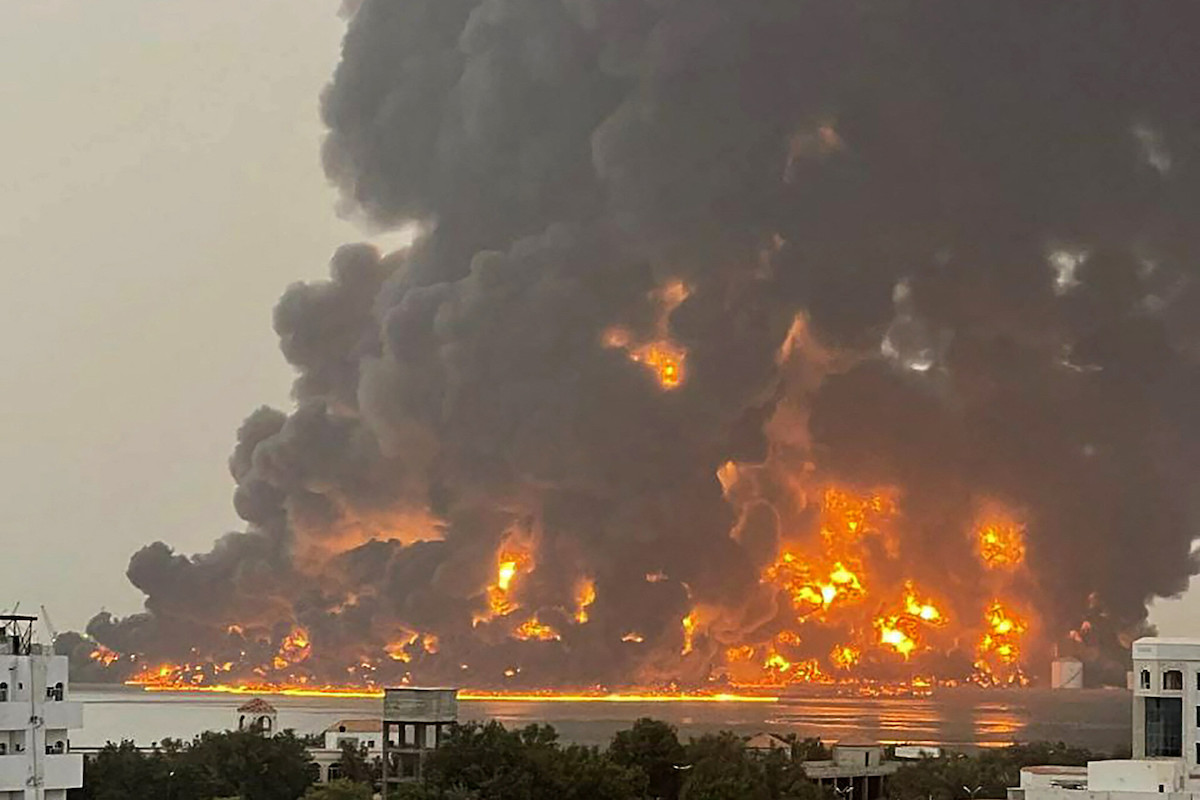
    The strategic waters of the Red Sea have transformed into a primary theater for 21st-century power competition, where global ambitions intersect with regional conflicts and local political dynamics. Stretching from the Suez Canal to the Bab el-Mandeb Strait, this 438,000-square-kilometer region borders the volatile Horn of Africa, Arabian Peninsula, and western Indo-Pacific, creating a complex geopolitical nexus.

    According to international relations expert Federico Donelli, author of ‘Power Competition in the Red Sea,’ the region’s significance stems from its lack of a dominant power capable of imposing order, combined with its immense strategic value as a maritime corridor for global trade and energy transportation. This combination has created an open arena where traditional and emerging powers converge in increasingly assertive competition.

    The United States and China maintain military facilities in Djibouti, while Russia has sought access to Port Sudan. Gulf powers including Saudi Arabia, the UAE, and Qatar have expanded their presence through port investments, infrastructure projects, and military cooperation across Sudan, Somalia, and Ethiopia. Turkey, Iran, and Israel have also established significant political, economic, and security ties, linking the Red Sea to the eastern Mediterranean and Persian Gulf.

    Local actors have become active participants rather than passive recipients in this power competition. Governments and non-state entities from Ethiopia to Sudan, Eritrea, Egypt, and Somalia are strategically exploiting global rivalries to advance their objectives—trading military access for security guarantees, seeking infrastructure investments, and leveraging diplomatic alignments to strengthen domestic and regional positions.

    This dynamic has created a system of ‘multi-alignment’ where regional players maintain relationships with multiple external powers simultaneously, gaining leverage while increasing overall volatility. The ongoing Sudanese civil war has transformed into a proxy battlefield with rival factions seeking support from competing external players. In Somalia, local authorities negotiate directly with foreign powers like Turkey and Gulf states, often bypassing weak central institutions.

    The Red Sea region exemplifies the broader transformation from the liberal international order—characterized by multilateralism, free markets, and liberal democracy—toward a post-liberal order defined by selective engagement, bilateral bargains, and flexible alignments. Here, order emerges from competition rather than consensus, with military presence, infrastructure investment, and political alliances serving as primary instruments of influence.

    This arena serves as a microcosm of emerging global politics: fragmented, transactional, and deeply interconnected. The region demonstrates that the future international order will be shaped not only in traditional power centers like Washington, Beijing, Brussels, or Moscow, but equally in strategic locations like Port Sudan, Aden, and Djibouti, where global competition interacts directly with local conflicts and new governance models emerge.

  • Envoy praises ROK-China bilateral ties

    Envoy praises ROK-China bilateral ties

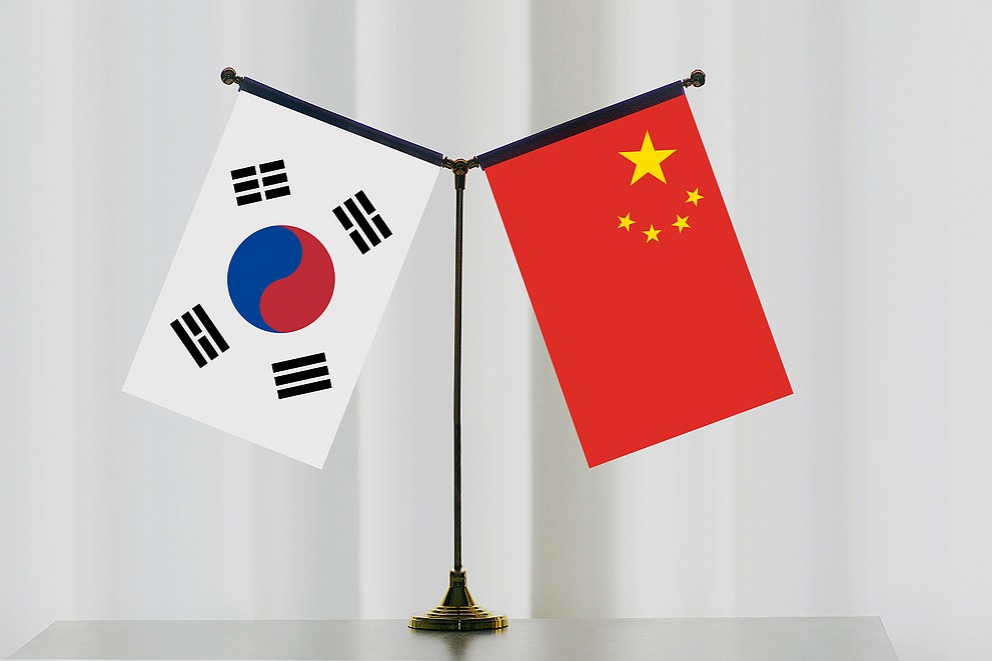
    The Republic of Korea’s Ambassador to China, Ro Jae-hun, has characterized bilateral relations as entering a transformative phase following President Xi Jinping’s landmark visit to South Korea last month—his first in over a decade. In an exclusive interview with China Daily, the ambassador revealed that both nations are actively engaged in diplomatic communications regarding an anticipated visit to China by ROK President Lee Jae-myung, following an official invitation extended by Xi.

    The historic meeting between the two leaders in Gyeongju has been described as a pivotal moment for advancing mutual development and contributing to regional and global stability. Ambassador Ro emphasized that despite evolving global dynamics and domestic changes, the fundamental principle of mutually beneficial cooperation continues to drive economic growth in both countries.

    Economic ties remain exceptionally strong, with bilateral trade reaching $328.08 billion in 2024, representing a 5.6% year-on-year increase. China has maintained its position as South Korea’s largest trading partner for 21 consecutive years, while South Korea remains China’s second-largest trading partner.

    This year marks the tenth anniversary of the bilateral free trade agreement, with both parties agreeing to accelerate second-phase negotiations that will expand into service sectors including culture and tourism. While acknowledging challenges such as trade protectionism and global supply chain restructuring that have affected some Korean exports to China, Ro framed these as opportunities for deeper collaboration.

    The ambassador advocated for a strategic shift from vertical economic division to horizontal partnership, highlighting emerging sectors for cooperation including artificial intelligence, robotics, biomedicine, and new energy technologies.

    Ro brings a unique personal perspective to his diplomatic role. His father, former ROK President Ro Tae-woo, established diplomatic relations between the two nations in 1992 and became the first Korean president to officially visit China later that same year. The ambassador described continuing this legacy as both a personal mission and responsibility.

    People-to-people connections remain central to bilateral relations, with Ro citing the phenomenon of giant panda Fu Bao—born in South Korea and returned to China—as emblematic of transnational affection that transcends borders. Recent reciprocal visa-free policies for tourists and business travelers have further facilitated cross-border exchanges.

    The ambassador called for intensified interactions between local governments, media organizations, academic institutions, and especially youth programs to deepen mutual understanding and strengthen the foundation of ROK-China relations.

  • China’s Xi and France’s Macron pledge cooperation on global crises and trade

    China’s Xi and France’s Macron pledge cooperation on global crises and trade

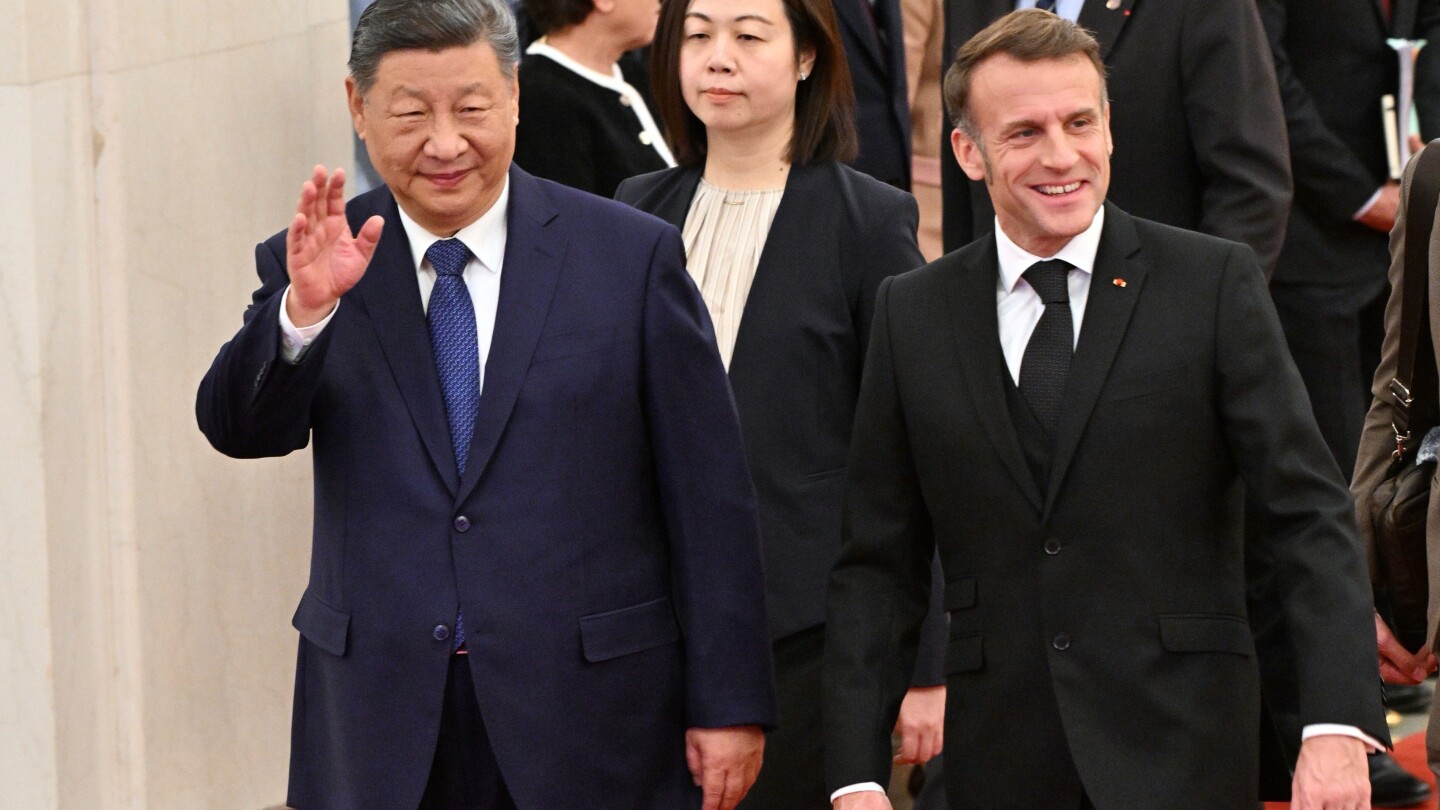
    In a significant diplomatic engagement, Chinese President Xi Jinping and French President Emmanuel Macron convened in Beijing on Thursday, emphasizing strengthened bilateral cooperation amidst global geopolitical challenges. The high-level discussions, part of Macron’s three-day state visit, centered on two primary agendas: resolving the Ukraine conflict and rebalancing economic relations.

    President Macron articulated the urgency of Sino-French collaboration in preserving international order, explicitly requesting China’s support for achieving an immediate ceasefire in Ukraine. “We confront the potential disintegration of the international order that maintained global peace for decades,” Macron stated. “In this context, Franco-Chinese dialogue becomes critically essential.” He specifically urged Beijing to endorse a moratorium on strikes targeting critical infrastructure in Ukraine.

    While President Xi refrained from directly committing to France’s ceasefire appeal, he affirmed that “China endorses all peace-seeking endeavors” and advocated for a universally acceptable peace agreement. China maintains its position of providing substantial diplomatic and economic support to Russia since the invasion commenced.

    Beyond Ukraine, the leaders announced concrete cooperation measures. President Xi pledged $100 million in humanitarian assistance for Gaza’s recovery and reconstruction. The nations signed twelve bilateral agreements spanning aerospace, nuclear energy, green industries, and artificial intelligence. Notably, the agreements included panda conservation initiatives and enhanced academic exchanges between higher education institutions.

    The economic dimension revealed underlying tensions, with the European Union recording a €300 billion trade deficit with China last year. Despite the EU’s characterization of China as simultaneously “partner, competitor and systemic rival,” France secured exemptions for most cognac producers from recent trade investigations. President Xi committed to further market liberalization, stating China would “expand market access and open investment areas” to facilitate rational industrial and supply chain布局.

    Analysts observed that China potentially seeks to strengthen bilateral ties with individual EU members like France, potentially at the expense of EU unity. The leaders emphasized strategic independence and multilateralism, with Xi noting that major powers should “demonstrate independence and strategic vision… on core matters and major critical issues.”

    The French presidential delegation subsequently traveled to Chengdu, home to China’s premier panda conservation facility, symbolizing the cultural exchange dimension of the relationship.

  • ‘The apprehension is palpable’: Minnesota’s Somali community braces for immigration crackdown

    ‘The apprehension is palpable’: Minnesota’s Somali community braces for immigration crackdown

    Minnesota’s substantial Somali-American community is experiencing intensified apprehension following critical remarks from former President Donald Trump and the initiation of targeted immigration enforcement operations. Speaking at the White House, Trump declared, “I don’t want them in our country,” referring to Somali immigrants, and characterized their presence as the nation taking in “garbage.

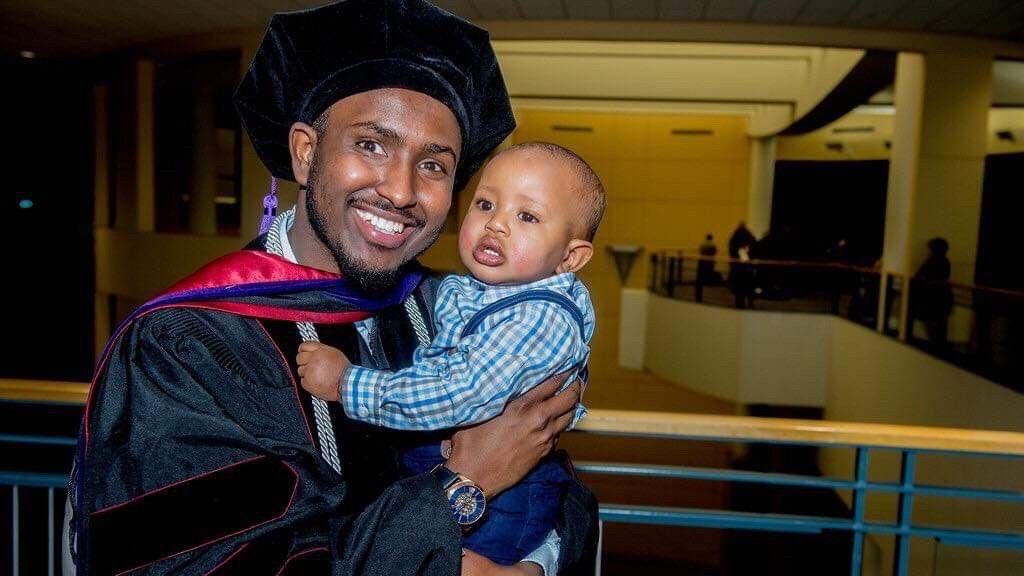
    Community representatives describe an environment of palpable fear in neighborhoods like Cedar-Riverside, known locally as Little Mogadishu for its significant Somali population. Aj Awed, executive director of the Cedar-Riverside Community Council, labeled Trump’s comments as “dangerous” and “not becoming of a president to be just attacking other Americans.”

    The psychological impact coincides with operational activities by Immigration and Customs Enforcement (ICE) targeting individuals with final deportation orders. Kowsar Mohamed, a south Minneapolis resident, reported witnessing “boots on the ground activity where folks are just being plucked off of the streets and being asked about their residency status.”

    Community organizations have responded with emergency preparedness measures, including legal observer training sessions organized by groups like Monarca to educate residents about their rights during immigration encounters. Private messaging networks have been established to share photographs of unmarked vehicles and masked agents throughout Minneapolis, home to over 80,000 people of Somali descent.

    The political context stems from fraud allegations involving a Minnesota social assistance program during the COVID-19 pandemic, where some Somali immigrants were implicated in a scheme that allegedly cost the state tens of millions of dollars. While representing a tiny fraction of Minnesota’s Somali community, these allegations have prompted broader investigations and become the basis for Trump’s characterization of the state as a “hub of fraudulent money laundering activity.”

    Governor Tim Walz has cautioned against demonizing entire communities, stating: “Do not paint an entire group of people with that same brush – demonising them, putting them at risk when there is no proof to do that.” Meanwhile, the Trump administration has terminated Temporary Protected Status for Somali residents and maintains that ICE operations target immigration status rather than specific ethnicities, with Department of Homeland Security spokesperson Tricia McLaughlin asserting enforcement is based solely on whether individuals are “in the country illegally.”