分类: politics

  • Putin says Russia disagrees with parts of US plan to end Ukraine war

    Putin says Russia disagrees with parts of US plan to end Ukraine war

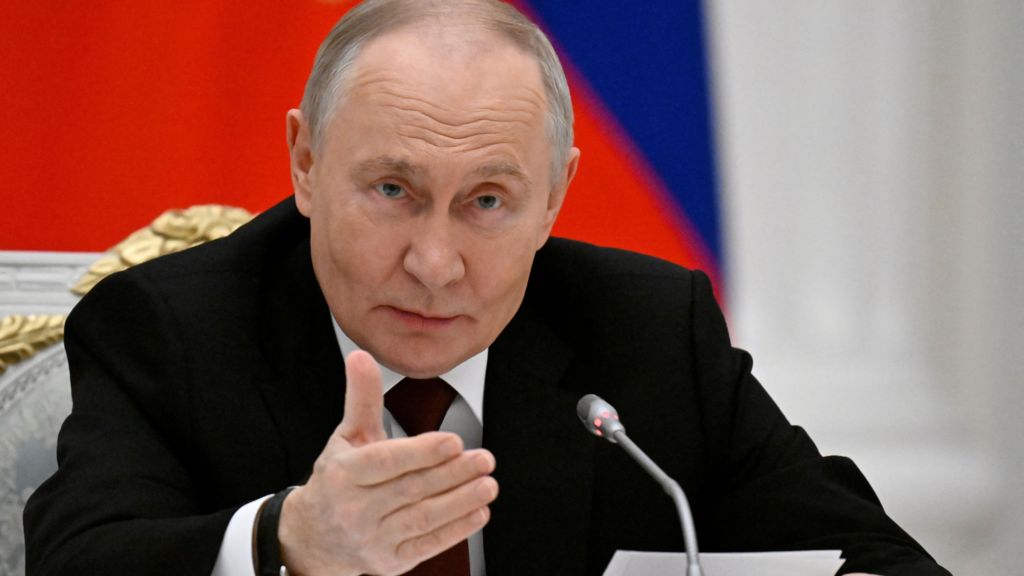
    Russian President Vladimir Putin has publicly expressed disagreement with significant components of a United States-proposed framework to resolve the ongoing Russia-Ukraine conflict. The declaration followed extensive negotiations lasting nearly five hours between Russian officials and a US delegation led by President Donald Trump’s envoy Steve Witkoff, accompanied by Jared Kushner, Trump’s son-in-law.

    In an exclusive interview with India Today preceding his state visit to Delhi, Putin revealed that Moscow had not received a modified version of the peace proposal prior to the Kremlin discussions. “At times we said that yes, we can discuss this, but to that we can’t agree,” Putin stated, without specifying the exact points of contention. Two primary obstacles remain unresolved: the status of Ukrainian territories currently under Russian occupation and the nature of security guarantees for Ukraine.

    President Putin reiterated Moscow’s firm demand for complete Ukrainian military withdrawal from the Donbas region, including areas still under Kyiv’s control. Russian forces currently administer approximately 85% of this eastern territory. “Either we take back these territories by force, or eventually Ukrainian troops withdraw,” the Russian leader asserted.

    Yuri Ushakov, Putin’s senior foreign policy adviser and principal negotiator, characterized the talks as producing “no compromise” on terminating hostilities. Ushakov further indicated that Russia’s diplomatic stance has been reinforced by recent battlefield advancements.

    Meanwhile, US and Ukrainian diplomatic teams are preparing for subsequent discussions in Florida. President Trump characterized the initial negotiations as “reasonably good” while acknowledging the complexity of the process, noting that “it does take two to tango.”

    Ukrainian leadership maintains a contrasting perspective on the negotiations. Foreign Minister Andrii Sybhia accused Putin of “wasting the world’s time,” while Ukraine’s ambassador to the US emphasized that they do not “need to wait for promises from Russia.” President Volodymyr Zelensky has consistently rejected any territorial concessions and insists on robust security assurances for Ukraine in any settlement.

    Zelensky acknowledged that “the world clearly feels that there is a real opportunity to end the war,” but stressed that negotiations must be “backed by pressure on Russia.” Ukrainian officials and European allies accuse Moscow of intentionally prolonging ceasefire discussions.

    In a significant development, German publication Der Spiegel reported obtaining a confidential transcript from a European leadership conference call expressing profound concerns about US negotiation tactics. According to an English transcript, French President Emmanuel Macron reportedly cautioned that “there is a possibility that the US will betray Ukraine on the issue of territory without clarity on security guarantees.” German Chancellor Friedrich Merz allegedly warned Zelensky to remain “extremely careful in the coming days,” suggesting that “they are playing games, both with you and with us.” Finnish President Alexander Stubb reportedly emphasized that “we mustn’t leave Ukraine and Volodymyr alone with these guys.”

    The Élysée Palace subsequently denied that President Macron “expressed himself in those terms” while declining to provide specific details citing confidentiality. Stubb declined to comment on the report, and Merz has not publicly addressed the allegations.

    The geopolitical maneuvering occurs against the backdrop of continued military operations, with Russian forces gradually advancing in southeastern Ukraine despite substantial combat casualties. Moscow currently controls approximately 20% of Ukrainian territory since initiating full-scale invasion in February 2022.
  • EU’s former top diplomat Mogherini resigns from post after fraud accusation

    EU’s former top diplomat Mogherini resigns from post after fraud accusation

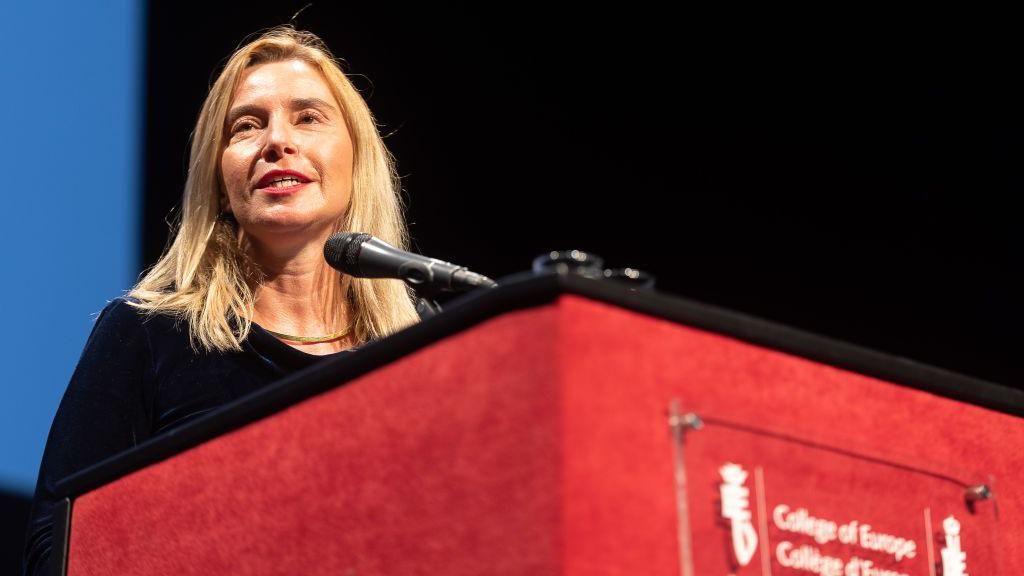
    Federica Mogherini, the European Union’s former Foreign Policy Chief, has stepped down from her position as Rector of Belgium’s prestigious College of Europe following her detention for questioning in a corruption investigation. The probe, initiated by the European Public Prosecutor’s Office (EPPO), centers on alleged irregularities in the awarding of an EU-funded training contract for junior diplomats to the institution.

    Ms. Mogherini, 52, who led the esteemed Bruges-based college since 2020, was interrogated for approximately ten hours alongside another college staff member and a senior European Commission official. Although released without formal charges, the investigation specifically examines whether competitive bidding procedures were properly followed when the EU’s European External Action Service contracted the college for a nine-month diplomatic training program.

    The high-profile case emerges at a politically sensitive moment for the European Union, which has recently intensified its anti-corruption stance, particularly regarding Ukraine’s governance challenges. Mogherini, who helped establish the EU’s fledgling Diplomatic Academy in partnership with the college in 2022, maintained her innocence in subsequent statements.

    In her resignation announcement, the former diplomat emphasized her ‘full confidence in the justice system’ and stated her decision aligned with ‘the utmost rigor and fairness’ that characterized her tenure. She further affirmed the college’s continued adherence to ‘the highest standards of integrity’ while pledging full cooperation with investigating authorities.

    The case represents a significant test for the relatively new EPPO, which gained authority to investigate EU fund-related crimes across member states, highlighting the bloc’s ongoing efforts to combat corruption within its institutions.

  • As Trump hosts Congo and Rwanda’s leaders for peace deal, here’s what to know about the conflict

    As Trump hosts Congo and Rwanda’s leaders for peace deal, here’s what to know about the conflict

    In a significant diplomatic initiative, U.S. President Donald Trump convened the leaders of the Democratic Republic of Congo and Rwanda at the White House on Thursday to formalize a peace agreement addressing one of Africa’s most protracted conflicts. This high-stakes mediation effort seeks to resolve tensions that have persisted for over two decades in Congo’s mineral-rich eastern regions.

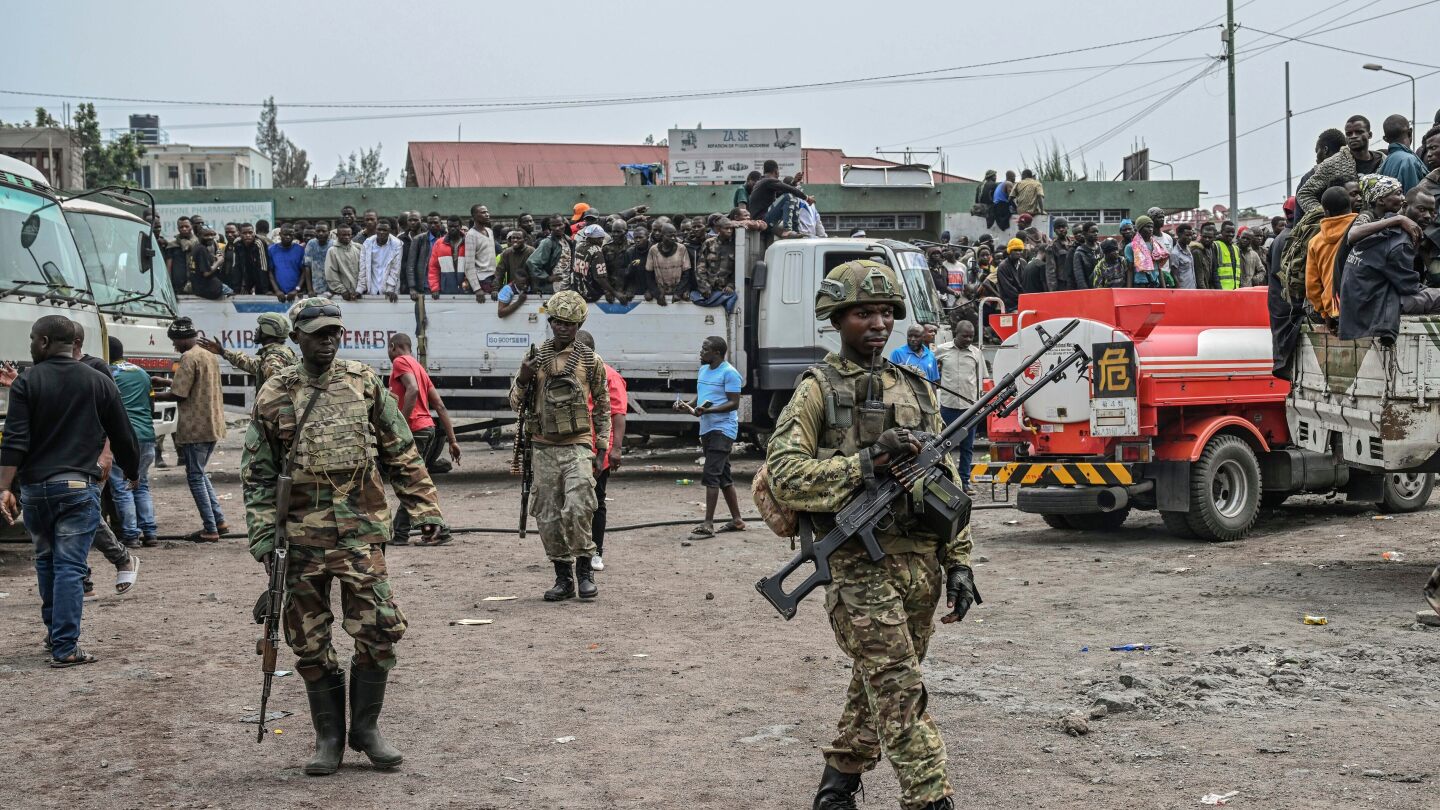
    The conflict, which traces its origins to the aftermath of Rwanda’s 1994 genocide, has recently escalated with the Rwanda-backed M23 rebel group capturing strategic cities including Goma and Bukavu earlier this year. Despite previous mediation attempts by Qatar and the United States, ceasefire violations have continued with both M23 rebels and Congolese forces accusing each other of breaching agreements.

    At the heart of the dispute lies complex ethnic tensions between Hutu and Tutsi communities, with Rwanda alleging that Congo provides sanctuary to Hutu militias responsible for the genocide, while Congo accuses Rwanda of backing Tutsi-dominated M23 rebels under the pretext of protecting ethnic Tutsis. United Nations experts estimate approximately 6,500 M23 fighters currently operate in eastern Congo, with up to 4,000 Rwandan forces reportedly deployed in the region.

    The geopolitical significance of Congo’s mineral wealth adds considerable complexity to the conflict. As the world’s largest cobalt producer and a leading supplier of coltan—essential minerals for electric vehicles, electronics, and defense systems—the region’s resources have attracted international interest from both China and the United States. A recent UN report indicated Rwanda may be benefiting from fraudulently exported minerals from M23-controlled territories, though Rwandan authorities deny these allegations.

    Despite the region’s immense natural wealth, approximately 60% of Congo’s 100 million citizens live below the poverty line, with conflict over resources perpetuating instability. The Trump administration’s mediation reflects Washington’s strategic interest in securing critical mineral supplies amid growing competition with China, which currently dominates rare earth element processing.

  • Chief justice asks courts to function within the boundaries of Constitution and law

    Chief justice asks courts to function within the boundaries of Constitution and law

    In a significant address marking China’s National Constitution Day, Supreme People’s Court President Zhang Jun delivered a powerful directive to the nation’s judicial authorities, emphasizing the paramount importance of operating strictly within constitutional and legal parameters. The chief justice articulated a comprehensive vision for China’s judiciary, positioning courts as primary guardians of constitutional dignity and implementation.

    Speaking before assembled national lawmakers and political advisers, Zhang Jun outlined critical judicial priorities aligned with China’s forthcoming five-year economic and social development objectives. He emphasized that proper constitutional exercise of judicial power represents the foundation for resolving disputes through fair and efficient case adjudication, ultimately enabling the judiciary to serve the public effectively.

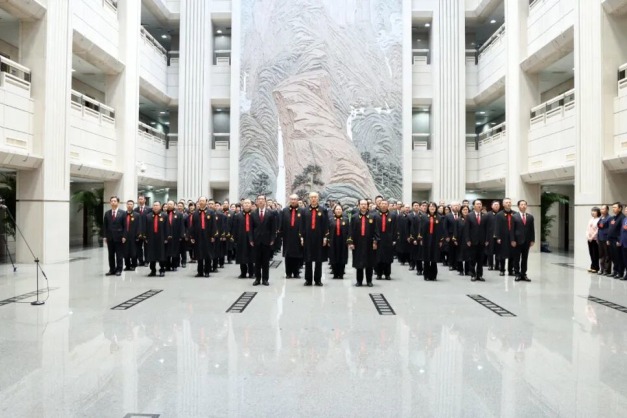
    The occasion featured a solemn constitutional oath-taking ceremony where 96 newly appointed judges and judicial officials from the supreme court publicly pledged allegiance to China’s fundamental law. This ritual underscored the institutional commitment to constitutional principles within China’s legal framework.

    Zhang’s address positioned the judiciary as instrumental in supporting national development goals while maintaining strict adherence to established legal boundaries. His remarks highlighted the continuing evolution of China’s legal system, with particular focus on standardized judicial conduct and enhanced case handling quality as essential components of constitutional implementation.

  • US Navy admiral briefs lawmakers over controversial ‘double-tap’ strike

    US Navy admiral briefs lawmakers over controversial ‘double-tap’ strike

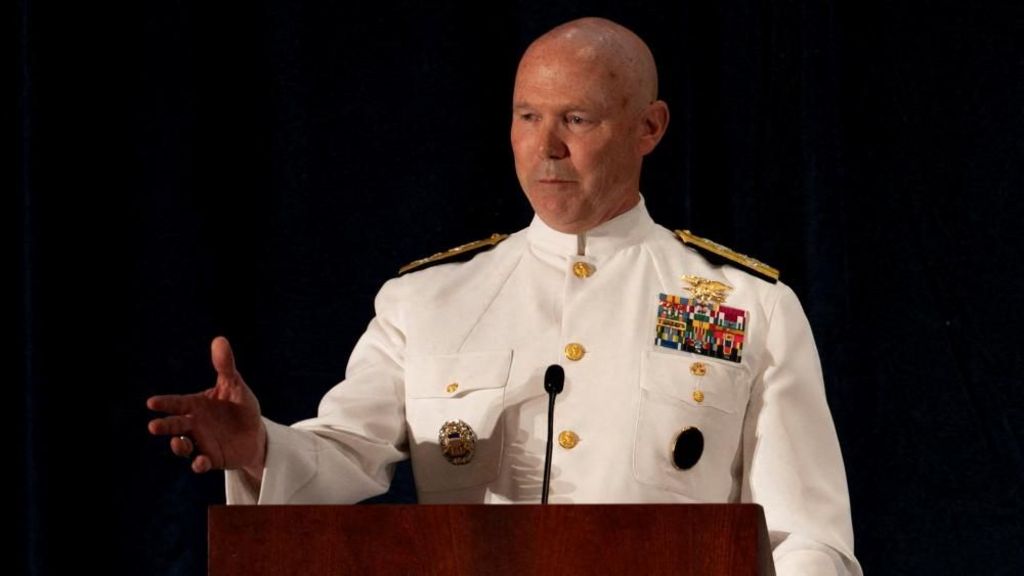
    US Navy Admiral Frank Bradley has commenced classified briefings with senior congressional leaders regarding a controversial September 2nd incident involving consecutive strikes on a suspected drug trafficking vessel in Caribbean waters. The operation, which resulted in multiple fatalities, has sparked intense legal and ethical debates within Washington’s political circles.

    Defense Secretary Pete Hegseth and Trump administration officials face mounting scrutiny over the tactical decision-making process. Congressional representatives who viewed classified footage during Thursday’s briefing expressed profound concern, with House Intelligence Committee member Jim Himes characterizing the recording as ‘among the most troubling material’ he had ever witnessed.

    The emergence of details surrounding the second strike has raised fundamental questions about compliance with international conflict regulations, particularly regarding the treatment of combatants rendered hors de combat. Media reports indicate two survivors attempted to reboard the damaged vessel before the secondary engagement, with officials claiming they appeared to be retrieving narcotics.

    According to administration sources, Admiral Bradley maintains the targeted individuals remained legitimate threats due to suspected drugs still aboard the vessel. The White House has publicly endorsed Bradley’s actions as legally justified, with Press Secretary Karoline Leavitt emphasizing the Admiral operated ‘well within his authority and the law.’

    This incident represents the initial engagement in an expanded maritime interdiction campaign that has reportedly claimed over 80 lives across Caribbean and Eastern Pacific regions. While President Trump asserts these operations have significantly disrupted drug trafficking networks, no concrete evidence supporting these claims has been publicly disclosed.

    International law experts consulted by the BBC have expressed serious reservations about the second strike’s legality, noting potential violations of Geneva Convention protocols protecting shipwrecked personnel and combatants unable to continue fighting. The administration has framed these operations as part of a non-international armed conflict against narcotics traffickers.

    The human toll continues to emerge through cases like Colombian national Alejandro Carranza, presumed killed in subsequent operations, whose family has petitioned the Inter-American Court of Human Rights for investigation. Venezuela has repeatedly condemned the strikes as provocations aimed at regional destabilization.

    Admiral Bradley and Joint Chiefs Chairman General Dan Caine are scheduled to provide further congressional testimony as lawmakers from both parties demand greater transparency regarding the legal frameworks and operational decisions governing these maritime engagements.

  • Bangladesh’s Gen-Z battles to gain political ground after ousting Hasina

    Bangladesh’s Gen-Z battles to gain political ground after ousting Hasina

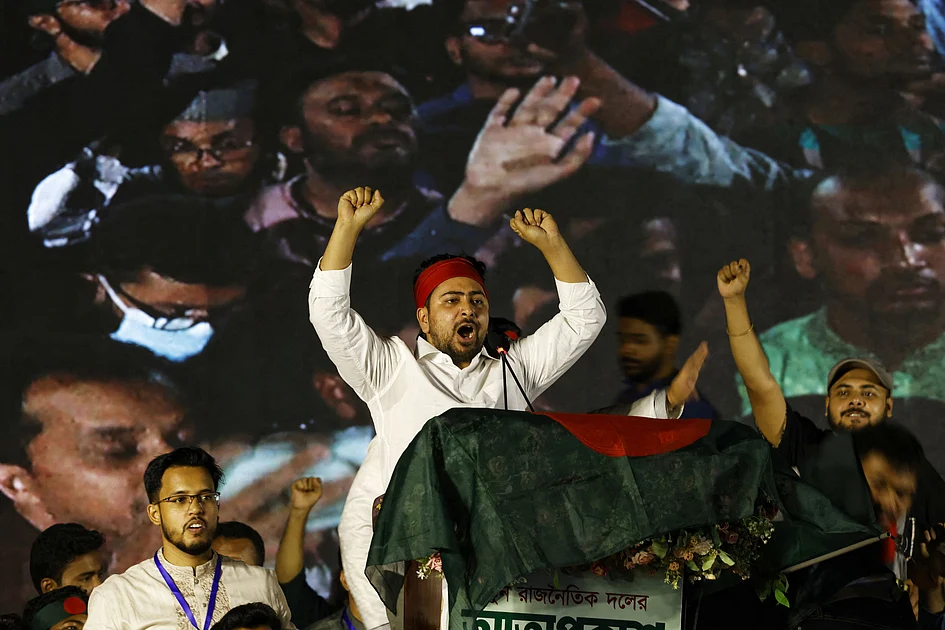
    Bangladesh’s nascent National Citizen Party (NCP), born from a massive student-led uprising that toppled long-serving Prime Minister Sheikh Hasina, now confronts the formidable challenge of transforming street activism into parliamentary representation. With February elections approaching, the party finds itself trailing established political forces despite initial widespread enthusiasm.

    Recent polling data from the U.S.-based International Republican Institute reveals the NCP securing merely 6% support, placing it behind both the Bangladesh Nationalist Party (BNP) at 30% and the hardline Jamaat-e-Islami at 26%. This disappointing standing highlights the difficulties faced by a movement attempting to break decades of two-party dominance despite its revolutionary origins.

    The party’s 27-year-old leader, Nahid Islam, acknowledges organizational deficiencies: ‘Our structure remains underdeveloped due to insufficient time for establishment.’ Operating from a graffiti-adorned office in Dhaka’s high-rise district, the NCP confronts well-entrenched rivals with extensive networks reaching deep into rural constituencies.

    Multiple challenges hamper the party’s progress: ambiguous positioning on critical issues including women’s and minority rights, limited financial resources dependent on crowdfunding and small donations, and allegations of corruption that contradict its proclaimed zero-tolerance policy. The party’s poor showing in September’s Dhaka University student elections—failing to secure any seats—further demonstrates waning support at the institution that originally fueled the anti-Hasina movement.

    In response to these obstacles, the NCP has initiated discussions with established parties including BNP and Jamaat-e-Islami regarding potential alliances. While such partnerships might improve electoral prospects, analysts warn they could undermine the party’s distinctive identity as an alternative to traditional politics.

    Despite these challenges, the party maintains innovative approaches to political engagement. Its unconventional candidate selection process interviewed over 1,000 ordinary citizens nationwide, including a rickshaw puller who took unpaid leave to participate and a student partially blinded by police during earlier protests.

    The movement continues to attract idealistic supporters like Dr. Tasnim Jara, who abandoned a promising medical career in Cambridge to contribute to building a more inclusive political system. As BNP leader Mirza Fakhrul Islam Alamgir noted: ‘Young people will dominate future politics, making their parliamentary inclusion beneficial.’

    The NCP’s journey represents a fundamental test of whether youth-driven movements can successfully transition from protest politics to sustainable governance in Bangladesh’s complex political landscape.

  • Suspect arrested in pipe bomb incident on eve of Jan 6, ending years-long manhunt

    Suspect arrested in pipe bomb incident on eve of Jan 6, ending years-long manhunt

    Federal authorities have apprehended a suspect in connection with the placement of two pipe bombs outside the headquarters of both major political parties on the eve of the January 6th Capitol riot, marking a significant breakthrough in a nearly five-year investigation. The arrest was confirmed by multiple sources to CBS News, with the individual expected to face federal charges in Washington D.C.

    The devices were strategically planted outside the Republican and Democratic National Committee buildings on January 5, 2021. While equipped with kitchen timers and homemade black powder, both bombs were successfully deactivated by authorities without detonation. The investigation, which included a $500,000 reward for information, culminated in this arrest after an extensive nationwide manhunt.

    The context of the bomb placement coincides with the certification process of the 2020 presidential election results. On January 6th, as lawmakers convened to formalize Joe Biden’s victory, then-President Donald Trump addressed supporters at the ‘Save America’ rally, where he repeated unsubstantiated claims of electoral fraud while encouraging a march to the Capitol.

    Subsequent riots involved thousands of participants, including members of far-right groups, who breached the Capitol building, overwhelming police forces for several hours. The pipe bombs were discovered by a passerby as these events unfolded, creating a compound security crisis that day.

    This arrest stands in contrast to recent developments in other January 6 cases. Earlier this year, during his second term, President Trump issued pardons or commutations for over 1,500 individuals convicted or charged in relation to the Capitol riot, referring to them as ‘hostages’ whose lives had been ‘destroyed.’ He additionally directed the Department of Justice to drop all pending cases against remaining suspects.

  • What to know about the long-running corruption case of former South African president Zuma

    What to know about the long-running corruption case of former South African president Zuma

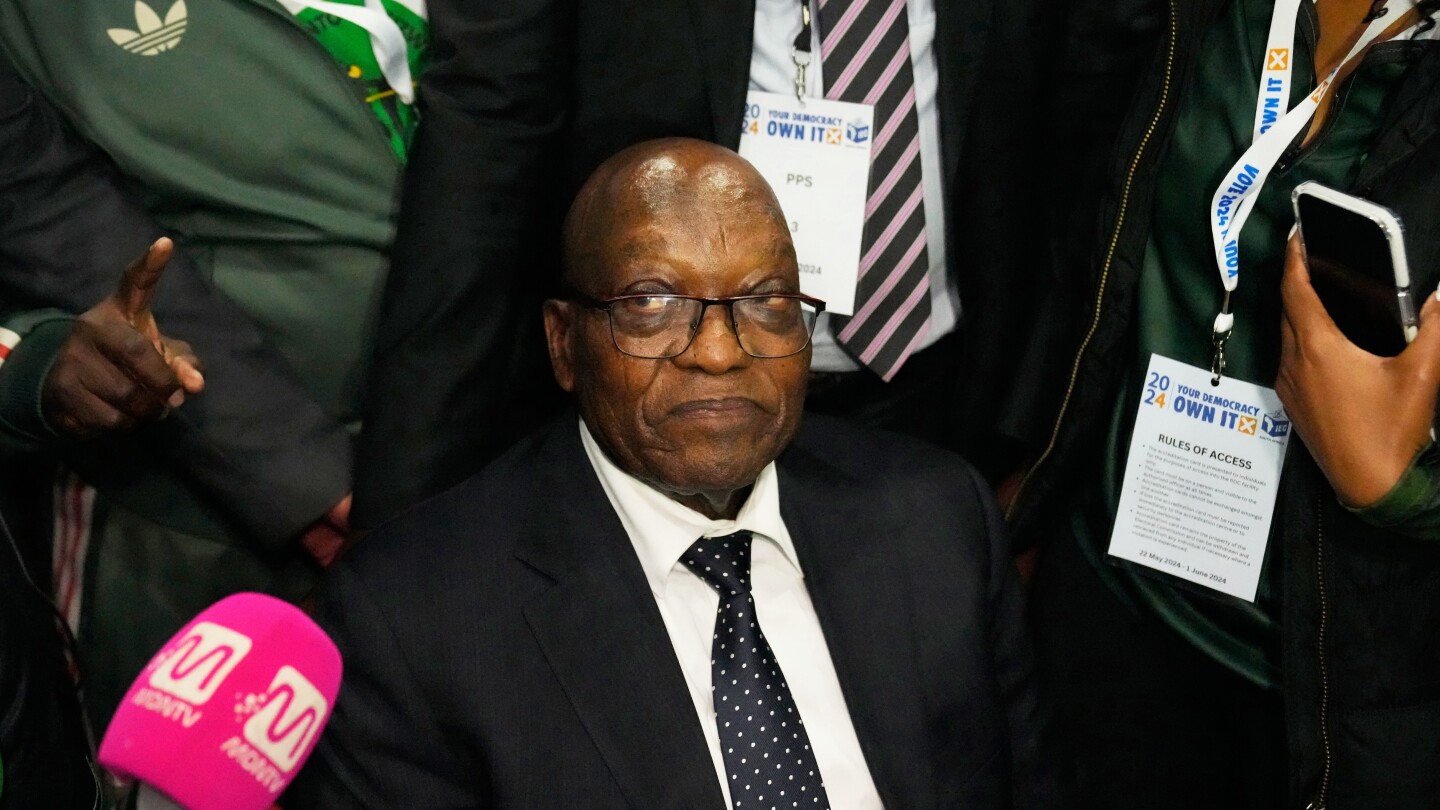
    JOHANNESBURG — In a pivotal courtroom confrontation, former South African President Jacob Zuma and French defense conglomerate Thales appeared before the Pietermaritzburg High Court on Thursday seeking dismissal of corruption charges that have spanned nearly two decades. The 81-year-old liberation struggle icon, who presided over South Africa from 2008 to 2018, faces 18 counts of corruption, fraud, and money laundering tied to a controversial 1999 arms transaction.

    Prosecution authorities presented a compelling argument before Judge Nkosinathi Emmanuel Chili, contending that Zuma and Thales have systematically exploited legal appeals to postpone trial proceedings for 18 years. Advocate Trengrove, representing the National Prosecuting Authority, revealed that the defense teams have collectively filed 12 separate interlocutory applications, all ultimately dismissed yet successfully delaying judicial resolution.

    Zuma maintains his innocence, characterizing the prosecution as a politically motivated “witch hunt.” His legal team has raised multiple objections, including challenges to lead prosecutor Advocate Billy Downer’s impartiality and claims that the deaths of two key Thales executives—former directors Pierre Moynot and Alain Thetard—have compromised their ability to mount an effective defense.

    The former president’s extensive legal troubles extend beyond this case. In 2021, he served a 15-month prison sentence for contempt of court after refusing to testify before the Zondo Commission investigating corruption allegations. Although released on medical parole, his freedom was temporarily jeopardized when the parole was declared unlawful. Most recently, Zuma was ordered to reimburse the state $1.6 million plus interest for illegally funded legal fees from his personal corruption defense—a judgment he continues to contest through appeals.

    This week’s proceedings represent a critical juncture in one of South Africa’s most protracted legal battles, with prosecutors now seeking to prevent further delays and compel the case to trial.

  • US Senator proposes ending dual citizenship, says Americans ‘have to choose’

    US Senator proposes ending dual citizenship, says Americans ‘have to choose’

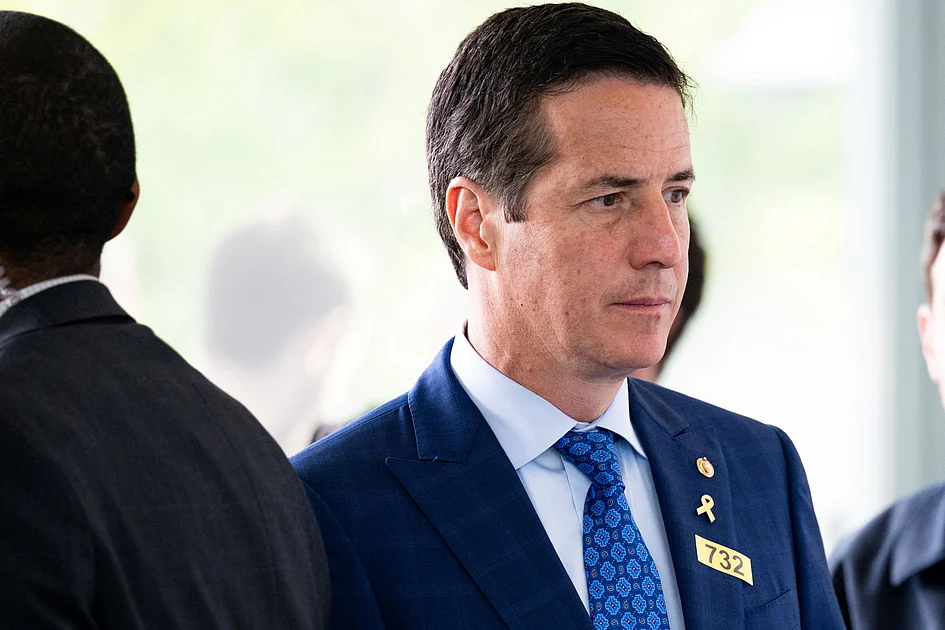
    In a significant legislative move, US Republican Senator Bernie Moreno of Ohio has announced plans to introduce the “Exclusive Citizenship Act of 2025,” which would fundamentally alter America’s approach to dual nationality. The proposed legislation would compel all US citizens currently holding foreign citizenship to make a definitive choice between retaining their American status or maintaining their alternative nationality.

    The bill, scheduled for introduction on Monday, represents one of the most comprehensive challenges to dual citizenship in recent American history. Under its provisions, current dual citizens would have exactly one year from enactment to formally renounce either their US citizenship or their foreign nationality. Those failing to comply within the designated timeframe would automatically be considered to have relinquished their American citizenship status.

    Senator Moreno, who himself renounced his Colombian citizenship upon naturalizing as an American at age 18, articulated his rationale in a statement to Fox News: “One of the greatest honors of my life was when I became an American citizen. It was an honor to pledge an Oath of Allegiance to the United States of America and only to the United States of America. Being an American citizen is an honor and a privilege—and if you want to be an American—it’s all or nothing.”

    The proposed legislation would mandate the State Department and Department of Homeland Security to establish comprehensive databases and enforcement mechanisms to implement these changes. Individuals who voluntarily or involuntarily relinquish their US citizenship would be systematically recorded in federal systems and thereafter treated as aliens under immigration laws.

    This initiative aligns with broader immigration policy shifts observed during the Trump administration, though the administration has not previously taken an official stance on dual citizenship specifically. The proposal faces significant legal hurdles, as Supreme Court precedents from the 1950s have consistently upheld the legality of dual citizenship. Previous attempts to eliminate dual citizenship, including recent moves in the House to restrict dual citizens from serving in Congress, have encountered substantial opposition and legal challenges.

  • US and Kenya sign first of what are expected to be dozens of ‘America First’ global health deals

    US and Kenya sign first of what are expected to be dozens of ‘America First’ global health deals

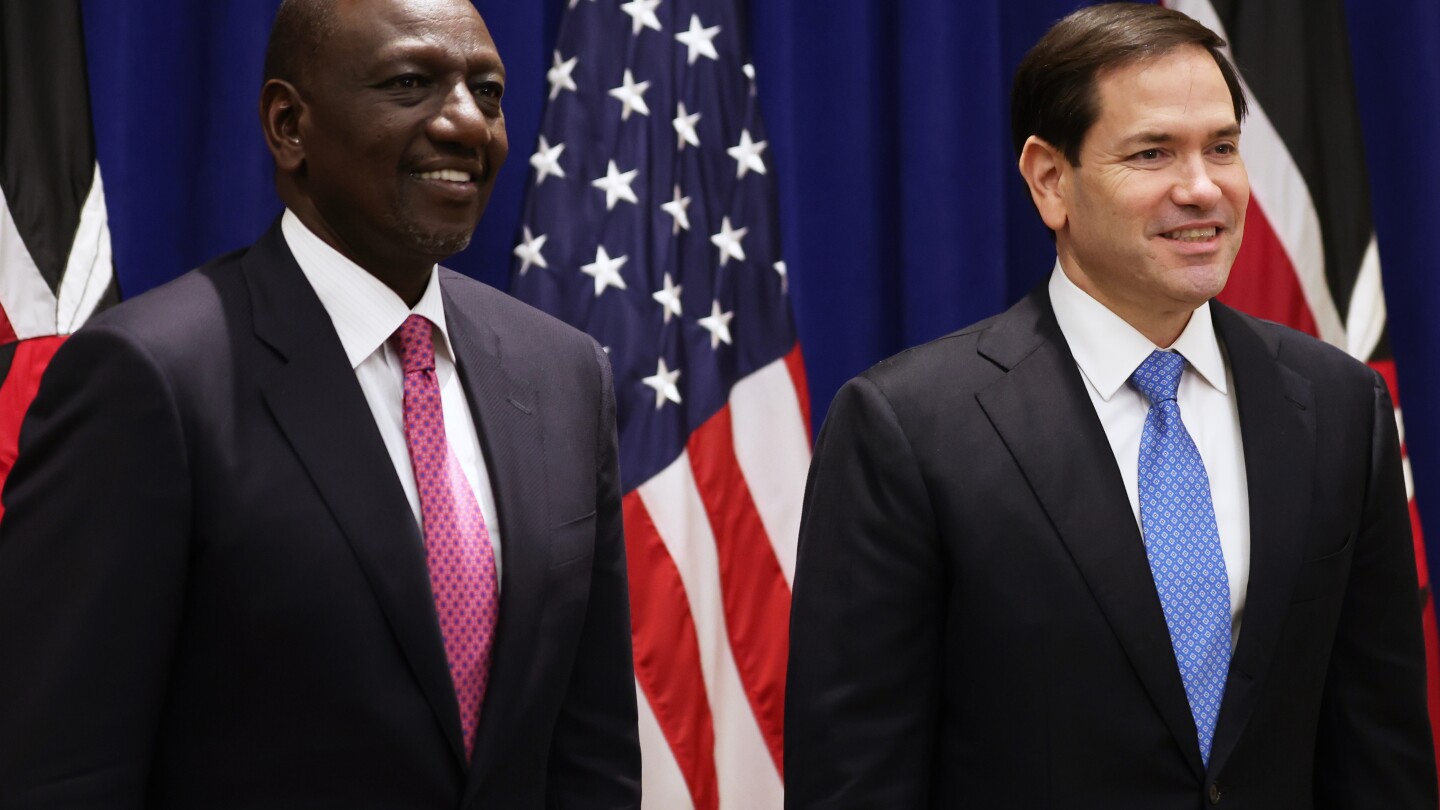
    The Trump administration has initiated its new ‘America First’ global health strategy by formalizing a major $2.5 billion, five-year health agreement with Kenya. Signed by Secretary of State Marco Rubio and Kenyan President William Ruto, this pact represents the first in an anticipated series of bilateral health funding agreements designed to align U.S. foreign assistance with the administration’s broader geopolitical objectives.

    This new cooperation framework replaces previous multi-lateral health programs traditionally administered by the U.S. Agency for International Development (USAID), which was dismantled earlier this year. The move has drawn significant criticism from the global health community, as the closure of USAID resulted in the termination of hundreds of programs across the developing world, including initiatives focused on maternal and child healthcare, nutrition, and HIV/AIDS prevention.

    The Kenya agreement allocates $1.7 billion from the U.S. government, with Kenya contributing the remaining $850 million. Funding will prioritize combating infectious diseases such as HIV/AIDS, malaria, and tuberculosis, with an emphasis on supporting faith-based medical providers. All clinics and hospitals within Kenya’s health insurance system will be eligible for funding, provided they comply with U.S. restrictions on abortion services. State Department officials Jeremy Lewin and Brad Smith confirmed the agreement includes protections against discrimination based on sexual orientation, gender identity, or profession.

    In parallel with the health agreement, U.S. officials praised Kenya’s leadership in international stabilization efforts, particularly its role in combating powerful gangs in Haiti. The administration plans to extend similar health agreements to other African nations aligned with its foreign policy stance, though political differences with the Trump administration may exclude major players like Nigeria and South Africa.