分类: politics

  • Admiral tells lawmakers there was no ‘kill them all’ order in attack that killed drug boat survivors

    Admiral tells lawmakers there was no ‘kill them all’ order in attack that killed drug boat survivors

    A contentious congressional investigation into a lethal naval engagement near Venezuela has reached a critical juncture, with senior military officials facing intense scrutiny from lawmakers. The incident, which resulted in the deaths of two survivors from an initial strike on a suspected drug vessel, has sparked allegations of a possible “kill them all” directive from Defense Secretary Pete Hegseth.

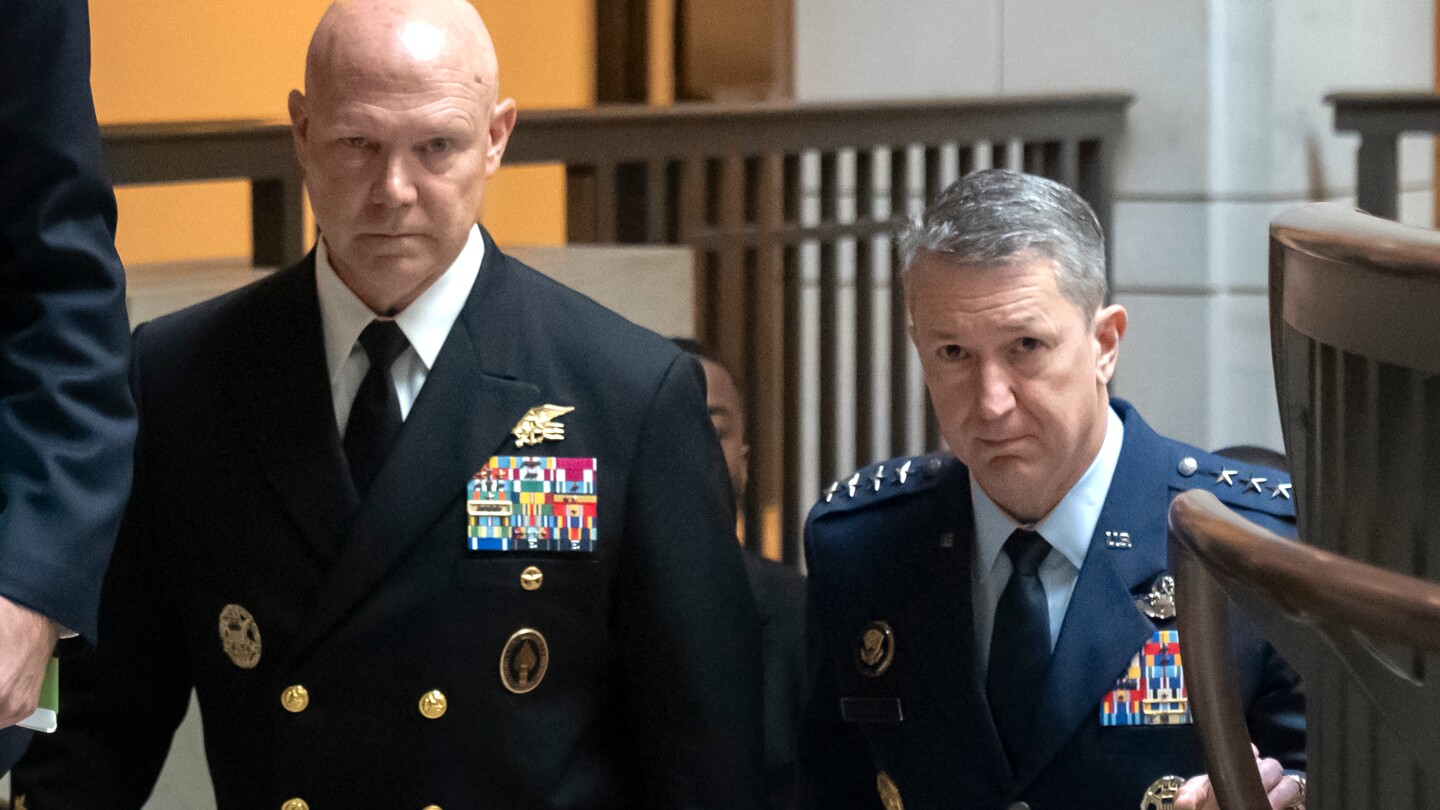
    During classified briefings on Capitol Hill, Navy Admiral Frank “Mitch” Bradley explicitly denied receiving any such order from the Defense Secretary. Senate Intelligence Committee Chairman Tom Cotton emerged from the session stating, “Adm. Bradley was very clear that he was given no such order, to give no quarter or to kill them all. He was given an order that, of course, was written down in great detail.”

    The political divide over the incident became immediately apparent. While Republicans largely defended the military operation, Democratic lawmakers expressed profound concern. Connecticut Representative Jim Himes, the top Democrat on the House Intelligence Committee, described viewing strike footage as “one of the most troubling things I’ve seen in my time in public service,” noting the victims were “in clear distress without any means of locomotion.”

    The investigation has expanded to examine multiple aspects of the operation, including the rules of engagement, intelligence identifying the vessel as a legitimate target, and criteria used to distinguish combatants from civilians. Lawmakers from both parties are demanding complete video evidence of the September 2 attack alongside written records of all orders and directives.

    Adding complexity to the situation, the Defense Department’s inspector general concurrently released a partially redacted report criticizing Hegseth’s previous use of the Signal messaging app to share sensitive information about military operations, finding he endangered service members through this action.

    Admiral Bradley’s distinguished military career, spanning over three decades primarily with Navy SEALs and joint operations command, has positioned him as a respected figure facing difficult questions about an operation that legal experts suggest might constitute a war crime if survivors were intentionally targeted.

    The outcome of this investigation carries significant implications for military accountability and the legal boundaries of anti-narcotics operations in international waters, with more than 80 casualties reported in related strikes since September.
  • Singapore court upholds guilty verdict for opposition leader Pritam Singh

    Singapore court upholds guilty verdict for opposition leader Pritam Singh

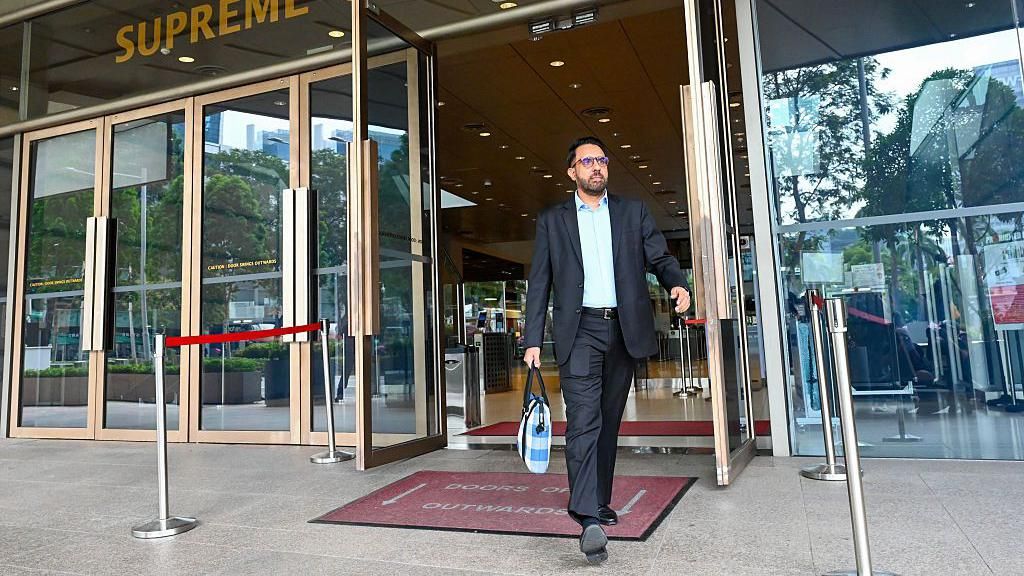
    Singapore’s primary opposition leader Pritam Singh has faced a definitive legal setback as his appeal against a conviction for providing false statements to a parliamentary committee was dismissed by the High Court. The verdict, delivered on Friday before a crowded public gallery, marks a significant chapter in a political saga that has captivated the nation.

    Singh, who serves as Secretary-General of the Workers’ Party, was originally convicted and fined S$14,000 (approximately $10,800) in February on two counts of deceit relating to his management of former party member Raeesah Khan. Khan, a former parliamentarian, admitted in 2021 to fabricating a story in legislative sessions about police misconduct toward a sexual assault victim.

    The judicial ruling affirmed that Singh’s conduct was ‘strongly indicative’ of an intention to prevent Khan from rectifying her false testimony. Despite maintaining his innocence throughout the proceedings, Singh expressed disappointment yet full acceptance of the court’s decision. He promptly settled his fines at the courthouse, remarking to journalists, ‘Might as well get it done.’

    The controversy originated when Khan, during a committee investigation, alleged that Singh and other senior party figures instructed her to ‘continue with the narrative’ despite their awareness of the falsehood. Khan subsequently resigned from both the party and parliament and received a S$35,000 fine for lying and misusing parliamentary privilege.

    During November’s appeal hearing, Singh’s legal team contended that the lower court had overlooked critical evidence and challenged the credibility of Khan and her aides. The defense argued that Singh’s apparent inaction was due to his desire to allow Khan time to manage the sensitive nature of the issue, alongside other professional and personal commitments.

    However, the prosecution successfully maintained that Singh’s failure to act demonstrated a deliberate intent to conceal the truth. Despite the conviction, Singh retains his parliamentary seat and has committed to continuing his service to Singaporeans alongside his party colleagues. The Workers’ Party remains the sole opposition force in Singapore’s legislature, holding 12 of the 99 seats.

    This case represents one of the rare criminal convictions against an incumbent opposition politician in Singapore, reigniting discussions about the intersection of judiciary and political rivalry in the city-state.

  • ‘The billionaire class and Zionism’: Activists slam Mamdani’s move to rehire police commissioner

    ‘The billionaire class and Zionism’: Activists slam Mamdani’s move to rehire police commissioner

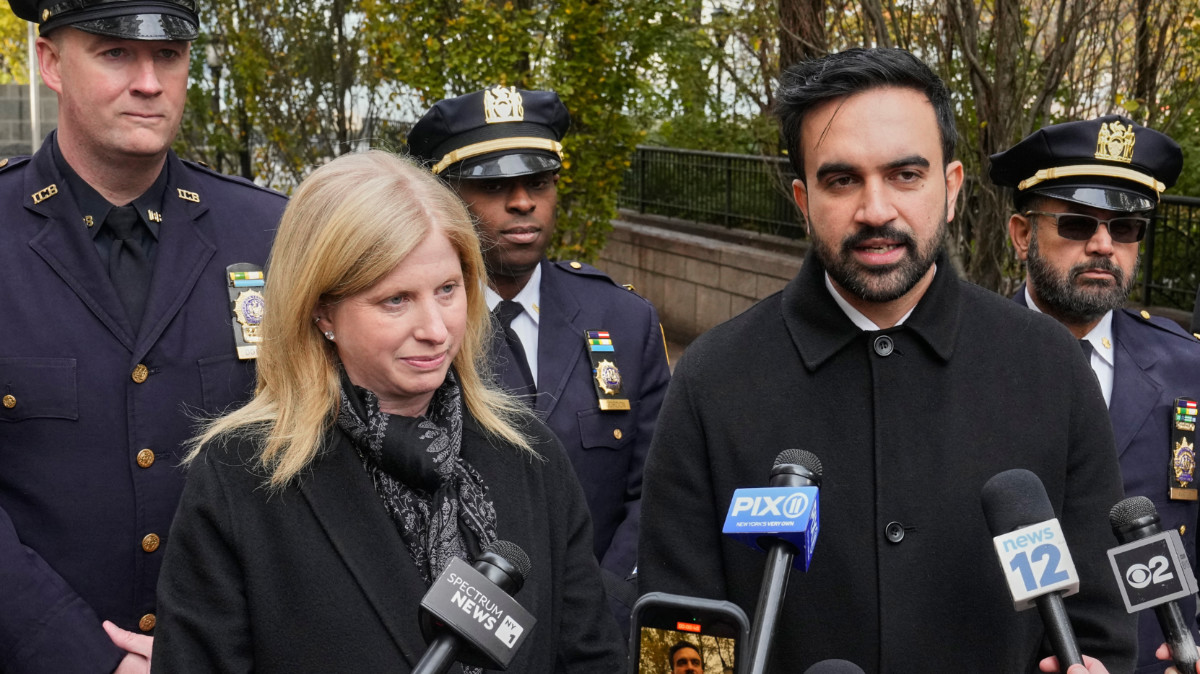
    Newly elected New York City Mayor Zohran Mamdani is confronting significant criticism from former supporters following his controversial decision to retain Police Commissioner Jessica Tisch. The appointment has sparked outrage among pro-Palestinian advocacy groups who accuse Tisch of overseeing aggressive crackdowns on demonstrations supporting Palestine.

    The advocacy organization Within Our Lifetime has circulated a strongly worded statement online declaring their firm opposition to the decision. The statement characterizes the retention of Tisch as ‘a political alignment with the NYPD’s legacy of racialized policing, surveillance, and repression,’ arguing it represents a departure from the justice-oriented values Mamdani championed during his campaign.

    This condemnation has gained substantial traction, with dozens of pro-Palestinian groups endorsing the statement, including National Students for Justice in Palestine chapters at multiple academic institutions. Local community organizations that previously supported Mamdani’s mayoral bid have also joined the criticism, with groups such as Crown Heights Bites Back, Brooklyn Jail Support, and Bay Ridge Solidarity adding their signatures to the protest.

    Commissioner Tisch, originally appointed by former Mayor Eric Adams in November 2024, previously directed the NYPD’s response to campus protests at institutions like Columbia University. These demonstrations, organized in solidarity with Palestinians following Israel’s military campaign in Gaza, resulted in over 100 student arrests by heavily equipped police officers.

    The statement from protesting organizations highlights Tisch’s close association with the previous administration, noting that her reappointment ‘ensures the seamless continuation of Adams’s NYPD, defined by corruption, scandal, federal investigations, and violent crackdowns on protests.’

    The controversy extends to Tisch’s personal background and professional decisions. As the daughter of Meryl and James Tisch (CEO of conglomerate Loews Corporation), she belongs to an influential Jewish-American family active in the NYC Police Foundation. This organization funds the NYPD’s liaison program with international police forces, including Israel.

    Critics have pointed to what they describe as Tisch’s ‘intersection of the billionaire class, the NYPD’s global footprint, and zionism.’ The statement further questions Mamdani’s consistency, referencing his campaign promise to arrest Israeli Prime Minister Benjamin Netanyahu should he visit NYC—a pledge he subsequently moderated.

    Additional concerns focus on Tisch’s oversight of police training materials that identified traditional Palestinian symbols like keffiyehs and watermelons as antisemitic, despite their cultural significance and use in non-violent protest. Her October appearance at the Anti-Defamation League’s conference, where she defended Israel’s military actions in Gaza, has further fueled criticism from groups that accuse the ADL of surveilling Arab-American communities and conflating Palestinian rights advocacy with antisemitism.

  • Protecting Gulf countries, fighting terrorism: 46th GCC Summit concludes with ‘Sakhir Declaration’

    Protecting Gulf countries, fighting terrorism: 46th GCC Summit concludes with ‘Sakhir Declaration’

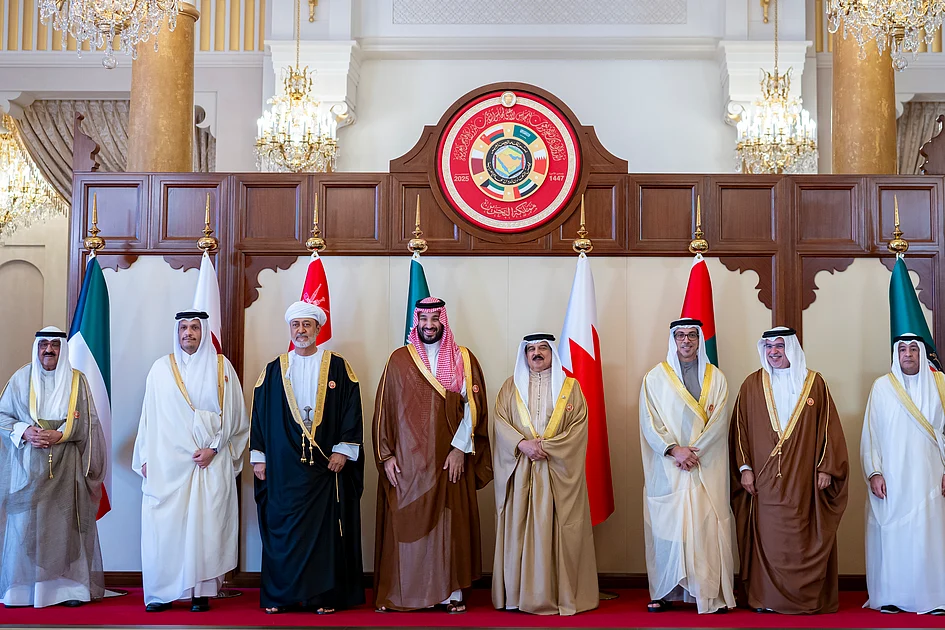
    The 46th Gulf Cooperation Council Summit concluded in Bahrain on Wednesday with the issuance of the pivotal Sakhir Declaration, marking a significant strengthening of regional unity and security cooperation. Leaders from the six-member bloc unanimously affirmed that their national securities are fundamentally indivisible, establishing that any sovereignty violation against one member constitutes a direct threat to collective security.

    The comprehensive declaration outlines five core principles guiding future cooperation: deepening regional integration across all sectors; maintaining sovereignty and rejecting foreign interference; advancing economic and technological development; promoting environmental sustainability; and combating terrorism through enhanced international partnerships.

    Notably, the summit emphasized respect for regional sovereignty and non-interference in internal affairs while rejecting the use of force. The declaration welcomed outcomes from the recent Sharm El Sheikh Peace Summit and reiterated firm support for the two-state solution to the Palestinian conflict, committing to humanitarian aid delivery and reconstruction efforts in Gaza.

    Economically, leaders stressed the importance of strengthening the GCC Common Market and Customs Union while enhancing digital infrastructure integration, e-commerce facilitation, and shared digital payment systems. The declaration specifically highlighted cooperation in artificial intelligence, cybersecurity, and technological advancement through a joint GCC strategy.

    Environmental commitments included promoting sustainable initiatives, addressing climate change challenges, reducing carbon emissions, and advancing clean energy projects. On security matters, the GCC pledged to combat extremism, terrorism, hate speech, and transnational organized crime while supporting joint naval forces headquartered in Bahrain.

    The summit additionally expressed support for Bahrain’s representation of the Arab Group in the UN Security Council and celebrated strengthened relations with Italy, agreeing to establish a joint action plan for a comprehensive strategic partnership following productive discussions with Italian Prime Minister Giorgia Meloni.

  • World Cup 2026: US gives no assurances immigration agents won’t raid stadiums

    World Cup 2026: US gives no assurances immigration agents won’t raid stadiums

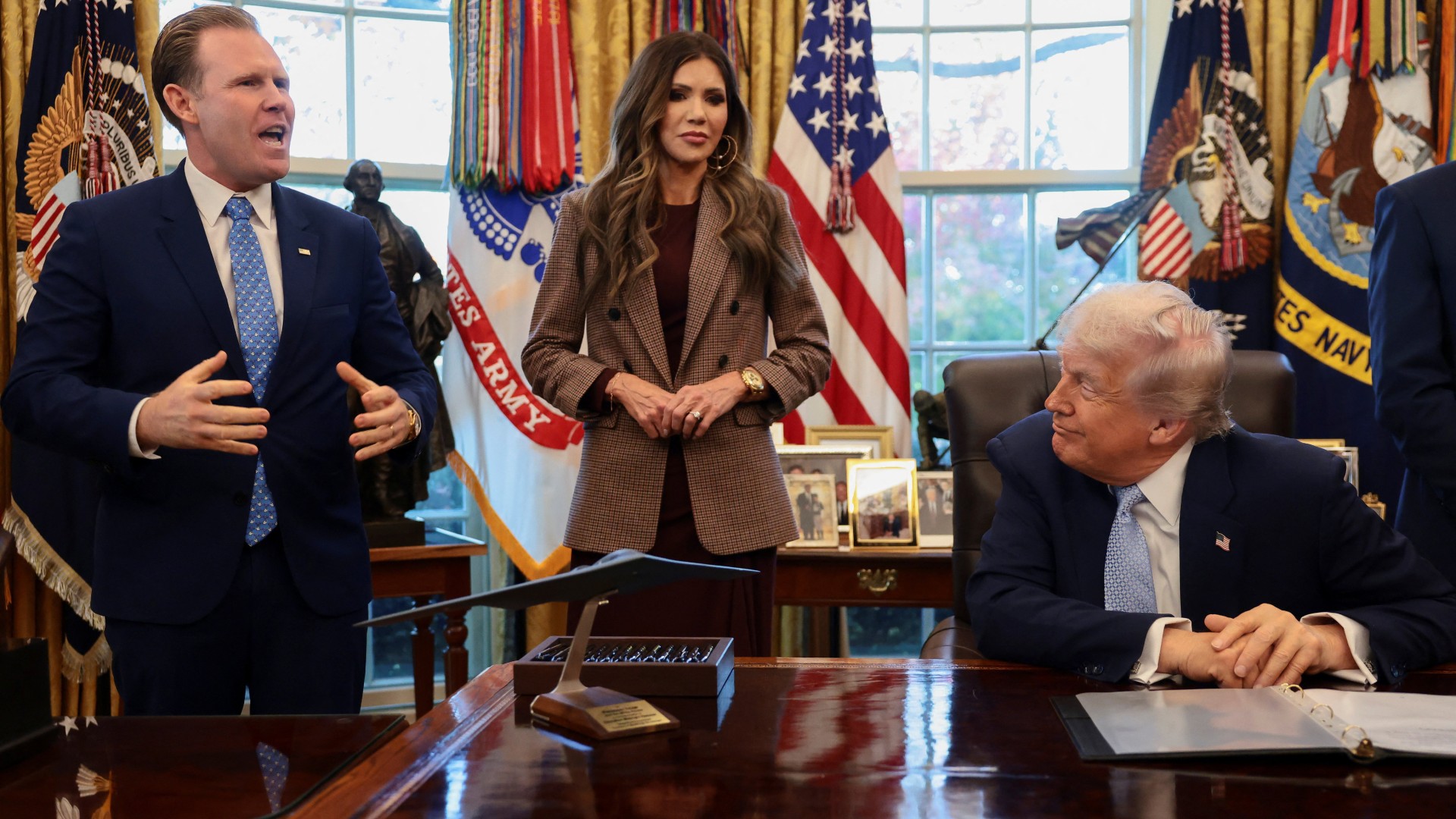
    The Trump administration has declined to provide assurances that non-U.S. citizens attending the 2026 FIFA World Cup will be protected from Immigration and Customs Enforcement (ICE) operations at tournament venues. Andrew Giuliani, head of the White House FIFA World Cup 2026 Task Force and longtime ally of President Trump, confirmed this position during a press briefing with foreign correspondents.

    When questioned about concerns regarding potential detention and deportation raids during the games, Giuliani emphasized that President Trump “does not rule out anything that will help make American citizens safer.” This stance follows a July incident where ICE arrested a father at a FIFA Club World Cup game in New Jersey for operating a drone to take family photos, which prompted condemnation from Human Rights Watch.

    The Department of Homeland Security, which oversees ICE, has removed approximately 500,000 people from the U.S. in the past 10 months, with an additional 1.6 million individuals reportedly “self-deporting” due to fear. While the administration initially focused on removing “violent criminals,” enforcement has expanded to include those with minor violations such as traffic infractions or decades-old bounced checks.

    Visa processing for World Cup attendees has seen improvements, with wait times reduced from over a year to approximately 60 days for qualifying nations. Ticket holders will be eligible for expedited visa processing, though approval remains subject to rigorous security screening, including potential social media reviews. However, both visa approval and entry into the U.S. remain discretionary decisions made by border agents.

    The administration’s travel ban affecting 19 countries has created additional complications, particularly for Iran’s delegation which will boycott the World Cup draw after the U.S. refused visas for most of its members. Giuliani confirmed only partial visa approval for the Iranian delegation, stating that every decision is based on national security considerations.

    Despite these enforcement measures, Giuliani maintained that the U.S. welcomes international visitors who come “to enjoy, spend disposable income, enjoy the United States of America,” while characterizing President Trump’s controversial rhetoric about certain nations as “completely honest” and part of his “unique style” of leadership.

  • Japan’s Takaichi is winning fans not with politics but with her style and ‘work, work, work’ mantra

    Japan’s Takaichi is winning fans not with politics but with her style and ‘work, work, work’ mantra

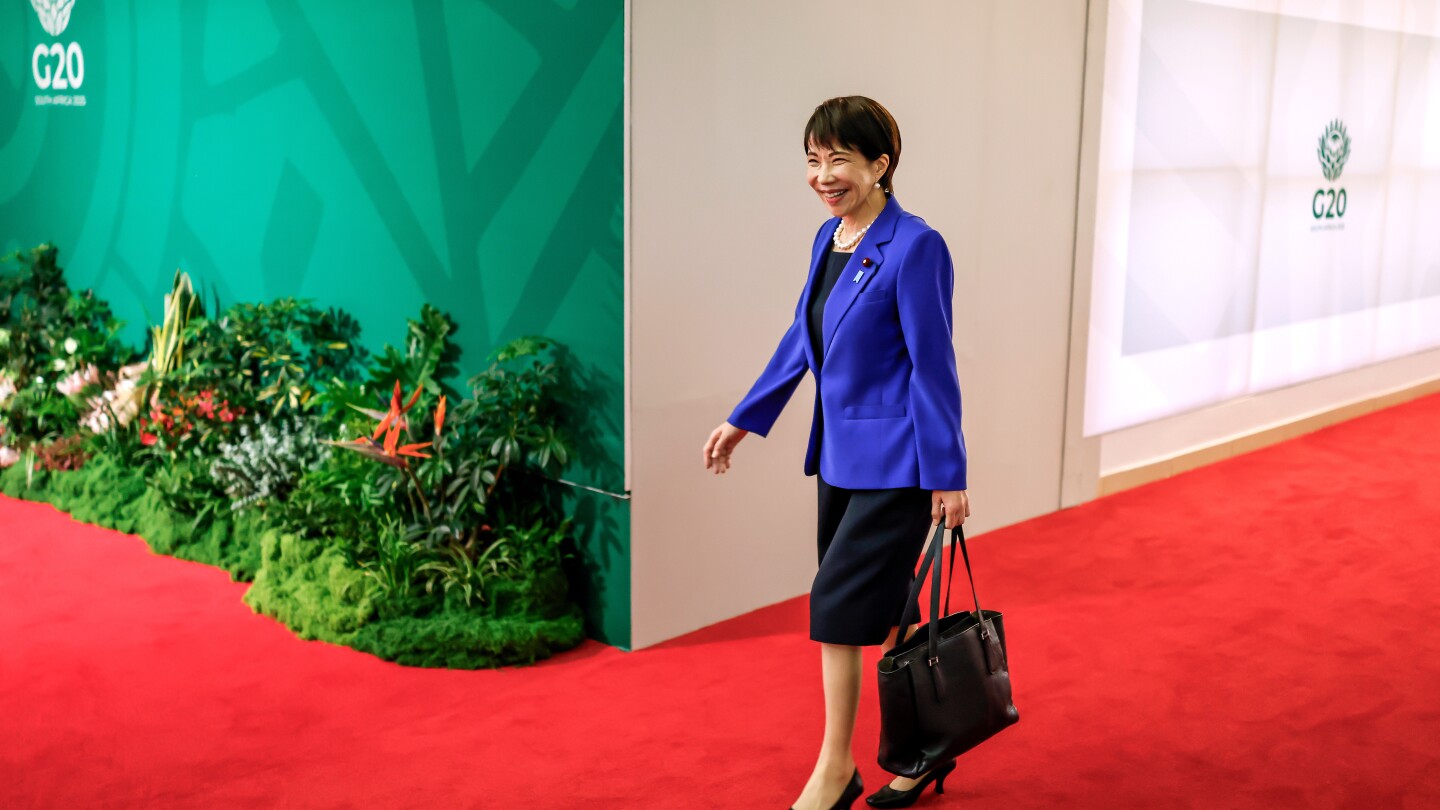
    TOKYO — Japanese Prime Minister Sanae Takaichi’s emphatic declaration to “work, work, work, work and work” for her nation has been formally recognized as the country’s catchphrase of the year. The ultraconservative leader first delivered this statement during her October acceptance speech after being elected to lead the ruling Liberal Democratic Party, generating both concern about her extreme work ethic and appreciation for her apparent dedication.

    At this week’s award ceremony hosted by a private selection committee, Takaichi clarified that her remarks were intended to demonstrate her enthusiasm rather than promote excessive working hours. “I have no intention of encouraging other people to overwork, or suggesting long working hours as a virtue,” the Prime Minister stated. “I hope there is no misunderstanding.”

    Since assuming office in late October as Japan’s first female premier, Takaichi has attracted significant public attention not only for her political agenda but also for her distinctive fashion choices, sparking trends among Japanese women. Her declaration to abandon work-life balance during her October 4 party speech, where she urged lawmakers to “work like a horse” before repeating “work” five times in a determined voice, created a lasting impression on the political landscape.

    Concerns have emerged among fellow legislators regarding Takaichi’s reportedly extreme working habits, which include operating on as little as two hours of sleep while simultaneously caring for her husband recovering from a stroke. The Prime Minister has acknowledged these concerns, noting the potential effect on her skin, while revealing her relaxation method of soaking in a hot tub morning and night, which she describes as her “blissful time.”

    The ‘Sanae phenomenon’ extends beyond politics into consumer trends, with her signature black leather tote bag—manufactured by Tokyo-based Hamano Inc. and priced at 136,400 yen ($875)—selling out completely across all eight colors after she was photographed carrying it into the Prime Minister’s office on October 21. Company spokesperson Takanori Kobayashi reported that orders have surged to unprecedented levels, with new purchasers facing wait times until August due to the bag’s artisanal production methods.

    Similarly, the sparkly light-pink Mitsubishi Pencil Co. Jetstream 4&1 pen that Takaichi uses for note-taking has become known as the “Sanae Takaichi model” and frequently sells out at retail locations and online marketplaces, with owners proudly posting “Matching Sanae” photos on social media.

    Psychology professor Namiko Kubo-Kawai of Nagoya Shukutoku University observes that Takaichi represents a new type of role model for Japanese women, breaking from traditional feminine ideals through her powerful political position and no-frills workwear aesthetic. However, the Prime Minister’s conservative stance on gender issues—including support for male-only imperial succession and opposition to separate surnames for married couples—may limit her appeal among feminist groups.

    Despite these ideological divisions, Takaichi has emerged as an unexpected style icon and symbolic figure for women who previously showed little interest in political leadership, reflecting the expanding diversity of female role models in contemporary Japanese society.

  • Nvidia CEO Jensen Huang visits Republicans as debate over intensifying AI race rages

    Nvidia CEO Jensen Huang visits Republicans as debate over intensifying AI race rages

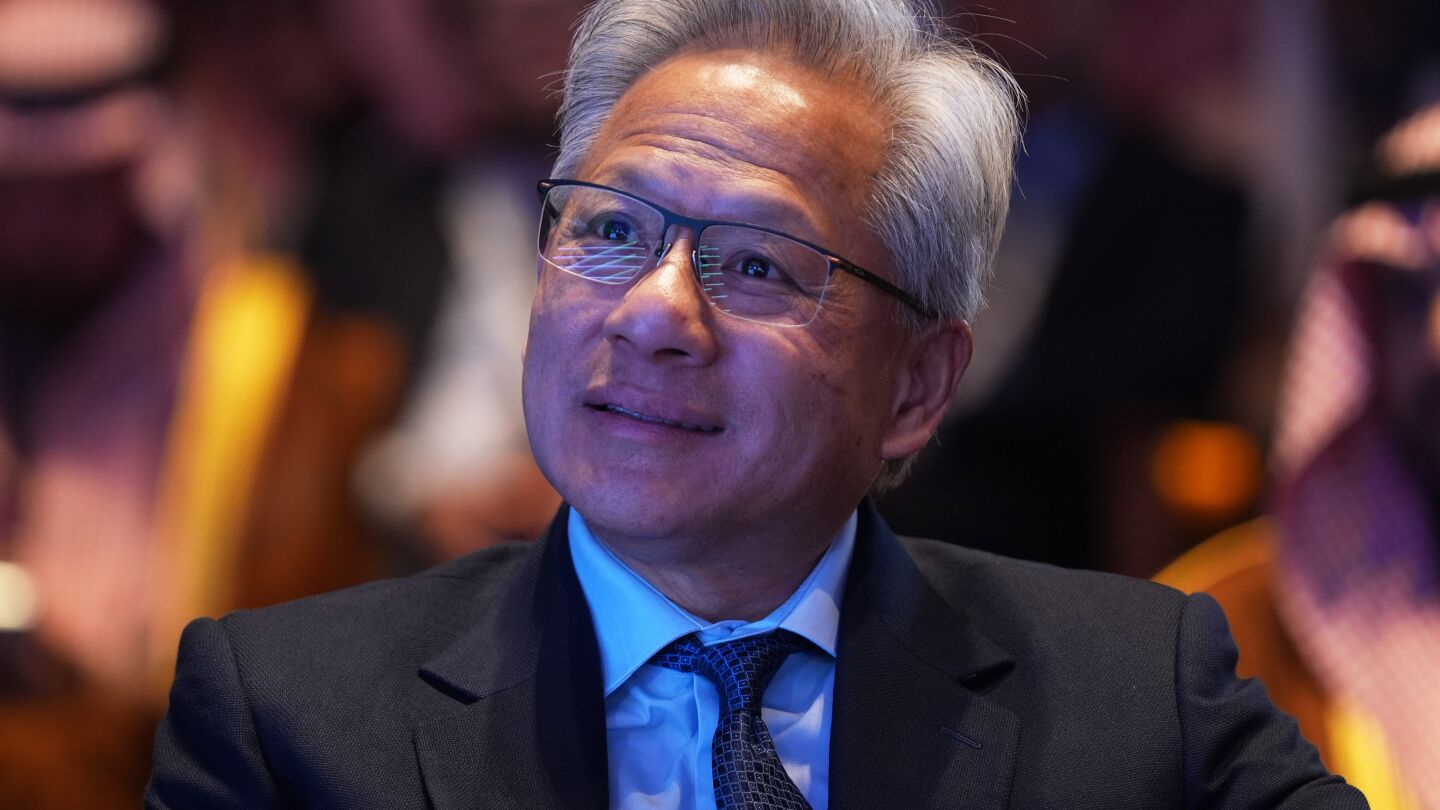
    WASHINGTON — In a significant development at the intersection of technology and national security, Nvidia CEO Jensen Huang conducted high-level meetings with President Donald Trump and Republican senators on Wednesday. The discussions centered on federal policies governing the artificial intelligence industry, particularly regarding the contentious export of advanced computer chips to geopolitical rivals like China.\n\nThe closed-door session with members of the Senate Banking Committee occurred amid escalating lobbying efforts and substantial investments in AI technology. Major tech firms continue to promote ambitious predictions about AI’s transformative potential while navigating increasing regulatory scrutiny.\n\nHuang, representing Silicon Valley’s perspective, maintains that imposing restrictions on technology exports would hinder technological progress. This stance contrasts with growing concerns among policymakers and the public regarding AI’s potential risks and the possible misuse of American hardware by foreign competitors.\n\n\”I’ve consistently expressed support for export controls that ensure American companies maintain technological leadership,\” Huang stated to journalists before his Capitol Hill meeting. While acknowledging concerns about chip sales to China, he contended that existing restrictions have not significantly impeded Chinese advancements in the AI domain.\n\nThe CEO emphasized the importance of global competitiveness, arguing, \”We must offer the most competitive chips available to the Chinese market, as degraded products would be unacceptable to them.\”\n\nHuang revealed his earlier meeting with President Trump, during which they discussed export control mechanisms for Nvidia’s products. The conversation concluded with seasonal greetings exchanged between the technology executive and the president.\n\nThis lobbying push follows the Trump administration’s May reversal of Biden-era restrictions that had limited Nvidia and other chip manufacturers from exporting their products to numerous countries. The White House subsequently announced an unusual arrangement in August permitting Nvidia and Advanced Micro Devices to sell chips in China while requiring the U.S. government to receive 15% of sales revenue.\n\nThe proposal has created divisions among lawmakers, despite broad congressional support for AI export controls generally. Legislators increasingly view the sale of sophisticated AI chips to China as presenting substantial national security concerns, given China’s status as America’s primary competitor in developing artificial superintelligence.\n\nRepublican responses to Huang’s lobbying efforts varied considerably. Senator Mike Rounds (R-South Dakota) characterized the discussion as \”healthy and productive,\\” noting continued legislative openness to diverse policy approaches. He observed that Nvidia currently abstains from Chinese chip sales while recognizing export controls’ importance for national security.\n\nIn contrast, Senator John Kennedy (R-Louisiana) deliberately avoided the meeting, questioning Huang’s objectivity regarding chip sales to China. \”He possesses extraordinary wealth yet desires more—I don’t fault that ambition,\” Kennedy remarked. \”However, he cannot provide impartial guidance regarding technology sharing with China.\”\n\nDemocratic lawmakers expressed frustration about their exclusion from the proceedings. Senator Elizabeth Warren (D-Massachusetts), the Banking Committee’s ranking Democrat, criticized Huang for \”lobbying Republicans secretly rather than providing public explanations.\” She advocated for requiring the Nvidia CEO to testify publicly about why his company allegedly favors Chinese manufacturers over American businesses requiring access to high-quality chips.

  • Oil, defence and geopolitics: Why Putin is visiting Modi in Delhi

    Oil, defence and geopolitics: Why Putin is visiting Modi in Delhi

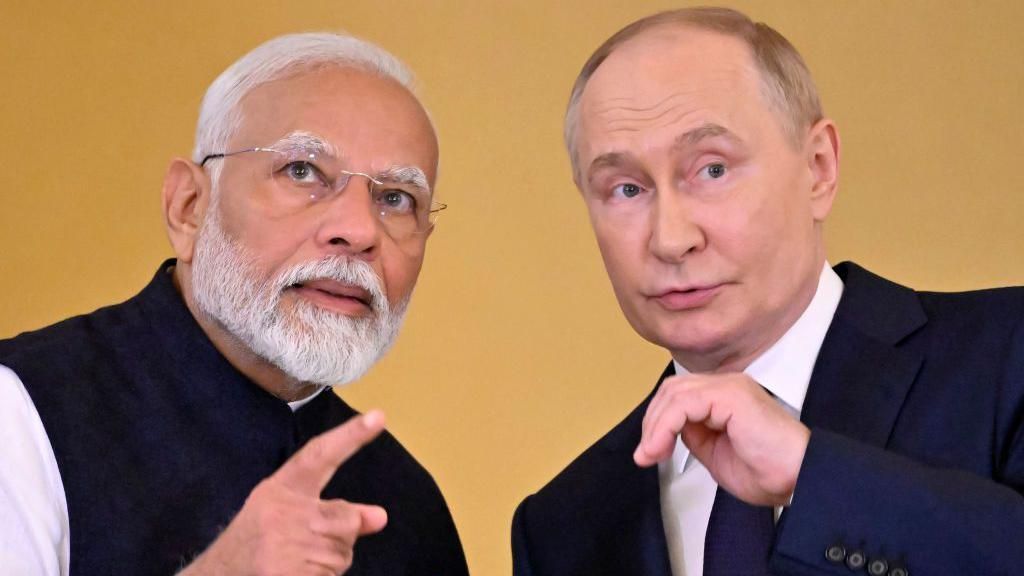
    Russian President Vladimir Putin commenced a pivotal two-day diplomatic mission to New Delhi, marking a significant moment in international geopolitics. The visit centers on the annual bilateral summit with Indian Prime Minister Narendra Modi, occurring against a backdrop of escalating U.S. pressure campaigns and global trade realignments.

    The Kremlin’s pursuit of strengthened Indo-Russian ties reflects multiple strategic imperatives. India’s remarkable economic expansion—exceeding 8% growth—positions the nation as an exceptionally attractive market for Russian commodities, particularly energy resources. Prior to Russia’s full-scale invasion of Ukraine, Russian crude constituted merely 2.5% of India’s oil imports. This figure surged dramatically to 35% as India capitalized on discounted pricing resulting from Western sanctions. Although recent U.S. tariff impositions have temporarily reduced orders, Moscow remains keen to preserve this crucial revenue stream.

    Defense cooperation represents another cornerstone of the relationship. Reports indicate advanced negotiations for state-of-the-art Russian fighter jets and air defense systems, continuing a weapons trading tradition dating to the Soviet era. Concurrently, Russia views India as a vital source of skilled labor amid its domestic workforce shortages.

    Geopolitically, the summit enables Moscow to demonstrate that Western isolation attempts have faltered. Putin’s diplomatic engagements with Modi and Chinese President Xi Jinping—including their trilateral meeting three months prior—visibly affirm Russia’s enduring partnerships within the Global South and its advocacy for a multipolar world order.

    For Prime Minister Modi, the visit tests India’s doctrine of strategic autonomy amid increasingly complex global pressures. The administration faces competing demands: maintaining historical ties with Moscow while navigating strained relations with Washington following President Trump’s imposition of 25% tariffs on Indian goods. European allies have simultaneously intensified pressure, with German, French, and British ambassadors publishing a rare joint critique of Russia’s Ukraine stance.

    Bilateral trade dynamics present additional challenges. While annual trade surged from $8.1 billion in 2020 to $68.72 billion in March 2025, this growth primarily reflects oil purchases that created significant trade imbalance. Modi seeks to diversify economic cooperation beyond hydrocarbons and defense, expanding India’s access to Russian consumer markets for electronics, seafood, and textiles.

    Analysts from Delhi’s Global Trade Research Initiative characterize the summit as a negotiation over “risk, supply chains and economic insulation” rather than nostalgic diplomacy. The outcomes could range from modest agreements securing oil and defense supplies to ambitious frameworks potentially reshaping regional economic architectures.

  • Israeli far right lawmaker demands Palestinians be killed over rubbish fires

    Israeli far right lawmaker demands Palestinians be killed over rubbish fires

    Far-right Israeli legislators have sparked controversy by advocating lethal military force against Palestinians engaged in waste-burning activities during a parliamentary committee session on Wednesday. Zvi Sukkot of the Otzma Yehudit party explicitly called for aerial attacks, stating “The Air Force needs to act and kill them” through either shooting or airstrikes.

    The proposal received endorsement from committee chairman Yitzhak Kreuzer, who suggested deploying F-16 fighter jets to “put out the fire,” and Environment Minister Idit Silman of the Likud party. All three officials justified extreme measures by categorizing waste burning as acts of terrorism.

    Simultaneously, Minister Silman proposed establishing a “Judea and Samaria district” within her ministry—using biblical terminology for the occupied West Bank—which would effectively extend Israeli civilian administration into Palestinian territories. She characterized this move as “a de facto annexation that brings important environmental sovereignty.

    The discussion occurred amid increasing settler complaints about fires allegedly caused by Palestinian waste disposal practices. Dafna Ravid-Rabinovich, head of a regional settlement council, expressed frustration over the absence of guidance for settlers, questioning what protective measures residents should take.

    This development coincides with Israel’s ongoing policy of expanding civilian ministry involvement in West Bank administration beyond military governance. International law considers the presence of over 700,000 Israeli settlers in occupied territories illegal, while experts warn that increased civilian oversight constitutes de facto annexation—an objective openly supported by numerous Israeli officials.

  • President Trump’s contempt shocks the country’s largest Somali community

    President Trump’s contempt shocks the country’s largest Somali community

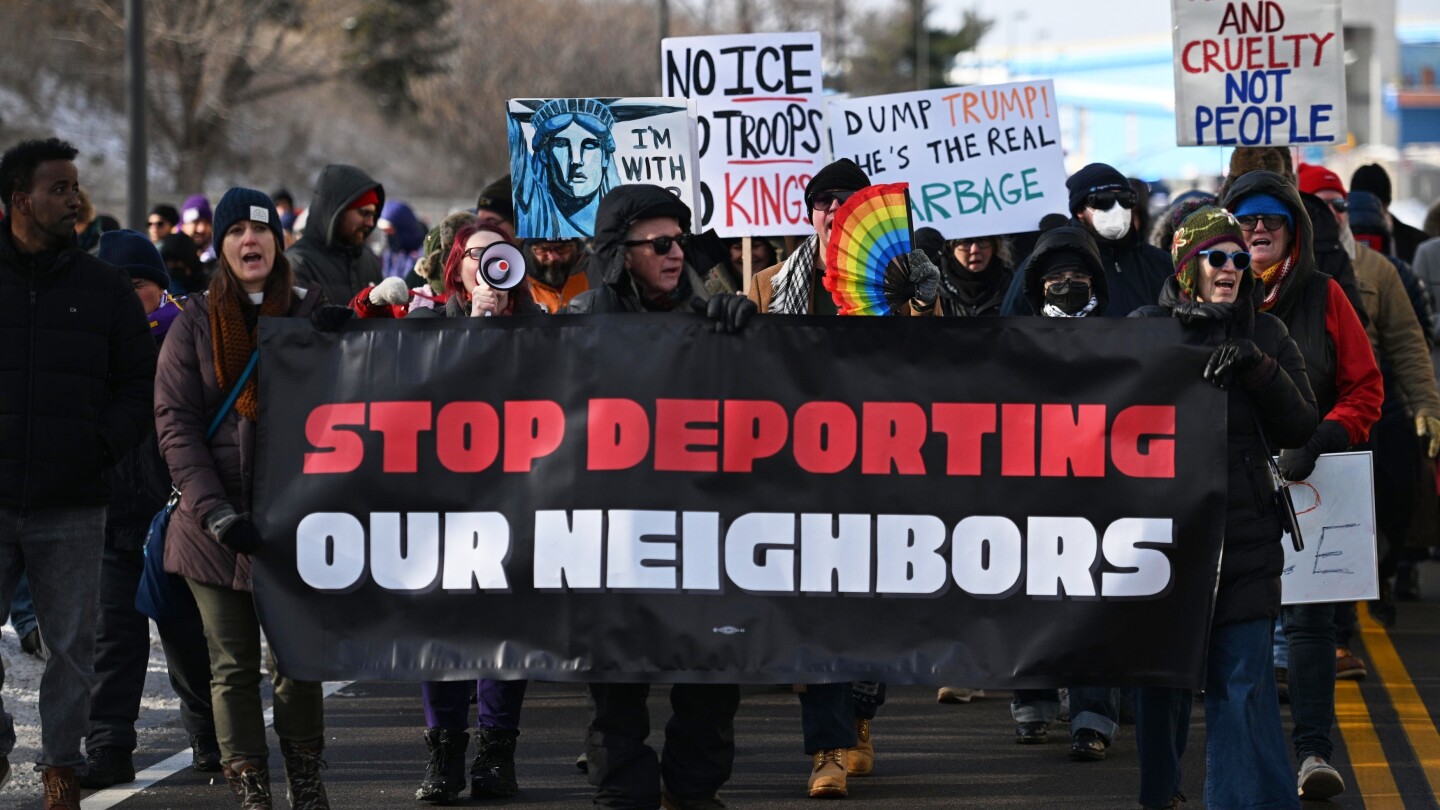
    President Donald Trump’s characterization of Somali immigrants as “garbage” who “should be out of here” and have “destroyed our country” has ignited fierce backlash within America’s largest Somali community in Minneapolis. The remarks, made during Tuesday’s Cabinet meeting and reiterated Wednesday, specifically targeted Democratic Rep. Ilhan Omar alongside broader condemnation of Somali immigrants.

    The Minneapolis-St. Paul area hosts approximately 84,000 Somali descendants, representing nearly one-third of all Somalis in the United States. This community has developed substantial political and economic influence since refugees first began settling in Minnesota during the 1990s, attracted by robust social services and established diaspora networks.

    Hamse Warfa, a Somali-born U.S. citizen and successful entrepreneur who now leads national education nonprofit World Savvy, responded unequivocally: “I am not garbage.” Emphasizing the weight of presidential rhetoric, Warfa noted, “Words matter a lot — especially when it’s the president of the United States who is talking.”

    The administration’s verbal attacks coincide with operational changes, including pausing all immigration applications from 19 banned nations—Somalia among them—following a recent National Guard shooting in Washington. Reports also indicate federal authorities are preparing targeted immigration enforcement operations in Minnesota focusing primarily on Somali immigrants living unlawfully in the U.S., though most Minnesota Somalis are U.S. citizens, many born domestically.

    Local leadership including Governor Tim Walz and Minneapolis Mayor Jacob Frey have pledged to protect Somali residents against broader blame for recent fraud cases in public programs. Frey affirmed Minneapolis “will remain a city that stands up for our residents,” signaling continued support for the community amidst escalating tensions.