分类: politics

  • Top ally of South Korea’s Yoon given 23 years in prison for rebellion over martial law crisis

    Top ally of South Korea’s Yoon given 23 years in prison for rebellion over martial law crisis

    In a landmark ruling with profound implications for South Korea’s democracy, the Seoul Central District Court on Wednesday declared former President Yoon Suk Yeol’s 2024 imposition of martial law an act of rebellion, sentencing his prime minister to 23 years imprisonment for his central role in the constitutional crisis.

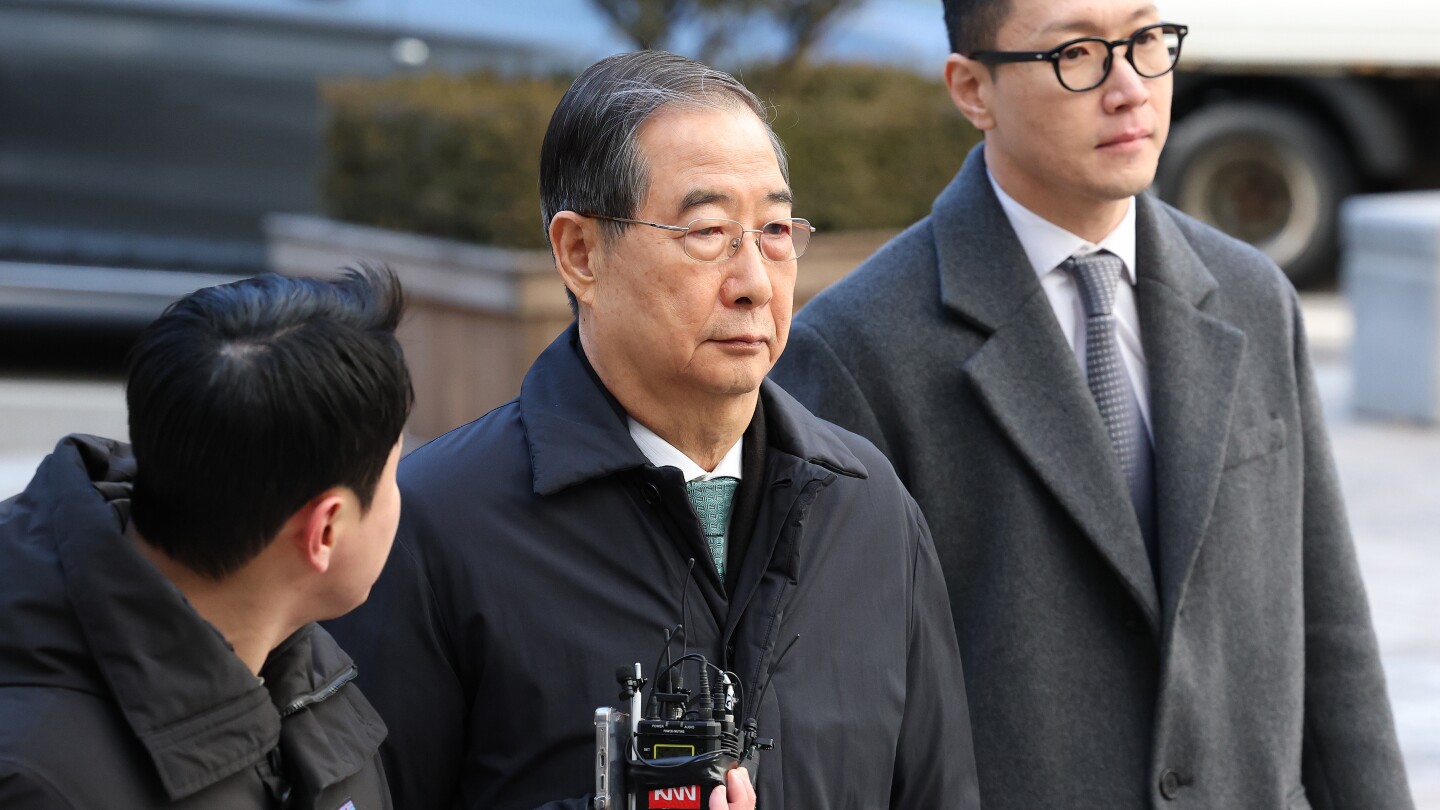
    Former Prime Minister Han Duck-soo became the first official from the Yoon administration convicted of rebellion charges, marking a pivotal moment in the legal proceedings stemming from the December 2024 martial law declaration that ultimately led to Yoon’s impeachment and removal from office. The court’s verdict establishes critical legal precedent for upcoming rulings involving Yoon and his associates, who face similar charges.

    In its televised verdict, the court determined that Yoon’s martial law decree constituted what it characterized as ‘a riot’ or ‘a self-coup,’ specifically citing his deployment of troops and police officers to Parliament and election offices as actions intended to undermine South Korea’s constitutional order. The court found these measures sufficiently severe to potentially destabilize the entire region.

    The judiciary sentenced Han for providing procedural legitimacy to Yoon’s rebellion by orchestrating its passage through a Cabinet Council meeting. Additional convictions included falsifying the martial law proclamation, destroying evidence, and committing perjury under oath.

    Presiding Judge Lee Jin-gwan delivered a stern rebuke, stating: ‘Because of the defendant’s action, the Republic of Korea could have returned to a dark past when the basic rights of the people and the liberal democratic order were trampled upon, becoming trapped in the quagmire of dictatorships for an extended period.’

    Following the ruling, Han was immediately taken into custody. His 23-year sentence exceeded expectations, as independent counsel had previously requested a 15-year term. Han maintains his innocence, claiming he opposed Yoon’s martial law plan and denying most charges. He retains the right to appeal Wednesday’s ruling.

    The case represents one of multiple legal proceedings against the former conservative leader. Yoon, already incarcerated for months, faces eight criminal trials including the rebellion case. Last Friday, he received a five-year prison term for defying detention attempts, fabricating the martial law proclamation, and denying Cabinet members their deliberation rights. Yoon continues to deny all rebellion charges, asserting he merely sought public support against opposition party obstruction and denouncing investigations as ‘frenzied’ operations involving ‘manipulation’ and ‘distortion.’

    The court is scheduled to rule on Yoon’s rebellion charges on February 19, with prosecutors having requested the death penalty for the former president.
  • Rapid unravelling of SDF removes ‘main irritant’ in US-Turkey ties

    Rapid unravelling of SDF removes ‘main irritant’ in US-Turkey ties

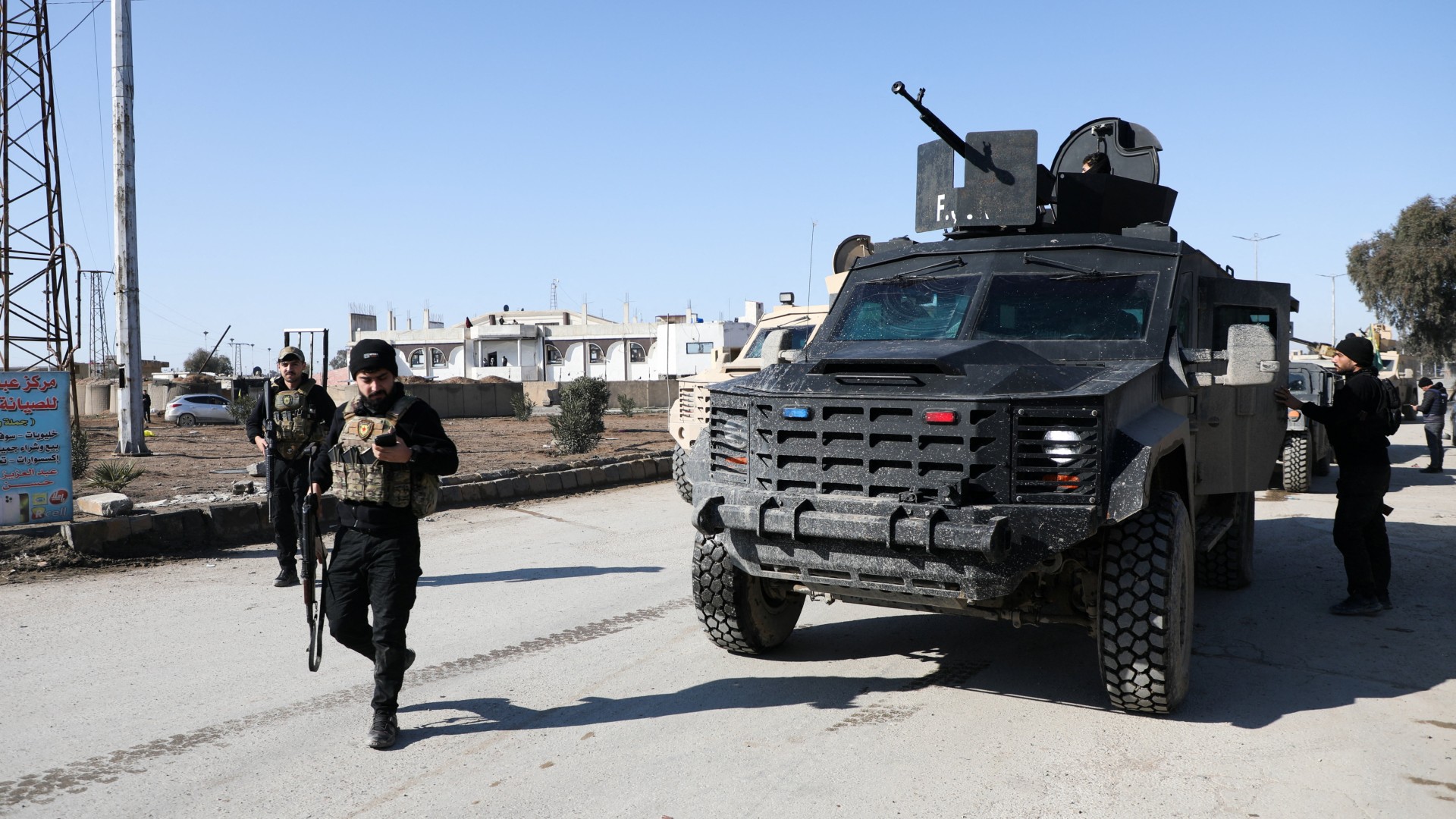
    The rapid collapse of the Kurdish-led Syrian Democratic Forces (SDF) amid President Ahmed al-Sharaa’s military offensive has fundamentally transformed the geopolitical landscape in Syria while removing a persistent source of tension between the United States and its NATO ally Turkey, according to regional experts.

    The disintegration of Rojava—the semi-autonomous Kurdish administration in northeastern Syria—marks the culmination of a strategic shift within the Trump administration that has effectively endorsed Turkey’s security concerns over Kurdish aspirations for autonomy. This development represents a dramatic reversal of Washington’s previous policy that had supported Kurdish forces as primary partners in the fight against the Islamic State since 2015.

    Ankara had long viewed the SDF as an extension of the Kurdistan Workers’ Party (PKK), which both the US and European Union designate as a terrorist organization. The SDF’s defeat, facilitated by Arab tribal forces switching allegiances to Damascus, has enabled Syrian government forces to reclaim territories including the oil-rich provinces of Deir Ezzor and Raqqa for the first time in over a decade.

    The Trump administration’s appointment of billionaire envoy Tom Barrack signaled a new approach prioritizing alignment with Turkish interests. Barrack declared the US security partnership with Kurdish forces ‘largely expired’ and backed a ceasefire agreement that requires SDF fighters to integrate individually into the Syrian army, explicitly rejecting any form of Kurdish semi-autonomy or federal system.

    Regional analysts note that this resolution of the Kurdish question has created unprecedented alignment between Washington and Ankara that could influence ongoing conflicts in Gaza and Ukraine, where the Trump administration seeks Turkish cooperation. The absence of Israeli intervention despite Kurdish efforts to solicit support further strengthened Turkey’s position, according to experts at the Middle East Institute.

    While some US lawmakers like Senator Lindsey Graham threatened sanctions against Damascus, the administration’s support for the new Syrian government—reportedly facilitated by Turkish and Saudi diplomacy—appears to have prevailed, fundamentally reshaping America’s Middle East policy and its relationship with key regional allies.

  • Opposition issues ISIS-brides warning as Kurdish-led forces abandon Syrian camp

    Opposition issues ISIS-brides warning as Kurdish-led forces abandon Syrian camp

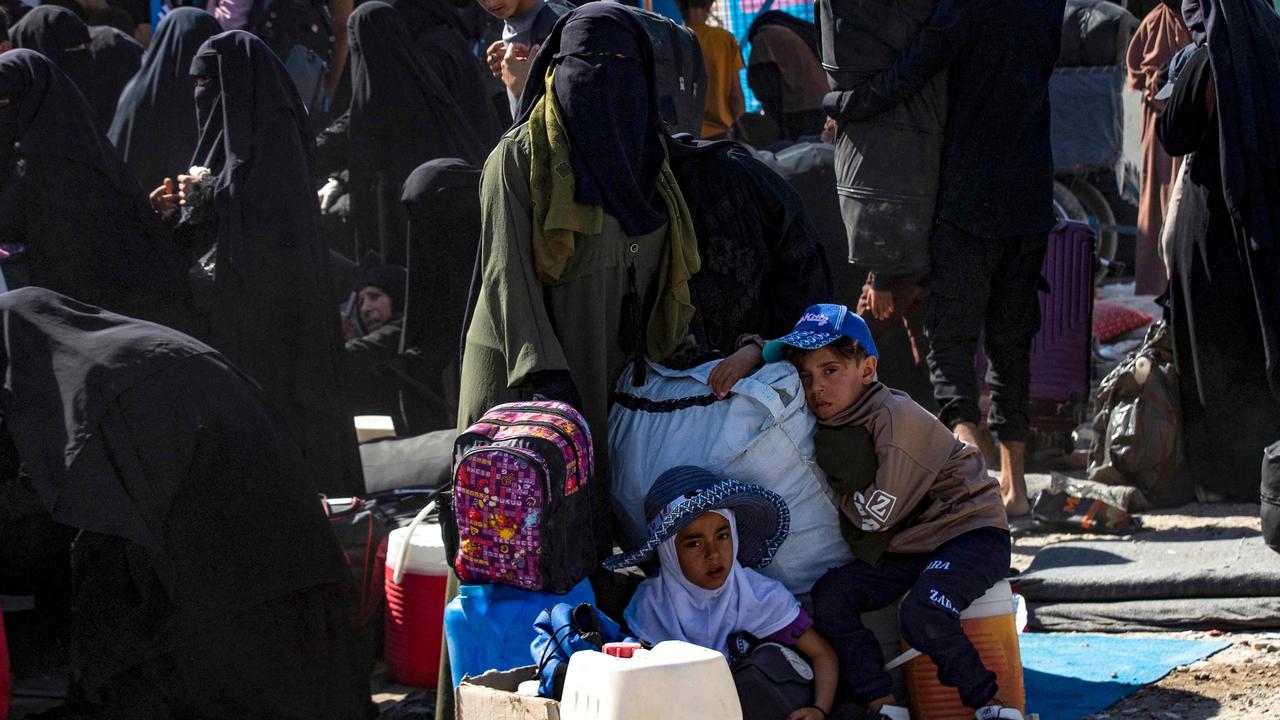
    Australia’s political opposition has issued a stark security warning following the withdrawal of Kurdish-led Syrian Democratic Forces (SDF) from the al-Hol detention camp in northwest Syria, which previously housed families of Islamic State fighters. Opposition home affairs spokesman Jonathan Duniam expressed grave concerns that Australian ISIS affiliates might exploit this security transition to return without proper oversight.

    The al-Hol facility, which reached a peak population of 73,000 in 2019, primarily contained women and children associated with ISIS combatants after the organization’s territorial collapse. While international repatriation efforts coordinated with the United Nations have reduced the camp’s population, approximately 24,000 individuals remained at the time of the SDF’s withdrawal.

    Senator Duniam criticized the current government’s approach, stating that allowing third-party organizations to facilitate returns at their discretion represents a dangerous policy failure. He emphasized that while these individuals may retain Australian citizenship, the Commonwealth should exclusively control the repatriation process for this high-risk demographic.

    According to Home Affairs Department figures, about 90 Australian citizens—including 60 men and 30 women and children—remain dispersed across Syrian displacement camps. These individuals allegedly traveled to join ISIS during its peak influence last decade.

    The Albanese government maintains a formal policy of ‘no active repatriation’ but has issued passports to those reaching Australian diplomatic missions and permitted their return. This approach has drawn criticism from the Coalition, particularly after last year’s unauthorized return of two women and four children who exited Syrian camps without official authorization.

    Despite international legal arguments favoring repatriation for containment and prosecution, most Western governments have been reluctant due to security considerations. Australia’s security services indicate that all returnees remain under rigorous surveillance protocols.

  • Trump is on his way to Davos, where his quest to own Greenland could overshadow his other goals

    Trump is on his way to Davos, where his quest to own Greenland could overshadow his other goals

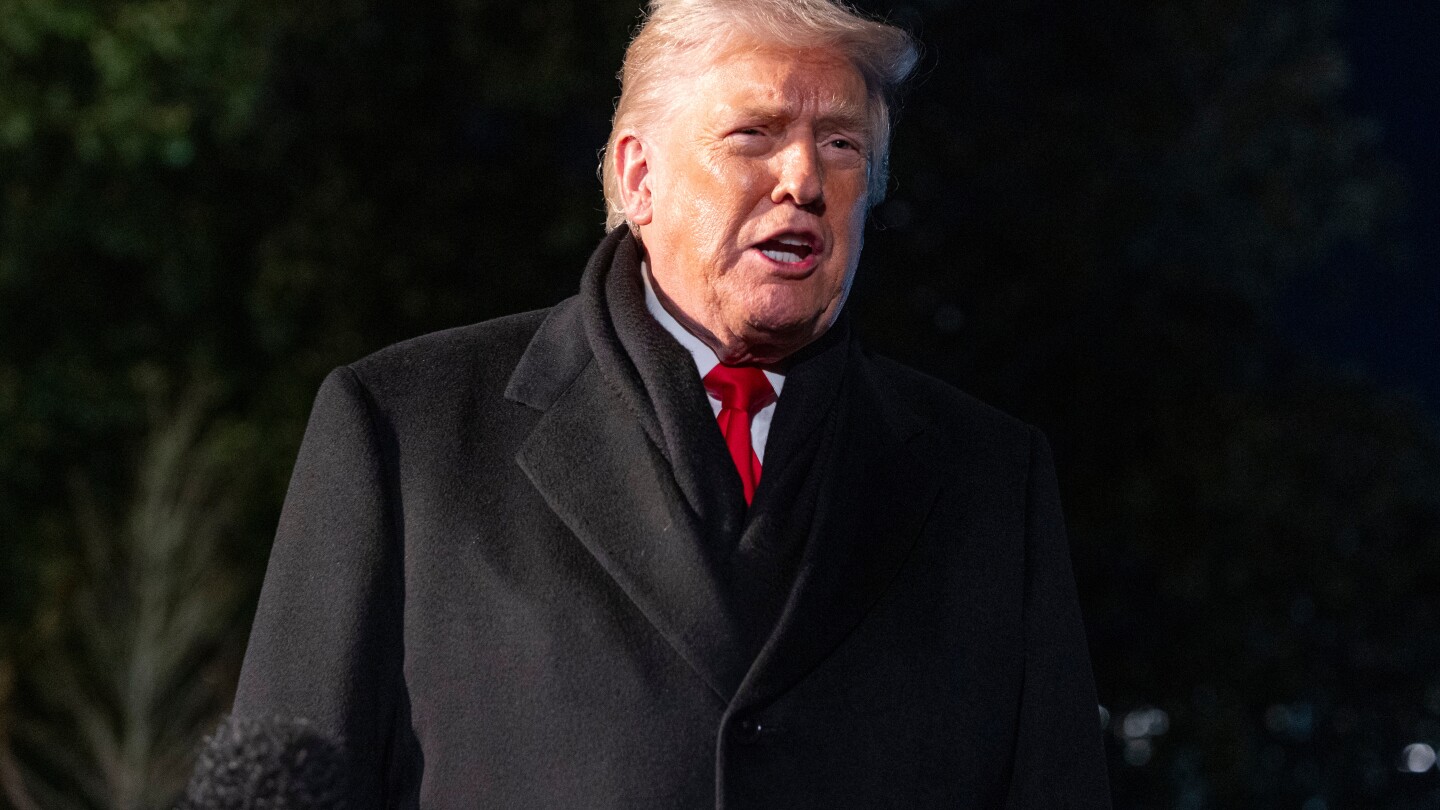
    President Donald Trump’s arrival at the World Economic Forum in Davos, Switzerland, has been overshadowed by escalating tensions with European allies over his unprecedented territorial ambitions. The American leader’s push to acquire Greenland from Denmark through coercive tariff threats has fundamentally altered the diplomatic atmosphere at this gathering of global elites.

    Trump departed for the Swiss Alps just hours after imposing a 10% tariff on Denmark and seven other NATO allies, with plans to escalate these punitive measures to 25% by June unless negotiations regarding Greenland’s transfer commence. This aggressive economic stance directly contradicts the administration’s stated objective of addressing domestic affordability concerns during the forum.

    European leaders responded with remarkable unity against what they perceive as economic blackmail. French President Emmanuel Macron, without directly naming Trump, denounced the acceptance of “the law of the strongest” in international relations. European Commission President Ursula von der Leyen delivered a more pointed warning, emphasizing that the EU’s response would be “unflinching, united and proportional” should the tariffs proceed.

    The controversy has already reverberated through financial markets, with Wall Street experiencing significant declines as investors weighed the potential collapse of the US-EU trade framework established just months earlier. The S&P 500 recorded its largest single-day drop since October, falling 2.1% amid the uncertainty.

    Complicating matters further, Trump’s travel to Davos encountered operational difficulties when Air Force One experienced electrical problems shortly after departure, forcing the aircraft to return and delaying the president’s arrival in Switzerland.

    The administration’s planned focus on housing affordability and economic issues appears increasingly disconnected from both the forum’s elite setting and the brewing diplomatic crisis. Economic analysts warn that undermining investor confidence through trade wars could ultimately increase interest rates, contradicting Trump’s stated goal of making homeownership more accessible.

    Additionally, Trump plans to promote his controversial “Board of Peace” initiative during the forum, though the proposal has garnered limited international support, with several key European allies declining participation in the alternative to United Nations diplomacy.

  • Man who assassinated former Japanese prime minister gets life in prison

    Man who assassinated former Japanese prime minister gets life in prison

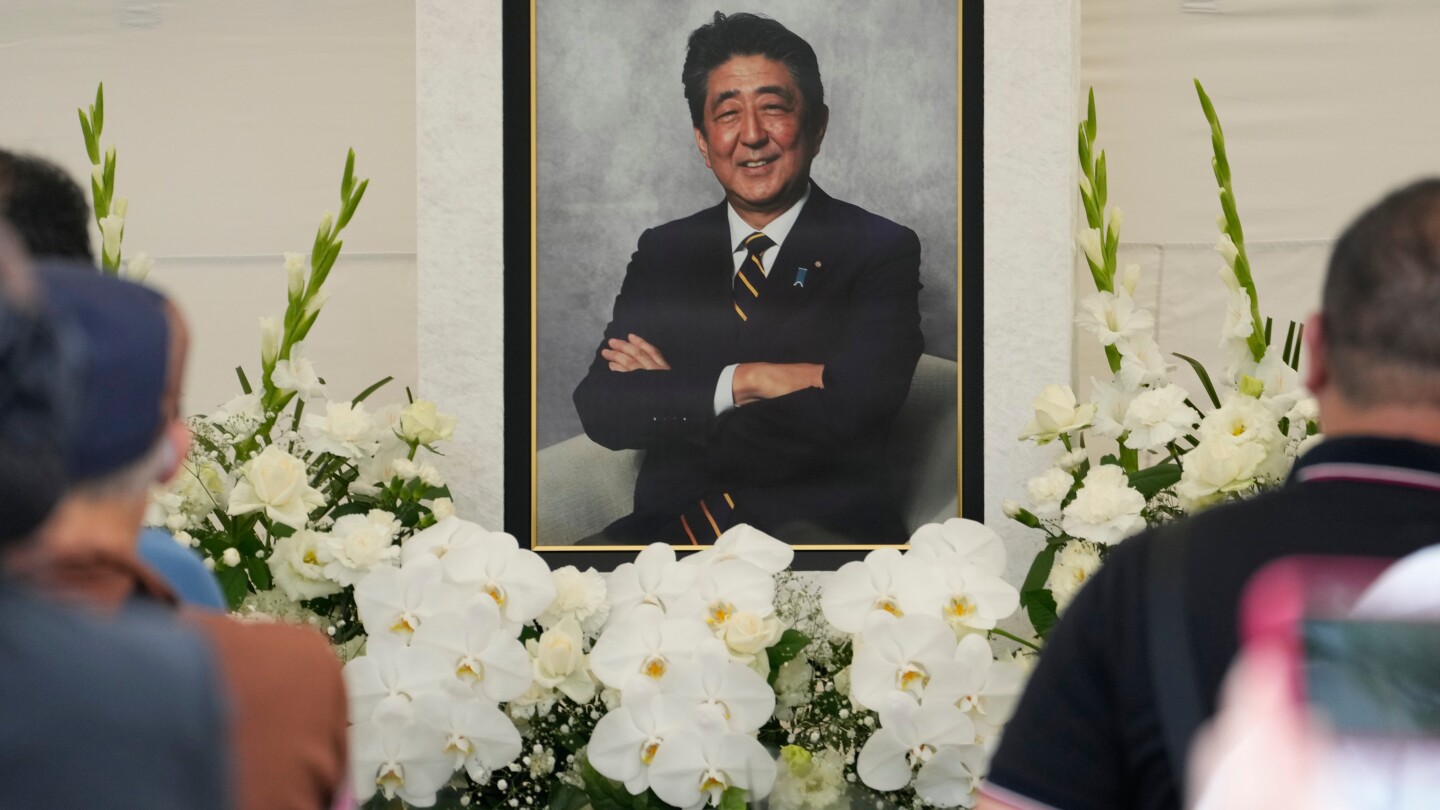
    A Japanese court has imposed a life imprisonment sentence on Tetsuya Yamagami, the 45-year-old perpetrator who assassinated former Prime Minister Shinzo Abe in July 2022. The Nara District Court delivered its verdict on Wednesday, aligning with prosecutors’ demands for maximum punishment under applicable statutes.

    The courtroom proceedings revealed Yamagami’s meticulously planned attack during Abe’s campaign speech in Nara, where he employed a homemade firearm to fatally strike the prominent statesman. This violent act profoundly shocked a nation renowned for its stringent firearm regulations and generally low incidence of political violence.

    Yamagami’s testimony unveiled his underlying motivations, explaining that he targeted Abe after viewing a video message the former leader had sent to an affiliate of the Unification Church. The assailant expressed intense animosity toward the religious organization, claiming his actions aimed primarily to damage the church and expose its deep-rooted connections with Japan’s political establishment.

    The trial exposed decades of intertwined relations between the ruling Liberal Democratic Party and the controversial South Korean-based religious movement. These revelations prompted significant political repercussions, including the party’s strategic distancing from the church and subsequent governmental investigations.

    These investigations culminated in the revocation of the church’s tax-exempt religious status in Japan and ultimately led to its ordered dissolution. Additionally, the assassination has triggered comprehensive reviews of security protocols for public figures and dignitaries throughout Japan.

    While prosecutors sought life imprisonment, defense attorneys advocated for a reduced sentence of no more than 20 years, citing Yamagami’s traumatic childhood as the son of a church adherent. Japanese law permits capital punishment in murder cases, though prosecutors typically reserve this for incidents involving multiple fatalities.

    The case has generated unusual public sympathy for Yamagami, with thousands petitioning for clemency and sending care packages to his detention facility. His actions have also spurred legislative changes, including new regulations restricting aggressive donation solicitations by religious organizations.

  • Why is Emmanuel Macron wearing sunglasses indoors at Davos?

    Why is Emmanuel Macron wearing sunglasses indoors at Davos?

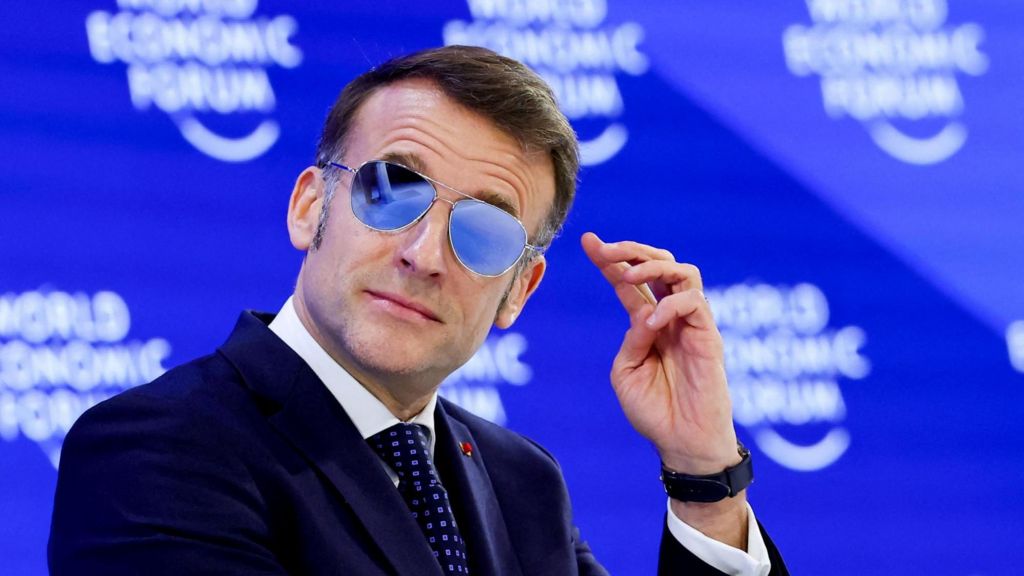
    French President Emmanuel Macron’s distinctive blue reflective aviator sunglasses during his World Economic Forum address in Davos generated significant attention, overshadowing his diplomatic critique of former US President Donald Trump’s trade policies. The unusual indoor eyewear choice, coupled with his recent public appearance with a visibly red eye, prompted speculation about an underlying medical condition.

    Medical experts and French media reports suggest President Macron likely experienced a subconjunctival hemorrhage—a ruptured blood vessel in the eye characterized by its harmless, painless nature and spontaneous resolution within approximately two weeks. The condition typically results from minor trauma, vigorous coughing or sneezing, or may indicate underlying health factors such as hypertension or diabetes.

    During a recent military engagement in southern France, Macron acknowledged the visible condition with humor, referring to it as “l’oeil du tigre” (the eye of the tiger)—a cultural reference to the theme song from Rocky III—while assuring officials the condition was “totally benign” and “completely insignificant.”

    Medical commentator Dr. Jimmy Mohamed explained to RTL broadcasting that Macron’s sunglasses choice served primarily aesthetic purposes: “As a public figure, he opted for this style to manage public perception. The glasses protect his image rather than his vision, preventing continuous photography of the affected eye.”

    The fashion statement ignited social media reactions ranging from comparisons to Tom Cruise’s Top Gun persona to criticisms of showmanship, with some French commentators using the slang term “kéké” (show-off). Meanwhile, Macron’s substantive address warned against rising authoritarian tendencies and violations of international law, specifically referencing Trump’s threatened tariffs against eight European nations opposing his Greenland acquisition proposal and 200% duties on French wine imports following France’s refusal to join his Gaza peace initiative.

  • Trump doubles down on Greenland, saying there is ‘no going back’

    Trump doubles down on Greenland, saying there is ‘no going back’

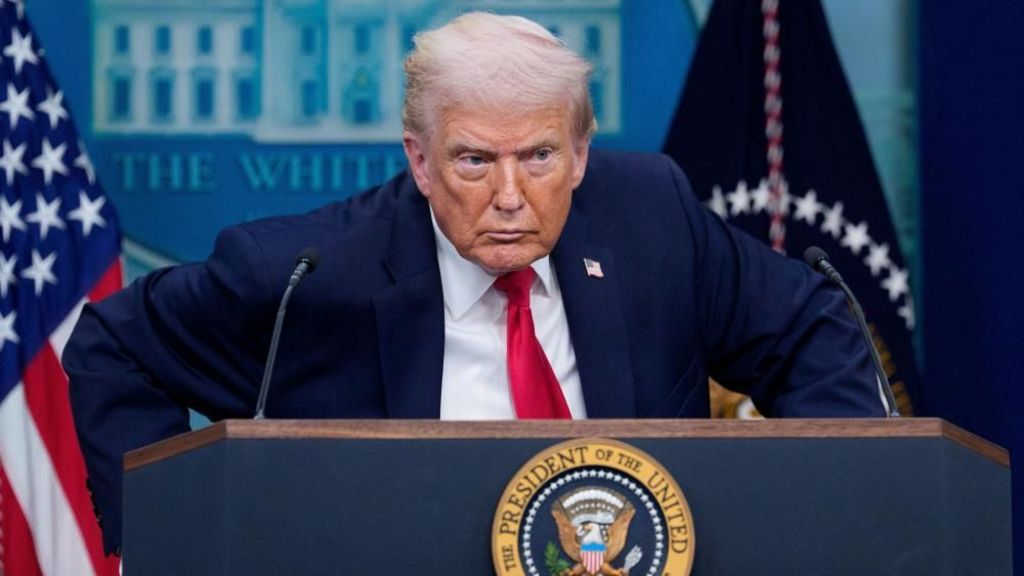
    President Donald Trump has intensified his controversial campaign to acquire Greenland, declaring on social media that there is “no going back” and labeling the territory “imperative” to U.S. interests. During a White House press briefing, Trump remained characteristically cryptic about his methods, telling reporters “You’ll find out” when questioned how far he would go to obtain the autonomous Danish territory.

    The administration’s pursuit has triggered profound diplomatic repercussions, exposing fractures in Western alliances. At the World Economic Forum in Davos, French President Emmanuel Macron warned of a dangerous “shift towards a world without rules,” while Canadian Prime Minister Mark Carney acknowledged that the “old order is not coming back.”

    When confronted by BBC journalists about potentially destabilizing NATO through his Greenland ambitions, Trump offered contradictory statements. While boasting that “Nobody has done more for NATO than I have,” he simultaneously questioned the alliance’s commitment to mutual defense, expressing doubts about whether member states would honor Article 5 obligations to defend the United States if needed.

    Greenland’s Minister of Industry and Natural Resources, Naaja Nathanielsen, conveyed her nation’s firm rejection of Trump’s overtures, stating Greenlanders were “bewildered” by the proposals. “We do not want to be Americans, and we have been quite clear about that,” she emphasized during a BBC Newsnight interview, questioning the valuation placed on Greenlandic culture and self-determination.

    The confrontation has escalated into broader trade threats, with Trump vowing to impose 10% tariffs on imports from eight European countries beginning February 1st if they oppose his Greenland agenda. Additionally, he threatened 200% tariffs on French wine and champagne following Macron’s reported refusal to join a Gaza peace initiative.

    European leaders responded with unprecedented unity. European Commission President Ursula von der Leyen declared European sovereignty “non-negotiable” while reaffirming the EU’s “full solidarity” with Greenland and Denmark. Macron condemned Trump’s tariff diplomacy as “fundamentally unacceptable,” particularly when leveraged against territorial sovereignty, while advocating for EU retaliatory measures including the so-called “trade bazooka” anti-coercion instrument.

    The European Parliament is reportedly considering suspending approval of a recently negotiated US trade deal, signaling potentially lasting damage to transatlantic relations as Trump prepares to engage with world leaders in Davos regarding his polar ambitions.

  • Watch: Will Trump get friendly welcome as world leaders meet in Davos?

    Watch: Will Trump get friendly welcome as world leaders meet in Davos?

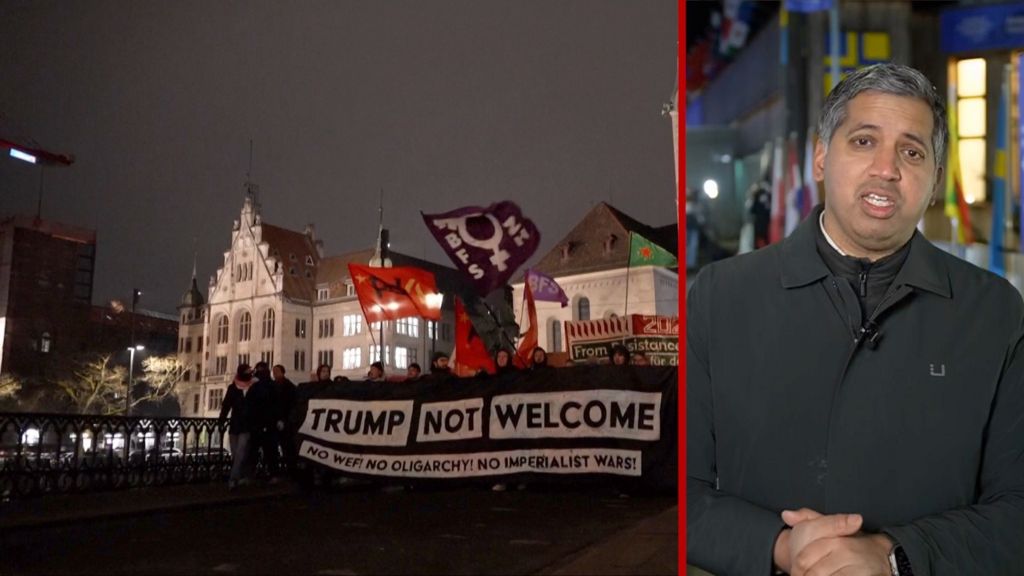
    President Donald Trump’s inaugural appearance at the World Economic Forum in Davos confronts an unexpectedly frosty reception from global leaders, contrasting sharply with his customary domestic rally environments. The diplomatic cooling stems primarily from his administration’s controversial pursuit of Greenland’s acquisition, which has generated substantial international skepticism and diplomatic friction.

    European diplomats and economic representatives indicate that traditional diplomatic decorum may give way to more confrontational exchanges regarding U.S. protectionist policies and unconventional geopolitical maneuvers. The Greenland situation has particularly alarmed European allies, creating an atmosphere where even traditionally cordial interactions are expected to be notably restrained.

    Analysts suggest this forum will serve as a critical testing ground for Trump’s “America First” doctrine within elite global circles. Unlike previous U.S. presidents who used Davos to strengthen multilateral relationships, Trump faces the challenge of advancing his nationalist agenda while navigating increasingly complex international dynamics. The setting promises to reveal significant tensions between traditional diplomatic approaches and the current administration’s unconventional foreign policy methodology.

  • Albanese government’s housing target falls short by 81k homes as quarter-time called on housing accord policy

    Albanese government’s housing target falls short by 81k homes as quarter-time called on housing accord policy

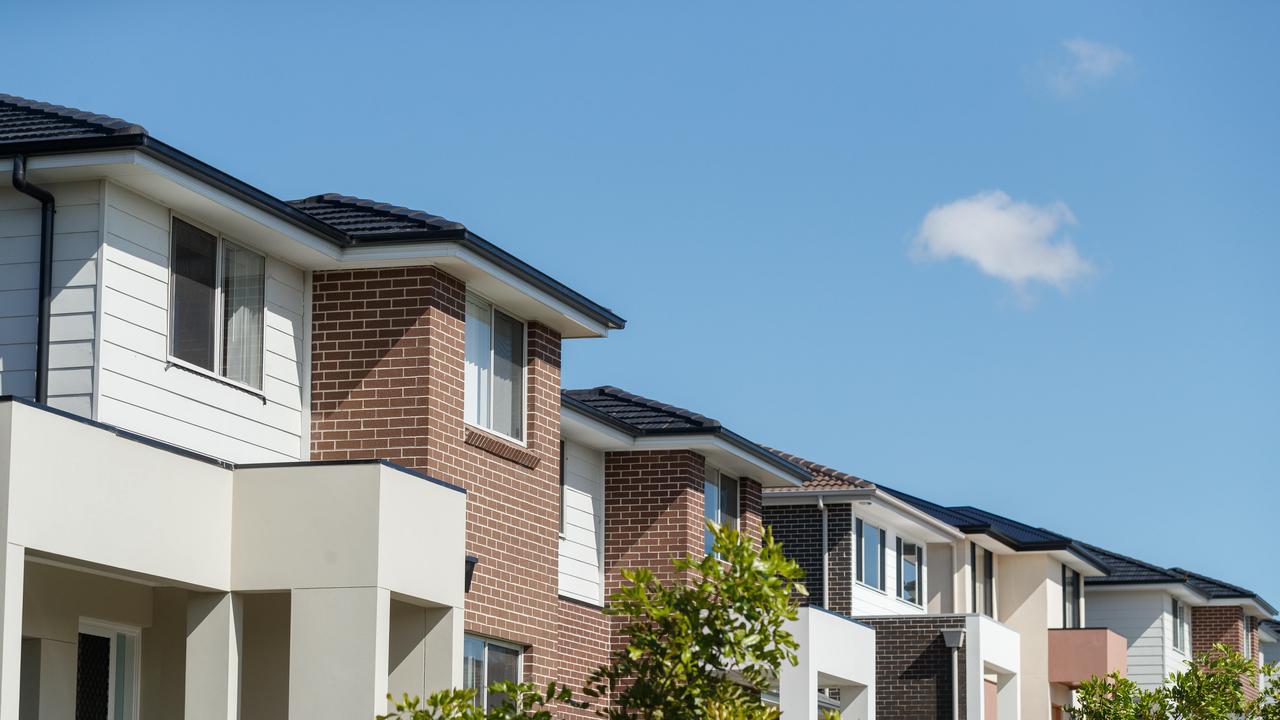
    The Albanese government’s flagship National Housing Accord has reached its quarter-time mark with concerning performance gaps, as official data reveals Australia has fallen short of its housing targets by approximately 81,000 dwellings. Despite some progress in construction activity, the ambitious housing initiative continues to face significant challenges in meeting its objectives.

    According to the latest Building Activity report from the Australian Bureau of Statistics, dwelling commencements experienced a 6.6% increase in September 2025, reaching 48,778 units. Private sector house commencements accounted for more than half of this growth, rising 6.9% to 28,845 units. However, the completion rates tell a different story, with finished private sector house dwellings declining by 5.1% compared to September 2024, totaling only 27,066 completions.

    Urban Taskforce CEO Tom Forrest highlighted the concerning gap between targets and reality. “Under the National Housing Accord, the pro-rata new housing completions target for the first 15 months was 300,000,” Mr. Forrest stated. “Despite some improvement, the first 15 months saw only 218,974 new dwellings completed across Australia.”

    The state-level analysis reveals mixed results. New South Wales, Australia’s most populous state, reported 47,198 commencements for the year ending September 2025—an increase of 4,186 from the previous year. However, the state completed only 55,557 new dwellings against an Accord target of 94,000 for the same period.

    Mr. Forrest identified critical systemic challenges hindering progress, including insufficient federal support for housing-enabling infrastructure and excessive state-level taxation on housing projects, particularly in NSW. “Today’s ABS data is a timely reminder to federal officials that more support is needed for housing-related infrastructure and taxation reform,” he emphasized.

    The Queensland government separately addressed construction productivity issues, with Home Ownership Minister David Janetzki attributing lagging housing construction to union deals under the previous administration. “The decade of declining construction productivity has reduced housing affordability and increased the cost of vital infrastructure projects,” Minister Janetzki stated.

    As the National Housing Accord moves beyond its initial phase, stakeholders emphasize that planning approvals alone are insufficient without the necessary infrastructure funding and tax reforms to convert approvals into actual housing completions.

  • Global markets on alert as Europe to suspend approval of US trade deal

    Global markets on alert as Europe to suspend approval of US trade deal

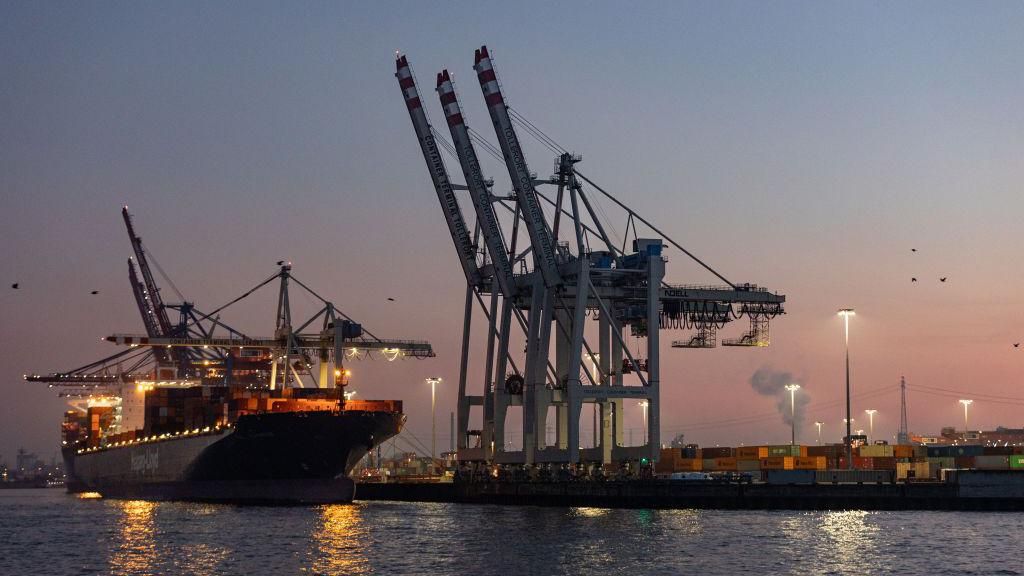
    The European Parliament is poised to formally suspend ratification of a major US-EU trade agreement originally negotiated in July, marking a significant deterioration in transatlantic relations. This decision, scheduled for announcement in Strasbourg on Wednesday, comes in direct response to President Donald Trump’s renewed efforts to acquire Greenland and his accompanying threats of punitive tariffs.

    The escalating tensions have triggered substantial financial market volatility across continents. European markets registered a second consecutive day of declines, while US indices experienced sharp drops—the Dow Jones fell 1.7%, the S&P 500 declined over 2%, and the Nasdaq closed approximately 2.4% lower. Asian markets showed mixed performance, though safe-haven assets surged with gold exceeding $4,800 per ounce for the first time.

    Key European legislators have condemned Washington’s approach. Manfred Weber, an influential German MEP, stated approval was ‘not possible at this stage,’ while Trade Committee Chair Bernd Lange declared there was ‘no alternative’ to suspension given threats against EU territorial integrity. Lange emphasized that using tariffs as coercive instruments undermines the stability of EU-US trade relations.

    The suspended agreement, initially hailed as a breakthrough, would have reduced US levies on most European goods to 15% from previously threatened 30% rates. In return, Europe committed to investment pledges and regulatory changes benefiting US exports. However, the pact requires parliamentary approval to take effect.

    With a temporary truce on EU retaliatory measures set to expire February 6th, the bloc must now decide whether to implement previously prepared tariffs targeting $109 billion in American goods. French President Emmanuel Macron has advocated considering retaliatory options, including the EU’s ‘trade bazooka’ anti-coercion instrument, calling Washington’s tariff accumulation ‘fundamentally unacceptable.’

    US officials delivered contrasting messages at Davos. Treasury Secretary Scott Bessent urged European leaders to refrain from retaliation and ‘have an open mind,’ while Trade Representative Jamieson Greer warned that the US would respond to any retaliatory measures. The dispute occurs within a broader context of technological and metals tariff disagreements that have strained the world’s largest trade partnership, which exchanged over €1.6 trillion in goods and services in 2024.

    As middle powers like Canada advocate for coordinated responses to great power rivalry, the legal foundation of Trump’s tariff regime remains uncertain pending a Supreme Court decision on their constitutionality.