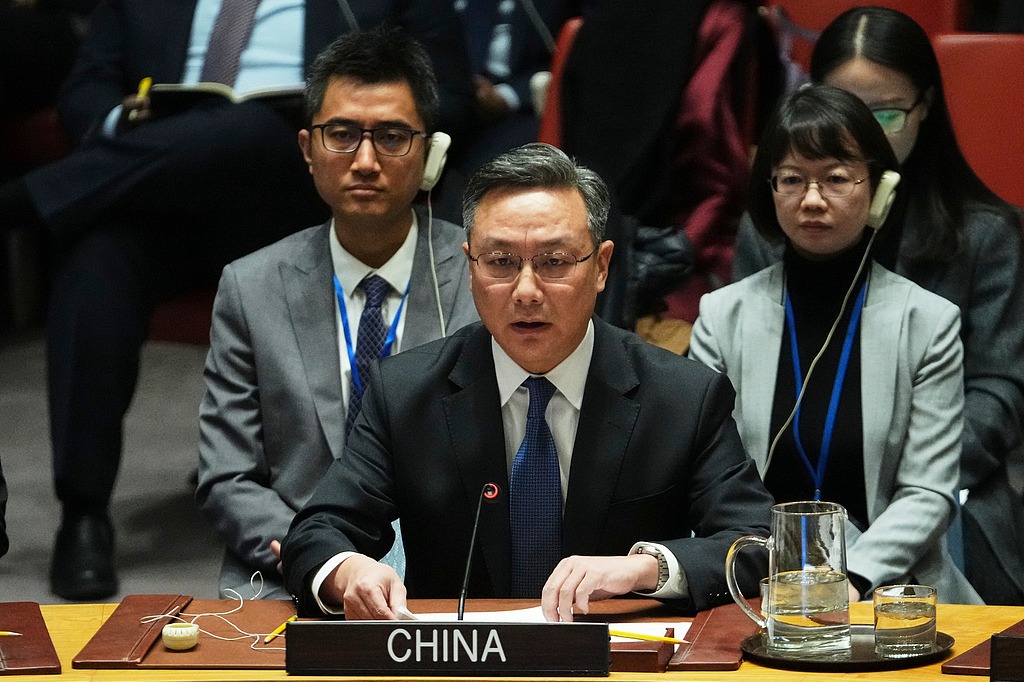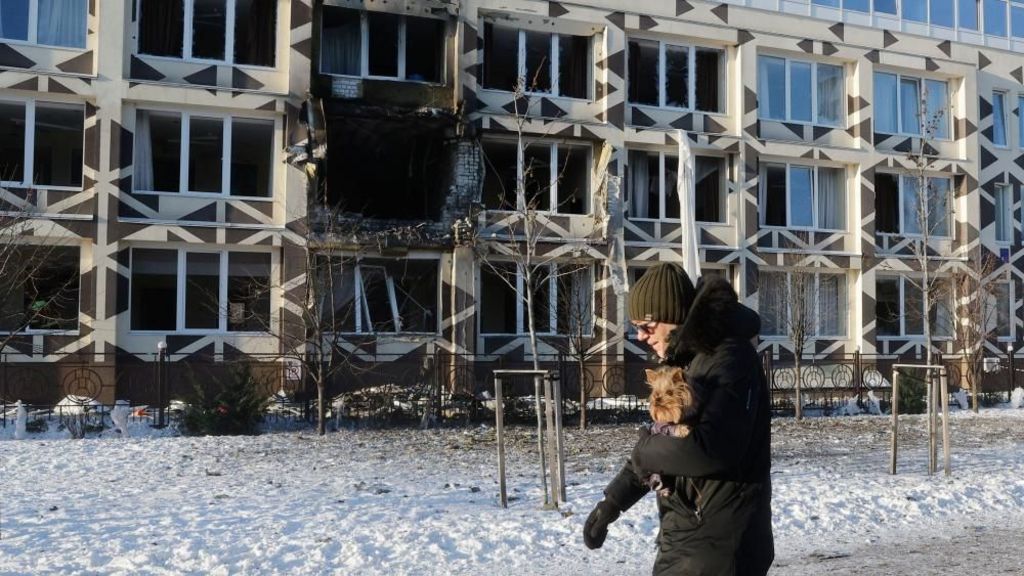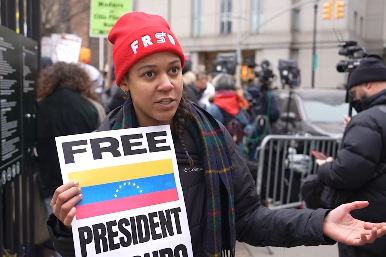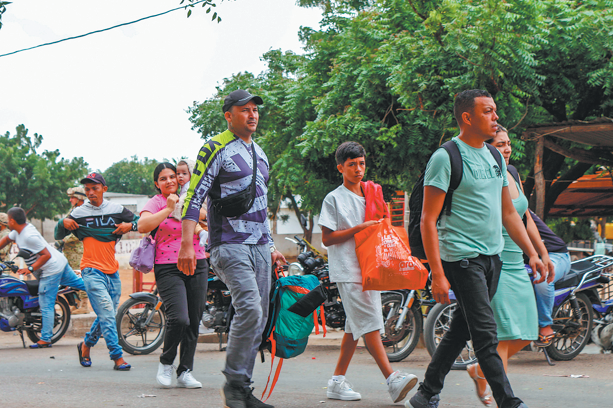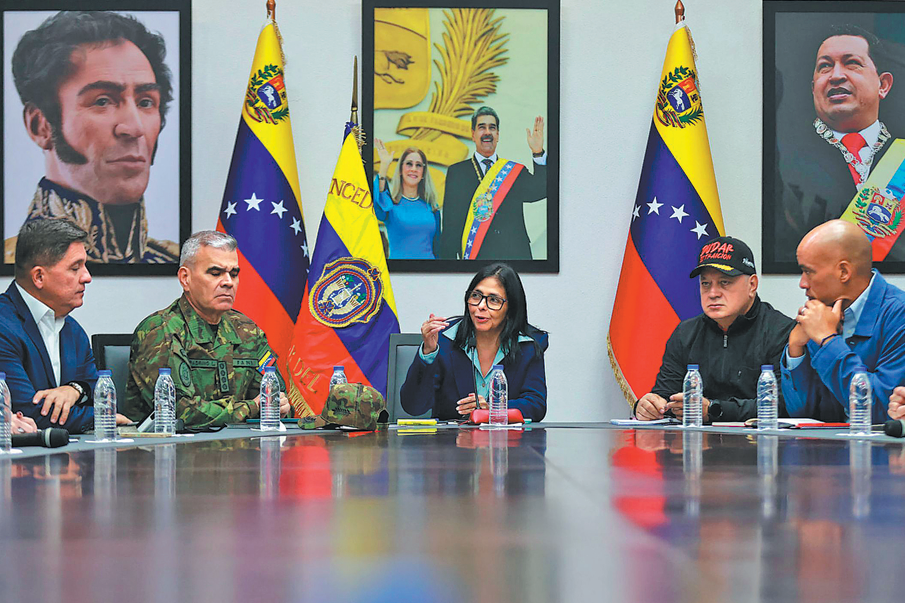
In a significant escalation of U.S. involvement in Venezuela, President Donald Trump has authorized the CIA to conduct covert operations aimed at destabilizing the government of leftist President Nicolas Maduro. This move, reminiscent of Cold War-era shadow wars, includes paramilitary actions, economic warfare, and media manipulation. Trump justified the decision by accusing Maduro of facilitating drug trafficking and directing Venezuelan prisoners into the U.S. Meanwhile, the U.S. has amassed a substantial military presence in the Caribbean, deploying guided-missile destroyers, F-35 jet fighters, MQ-9 Reaper drones, and special operations vessels. This buildup, the largest since the 1989 invasion of Panama, includes at least 10,000 troops and vessels capable of launching Tomahawk Cruise missiles. The U.S. has also conducted air strikes off Venezuela’s coast, targeting alleged drug-smuggling ships, which Maduro’s government denies, calling it a pretext for regime change. Trump hinted at potential land-based military action, stating, ‘We’ve almost totally stopped it by sea. Now we’ll stop it by land.’ When questioned about authorizing the CIA to ‘take out’ Maduro, Trump dismissed the query as ‘ridiculous.’ Despite running as a non-interventionist candidate, Trump has shown a willingness to deploy military force, with limited congressional opposition. The administration has invoked wartime powers, labeling Venezuelan drug cartels as ‘terrorist organizations’ and justifying strikes as self-defense. This latest intervention echoes U.S. Cold War tactics in Latin America, including coups in Guatemala and Chile and support for Contra fighters in Nicaragua. Maduro, who has governed since 2013, has ordered military exercises among civilians in anticipation of a potential invasion, vowing to resist U.S.-backed regime change.
分类: politics
-

Death penalty sought for Bangladesh’s ex-leader Sheikh Hasina
Bangladesh’s prosecutors have called for the execution of former Prime Minister Sheikh Hasina, who is currently in exile in India, over her alleged role in the violent suppression of student-led protests in 2024. The unrest, which lasted for weeks, resulted in the deaths of up to 1,400 people and ultimately ended Hasina’s 15-year tenure as the country’s leader. This marked the deadliest episode of violence in Bangladesh since its 1971 independence war. Hasina is now on trial for crimes against humanity, with prosecutors accusing her of ordering security forces to use lethal force against demonstrators. A leaked audio recording allegedly captures her issuing the directive, though she denies the charges. Chief prosecutor Tajul Islam argued in court that Hasina’s actions were driven by a desire to maintain power indefinitely for herself and her family, describing her as a “hardened criminal” who shows no remorse. The protests initially began in July 2024 over civil service job quotas for relatives of 1971 war veterans but quickly escalated into a broader movement demanding her ouster. One of the bloodiest incidents occurred on August 5, when police killed at least 52 people in a Dhaka neighborhood, marking one of the worst cases of police violence in the country’s history. Hasina fled by helicopter that day as crowds stormed her residence. She is being tried alongside her former interior minister, Asaduzzaman Khan Kamal, and ex-police chief Chowdhury Abdullah Al-Mamun, with prosecutors also seeking the death penalty for Kamal. Chowdhury has pleaded guilty but awaits sentencing. Hasina has already been sentenced to six months for contempt of court and faces separate corruption charges. With Bangladesh’s next elections scheduled for February 2025, Hasina’s party, the Awami League, has been barred from participating, leaving her rival, the Bangladesh Nationalist Party (BNP), as the frontrunner.
-

Five takeaways from the Mamdani-Cuomo NYC mayoral debate
The New York City mayoral debate, held at Rockefeller Center in Manhattan, brought together the three leading candidates—Zohran Mamdani, Andrew Cuomo, and Curtis Sliwa—to present their visions for America’s largest city. With early voting set to begin next week, the stakes are high, as the outcome could have significant political implications beyond New York, especially with President Donald Trump’s looming influence. Mamdani, the progressive frontrunner with a 46% lead in recent polls, faced scrutiny over his past statements on Israel and Palestine, while Cuomo, running as an independent, positioned himself as the experienced candidate capable of navigating Trump’s policies. Sliwa, the Republican candidate, emphasized public safety and affordability, key issues resonating with New Yorkers. The debate also highlighted the city’s affordability crisis, with candidates proposing solutions ranging from rent freezes to income limits on rent-stabilized apartments. Cuomo’s controversial tenure as governor, including allegations of sexual harassment and undercounting nursing home deaths during COVID-19, was a focal point of criticism from his opponents. The debate underscored the deep divisions and high stakes in the race to lead New York City.
-

Grocery bills, Trump and Gaza – How NYC mayoral debate unfolded
The first mayoral debate of New York City’s general election saw a dynamic exchange among candidates Zohran Mamdani, Andrew Cuomo, and Curtis Sliwa. The discussion spanned a range of pressing issues, from the rising cost of groceries to the political legacy of former President Donald Trump and the ongoing crisis in Gaza. Each candidate presented their vision for addressing these challenges, highlighting their policy priorities and leadership styles. Mamdani emphasized economic relief for struggling families, while Cuomo focused on restoring trust in government. Sliwa, known for his grassroots activism, advocated for community-driven solutions. The debate underscored the diverse concerns of NYC residents and set the stage for a competitive election season.
-

Putin-Trump call a curveball for Zelensky ahead of White House meeting
In a surprising turn of events, U.S. President Donald Trump and Russian President Vladimir Putin have agreed to hold an in-person summit in Hungary, following a two-and-a-half-hour phone call on Thursday. The announcement comes as Ukraine faces relentless attacks from Russia, including missile strikes and drone assaults targeting civilian infrastructure and the gas supply network, exacerbating the country’s already dire situation. The timing of the call, which occurred while Ukrainian President Volodymyr Zelensky was en route to Washington, has raised concerns in Kyiv, as it appears to overshadow Zelensky’s efforts to secure critical military aid. Zelensky had hoped to persuade Trump to approve the sale of long-range Tomahawk missiles, which could significantly enhance Ukraine’s ability to strike deep into Russian territory. However, Trump’s willingness to provide such weapons remains uncertain, especially after his recent remarks questioning the wisdom of deploying Tomahawks against Russia. The summit announcement has been interpreted by some analysts as a strategic move by Putin to de-escalate tensions while maintaining his position. Meanwhile, Zelensky remains resolute, meeting with U.S. defense representatives to advocate for advanced weaponry. As Ukraine braces for its fourth winter of war, the prospect of a Trump-Putin summit offers little reassurance to a nation weary of conflict and skeptical of diplomatic breakthroughs.
-

Trump threatens to ‘go in and kill’ Hamas if Gaza killings continue
Former US President Donald Trump issued a stark warning to Hamas on Thursday, threatening military intervention if the group continues to target civilians in Gaza. Speaking on his social media platform, Truth Social, Trump emphasized that such actions violate the terms of a prior ceasefire agreement with Israel. ‘If Hamas persists in killing people in Gaza, which was not part of the Deal, we will have no choice but to go in and eliminate them,’ he declared. This statement comes amid escalating tensions in the region following recent attacks on Palestinian civilians. Trump’s remarks underscore his hardline stance on foreign policy and his willingness to employ military force to address perceived threats. The situation has drawn global attention, with many nations closely monitoring developments in the volatile Gaza Strip.
-

Trump says to meet Putin in Hungary
US President Donald Trump revealed on Thursday that he will hold a face-to-face meeting with Russian President Vladimir Putin in Budapest, Hungary. The announcement followed a phone conversation between the two leaders, which Trump described as “very productive.” The primary focus of their discussion was the ongoing Russia-Ukraine conflict, with both leaders aiming to explore pathways toward resolution. Additionally, they delved into the potential for future trade relations between the United States and Russia once the conflict subsides. Trump expressed optimism about the progress made during their call, stating, “I believe great progress was made with today’s telephone conversation.” The upcoming meeting in Budapest is expected to further solidify diplomatic efforts to address the crisis and potentially pave the way for economic collaboration.
-

The ‘shadow army’ helping Uganda’s long-serving president keep an iron grip on power
Uganda’s political landscape is increasingly dominated by the Special Forces Command (SFC), an elite military unit that critics describe as a private army for President Yoweri Museveni and his family. Museveni, who has ruled Uganda since 1986, is now in his sixth term following the controversial 2021 election. The SFC, commanded for years by Museveni’s son, General Muhoozi Kainerugaba, has been accused of abducting, torturing, and killing opposition activists, raising fears of its role in suppressing dissent and ensuring the continuation of the Museveni dynasty. The SFC, established when Museveni first took office, is highly trained, well-equipped, and operates with significant autonomy, often described as a ‘shadow army’ answerable only to the president and his son. Its influence has grown to rival that of the regular army, leading to concerns of a potential power struggle in the post-Museveni era. Critics argue that the SFC’s elevation to an official military service in June 2023 legitimizes its role in political oppression. Meanwhile, opposition leaders like Bobi Wine have condemned the unit as a ‘torture squad’ responsible for regime survival through brutality. As Museveni seeks re-election in 2024, the SFC’s role in maintaining his grip on power remains a contentious issue, with analysts warning of potential instability in Uganda’s future.
-

Dozens appear in court for supporting Palestine Action with thousands still waiting for trials
The Westminster Magistrates Court in London has become the epicenter of a legal storm as dozens of individuals face terrorism charges for expressing support for the proscribed group Palestine Action. The preliminary hearings, spanning two days, saw judges grappling with an unprecedented caseload of approximately 2,100 defendants. These individuals are accused of holding cardboard signs that read, “I oppose genocide, I support Palestine Action,” an act now classified as a low-level terrorism offense under UK law, punishable by up to six months in prison. The hearings on Thursday addressed 28 cases, with many defendants being elderly pensioners. Former government lawyer Tim Crosland highlighted the strain on the judicial system, stating, “You’ve got very few judges, very few courts that are equipped to deal with this very extraordinary regime.” The majority of defendants were arrested during initial protests in July, challenging the government’s decision to proscribe Palestine Action under anti-terror laws. This designation, enacted on July 4 following an incident at RAF Brize Norton, places Palestine Action in the same category as groups like al-Qaeda and the Islamic State. Support for the group is now a criminal offense, carrying a potential 14-year prison sentence. The legal proceedings have been further complicated by an ongoing challenge to the proscription, which could potentially overturn the ban and nullify many prosecutions. Judge Snow has proposed a plan to manage the overwhelming number of cases, scheduling at least two trials daily for 10 defendants starting March 23, totaling around 400 trials. However, this plan has been criticized by lawyers and defendants who argue it undermines the right to a fair trial. The situation has sparked concerns about the erosion of democratic rights, with Crosland warning, “The sorts of things that are being suggested go against yet another democratic right, which is the right to a fair trial and a fair hearing.”
-

Venezuela floated a plan for Maduro to slowly give up power, but was rejected by US, AP source says
In a bid to alleviate escalating U.S. pressure, Venezuelan government officials have reportedly proposed a plan for President Nicolás Maduro to step down from power within three years, according to a former Trump administration official. The plan, which was swiftly rejected by the White House, suggests Maduro would hand over authority to Vice President Delcy Rodríguez, who would complete his current term until January 2031 without seeking re-election. The U.S. administration dismissed the proposal, citing ongoing concerns over the legitimacy of Maduro’s rule and accusations of Venezuela operating as a narco-terrorist state.