分类: politics

  • Israeli media and US lawmakers signal Iran intervention after Venezuela attack

    Israeli media and US lawmakers signal Iran intervention after Venezuela attack

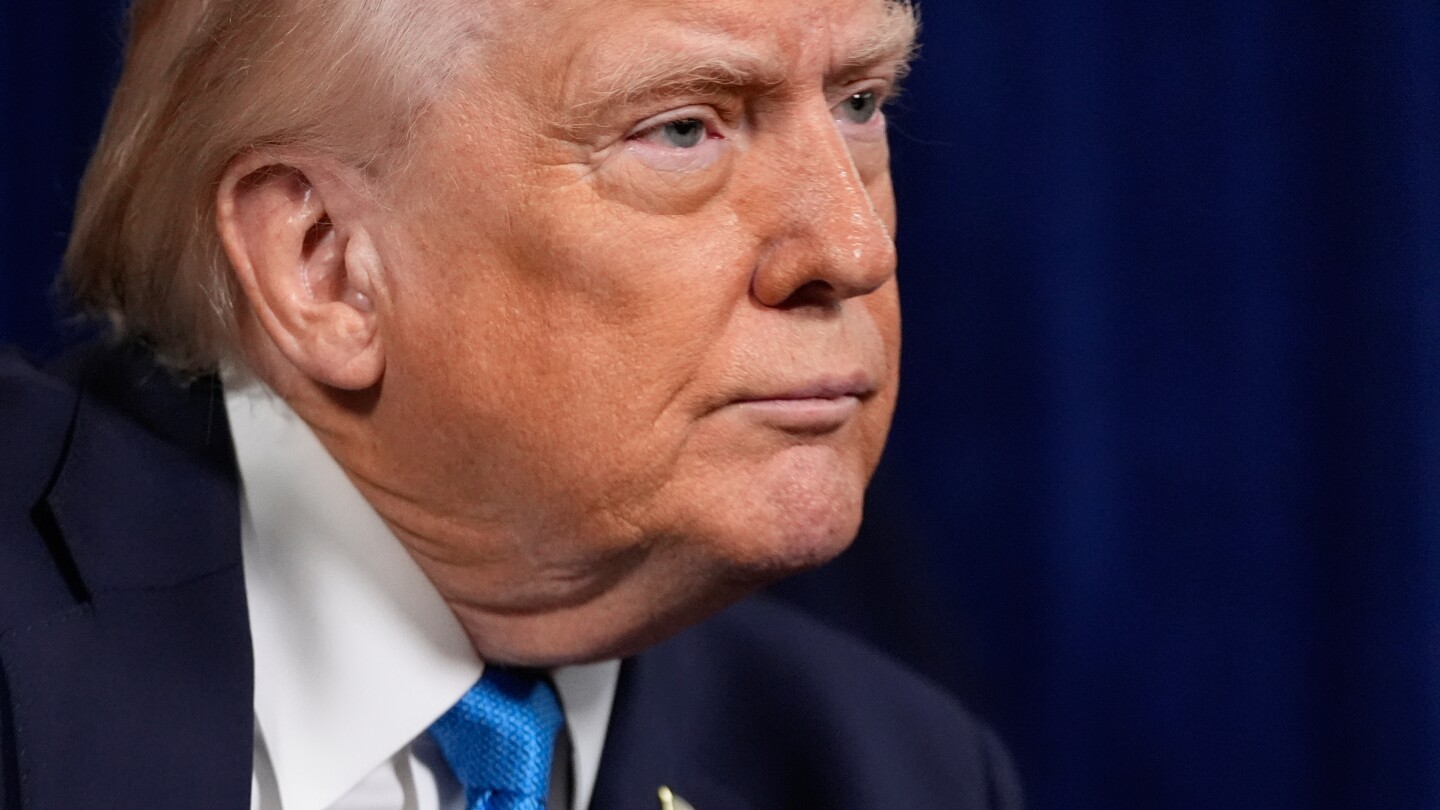
    Recent developments suggest a significant shift in U.S. foreign intervention policy under President Donald Trump, with the operation against Venezuelan President Nicolas Maduro potentially serving as a blueprint for future actions. Following the high-risk abduction of Maduro from Caracas, which involved U.S. special forces and airstrikes on military installations, attention has turned toward Iran as a possible next target.

    Israeli media outlets, including The Jerusalem Post, have reported that Washington is actively considering intervention options regarding Iran’s ongoing domestic protests. The publication suggested that the Venezuela operation demonstrates a new American threshold for military engagement, a development closely monitored by Israeli security analysts.

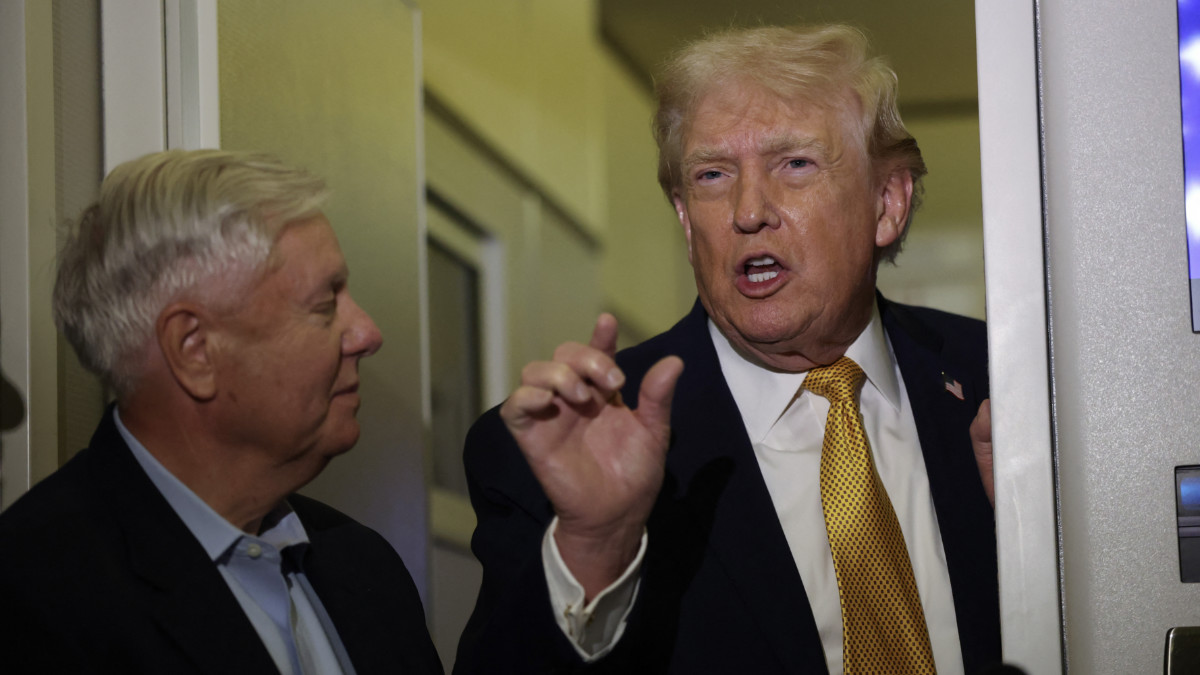
    This perspective gained traction when Republican Senator Lindsey Graham appeared on Fox News wearing a ‘Make Iran Great Again’ cap, explicitly expressing hope that 2026 would mark Iran’s transformation under American influence. The symbolism echoed Trump’s own social media threat that the U.S. stands ‘locked and loaded’ to ‘rescue’ Iranian protesters if their government responds violently to demonstrations.

    The Iranian protests, triggered by a severe cost-of-living crisis and the collapse of the national currency under U.S. sanctions, have already claimed at least sixteen lives. Former Secretary of State Mike Pompeo, a staunch Israel supporter, drew direct parallels between Maduro’s situation and Iran’s leadership, suggesting similar outcomes might await Iranian officials.

    The Venezuela operation has caused international concern, with indications that Cuba, Colombia, and Mexico might also be considered for future interventions. This apprehension was amplified when Katie Miller, spouse of White House deputy chief of staff Stephen Miller, shared an image of Greenland covered by an American flag with the caption ‘SOON.’

    Meanwhile, Maduro appeared in a U.S. court facing charges including narco-terrorism and drug trafficking, maintaining his innocence while identifying as a ‘decent man’ and legitimate president. Venezuelan officials reported the death toll from the U.S. operation has reached 80, including civilians and security personnel, with numbers potentially rising.

    Israeli Prime Minister Benjamin Netanyahu, who was visiting Trump in Florida prior to the Venezuela operation, expressed solidarity with Iranian protesters, stating: ‘We identify with the struggle of the Iranian people, with their aspirations for freedom, liberty and justice. It is quite possible that we are at a moment when the Iranian people are taking their fate into their own hands.’
  • Brazil statement at a UN Security Council meeting on Venezuela

    Brazil statement at a UN Security Council meeting on Venezuela

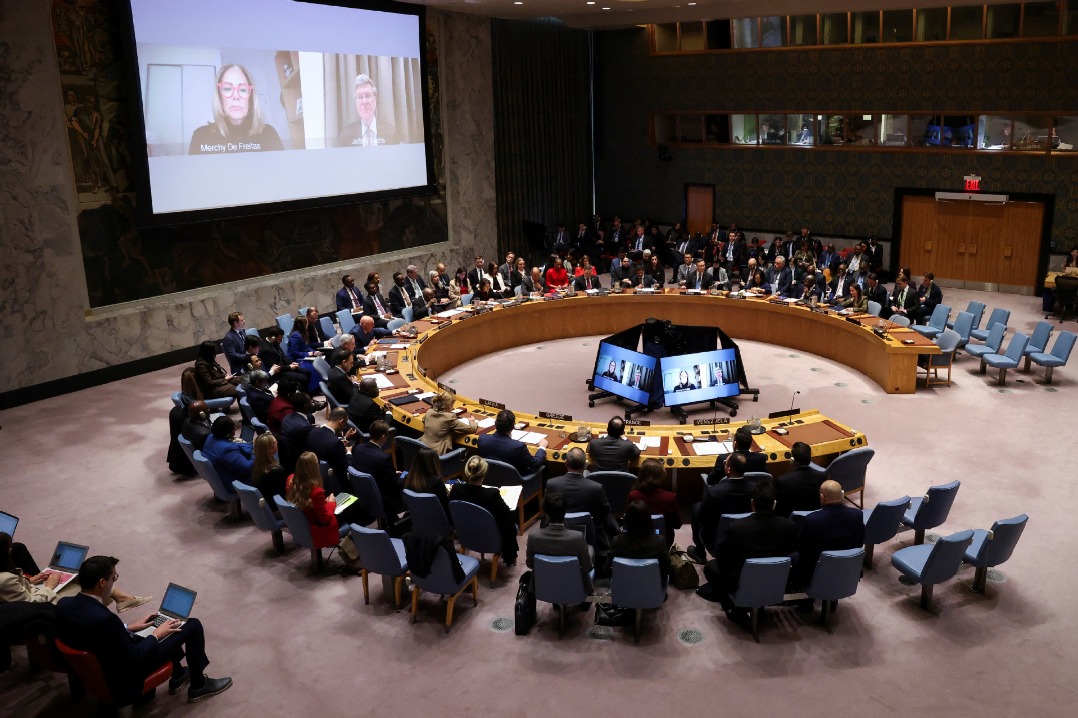
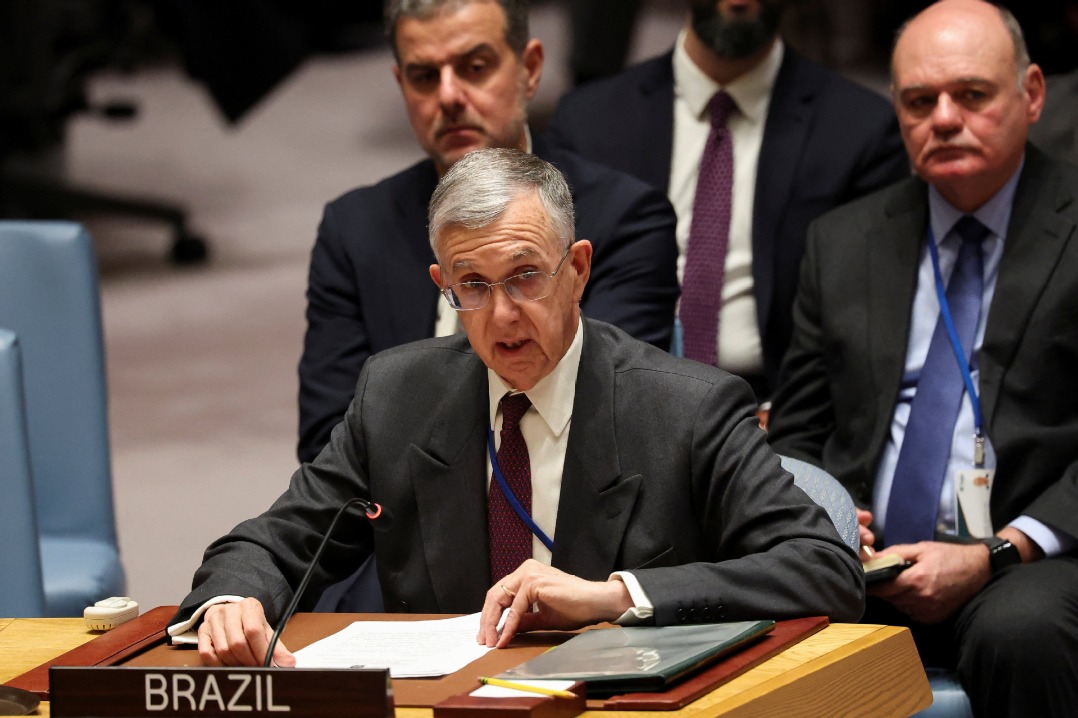
    In a forceful address to the United Nations Security Council, Brazil’s Ambassador to the UN Sergio Franca Danese delivered a scathing condemnation of recent military actions against Venezuela. The emergency session, convened on January 5, 2026, addressed the unprecedented capture of Venezuelan President Nicolas Maduro and his wife Cilia Flores following military strikes on Venezuelan territory.

    Ambassador Danese characterized the intervention as a ‘flagrant violation of the United Nations Charter and international law,’ emphasizing that the bombings and presidential capture represent an unacceptable breach of Venezuelan sovereignty. The Brazilian diplomat warned that these actions establish an ‘extremely dangerous precedent for the entire international community.’

    Highlighting the geographical significance, Danese noted this marks the first instance of external armed aggression in South America involving troop deployments and aerial bombings in a country sharing a 2,000-kilometer border with Brazil. The ambassador stressed that governing norms between states are ‘mandatory and universal,’ not subject to exceptions based on ideological, geopolitical, or economic interests.

    Brazil’s position maintains that neither natural resource exploitation nor economic considerations justify the use of force or illegal government changes. Danese called upon the Security Council to ‘assume its responsibility and react with determination, clarity, and obedience to international law’ to prevent the ‘law of force from prevailing over the force of law.’

    The ambassador concluded by affirming Brazil’s belief that Venezuela’s future should be determined exclusively by the Venezuelan people through dialogue, without external interference and within established international legal frameworks.

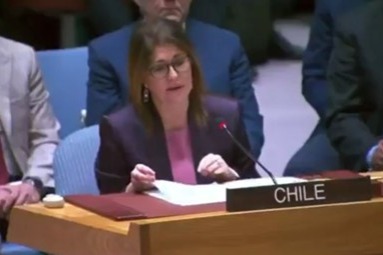
  • Chile’s statement at a UN Security Council meeting on Venezuela

    Chile’s statement at a UN Security Council meeting on Venezuela

    In a forceful diplomatic statement at the United Nations Security Council, Chile’s representative Paula Narvaez Ojeda delivered a stern condemnation of United States military operations within Venezuelan territory. The emergency session, convened to address escalating tensions in the region, became a platform for Chile’s vehement opposition to unilateral armed intervention.

    Speaking before the international body on Monday, Narvaez articulated Chile’s position that Latin America and the Caribbean must maintain their status as a ‘zone of peace’—a concept she emphasized benefits not only regional stability but global security as a whole. The Chilean diplomat warned that military confrontation would precipitate devastating humanitarian consequences, exacerbating civilian suffering while intensifying existing patterns of displacement, insecurity, and vulnerability throughout Venezuela and neighboring nations.

    Narvaez reiterated Chile’s firm conviction that international disputes must be resolved exclusively through peaceful mechanisms that respect established legal frameworks. She emphasized the fundamental principles of state sovereignty and the prohibition against using or threatening force—cornerstones of international law that she argued were being undermined by recent military actions.

    Echoing concerns previously voiced by the leaders of Brazil, Colombia, Mexico, Uruguay, and Spain, the Chilean representative expressed apprehension about any attempts to control governmental administration or establish foreign ownership over strategic national assets. Such actions, she contended, would violate international legal standards while jeopardizing the political, economic, and social stability of the entire Latin American region.

  • Spain’s statement at a UN Security Council meeting on Venezuela

    Spain’s statement at a UN Security Council meeting on Venezuela

    At an emergency session of the UN Security Council convened to address the escalating situation in Venezuela, Spain’s ambassador to the United Nations delivered a stern warning about the potential global ramifications. Ambassador Hector Gomez Hernandez articulated Spain’s position during the Monday meeting held at UN headquarters in New York, characterizing recent developments in the South American nation as deeply troubling.

    The Spanish representative emphasized that the unfolding events establish ‘a very worrying precedent’ with significant implications extending beyond Venezuela’s borders to affect regional stability and international security frameworks. This assessment aligned with concerns previously raised by the United Nations Secretary-General regarding the gravity of the situation.

    Ambassador Hernandez underscored the principle of national sovereignty regarding natural resources while simultaneously expressing apprehension about how recent actions might undermine regional peace and security architectures. The Spanish diplomat further addressed the complex challenge of organized crime in the region, acknowledging its priority status while insisting that effective countermeasures must be pursued exclusively through established international cooperation mechanisms rather than unilateral actions that might compromise broader stability.

    The emergency session reflected growing international apprehension about Venezuela’s political and economic trajectory, with Spain’s statement representing a significant European perspective on the crisis. The ambassador’s remarks highlighted the delicate balance between respecting national sovereignty and addressing security concerns that transcend national boundaries, positioning the Venezuela situation as a test case for international diplomatic response protocols.

  • South Korea’s Lee snaps Xi selfie with Chinese ‘backdoor’ phone

    South Korea’s Lee snaps Xi selfie with Chinese ‘backdoor’ phone

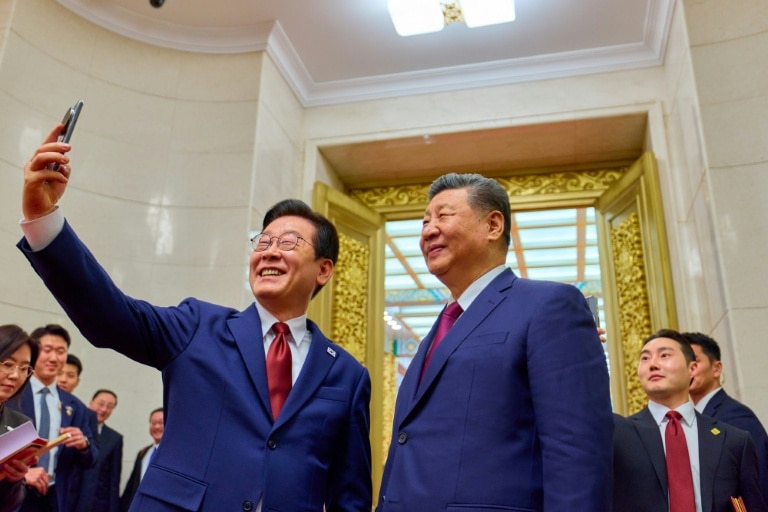
    In a striking display of diplomatic camaraderie, South Korean President Lee Jae Myung captured a historic selfie with Chinese President Xi Jinping using a controversial Xiaomi smartphone gifted by the Chinese leader. The moment occurred following an official dinner at Beijing’s Great Hall of the People on January 5, 2026, where both leaders appeared alongside their wives in the spontaneously taken photograph.

    President Lee subsequently shared the image on social media platform X, accompanied by a caption expressing gratitude for what he termed “the shot of a lifetime.” The South Korean leader further pledged enhanced communication and closer collaboration with China in future bilateral relations.

    This symbolic gesture follows previous lighthearted exchanges between the two leaders regarding the smartphone’s security features. During November’s APEC summit in South Korea, President Xi had jocularly suggested Lee should “check if there is a backdoor” when questioned about the device’s communication security, referencing potential surveillance vulnerabilities through pre-installed software.

    The cordial interaction represents a significant departure from Xi’s typically reserved diplomatic demeanor and coincides with substantial geopolitical developments. The meeting occurred against the backdrop of recent U.S. military operations in Venezuela that resulted in the capture of President Nicolas Maduro—actions strongly condemned by both China and North Korea.

    President Lee, who assumed office in June following his predecessor’s impeachment, has actively pursued improved relations with Beijing after years of diplomatic stagnation. The ninety-minute summit addressed strategic cooperation in what both leaders characterized as an increasingly complex global landscape, with Xi emphasizing the importance of making “right strategic choices” amid international turbulence.

    The viral social media post garnered significant online engagement, being shared over 3,400 times within hours and generating both diplomatic analysis and public commentary regarding its geopolitical implications.

  • A rare ‘thank you’ to the media from the Trump administration

    A rare ‘thank you’ to the media from the Trump administration

    In an unusual departure from its typically adversarial relationship with the press, the Trump administration has publicly thanked major news organizations for exercising restraint in reporting sensitive military information. The gratitude follows last weekend’s successful U.S. military operation in Venezuela that resulted in the capture of President Nicolás Maduro.

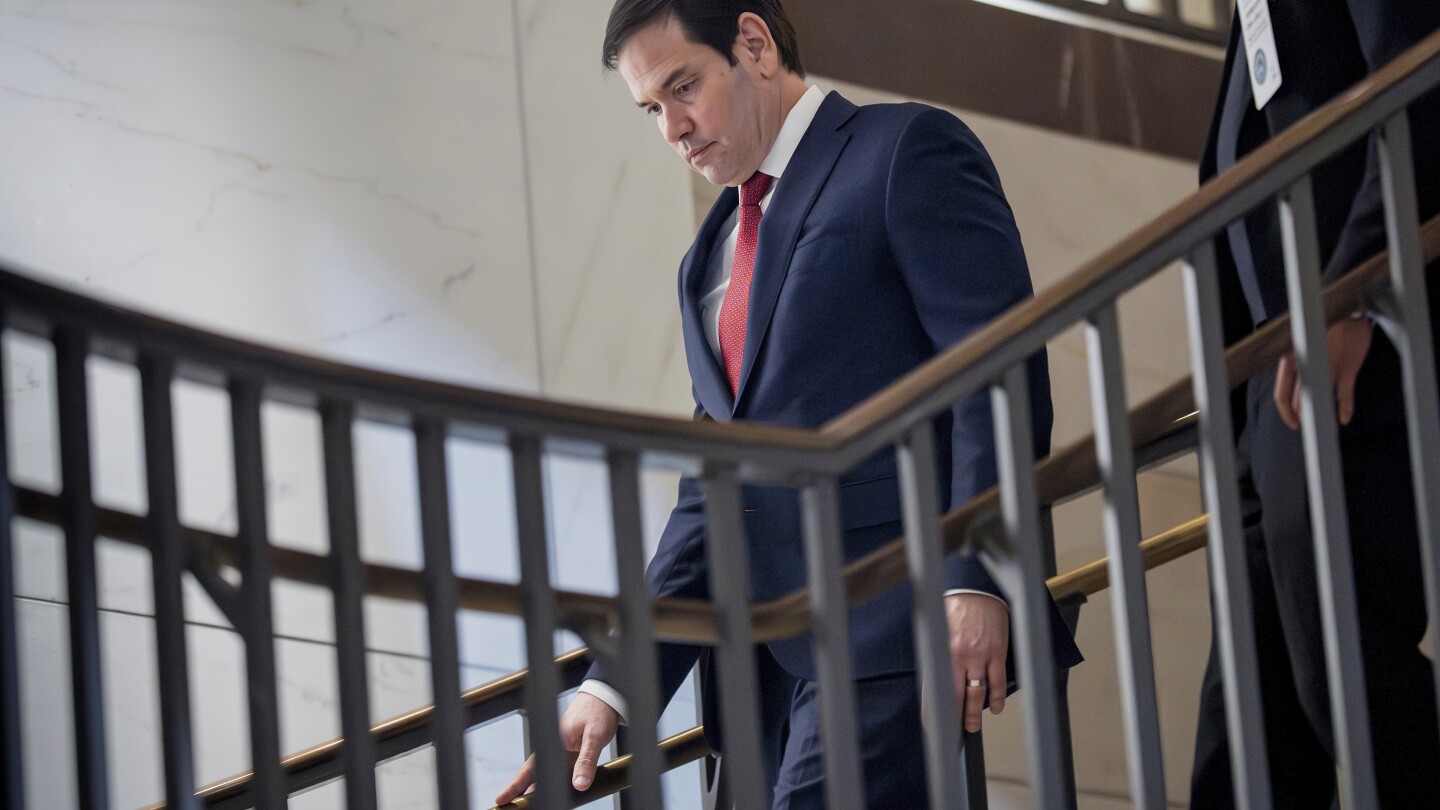
    Secretary of State Marco Rubio specifically acknowledged that several prominent media outlets, including The New York Times and The Washington Post, had obtained advance knowledge of the planned strike but deliberately withheld publication to prevent compromising operational security and endangering American lives. This recognition marks a significant moment in the administration’s frequently contentious relationship with the press corps.

    The administration’s appreciation emerges against the backdrop of Defense Secretary Pete Hegseth’s implementation of restrictive press regulations at the Pentagon, which have prompted most mainstream news organizations to vacate their assigned positions rather than comply with what they consider excessive constraints. Hegseth has consistently cited concerns about journalists’ handling of classified information as justification for these measures.

    According to reports from Semafor, administration officials engaged in direct communications with news organizations regarding the Venezuela operation. Veteran national security reporter Dana Priest, now a professor at the University of Maryland, emphasized that such discretion represents standard practice for reputable news organizations when lives are at stake.

    The complex dynamics of national security reporting were further illustrated by incidents such as The Atlantic editor Jeffrey Goldberg’s accidental inclusion in a text chain revealing details about a Yemen operation last spring. Goldberg waited until all personnel were safe and information was verified before publishing.

    Historical precedents include President John F. Kennedy’s successful persuasion of The New York Times to withhold information about the Bay of Pigs invasion—a decision later regretted when the mission failed spectacularly. This tension between national security interests and the public’s right to knowledge continues to define the delicate balance media organizations must maintain.

    Despite administrative pressures, journalists remain committed to their fundamental mission of informing the public while exercising appropriate judgment regarding operational security, according to Priest, who characterized the Pentagon’s current rules as ‘ridiculously broad censorship.’

  • Progress for Ukraine talks in Paris uncertain with US focus shifting to Venezuela

    Progress for Ukraine talks in Paris uncertain with US focus shifting to Venezuela

    PARIS — A critical gathering of Ukrainian allies convened in Paris on Tuesday to deliberate post-ceasefire security arrangements, though the proceedings encountered unexpected complications due to shifting American geopolitical priorities. The summit, orchestrated by French President Emmanuel Macron, assembled an unprecedented delegation of 35 participants including 27 heads of state and government, all dedicated to formulating concrete security guarantees for Ukraine against potential future Russian aggression.

    The original American delegation, initially slated to be led by Secretary of State Marco Rubio, underwent last-minute restructuring following Washington’s heightened engagement with Venezuelan affairs. The United States instead dispatched envoys Steve Witkoff and Jared Kushner to represent President Trump’s administration. This diplomatic rearrangement occurred despite prior indications of substantive progress in multilateral discussions regarding Ukrainian security frameworks.

    Central to the negotiations were five pivotal security priorities: ceasefire monitoring mechanisms, sustained support for Ukraine’s armed forces, potential deployment of multinational forces across various domains, contingency plans for renewed Russian aggression, and long-term defense cooperation agreements. European leadership, particularly France and Britain, have championed a comprehensive approach that would strengthen Ukraine’s military capabilities through advanced weaponry, specialized training, and intelligence sharing.

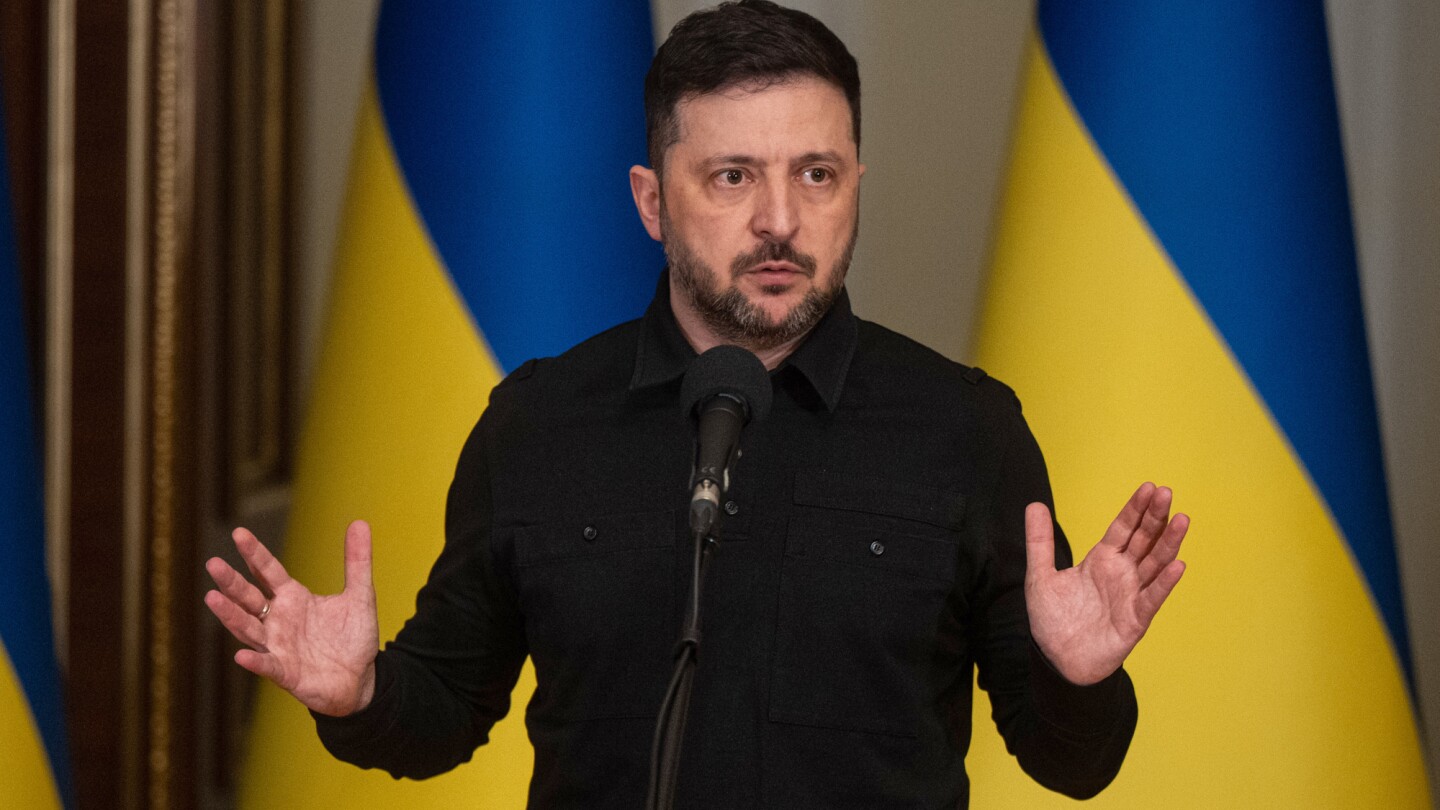
    President Volodymyr Zelenskyy expressed cautious optimism while acknowledging implementation challenges, noting that parliamentary approvals across multiple nations might complicate military commitments. The Ukrainian leader emphasized that meaningful participation from nuclear-capable European powers would be essential for the coalition’s credibility, suggesting that alternative support mechanisms including sanctions and financial assistance could supplement defense arrangements.

    The Paris meeting represents the culmination of months of diplomatic efforts by the so-called ‘coalition of the willing,’ though the ultimate effectiveness of these security guarantees remains contingent on sustained international engagement and resolution of critical operational details.

  • Trump and House Republicans are meeting to talk about their election-year agenda

    Trump and House Republicans are meeting to talk about their election-year agenda

    WASHINGTON — President Donald Trump is convening with House Republicans on Tuesday for a comprehensive policy forum at a pivotal juncture in the midterm election cycle. This gathering occurs as the GOP navigates a razor-thin legislative majority and internal party tensions that could significantly influence Trump’s final two years in office.

    The daylong strategic session will take place at the Kennedy Center performing arts venue, recently renamed the Trump-Kennedy Center by its Trump-loyalist board—a controversial decision currently facing legal challenges. The location choice marks a departure from typical Capitol or nearby off-campus venues traditionally used for political discussions, with the Speaker’s office offering no explanation for this unconventional selection.

    Key agenda items include healthcare legislation, particularly the extension of expired insurance subsidies expected for vote this week. The party also aims to advance its signature tax-and-border legislation while developing a broader affordability platform ahead of midterm elections. Republicans are additionally considering a second tax bill that could pass through party-line voting, while simultaneously confronting the possibility of a partial government shutdown by month’s end.

    The meeting occurs against a backdrop of diminishing GOP cohesion. With Representative Marjorie Taylor Greene’s resignation reducing their majority to 219-213, Republican leadership faces increased challenges in maintaining party discipline. Rank-and-file lawmakers have demonstrated growing willingness to defy both Trump and leadership priorities, as evidenced in recent debates surrounding the Jeffrey Epstein document releases.

    Furthermore, the administration’s recent capture of Venezuelan leader Nicolás Maduro has reignited constitutional debates regarding presidential war powers, though House Republicans have largely supported these foreign policy actions. This development follows an extended campaign involving US military buildup in South American waters and targeted strikes on alleged drug trafficking vessels.

    AP Congressional Correspondent Lisa Mascaro contributed to this reporting.

  • Venezuela urges action from UN Security Council following US strikes

    Venezuela urges action from UN Security Council following US strikes

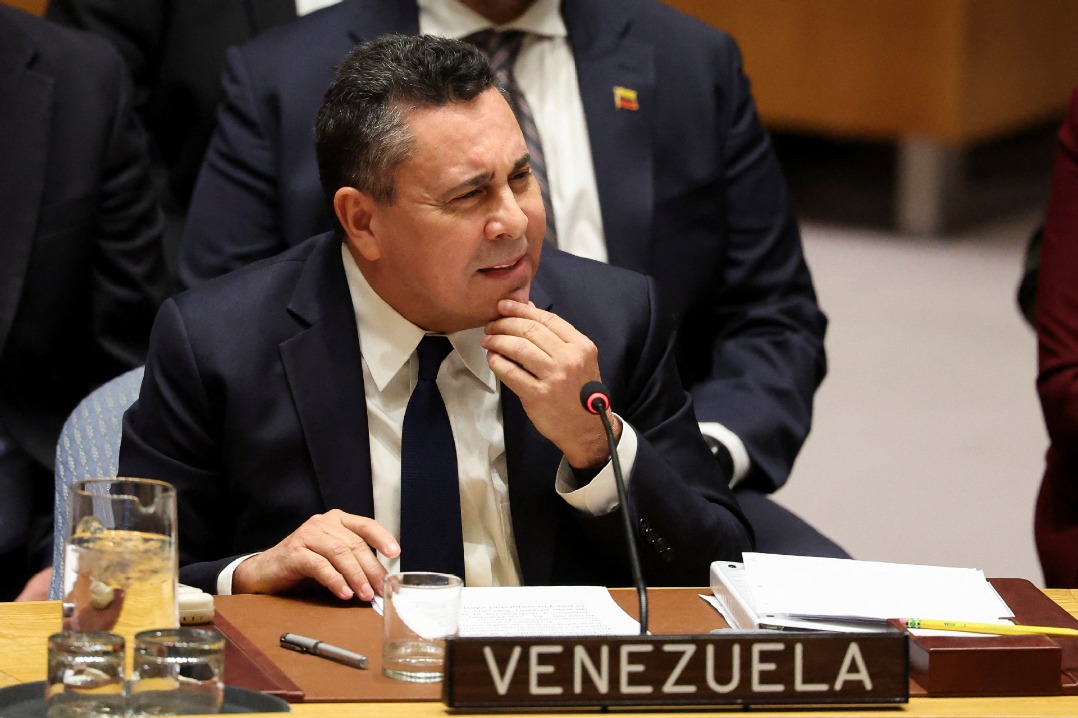
    Venezuela has formally requested urgent intervention from the United Nations Security Council following what it characterizes as unlawful military strikes by the United States and the forcible extraction of President Nicolás Maduro and First Lady Cilia Flores. The extraordinary diplomatic confrontation unfolded during an emergency session at UN headquarters in New York on Monday.

    Ambassador Samuel Moncada, Venezuela’s permanent representative to the UN, presented a comprehensive condemnation of Washington’s actions over the weekend, describing them as a flagrant violation of international law and the UN Charter. The ambassador articulated three primary demands: the immediate release and safe repatriation of President Maduro and his spouse with full respect for their diplomatic immunities; an unambiguous Security Council condemnation of the use of force against Venezuela; and the reaffirmation of the principle prohibiting territorial acquisition through military means.

    Moncada framed the situation as extending beyond bilateral tensions, warning that tolerance of such actions would establish a dangerous precedent undermining global security architecture. “When force is used to control resources, impose governments, or redesign states, we are faced with a logic that harks back to the worst practices of colonialism,” he stated during his address to the fifteen-member council.

    The Venezuelan diplomat further asserted that the military operation constituted multiple violations of fundamental international principles, including the sovereign equality of states, the prohibition against territorial aggression, and the obligation to resolve disputes through peaceful means. He additionally cited breaches of the Geneva Conventions and their Additional Protocols governing armed conflict.

    Characterizing the situation as a critical test for multilateralism, Moncada cautioned that failure to respond adequately would signal that “law is optional, and that force is the true arbiter of international relations.” The emergency session represents one of the most significant confrontations between a Latin American nation and a permanent Security Council member in recent history, with potential implications for international norms regarding state sovereignty and great power conduct.

  • Netflix pulls Chinese drama after Vietnam’s outcry over disputed map

    Netflix pulls Chinese drama after Vietnam’s outcry over disputed map

    Netflix has complied with Vietnamese government demands to remove the popular Chinese romantic drama ‘Shine On Me’ from its streaming platform in Vietnam. The action follows official objections to the show’s depiction of China’s controversial nine-dash line territorial claims in the South China Sea, which Hanoi considers a violation of its national sovereignty.

    The dispute centers on episode 25 of the series, which features several appearances of a Chinese map displaying the nine-dash line during a scene about solar power potential. The contentious demarcation appears projected on an auditorium screen during a lecture attended by the show’s main characters.

    Vietnam’s Ministry of Culture issued a formal removal order on January 3, giving Netflix 24 hours to comply with the demand. By Tuesday, the series was no longer accessible to Vietnamese subscribers, despite previously ranking among Netflix’s Top 10 shows in several Asian territories including Singapore, Taiwan, and Vietnam itself.

    This incident represents the latest chapter in ongoing tensions between China and Vietnam over maritime sovereignty. Beijing maintains historical claims to approximately 90% of the South China Sea based on the U-shaped nine-dash line, while Vietnam asserts its own historical jurisdiction over the Paracel and Spratly island chains dating back to the 17th century.

    The controversy extends beyond Chinese productions. Vietnam has previously banned other media content featuring the nine-dash line, including Warner Bros’ ‘Barbie’ in 2023 and DreamWorks’ ‘Abominable’ in 2019. In 2023, another Chinese drama, ‘Flight to You,’ faced similar removal from Netflix’s Vietnamese platform.

    China’s state-run Global Times responded to the latest ban by urging Vietnam to ‘separate cultural exchanges from the South China Sea issue,’ though Beijing has not issued an official government statement on the matter. The situation highlights how cultural products increasingly become entangled in complex geopolitical disputes, with streaming platforms caught between competing national interests and censorship demands.