分类: politics

  • Western allies agree Ukraine guarantees after Paris ‘progress’

    Western allies agree Ukraine guarantees after Paris ‘progress’

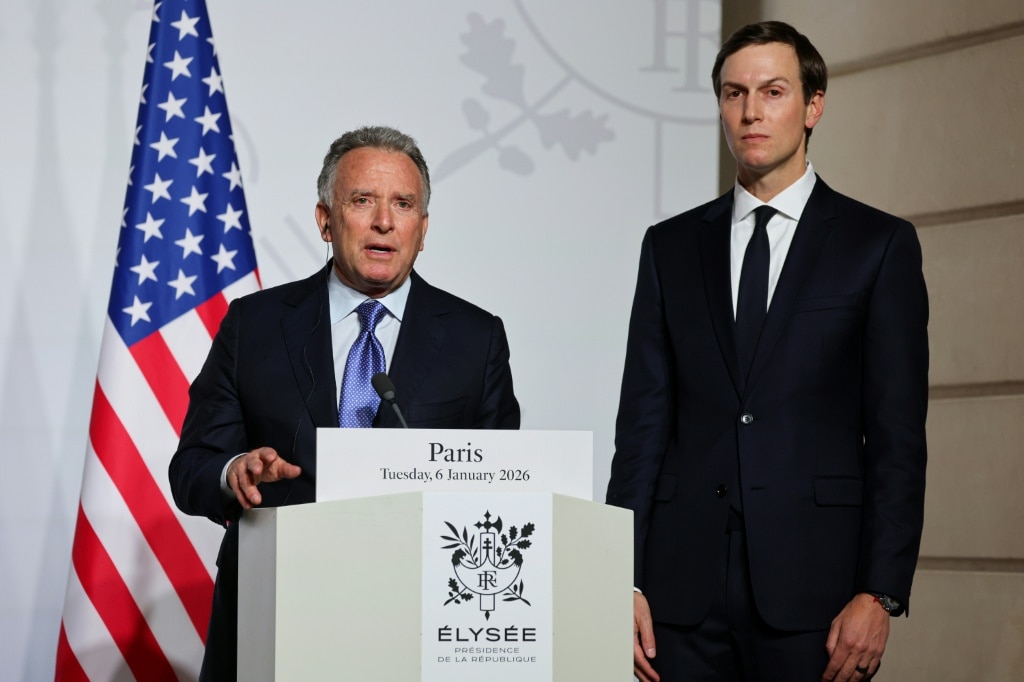
    In a significant diplomatic breakthrough, Western nations have established a framework for Ukraine’s future security during a major Paris summit. Representatives from 35 countries, including 27 heads of state or government, convened for what became the largest gathering of the Coalition of the Willing to date.

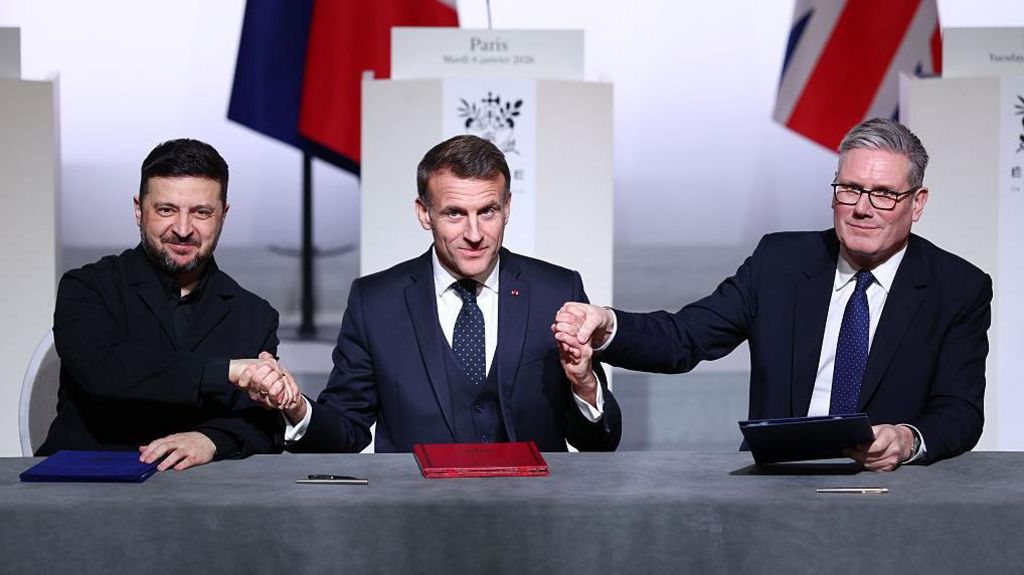
    The resulting agreement establishes multilayered security assurances that would activate following a ceasefire in the Russia-Ukraine conflict. Central to these guarantees is a US-led monitoring mechanism with European participation designed to oversee any future truce. Additionally, France and Britain have committed to deploying troops on Ukrainian territory post-ceasefire through a signed declaration of intent with Ukrainian leadership.

    The Paris meeting also yielded plans for a permanent coordination cell involving the United States, Ukraine, and coalition partners to be established in the French capital. While the final communiqué omitted earlier draft language about direct US support for European forces in case of renewed Russian aggression, participants emphasized substantial progress in creating durable security structures.

    French President Emmanuel Macron characterized the agreements as “robust security guarantees for a solid and lasting peace,” noting an “operational convergence” among allies. He revealed that France could potentially deploy “several thousand” troops to Ukraine after hostilities cease.

    The negotiations occurred against a complex geopolitical backdrop, including recent US actions in Venezuela and controversial statements about Greenland that had created transatlantic tensions. Despite these challenges, US envoy Steve Witkoff reported “a lot of progress” in ensuring Ukraine’s long-term security, noting that territorial compromises would represent the most “critical issue” in future negotiations.

    Ukrainian President Volodymyr Zelensky expressed satisfaction with the concrete outcomes, particularly highlighting the joint coalition declaration and trilateral agreement with France and Britain. He concurred that territorial questions remain the primary unresolved matter, referencing Russian demands regarding the Donbas region.

    British Prime Minister Keir Starmer outlined post-ceasefire plans including military hubs across Ukraine and protected facilities for weapons storage. He cautioned that peace would require compromises from Russian leadership, noting that recent Russian actions have only “hardened our resolve.”

    The security architecture acknowledges political realities, with German Chancellor Friedrich Merz suggesting German forces could participate in ceasefire monitoring from neighboring countries rather than Ukrainian territory. All participants acknowledged that imperfect compromises would be necessary, with Merz noting “we will not achieve textbook diplomatic solutions.”
  • Israeli foreign minister in Somaliland for first official visit

    Israeli foreign minister in Somaliland for first official visit

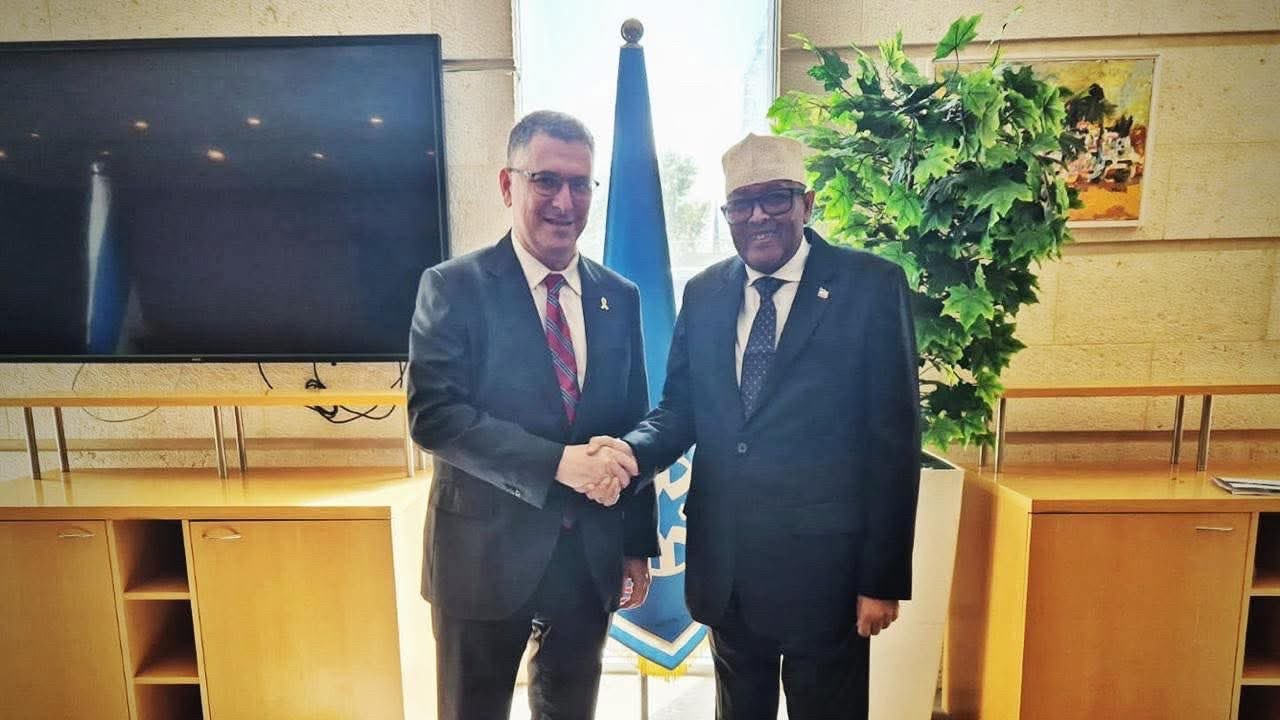
    In a significant diplomatic development, Israeli Foreign Minister Gideon Saar embarked on an official visit to Somaliland on Tuesday, marking the first high-level engagement since Israel’s formal recognition of the breakaway Somali region’s sovereignty in December. Saar was photographed in meetings with Somaliland President Abdirahman Mohamed Abdullahi, with plans for a joint press conference at the presidential palace in Hargeisa later in the day.

    According to diplomatic sources speaking to i24 News, the visit aims to advance substantive political and strategic cooperation between Israel and Somaliland. While Israel’s foreign ministry has yet to officially comment on the trip, the engagement represents a concrete step following the December 26 recognition that made Israel the first country to formally acknowledge Somaliland’s sovereignty.

    The recognition sparked immediate protests in Somaliland, with demonstrations in Boroma featuring Palestinian flags and pro-Palestine chants. Prior to the official recognition, reports had circulated about Somaliland potentially hosting an Israeli military base in exchange for diplomatic recognition and investments.

    The geopolitical implications extend beyond bilateral relations. Analysis from the Atlantic Council had previously argued for Israel-Somaliland recognition, citing strategic opportunities for both Israel and the United States in addressing security concerns in shipping corridors where approximately one-third of global commerce passes. The region faces threats from piracy, weapon smuggling, and terrorist groups including al-Shabab and the Houthis.

    Regional dynamics continue to evolve, with social media accounts linked to the United Arab Emirates suggesting Abu Dhabi—along with India, Ethiopia, and Kenya—might follow Israel’s lead in recognizing Somaliland. However, an Indian government adviser subsequently denied such plans.

    The strategic port of Berbera has emerged as a focal point in regional security architecture. Following a 2017 agreement allowing the UAE to establish a military base there, recent satellite imagery reveals advanced infrastructure development including a modern military port and deep-water docking capabilities. These facilities form part of a network of UAE bases encircling the Gulf of Aden and Red Sea, established with support from Israel and the US.

    In a notable policy shift, Somaliland’s president announced in July his administration’s willingness to host a US military base at Berbera while offering access to valuable mineral resources including lithium, representing a strategic gambit to secure broader international recognition.

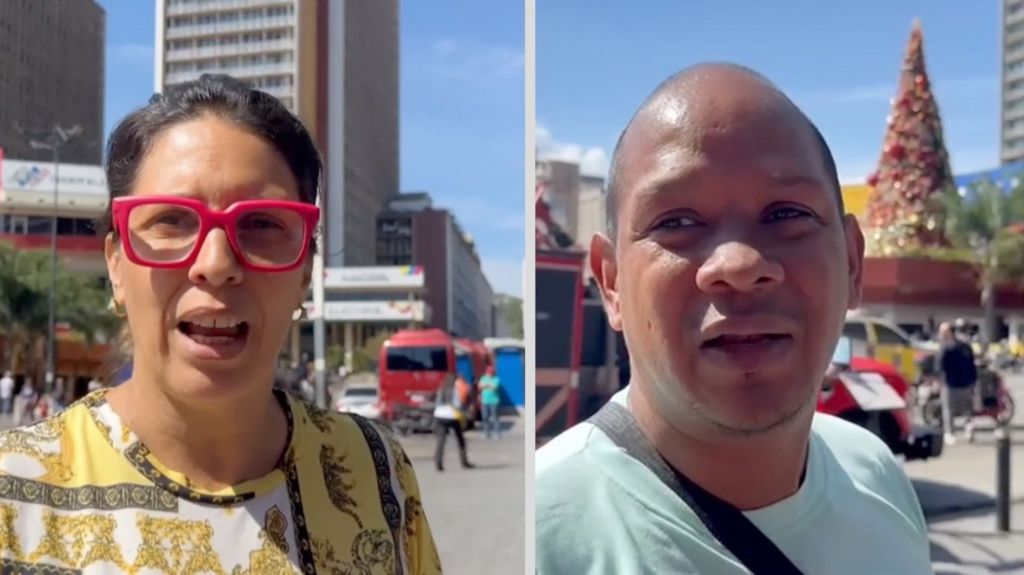
  • ‘It seems unjust to me’ – Views on Maduro’s seizure from Caracas

    ‘It seems unjust to me’ – Views on Maduro’s seizure from Caracas

    Residents of Caracas have voiced divergent perspectives regarding recent US military activities and President Nicolás Maduro’s subsequent actions, revealing deep divisions within Venezuelan society. The BBC Mundo conducted street interviews capturing firsthand accounts from citizens navigating the complex geopolitical landscape affecting their nation.

    Many interviewees expressed profound concerns about sovereignty issues, with some characterizing external military operations as violations of international law while others viewed them as necessary interventions. The interviews revealed how Venezuela’s prolonged economic crisis and political instability have shaped contrasting viewpoints on foreign involvement.

    President Maduro’s seizure of certain authorities in response to the military operation generated particularly strong reactions. Several citizens described the move as an expected consolidation of power, while others perceived it as an infringement upon democratic principles. The testimonies highlighted how daily struggles for basic necessities influence political perspectives more than ideological considerations.

    The reports indicate that Venezuela’s situation remains fluid, with the population demonstrating both wariness of foreign intervention and frustration with domestic leadership. These street-level perspectives provide crucial context for understanding the human dimension of international diplomatic tensions, beyond official statements from either government.

  • China considering tightening exports of certain rare earths to Japan

    China considering tightening exports of certain rare earths to Japan

    In a significant escalation of trade diplomacy, Chinese authorities are contemplating stricter export permit evaluations for specific rare earth materials destined for Japan. This strategic consideration comes as a direct response to what Beijing characterizes as “erroneous remarks” concerning Taiwan made by Japanese Prime Minister Sanae Takaichi, which Chinese officials assert have severely damaged bilateral relations.

    The Ministry of Commerce, in coordination with the General Administration of Customs, had previously established export control mechanisms for seven categories of medium and heavy rare earth elements last April. These regulated materials include samarium, gadolinium, terbium, dysprosium, lutetium, scandium, and yttrium—all critical components in advanced technological applications.

    At a December press briefing, Ministry of Commerce spokesman He Yadong articulated China’s position, emphasizing that Japan bears “unshirkable responsibility” for undermining the political foundation of Sino-Japanese relations. He further stated that China has repeatedly urged Japanese officials to rectify their statements and demonstrate commitment to bilateral relations through concrete actions.

    The economic implications of potential export restrictions are substantial. According to analyses by Nomura Research Institute, Japan relies almost exclusively on Chinese sources for heavy rare earth elements such as dysprosium and terbium, which are indispensable for manufacturing neodymium magnets used in electric vehicle motors. The research institute projects that three months of export restrictions could result in economic losses approximating 660 billion yen ($4.2 billion), reducing Japan’s nominal and real GDP by 0.11 percent annually. A full year of restrictions could exacerbate losses to approximately 2.6 trillion yen, triggering a 0.43 percent decline in both nominal and real GDP.

    This development represents the latest chapter in the complex economic and diplomatic relationship between Asia’s two largest economies, where trade in critical minerals has frequently intersected with geopolitical considerations.

  • UK and France to send troops to Ukraine if peace deal agreed

    UK and France to send troops to Ukraine if peace deal agreed

    In a significant development at the Paris summit attended by over 30 allied nations, British Prime Minister Sir Keir Starmer announced a groundbreaking military cooperation agreement with France regarding future operations in Ukraine. The declaration of intent outlines plans for joint military deployment contingent upon the establishment of a ceasefire and peace agreement with Russia.

    The strategic arrangement involves establishing multinational military hubs throughout Ukrainian territory and constructing protected facilities for weapons and military equipment storage. These installations are designed to address Ukraine’s ongoing defensive requirements during the post-conflict transition period. The initiative represents a concrete step toward providing sustained security assistance to Kyiv beyond immediate combat operations.

    Senior US negotiator Steve Witkoff emphasized the critical importance of this development, stating that “durable security guarantees and robust prosperity commitments are essential to a lasting peace” in Ukraine. This position aligns with Ukraine’s consistent demands for international security assurances against future aggression.

    The announcement comes amid continued Russian warnings that any foreign military presence in Ukraine would be treated as “legitimate targets.” Moscow’s stance remains unchanged since President Vladimir Putin initiated the full-scale invasion in February 2022, which has resulted in Russia controlling approximately 20% of Ukrainian territory. The Franco-British agreement signals Western resolve to maintain long-term strategic engagement in Eastern European security architecture regardless of Russian objections.

  • UK bans US Muslim preacher Shadee Elmasry for praising resistance against Israel

    UK bans US Muslim preacher Shadee Elmasry for praising resistance against Israel

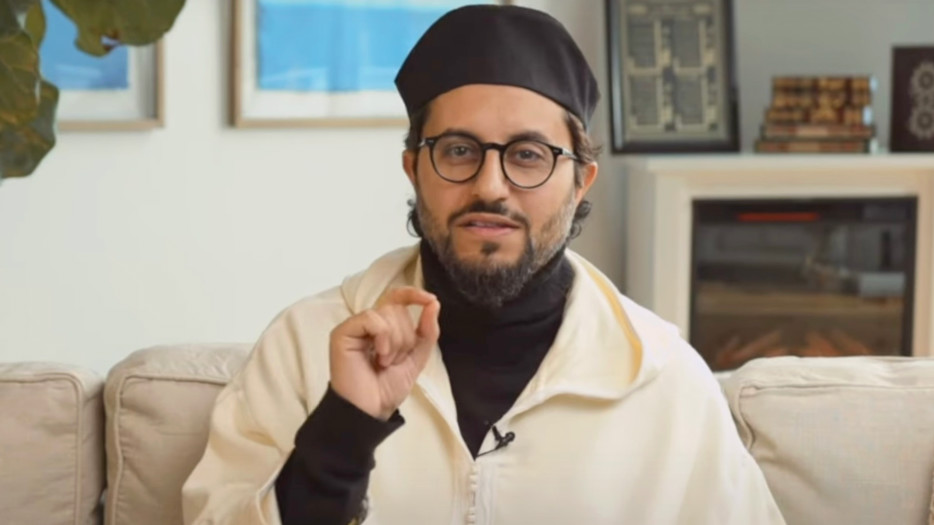
    The United Kingdom has prohibited Dr. Shadee Elmasry, a prominent American Muslim scholar, from entering the country following an official review of his social media commentary regarding the Israel-Gaza conflict. Home Secretary Shabana Mahmood revoked Elmasry’s travel authorization shortly before his scheduled speaking tour across multiple British cities.

    The decision emerged after pro-Israel activists circulated Elmasry’s social media posts from October 2023, including one stating that Gazans had “finally punched back after 50 years” following Hamas’ October 7 attack on Israel. In other posts, Elmasry contextualized the conflict by referencing historical Zionist militias and suggested that resistance movements might occasionally “go to excesses” without diminishing their moral standing.

    A government source close to Mahmood stated: “There is no place in the UK for foreign nationals who spread hate or push extremist ideas. Those seeking to divide our communities will not be allowed to enter.”

    Elmasry, who serves as education director at the New Brunswick Islamic Center in New Jersey, responded that his message has “always been about compassion and connection.” He expressed affection for England and indicated expectations that the decision would be overturned.

    The banning process gained momentum after Conservative MP Nick Timothy publicly urged the Home Secretary to exercise her exclusion powers, characterizing Elmasry’s views as “incitement and violent extremism” rather than rational debate. This followed an anonymous social media campaign alleging Elmasry supported extremist positions.

    In a recent livestream, Elmasry clarified that describing Gazans as “punched back” didn’t constitute endorsement of Hamas, noting he cannot support organizations he doesn’t fully know. He referenced United Nations provisions regarding resistance to illegal occupation while distancing himself from specific militant groups.

    Hamas remains designated as a terrorist organization in the United Kingdom, adding legal context to the government’s decision to exclude individuals perceived as supporting or justifying its actions.

  • US political theorist Michael Walzer calls Israel war on Gaza a ‘criminal effort’

    US political theorist Michael Walzer calls Israel war on Gaza a ‘criminal effort’

    In a striking critique from within Zionist intellectual circles, distinguished American political theorist Michael Walzer has denounced Israel’s military operations in Gaza as a “criminal effort” aimed at territorial conquest and population displacement. The author of the seminal work “Just and Unjust Wars,” whose writings form part of the curriculum at the US Military Academy at West Point, delivered his assessment in an extensive interview with Israeli newspaper Haaretz.

    Walzer characterized Israel’s response to the October 7, 2023 Hamas-led attack as a “joint production” for which Israeli society bears collective responsibility. He identified what he described as a “crazed rhetorical response” among Israeli leadership following the initial trauma, with prominent figures advocating for revenge and indiscriminate violence against Palestinian civilians.

    The political philosopher highlighted multiple moral failures in Israel’s conduct of the war, including the dissemination of social media videos featuring soldiers boasting about alleged war crimes. He identified the siege imposed on Gaza as the most serious ethical violation, noting its devastating impact on medical and nutritional conditions for civilians.

    Current statistics reveal the human cost: over 71,271 Palestinian fatalities and 171,233 wounded since hostilities intensified. Israel has reportedly violated ceasefire agreements nearly 1,000 times since their implementation in early October.

    The crisis has been exacerbated by Israel’s recent ban on 37 aid organizations, including Doctors Without Borders, which warned that hundreds of thousands would lose access to essential care if the restrictions take effect.

    Walzer further condemned the treatment of Palestinian detainees, citing credible reports of systematic abuse, and described settler violence in the West Bank as having reached “pogrom” levels with security forces complicit through inaction. United Nations data records over 260 settler attacks in October alone—the highest monthly tally since monitoring began in 2006—resulting in the forced displacement of more than 3,200 Palestinians.

    According to human rights organizations, Israeli forces have detained over 21,000 Palestinians from the West Bank in just over two years, with approximately 9,250 remaining imprisoned. Reports document widespread torture and ill-treatment, including sexual violence, with 32 detainees dying in custody in 2025 alone, bringing the total prisoner deaths since October 2023 to over 100.

  • Trump pushes back against Democrats’ criticism of Maduro raid

    Trump pushes back against Democrats’ criticism of Maduro raid

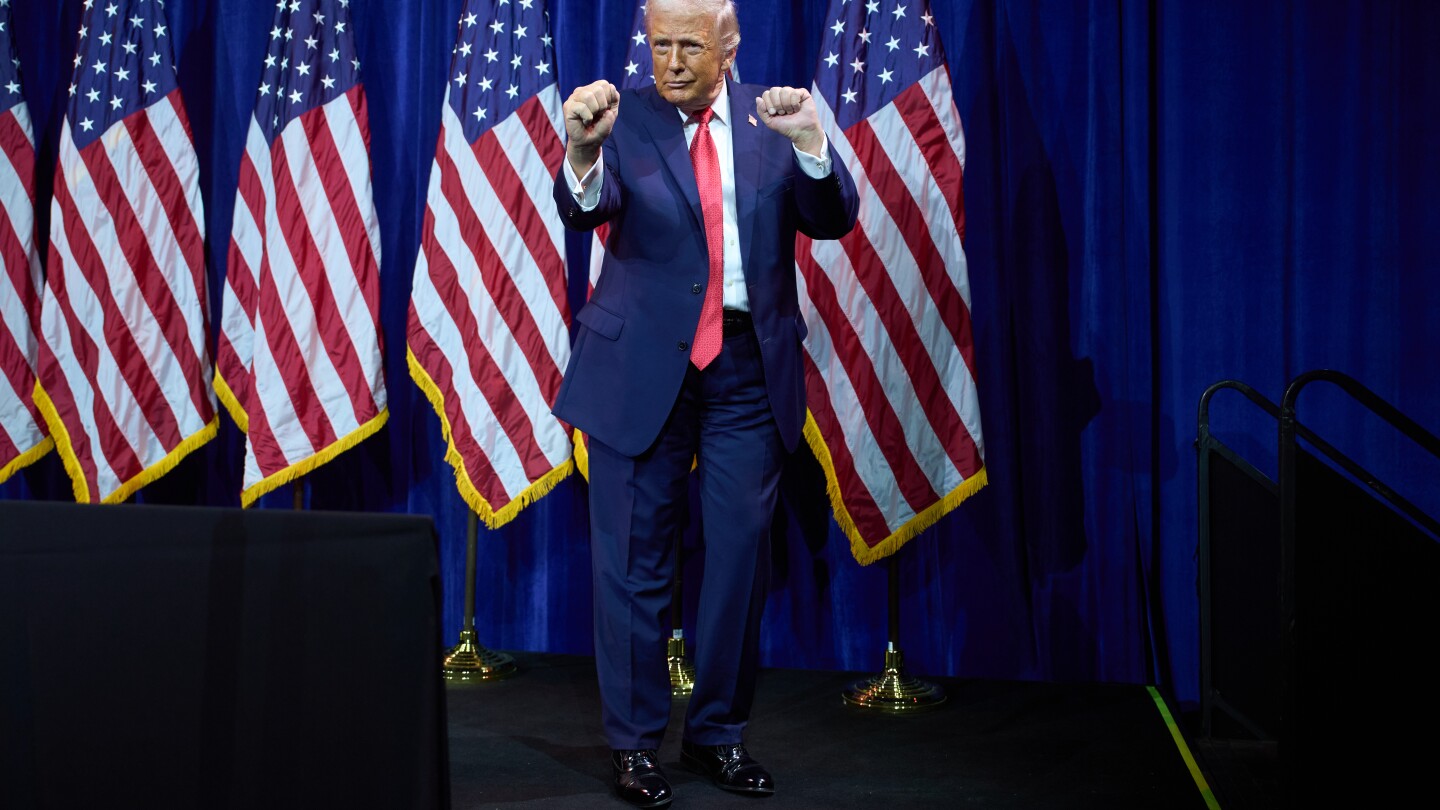
    WASHINGTON — President Donald Trump confronted Democratic criticism of the military operation that resulted in the capture of Venezuelan leader Nicolás Maduro, highlighting that his predecessor Joe Biden had similarly pursued Maduro’s arrest on narcotics charges. Speaking at a House Republican retreat, Trump expressed frustration over what he perceived as insufficient acknowledgment from political opponents regarding the successful mission.

    The operation, which culminated in Maduro’s apprehension over the weekend, has ignited complex debates about U.S. foreign policy direction. While bipartisan consensus exists that Maduro illegitimately holds power following disputed elections, Democratic leaders have questioned the administration’s strategic planning for Venezuela’s future.

    Maduro, indicted in 2020 on charges of narco-terrorism and international cocaine trafficking, pleaded not guilty in a U.S. courtroom Monday. The Trump administration had doubled the reward for information leading to his capture to $50 million last August, building on previous offers from the Biden administration.

    Secretary of State Marco Rubio briefed congressional leaders Monday amid growing concerns about potential U.S. expansionism without adequate legislative consultation. House Speaker Mike Johnson subsequently clarified that no troop deployments to Venezuela were anticipated, characterizing U.S. actions as “not a regime change operation.”

    Recent polling indicates divided American public opinion, with approximately 40% supporting the military operation against Maduro and similar numbers opposing it. Nearly half of respondents opposed U.S. control of Venezuela’s government selection, with overwhelming majority believing Venezuelans should determine their own leadership.

    The operation has triggered international repercussions, with Colombia’s Foreign Affairs Minister Rosa Villavicencio formally complaining about Trump’s threats against the nation. Simultaneously, European leaders including those of France, Germany, and the United Kingdom joined Danish Prime Minister Mette Frederiksen in defending Greenland’s sovereignty following Trump’s renewed interest in acquiring the territory for U.S. security interests.

  • US Justice Dept says millions of Epstein files still not released

    US Justice Dept says millions of Epstein files still not released

    The U.S. Department of Justice has disclosed that its review of documents connected to convicted sex offender Jeffrey Epstein involves an unprecedented volume of over two million files, significantly exceeding initial estimates. This revelation comes more than two weeks after the December 19 deadline established by the Epstein Files Transparency Act.

    In a formal communication to a federal judge on Monday, Justice Department officials detailed the extensive scope of the ongoing document review process. The department acknowledged that approximately 12,285 documents totaling more than 125,000 pages have been released to date—representing less than one percent of the total documents currently under examination.

    The complexity of the task intensified on December 24 when investigators identified an additional one million files that were not included in the initial assessment. These documents require meticulous processing and deduplication, even when appearing to be duplicates, according to the Justice Department’s communication.

    Attorney General Pam Bondi and other senior officials signed the letter emphasizing that “substantial work remains to be done” in this massive undertaking. The department has mobilized more than 400 attorneys who will dedicate “the next few weeks” exclusively to the document review process. Additionally, over 100 specially trained FBI personnel with expertise in handling sensitive victim information will provide crucial support.

    The delayed release has sparked significant political controversy, with Democrats criticizing President Donald Trump’s administration for failing to meet the statutory deadline. The administration has defended its cautious approach, citing the imperative to protect identifying information of victims throughout the document review process.

    Justice Department officials emphasized that each document requires manual examination to redact victim-identifying information, contributing to the extensive timeline for full public disclosure.

  • South Korea’s Lee snaps Xi selfie with Chinese ‘backdoor’ phone

    South Korea’s Lee snaps Xi selfie with Chinese ‘backdoor’ phone

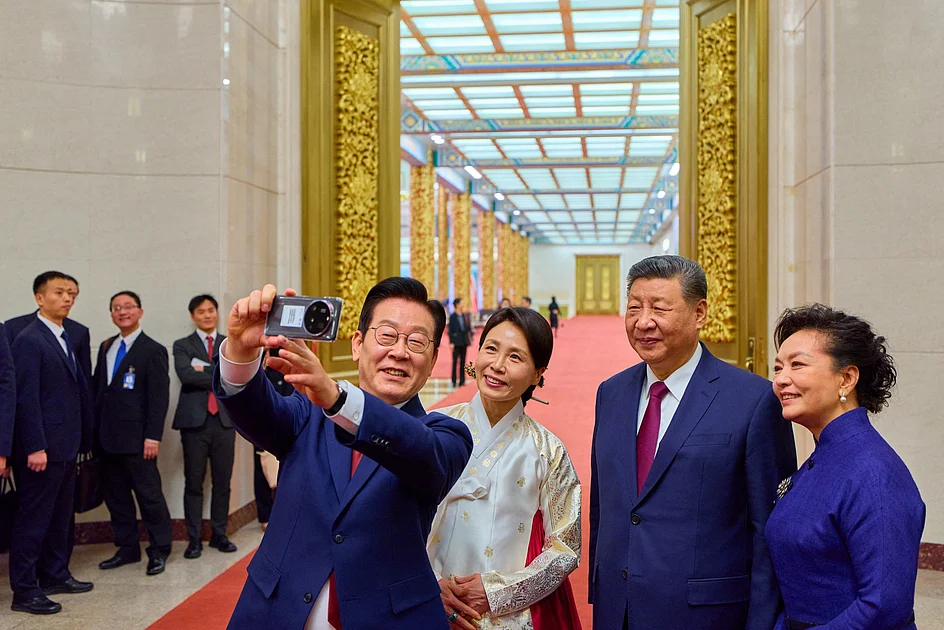
    In a striking display of diplomatic camaraderie, South Korean President Lee Jae Myung captured a historic selfie with Chinese President Xi Jinping using a smartphone gifted by the Chinese leader—the same device that previously sparked espionage-related banter between the two leaders. The photograph, featuring both leaders and their wives, was posted on social media platform X during President Lee’s official visit to Beijing on Monday.

    The Xiaomi handset became a subject of international attention last November when President Xi humorously suggested Lee should ‘check if there is a backdoor’ regarding the device’s security during their meeting at the APEC summit in South Korea. This rare display of humor from the typically reserved Chinese leader added an unusual dimension to diplomatic exchanges between the two nations.

    The selfie post generated substantial online engagement, being shared over 3,400 times within hours of publication. One social media user quipped, ‘Sir, Do you know Nicolas Maduro used the same phone?’—a reference to recent geopolitical events involving Venezuela.

    President Lee’s Beijing visit occurred against the backdrop of increasing global complexity, with President Xi emphasizing the importance of making ‘the right strategic choices’ during their 90-minute summit. The South Korean leader, who assumed office in June following his predecessor’s impeachment, has actively pursued improved relations with China after years of diplomatic stagnation.

    Following his meeting with Xi, President Lee engaged with Chinese Premier Li Qiang, praising the warming bilateral relations as ‘the irreversible trend of the times.’ The South Korean delegation subsequently traveled to Shanghai, China’s economic powerhouse, continuing their diplomatic and economic discussions.