分类: politics

  • Ex-intelligence officer in Austria’s biggest spy trial for years

    Ex-intelligence officer in Austria’s biggest spy trial for years

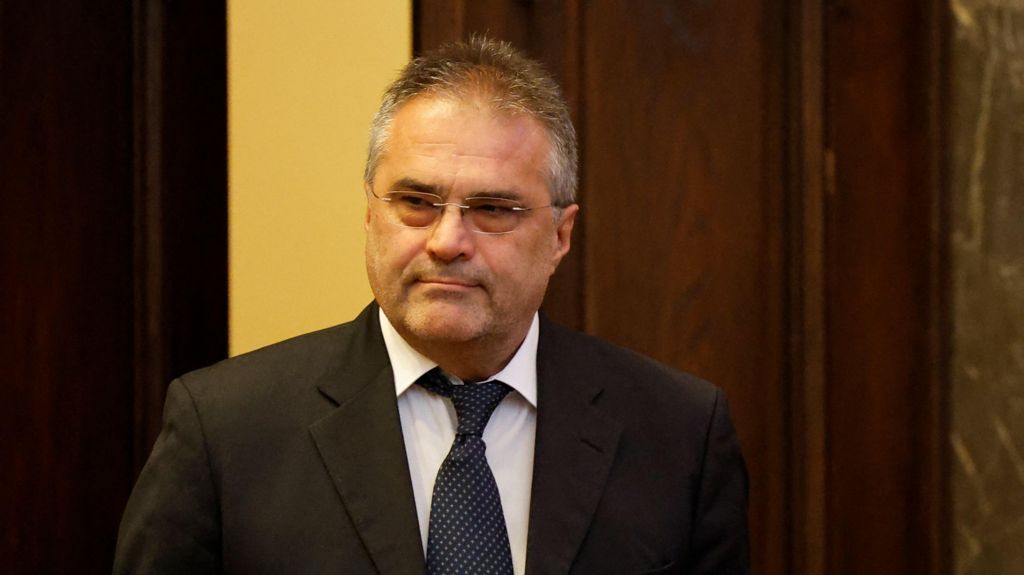
    Vienna witnessed the commencement of a landmark espionage trial on Thursday, as former Austrian intelligence operative Egisto Ott faced charges of conducting extensive espionage activities for Russian intelligence services. The 63-year-old defendant stands accused of systematically compromising national security through unauthorized data collection and transmission to foreign agents.

    The prosecution alleges that between 2015 and 2021, Ott exploited his official authority to harvest substantial volumes of sensitive information, including vehicle registration details, travel patterns, and personal data. This intelligence was reportedly funneled to both Russian intelligence operatives and Jan Marsalek, the fugitive former Wirecard executive currently believed to be residing in Moscow under Russian protection.

    Court documents reveal Ott allegedly received financial compensation for supplying classified information extracted from national and international police databases. In a particularly serious allegation from 2022, prosecutors claim Marsalek commissioned Ott to acquire a specialized EU government laptop containing electronic security hardware for secure communications, which was subsequently delivered to Russian intelligence.

    One extraordinary incident involves Ott allegedly recovering official phones belonging to senior Interior Ministry officials that accidentally fell into the Danube River during a boating excursion. Rather than returning the devices intact, Ott is accused of copying their contents and transferring the data to Marsalek and ultimately Moscow.

    The case has triggered significant political repercussions, with former Chancellor Karl Nehammer characterizing the allegations as constituting ‘a threat to democracy and our country’s national security’ following Ott’s 2024 arrest. Ott maintains his innocence against all charges, which carry potential imprisonment of up to five years.

    In a parallel development, Austrian prosecutors have charged former far-right Freedom Party (FPÖ) parliament member Thomas Schellenbacher with facilitating Marsalek’s escape to Belarus following Wirecard’s spectacular collapse in 2020. The FPÖ has vigorously denied allegations of functioning as ‘an extension of Russia’s arm’ in Austria.

    Marsalek himself remains an international fugitive, wanted by German authorities for alleged fraud and embezzlement connected to Wirecard’s missing €1.9 billion. Recent evidence from related espionage trials in London suggests Marsalek has undergone cosmetic surgery to alter his appearance and has been actively studying Russian while evading capture, reportedly boasting about needing to ‘outperform James Bond’ in his new role as a fugitive.
  • Australia’s opposition coalition splits after row over Bondi shooting reforms

    Australia’s opposition coalition splits after row over Bondi shooting reforms

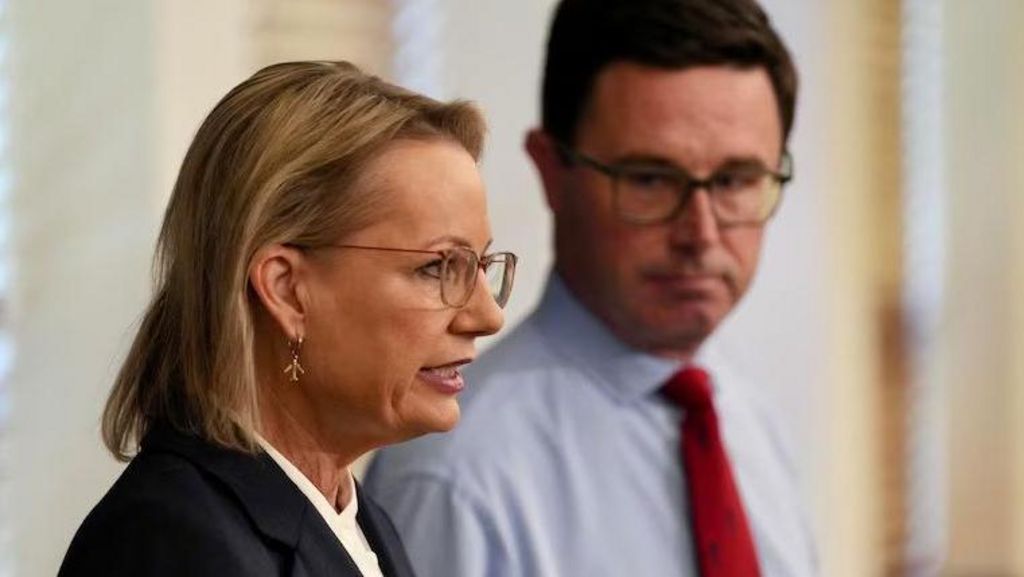
    Australia’s political landscape has been reshaped as the National Party announced its formal separation from the Liberal Party, fracturing the nation’s primary opposition coalition. The rupture follows intense disagreements regarding recently enacted hate speech legislation, throwing Liberal leader Sussan Ley’s leadership into uncertainty.

    The schism emerged from fundamentally different approaches to the government’s proposed hate speech reforms, introduced in response to last month’s deadly terrorist attack at Bondi Beach that claimed 15 lives during a Jewish festival. While both coalition partners had opposed parallel gun control measures, the Liberals ultimately supported the hate speech legislation in Parliament, creating an irreconcilable division with their National counterparts.

    Nationals leader David Littleproud declared the coalition ‘untenable’ during a press conference held on a national day of mourning for the attack victims. ‘Our party room has made it clear that we cannot be part of a shadow ministry under Sussan Ley,’ Littleproud stated, though he left open the possibility of future reconciliation, suggesting that ‘some time apart’ might benefit both conservative parties.

    The breakdown accelerated when three Nationals frontbenchers submitted their resignations after their party abstained from voting on the hate speech bill in the lower house and opposed it in the senate, contravening a shadow cabinet agreement. Ley accepted the resignations despite warnings from Littleproud that this would trigger mass departures from the Nationals shadow ministry.

    This marks the second dissolution of the coalition within a year, following a brief separation last May over climate and energy policies that was resolved within weeks. The current dispute centers on concerns that the hastily drafted legislation threatens free speech protections while banning groups deemed to spread hate and increasing penalties for religious leaders advocating violence.

    Political analysts suggest the rupture compounds challenges for Ley, who has struggled to consolidate authority since becoming the Liberal Party’s first female leader following last year’s electoral defeat. The timing of the split, occurring during a national day of mourning, drew criticism from some quarters, though Nationals senator Bridget McKenzie defended her party’s decision despite acknowledging the ‘appalling’ timing.

    The coalition, dating back to the 1940s, now faces existential questions about its future viability as Australia’s dominant conservative force, with former Prime Minister Malcolm Turnbull describing the situation as ‘smouldering wreckage’ while John Howard offered support for Ley’s handling of the crisis.

  • Saudi Arabia, Turkey, Egypt, Jordan, Indonesia, Pakistan, Qatar join Trump’s Gaza board

    Saudi Arabia, Turkey, Egypt, Jordan, Indonesia, Pakistan, Qatar join Trump’s Gaza board

    In a significant diplomatic development, eight predominantly Muslim nations have formally agreed to participate in former US President Donald Trump’s ‘Board of Peace’ initiative for Gaza. The coalition includes Saudi Arabia, Turkey, Egypt, Jordan, Indonesia, Pakistan, Qatar, and the United Arab Emirates.

    Foreign ministers from these nations issued a joint statement on Wednesday confirming their commitment to the peace framework. Each country will undertake necessary legal procedures to formally accede to the agreement, building on previous announcements from Egypt, Pakistan, and the UAE regarding their participation.

    The participating states expressed strong endorsement for Trump’s mediation efforts and pledged support for implementing the peace council’s transitional mandate. This mandate, established under United Nations Security Council Resolution No. 2803, forms part of a comprehensive strategy to resolve the Gaza conflict.

    The initiative aims to achieve multiple objectives: cementing a permanent ceasefire arrangement, facilitating Gaza’s reconstruction efforts, and promoting a sustainable peace settlement. The framework recognizes the Palestinian right to self-determination and supports the establishment of a Palestinian state in alignment with international legal standards. Ultimately, the program seeks to foster regional security and stability for all nations and populations involved.

    This multinational collaboration represents one of the most substantial Middle East peace initiatives in recent years, bringing together key regional powers with significant influence over the conflict’s resolution.

  • California Gov Newsom says Trump administration blocked his Davos event

    California Gov Newsom says Trump administration blocked his Davos event

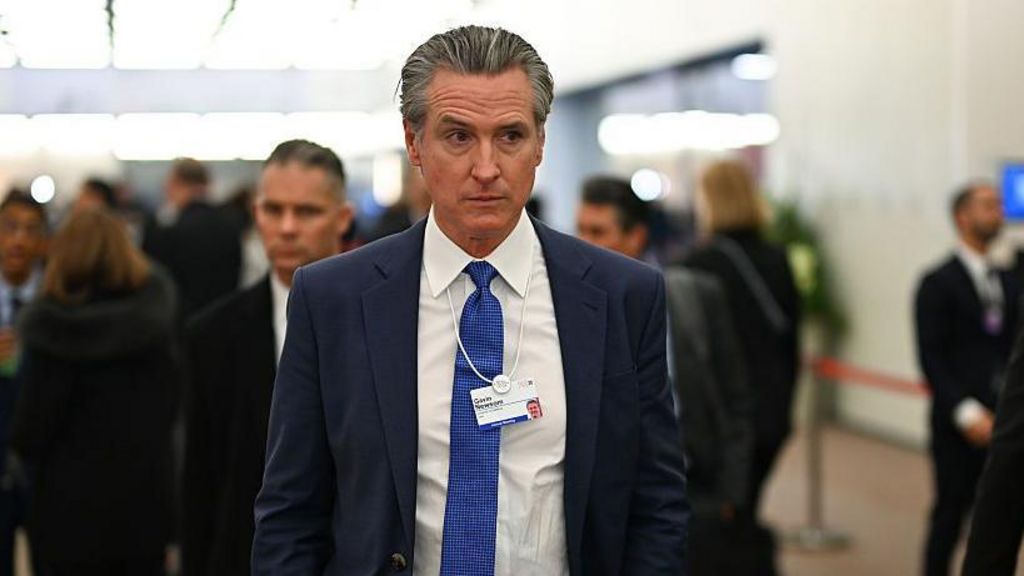
    California Governor Gavin Newsom has accused the Trump administration of preventing him from speaking at the official US pavilion during the World Economic Forum in Davos, Switzerland. The incident has sparked a political confrontation between the Democratic governor and the White House.

    According to Newsom’s office, USA House—the designated US venue at the global summit—denied him entry to speak at an event organized by media partner Fortune, despite a prior invitation. Newsom took to social media to express his frustration, stating, ‘California was just denied at the USA House. Last we checked, California is part of USA.’

    The White House responded sharply through spokeswoman Anna Kelly, who dismissed Newsom’s presence at the forum as unnecessary and criticized his governance in California. ‘No one in Davos knows who third-rate governor Newscum is or why he is frolicking around Switzerland instead of fixing the many problems he created in California,’ Kelly stated in an official communication.

    Newsom’s team claims the cancellation occurred under direct pressure from the White House and State Department. Shortly before the scheduled event, a USA House representative informed Fortune that their programming was being canceled and that Newsom would not be permitted to speak at the pavilion. The governor’s office was offered an alternative speaking slot at a nightcap reception, which they declined.

    The conflict unfolded amid appearances by several Trump administration officials at the same venue. Treasury Secretary Scott Bessent openly mocked Newsom during his address, suggesting the governor should prioritize state issues like homelessness and wildfires over international forums.

    Later that day, Newsom was present during President Trump’s wide-ranging speech, which included remarks aimed directly at the California governor. Trump referred to Newsom as a ‘good guy’ and suggested that Democratic governors should collaborate with him. Cameras captured Newsom smiling at moments during Trump’s address, though he later described the speech as ‘boorish’ and ‘inconsequential.’

    The incident highlights ongoing tensions between the Trump administration and prominent Democratic figures, with Newsom positioned as a vocal critic and potential presidential candidate for 2028.

  • ‘We are on the menu’: Why Carney upended US-led world order at Davos

    ‘We are on the menu’: Why Carney upended US-led world order at Davos

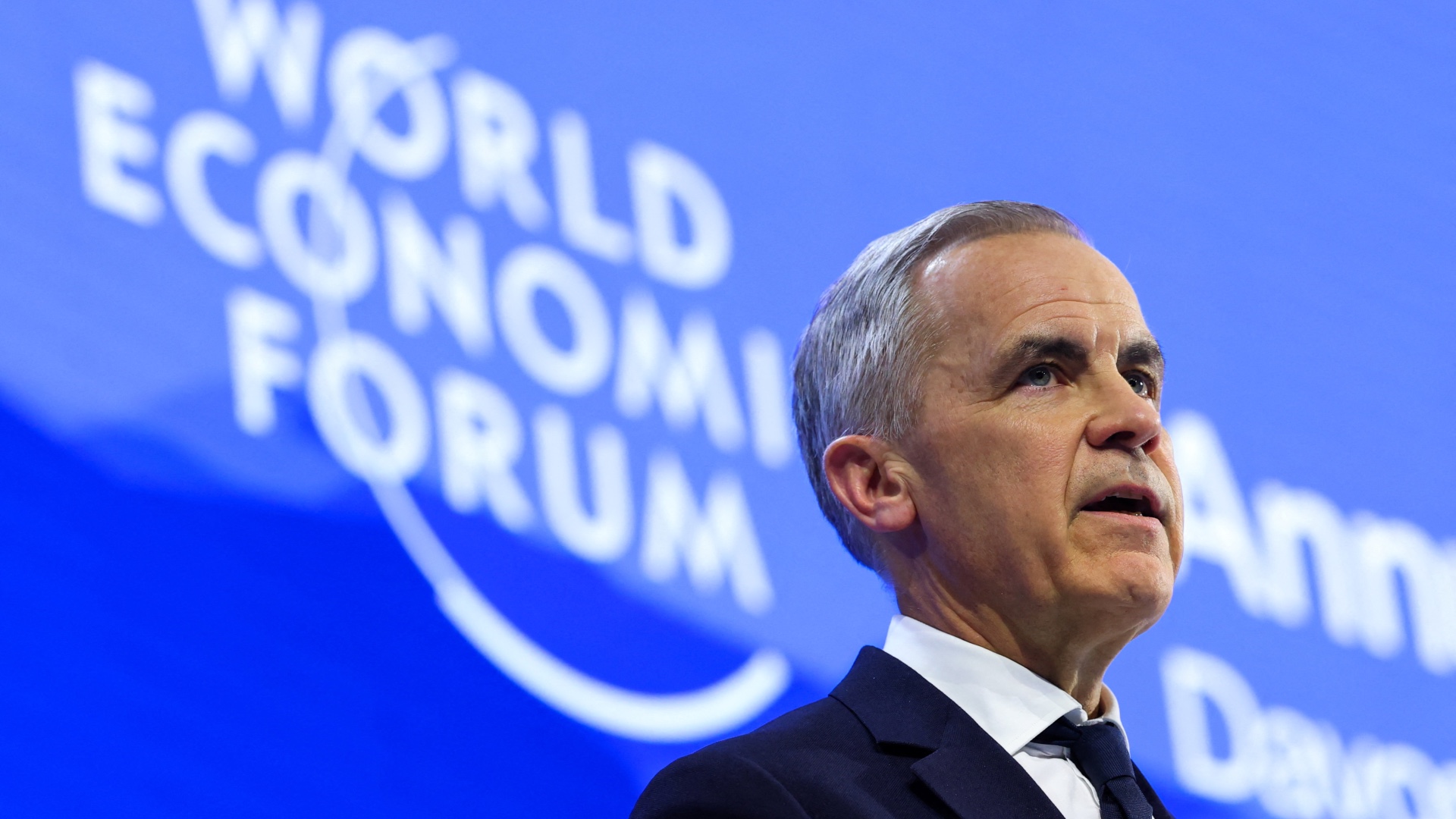
    In a groundbreaking address at the World Economic Forum in Davos, Canadian Prime Minister Mark Carney delivered what analysts are calling the most consequential speech by a Canadian leader in generations. The former central banker, who entered politics just months ago, delivered a stunning indictment of the Western-led liberal international order, declaring it no longer functional in an era dominated by Trump-era unilateralism.

    Carney articulated that Canada and similar ‘middle powers’ must forge an independent path forward, acknowledging that the rules-based system had always contained fundamental flaws. ‘For decades, we knew the story was partially false,’ Carney told assembled global leaders. ‘The strongest would exempt themselves when convenient, trade rules were enforced asymmetrically, and international law applied with varied rigour. We participated in the rituals while avoiding calling out the gaps between rhetoric and reality. This bargain no longer works.’

    The speech came amid escalating tensions with the United States, where President Trump has imposed 35% tariffs on Canadian imports outside the USMCA framework and repeatedly threatened to make Canada ‘the 51st state.’ Trump directly targeted Carney in his own Davos remarks, stating Canada ‘gets a lot of freebies from us’ and should be ‘grateful’ for American protection.

    Carney, drawing on his financial expertise, warned that multiple crises over two decades have exposed the dangers of ‘extreme global integration’ where economic tools become weapons. ‘When integration becomes the source of your subordination, and rules no longer protect you, you must protect yourself,’ he declared, characterizing the current moment as ‘a rupture, not a transition.’

    The Canadian leader’s comments followed strategic visits to China and Qatar, resulting in tangible agreements on trade and investment that signal Ottawa’s diversification efforts. However, analysts questioned the viability of Carney’s middle-power coalition concept, noting the divergent interests of potential partners from Brasilia to Tokyo.

    The speech resonated strongly with both international observers and Canadian citizens, who applauded their prime minister’s bold stance while recognizing the delicate balancing act required with their powerful southern neighbor amid deteriorating bilateral relations.

  • Trump apparently confirms secret US sonic weapon use in Venezuela

    Trump apparently confirms secret US sonic weapon use in Venezuela

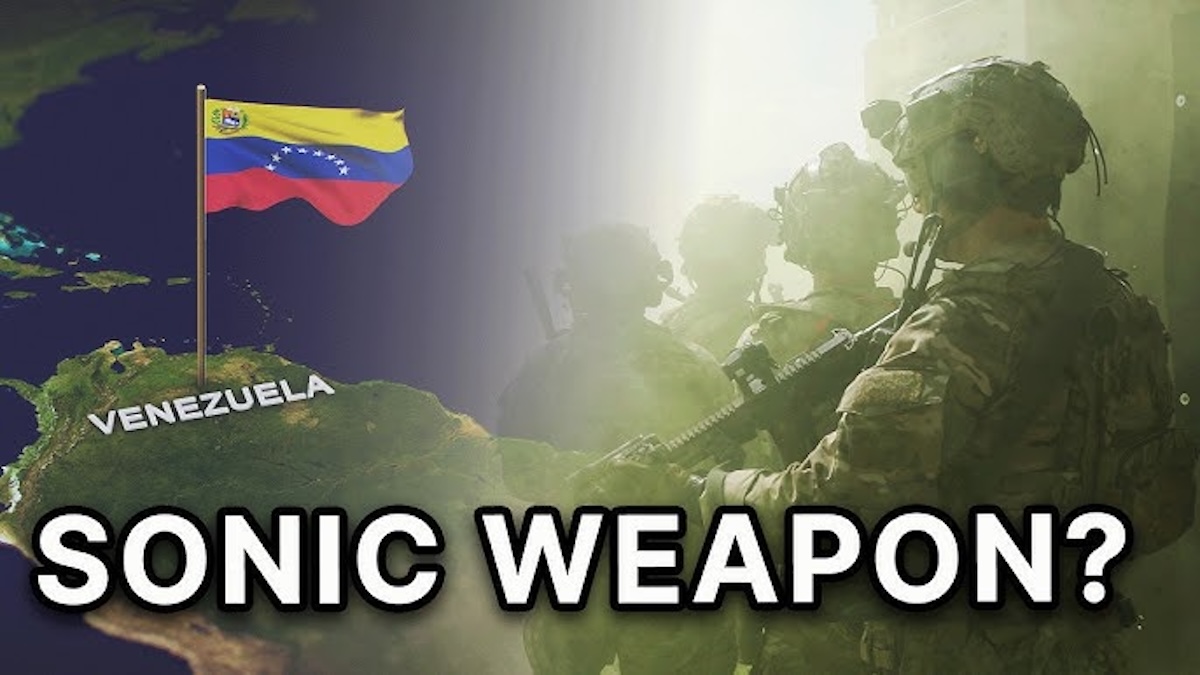
    Former President Donald Trump has seemingly verified the deployment of an advanced sonic weapon during a military operation in Caracas, Venezuela, on January 3rd. During a televised interview with NewsNation’s Katie Pavlich that aired Tuesday night, Trump indirectly confirmed the use of this clandestine technology against Venezuelan and Cuban soldiers, an operation that resulted in numerous casualties including civilians.

    When questioned about the existence and potential concerns surrounding such weaponry, Trump responded: ‘No one else has it. We have weapons that no one knows about. It’s probably better not to talk about it, but we have amazing weapons. It was an amazing attack.’

    This marks not the first instance of White House insinuations regarding the weapon’s deployment during the assault, which culminated in the capture of Venezuelan President Nicolás Maduro and his wife, Cilia Flores. On January 10th, White House press secretary Karoline Leavitt circulated an English translation of an alleged interview with a Maduro-loyal security guard, though its authenticity remains unverified. The guard described experiencing ‘a very intense sound wave’ that caused internal head pressure, nasal bleeding, vomiting of blood, and temporary paralysis among personnel.

    The development of sonic weapons, often categorized as ‘directed energy weapons’ or colloquially termed ‘pain rays,’ has been an acknowledged part of US military research. These systems utilize sound waves or focused microwaves to induce discomfort or incapacitate targets. Military analysis outlet The War Zone, through reporter Joseph Trevithick, noted that while no concrete evidence substantiates the weapon’s use in ‘Operation Absolute Resolve,’ the elite Delta Force unit leading the assault would be the most probable operator of such exotic non-lethal technology.

    The revelation raises significant questions about the evolving nature of modern warfare and the ethical implications of deploying such advanced weaponry in international conflicts.

  • Trump drops tariffs threat over Greenland after Nato talks

    Trump drops tariffs threat over Greenland after Nato talks

    In a significant diplomatic shift, former President Donald Trump has withdrawn his threat to impose sweeping tariffs on European NATO members following what he described as a “very productive meeting” with NATO Secretary General Mark Rutte at the World Economic Forum in Davos. The tariffs, which were initially slated to begin February 1st, were intended as leverage to force negotiations for the United States to acquire Greenland.

    The abrupt reversal came after Trump’s high-profile speech at Davos, where he insisted Greenland was vital for U.S. national security but pledged not to use military force to obtain it. Instead, he announced a new framework for negotiations focused on securing American strategic interests in the Arctic territory, which is currently an autonomous Danish territory.

    According to Trump’s statements on Truth Social and in subsequent media interviews, the proposed arrangement would grant the U.S. permanent control over specific land parcels in Greenland for military installations and resource extraction. Trump emphasized the deal would last “forever” and specifically address mineral rights and the planned ‘Golden Dome’ missile defense system—a comprehensive shield against long-range missiles.

    Danish Foreign Minister Lars Løkke Rasmussen expressed cautious optimism, stating the day had “ended on a better note than it began” and indicating willingness to discuss American security concerns while respecting Denmark’s sovereignty. NATO spokeswoman Allison Hart confirmed the alliance’s commitment to ensuring Russia and China gain no economic or military foothold in Greenland through forthcoming trilateral negotiations between the U.S., Denmark, and Greenland’s autonomous government.

    The development follows Trump’s confrontational rhetoric at Davos, where he criticized French President Emmanuel Macron for what he called decades of France “screwing” the U.S. and admonished Canadian officials for their perceived ingratitude toward American protection. The resolution suggests a pragmatic compromise emerged behind the scenes, moving from Trump’s initial demand for outright purchase to a negotiated agreement on strategic access, though many details about the potential deal’s structure remain undisclosed.

  • Trump at Davos: Won’t use force to take Greenland, must still have ownership of it

    Trump at Davos: Won’t use force to take Greenland, must still have ownership of it

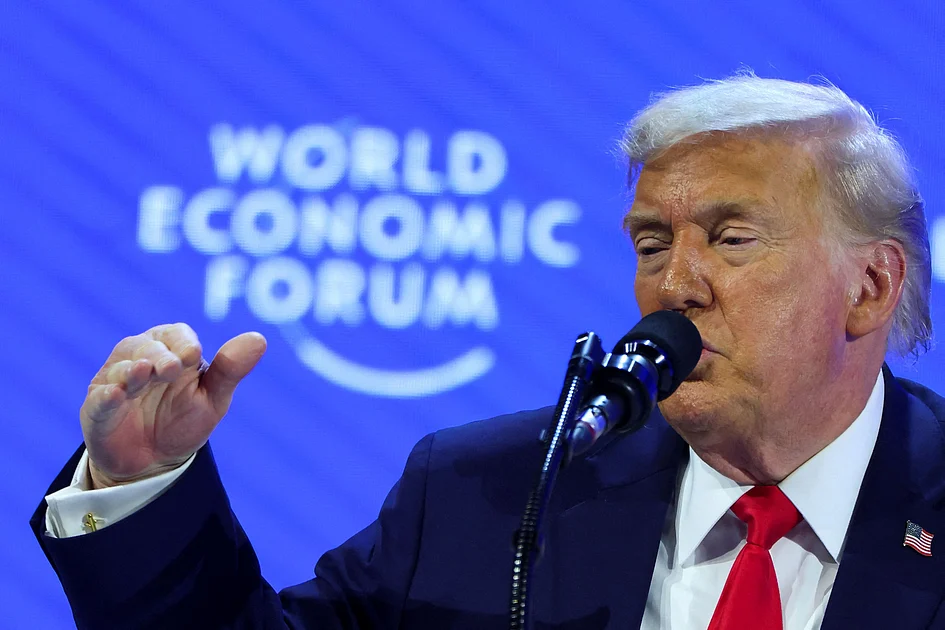
    In a remarkable address at the World Economic Forum in Davos, former U.S. President Donald Trump made headlines by explicitly ruling out military action to acquire Greenland while simultaneously asserting American ownership rights over the autonomous Danish territory. The controversial statements came during his high-profile appearance before global leaders on January 21, 2026.

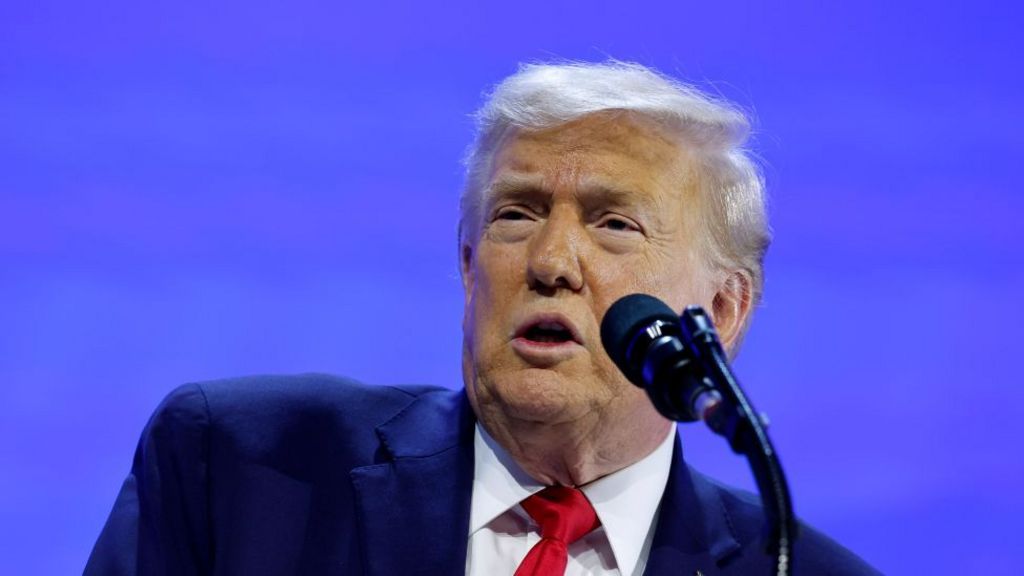
    Trump’s declaration marked a significant diplomatic moment as he addressed longstanding speculation about his administration’s territorial ambitions. “We probably won’t obtain anything unless I opt to employ excessive strength and force, where we would be, frankly, unstoppable,” Trump stated before adding, “but I will refrain from doing so.”

    The former president characterized his position as a major concession, suggesting that many had anticipated more aggressive actions. “That’s likely the most substantial statement I’ve made today, because many assumed I would resort to force,” he told the assembled international delegates. Trump repeatedly emphasized his opposition to military intervention, stating unequivocally: “I don’t have to use force. I don’t want to use force. I won’t use force.”

    Despite disavowing military action, Trump maintained that the United States must ultimately secure ownership of the strategically valuable Arctic territory. This position continues a pattern of interest Trump demonstrated during his presidency, when he publicly floated the idea of purchasing Greenland from Denmark in 2019, an offer that was promptly rejected by the Danish government and widely criticized internationally.

    The latest remarks come amid renewed geopolitical competition in the Arctic region, where melting ice caps are opening new shipping routes and access to valuable natural resources. Greenland’s significance has grown substantially due to its strategic location and mineral wealth, making it a focal point for global powers including China, Russia, and the United States.

  • US seizes second Chinese-owned, Venezuela-linked oil tanker

    US seizes second Chinese-owned, Venezuela-linked oil tanker

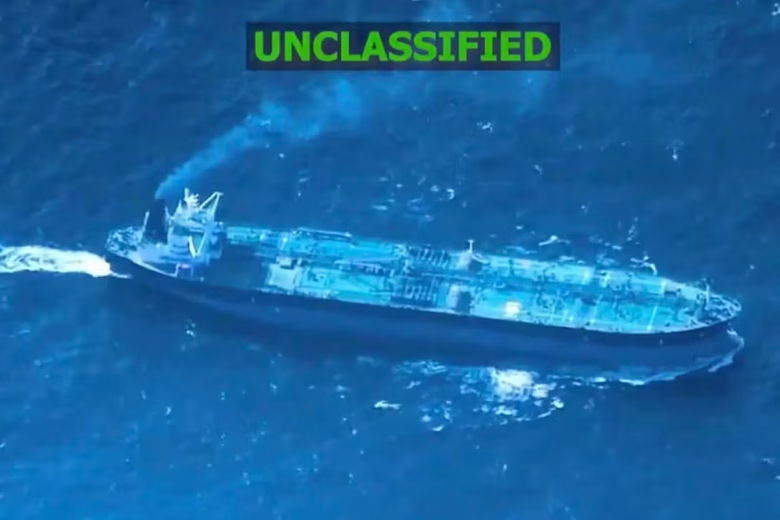
    In a continued escalation of its military campaign targeting Venezuela’s petroleum resources, United States forces have intercepted and seized a seventh oil tanker in the Caribbean Sea. The operation against the Liberian-flagged MV Sagitta occurred Tuesday morning without incident, according to US Southern Command (SOUTHCOM).

    This seizure represents the latest development in President Donald Trump’s quarantine initiative against sanctioned vessels transporting Venezuelan oil. The Sagitta, owned and managed by a Chinese company, becomes at least the second Chinese-operated tanker apprehended since the US administration announced its blockade policy last month.

    SOUTHCOM officials defended the action, stating: “The apprehension of another tanker operating in defiance of President Trump’s established quarantine demonstrates our resolve to ensure that the only oil leaving Venezuela will be oil that is coordinated properly and lawfully.”

    The US Department of Justice has previously indicted Venezuelan President Nicolás Maduro on multiple charges including conspiracy to commit narco-terrorism, conspiracy to import cocaine into the United States, and weapons-related violations. Maduro has pleaded not guilty to all charges and declared himself a “prisoner of war.”

    International response to these actions has grown increasingly critical, with regional and world leaders condemning the seizures as acts of piracy. Legal experts contend that the blockade, sanctions, and military operations—which have reportedly resulted in over 120 casualties—violate international law. These operations have included strikes on vessels allegedly transporting drugs, bombing campaigns, invasion attempts, and the attempted kidnapping of President Maduro and his wife, Cilia Flores.

  • Pakistan accepts invitation to join Trump’s Board of Peace in support of Gaza peace plan

    Pakistan accepts invitation to join Trump’s Board of Peace in support of Gaza peace plan

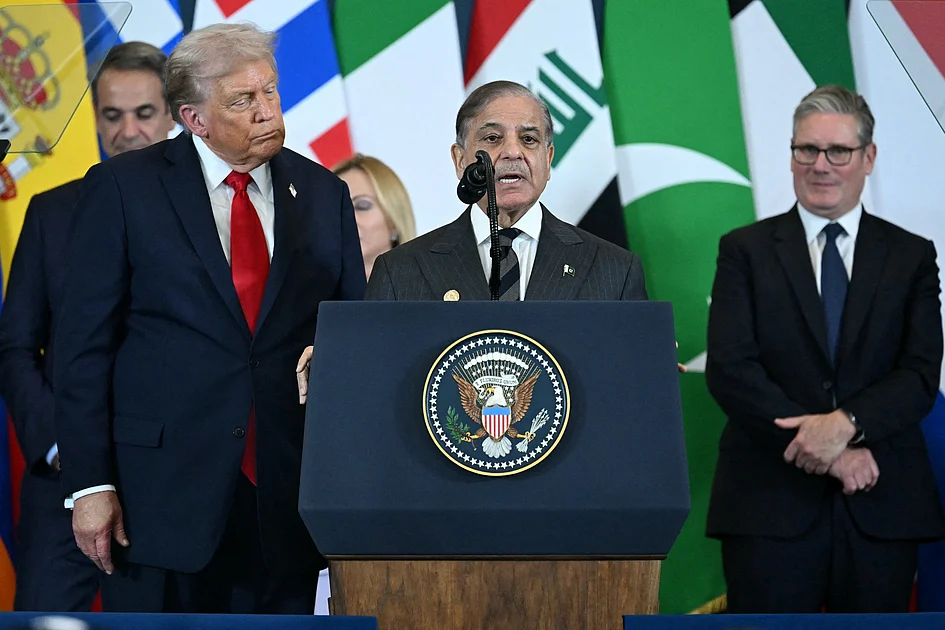
    Pakistan has formally accepted an invitation from former US President Donald Trump to participate in a newly proposed international peace initiative focused on resolving the Gaza conflict. The country’s foreign ministry confirmed its participation in the so-called “Board of Peace” on Wednesday, joining several Arab nations in supporting this diplomatic effort.

    Deputy Prime Minister and Foreign Minister Ishaq Dar announced the decision through an official statement on social media platform X, emphasizing Pakistan’s commitment to the Gaza Peace Plan framework established under UN Security Council Resolution 2803. The South Asian nation’s endorsement specifically backs key elements including a permanent ceasefire arrangement, comprehensive humanitarian assistance delivery, reconstruction efforts for the devastated Gaza Strip, and establishing a clear timeline for Palestinian statehood with East Jerusalem as its designated capital.

    The diplomatic coalition continues to expand with the United Arab Emirates, Bahrain, Morocco, and Egypt all confirming their participation in the US-proposed peace body. This collective engagement represents a significant multilateral approach to addressing one of the world’s most intractable conflicts, with both regional powers and international players converging on a structured peace process.

    The development marks a notable moment in Middle Eastern diplomacy, particularly given Pakistan’s historical stance on Palestinian self-determination and its strategic relationships throughout the Muslim world. The involvement of multiple Arab states alongside Pakistan suggests a broadening consensus around the proposed framework, though details regarding the board’s operational mechanisms, meeting schedule, and specific mandate remain undisclosed.