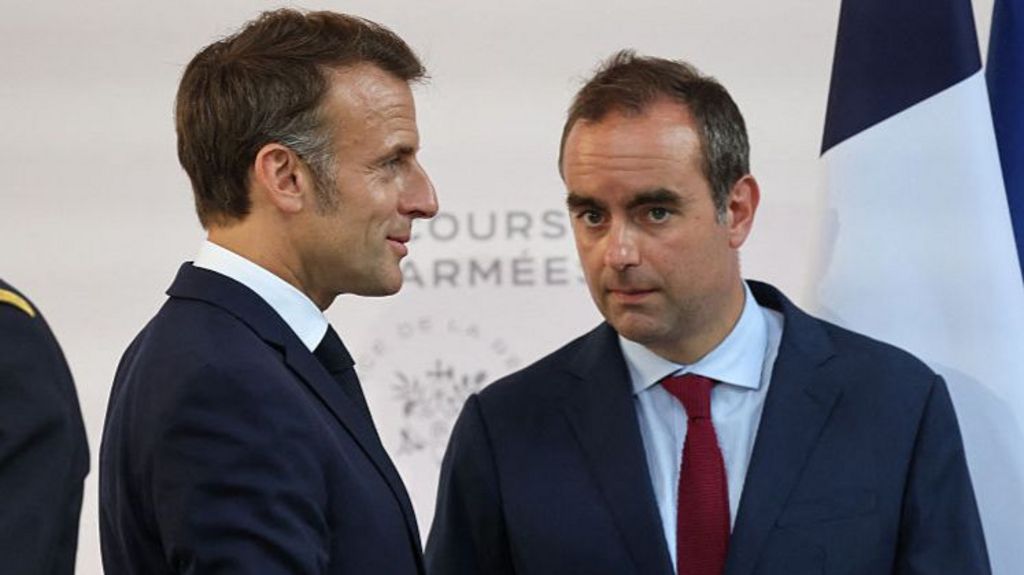
In a surprising turn of events, French President Emmanuel Macron has reappointed Sébastien Lecornu as Prime Minister just four days after his dramatic resignation. This decision has injected fresh uncertainty into France’s political landscape, which has been reeling from a week of intense drama and instability. Macron’s announcement came late on Friday, following a high-stakes meeting with key political leaders at the Élysée Palace, excluding representatives from the far-right and far-left factions. Lecornu’s return is particularly unexpected, given his recent statement that he was not ‘chasing the job’ and that his ‘mission is over.’ Despite the uncertainty surrounding his ability to form a government, Lecornu faces an immediate challenge: presenting next year’s budget to parliament by the looming deadline of next Monday. The Élysée Palace confirmed that Macron has tasked Lecornu with forming a government, granting him ‘carte blanche’ to act decisively. In a lengthy statement on X, Lecornu accepted the role ‘out of duty,’ pledging to prioritize the passage of the budget and address the pressing concerns of French citizens.
分类: politics
-
Trump administration begins mass firings as US shutdown continues
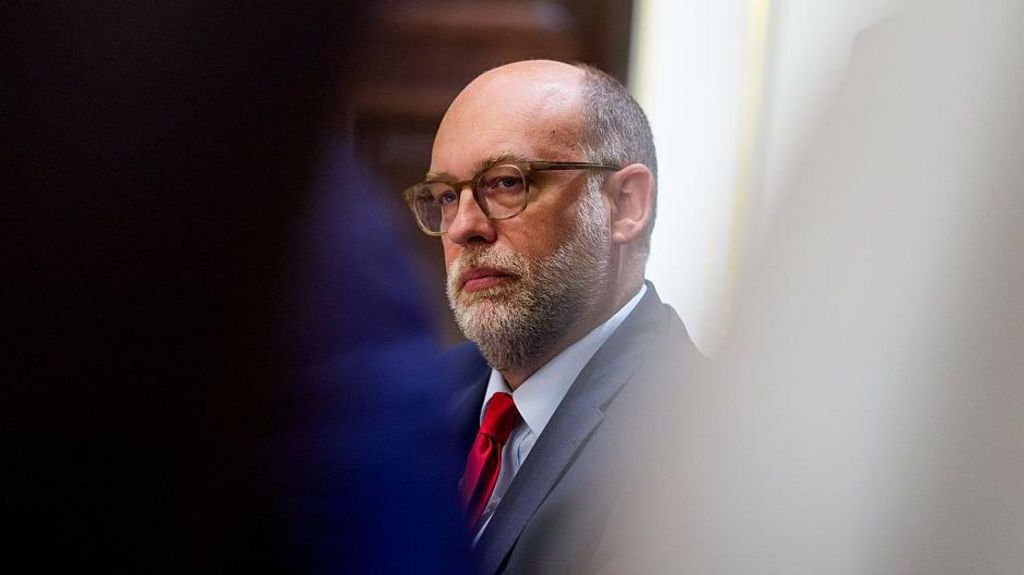
The Trump administration has commenced the process of laying off federal employees as the impasse over the government shutdown persists. Russell Vought, the Director of the Office of Management and Budget (OMB), announced the commencement of these layoffs, referred to as ‘reduction in force’ (RIF), via a post on X. RIF is a legal mechanism that allows the administration to terminate federal workers, a move that had been previously threatened if Democrats pushed for a government shutdown. An OMB spokesperson confirmed that the layoffs have indeed started and described them as ‘substantial,’ although specific figures regarding the number of affected employees were not disclosed. This development underscores the escalating tensions between the Trump administration and congressional Democrats, with federal workers caught in the crossfire of the political standoff.
-
Qatar to build air force facility in Idaho, US says
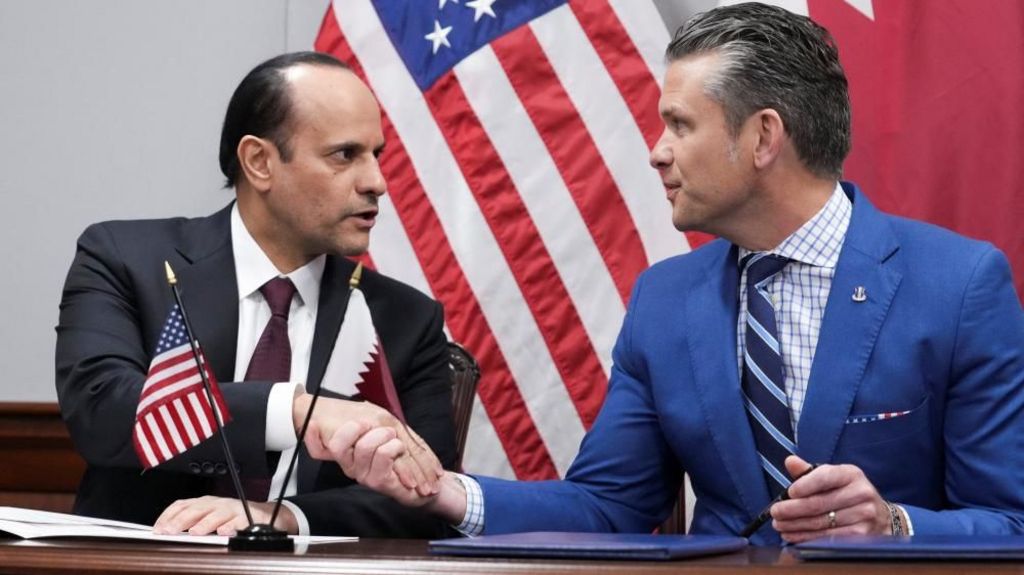
The United States and Qatar have solidified their military partnership with the establishment of a new Qatari Emiri Air Force facility at the Mountain Home Airbase in Idaho. US Defense Secretary Pete Hegseth announced the agreement during a meeting with his Qatari counterpart, Saoud bin Abdulrahman al-Thani, at the Pentagon on Friday. The facility will serve as a training ground for Qatari pilots to operate F-15 fighter jets, enhancing combined training, lethality, and interoperability between the two nations. Hegseth emphasized the strength of the partnership, stating, ‘You can count on us.’ The announcement follows President Donald Trump’s executive order last month, which pledged to use all measures, including military force, to defend Qatar. This order underscores an extraordinary security pact between the US and its key Arab ally, akin to aspects of a NATO alliance. The move comes in the wake of recent tensions, including Israeli air strikes in Doha and Iran’s attack on the al-Udeid Air Base, the US’s largest military facility in the Middle East, located in Qatar. Qatar has also played a pivotal role in mediating ceasefire efforts in Gaza, further cementing its strategic importance in the region.
-
White House slams Nobel Committee for not awarding Peace Prize to Trump
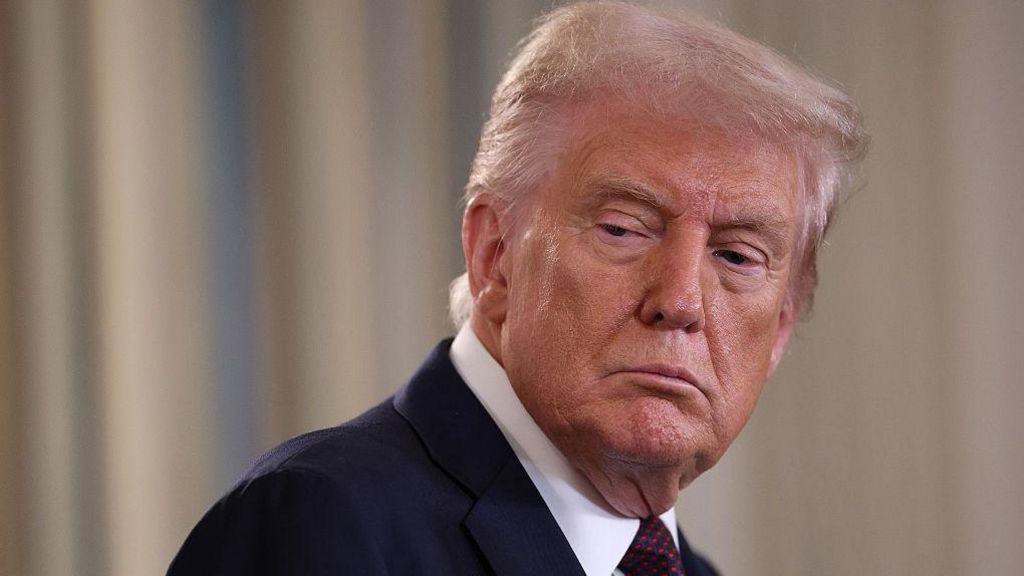
The White House has sharply criticized the Nobel Committee for its decision to award the 2025 Nobel Peace Prize to Venezuelan pro-democracy activist María Coria Machado, accusing the committee of prioritizing politics over peace. The announcement, made on Friday, recognized Machado for her relentless efforts in advancing democratic rights in Venezuela. President Donald Trump, who has openly expressed his desire for the prestigious award, was notably overlooked despite his claims of resolving global conflicts and brokering a recent ceasefire in Gaza. White House communications director Steven Cheung condemned the decision, stating, ‘The Nobel Committee proved they place politics over peace.’ Cheung further praised Trump’s humanitarian efforts, calling him ‘the peace president’ and emphasizing his role in ending wars and saving lives. Trump’s supporters, including Israeli Prime Minister Benjamin Netanyahu and Russian President Vladimir Putin, have previously advocated for his nomination. Putin, however, remarked that the award had ‘lost credibility,’ a statement Trump shared on his Truth Social platform. Machado, in her acceptance message, acknowledged Trump’s support for her cause. Despite Trump’s diplomatic achievements, including the Gaza ceasefire, his eligibility for the prize was hindered by the nomination deadline of January 31, just days after he assumed office. The Nobel Committee’s criteria emphasize contributions to arms control, peace negotiations, democracy, and human rights—areas where Trump’s policies, such as mass deportations and the use of National Guard troops domestically, have drawn criticism. Only four U.S. presidents have received the Nobel Peace Prize, with Barack Obama being the sole recipient while in office.
-
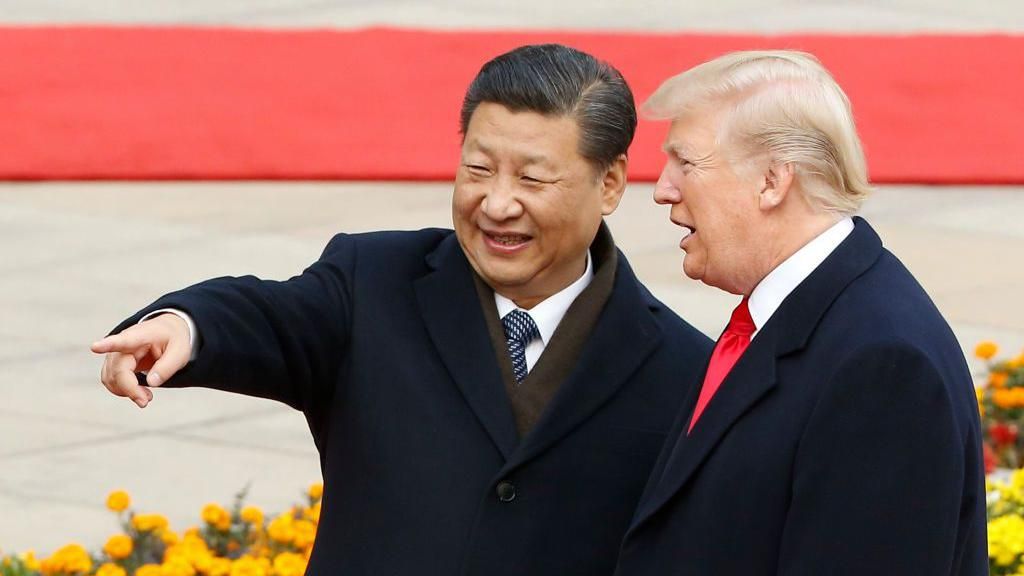
Trump threatens to pull out of planned Xi meeting
In a dramatic escalation of tensions between the United States and China, President Donald Trump has threatened to withdraw from an anticipated meeting with Chinese President Xi Jinping. The move comes in response to Beijing’s recent tightening of export controls on rare earths, a critical component in various high-tech industries. Trump took to social media to express his discontent, stating he saw ‘no reason’ to proceed with the meeting and accusing China of adopting a ‘very hostile’ stance, aiming to ‘hold the world captive.’
Adding fuel to the fire, Trump warned of a ‘massive’ increase in tariffs on Chinese goods, reigniting fears of a renewed trade war between the two economic superpowers. The announcement sent shockwaves through financial markets, with the S&P 500 dropping approximately 1.4% in late morning trading in New York.
China’s recent actions extend beyond rare earths. Beijing has launched a monopoly investigation into U.S. tech giant Qualcomm, potentially disrupting its acquisition of another chipmaker. Despite being headquartered in the U.S., Qualcomm relies heavily on its Chinese operations. Additionally, China has announced new port fees targeting ships linked to the U.S., including those owned or operated by American firms.
Trump’s frustration was evident in a social media post on Friday, where he remarked, ‘Some very strange things are happening in China! They are becoming very hostile.’ The U.S. and China have maintained a fragile trade détente since May, when both sides agreed to roll back triple-digit tariffs that had nearly halted bilateral trade. Since then, officials have engaged in discussions on various issues, including TikTok, agricultural purchases, and the trade of advanced technology and rare earths.
Jonathan Czin, a China expert at the Brookings Institution, suggested that Xi’s recent moves are strategic efforts to influence upcoming negotiations with the U.S. He noted that the rare earths directive does not take immediate effect, indicating a calculated approach. ‘He’s looking for ways to seize the initiative,’ Czin said. ‘The Trump administration is having to play a game of whack-a-mole and deal with these issues as they come up.’
Czin also expressed skepticism that China is concerned about U.S. retaliation, citing Beijing’s belief in its higher pain threshold during previous tariff escalations. ‘From their perspective, the Trump administration blinked,’ he added.
-
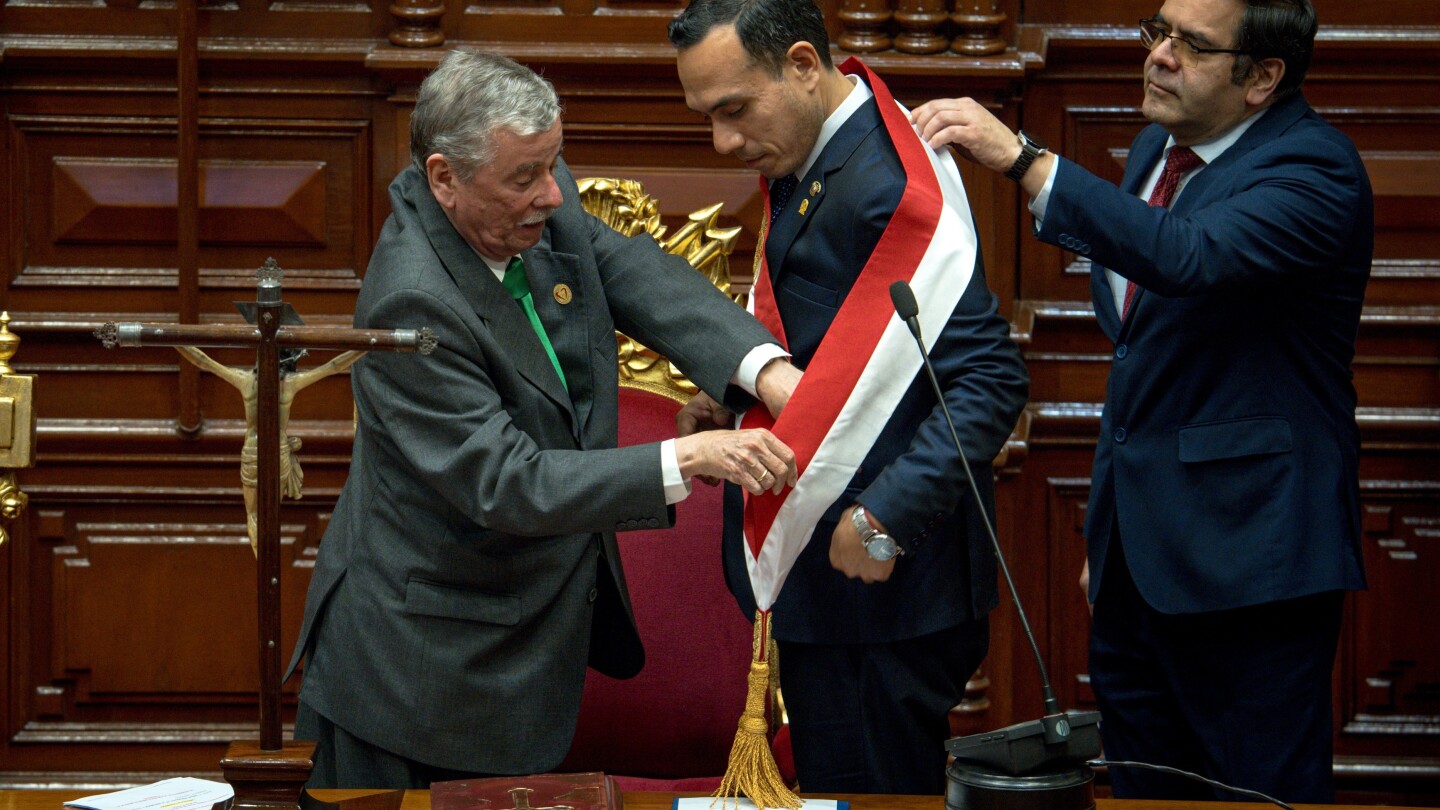
Peru wakes up to 7th president in less than a decade after President Boluarte ousted by Congress
Peru has witnessed yet another dramatic political shift as 38-year-old José Jerí assumed the presidency on Friday, marking the nation’s seventh leader in less than a decade. This transition followed the overnight impeachment of President Dina Boluarte, who was removed by Congress over her administration’s failure to address rampant crime and corruption. Jerí, a young lawyer with limited political experience, was sworn in early Friday after lawmakers voted overwhelmingly to oust Boluarte, citing her inability to tackle the country’s escalating security crisis. In his inaugural address, Jerí pledged to prioritize national reconciliation, combat crime, and ensure neutrality in the upcoming April 2026 elections. Boluarte’s removal came after a heated congressional session where 124 lawmakers voted unanimously to impeach her, the ninth such attempt during her tumultuous presidency. Her tenure, which began in December 2022 after the impeachment of her predecessor Pedro Castillo, was marred by widespread protests, scandals, and accusations of corruption. Boluarte, Peru’s first female president, defended her record in a televised speech, but the broadcast was abruptly cut to air Jerí’s swearing-in ceremony. Meanwhile, the Attorney General’s Office has requested a travel ban on Boluarte as it investigates allegations of money laundering and corruption. Jerí’s rise to power, though unexpected, reflects Peru’s ongoing political instability, with the nation now looking toward the next elections for a more permanent resolution.
-
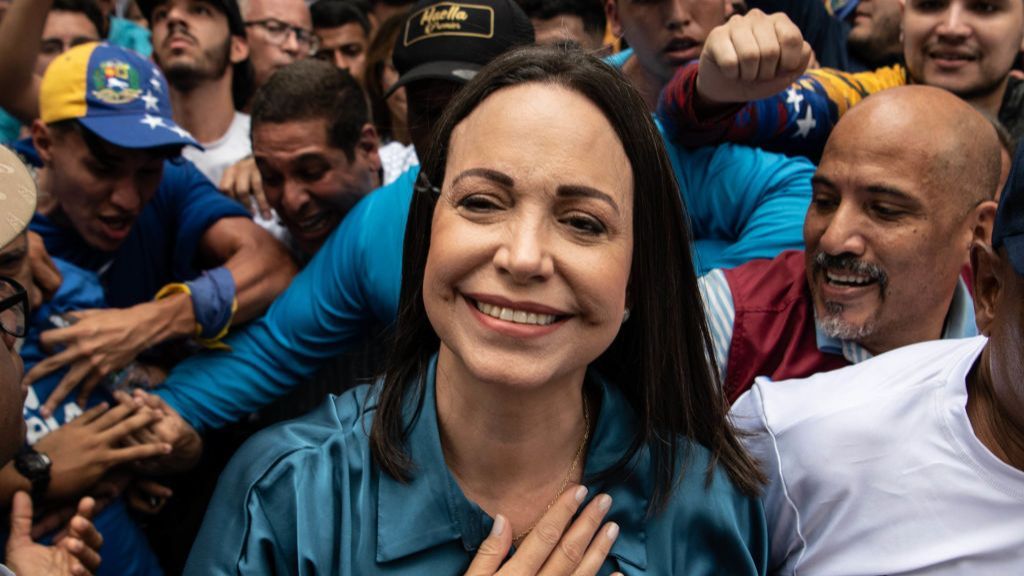
As Nobel Prize goes to Venezuela’s opposition leader, how far would Trump go to help her?
The recent Nobel Prize awarded to Maria Corina Machado, a prominent opposition figure in Venezuela, has been met with widespread acclaim by her supporters. This recognition is seen as a pivotal moment that could reignite international focus on the ongoing political and humanitarian crisis in the country. Machado, in her response, appealed directly to former U.S. President Donald Trump, urging his support to help Venezuela achieve ‘freedom and democracy.’ She emphasized the need for collaboration with the U.S., Latin American nations, and other democratic countries worldwide.
Venezuela’s current situation is dire. Millions live in poverty, with unreliable access to basic services like electricity and a healthcare system crippled by severe medicine shortages. The mass exodus of citizens, many fleeing to the U.S. and neighboring countries, underscores the gravity of the crisis. The 2023 elections were widely criticized as neither free nor fair, leading to violent crackdowns on protests and the detention of numerous political prisoners.
In recent months, the U.S. has intensified its pressure on Venezuela, conducting military strikes on boats in international waters off the Venezuelan coast, allegedly targeting drug traffickers. However, these actions have raised legal and ethical concerns, with some experts arguing they violate international law. The U.S. has also increased its military presence in the region, with thousands of troops stationed nearby and plans for potential operations.
Machado, who is in hiding, and Edmundo González, the U.S.-recognized president-elect living in exile, face significant threats from the Venezuelan government, which has accused them of treason. Despite calls for the military to abandon President Nicolás Maduro, key militia groups remain loyal to him. The opposition’s hopes now rest on the extent to which international allies, particularly the U.S., are willing to intervene.
The situation remains precarious, with Venezuela’s allies, including China, Russia, Iran, and Cuba, potentially complicating any U.S. intervention. If the U.S. decides to escalate its actions, the conflict could rapidly intensify, with far-reaching consequences for the region and beyond.
-
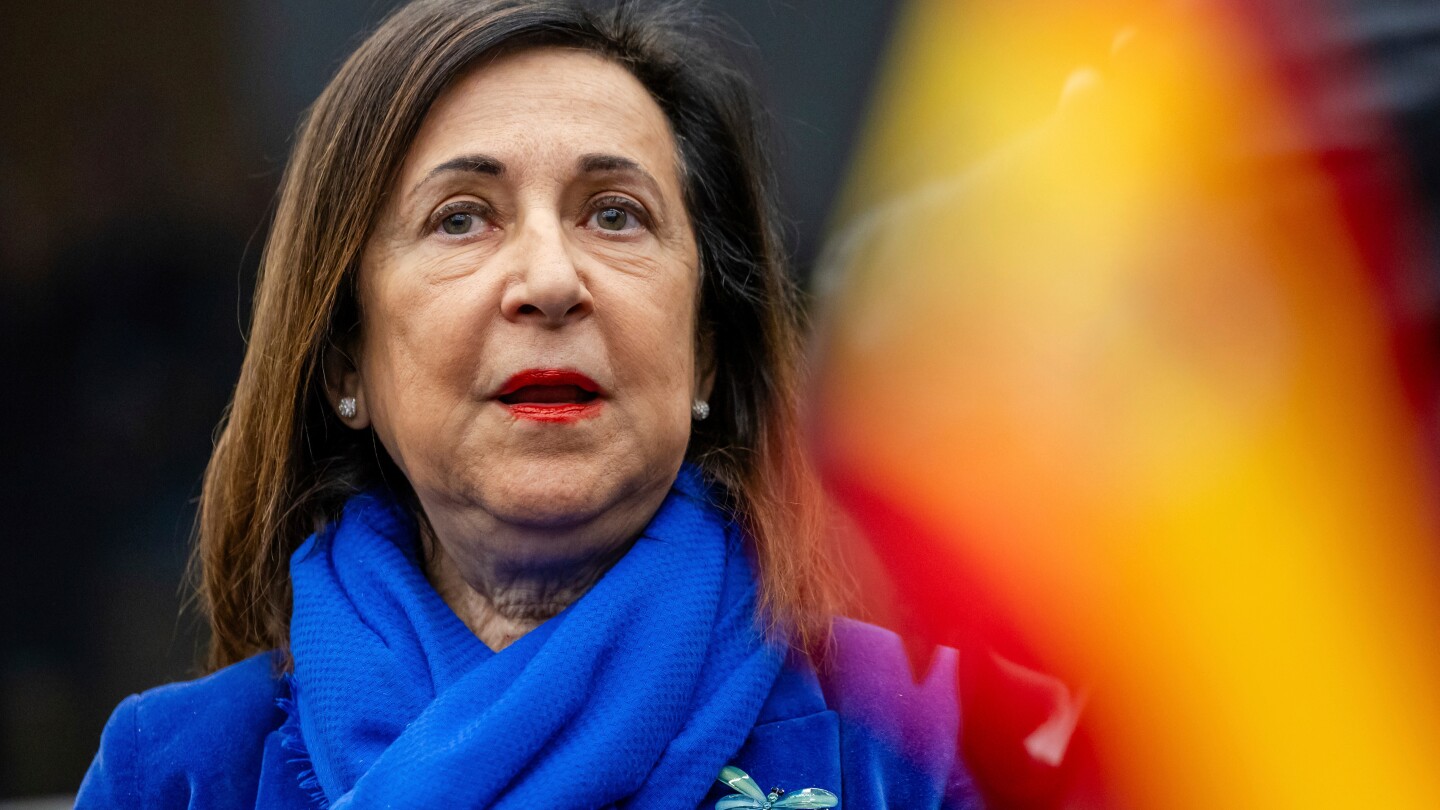
Trump blasts Spain for being NATO’s spending ‘laggard.’ Madrid replies that it is a ‘loyal’ ally
Spain’s Defense Minister Margarita Robles has robustly defended her nation’s dedication to NATO following remarks by former U.S. President Donald Trump suggesting Spain’s expulsion from the alliance due to insufficient military expenditure. Trump’s comments, made during a meeting with Finnish President Alexander Stubb in the Oval Office, labeled Spain as a ‘laggard’ and urged NATO members to pressure the country to increase its defense budget. Trump even suggested that Spain might be ousted from the alliance, citing its failure to meet the agreed-upon spending target of 5% of GDP.
-
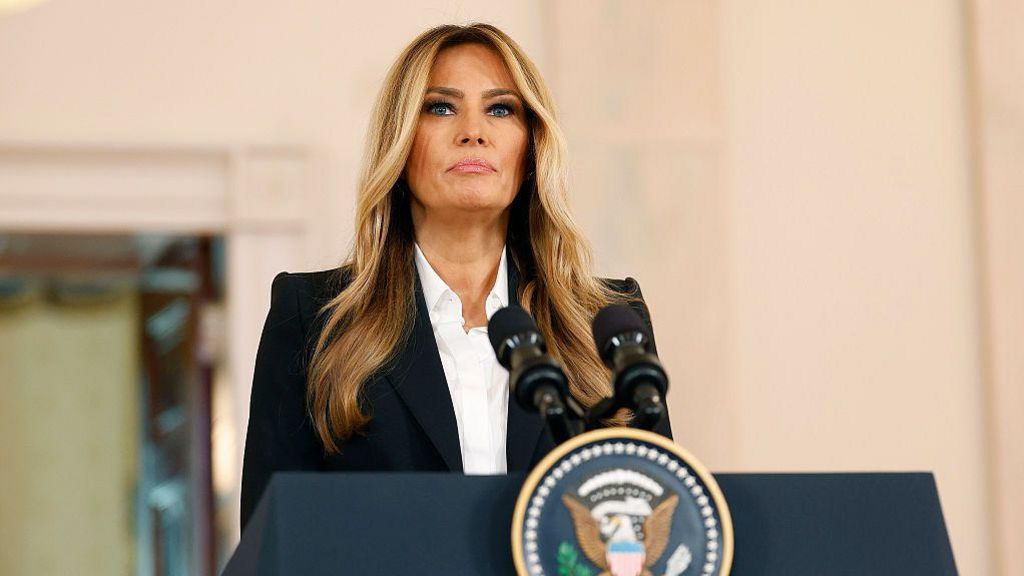
Melania Trump says Putin responded to her pleas about Ukrainian children
First Lady Melania Trump revealed on Friday that Russian President Vladimir Putin has responded to her letter concerning the plight of child victims in the ongoing Russia-Ukraine conflict. The letter, which was personally delivered to Putin during his visit to Alaska in August, urged the Russian leader to prioritize the protection of children affected by the war. Melania emphasized that safeguarding these children would not only benefit Russia but also serve humanity as a whole. President Donald Trump shared excerpts of the letter on social media, highlighting its humanitarian appeal. Following an ‘open channel of communication’ with Putin, the First Lady announced that several Ukrainian children displaced by the war have been successfully reunited with their families. This development marks a significant step in addressing the humanitarian crisis stemming from the conflict. Further updates on this story are expected shortly. For real-time updates, follow @BBCBreaking on X or download the BBC News App.
-
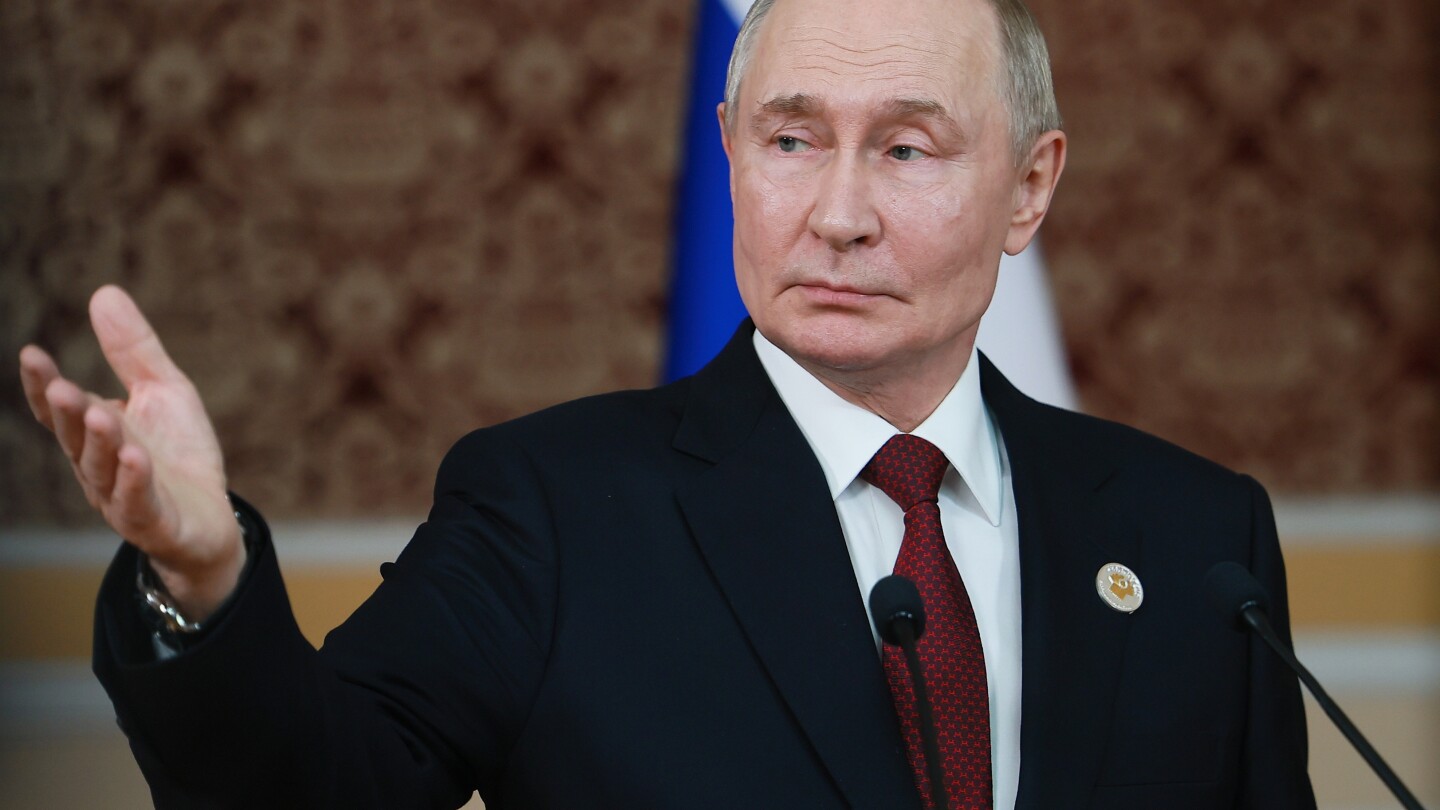
Putin praises Trump’s peace efforts despite failing to win the Nobel prize
Russian President Vladimir Putin publicly commended U.S. President Donald Trump’s peace initiatives during a summit in Dushanbe, Tajikistan, despite Trump’s failure to secure the Nobel Peace Prize. Putin highlighted Trump’s efforts to broker ceasefires in Gaza and Ukraine, describing them as significant steps toward resolving long-standing conflicts. He refrained from commenting on Venezuelan opposition leader María Corina Machado’s Nobel win but criticized the Nobel Committee for past awards to individuals he claimed contributed little to global peace. Trump expressed gratitude for Putin’s remarks on his Truth Social platform, sharing a video of the Russian leader’s comments. Putin also expressed optimism about extending the 2010 New START nuclear arms reduction treaty, which is set to expire in February. The treaty limits each country to 1,550 deployed nuclear warheads and 700 deployed missiles and bombers. Putin emphasized that while Russia is prepared to negotiate, the decision ultimately rests with the U.S. He warned that the treaty’s collapse would leave no arms control agreement between the world’s two largest nuclear powers. Belarusian President Alexander Lukashenko echoed Putin’s sentiments, calling the Nobel Committee’s decision not to award Trump the prize ‘sheer stupidity.’ Putin also revealed that he and Trump discussed potential solutions to the ongoing conflict in Ukraine during their August summit in Alaska, expressing hope for progress based on their discussions.