分类: politics

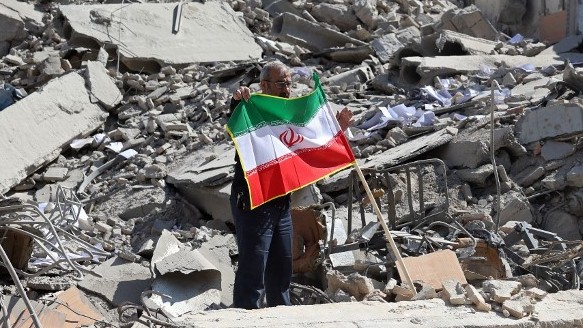
  • Trump touts ‘massive’ US forces heading toward Iran

    Trump touts ‘massive’ US forces heading toward Iran

    President Donald Trump revealed on Thursday that the United States has dispatched a substantial naval contingent toward Iranian territorial waters, characterizing the movement as a precautionary measure amid ongoing regional tensions. The announcement came during the president’s return flight from the World Economic Forum in Davos, Switzerland, where he had engaged in diplomatic discussions with European allies.

    Speaking to journalists aboard Air Force One, Trump emphasized the scale of the deployment while suggesting the military presence might not necessitate active engagement. “We have a lot of ships going that direction just in case. We have a big flotilla going in that direction. And we’ll see what happens,” the president stated, adding that “We have an armada. We have a massive fleet heading in that direction, and maybe we won’t have to use it.”

    The naval mobilization occurs against a backdrop of heightened geopolitical friction in the Persian Gulf region, where Iran has been experiencing significant domestic unrest. While the president did not specify the exact composition of the naval force or its precise destination, the announcement represents the latest development in the complex relationship between Washington and Tehran.

    Analysts suggest the deployment serves both strategic and psychological purposes, demonstrating military capability while leaving operational intentions deliberately ambiguous. The timing following the Davos economic summit indicates the administration continues to prioritize security concerns alongside economic diplomacy.

  • Turkey celebrates as Syrian government makes gains against Kurdish-led force

    Turkey celebrates as Syrian government makes gains against Kurdish-led force

    ANKARA, Turkey — Turkey is witnessing a significant geopolitical shift in neighboring Syria following the swift collapse of the Kurdish-led Syrian Democratic Forces (SDF) under a new offensive by Damascus. The development marks a strategic triumph for Ankara, which has long considered Kurdish militias as direct threats to national security.

    The SDF, once the primary U.S. ally in the fight against the Islamic State, lost substantial territory in northern Syria within just two weeks. Facing military pressure from interim President Ahmad al-Sharaa’s government, the group agreed to dissolve and integrate its fighters individually into the Syrian national military—a move that effectively ends its autonomous presence.

    Turkey’s support for al-Sharaa’s administration has been instrumental. Turkish intelligence provided operational guidance during the offensive, facilitating SDF withdrawals from key areas like Aleppo while coordinating with the U.S.-led international coalition to minimize civilian casualties. President Recep Tayyip Erdoğan publicly praised the Syrian government, emphasizing Turkey’s commitment to a unified Syria free of separatist entities along its border.

    Washington’s decision not to intervene on behalf of the SDF signalled a major policy shift, aligning U.S. interests with the consolidation of Syria’s central government. Analysts attribute this change partly to Erdoğan’s diplomatic rapport with U.S. leadership and a strategic pivot toward engaging state actors rather than non-state armed groups.

    The dissolution of the SDF also strengthens Turkey’s domestic peace process with the Kurdistan Workers’ Party (PKK), which began disarming earlier this year. With the SDF neutralized, a major obstacle to reconciliation is removed—though concerns remain regarding potential backlash among Turkey’s Kurdish population.

    Despite calls from some SDF representatives for Israeli intervention, regional dynamics remained stable following behind-the-scenes agreements between Syria and Israel, further isolating the Kurdish force and enabling its rapid integration into state structures.

  • Canadian PM rejects Trump’s claim of US dependence

    Canadian PM rejects Trump’s claim of US dependence

    In a robust diplomatic rejoinder, Canadian Prime Minister Mark Carney has publicly challenged recent remarks by former U.S. President Donald Trump suggesting Canadian existence depends entirely on the United States. The Prime Minister delivered his response during an address in Quebec City on Thursday, following Trump’s controversial statements at the World Economic Forum in Davos, Switzerland.

    Trump had asserted during the global economic gathering that “Canada lives because of the United States,” a characterization that prompted swift clarification from Canadian leadership. Prime Minister Carney, while acknowledging the special relationship between the neighboring nations, emphasized Canada’s autonomous sovereignty and distinct national identity.

    “Canada and the United States have cultivated an extraordinary partnership that spans economic cooperation, security collaboration, and vibrant cultural exchange,” Carney stated. “However, the premise that Canada exists solely because of the United States fundamentally misrepresents our relationship. Canada prospers not through dependency, but through the resilience, innovation, and distinct character of the Canadian people.”

    The exchange marks another chapter in the complex diplomatic dynamic between the two North American allies, particularly during periods when Trump’s unconventional foreign policy approach creates international tension. Carney’s response carefully balanced respect for the bilateral relationship with a firm assertion of Canadian national sovereignty, avoiding direct confrontation while clearly establishing Canada’s independent standing on the world stage.

    Political analysts suggest such public disagreements, while diplomatically sensitive, reflect Canada’s ongoing commitment to maintaining its distinct international identity while navigating its crucial relationship with its southern neighbor. The incident underscores the delicate balance Canadian leaders must strike in responding to provocative statements from U.S. political figures while preserving the fundamentally important cross-border partnership.

  • Vietnam’s ruling Communist Party re-elects To Lam as general secretary

    Vietnam’s ruling Communist Party re-elects To Lam as general secretary

    HANOI, Vietnam — In a significant political development concluding Vietnam’s pivotal National Party Congress, To Lam has secured re-election as General Secretary of the ruling Communist Party. The decision, reached Friday, solidifies his position at the helm of the nation’s political leadership without immediate clarification on whether he will concurrently assume the presidency.

    This political gathering, serving as the country’s most crucial conclave, unfolded against the backdrop of Vietnam’s paramount national objective: achieving high-income economic status by 2045. In pursuit of this transformative vision, the Congress established an aggressive economic benchmark, targeting average annual GDP growth exceeding 10% for the period spanning 2026 to 2030.

    The composition of Vietnam’s supreme decision-making body, the Politburo, also saw renewal with the election of 19 members. Should To Lam ultimately consolidate power by obtaining both the general secretary and presidential roles, he would command unprecedented authority not witnessed in decades, drawing parallels to the centralized leadership model observed with Chinese President Xi Jinping. This potential consolidation marks a critical juncture for Vietnam’s political trajectory and its ambitious socioeconomic aspirations.

  • US officially leaves World Health Organization

    US officially leaves World Health Organization

    The United States has formally executed its departure from the World Health Organization (WHO), severing ties with the UN health agency and ceasing all financial contributions. This decision, initiated by an executive order from President Donald Trump a year prior, culminates in the withdrawal of U.S. personnel, the termination of funding, and the suspension of hundreds of collaborative engagements.

    The Trump administration justified the exit by citing the WHO’s alleged mismanagement of the COVID-19 pandemic, a perceived resistance to reform, and undue political influence from member nations, specifically accusing the organization of a ‘China-centric’ bias. U.S. Health Secretary Robert F. Kennedy and Secretary of State Marco Rubio issued a joint statement asserting that the WHO ‘abandoned its core mission and acted repeatedly against the interests of the United States.’

    In response, WHO Director-General Tedros Adhanom Ghebreyesus characterized the withdrawal as a detrimental loss for both global public health and the United States itself. The organization highlighted its historic achievements, including combating polio and HIV/AIDS, reducing maternal mortality, and establishing the international tobacco control treaty.

    The financial impact is immediate and severe. The U.S., traditionally the WHO’s largest donor, has withheld its dues for 2024 and 2025, creating an estimated $260 million shortfall that has already triggered significant job losses within the agency. Although WHO legal counsel contends the U.S. is obligated to settle these arrears, Washington has declared it sees no reason to comply.

    This move isolates the U.S. from a key multilateral health effort, notably the new international pandemic treaty agreed upon by all other WHO member states in April. The treaty aims to ensure equitable distribution of vaccines and drugs and improve preparedness for future global health crises.

    Going forward, U.S. officials stated that engagement with the WHO will be strictly limited to managing the withdrawal process and safeguarding American health. The administration plans to pursue bilateral agreements for disease surveillance and pathogen sharing, though it could not specify any established partnerships. Critical global health initiatives, such as the fight against polio and the development of the annual flu vaccine, will now rely on partnerships with NGOs and faith-based groups, details of which remain undefined.

  • EU Commission indicates it’s ready to implement Mercosur trade deal despite parliament vote to delay

    EU Commission indicates it’s ready to implement Mercosur trade deal despite parliament vote to delay

    FRANKFURT, Germany — The European Union has declared its readiness to provisionally implement a comprehensive free trade agreement with South America’s Mercosur bloc, despite recent parliamentary obstacles. European Commission President Ursula von der Leyen announced Friday that the EU would move forward once at least one Mercosur nation completes ratification.

    Speaking at the conclusion of the Brussels summit where multiple national leaders addressed the matter, von der Leyen emphasized the collective interest in expediting the agreement’s benefits. “We maintain a clear interest in ensuring this agreement’s advantages take effect at the earliest opportunity,” she stated during a press briefing. “In essence, our preparedness matches theirs.”

    The Commission President clarified that no formal implementation decision has been finalized. Supporting this position, Antonio Costa, head of the EU Council, confirmed the executive commission’s jurisdictional authority to proceed with interim application.

    This development occurs despite the European Parliament’s narrow Wednesday vote to refer the trade pact to the European Court of Justice for legal examination, effectively stalling ratification until judicial review completion—a process potentially requiring months.

    The Mercosur-EU agreement represents a cornerstone of Brussels’ strategy to diversify trade partnerships beyond historical U.S. dependencies, particularly following strained relations during Donald Trump’s presidency. The accord, championed by South American agricultural producers and European industrial sectors, proposes the progressive elimination of over 90% tariffs on commodities ranging from Argentine beef to German automobiles.

    France, the EU’s primary agricultural producer, continues advocating for enhanced farmer protections and has sought to postpone the pact. Conversely, German Chancellor Friedrich Merz characterized the parliamentary delay as “regrettable” while urging provisional implementation.

    Ratification appears virtually assured within South America, where the agreement enjoys substantial support. The Mercosur bloc comprises Argentina, Brazil, Paraguay, and Uruguay, with Bolivia excluded from the current agreement but potential future inclusion possible. Venezuela remains suspended from the bloc and is not party to the agreement.

  • Who is To Lam, the ex-cop who wants to revamp Vietnam’s success story?

    Who is To Lam, the ex-cop who wants to revamp Vietnam’s success story?

    Vietnam’s Communist Party has formally elected To Lam as its General Secretary, securing his leadership for a five-year term following his initial appointment in August 2024 after the passing of long-serving leader Nguyen Phu Trong. The 68-year-old leader now faces the formidable task of steering Vietnam toward developed economy status while navigating complex geopolitical tensions and domestic challenges.

    Lam’s vision centers on breaking Vietnam free from the ‘middle income’ trap through sweeping administrative and economic reforms. During his April address commemorating the 50th anniversary of Liberation Day (marking the end of the Vietnam War), he invoked the spirit of Vietnam’s 1975 victory and the economic transformation achieved through the Đổi Mới reforms initiated in 1986. These reforms previously propelled Vietnam from one of the world’s poorest nations to its current status as a manufacturing powerhouse.

    The new leader’s ambitious agenda requires maintaining Vietnam’s impressive 6.5% average annual economic growth rate, which would potentially triple per capita income within two decades. However, significant obstacles loom: heavy reliance on foreign-owned industry, potential crippling tariffs from ongoing trade tensions with the United States, and the delicate geopolitical balancing act between Washington and Beijing.

    Lam brings to the position a extensive background in security apparatus, having spent over four decades in the People’s Public Security Forces. He has been a major architect of the ongoing ‘blazing furnace’ anti-corruption campaign initiated by his predecessor, which has disciplined tens of thousands of officials and resulted in high-profile prosecutions including the case of Truong My Lan, sentenced to death for financial crimes totaling $44 billion. The campaign has improved Vietnam’s standing in Transparency International’s corruption perceptions index, rising from 113th in 2016 to 88th in 2024.

    Concurrently, Lam has pursued bureaucratic streamlining, eliminating approximately 100,000 civil service positions, reducing provincial divisions, and consolidating government ministries. While these measures demonstrate reformist ambitions, critics caution that the anti-corruption drive’s zealous implementation may be creating additional bureaucratic complications.

    Lam’s tenure has not been without controversy. His security background has translated into continued repression of civil liberties, with Reporters Without Borders documenting over 70 journalists imprisoned since 2016, 38 of whom remain incarcerated. Vietnam consistently ranks among the world’s worst countries for press freedom. A particularly notable incident involved the 2021 imprisonment of a noodle vendor for parodying Salt Bae after Lam himself was filmed eating a $20,000 gold-flecked steak prepared by the celebrity chef.

    In foreign policy, Lam must navigate increasingly complex relations with both China and the United States while pursuing technological advancement. He has championed ‘high-quality’ growth through technological development, quadrupling science-and-technology funding and targeting $100 billion annually from the semiconductor sector by 2050.

    Analysts characterize Lam’s leadership style as pragmatic rather than ideological, prioritizing economic development and political stability. While maintaining continuity with previous administration priorities, his actions suggest a potentially bolder, more assertive approach to governing as Vietnam seeks to transform itself into a high-income economy within a generation.

  • Trump’s MAGA movement ramps up attacks on ‘progressive white women’

    Trump’s MAGA movement ramps up attacks on ‘progressive white women’

    The MAGA movement aligned with former President Donald Trump has significantly escalated its rhetorical attacks against progressive white women in recent weeks, employing increasingly vitriolic language to characterize this demographic. This offensive follows the death of 37-year-old Renee Good, who was killed during protests against Trump’s immigration policies in Minnesota, an event that triggered a wave of harsh commentary from conservative voices.

    Right-wing commentators have developed derogatory terminology targeting these women, with radio host Erick Erickson introducing the acronym ‘AWFUL’ (Affluent White Female Urban Liberal). Vincent Oshana, a conservative comedian, asserted on social media platform X that ‘White liberal women are a cancer on the nation,’ claiming they engage in social causes due to boredom rather than conviction. Columnist David Marcus similarly dismissed women activists protesting immigration policies as ‘organized gangs of wine moms.’

    This targeted criticism occurs within a broader conservative campaign that challenges modern feminist ideals while promoting traditional masculinity. Some far-right elements, particularly Christian nationalists, have advocated for reconsidering women’s societal roles, with firebrand pastor Dale Partridge controversially declaring the 19th Amendment granting women suffrage ‘a moral and political tragedy for America.’

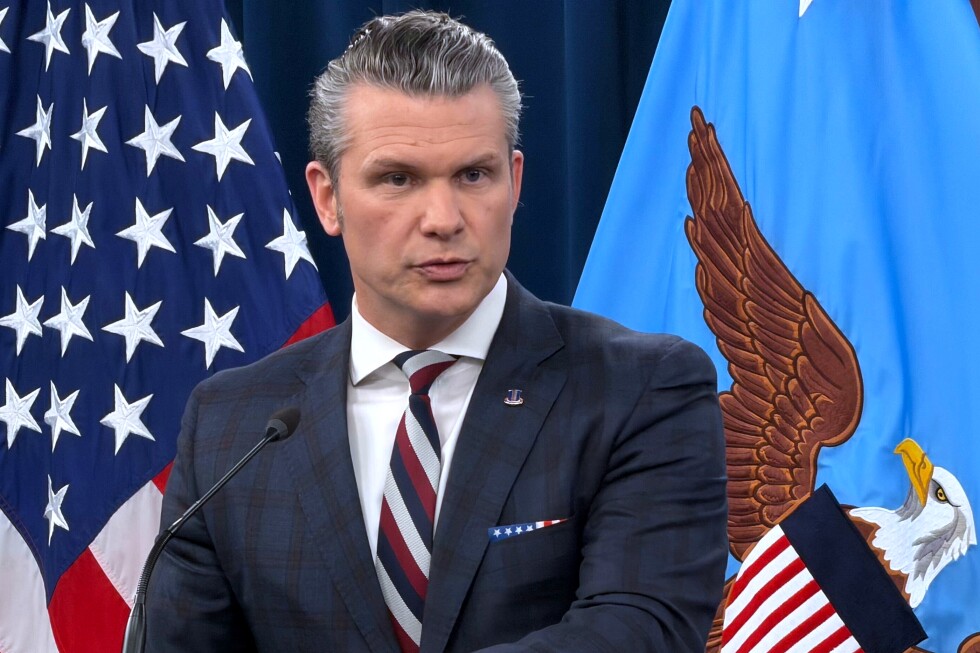
    According to Professor Juliet Williams, a gender studies expert at UCLA, these statements reflect a patriarchal worldview that necessitates male superiority. The Trump administration has concurrently emphasized masculine imagery, exemplified by Pentagon official Pete Hegseth’s frequent exercise videos and Health Secretary Robert F. Kennedy Jr.’s comments praising Trump’s testosterone levels.

    Despite Trump maintaining majority support among white women overall in the 2016, 2020, and 2024 elections, polling data reveals a growing generational divide. Younger white women increasingly identify as progressive, while their male counterparts show stronger conservative leanings—a demographic dynamic that contributed significantly to Trump’s recent electoral success.

    The movement’s aesthetic dimensions have also emerged, with prominent Trump-affiliated women often presenting a specific appearance characterized by stylish attire, elaborate hairstyles, and cosmetic enhancements. Katie Miller, podcast host and wife of senior adviser Stephen Miller, explicitly claimed ‘Conservative women are just hotter than Liberal women,’ linking physical appearance to political ideology and reproductive choices. This perspective coincides with several high-profile pregnancies within Trump’s circle, including the Millers’ fourth child and Vice President JD Vance’s growing family.

  • Panelists: China, US lean toward practical risk control

    Panelists: China, US lean toward practical risk control

    DAVOS, Switzerland – Leading international relations experts assembled at the World Economic Forum on Wednesday identified a significant pragmatic shift in U.S.-China relations, with both global powers increasingly prioritizing practical risk management over ideological confrontation.

    During a panel titled “US and China: Where Will They Land?” prominent scholars and diplomats highlighted how recent economic tensions have driven both nations toward establishing stronger communication channels and crisis guardrails. This development follows a period of escalated trade tensions that saw the U.S. implement substantial tariffs on Chinese goods, prompting retaliatory measures from Beijing before both parties reached a temporary truce through five rounds of high-level negotiations.

    Harvard University’s Graham Allison, who originated the concept of the “Thucydides Trap” describing how rising powers can trigger conflict with established ones, cautioned against interpreting current easing tensions as a permanent resolution. “A landing point, as if we had a permanent place to land, is not likely,” Allison stated, noting that the relationship has evolved into one of “mutual deterrence” where both recognize their capacity to inflict significant harm on each other.

    Australian Ambassador to the U.S. Kevin Rudd emphasized that the central challenge lies not in seeking a final endpoint but in constructing practical mechanisms to manage strategic competition while minimizing risks of crisis, conflict, and war. He identified three critical flashpoints that will determine the global order: tariffs, technology, and Taiwan.

    University of Southern California law professor Angela Huyue Zhang expressed measured optimism for 2026, citing three stabilizing factors: Washington’s recognition that containment strategies have inadvertently accelerated China’s technological advancement, both nations’ identification of mutual vulnerabilities during last year’s trade war, and neither side having appetite for further instability.

    U.S. Senator Christopher Coons noted bipartisan support for “clear-eyed engagement” with China while acknowledging serious security tensions, particularly regarding artificial intelligence. He highlighted the pressing need for improved military communication channels to reduce misunderstanding risks.

    Chinese scholar Zhao Hai from the Chinese Academy of Social Sciences challenged the prevailing “tech war” narrative, arguing that AI represents a shared challenge requiring bilateral regulation rather than containment. He advocated for formal, multilevel mechanisms to regulate U.S.-China ties, emphasizing that continuous dialogue between leaders remains crucial for maintaining bilateral stability.

  • Vietnam’s leader returns to power with bold promises. Can he deliver?

    Vietnam’s leader returns to power with bold promises. Can he deliver?

    HANOI – Vietnam’s political landscape has entered a definitive new chapter following the conclusion of the Communist Party Congress, which reconfirmed To Lam as General Secretary for a second five-year term. The assembly of nearly 1,600 delegates concluded ahead of schedule on Friday, a move interpreted by observers as either indicating strong consensus or effectively subdued opposition to Lam’s increasingly centralized authority.

    Professor Edmund Malesky of Duke University characterized the development as “the strongest concentration of power in one individual that I’ve seen since 1991,” highlighting the unprecedented nature of Lam’s political control.

    Since assuming leadership 18 months ago following the death of his predecessor Nguyen Phu Trong, Lam has orchestrated a remarkable pivot from his previous role as head of Vietnam’s powerful Ministry of Public Security, where he led extensive anti-corruption campaigns. Upon reaching the apex of power, he unveiled sweeping economic reforms described as the most ambitious in four decades.

    The cornerstone of Lam’s vision emerged through Resolution 68, ratified by the Politburo in May last year, which officially designated the private sector as “the most important driving force of the national economy.” This marked a significant ideological shift in officially socialist Vietnam, where state-owned enterprises have traditionally been celebrated as the economy’s foundation.

    The resolution established breathtaking targets: double-digit annual growth, doubling private businesses by 2030, and transforming Vietnam into an upper-income, knowledge-based economy by 2045 – the centenary of independence from French colonial rule. Central to this strategy is cultivating “leading cranes” – privately-owned national champions capable of global competition.

    Currently, Vietnam’s economic structure presents substantial challenges. Despite three decades of impressive growth and poverty reduction, state-owned enterprises still account for 29% of GDP through 671 entities that enjoy preferential access to licenses, funding, and resources. Meanwhile, most private companies remain small-scale, with only 2% employing over 200 people.

    The reform agenda faces complications from recent political developments. Resolution 79, passed earlier this month, seemingly walked back private sector prioritization by declaring state-owned enterprises could also serve as “leading geese” and setting ambitious targets for their regional dominance.

    Vietnam’s economic model faces external challenges as well. The country’s export-dependent manufacturing economy, particularly vulnerable to U.S. tariff policies under the Trump administration, relies heavily on foreign investment, technology, and markets. Lam himself acknowledged this vulnerability in January last year, questioning Vietnam’s position at the “lowest end of the value chain.”

    The development of national champions illustrates both promise and pitfalls. While technology firm FPT has achieved international contracts with companies like Airbus, conglomerate Vingroup exemplifies the challenges of global expansion. Despite dominating Vietnam’s domestic market through extensive political connections, its Vinfast electric vehicle subsidiary has struggled internationally, reportedly losing approximately $11 billion since 2021 while failing to gain traction in U.S. and European markets.

    Nguyen Khac Giang of the ISEAS–Yusof Ishak Institute in Singapore warned: “The main challenge remains unchanged: how to create globally competitive firms without spawning politically-connected rent-seekers. To Lam’s approach risks replacing one form of rent-seeking with another.”

    As Lam consolidates power, his administration must navigate fraught international relations while addressing fundamental structural economic challenges. Vietnam’s renowned “bamboo diplomacy” – maintaining friendships with all and enmity with none – faces severe tests in the emerging Trump II era, particularly given the country’s exceptional reliance on U.S. market access.