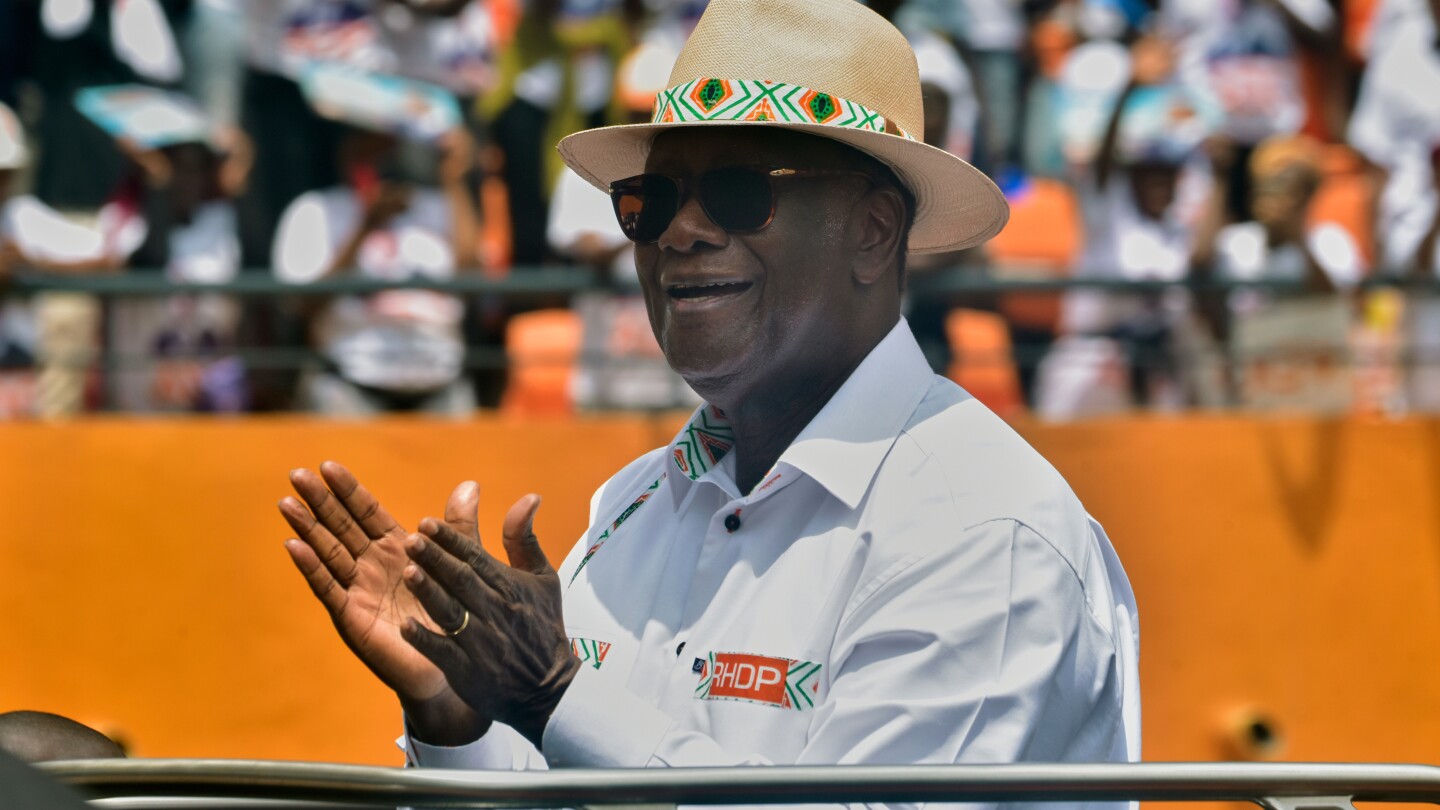
In the bustling capital of Abidjan, Ivory Coast, 33-year-old slam poet Placide Konan is using his art to voice frustration over President Alassane Ouattara’s controversial bid for a fourth term in Saturday’s election. Despite Ivory Coast’s status as West Africa’s economic powerhouse and the world’s largest cocoa producer, the country grapples with stark inequality and a 37.5% poverty rate. Over 75% of the population is under 35, and many, like Konan, struggle to make ends meet. “You have to be very lucky, or a bit of a magician, to live comfortably,” he remarked, highlighting the economic challenges in a city still reveling in its role as host of the 2024 Africa Cup of Nations. Analysts predict an easy victory for the 83-year-old Ouattara, whose rule began in 2011. However, the election is marred by controversy, with key opposition leaders, including former Credit Suisse CEO Tidjane Thiam, disqualified on legal grounds. Thiam, who renounced his French nationality in March, dismissed the decision as foul play. Ouattara faces a weakened opposition field, including former commerce minister Jean-Louis Billon and ex-first lady Simone Gbagbo. The election reflects a broader trend in Africa, where long-serving leaders often clash with a youthful populace. Concerns over violence loom large, with 8.7 million registered voters and heightened security measures in place. Protests against the disqualifications have been met with arrests and restrictions on public gatherings, resulting in at least three deaths. Critics accuse the government of exploiting legal loopholes to stifle opposition, undermining stability in a region already facing significant challenges. Ouattara, who assumed power after a deadly 2010-2011 political crisis, defends his fourth-term bid by citing the country’s “unprecedented security, economic, and monetary” challenges. He has pledged to support youth entrepreneurship and independence, yet critics argue that his administration has failed to translate economic growth into sufficient job opportunities for young people. Meanwhile, security concerns persist, particularly in the north, where Ivory Coast faces pressure from armed groups spilling over from conflict-ridden Mali and Burkina Faso. Despite having one of the region’s most sophisticated militaries, the country remains vulnerable to regional instability. As Ivory Coast heads to the polls, the election underscores the deep divisions and challenges facing the nation.
分类: politics
-
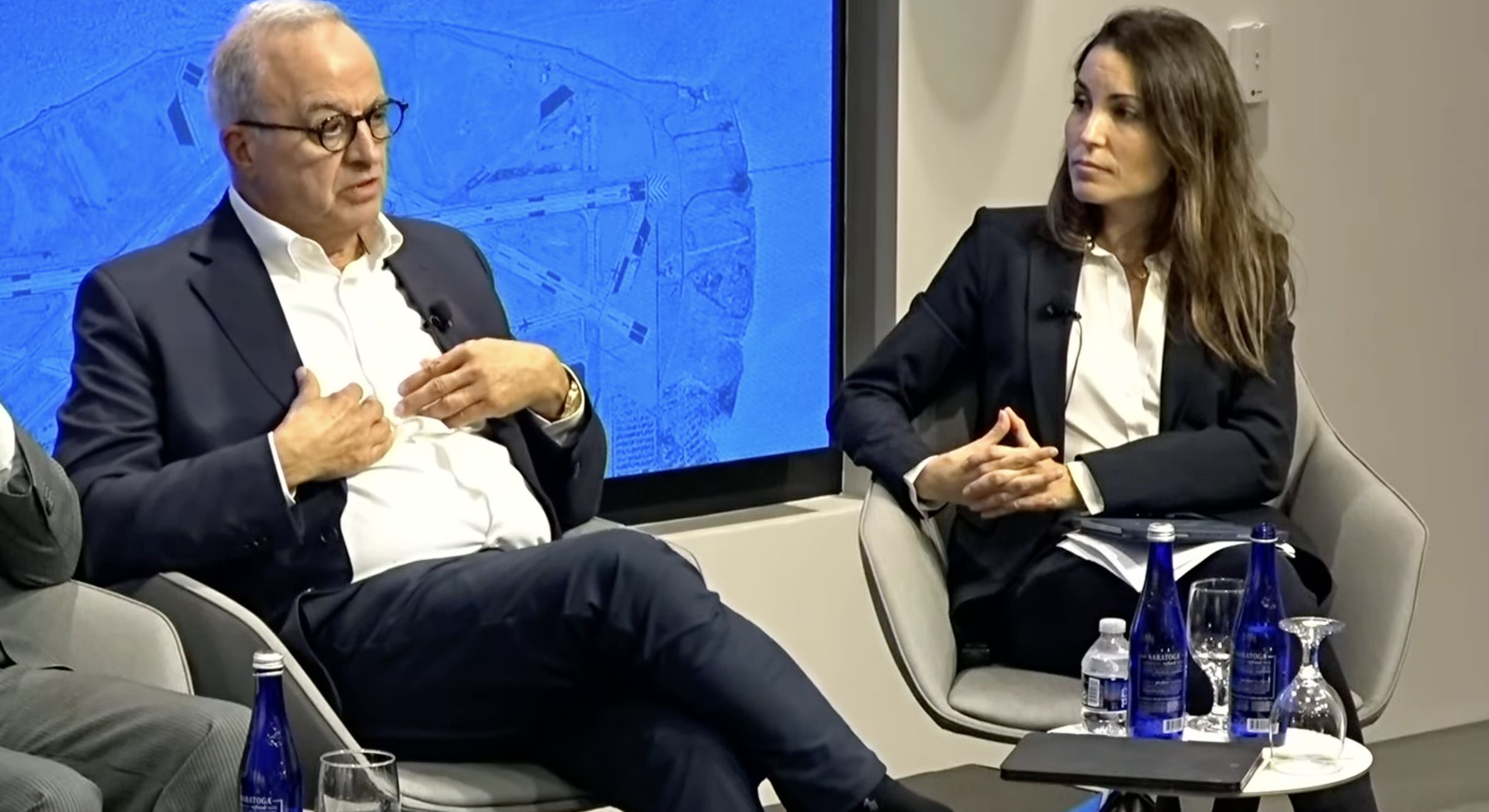
Gulf states won’t reconstruct Gaza without political settlement, former Jordanian foreign minister says
The reconstruction of Gaza, described by U.S. President Donald Trump as a ‘demolition site,’ has become a contentious issue, with Gulf states reportedly left out of critical discussions. Marwan Muasher, former Jordanian foreign minister and current vice president of studies at the Carnegie Endowment for International Peace, revealed that Gulf nations were not consulted about their potential role in rebuilding Gaza. This comes after two years of intense conflict between Israel and Palestine, which has left the region in ruins. Muasher emphasized that without a durable political settlement, Gulf states have no interest in contributing to reconstruction efforts. A lasting solution, he argued, must include the recognition of a Palestinian state for the 7.5 million Palestinians living in occupied territories. However, the Trump administration’s pro-Israel stance, influenced by Christian Evangelicals who avoid using the term ‘Palestinian,’ has distanced itself from such recognition. Israel’s Knesset has also rejected the two-state solution, a policy that has underpinned negotiations since the 1990s. Muasher expressed skepticism about the feasibility of reconstruction, noting that past pledges and conferences have yielded little tangible progress. Amr Hamzawy, director of Carnegie’s Middle East programme, highlighted Egypt’s efforts to organize a reconstruction summit for Gaza, but acknowledged the ambiguous political conditions. While a comprehensive reconstruction plan exists, its implementation hinges on political will from Israel and international support. Muasher remains pessimistic about Trump’s ceasefire plan, citing its lack of clarity on key issues like reconstruction and stabilization. However, he remains hopeful about the eventual recognition of Palestinian statehood, asserting that the presence of 7.5 million Palestinians makes it an inevitability, albeit not in the near future.
-
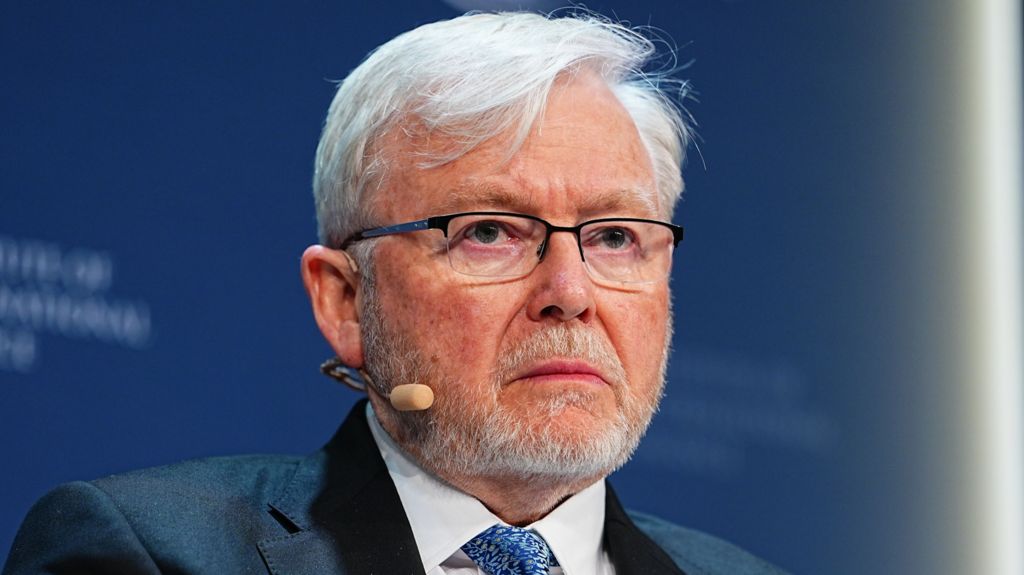
Australian PM defends US ambassador after Trump run-in
A recent meeting at the White House between former U.S. President Donald Trump and Australia’s Ambassador to the U.S., Kevin Rudd, has drawn significant attention due to a candid and somewhat contentious exchange. During the encounter, Trump openly expressed his dislike for Rudd, referencing critical tweets the ambassador had posted about him prior to his diplomatic appointment. Rudd, a former Australian Prime Minister, acknowledged the tweets, prompting Trump to retort, ‘I don’t like you either,’ which elicited laughter from the room. Despite the tense moment, Trump later softened his stance, telling Rudd, ‘all is forgiven.’
Australian Prime Minister Anthony Albanese has staunchly defended Rudd, praising his dedication and effectiveness as ambassador. Albanese emphasized Rudd’s tireless efforts, particularly in advancing key bilateral initiatives such as the AUKUS submarine deal and a significant $8.5 billion rare earths agreement. At a Friends of Australia breakfast attended by U.S. politicians, Albanese lauded Rudd’s work, stating, ‘If there’s a harder working ambassador on The Hill, then please let me know.’ Republican Congressman Michael McCaul also commended Rudd, humorously noting his relief that the ambassador remained ‘gainfully employed.’
However, the incident has not been without controversy. Australia’s opposition leader, Sussan Ley, called for Rudd’s dismissal, citing the ambassador’s past criticisms of Trump. Rudd, who was appointed in 2023 for a four-year term, has been a polarizing figure in U.S.-Australia relations, particularly given his 2020 description of Trump as the ‘most destructive president in history’ and a ‘traitor to the West.’ Despite these challenges, Rudd’s role in strengthening ties between the two nations has been widely recognized, underscoring the complexities of diplomatic relationships in the face of personal and political differences.
-
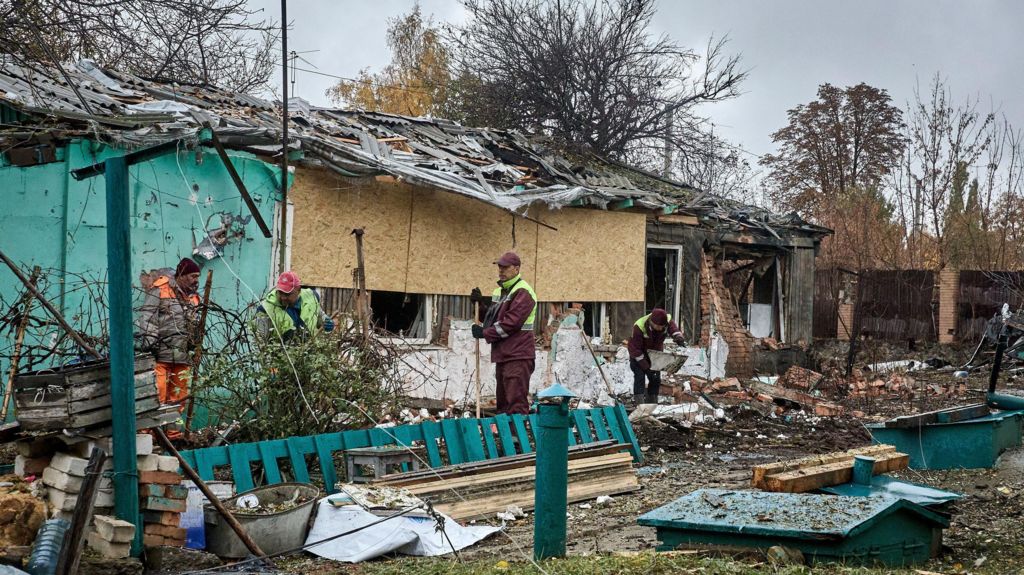
Why Trump made breakthrough in Gaza but can’t with Putin over Ukraine
Planned talks between U.S. President Donald Trump and Russian President Vladimir Putin to address the nearly four-year-long conflict in Ukraine have been indefinitely suspended. The anticipated summit, initially proposed to take place in Budapest within weeks, was canceled following the abrupt halt of preliminary discussions between the two nations’ top diplomats. Trump emphasized his reluctance to engage in what he termed a ‘wasted meeting,’ signaling a pause in diplomatic efforts. This development marks another twist in Trump’s ongoing attempts to mediate an end to the Ukraine war, a task that has proven far more complex than his recent success in brokering a Gaza ceasefire. Trump’s diplomatic strategy, which has oscillated between pressuring Putin and Ukrainian President Volodymyr Zelensky, has yet to yield tangible results. While Trump has threatened sanctions on Russian energy exports and considered arming Ukraine with advanced weaponry, he has also faced pushback from European allies concerned about regional destabilization. Putin, meanwhile, appears to be leveraging Trump’s eagerness for a deal to influence U.S. policy, as seen in previous summits that yielded no concrete outcomes. Zelensky, who left a recent White House meeting empty-handed, noted Russia’s waning interest in diplomacy as Ukraine’s military prospects improved. Trump, who once vowed to end the war swiftly, now acknowledges the formidable challenges of achieving peace in a conflict where neither side is willing to concede.
-
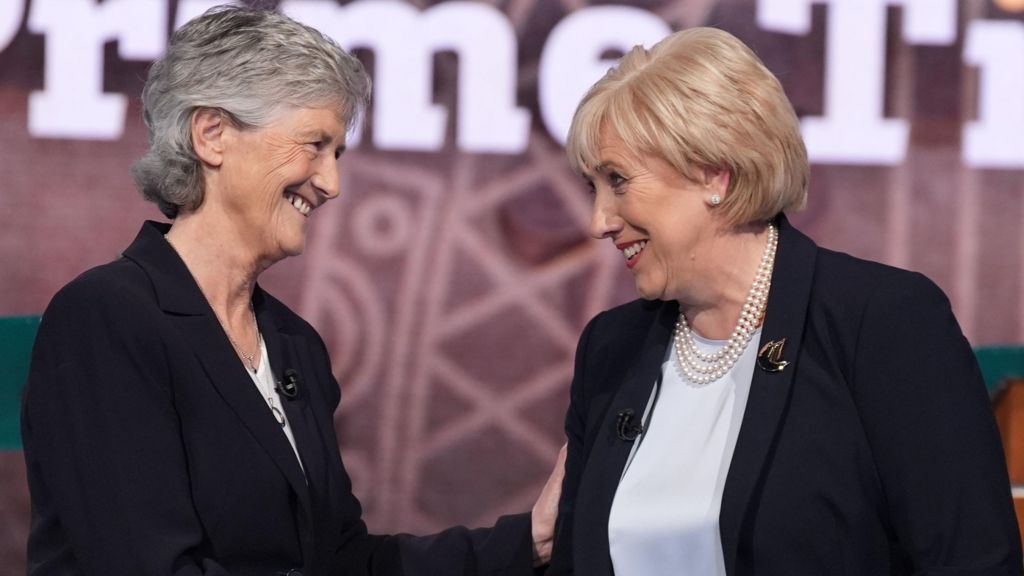
Humphreys denies ‘smear’ campaign against Connolly
In the final televised debate of the Irish presidential campaign, candidates Heather Humphreys and Catherine Connolly faced off on RTÉ, addressing allegations of a smear campaign and key policy issues. Humphreys, backed by Fine Gael, denied accusations that her campaign had targeted Connolly’s past work as a barrister. Connolly, an independent candidate supported by left-wing parties including Sinn Féin, defended her legal career, stating that recent criticisms had ‘absolutely no basis.’ She emphasized her adherence to client confidentiality and the ‘cab rank’ rule, which obligates barristers to accept cases within their expertise. The Bar of Ireland supported this principle, affirming it as a professional duty. Connolly also addressed her stance on foreign policy, particularly regarding Gaza, and her willingness to engage with international leaders, including US President Donald Trump. Meanwhile, Humphreys expressed regret over her role in the government during the pandemic, which imposed strict restrictions preventing families from being with dying loved ones. The debate highlighted the candidates’ contrasting approaches to domestic and international issues as Ireland prepares to elect its 10th president on Friday.
-
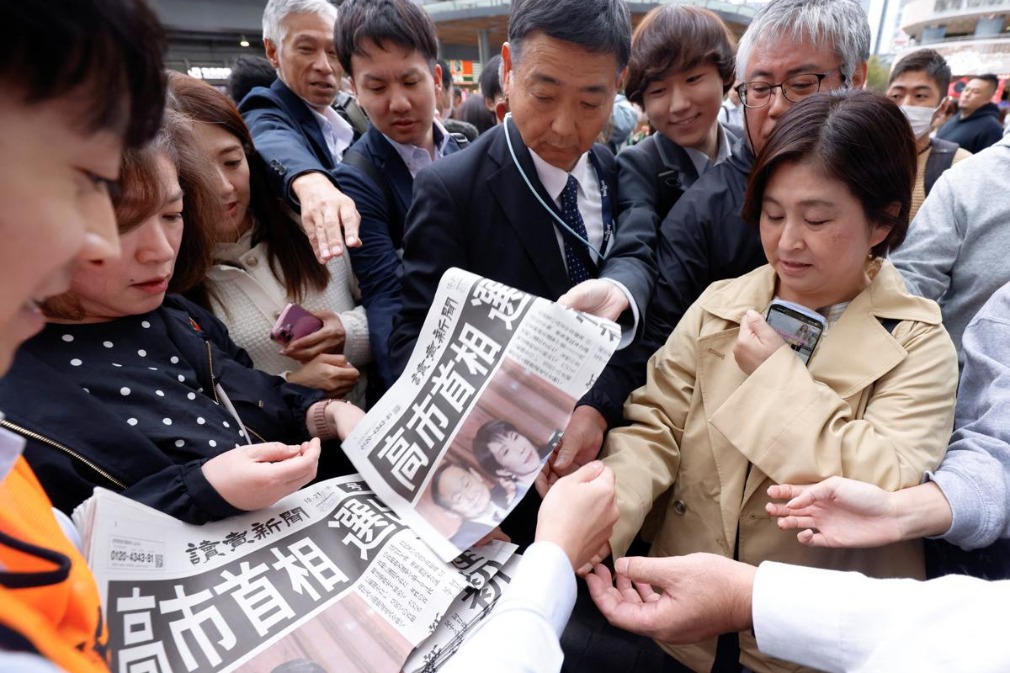
Takaichi elected Japan’s first female PM, unveils cabinet lineup
In a historic moment for Japan, Sanae Takaichi has been elected as the nation’s first female prime minister, marking a significant milestone in the country’s political landscape. The election, held on Tuesday, saw Takaichi secure victory in both houses of the Diet, Japan’s parliament, with a decisive majority. Her win comes at a critical juncture for Japan, which has been grappling with political scandals and economic challenges. Takaichi, the president of the ruling Liberal Democratic Party (LDP), garnered 237 votes in the lower house, surpassing her opponent, Yoshihiko Noda of the opposition Constitutional Democratic Party, who secured 149 votes. In the upper house, Takaichi led with 123 votes, triggering a runoff where she ultimately emerged victorious. This dual triumph officially named her Japan’s 104th prime minister. Takaichi’s cabinet lineup, unveiled shortly after her election, aims to foster party unity and ensure policy stability. Key appointments include Minoru Kihara as chief cabinet secretary, Yoshimasa Hayashi as internal affairs minister, Shinjiro Koizumi as defense minister, and Toshimitsu Motegi as foreign minister. Takaichi, a 64-year-old ultraconservative politician, assumed the LDP presidency earlier this month, succeeding Shigeru Ishiba, who resigned following the party’s consecutive electoral defeats. Her administration will lead a minority government in coalition with the Japan Innovation Party (JIP), a partnership expected to focus on reviving Japan’s economy and creating a self-sustaining nation. While some opposition leaders have congratulated Takaichi, others have criticized her administration for shelving key policies. The political landscape remains tense as the new government prepares to address Japan’s pressing economic and social issues.
-
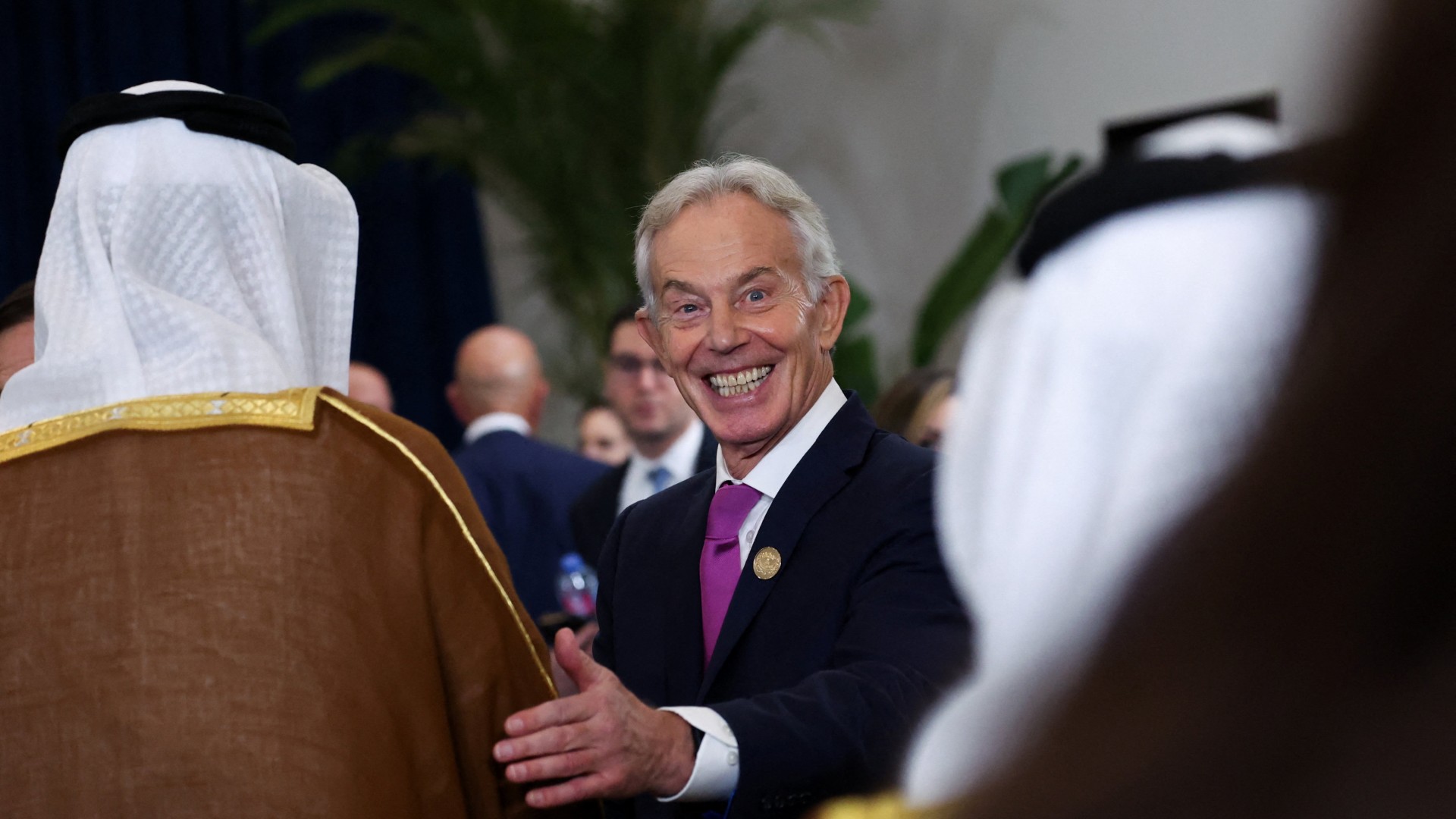
Egypt backs Tony Blair to oversee Gaza as ‘modern-day high commissioner’
As the Gaza ceasefire took effect, former British Prime Minister Tony Blair’s potential involvement in the region’s future has become a topic of heated debate. U.S. President Donald Trump, en route to the Middle East, commented on Blair’s possible role, stating, ‘I like Tony, I have always liked Tony. But I want to find out that he is an acceptable choice to everybody.’ Blair’s controversial history in the Middle East, particularly his role in the Iraq War, has cast a shadow over his candidacy, with many in the Arab world expressing skepticism and even disdain. However, Blair’s warm reception by Egyptian President Abdel-Fattah el-Sisi at the Sharm el-Sheikh summit suggests strong support from Cairo. Since leaving office, Blair and his Tony Blair Institute (TBI) have advised several governments, including Egypt, the UAE, and Saudi Arabia. A source within the Egyptian presidency revealed that Blair has provided extensive consultations to Sisi, focusing on countering political Islam, economic strategies, and government image management. Despite TBI’s denial of any formal advisory role in Egypt, the source confirmed that Blair’s influence has been significant. Blair’s ideological alignment with Sisi, particularly their shared opposition to political Islam, positions him as a pragmatic choice for leading Gaza’s transitional administration. The proposed Gaza International Transitional Authority (GITA) is expected to be headquartered in Egypt’s Sinai Peninsula, underscoring Cairo’s strategic role in the region’s reconstruction. As Blair’s re-emergence in Middle Eastern politics continues to stir debate, his potential leadership in Gaza remains a contentious yet pivotal issue.
-
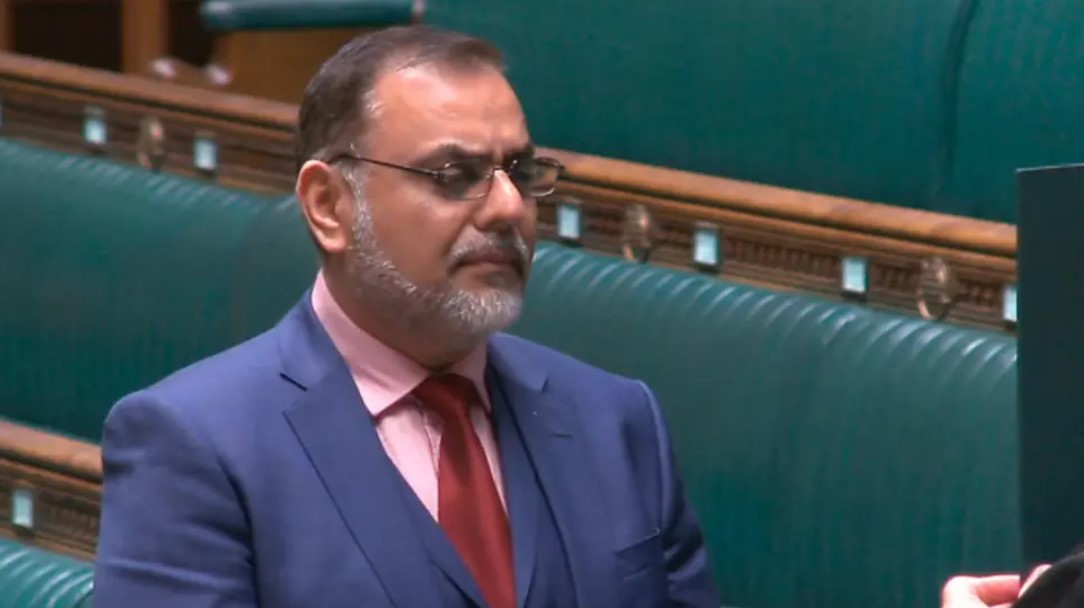
Ayoub Khan on Maccabi Tel Aviv ban: ‘False smears put my family in danger’
Independent MP Ayoub Khan has expressed grave concerns over the safety of his family following what he describes as false accusations by politicians regarding his support for a ban on Maccabi Tel Aviv fans. Khan, a key advocate for the West Midlands Police’s decision to bar fans of the Israeli club from attending a November 6 match against Aston Villa in Birmingham, has faced significant backlash from across the political spectrum. Despite a YouGov poll indicating substantial public support for the ban, Khan has been subjected to what he calls ‘vile’ and ‘upsetting’ attacks, particularly targeting his family. In the House of Commons, Culture Secretary Lisa Nandy falsely claimed that the ban ‘chooses exclusion’ of Jews, a statement Khan vehemently denounced as a ‘deliberate, disingenuous move’ to conflate policing issues with religion. Khan emphasized that his stance is rooted in concerns over safety and equality, not in any form of discrimination. He pointed to the well-documented history of violence and racism among Maccabi Tel Aviv’s fan base as justification for the ban. Khan’s position has garnered support from various political figures, including Jeremy Corbyn and members of the Green Party and Scottish National Party. However, Muslim independent MPs have been particularly targeted with accusations of ‘sectarianism’ and antisemitism. Khan and his colleagues have called for more measured language and a focus on the safety concerns that prompted the ban. The controversy has sparked a broader debate about the role of political and media figures in shaping public discourse and the potential threats to democratic processes. Maccabi Tel Aviv has since announced it will not sell tickets to its fans for the Birmingham match, citing the ongoing safety concerns.
-
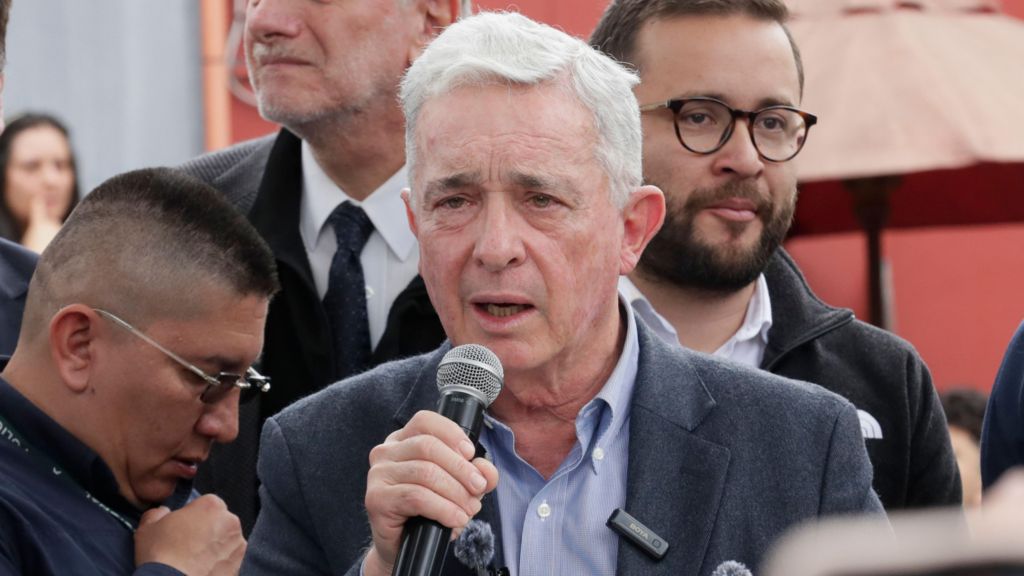
Colombian court overturns former president’s conviction
In a dramatic turn of events, Colombia’s former President Alvaro Uribe has been exonerated of fraud and bribery charges that previously led to a 12-year house arrest sentence. The convictions, which were overturned by the Superior Court in Bogotá, had marked Uribe as the first Colombian leader to face criminal conviction. The case centered on allegations that Uribe directed his lawyer to bribe imprisoned paramilitaries to refute claims of his association with their organizations. Uribe, who served as president from 2002 to 2010, has consistently denied any wrongdoing. Known for his aggressive stance against left-wing Farc rebels, Uribe remains a significant political figure in Colombia. The court’s 700-page decision highlighted the lack of credibility in the testimony of former paramilitary commander Luis Carlos Velez, who accused Uribe’s lawyer of bribery. Additionally, the court ruled that some wiretaps used in the investigation were obtained illegally. The ruling, which can still be appealed by those classified as victims, has sparked controversy. Current President Gustavo Petro, Colombia’s first left-wing leader, criticized the decision, alleging it obscures the history of paramilitary governance and political alliances with drug trafficking. Paramilitary groups, which emerged in the 1980s to combat Marxist guerrillas, have been implicated in numerous atrocities, including massacres and disappearances. Similarly, left-wing guerrilla groups have also been accused of violence against civilians. The case underscores the complex and contentious history of Colombia’s armed conflicts and political landscape.
-
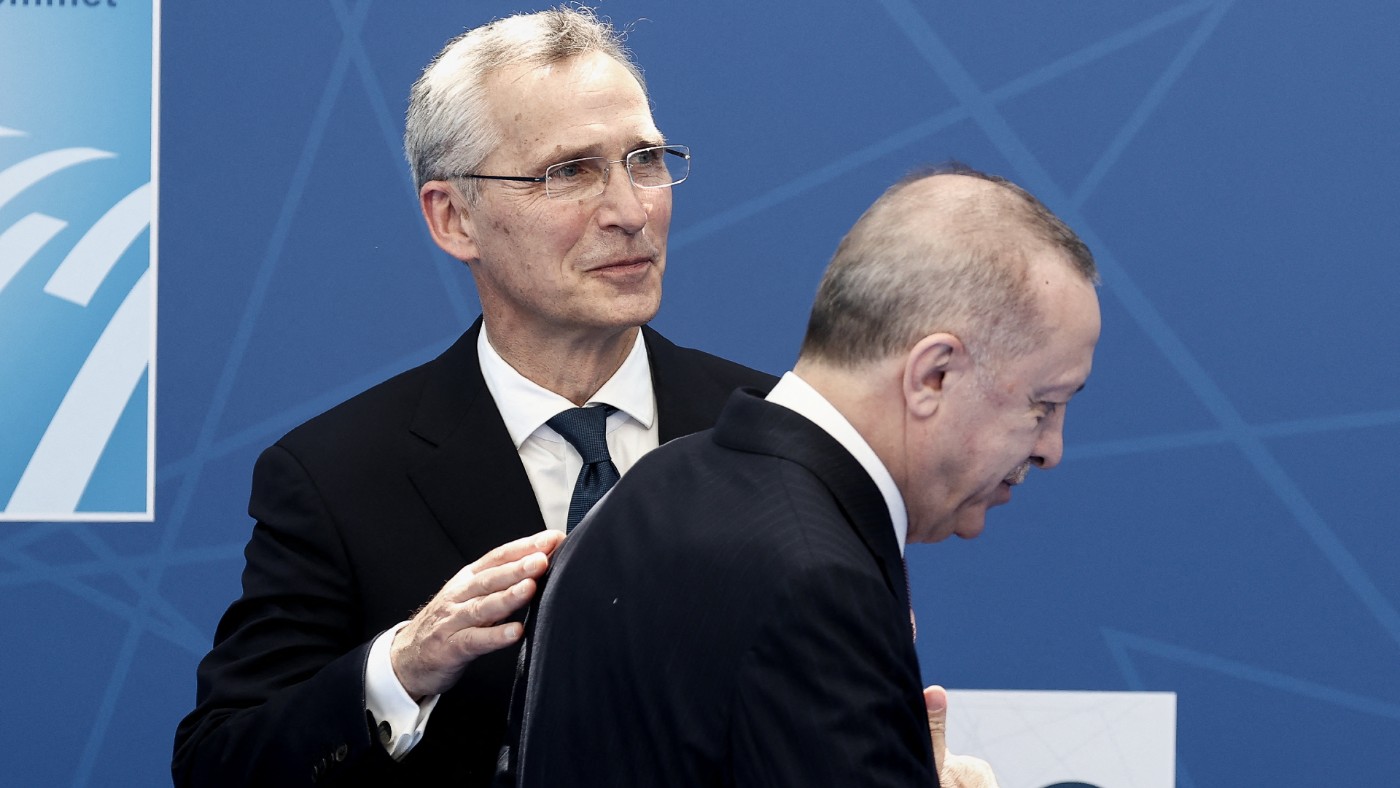
Corn, canapes and shouting matches: How Erdogan and Stoltenberg’s bromance saved Nato
In his newly released memoir, *On My Watch: Leading NATO in a Time of War*, former NATO Secretary-General Jens Stoltenberg offers a candid account of his decade-long tenure (2014–2024) at the helm of the alliance. The book delves into the intricate and often contentious relationship between NATO and Turkey, highlighting pivotal moments such as the downing of a Russian jet in 2015, Turkey’s military incursions into Syria, and the alliance’s enlargement debates. Stoltenberg, now Norway’s finance minister, underscores Turkey’s strategic importance to NATO while revealing deep internal divisions within the alliance during crises. The memoir also sheds light on NATO’s response to Russia’s invasion of Ukraine and the challenges of managing relationships with key leaders, including Turkish President Recep Tayyip Erdogan and French President Emmanuel Macron. Stoltenberg’s narrative provides a behind-the-scenes look at high-stakes diplomacy, policy disagreements, and the delicate balance of power within NATO. The book is a testament to the complexities of international leadership during a period of unprecedented global instability.