分类: politics

  • EU Agrees to loan $105billion to Ukraine for defence against Russia

    EU Agrees to loan $105billion to Ukraine for defence against Russia

    BRUSSELS – European Union leaders reached a landmark agreement early Friday to provide Ukraine with a substantial €90 billion ($105 billion) defense loan through a collective borrowing mechanism, concluding extensive negotiations at the Brussels summit. This financial package, designed to sustain Ukraine’s military efforts against Russian aggression for the next two years, represents a strategic pivot from earlier proposals to utilize frozen Russian assets.

    The funding arrangement emerged as a compromise solution after technical and political complexities prevented immediate use of approximately €210 billion in immobilized Russian assets held within EU jurisdictions. Hungarian Prime Minister Viktor Orbán, previously opposed to unanimity-based financial measures, ultimately acquiesced to the mechanism alongside Slovak and Czech leadership after securing provisions that would not directly impact their national finances.

    EU foreign policy chief Kaja Kallas emphasized the critical nature of the decision, stating, “We simply cannot afford to fail in supporting Ukraine’s defense capabilities.” The sentiment was echoed by German Chancellor Friedrich Merz, who characterized the agreement as “favorable news for Ukraine and unfavorable for Russia.”

    Ukrainian President Volodymyr Zelenskyy, participating in the summit deliberations, had previously advocated for direct utilization of Russian assets. However, resistance from Belgium—where €185 billion of Russian assets are held—proved decisive in shifting the approach toward EU-backed borrowing.

    Belgian Prime Minister Bart De Wever praised the alternative arrangement, noting that “rationality has prevailed” and prevented institutional “chaos and division.” The frozen Russian assets will remain immobilized until Moscow provides war reparations to Ukraine, at which point they could potentially service the loan repayment.

    EU summit chairman Antonio Costa confirmed that the European Commission received authorization to develop the loan infrastructure with urgency, utilizing the EU budget as collateral. This financial intervention addresses concerns that Ukraine would face fiscal exhaustion by the second quarter of 2026 without substantial international support, potentially altering the conflict’s trajectory.

  • Make Korea great again: The right-wing group wooing disenchanted youth

    Make Korea great again: The right-wing group wooing disenchanted youth

    In a remarkable political reversal, imprisoned former South Korean President Yoon Suk Yeol has emerged as an unexpected symbol of resistance for a generation of disaffected youth, despite facing life imprisonment for his attempted martial law declaration in December 2024.

    The movement, spearheaded by 24-year-old Park Joon-young and his right-wing youth organization Freedom University, has gained significant traction among young South Koreans who feel abandoned by the political establishment. What began as campus protests against Yoon’s impeachment has evolved into a full-fledged youth rebellion movement that mirrors tactics and rhetoric from America’s MAGA movement.

    Park founded Freedom University in opposition to what he characterizes as a corrupt, left-wing political status quo that has failed South Korea’s younger generation. The group has rapidly expanded through aggressive social media campaigns, drawing thousands to rallies where attendees pose for selfies with images of the imprisoned former leader.

    The movement’s ideology combines economic discontent with nationalist fervor. Their banners proclaim “Korea for Koreans” and demand the expulsion of the “Chinese Communist Party,” reflecting widespread Sinophobia in a country that consistently ranks among the world’s least favorable toward China. The group promotes unsubstantiated claims about Chinese interference in Korean elections and society.

    This youth mobilization represents a dramatic shift in political allegiances. Yoon, who was deeply unpopular among young voters during his presidency, has been reinvented as a martyr figure following his failed power grab. His December 3, 2024 declaration of martial law—which alleged without evidence that North Korean sympathizers and Chinese spies were conspiring to steal elections—was defeated within hours by public resistance and parliamentary action.

    The movement’s growth reflects South Korea’s deepening political polarization and the economic anxieties of its youth. Recent surveys show nearly 75% of young South Koreans believe the economy is in poor shape compared to their parents’ generation, with home ownership rates at historic lows despite the country’s world-class education system. Median monthly income remains approximately $1,600, creating widespread disillusionment.

    Psychiatrist Kim Hyun Soo warns that without offering new visions of hope, South Korea risks further polarization as frustrated youth turn to movements like Freedom University. The group’s effectiveness lies in its ability to channel economic frustration, cultural resentment, and nationalist sentiment into a cohesive political force that continues to gain momentum despite being supported by only 27% of the general population.

  • Trump says war with Venezuela remains possible

    Trump says war with Venezuela remains possible

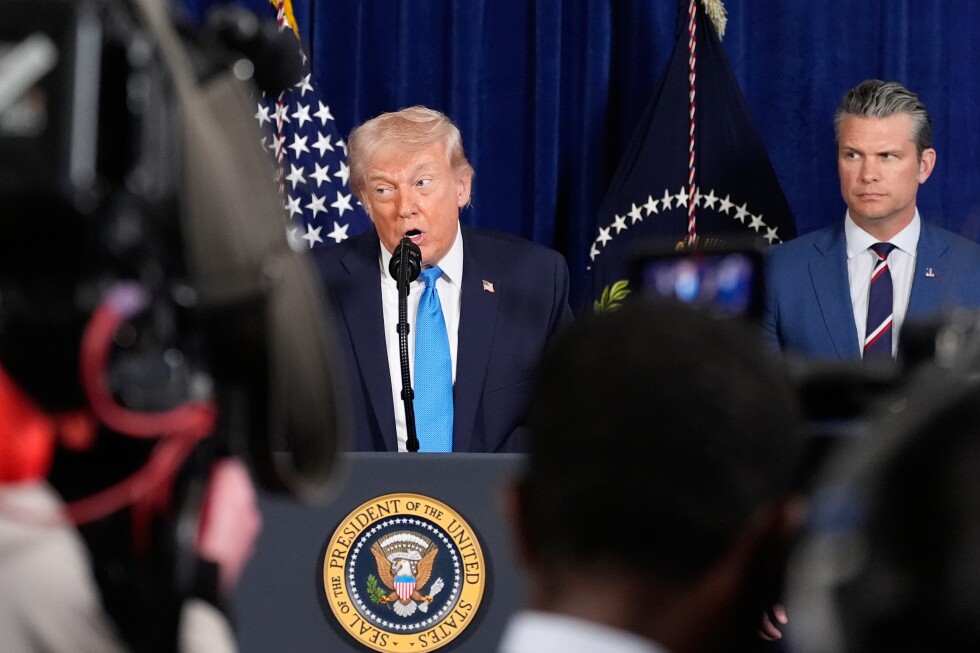
    In a significant escalation of rhetoric, former U.S. President Donald Trump has publicly acknowledged the possibility of armed conflict with Venezuela during a recent NBC News interview. When questioned about potential military engagement, Trump stated unequivocally, “I don’t rule it out, no,” marking a notable shift from his previous campaign promises to avoid foreign entanglements.

    The interview, conducted on Thursday and released Friday, reveals Trump’s ambiguous stance regarding Venezuelan leadership. While refusing to explicitly confirm whether ousting President Nicolás Maduro remains his ultimate objective, Trump asserted that the Venezuelan leader fully understands American demands, remarking, “He knows exactly what I want. He knows better than anybody.”

    This verbal escalation coincides with intensified military operations in the Caribbean region. Since early September, the Pentagon has reportedly sunk approximately 28 vessels suspected of drug trafficking operations, resulting in at least 104 fatalities. The U.S. maintains substantial naval presence off Venezuela’s coast, officially designated as counter-narcotics operations—a justification that Caracas has dismissed as pretext for regime change.

    Trump’s administration has implemented increasingly severe economic measures against Venezuela, including Tuesday’s announcement of a comprehensive blockade targeting all sanctioned oil tankers entering or exiting Venezuelan waters. The former president indicated that additional maritime seizures are likely, warning that vessels deemed “foolish enough to be sailing along” would be redirected to American ports.

    These aggressive postures contradict Trump’s 2024 campaign commitments, where he repeatedly pledged to keep the United States out of foreign conflicts and declared during his victory speech that he would “not going to start a war; I’m going to stop wars.”

    Domestic opposition to these policies appears substantial. A recent Quinnipiac University survey indicates that 63% of American adults oppose military actions against Venezuela, with only 25% expressing support. Bipartisan lawmakers have raised concerns regarding both the legality of Caribbean military strikes and the transparency of administration motives beyond stated counter-narcotics objectives.

  • Steve Rosenberg: Was Putin’s response to my question about war in Europe an olive branch?

    Steve Rosenberg: Was Putin’s response to my question about war in Europe an olive branch?

    In a remarkable televised exchange during his annual press conference, Russian President Vladimir Putin engaged in a pointed dialogue with BBC correspondent Steve Rosenberg, delivering sharp criticisms of Western nations while extending a conditional offer to cease hostilities in Ukraine.

    The confrontation began when Rosenberg challenged Putin about Russia’s future trajectory, questioning whether the current climate of repression—characterized by internet outages, persecution of dissidents under foreign agent laws, and military operations—would persist. While Rosenberg spoke, Putin was observed taking notes, preparing his response.

    Putin vigorously defended Russia’s controversial foreign agent legislation, asserting that Western nations—particularly the United States with its 1930s-era Foreign Agents Registration Act—pioneered such measures. ‘We didn’t invent it,’ Putin stated. ‘These laws, including the US one, are much tougher.’ This comparison overlooks the draconian nature of Russia’s implementation, which effectively excludes designated individuals from public life, imposes severe financial restrictions, and can lead to criminal prosecution after a single administrative violation.

    The conversation took an unexpected turn when moderators abruptly redirected discussion to the BBC’s legal challenges, including a multi-billion dollar lawsuit referenced by former US President Donald Trump. Putin aligned himself with Trump’s position, creating a rare moment of Kremlin-White House agreement regarding the British broadcaster.

    Returning to Rosenberg’s initial question, Putin articulated his core grievance: years of Western deception regarding NATO expansion. ‘There won’t be new special military operations if you treat us with respect and respect our interests,’ Putin declared, adding that Western leaders ‘cheated us with NATO’s eastward expansion.’

    The Russian leader expressed particular outrage over allegations that Moscow plans to attack Europe, dismissing them as ‘rubbish.’ Yet European leaders remain skeptical, citing Russia’s pattern of denial before the Ukraine invasion and recent violations of European airspace through fighter jets, drones, cyber-attacks, and sabotage.

    In a significant closing statement, Putin extended an olive branch: ‘We’re ready to cease hostilities immediately provided that Russia’s medium- and long-term security is ensured.’ However, this offer remains contingent on Moscow’s maximalist security demands regarding Ukraine, which European leaders have consistently rejected.

  • Exclusive: MPs urge Starmer to investigate Cameron ICC interference claims

    Exclusive: MPs urge Starmer to investigate Cameron ICC interference claims

    Two Labour parliamentarians have formally urged Prime Minister Keir Starmer to authorize an independent investigation into serious allegations that former Foreign Secretary David Cameron attempted to improperly influence the International Criminal Court’s proceedings regarding Israeli officials. Richard Burgon and Imran Hussain submitted their demand through a letter acquired exclusively by Middle East Eye, highlighting concerns about Britain’s potential interference with the judicial independence of the international court.

    The controversy centers on claims that a high-ranking official from the previous Conservative administration threatened ICC Chief Prosecutor Karim Khan with severe repercussions, including financial withdrawal and Britain’s exit from the Rome Statute, should he proceed with arrest warrants targeting Israeli leadership. These allegations gained substantiation through Khan’s recent submission to the ICC’s appeal chamber, which detailed inappropriate pressure from British authorities during the warrant application process for Prime Minister Benjamin Netanyahu and Defense Minister Yoav Gallant.

    According to multiple sources, Cameron engaged in a particularly tense phone conversation with Prosecutor Khan on April 23, 2024, during which he characterized the potential warrants as equivalent to ‘dropping a hydrogen bomb.’ Cameron reportedly drew distinctions between prosecuting Russia for aggression against Ukraine and investigating Israel’s defensive operations following the October 7 attacks. While sources close to Cameron acknowledge the call occurred and described it as ‘robust,’ they maintain it constituted political dialogue rather than overt threats.

    The parliamentary letter emphasizes that any attempted coercion of ICC officials could violate Article 70 of the Rome Statute, potentially constituting criminal obstruction of justice. The MPs expressed profound concern that such interference, particularly if originating from the highest levels of government, would cause significant damage to Britain’s international reputation as a defender of legal norms and the rules-based international order.

    This development follows earlier expressions of concern from over 100 cross-party MPs and peers who previously urged the Conservative government to safeguard the ICC’s independence against political intimidation. The Office of the Prosecutor had simultaneously issued statements demanding cessation of all attempts to improperly influence its officials.

    Prime Minister Starmer’s office has referred inquiries to the Foreign Office, which has consistently declined to address the specific allegations. The situation continues to develop as calls grow for transparent examination of Britain’s interactions with the international judicial body.

  • US to strip alleged Bosnian war criminal of citizenship

    US to strip alleged Bosnian war criminal of citizenship

    The United States Department of Justice has initiated civil proceedings to strip American citizenship from Kemal Mrndzic, a man convicted of concealing his role as a guard at Bosnia’s notorious Čelebići prison camp during his immigration process. This legal action represents the latest development in a case exposing wartime atrocities committed during the Bosnian conflict of the 1990s.

    According to court documents, Mrndzic deliberately failed to disclose his military service and involvement in persecuting Bosnian-Serb inmates at the camp, where United Nations tribunals documented systematic killings, torture, sexual violence, and cruel treatment of detainees. The Justice Department emphasized that such omissions constitute criminal fraud within immigration proceedings.

    The case culminated in Mrndzic’s October 2024 conviction on multiple counts of fraud and misrepresentation related to his passport and naturalization applications. He received a five-year prison sentence in January 2025 following jury deliberations.

    Brett Shumate, Assistant Attorney General, stated the administration’s position clearly: “Those who engage in persecution cannot enjoy the privileges of American refuge.” He further emphasized the government’s commitment to preserving the integrity of the naturalization process.

    Historical context reveals the gravity of these proceedings. The Čelebići camp operated under Bosniak and Bosnian-Croat forces during the bloody ethnic conflicts that followed Yugoslavia’s dissolution. These events culminated in the Srebrenica genocide—recognized by the UN as the worst European atrocity since World War II—where over 8,000 Bosniak Muslim men and boys were systematically murdered by Bosnian-Serb forces.

    The broader conflict eventually concluded with the Dayton Peace Agreement, brokered by the United States in December 1995. Mrndzic’s case demonstrates the ongoing efforts to address war crimes committed during this turbulent period through both international and domestic legal channels.

  • Republican Elise Stefanik ends New York governor bid

    Republican Elise Stefanik ends New York governor bid

    In a significant political development, Republican Congresswoman Elise Stefanik has abruptly terminated her campaign for New York governor while simultaneously announcing she will not seek re-election to her congressional seat. The decision follows the emergence of primary competition from Bruce Blakeman, a fellow Trump loyalist and two-term Nassau County executive who declared his gubernatorial ambitions earlier this month.

    Stefanik communicated her departure through a comprehensive social media statement on Friday, explaining that while confident in her primary victory prospects, she deemed the extensive campaign effort ‘not an effective use of our time or your generous resources.’ The 41-year-old lawmaker emphasized familial considerations as the paramount factor, noting that ‘being a parent is life’s greatest gift and greatest responsibility.’ She expressed particular concern about her young son’s welfare during his formative years.

    The anticipated primary contest had presented a dilemma for former President Donald Trump, who had refrained from endorsing either candidate despite both being staunch allies. Trump previously characterized both figures as ‘great people’ when questioned about the potential intra-party conflict.

    Stefanik’s political trajectory has been notably aligned with Trump’s orbit since her emergence as one of his most vocal defenders during the 2019 impeachment proceedings. Her political standing was further acknowledged when Trump initially nominated her for UN ambassador during his transition planning for a potential second term, though the nomination was subsequently withdrawn to preserve Republican voting strength in the House.

    Her congressional district, New York’s 21st, encompasses the Adirondack Mountains region north of Albany, which she has represented since 2014. The departure creates open competition for both the gubernatorial nomination and her congressional seat, potentially altering the state’s political landscape. New York has not elected a Republican governor since George Pataki concluded his term in 2007.

  • Bangladesh government urges calm in wake of student leader’s killing, as election looms

    Bangladesh government urges calm in wake of student leader’s killing, as election looms

    Bangladesh’s interim administration has issued urgent appeals for national calm amid escalating violence triggered by the assassination of prominent youth leader Sharif Osman Hadi. The 32-year-old revolutionary figure was fatally shot by masked assailants during his electoral campaign launch in Dhaka last Friday, succumbing to injuries after six days on life support in Singapore.

    The killing has ignited widespread demonstrations across major urban centers, with protesters targeting media institutions and diplomatic facilities. The offices of leading newspapers Prothom Alo and Daily Star faced severe vandalism, requiring military intervention to rescue trapped journalists. In Chittagong, demonstrators assaulted the Indian Assistant High Commission, reflecting deteriorating relations with neighboring India since former Prime Minister Sheikh Hasina’s exile to Delhi in August 2024.

    This violence presents the most significant challenge to Nobel laureate Muhammad Yunus’s caretaker government, which oversees the nation during this transitional period. The administration has characterized the unrest as orchestrated by “fringe elements” seeking to destabilize Bangladesh’s democratic transition. With parliamentary elections scheduled within two months, the government emphasizes the critical importance of maintaining stability for the nation’s 175 million citizens.

    The political landscape remains fractured following Hasina’s ouster during student-led protests, with her banned Awami League party threatening further disruptions. Independent human rights organization Ain O Salish Kendra has warned that these coordinated attacks indicate dangerous extremist proliferation, potentially creating permanent crises for democratic institutions and human rights protections unless addressed decisively.

  • ‘Every border lasts until the next war’: Israel’s settlers gather to ‘raise flag’ in Gaza

    ‘Every border lasts until the next war’: Israel’s settlers gather to ‘raise flag’ in Gaza

    Hundreds of Israeli settlers convened at the Sderot lookout point overlooking Gaza on Thursday for a controversial demonstration organized by the Nachala settlement movement. The gathering, titled “Raising the Flag in Gaza,” explicitly advocated for establishing permanent Jewish settlements within the besieged Palestinian territory and called for the expulsion of Gaza’s Palestinian population.

    The event unfolded against a backdrop of widespread destruction in northern Gaza, where Israeli military operations have systematically flattened entire neighborhoods over two years of conflict. The Sderot viewpoint has ironically become a tourist attraction for Israelis observing the devastation in real-time.

    Organizers distributed traditional Hanukkah pastries as supporters arrived from West Bank settlements and within Israel. The gathering featured speeches from right-wing politicians and settler leaders who declared Gaza part of their “ancestral inheritance” that must be permanently reclaimed. The only dissent came from a small group of left-wing activists from the Standing Together movement, who briefly stormed the stage with shirts proclaiming “We are not returning to Gaza.”

    Settler leader Daniella Weiss asserted that raising Israeli flags in Gaza represented a rejection of international dictates, particularly criticizing potential Turkish or Qatari involvement in postwar governance. The event occurred despite the defense ministry denying permission for activists to physically cross into Gaza, though reports indicate dozens of settlers later breached the border fence at other locations to plant flags.

    Multiple speakers employed the term “voluntary migration” to describe the desired removal of Palestinians from Gaza—a euphemism for ethnic cleansing. Knesset member Limor Son Har-Melech stated that achieving this outcome merely required Israeli “will,” while settler Yehoshua Sokol argued international borders remain fluid “until the next war.”

    The demonstration revealed growing tensions within Israel’s right-wing coalition regarding Gaza’s future, with settlers pressuring the government to resist international agreements and pursue permanent territorial control through population transfer.

  • US suspends green card lottery after MIT professor, Brown University killings

    US suspends green card lottery after MIT professor, Brown University killings

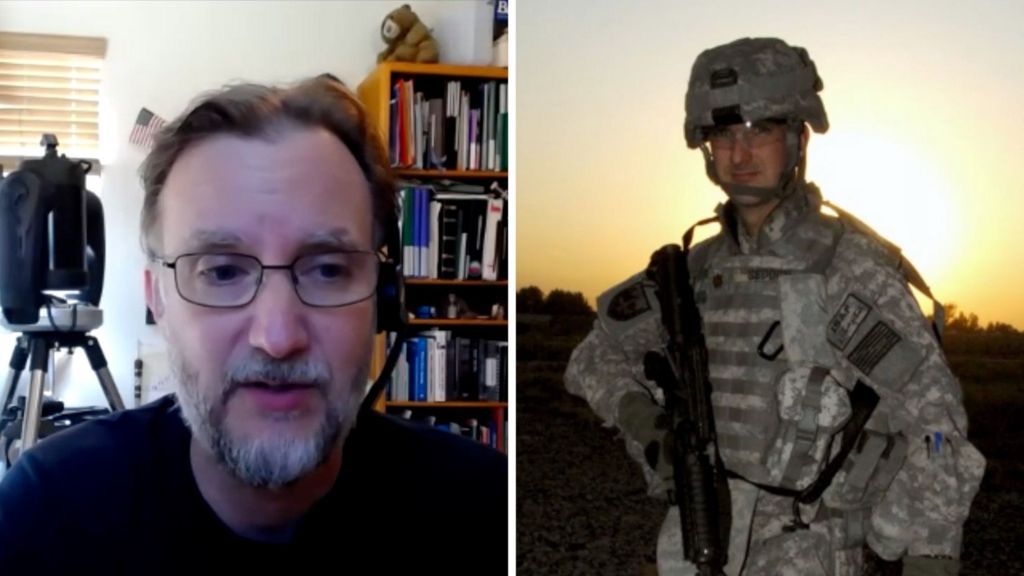
    In response to recent violent campus incidents, the Trump administration has announced the immediate suspension of the Diversity Visa Lottery program. This decisive action follows revelations that Claudio Neves Valente, the primary suspect in both the Brown University shooting and MIT professor’s killing, originally entered the United States through this immigration pathway in 2017.

    The Portuguese national, who was found deceased from an apparent suicide after an extensive manhunt, allegedly committed horrific acts at two prestigious academic institutions. The Brown University incident resulted in two student fatalities and nine injuries, while the subsequent attack claimed the life of Professor Nuno Loureiro at Massachusetts Institute of Technology.

    Homeland Security Chief Kristi Noem confirmed via social media that Valente had obtained legal permanent resident status through the diversity visa program. Characterizing the suspect as a ‘heinous individual,’ Noem asserted that Valente ‘should never have been allowed in our country.’ The suspension directive was issued at President Trump’s instruction to prevent further harm from what administration officials describe as a ‘disastrous program.’

    The Diversity Visa Program, administered by the State Department, allocates approximately 55,000 permanent resident visas annually to applicants from nations with historically low immigration rates to the United States. This marks the second instance during Trump’s presidency that the program has faced suspension following violent acts committed by visa recipients.

    Investigative authorities revealed that Valente initially entered the U.S. on a student visa around 2000 and maintained status through 2021 before obtaining permanent residency. Evidence indicates both Valente and Professor Loureiro participated in the same academic program in Portugal during the late 1990s, though authorities have not established a definitive motive for the attacks.

    The tragedy has sparked renewed scrutiny of campus security protocols, particularly after disclosures that Brown University’s extensive camera network lacked integration with law enforcement surveillance systems. The incident adds to the distressing tally of over 300 mass shootings recorded in the United States this year alone.