分类: politics

  • Egypt’s El-Sisi visits UAE, tours Mohamed bin Zayed University of Artificial Intelligence

    Egypt’s El-Sisi visits UAE, tours Mohamed bin Zayed University of Artificial Intelligence

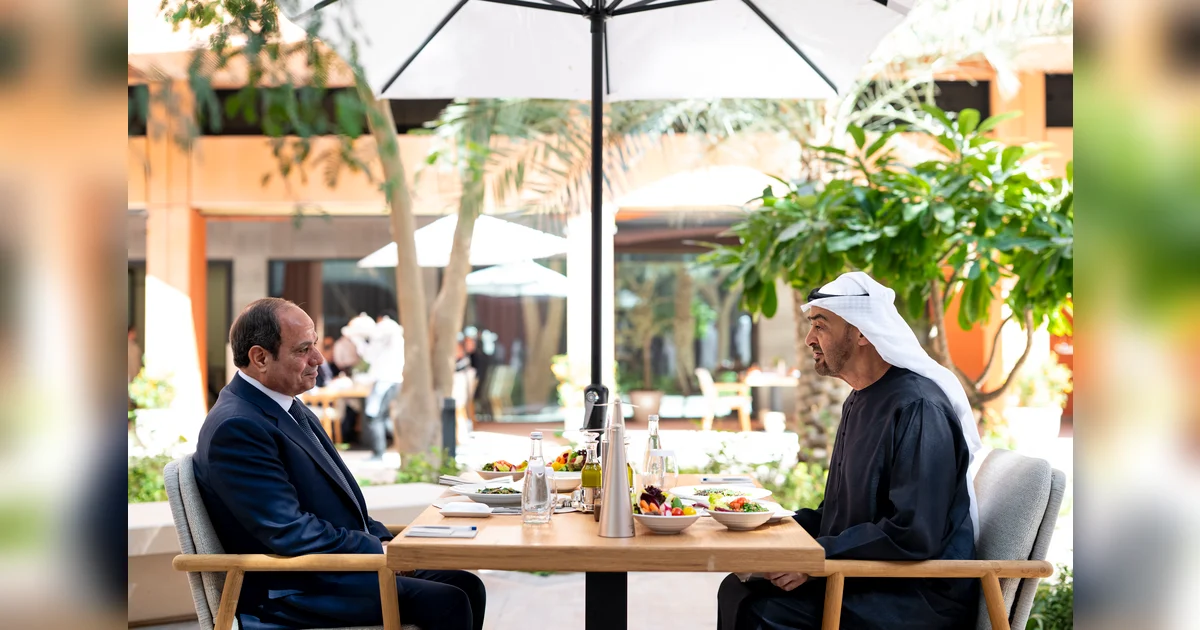
    In a significant diplomatic engagement, UAE President Sheikh Mohamed bin Zayed Al Nahyan hosted Egyptian President Abdel Fattah El-Sisi for high-level talks in Abu Dhabi on February 9, 2026. The meeting underscored the deepening fraternal relations between the two Arab nations and their shared commitment to regional stability.

    The leaders conducted comprehensive discussions covering bilateral cooperation across multiple sectors, with particular emphasis on development initiatives aligning with both nations’ strategic ambitions. The dialogue extended to critical regional concerns, especially the ongoing situation in the Middle East.

    Both leaders emphasized the urgent implementation of ceasefire agreements in Gaza and stressed the necessity of ensuring unimpeded humanitarian aid delivery to alleviate civilian suffering. They reiterated their firm support for a two-state solution as the foundation for achieving comprehensive and just peace in the region.

    A highlight of President El-Sisi’s visit included an extensive tour of the Mohamed bin Zayed University of Artificial Intelligence, where he received detailed briefings on the institution’s cutting-edge facilities and academic programs. The Egyptian leader examined how the university’s advancements in AI and advanced technology contribute to the UAE’s long-term development vision.

    The summit concluded with mutual reaffirmations of continued consultation and close coordination between the two nations to promote regional peace, stability, and prosperity. President El-Sisi departed from Abu Dhabi’s Presidential Airport following ceremonial farewell proceedings hosted by the UAE leadership.

  • US held secret meeting between Algeria, Morocco and Mauritania over Western Sahara

    US held secret meeting between Algeria, Morocco and Mauritania over Western Sahara

    In a significant diplomatic development, the United States convened clandestine negotiations between key stakeholders in the long-standing Western Sahara conflict at its embassy in Madrid. High-level delegations from Morocco, Mauritania, Algeria, and the Polisario Front gathered under American supervision on Sunday, marking a notable escalation of U.S. involvement in the regional dispute.

    The discussions, facilitated by Donald Trump’s African affairs adviser Massad Boulos and UN Ambassador Michael Waltz, focused on Morocco’s autonomy proposal for Western Sahara – a plan previously endorsed by the UN Security Council but rejected by the Sahrawi independence movement. The Polisario Front maintains its demand for a self-determination referendum as outlined in historical UN resolutions, while the U.S. administration has explicitly ruled out independence options.

    This meeting represents the second phase of negotiations initiated in Washington during late January, with proceedings intended to remain confidential until revealed by investigative journalist Ignacio Cembrero. According to reports, American diplomats requested substantial revisions to Morocco’s initial autonomy proposal, resulting in an expanded 40-page document forming the basis for current discussions.

    The geopolitical context surrounding these talks reveals complex international dynamics. Morocco stands as Africa’s primary purchaser of American military equipment with $8.5 billion in contracts anticipated for 2025, while the U.S. previously recognized Moroccan sovereignty over Western Sahara in exchange for Morocco establishing formal diplomatic relations with Israel. European powers including Spain and France have subsequently endorsed Morocco’s autonomy plan, further isolating the Polisario position.

    Human rights concerns persist in the background, with reports of repression against Sahrawi activists in Moroccan-controlled territories and challenging living conditions for refugees in Algerian camps. The territory remains listed by the UN as Non-Self-Governing, often described as Africa’s last colony due to its unresolved status since the 1975 invasion following Spain’s withdrawal.

    Algeria’s participation in these U.S.-brokered talks signals potential diplomatic shifts, as the nation has historically supported the Polisario Front. This development, combined with increased American engagement described as an ‘absolute priority’ by U.S. officials, suggests potential movement toward resolving one of Africa’s most protracted territorial disputes.

  • Algeria accuses the UAE of interference in elections

    Algeria accuses the UAE of interference in elections

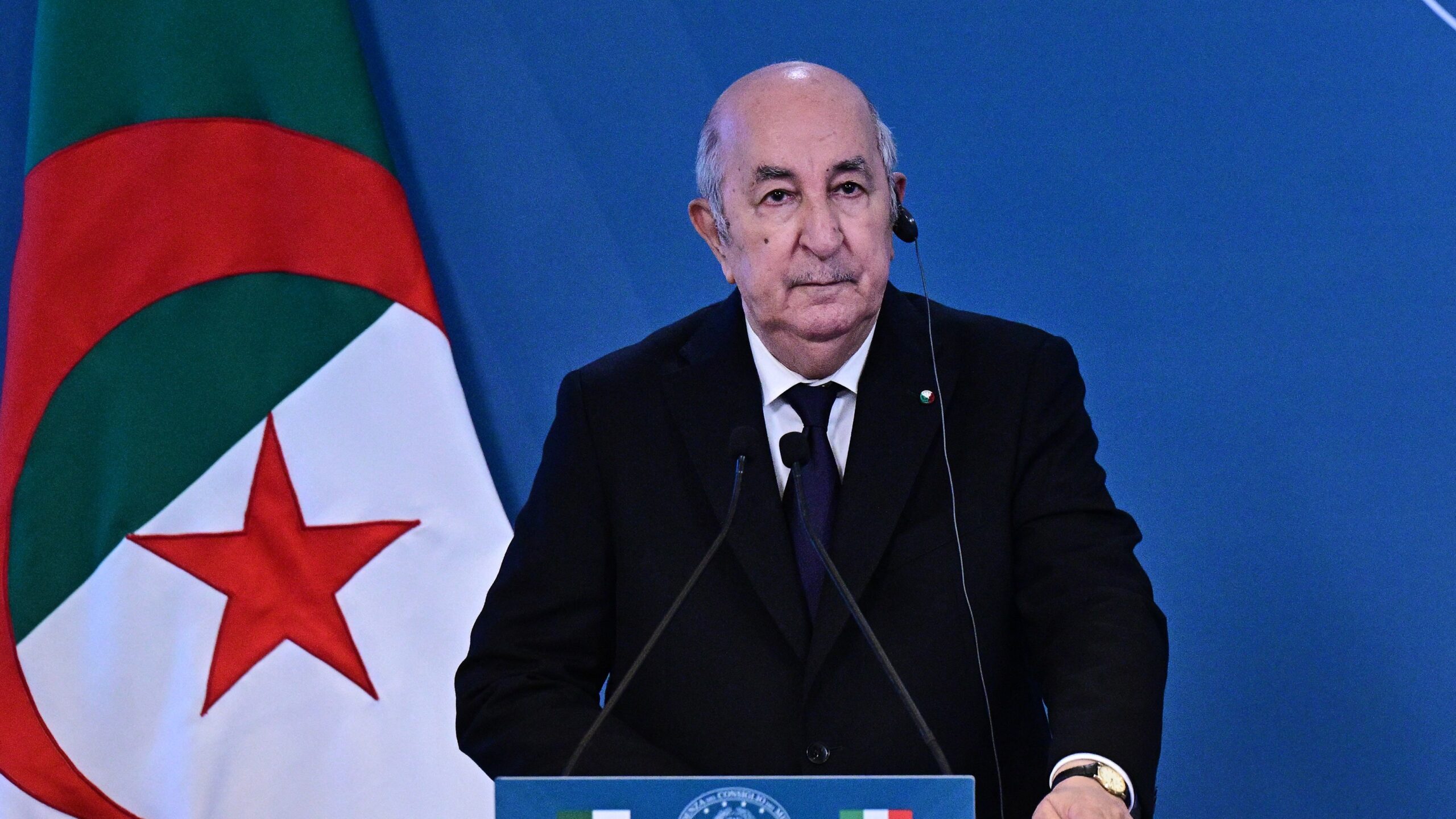
    Algerian President Abdelmadjid Tebboune has launched a scathing diplomatic offensive against the United Arab Emirates, accusing the Gulf nation of systematic interference in Algeria’s electoral processes and regional destabilization efforts. The allegations emerged during a state-media broadcast interview on Saturday where Tebboune conspicuously avoided direct naming of the UAE while clearly referencing their activities.

    The president characterized relations with most Gulf states as “more than fraternal,” specifically praising Saudi Arabia and Kuwait’s leadership. However, his tone shifted dramatically when addressing the UAE, which he dismissed as “a state, not to say a mini-state, that is just posturing.”

    This diplomatic rupture coincides with Algeria’s formal termination of the 2013 air services agreement between the nations. State media announced the cancellation without explicit justification, noting that proper procedures through diplomatic channels and ICAO notification would follow. The Emirati Civil Aviation Authority responded that flight operations remain unaffected during the mandated notice period.

    The current tensions reflect years of growing antagonism. During Algeria’s 2019 Hirak movement that ousted President Bouteflika, protesters frequently targeted the UAE as a reactionary force opposing democratic reforms. Demonstrators carried signs proclaiming “No to the UAE on the land of the martyrs,” referencing Algeria’s liberation struggle against France.

    Official Algerian circles have repeatedly accused UAE diplomats of “suspicious moves” and alleged the ambassador was “on a mission to destabilise” the country. President Tebboune further suggested the UAE threatens international arbitration over investments, to which he defiantly responded: “Let them go to arbitration.”

    Algerian media reports indicate the crisis may deepen further. Newspaper El-Khabar, known for government proximity, suggested the UAE might be supporting the Movement for the Autonomy of Kabylia (MAK)—a separatist group designated as terrorist organization by Algeria. The publication stated that “the question of whether Algeria will sever its diplomatic relations with Abu Dhabi is being raised with increasing urgency,” describing UAE actions as “hostile” and contrary to “Arab brotherhood.”

    Africa Intelligence previously reported that Algeria is systematically reducing diplomatic ties with the UAE, with President Tebboune deciding to minimize Algeria’s diplomatic representation to bare essentials. The El-Khabar report additionally indicated that the UAE ambassador has effectively become persona non grata, with Algerian entities ceasing engagement with the diplomatic mission.

  • ‘Arrest Herzog’: Protests erupt across Australia against Israeli president’s visit

    ‘Arrest Herzog’: Protests erupt across Australia against Israeli president’s visit

    Australian cities witnessed massive demonstrations on Monday as Israeli President Isaac Herzog commenced a four-day official visit, triggering nationwide protests over Israel’s military operations in Gaza. Thousands gathered in Sydney, Melbourne, and Brisbane, chanting pro-Palestinian slogans and demanding accountability for actions in the conflict.

    Herzog’s visit, intended to express solidarity with Australia’s Jewish community following December’s Bondi Beach shooting that killed 15 people, instead became a focal point for activists condemning Israel’s warfare in Gaza. Protesters carried signs reading ‘#ArrestHerzog’ and ‘#HerzogNotWelcome,’ directly challenging the Israeli leader’s presence.

    The controversy intensified as the Australian government invoked special security measures, designating the visit a ‘major event’ that granted police extraordinary powers to restrict access to areas and order people to leave. The Palestine Action Group contested these measures, arguing they were improperly used to suppress legitimate protest.

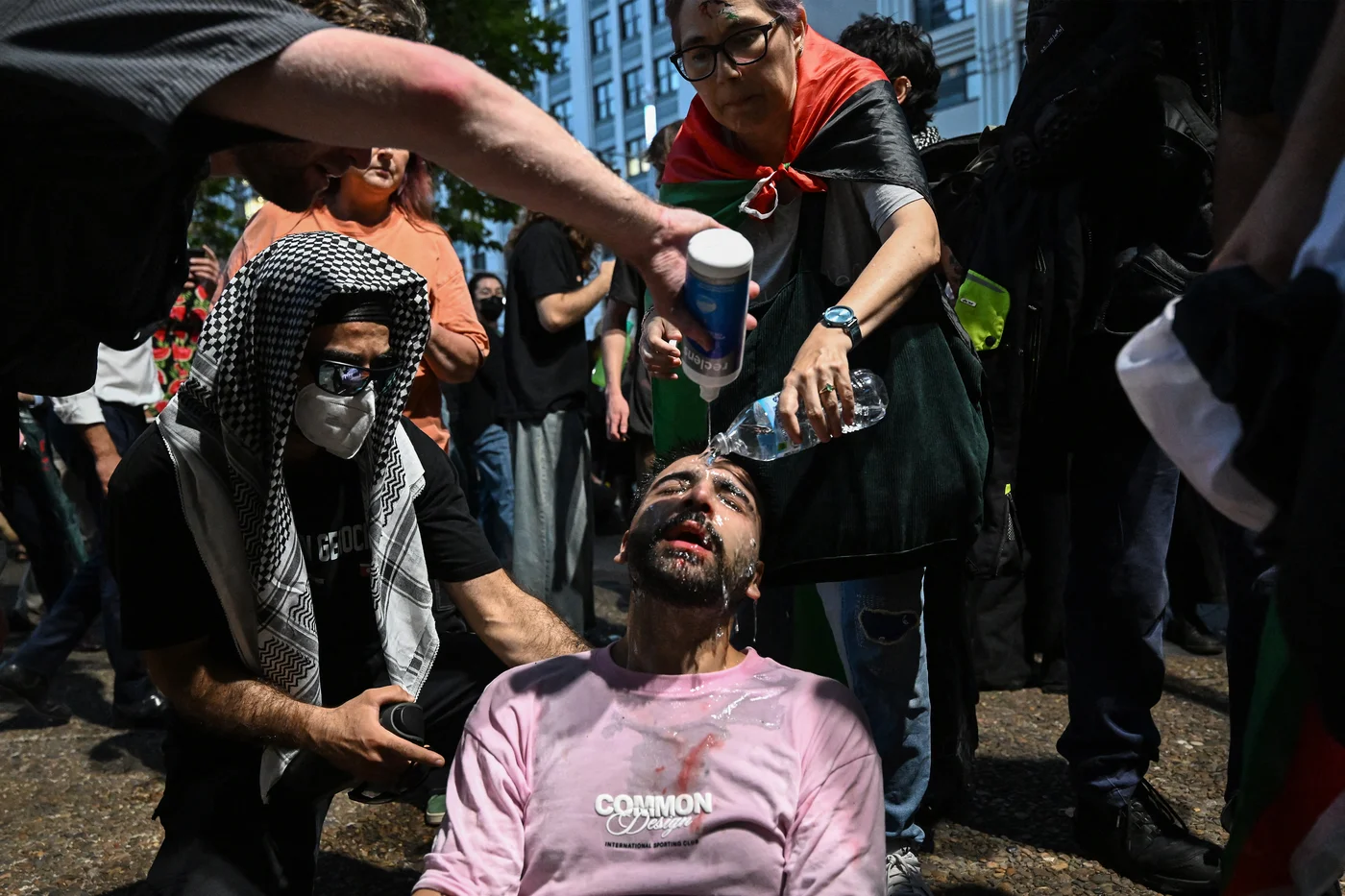
    Tensions escalated visibly in Sydney where footage circulated showing police detaining protesters and using pepper spray. Particularly controversial videos depicted officers confronting Muslim participants praying near Town Hall, drawing widespread criticism of police conduct on social media platforms.

    The Jewish Council of Australia criticized Prime Minister Anthony Albanese’s administration, accusing it of using ‘Jewish grief as a political prop’ by inviting a leader implicated in what international bodies have described as potential genocide. Amnesty International Australia echoed concerns, urging the government to honor its international legal obligations to hold perpetrators accountable.

    Herzog, who maintains that all Palestinians bear responsibility for Hamas’s October 2023 attack, faces serious international scrutiny. A United Nations commission of inquiry previously found Herzog, along with Prime Minister Benjamin Netanyahu and then-Defense Minister Yoav Gallant, ‘liable to prosecution for incitement to genocide’—a statement cited by the International Court of Justice in its assessment of Gaza conflict allegations.

  • Secretary of Iran’s top security body says to visit Oman on Feb 10

    Secretary of Iran’s top security body says to visit Oman on Feb 10

    In a significant diplomatic development, Ali Larijani, Secretary of Iran’s Supreme National Security Council, announced plans to lead a high-level delegation to Oman on February 10th. The visit comes amid ongoing mediation efforts by the Gulf sultanate between Tehran and Washington regarding nuclear negotiations.

    According to an official statement released through Larijani’s Telegram channel on Monday, the Iranian delegation will engage in comprehensive discussions with Omani senior officials covering the latest regional and international developments alongside bilateral cooperation across multiple domains. This diplomatic initiative follows the recent resumption of US-Iran dialogue in Oman last Friday—the first such engagement since the 12-day military confrontation between Iran and Israel in June last year, which saw limited participation from American forces.

    The timing of Larijani’s visit underscores Oman’s continuing role as a crucial diplomatic intermediary in one of the world’s most volatile geopolitical relationships. The Gulf state has historically facilitated backchannel communications between Tehran and Western powers, particularly regarding Iran’s nuclear program and regional security concerns.

    This diplomatic movement occurs against a backdrop of heightened regional tensions and reflects ongoing efforts to establish frameworks for de-escalation and mutual understanding. The agenda is expected to address not only bilateral cooperation but also broader security architecture in the Middle East, where both nations maintain significant strategic interests.

  • Bangladesh poll rivals rally on final day of campaign

    Bangladesh poll rivals rally on final day of campaign

    With Bangladesh’s parliamentary elections scheduled for February 12, the nation’s political landscape has reached a fever pitch as rival parties concluded their final day of campaigning on Monday. The electoral contest marks a historic turning point for the South Asian nation, occurring just eighteen months after the mass uprising of August 2024 that ended Sheikh Hasina’s 15-year autocratic rule.

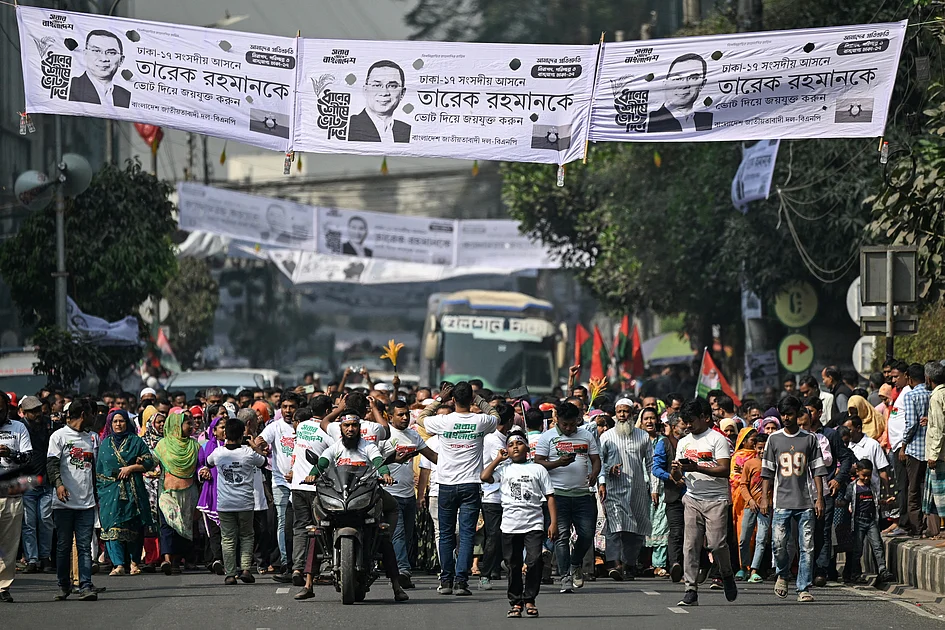
    Tens of thousands of enthusiastic supporters flooded the streets of Dhaka throughout the campaign period, waving party flags and chanting revolutionary slogans that echoed the sentiments of the 2024 pro-democracy movement. The electoral competition has centered around competing interpretations of the uprising’s legacy and divergent visions for the future of this nation of 170 million people.

    The Bangladesh Nationalist Party (BNP), led by Tarique Rahman who returned from 17 years of exile in December, has emerged as a frontrunner in the parliamentary race. The 60-year-old leader, widely known as Tarique Zia, assumed control of the party following the December passing of his mother, former Prime Minister Khaleda Zia. At a Sunday rally in Dhaka’s Mirpur neighborhood, Rahman urged supporters to back local BNP candidate Shafiqul Islam Milton, promising representation that would genuinely serve constituents’ interests.

    Meanwhile, Jamaat-e-Islami chief Shafiqur Rahman addressed packed crowds in the Dhaka-11 constituency, a significant flashpoint during the 2024 uprising. Leading a coalition of Islamist parties under the symbol of weighing scales, Rahman accused the former ruling party of systematic repression while warning that new forms of abuse had emerged following its ouster. “A section of the oppressed turned into oppressors just a day after August 5,” he asserted, alleging widespread extortion and corruption by returning political figures.

    Jamaat-e-Islami, ideologically aligned with the Muslim Brotherhood, has formed an alliance with the National Citizen Party (NCP) founded by student leaders who spearheaded the 2024 uprising. NCP leader Nahid Islam accused major political parties of covertly sharing what he described as “businesses of extortion and crime” for decades.

    The electoral atmosphere has been charged with revolutionary fervor, with supporters repeatedly chanting “Long live the revolution!” and engaging in call-and-response cries of “Slavery or freedom?” answered by thunderous shouts of “Freedom, freedom!”

    Voters expressed diverse motivations for their electoral choices. Mohammed Harun, 65, revealed he hadn’t voted in 17 years but would support the Jamaat-led alliance hoping for a “just, corruption and violence-free country.” First-time voter Abdullah-al-Rahat, a 21-year-old Dhaka University student who participated in the 2024 uprising, expressed preference for a unity government should no party secure a majority.

    The Awami League, former Prime Minister Sheikh Hasina’s party, has been banned from participating in the elections by the interim government—a move criticized by various human rights organizations. Hasina, now 78, was sentenced to death in absentia last November for crimes against humanity related to her government’s deadly crackdown on protesters during her final bid to maintain power. She remains in hiding in India.

    The election represents not merely a political transition but a profound test of Bangladesh’s democratic institutions and its ability to channel revolutionary energy into sustainable governance structures.
  • Tanzania opposition leader returns to court for treason trial after monthslong delay

    Tanzania opposition leader returns to court for treason trial after monthslong delay

    NAIROBI, Kenya (AP) — Tanzanian opposition figure Tundu Lissu made his first court appearance in months on Monday, facing treason charges that carry potential capital punishment. The highly anticipated hearing was abruptly adjourned after Lissu, who is representing himself legally, formally objected to prosecutors’ plans to utilize concealed witnesses testifying from a specially secured chamber.

    Lissu has remained incarcerated for ten months following his arrest at an opposition rally where he demanded constitutional and electoral reforms prior to Tanzania’s contentious 2025 election. The political veteran argued that anonymous testimony from isolated witnesses creates unacceptable judicial risks and would almost certainly prejudice his right to a fair trial.

    The judicial panel announced it would deliberate on this procedural challenge and deliver a ruling on Wednesday. This legal development occurs against the backdrop of ongoing political turbulence stemming from last October’s disputed elections, which triggered widespread civil unrest, internet blackouts, and significant casualties.

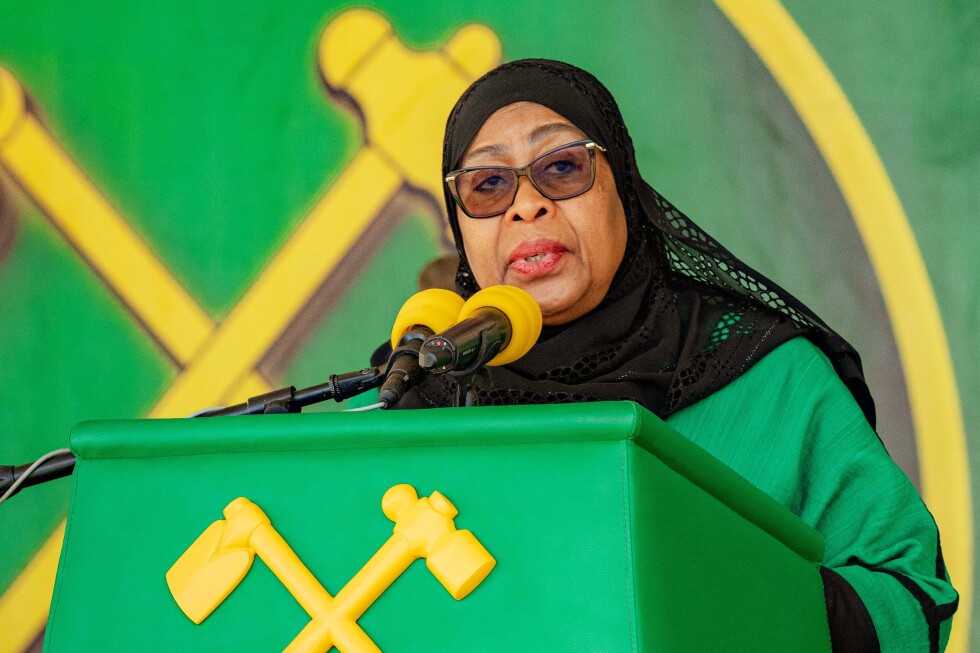
    President Samia Suluhu, who secured a second term with an overwhelming 97% majority amid an opposition boycott, previously attributed the violent outbreaks to foreign interference. While Suluhu has apologized for the communications shutdown and established a reconciliation commission, opposition party Chadema continues demanding accountability for protest-related fatalities.

    Chadema’s deputy leader John Heche simultaneously called for Lissu’s “unconditional release,” alleging governmental offers of freedom contingent on the critic’s permanent exile. Lissu, having survived a 2017 assassination attempt and multiple exiles, represents the most prominent challenge to the ruling CCM party’s decades-long dominance.

  • Gang Aoping: Justice is served for Jimmy Lai

    Gang Aoping: Justice is served for Jimmy Lai

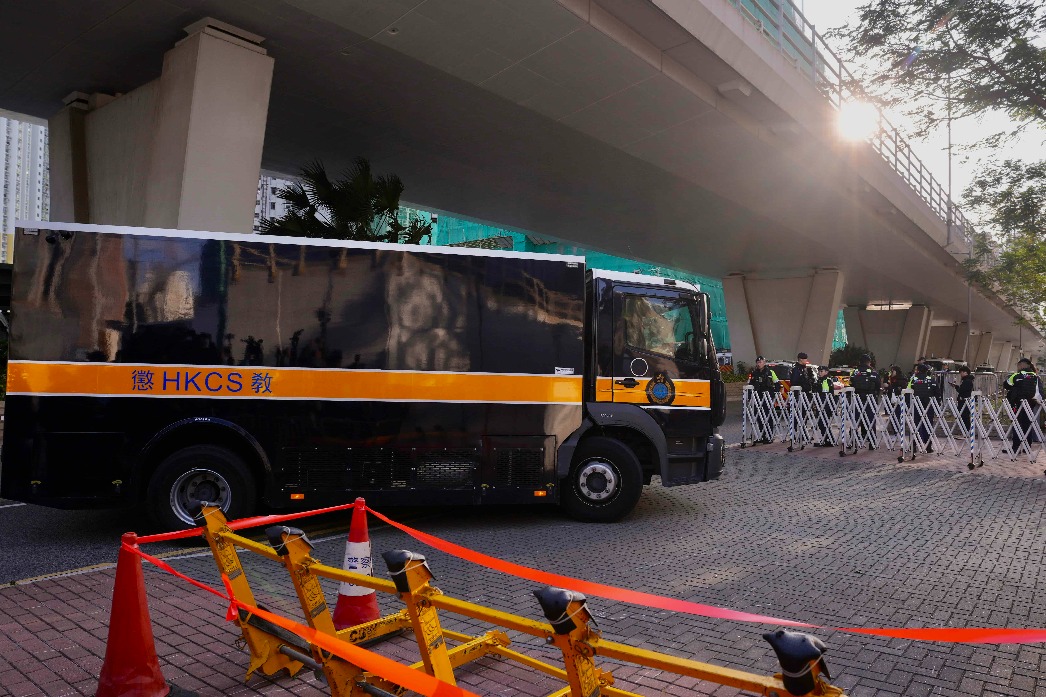
    In a landmark ruling that has drawn international attention, Hong Kong’s High Court has sentenced media tycoon Jimmy Lai Chee-ying to 20 years imprisonment for national security offenses. The founder of the now-defunct Apple Daily newspaper was convicted on two counts of conspiracy to collude with foreign forces and one count of conspiracy to publish seditious materials.

    The sentencing, delivered on February 9, 2026, represents one of the most significant applications of Hong Kong’s national security legislation since its implementation. Three companies associated with Lai—Apple Daily Ltd, Apple Daily Printing Ltd, and AD Internet Ltd—were each fined HK$3,004,500 (approximately $384,000). Eight additional defendants connected to the case received prison terms ranging from six years and nine months to ten years.

    The Hong Kong and Macao Affairs Office of China’s State Council publicly endorsed the verdict through an article published under the pseudonym Gang Aoping on its official social media channels. The statement characterized the sentence as a ‘decisive and powerful demonstration’ that those challenging national security laws would face severe consequences.

    Judicial authorities emphasized that the proceedings were conducted with complete transparency and adherence to legal protocols, with the defendant’s litigation rights fully protected throughout the process. The court maintained that the trial was carried out independently without external interference, reflecting the maturity of Hong Kong’s legal system.

    The case has been widely viewed as a critical test of Hong Kong’s judicial autonomy under the national security framework implemented in 2020. Supporters of the verdict argue it represents necessary enforcement of laws protecting national stability, while critics have expressed concerns about implications for press freedom and political expression in the semi-autonomous region.

  • Israeli prisons ‘begin preparations to apply death penalty’ for Palestinians

    Israeli prisons ‘begin preparations to apply death penalty’ for Palestinians

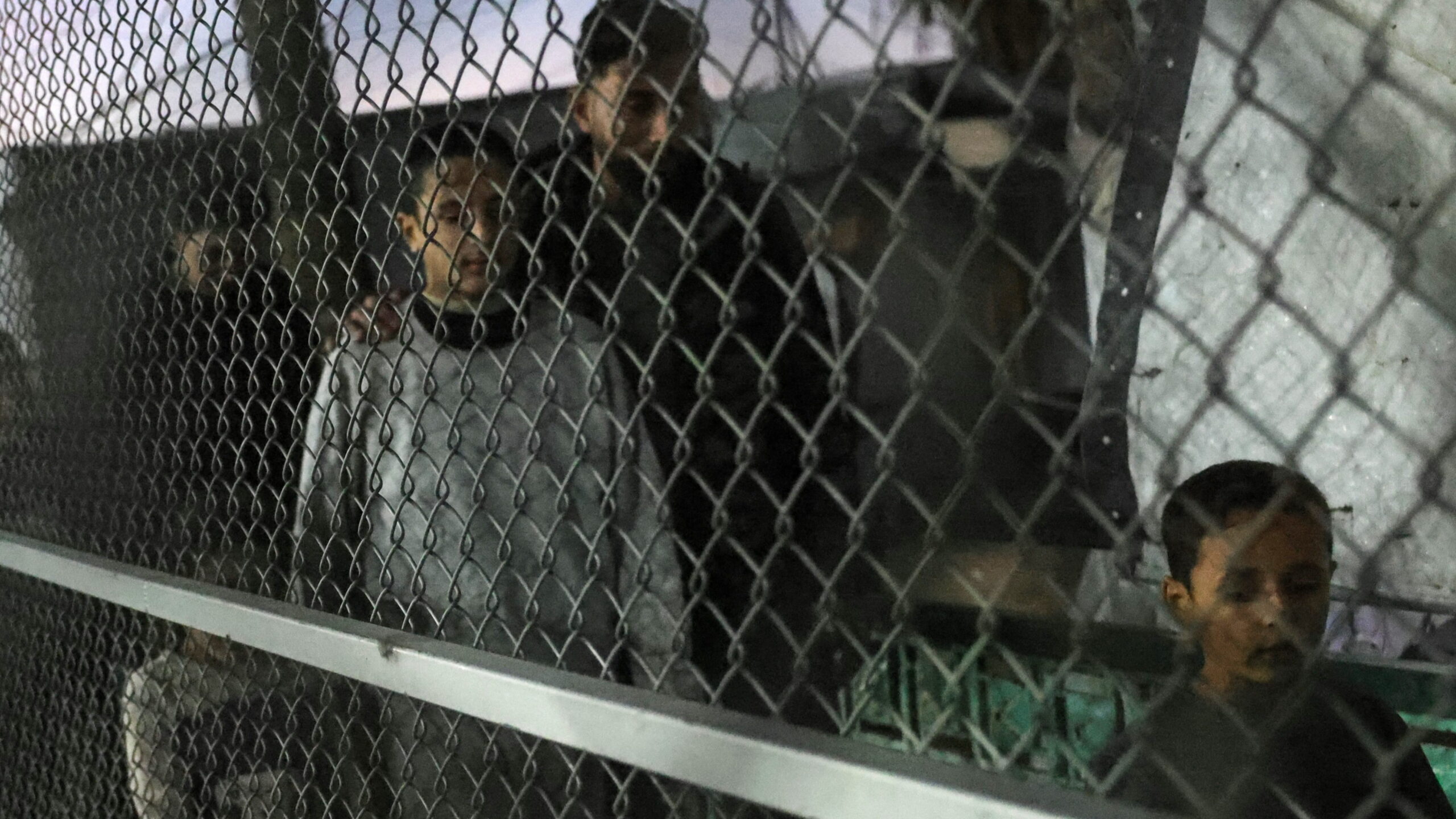
    Israeli authorities have initiated concrete preparations to implement capital punishment specifically targeting Palestinian detainees, according to reports from Israeli media outlets. The development follows the preliminary approval of a death penalty bill by the Knesset in its initial reading during the previous year.

    The preparatory measures include the establishment of a specialized execution facility internally referred to as “Israel’s Green Mile” within the prison system. Operational training and procedural development are currently underway, with a delegation from the Israeli Prison Service scheduled to visit an East Asian nation to examine legal frameworks and methodologies for administering capital punishment.

    The proposed execution protocol would employ hanging as the method, with three correctional officers simultaneously activating the mechanism to distribute ethical responsibility. Specialist volunteer teams would be assigned to carry out these procedures, with executions mandated to occur within 90 days following final judicial verdicts.

    This legislation would initially apply exclusively to Palestinians identified as members of Hamas’ Nukhba elite unit who participated in the October 2023 attacks, subsequently extending to those accused of serious offenses in the West Bank. Notably, the proposed law contains explicit provisions excluding Jewish Israeli citizens from capital punishment eligibility for similar actions against Palestinians.

    While Israeli jurisprudence technically permits capital punishment in extreme circumstances, no executions have been conducted since the 1962 hanging of Nazi officer Adolf Eichmann for Holocaust-related crimes. The current initiative has drawn substantial criticism from human rights organizations and United Nations experts, who condemn it as violating fundamental human rights principles and international legal standards.

    UN specialists have particularly emphasized that mandatory death sentences eliminate judicial discretion to consider individual circumstances and mitigating factors, while Palestinian advocacy groups have characterized the legislation as unprecedented institutional brutality. The development occurs alongside reports of deteriorating conditions for Palestinian detainees, with advocacy groups documenting increased fatalities and alleged torture within Israeli detention facilities.

  • Bhumjaithai Party’s election victory signals shift in Thailand’s politics

    Bhumjaithai Party’s election victory signals shift in Thailand’s politics

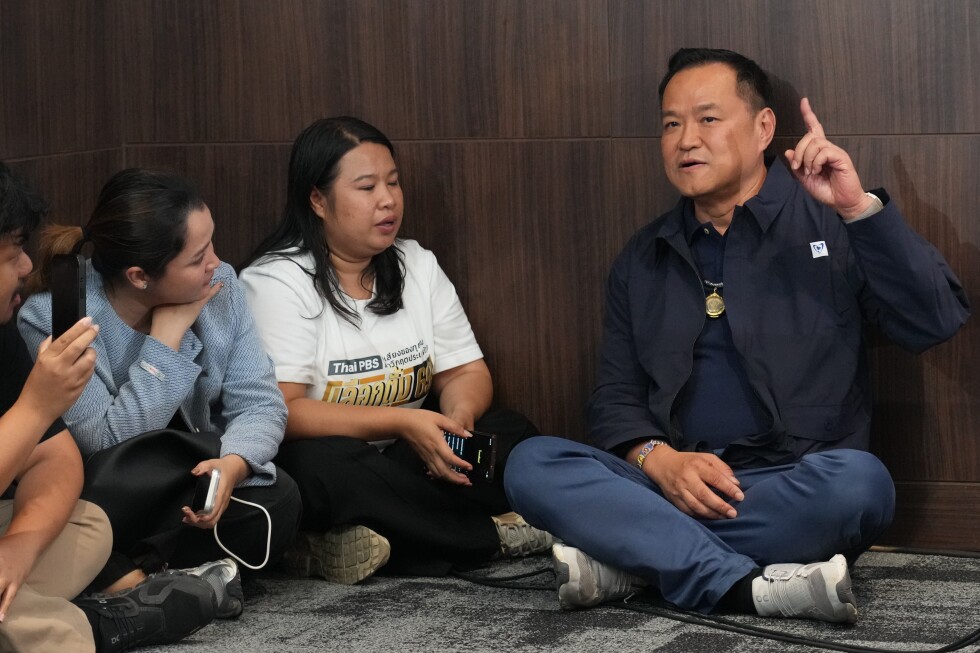
    BANGKOK – Thailand’s political arena has undergone a profound transformation following the Bhumjaithai Party’s decisive electoral triumph, signaling a voter mandate for stability over radical reform. The conservative party secured 193 seats in the 500-member House of Representatives, positioning incumbent Prime Minister Anutin Charnvirakul for continued leadership while necessitating coalition building to achieve the 251 votes required for government formation.

    Analysts characterize this outcome as a seismic shift in Thai politics, marking the first conservative victory in a general election this century. Ken Lohatepanont, a University of Michigan doctoral researcher specializing in Thai politics, noted this represents a fundamental realignment from the populist dominance that has characterized the political landscape since 2001.

    The party’s surge is attributed to two strategic factors: its nationalist positioning during recent border conflicts with Cambodia, which resonated with rising patriotic sentiment, and its expansion beyond rural bases through alliances with regional power brokers and appointment of technocrats that appealed to urban middle-class voters.

    Meanwhile, the progressive People’s Party faces significant challenges despite capturing all 33 Bangkok seats and winning the party preference ballot. Their military reform agenda failed to connect with the prevailing nationalist mood, and the party now confronts legal threats similar to those that dissolved its predecessor, Move Forward Party, in 2024. The National Anti-Corruption Commission recently ruled that 44 former Move Forward lawmakers – including current People’s Party leadership – committed serious ethical violations regarding monarchy defamation laws, potentially disqualifying them from political office.

    The once-dominant Pheu Thai Party faces existential challenges after its worst electoral performance in decades, even losing its traditional stronghold in Chiang Mai. Having alienated both pro-democracy supporters through broken coalition promises and conservatives through perceived coziness with Cambodia’s leadership, the party may find joining a Bhumjaithai coalition its only political survival strategy according to analysts.