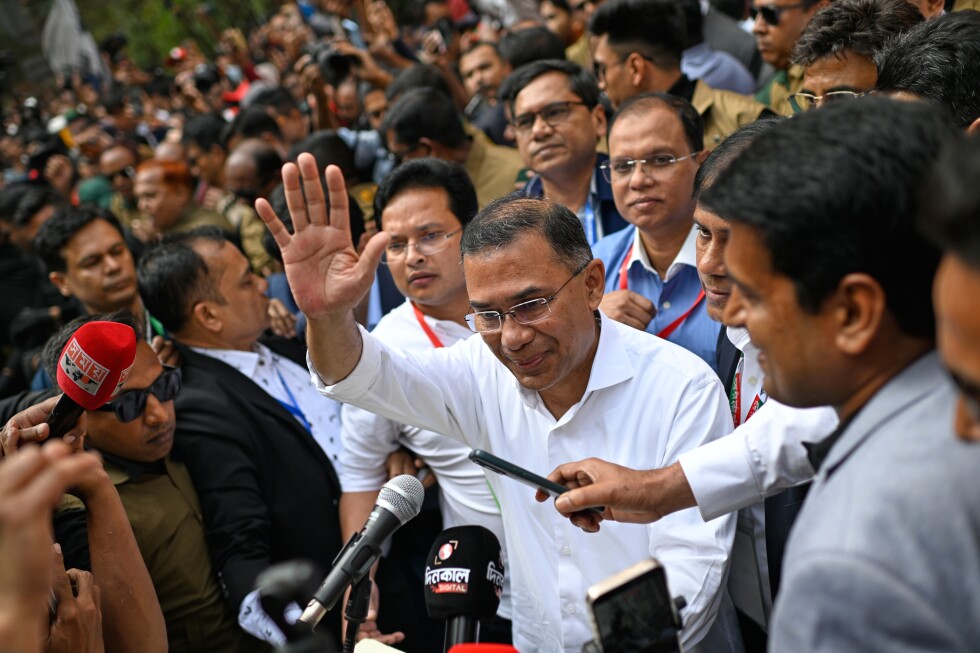
DHAKA, Bangladesh — The Bangladesh Nationalist Party (BNP) has declared an electoral triumph in the nation’s first parliamentary contest since the 2024 uprising, potentially heralding a dramatic shift in the country’s political trajectory after years of contentious governance and disputed elections.\n\nThe party’s media division announced via social media platform X on Friday that it had captured sufficient parliamentary seats to establish a standalone government. While the Election Commission has yet to release official results, multiple domestic news organizations have corroborated the BNP’s victory claim.\n\nThis electoral process unfolded under heightened security measures amid widespread apprehensions regarding democratic erosion, escalating political violence, and deteriorating rule of law. The election represents a pivotal milestone following the July 2024 student-led revolution that precipitated the downfall of former Prime Minister Sheikh Hasina, who subsequently sought exile in India.\n\nBNP’s leadership is helmed by Tarique Rahman, the party’s prime ministerial nominee who ended his 17-year self-imposed exile in London last December. The 60-year-old politician, son of late former Prime Minister Khaleda Zia, has positioned himself as a champion of democratic values in a political landscape historically marred by partisan entrenchment, military involvement, and accusations of electoral misconduct.\n\nSenior BNP official Ruhul Kabir Rizvi extended gratitude to the Bangladeshi populace for their electoral support, while Rahman’s press secretary urged supporters to observe special prayers instead of organizing victory processions.\n\nThe United States Embassy in Dhaka formally congratulated Rahman and his party, characterizing the outcome as a \”historic victory.\” U.S. Ambassador Brent T Christensen expressed anticipation for collaborative efforts toward mutual prosperity and security objectives.\n\nThis election was widely perceived as a critical examination of Bangladesh’s capacity to rehabilitate democratic institutions and translate public dissent into substantive political transformation. The BNP had previously boycotted multiple elections during Hasina’s 15-year tenure, alleging systematic vote manipulation and political suppression.\n\nRahman’s return became feasible after corruption and criminal cases against him—which he maintains were politically motivated—were discontinued following the collapse of Hasina’s administration.
分类: politics
-
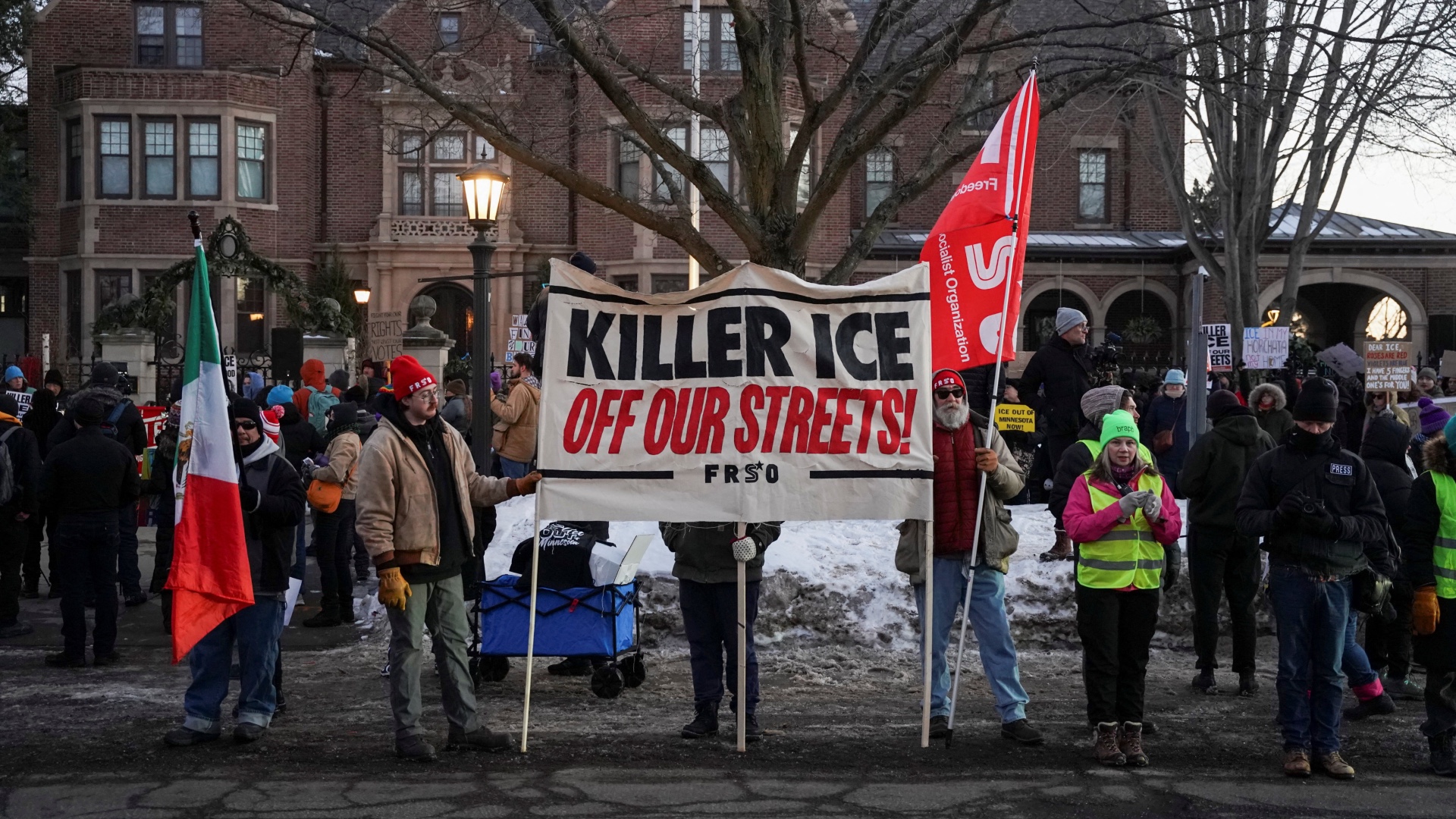
Trump administration to end immigration enforcement surge in Minneapolis
The Trump administration announced on Thursday the termination of a heightened immigration enforcement operation in Minneapolis, Minnesota, following two months of widespread protests, school closures, and the tragic deaths of two American citizens. The operation, which had drawn significant national criticism, will see a substantial drawdown of federal agents.
At a Minneapolis press conference, Border Czar Tom Homan stated that the de-escalation was already in progress. ‘I have proposed, and President Trump has concurred, that this surge operation conclude,’ Homan declared. ‘A significant drawdown has already been underway this week and will continue into the next.’ He attributed the decision to improved collaboration between local law enforcement and federal immigration authorities, establishing a new protocol where U.S. Immigration and Customs Enforcement (ICE) will take custody of immigrants arrested locally for criminal acts prior to deportation proceedings.
The operation had been marred by controversy since its inception. Viral videos depicted ICE agents, alongside personnel from Homeland Security Investigations and Enforcement and Removal Operations, employing aggressive tactics. These included apprehending individuals suspected of immigration violations in front of their children at schools and from construction sites. Notably, some of those detained were later confirmed to be U.S. citizens, a direct violation of federal law which prohibits immigration agents from holding Americans.
The fatalities of U.S. citizens Renee Nicole Good and Alex Pretti, who were legally observing and documenting ICE activities, became a focal point of national outrage. Acting ICE Director Todd Lyons acknowledged the deaths at a Senate hearing but declined further comment pending internal investigations. ‘In regards to every law enforcement operation, of course, we go back, we look at lessons learned… the ownership of that is mine,’ Lyons testified.
Minnesota officials responded with a mixture of relief and defiance. Democratic Governor Tim Walz, who had previously run for vice president alongside Kamala Harris, stated on social media, ‘The long road to recovery starts now.’ He later revealed that a phone call with President Trump and the subsequent deployment of Homan to Minneapolis had initiated negotiations to end the operation, though he criticized the administration’s delay, suggesting it was ‘in very Trumpian fashion, they needed to save face.’
Minneapolis Mayor Jacob Frey, known for his explicit demands for ICE to leave the city, celebrated the community’s resilience, writing that federal agents ‘thought they could break us, but a love for our neighbors and a resolve to endure can outlast an occupation.’
The political fallout for the administration has been significant, with approval ratings suffering due to widespread circulation of videos showing violent arrests. Critics of the operation pointed to internal Department of Homeland Security (DHS) documents revealing that only 14% of arrested immigrants had a record of violent crime, arguing that the majority were detained for civil infractions like visa overstays. Furthermore, tactics such as frequently transferring detainees to remote facilities in Texas and Louisiana—regions with conservative judiciaries aligned with administration policies—were condemned for isolating individuals from legal support and families, effectively coercing them into accepting deportation rather than pursuing their legal rights.
Since taking office 13 months ago, the DHS reports having detained or deported half a million people. The conclusion of the Minneapolis surge marks a significant retreat from one of the administration’s most aggressive domestic enforcement campaigns.
-
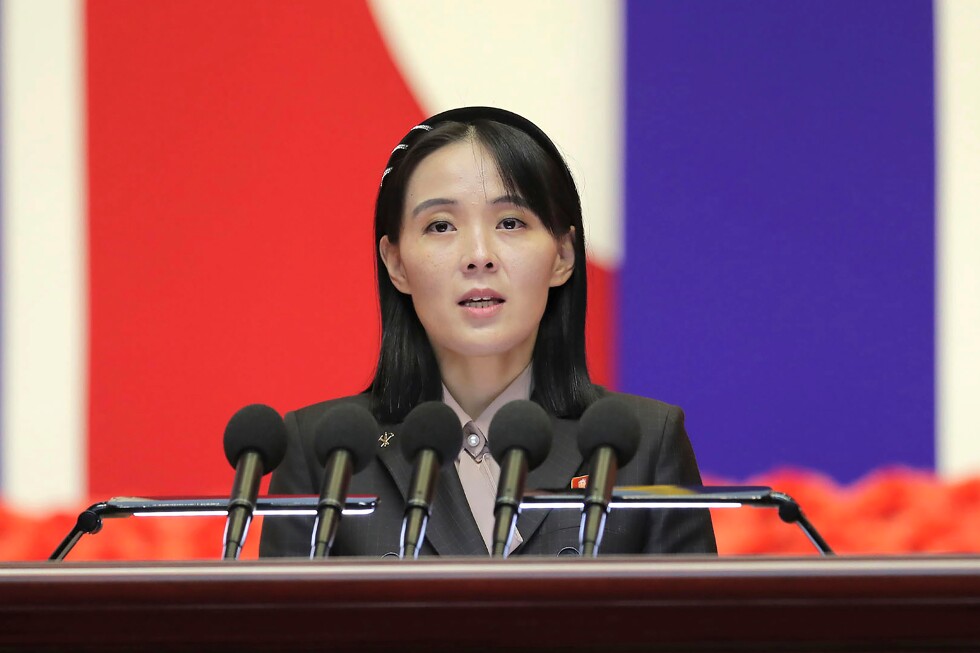
Sister of North Korea’s leader says South Korea’s drone regret was sensible but insufficient
In a significant development on the Korean Peninsula, Kim Yo Jong, the influential sister of North Korean leader Kim Jong Un, delivered a carefully calibrated response Friday to South Korea’s expression of regret over alleged civilian drone flights. While acknowledging South Korean Unification Minister Chung Dong-young’s “deep regret” as “sensible behavior,” she issued a stark warning that any recurrence would trigger “terrible response” measures.
The diplomatic exchange marks the latest escalation in tensions between the two technically warring nations. North Korea had previously threatened retaliation last month after accusing South Korea of launching surveillance drone flights in September and January—claims that Seoul has consistently denied. South Korean authorities confirm they are investigating three civilians suspected of operating drones in border areas, though officials maintain no government-operated drones were deployed during the specified periods.
Kim Yo Jong’s statement, while acknowledging the conciliatory gesture, demanded stronger preventive measures from Seoul. “Various counterattack plans are on the table,” she declared, emphasizing that any response would “go beyond proportionality” if violations of North Korea’s sovereignty recur. The warning was delivered using North Korea’s formal name, the Democratic People’s Republic of Korea (DPRK).
Analysts suggest North Korea’s drone accusations may be strategically timed to heighten anti-South Korean sentiments ahead of the ruling Workers’ Party congress in late February—the first such gathering in five years. There is speculation that the congress could formalize leader Kim Jong Un’s declaration of a hostile “two-state” system on the Korean Peninsula in the party constitution.
The development significantly dampens prospects for Seoul’s efforts to revive long-stalled diplomatic talks amid an increasingly tense nuclear standoff. The two Koreas have maintained no public dialogue since 2019, with drone allegations adding to existing sources of animosity between the divided nations.
-
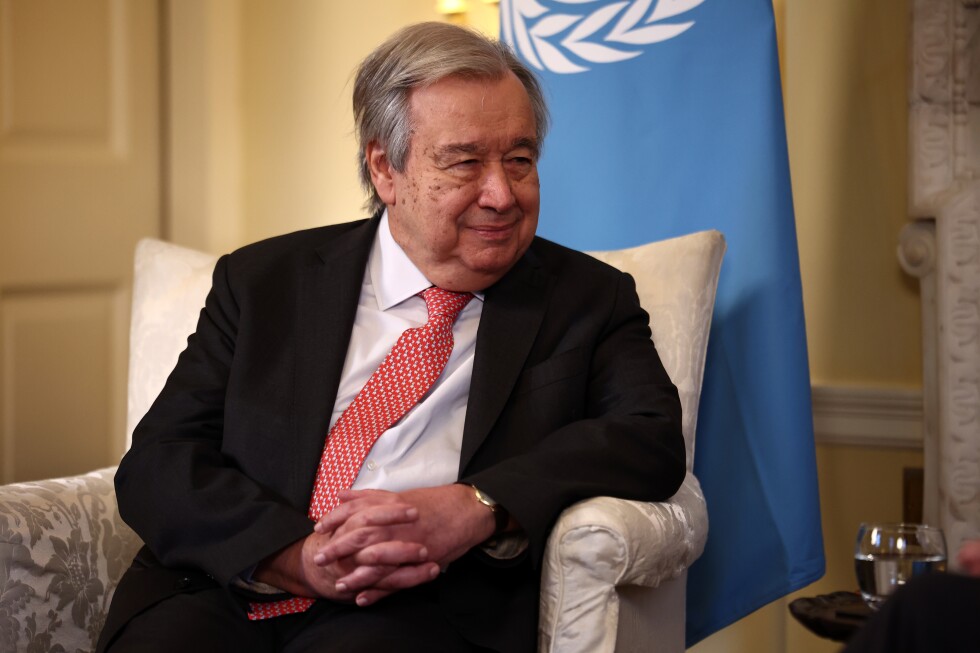
UN approves 40-member scientific panel on the impact of artificial intelligence over US objections
The United Nations General Assembly has overwhelmingly approved the creation of a 40-member global scientific panel dedicated to assessing the impacts and risks of artificial intelligence. The Thursday vote saw 117 nations in favor, with only the United States and Paraguay voting against the initiative, while Tunisia and Ukraine abstained.
UN Secretary-General Antonio Guterres, who established the panel, hailed the decision as “a foundational step toward global scientific understanding of AI.” He emphasized that the fully independent scientific body would provide rigorous, independent insight enabling all member states to engage on equal footing regardless of technological capacity.
The United States Mission strongly objected to the panel, with counselor Lauren Lovelace characterizing it as “a significant overreach of the UN’s mandate and competence.” Lovelace stated that AI governance should not be dictated by the UN and expressed concerns about authoritarian regimes potentially influencing international bodies to impose “controlled surveillance societies.”
Panel members were selected from over 2,600 candidates through an independent review process involving the International Telecommunications Union, the UN Office for Digital and Emerging Technologies, and UNESCO. The diverse panel includes predominantly AI experts alongside professionals from other disciplines, including Nobel Peace Prize laureate Maria Ressa, a Filipino journalist.
Notable appointments include two American experts: University of Minnesota professor Vipin Kumar and retired University of Colorado professor Martha Palmer. The panel also features two Chinese specialists: Shanghai Jiao Tong University dean Song Haitao and Chinese Academy of Engineering cloud-computing expert Wang Jian.
Ukraine cited its objection to Russian AI regulation expert Andrei Neznamov’s inclusion as the reason for its abstention. Panel members will serve three-year terms focused on bridging knowledge gaps and assessing AI’s real-world economic and social impacts.
-

Israeli soldier acccused of using classified intelligence to bet on attacks in Mena
Israeli authorities have brought criminal charges against a military servicemember and an additional individual for allegedly exploiting confidential intelligence to wager on future combat operations through cryptocurrency prediction markets. The country’s Shin Bet security agency disclosed on Thursday that both suspects leveraged their privileged access to classified information to place bets regarding Israeli military actions across the Middle Eastern theater.
This unprecedented security breach emerged following a Kan public television investigation last month that revealed a Polymarket user had profited over $152,000 by accurately predicting an Israeli strike against Iran in June. The successful bettor had placed substantial sums across multiple specific propositions, including precise timelines for military engagements against Iran and the conclusion of active conflicts.
Israel’s defense establishment issued a stern warning regarding the grave national security implications of such activities. An official government statement emphasized that ‘placing bets based on secret and classified information poses a real security risk to IDF operations and to the security of the state,’ adding that authorities would ‘act decisively to thwart and bring to justice anyone involved in the unlawful use of classified information.’
Polymarket, a U.S.-based cryptocurrency prediction platform, enables users to speculate on virtually any global event. The site currently hosts active betting markets concerning the timing of Israeli strikes against Gaza and Lebanon, the number of nations Israel might attack in February, and progress in Middle Eastern peace negotiations. Additional markets allow wagering on potential military actions by Israel and the United States against Iran.
The platform has previously drawn scrutiny following a similar incident where a gambler netted approximately $400,000 by correctly predicting a U.S. operation against Venezuela and the attempted abduction of President Nicolás Maduro mere hours before it occurred. Current Polymarket metrics indicate a 53% probability of a U.S. attack on Iran by June 2026, with a 16% chance of such military action occurring before February 28th—a market that has attracted over $12 million in wagers.
-

Japan says it seized Chinese vessel amid tensions with Beijing
Japanese maritime authorities have intercepted and seized a Chinese fishing vessel within Japan’s exclusive economic zone southwest of Nagasaki Prefecture, marking the first such seizure since 2022. The incident occurred on Thursday when the vessel, identified as a high-capacity ‘tiger net’ fishing boat, allegedly attempted to evade inspection orders from Japanese fisheries inspectors.
The fisheries agency confirmed the arrest of the 47-year-old Chinese captain and detention of all 11 crew members aboard. According to official statements, the vessel ‘failed to comply and fled’ when ordered to halt for routine inspection procedures.
This maritime interception occurs against a backdrop of significantly deteriorated Sino-Japanese relations following controversial remarks by Japanese Prime Minister Sanae Takaichi in November 2025. Takaichi’s suggestion that Tokyo might intervene militarily if China attempted to forcibly reunify with Taiwan triggered diplomatic fury from Beijing, which subsequently summoned Japan’s ambassador and issued travel warnings for its citizens.
The political fallout has extended beyond diplomacy, affecting economic and cultural exchanges. Chinese tourist arrivals to Japan have plummeted, impacting tourism-related stocks and retail sectors. Cultural exchanges have suffered with cancelled performances by Japanese artists in China and postponed releases of Japanese films. Even symbolic panda diplomacy reversed course with Japan’s last two pandas returned to China last month.
China maintains its historical claim over Taiwan, which Japan occupied until 1945, and has consistently reserved the right to use force for what it terms ‘reunification.’ Beijing had previously demanded retraction of Takaichi’s comments and warned Japan to ‘stop playing with fire’ as diplomatic tensions intensified throughout late 2025.
-
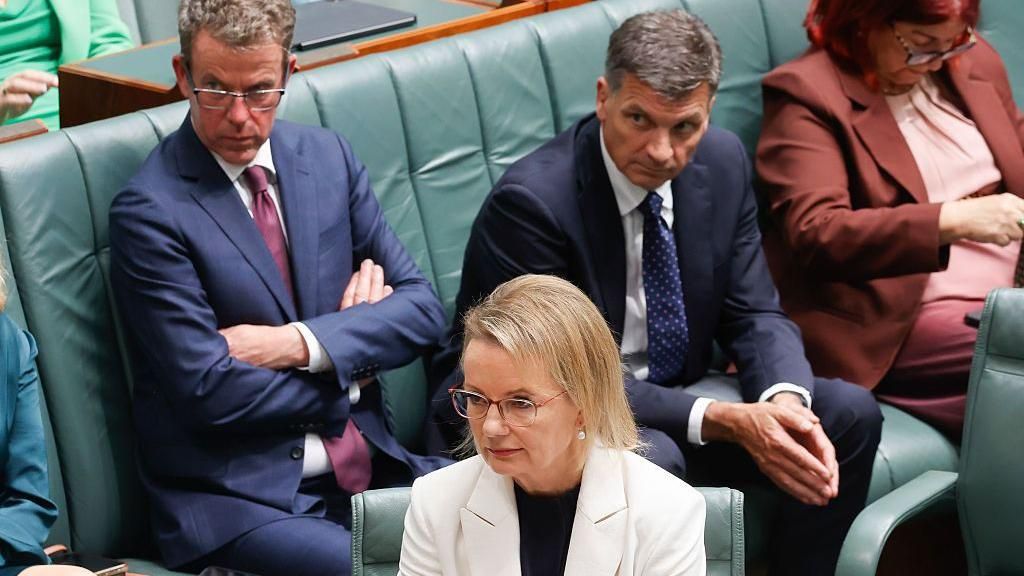
Australia’s Liberal Party ousts first woman leader
In a significant political upheaval, Angus Taylor has successfully deposed Sussan Ley as leader of Australia’s Liberal Party, marking the end of her brief nine-month tenure. The leadership ballot concluded with a decisive 34-17 victory for Taylor, representing the party’s conservative faction and former shadow defense minister under Ley’s administration.
This transition follows months of internal strife within the Liberal-National Coalition and consistently disappointing poll performances. Ley, who ascended to leadership after the coalition’s devastating electoral defeat in 2025, faced persistent challenges in maintaining party unity. The historic partnership between Liberals and Nationals fractured twice during her leadership—first immediately following the May election and again recently.
Taylor, who narrowly lost to Ley in the previous leadership contest, brings a background as a former management consultant and parliamentary experience dating to 2013. He has served ministerial roles under former Prime Ministers Malcolm Turnbull and Scott Morrison. In a social media statement, Taylor characterized his election as “an immense honor” and expressed enthusiasm about collaborating with newly appointed deputy leader Jane Hume.
Ley announced her immediate resignation from parliament and complete withdrawal from public life following the results. While expressing “no hard feelings” toward her successor, she delivered a pointed remark about the challenges of leadership, emphasizing the importance of “clear air, something that is not always afforded to leaders.”
The Liberal-National Coalition has struggled to formulate a coherent response to their electoral collapse against Labor, particularly regarding energy and climate policy disagreements. Recent polling indicates concerning trends, with the populist One Nation Party—which secured merely 6% of the national vote last year—now surpassing the coalition to claim second place behind Labor.
Reflecting on her tumultuous leadership experience, Ley described moments as “very tough” but drew parallels to her involvement in Canberra’s early punk rock movement, noting she would continue to find wisdom in “a fearless and honest belief in yourself.”
-

DHS shutdown looms as funding bill fails over immigration demands
A critical funding bill for the U.S. Department of Homeland Security (DHS) has been blocked in the Senate following a contentious partisan dispute over proposed reforms to immigration enforcement protocols. Thursday’s procedural vote failed to secure the necessary majority, stalling legislation just before Saturday’s midnight funding deadline.
The deadlock centers on Democratic demands for substantial operational changes at Immigration and Customs Enforcement (ICE). These reforms, prompted by recent fatal incidents involving ICE operations, include prohibiting agents from wearing masks during interactions, mandating body camera usage, and implementing stricter oversight mechanisms.
Senate Minority Leader Chuck Schumer characterized these proposals as “common sense” measures already standard among local law enforcement nationwide. “Democrats will not support a blank cheque for chaos,” Schumer declared following the vote, emphasizing requirements for judicial warrants before entering private properties and bans on enforcement at sensitive locations including schools, medical facilities, and places of worship.
Despite the funding lapse, ICE operations will continue largely unaffected due to previous legislation allocating billions to advance President Trump’s immigration agenda. However, other critical DHS agencies face immediate impacts. DHS Secretary Kristi Noem warned that agencies including FEMA (disaster response) and TSA (airport security) would experience operational disruptions, with personnel potentially facing unpaid furloughs.
Republican opposition focuses on maintaining enforcement capabilities, with Senate Majority Leader John Thune dismissing certain Democratic proposals as “non-starters that unnecessarily tie the hands of law enforcement.” The GOP’s central demand remains mandatory cooperation between local police and federal immigration authorities.
With the Senate currently in recess, legislators await a potential compromise that could trigger a recall vote. The already House-approved bill remains in legislative limbo as both parties navigate complex negotiations surrounding immigration policy and security funding.
-
Analysis: Trump takes victory lap after biggest climate rollback yet
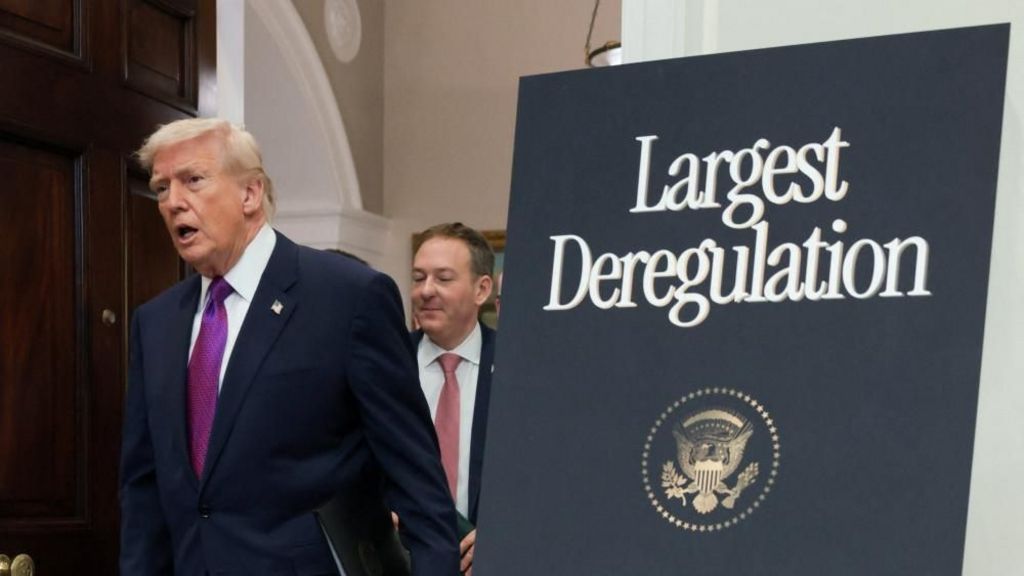
In a landmark environmental policy reversal, the Trump administration has formally rescinded the 2009 “endangerment finding” that served as the legal foundation for federal climate regulations. The announcement, made at the White House on Thursday, represents one of the most significant environmental policy shifts of Trump’s second term.
President Trump framed the decision as a political victory over what he termed the Democratic Party’s “radical environmental agenda,” characterizing the move as liberation from bureaucratic overreach. The original 2009 finding, established during the Obama administration, provided scientific justification for regulating greenhouse gas emissions under the Clean Air Act, enabling policies targeting emissions from vehicles, power plants, and industrial sources.
EPA Administrator Lee Zeldin, appearing alongside the president, described the endangerment finding as the “holy grail of climate change religion” and hailed its revocation as “the single largest act of deregulation in the history of the United States.” Both officials emphasized economic benefits, arguing that eliminating these regulations would reduce energy costs for consumers and remove burdens on the automotive and fossil fuel industries.
The policy reversal sparked immediate condemnation from environmental groups and Democratic leaders. Former President Barack Obama declared on social media that the decision would leave Americans “less safe, less healthy and less able to fight climate change” while benefiting fossil fuel interests. The move continues Trump’s pattern of climate policy reversals, having previously withdrawn the U.S. from the Paris Climate Accord during his first term and again reversing Biden’s reinstatement at the start of his second term.
The political implications of this decision remain uncertain as the November midterm elections approach. While Trump and Republicans have positioned climate deregulation as economically beneficial, polling indicates growing public concern about climate change, with a 2024 Yale study showing 63% of Americans worried about global warming and a 2025 Gallup poll finding a record 48% believing it will pose a serious threat in their lifetime.
-
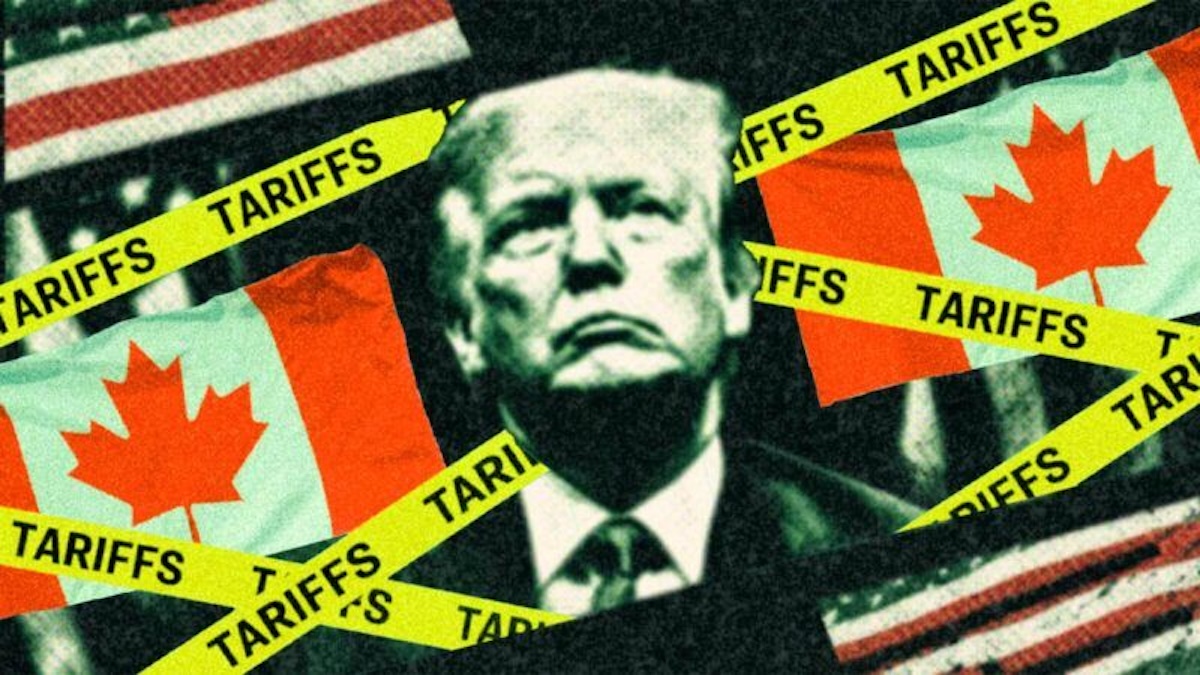
US House, again defiant, votes to end Trump tariffs on Canada
In a significant bipartisan rebuke of former President Donald Trump’s trade policies, the House of Representatives voted 219-211 to terminate the national emergency declaration at the northern border that had authorized tariffs on Canadian goods. The resolution revokes Trump’s February 1, 2025 executive order that imposed these tariffs under an unprecedented application of the International Emergency Economic Powers Act (IEEPA).
Six Republican representatives—Don Bacon (Nebraska), Brian Fitzpatrick (Pennsylvania), Jeff Hurd (Colorado), Kevin Kiley (California), Thomas Massie (Kentucky), and Dan Newhouse (Washington)—crossed party lines to support the Democratic-led measure. Only one Democrat, Jared Golden of Maine, voted against the resolution, while two Republicans abstained from voting.
The vote occurred amid ongoing legal scrutiny at the Supreme Court regarding whether presidents possess the authority to impose tariffs under the 1970s-era emergency powers law. The Court heard arguments in November but has yet to issue a ruling.
The debate revealed sharp divisions over the justification for the tariffs. Representative Gregory Meeks (D-NY), the resolution’s lead sponsor, criticized what he called a “manufactured emergency,” emphasizing that “Canada isn’t a threat. Canada is our friend. Canada is our ally.” Meeks cited analyses indicating tariffs cost American households between $1,300 and $1,750 annually.
Counterarguments focused on fentanyl trafficking, with Representative Brian Mast (R-FL) asserting that the emergency declaration addressed the opioid crisis. However, Customs and Border Protection data shows fentanyl seizures at the northern border remain substantially lower than those at the southwest border.
This congressional action follows previous bipartisan efforts to check Trump’s tariff authority, including a Senate vote in October that overturned tariffs on Brazilian goods. The development signals growing legislative resistance to executive trade actions that critics argue overstep presidential authority and harm American consumers.