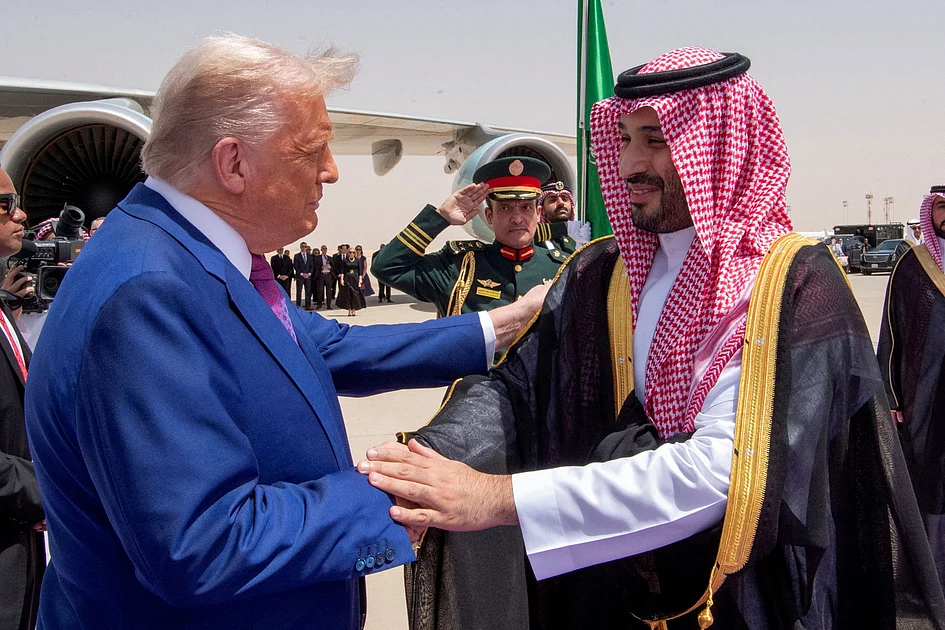
Saudi Crown Prince Mohammed bin Salman is set to meet US President Donald Trump in Washington this week, marking his first visit to the US since 2018. The three-day trip, which began on Monday, will focus on strengthening bilateral ties, with the prince prioritizing enhanced US security guarantees for Saudi Arabia. This comes in the wake of recent Israeli strikes on Qatar, a key US ally, which have heightened regional tensions. While Trump is expected to push for Saudi Arabia to normalize relations with Israel, Riyadh remains reluctant, citing its longstanding condition for the establishment of a Palestinian state as a prerequisite for such a move. The visit also includes a US-Saudi investment forum, highlighting collaboration in energy and artificial intelligence. Additionally, the crown prince is reportedly seeking advanced defense systems, including F-35 fighter jets, and access to high-tech chips to support Saudi Arabia’s AI ambitions. The meeting underscores the complex dynamics of US-Saudi relations, with both nations navigating regional security challenges and economic diversification efforts.
分类: politics
-
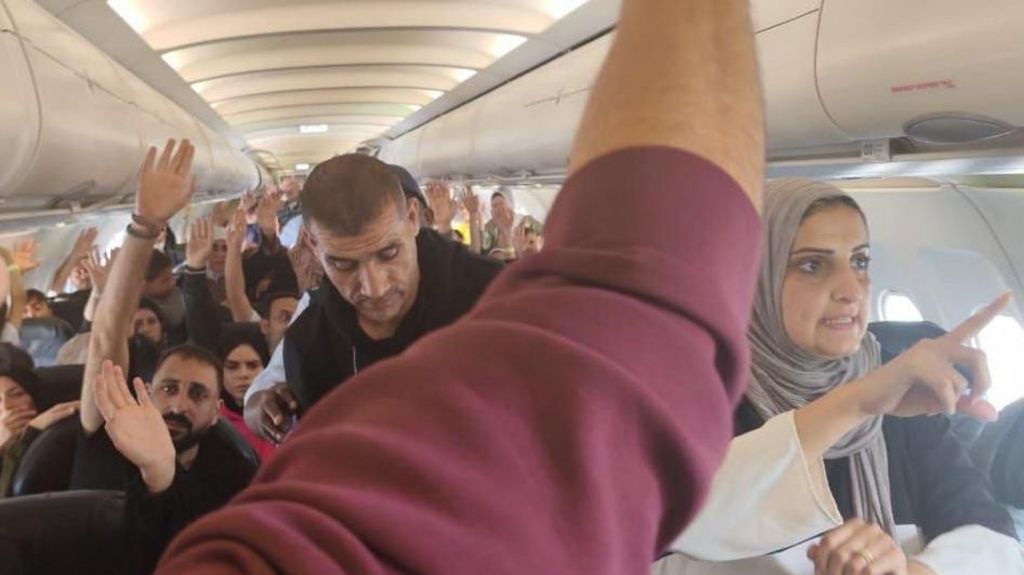
South Africa to refuse charter flights of Palestinians over fears of ‘cleansing agenda’
South Africa has expressed deep suspicions regarding the recent arrival of a group of Palestinians, raising concerns about the circumstances surrounding their journey. The controversy stems from a chartered flight that landed at OR Tambo International Airport last Thursday, carrying 153 passengers from Gaza. Foreign Minister Ronald Lamola described the flight as part of a ‘clear agenda to cleanse Palestinians out of Gaza and the West Bank,’ though Israeli authorities have yet to respond to these allegations. The Palestinian embassy in South Africa claimed the group departed from Israel’s Ramon Airport, transiting through Nairobi, Kenya, without prior coordination, and accused an ‘unregistered and misleading organization’ of exploiting the situation by deceiving families and facilitating irregular travel. Initially, the passengers were denied entry due to missing departure stamps in their passports, but after a 10-hour delay and intervention by a local charity, 130 were allowed to disembark. South African President Cyril Ramaphosa cited ’empathy and compassion’ as the reason for their eventual admission. Lamola suggested the flight was part of a broader effort to relocate Palestinians globally, with similar flights reportedly sent to other countries. This incident follows another flight two weeks earlier, which brought 176 Palestinians to Johannesburg, some of whom continued to other destinations. Israel’s Prime Minister Benjamin Netanyahu has previously discussed ‘voluntarily’ resettling Palestinians from Gaza, a move criticized by Palestinians and human rights groups. South Africa, a long-time supporter of the Palestinian cause, has been vocal in its criticism of Israel’s military actions in Gaza, even filing a genocide case against Israel at the International Court of Justice. The country’s historical solidarity with Palestine, rooted in its anti-apartheid struggle, has fueled widespread pro-Palestinian sentiment, though smaller pro-Israel demonstrations have also occurred. The situation remains under investigation, with South Africa continuing to scrutinize the motives behind these arrivals.
-

BBC in Dhaka: ‘The trial may be over… anger very much remains’
In a landmark ruling that has sent shockwaves across Bangladesh, former Prime Minister Sheikh Hasina has been sentenced to death for crimes against humanity. The verdict, delivered in Dhaka, marks a dramatic turn in the nation’s political landscape. While the trial has concluded, the emotional aftermath continues to reverberate, with widespread anger and unrest among her supporters. The case, which has been a focal point of national and international attention, underscores the deep-seated divisions within Bangladeshi society. Critics argue that the trial was politically motivated, while proponents assert that justice has been served. The sentencing has ignited debates about the rule of law, political accountability, and the future of democracy in Bangladesh. As tensions escalate, the international community watches closely, concerned about the potential for further instability in the region.
-
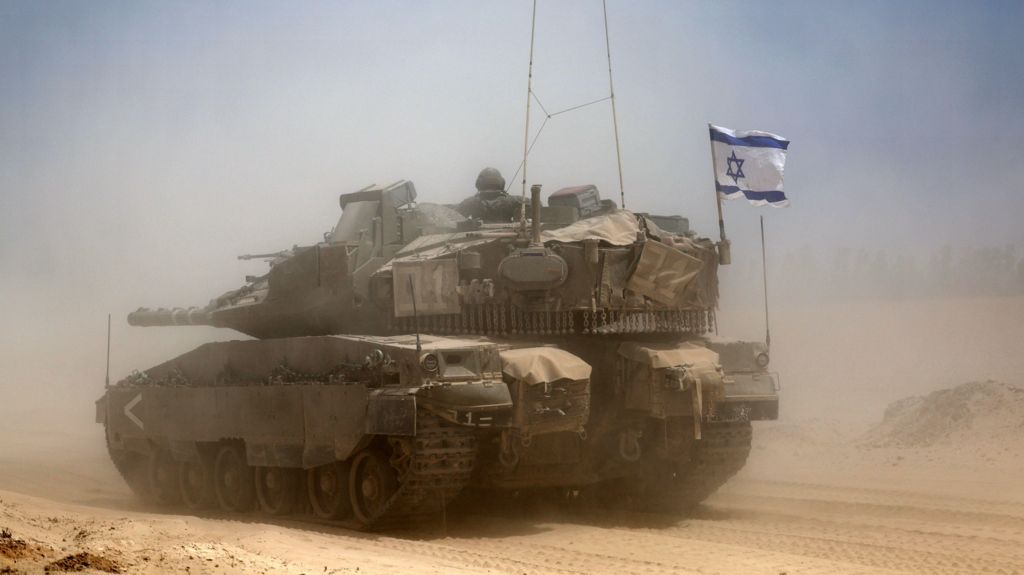
Germany to resume arms exports to Israel after ceasefire
Germany has decided to recommence its arms exports to Israel, marking a significant shift in its policy following a ceasefire in Gaza that has held for over a month. The German government announced that the resumption of military equipment sales will begin on November 24, reversing its earlier suspension imposed in August due to concerns over the use of such equipment in the Gaza Strip. Germany, which ranks as the second-largest arms supplier to Israel after the United States, had halted shipments in response to Israel’s approval of a ground offensive aimed at capturing Gaza City. The ceasefire, which took effect on October 10, has been deemed ‘stabilized’ by German authorities, providing the basis for lifting the suspension. A German government spokesperson emphasized the importance of adhering to the ceasefire agreements, ensuring humanitarian aid delivery, and maintaining an orderly process. The initial suspension was prompted by Israel’s plan to occupy Gaza City, which drew widespread condemnation, including from Germany, a long-standing ally of Israel. Chancellor Friedrich Merz had expressed deep concern over the suffering in Gaza while affirming Israel’s right to self-defense. Between 2020 and 2024, Germany accounted for 33% of Israel’s military arms imports, primarily warships and torpedoes, including components for Merkava tank engines. Moving forward, decisions on arms exports will be made on a case-by-case basis. The conflict, which began with a Hamas-led attack on October 7, 2023, has resulted in significant casualties, with over 69,000 Palestinians killed according to Hamas-run health authorities. Since the ceasefire, Hamas has returned 20 living hostages in exchange for Palestinian prisoners and detainees, along with the remains of 25 deceased hostages.
-

Polish PM says railway explosion was ‘unprecedented act of sabotage’
Polish Prime Minister Donald Tusk has labeled an explosion on a railway line near Warsaw as an ‘unprecedented act of sabotage,’ vowing to bring the perpetrators to justice regardless of their affiliations. The incident, which occurred on Sunday, targeted a critical supply route to Ukraine, raising concerns over the security of Poland’s railway infrastructure. Tusk, who visited the site, confirmed the damage was deliberate and likely intended to derail a train, though no casualties were reported. Poland’s Special Services Minister, Tomasz Siemoniak, suggested a ‘very high chance’ that foreign intelligence services orchestrated the attack, hinting at Russia’s involvement without explicit naming. This incident follows a series of suspected hybrid warfare tactics attributed to Moscow, including parcel bombings and arson attacks. Investigators are also probing a second suspicious event on the same railway line, where a packed train was forced to halt abruptly, believed to be another act of sabotage. The explosion near Mika, approximately 100km southeast of Warsaw, was detected early Sunday morning, with photographs revealing a missing section of track. Despite the damage, no injuries were reported among the few passengers and staff on board. Poland’s Interior Minister confirmed the use of explosives, though details remain undisclosed due to the ongoing investigation. Local residents reported hearing a significant blast the previous evening, initially mistaking it for a gas explosion or falling drone. Authorities have collected substantial evidence, including security camera footage, to identify those responsible. This attack marks the first direct assault on Poland’s railway network, which serves as a vital military supply line to Ukraine. Experts speculate the sabotage aimed to psychologically intimidate Poland into reducing its support for Ukraine. Polish officials have pledged to prosecute those involved ‘ruthlessly,’ emphasizing that there is ‘no place on earth they can hide.’ However, the government faced criticism over the delayed detection of the damage and the possibility of such sabotage occurring. Officials defended their response as swift and effective, dismissing criticism as ‘untrue and insulting.’ This incident underscores the escalating tensions in the region and the vulnerabilities of critical infrastructure in the face of hybrid warfare tactics.
-
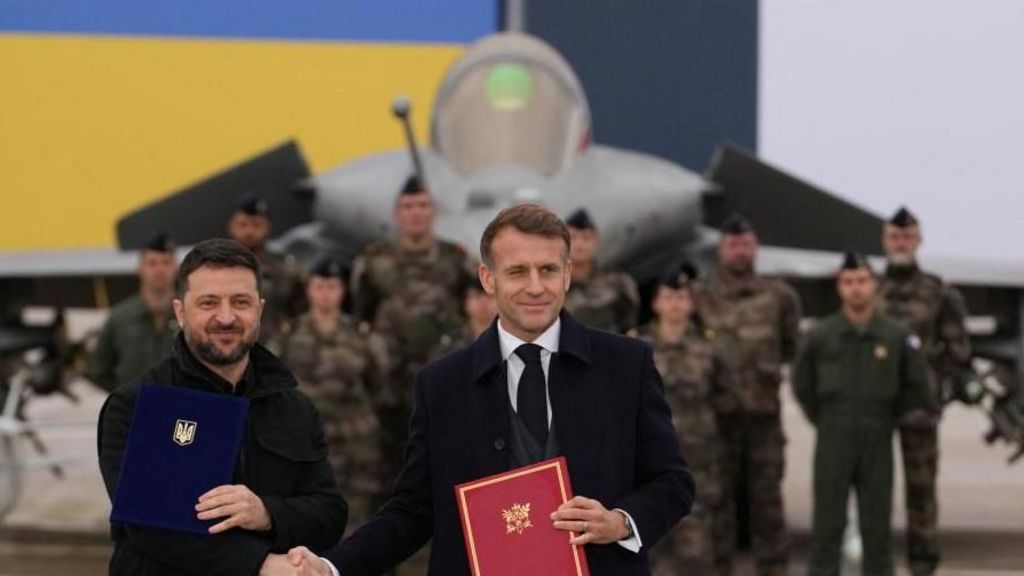
Ukraine to get up to 100 French-made Rafale fighter jets
In a landmark agreement aimed at bolstering Ukraine’s defense capabilities, France has committed to supplying up to 100 Rafale F4 fighter jets and advanced air defense systems to Kyiv. The deal, signed by Ukrainian President Volodymyr Zelensky and French President Emmanuel Macron at a Paris air base, marks a significant step in Ukraine’s efforts to counter relentless Russian aggression. Zelensky described the pact as ‘historic,’ emphasizing its critical role in safeguarding Ukrainian lives. Deliveries of the Rafale F4 jets are slated for completion by 2035, with joint production of interceptor drones commencing this year. Financial specifics remain under negotiation, with France reportedly seeking EU funding and access to frozen Russian assets—a contentious proposal that has divided the 27-member bloc. The agreement also includes the provision of ‘very strong French radars,’ eight air defense systems, and other cutting-edge weaponry. This comes as Russia intensifies its drone and missile strikes on Ukraine, targeting energy and rail infrastructure and causing widespread blackouts. Recent attacks in Balakliya claimed three lives and injured 15 others, underscoring the urgency of bolstering Ukraine’s defenses. Macron highlighted the strategic importance of the Rafale jets, stating, ‘That’s what’s needed for the regeneration of the Ukrainian military.’ The French president also expressed his commitment to helping Ukraine prepare for future challenges. Ukraine’s air force already operates French Mirage warplanes and US-made F-16s, with plans to acquire Sweden’s Gripen fighter jets. Following his visit to France, Zelensky will travel to Spain to seek additional military and economic support. Meanwhile, Ukraine has secured a gas deal with Greece, ensuring vital supplies of US liquefied natural gas will flow into the country this winter via a Balkan pipeline. Since Russia’s full-scale invasion in February 2022, Moscow has occupied approximately 20% of Ukrainian territory, with slow but persistent advances along the front lines despite heavy casualties. The France-Ukraine defense pact represents a significant escalation in Western support for Kyiv as the conflict enters its third year.
-

Federal agents arrest 81 people in Charlotte immigration crackdown
Charlotte, North Carolina, became the latest focal point of President Donald Trump’s immigration enforcement strategy as federal agents arrested 81 individuals in a swift five-hour operation over the weekend. The crackdown, dubbed ‘Operation Charlotte’s Web’ by US Customs and Border Patrol official Greg Bovino, targeted individuals with ‘significant criminal and immigration history,’ according to Bovino’s social media post. The operation’s name, inspired by a popular children’s book, has done little to quell public outrage. Protesters took to the streets on Saturday, condemning the Trump administration’s aggressive tactics, which included masked, heavily armed agents in unmarked vehicles. North Carolina Governor Josh Stein, a Democrat, sharply criticized the operation, accusing agents of racial profiling and endangering citizens. The Department of Homeland Security (DHS) also reported an incident where a US citizen allegedly rammed a law enforcement vehicle, injuring an officer. While DHS has not specified the duration of the raids, the ongoing crackdown in Chicago, which began in September, suggests a prolonged enforcement effort. Bovino hinted at further actions, leaving Charlotte residents anxious about what lies ahead.
-
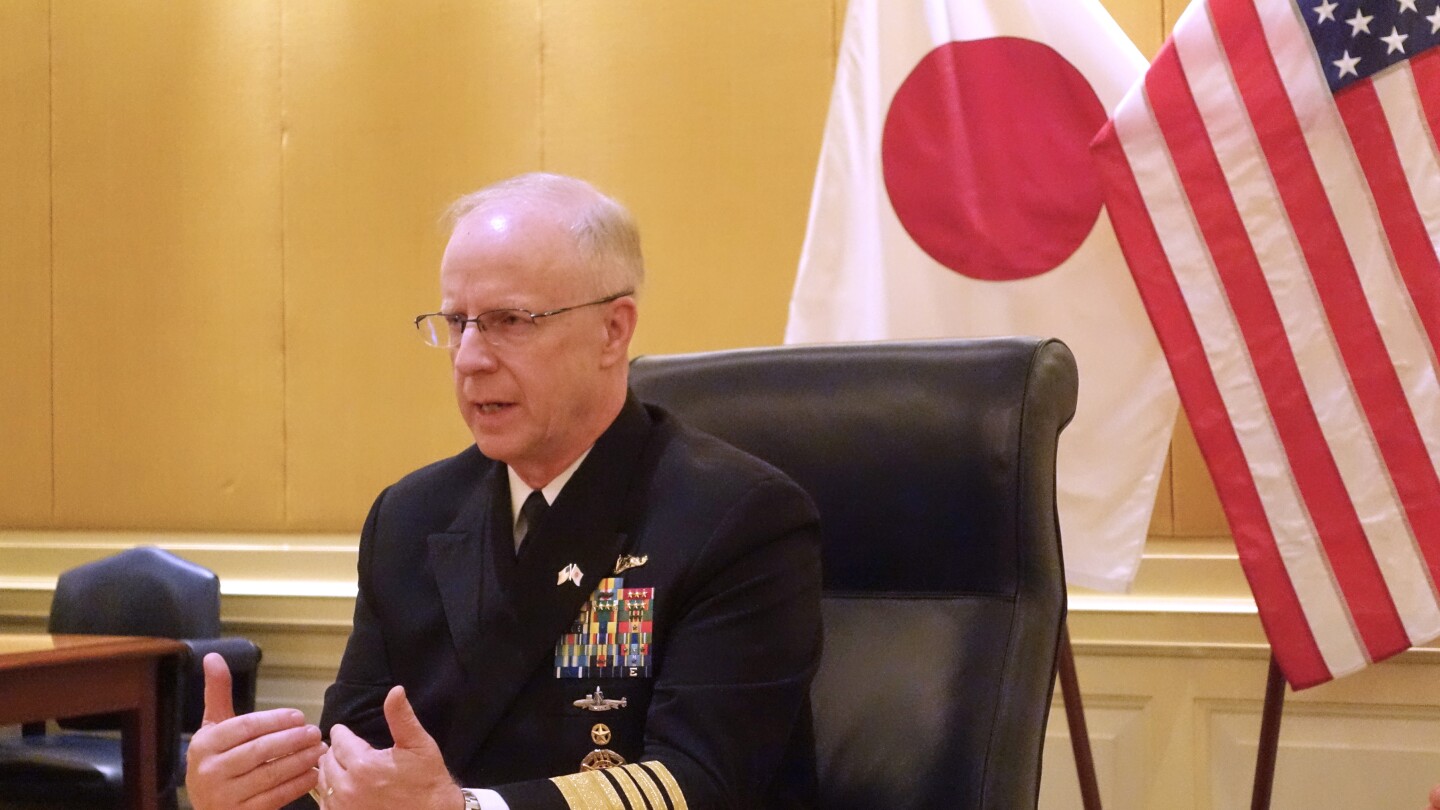
Top US admiral says he’s watching China’s rapid naval buildup closely
In a significant address during his 10-day tour of the Asia-Pacific region, U.S. Admiral Daryl Caudle expressed admiration for China’s burgeoning shipbuilding capabilities while underscoring the critical importance of American alliances with Japan and South Korea. Speaking in Tokyo on Monday, Caudle described China’s naval expansion as ‘impressive,’ particularly highlighting the recent commissioning of its latest aircraft carrier, Fujian, and the sea trials of its advanced amphibious assault ship. Despite China’s numerical advantage in total ships, the U.S. Navy maintains superiority in key vessel categories such as aircraft carriers and amphibious assault ships. Caudle emphasized that China’s global deployment of these assets remains a concern for U.S. strategic interests. However, he reassured that the combined naval capabilities of the U.S. and its regional allies, including Japan, South Korea, and Australia, form a formidable counterbalance. Caudle’s visit coincides with heightened tensions between Japan and China, as Japan’s new conservative Prime Minister has suggested a potential military response to any Chinese aggression toward Taiwan. Earlier in the day, Caudle toured the U.S. Navy base in Yokosuka and a local shipbuilding facility, reiterating the U.S. commitment to bolstering its shipbuilding capacity through collaboration with Japan and South Korea. He also described South Korea’s recent agreement to develop a nuclear-powered submarine as ‘very nascent,’ while noting Japan’s interest in similar technology, which may face public opposition due to the nation’s historical trauma and non-nuclear principles.
-

Bangladeshi ex-PM Hasina sentenced to death for crackdown on student uprising
In a landmark ruling on Monday, a Bangladesh court sentenced former Prime Minister Sheikh Hasina to death for crimes against humanity, marking a pivotal moment in the nation’s turbulent political landscape. The verdict, delivered by Judge Golam Mortuza Mozumder in Dhaka, found Hasina guilty on three counts, including incitement, ordering killings, and failing to prevent atrocities during a deadly crackdown on a student-led uprising that led to her ousting in August 2024. The court also sentenced former Interior Minister Asaduzzaman Khan Kamal, a fugitive, to death on four counts of similar crimes. Former police chief Chowdhury Abdullah Al-Mamun, who pleaded guilty, received a five-year prison term. The trial, conducted in absentia, detailed how Hasina allegedly ordered mass killings, with the United Nations estimating up to 1,400 deaths during the crackdown. Hasina, 78, has dismissed the trial as a ‘jurisprudential joke’ and refused to recognize the court’s authority. The verdict, broadcast live on national television, has intensified political tensions ahead of elections scheduled for February 2026. Security forces were on high alert in Dhaka, with armoured vehicles deployed across the city following recent bombings targeting government-linked buildings and religious sites. Hasina remains defiant, warning that the interim government’s ban on her Awami League party is exacerbating the political crisis in the country of 170 million people.
-
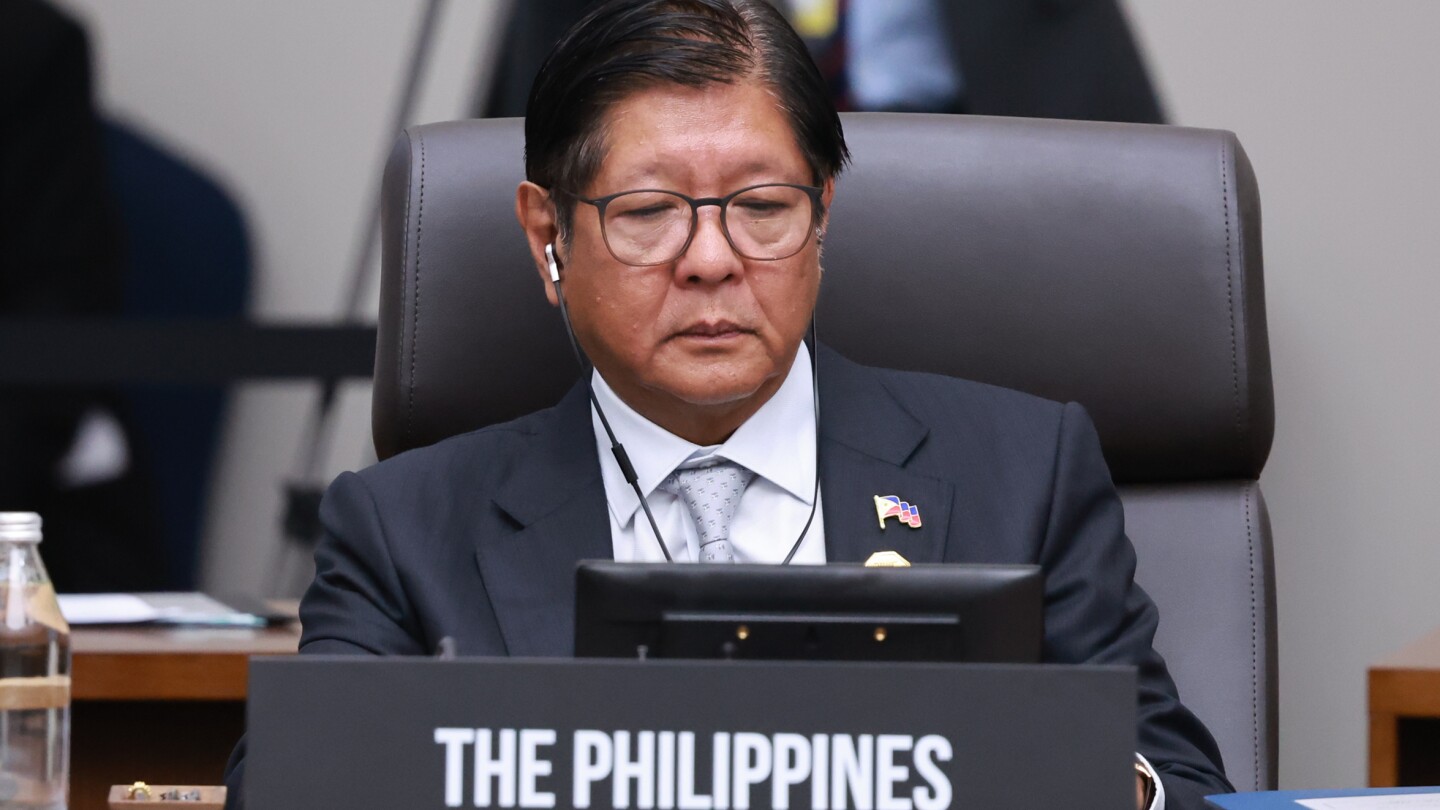
Philippine President Marcos Jr rejects drug use accusations by his sister
In a dramatic turn of events, Philippine Senator Imee Marcos, the estranged sister of President Ferdinand Marcos Jr., publicly accused him on Monday of being a long-term drug addict. She claimed his alleged cocaine dependence has led to governance issues, including widespread corruption. These allegations, however, were swiftly dismissed by the president’s spokesperson, Claire Castro, who labeled them as recycled and baseless. Castro suggested that Senator Marcos’ accusations might be a desperate attempt to divert attention from ongoing investigations into a corruption scandal involving flood control projects, which could implicate her allies in the Senate. Castro urged the senator to support the president’s anti-corruption efforts rather than shielding those under scrutiny. The scandal, which has sparked public outrage, involves allegations that influential members of Congress and the Senate received kickbacks from construction companies awarded lucrative contracts for substandard or incomplete flood-control projects. This issue is particularly sensitive in the Philippines, a country frequently ravaged by deadly floods and typhoons. Senator Marcos, a high-profile ally of former President Rodrigo Duterte, a vocal critic of Marcos Jr., made the accusations during a speech at a rally organized by a religious group in Manila. She claimed the president’s drug addiction began during their father’s presidency and has persisted, affecting his health and governance. She also alleged that the president’s wife and children are drug users, though no evidence was provided. The senator’s relationship with her brother has reportedly been strained since he assumed the presidency in 2022. In response to the senator’s claims, Castro criticized her for not addressing Duterte’s past admission of using fentanyl, a powerful opioid, and his alleged links to corruption. The political tension between the Marcos and Duterte families continues to escalate, with Vice President Sara Duterte, Rodrigo Duterte’s daughter, being one of the most vocal critics of the current administration. The accusations and counter-accusations highlight the deepening political divide in the Philippines, as the nation grapples with corruption and governance challenges.