分类: politics

  • A new round of US-brokered talks between Russia and Ukraine is set for Geneva next week

    A new round of US-brokered talks between Russia and Ukraine is set for Geneva next week

    Diplomatic efforts to resolve the ongoing Russo-Ukrainian conflict will intensify next week as representatives from Moscow and Kyiv prepare for US-mediated negotiations in Geneva. Scheduled for Tuesday and Wednesday, these critical discussions coincide with the approaching fourth anniversary of Russia’s full-scale invasion of Ukraine.

    Kremlin spokesperson Dmitry Peskov officially confirmed the meeting through Russian state media channels, while Ukrainian President Volodymyr Zelenskyy’s communications adviser Dmytro Lytvyn simultaneously verified Ukraine’s participation. This diplomatic initiative unfolds against a backdrop of persistent military confrontation along the 1,250-kilometer frontline, continued Russian bombardment of Ukrainian civilian infrastructure and energy systems, and regular Ukrainian drone strikes targeting Russian military assets.

    The upcoming Geneva negotiations follow previously unsuccessful mediation attempts, including two rounds of talks hosted in Abu Dhabi that failed to bridge fundamental disagreements regarding the status of Ukraine’s Russian-occupied Donbas region. President Zelenskyy recently indicated that Washington has established a June deadline for reaching a comprehensive settlement, though previous timelines set during the Trump administration produced minimal results.

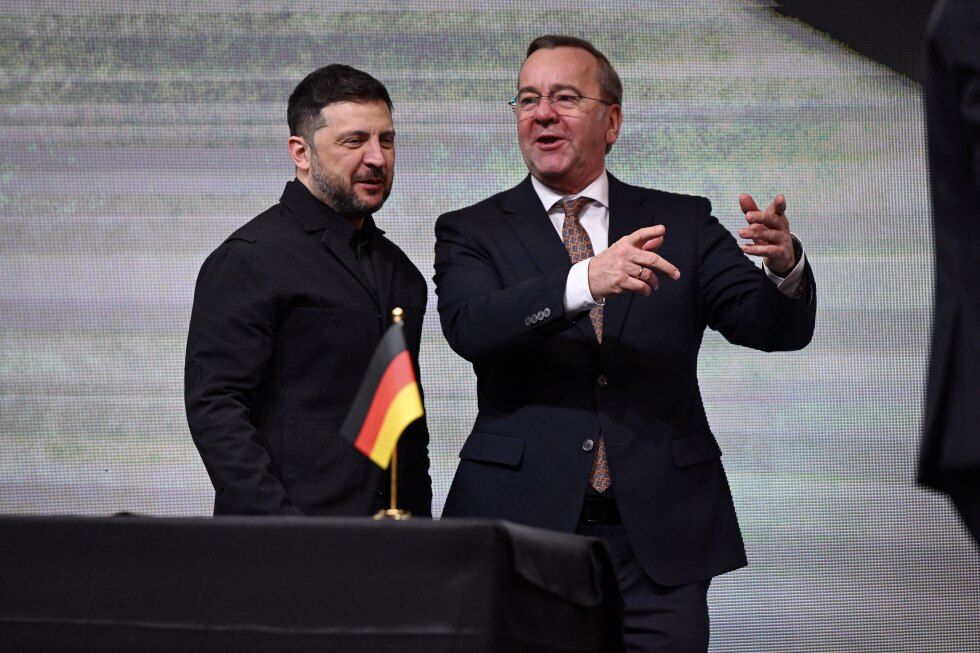
    As diplomatic preparations advance, President Zelenskyy visited Munich, Germany, to inspect a joint Ukrainian-German drone manufacturing facility and participate in the Munich Security Conference—a premier gathering of international defense officials. The Ukrainian delegation will be led by National Security and Defense Council chief Rustem Umerov, while Moscow’s representation will be handled by Vladimir Medinsky, a senior adviser to President Vladimir Putin who previously headed Russia’s negotiation team during the March 2022 Istanbul talks.

    Medinsky’s reappointment signals a potential strategic shift from military-focused discussions toward addressing political dimensions of the conflict. Earlier trilateral sessions primarily examined technical aspects including ceasefire mechanisms and buffer zone establishment.

    Meanwhile, the human cost of continued hostilities remains devastating. Recent Russian strikes in eastern Ukraine killed three young brothers aged 8 to 19, leaving their mother and grandmother severely injured. Separate attacks on Odesa’s port infrastructure resulted in additional casualties. Russia’s Defense Ministry reported intercepting 58 Ukrainian drones overnight, with debris from downed aircraft injuring civilians including a 12-year-old boy in the Volgograd region—a recent focus of Ukrainian attacks on energy infrastructure.
  • Bangladesh Nationalist Party sweeps to victory in first election since Gen Z uprising

    Bangladesh Nationalist Party sweeps to victory in first election since Gen Z uprising

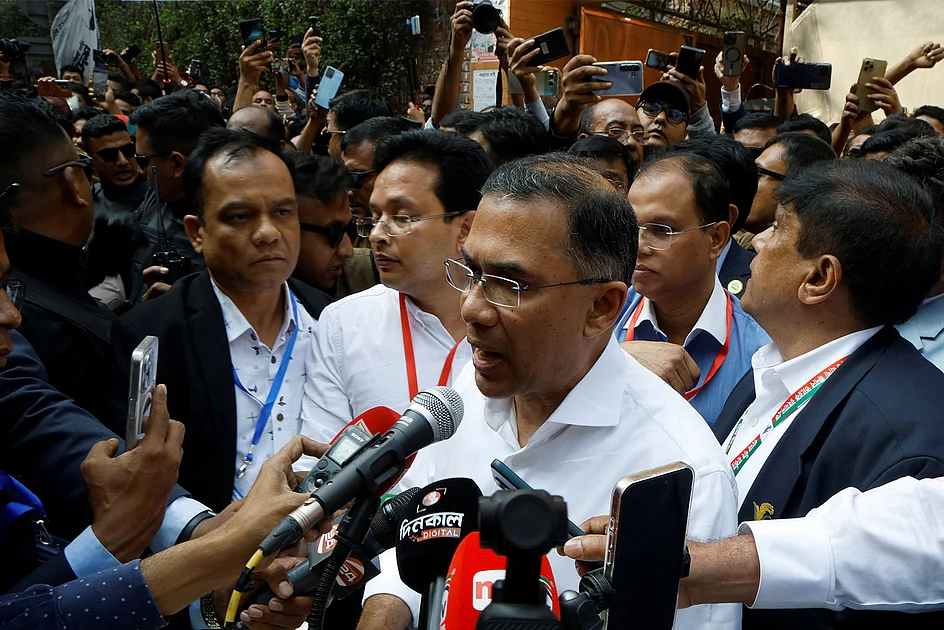
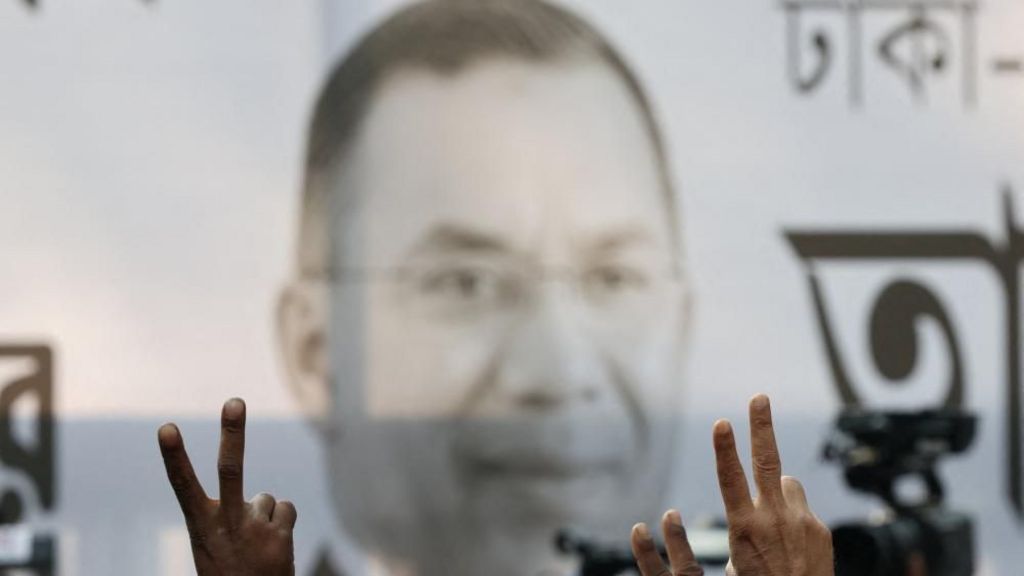
    In a historic political transformation, the Bangladesh Nationalist Party (BNP) has achieved a decisive parliamentary majority, fundamentally altering the nation’s political landscape 18 months after mass protests toppled Prime Minister Sheikh Hasina’s lengthy administration. The center-right party captured over two-thirds of legislative seats in the landmark general election, while the main Islamist party Jamaat emerged as the secondary political force. Hasina’s Awami League was constitutionally barred from participation.

    Tarique Rahman, the BNP leader who spent 17 years in self-imposed exile in London, is poised to assume the premiership facing monumental challenges including economic revitalization, democratic restoration, and addressing the aspirations of Bangladesh’s substantial youth population. Rahman, who took party leadership following his mother Khaleda Zia’s December passing, secured his inaugural parliamentary seat among 212 successful BNP candidates with voter participation recorded at 59.44%.

    The electoral process incorporated a consequential referendum endorsing comprehensive democratic reforms, including prime ministerial term limitations, establishment of a directly elected upper parliamentary chamber, enhanced presidential authority, and strengthened judicial independence. The charter additionally advocates for improved female representation in governance—a pressing concern given the minimal number of elected women candidates.

    International dimensions immediately surfaced as Indian Prime Minister Narendra Modi extended congratulations to Rahman within hours of the victory, reaffirming bilateral commitments to mutual prosperity and regional stability through a social media statement.

    Despite its reform agenda, the BNP confronts historical baggage from its previous governance period in the early 2000s, having faced allegations of corruption and human rights violations. The party’s restraint in victory celebrations reflects recognition of the formidable tasks ahead and the heightened expectations from a youthful electorate instrumental in Hasina’s ouster through student-led demonstrations that precipitated the February 12 electoral event.

  • Thailand’s ruling conservative party moves closer to forming new coalition government

    Thailand’s ruling conservative party moves closer to forming new coalition government

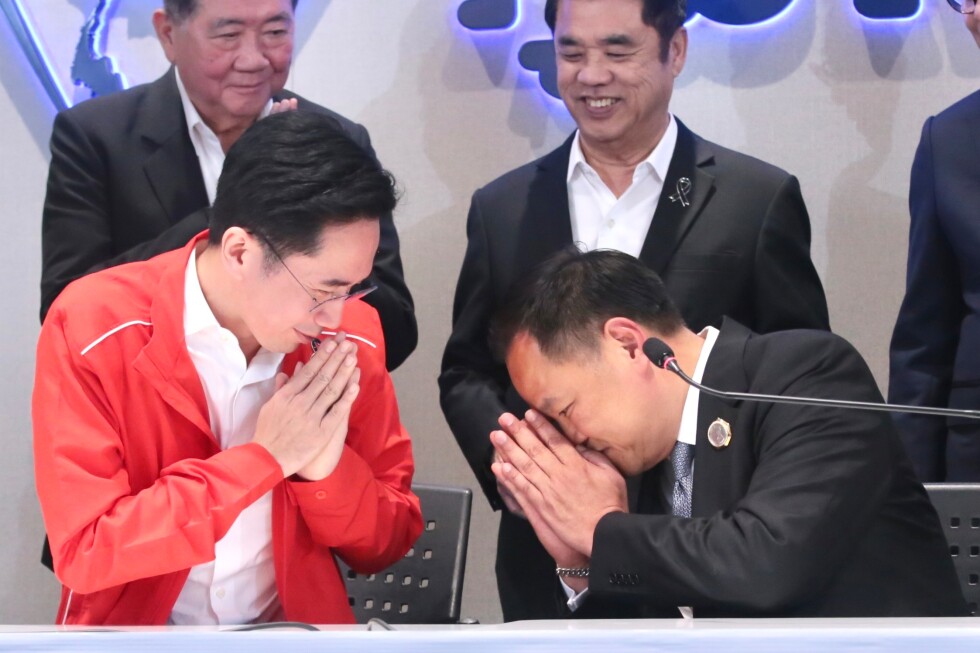
    BANGKOK — Thailand’s political arena witnessed a significant realignment as the conservative Bhumjaithai Party moved decisively toward forming a new government following Friday’s coalition agreement with the populist Pheu Thai Party. This unexpected partnership emerges after Sunday’s general election results positioned Bhumjaithai as the dominant force with 193 seats in the 500-member House of Representatives.

    The alliance creates a formidable parliamentary bloc commanding 267 seats, comfortably exceeding the 251-seat majority threshold. Several smaller parties with eight combined seats have additionally pledged support to the coalition. Incumbent Prime Minister Anutin Charnvirakul, positioned to retain leadership, expressed optimism about the partnership’s potential during a joint news conference with Pheu Thai representatives.

    “Bhumjaithai and Pheu Thai will look into the future,” Anutin stated. “We agreed that both our parties possess individuals with sufficient capabilities to guide Thailand toward a stable and sustainable future.” The Prime Minister was accompanied by Pheu Thai leaders including Yodchanan Wongsawat, nephew of exiled former premier Thaksin Shinawatra.

    This collaboration marks a dramatic reversal from last year’s political breakdown when their previous coalition dissolved amid controversies surrounding then-Prime Minister Paetongtarn Shinawatra, Thaksin’s daughter, particularly regarding border tensions with Cambodia. Anutin subsequently secured parliamentary support to assume leadership in September.

    The coalition formation unfolds against concerning allegations of electoral irregularities. Independent monitoring groups including the Asian Network for Free Elections and legal watchdog iLaw reported numerous complaints regarding procedural inconsistencies, inadequate public information, and restricted observer access during vote counting processes.

    Meanwhile, the progressive People’s Party, which secured second place with 118 seats, has explicitly rejected participation in a Bhumjaithai-led government. Political analysts note that Bhumjaithai may seek additional stability by inviting either the fourth-place Kla Tham Party (58 seats) or the historic Democrat Party (22 seats) to join the coalition.

    Thailand’s business community has welcomed the election outcome, expressing hope that political stability will address the nation’s economic challenges. Election results require official certification within 60 days before Parliament can convene to formally elect the new prime minister.

  • Trump’s push for Greenland reveals a political weak spot, new AP-NORC poll finds

    Trump’s push for Greenland reveals a political weak spot, new AP-NORC poll finds

    A recent AP-NORC Center for Public Affairs Research survey has uncovered a significant fracture in President Donald Trump’s typically unwavering Republican support base regarding his controversial pursuit of Greenland. The poll, conducted February 5-8, indicates approximately 70% of American adults disapprove of Trump’s handling of the Greenland situation, surpassing general foreign policy disapproval rates and revealing a notable vulnerability for the administration.

    While Trump maintains strong Republican approval on key issues like immigration and the economy (around 80%), his Greenland ambitions have created an unusual divide within his own party. The data shows nearly half of Republicans disapprove of his attempt to acquire the semi-autonomous Danish territory, which the president has justified as crucial for national security in the Arctic region.

    The generational divide among Republicans is particularly striking, with about 60% of those under 45 expressing disapproval compared to approximately 40% of older party members. This stands in stark contrast to the 70% of Republicans who generally approve of Trump’s overall foreign policy approach.

    Trump had argued that U.S. control of Greenland was necessary to counter growing Russian and Chinese influence in the Arctic, despite America’s existing military presence in the region. However, even supporters like Ayman Amir, a 46-year-old Trump backer from Houston, questioned the approach: ‘We can’t take it by force. We don’t have a right to do that,’ he told researchers.

    The president abandoned his aggressive stance late last month after reportedly reaching a framework agreement regarding access to Greenland with NATO assistance. The episode represents one of several recent moves that have strained relationships with key allies, a central topic at this week’s Munich Security Conference.

    Despite the Greenland controversy, Trump’s overall foreign policy approval has remained steady at approximately 40% among American adults, unchanged in recent months. The AP-NORC poll surveyed 1,156 adults with a margin of error of ±3.9 percentage points overall and ±6.1 points for Republicans.

  • Bangladesh political heir Tarique Rahman poised for PM

    Bangladesh political heir Tarique Rahman poised for PM

    In a dramatic political reversal, Tarique Rahman, leader of the Bangladesh Nationalist Party (BNP), stands poised to assume leadership of the South Asian nation following what his party claims is a decisive parliamentary election victory. The February 12th polls mark a watershed moment in Bangladesh’s turbulent political landscape, coming eighteen months after a violent uprising unseated former Prime Minister Sheikh Hasina’s authoritarian government.

    While official results remain pending, the United States has already extended congratulations to Rahman on an ‘historic’ electoral achievement. This political triumph represents an extraordinary comeback for the 60-year-old scion of Bangladesh’s most powerful political dynasty, who only returned from seventeen years of exile in Britain this past December.

    Rahman’s political identity remains inextricably linked to his family legacy. His father, President Ziaur Rahman, was assassinated in 1981, while his mother, Khaleda Zia—a three-time prime minister and formidable political figure—passed away just days after his return to Bangladesh. In an exclusive interview with AFP conducted before the election, Rahman acknowledged this inheritance while asserting his individual ambitions: ‘They are them; I am me. I will try to do better than them.’

    The returning heir described complex emotions upon his homecoming—the joy of return immediately overshadowed by his mother’s deteriorating health and subsequent passing. ‘When you come home after so long, any son wants to hug his mother,’ he reflected. ‘I didn’t have that chance.’

    Rahman’s political career has been shadowed by serious allegations of corruption and abuse of power. Classified US diplomatic cables once described him as ‘a symbol of kleptocratic government’ who ‘inspires few but unnerves many.’ Following his 2007 arrest on corruption charges—which he maintains were politically motivated—Rahman fled to London, where he faced multiple trials in absentia.

    Recently, Rahman has been acquitted of the most severe charge against him: a life sentence connected to a 2004 grenade attack on a Hasina rally. Though maintaining his innocence regarding all allegations, he offered a nuanced apology: ‘If there are any mistakes which were unwanted, we are sorry for that.’

    Now married to a cardiologist and father to a lawyer daughter, Rahman spent his exile leading a comparatively quiet life in Britain until his dramatic return to Dhaka—an event that captured national attention, particularly images of his ginger cat Jebu that circulated widely on social media.

    Confronting the monumental task of rebuilding a nation he claims was ‘destroyed’ by the previous administration, Rahman must now translate electoral victory into effective governance for Bangladesh’s 170 million citizens.

  • Envoy calls for US to discard Cold War thinking

    Envoy calls for US to discard Cold War thinking

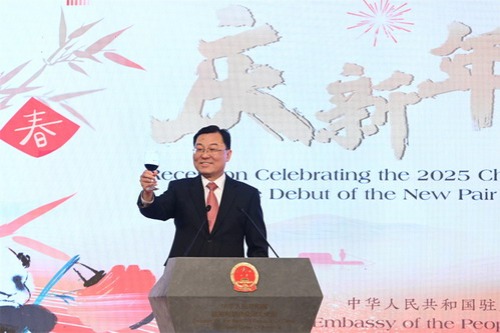
    In a significant diplomatic address, China’s Ambassador to the United States Xie Feng has issued a compelling call for Washington to fundamentally reassess its strategic approach toward Beijing. Speaking at a Chinese New Year reception attended by nearly 700 dignitaries, including Republican Senator Steve Daines, House representatives, and White House officials, the ambassador challenged prevailing American political narratives that frame China as an inevitable adversary.

    The ambassador’s remarks came against the backdrop of recent high-level diplomacy, including a phone conversation between President Xi Jinping and President Donald Trump that Ambassador Xie characterized as instrumental in ‘recalibrating’ bilateral relations. He emphasized that head-of-state diplomacy serves as the ‘compass and anchor’ of the relationship, providing crucial strategic guidance that has maintained overall stability despite periodic tensions.

    Central to Xie’s address was the argument that zero-sum competition represents a dangerous anachronism in contemporary international relations. He articulated that stabilizing Sino-American relations in 2026 requires nothing less than a paradigm shift in strategic perception—from viewing China’s development as a threat to American prosperity to recognizing it as a positive contribution to global stability. ‘During the tariff war,’ Xie noted, ‘many American friends found upon further reflection that China-US cooperation not only is indispensable for both our countries but also brings precious stability and certainty to a turbulent world.’

    The ambassador identified Taiwan as the ‘first red line that must not be crossed,’ reiterating China’s unwavering commitment to the One-China principle as enshrined in the three Sino-US Joint Communiques. He warned that the primary threat to cross-strait peace originates from ‘Taiwan independence’ separatist activities and dangerous provocations, while urging Washington to faithfully honor its diplomatic commitments.

    Striking an optimistic note, Xie highlighted emerging positive trends in American public sentiment, citing a Chicago Council on Global Affairs poll indicating 53% of Americans favor friendly cooperation with China—a preference particularly pronounced among younger generations. He pointed to contemporary cultural exchanges including ‘pickleball diplomacy’ and the viral ‘Becoming Chinese’ social media trend as evidence of deepening people-to-people connections.

    The ambassador specifically referenced President Xi’s ‘50,000 in Five Years’ initiative to bring American youth to China, while noting the overwhelming popularity of China’s 240-hour visa-free transit policy for US citizens. In a reciprocal appeal, Xie called on Washington to remove administrative ‘bottlenecks’ in visa processing, border entry, and direct flight availability to facilitate greater interpersonal exchange.

    Looking forward, the ambassador outlined a dual-track framework for cooperation—strengthening traditional economic ties while expanding collaboration on emerging global challenges including artificial intelligence, biomedicine, and law enforcement areas such as counternarcotics and combating transnational crime. The reception culminated in a special concert blending Eastern and Western musical traditions, symbolizing the potential for harmonious cultural integration.

  • Britain’s High Court says government acted illegally in outlawing protest group Palestine Action

    Britain’s High Court says government acted illegally in outlawing protest group Palestine Action

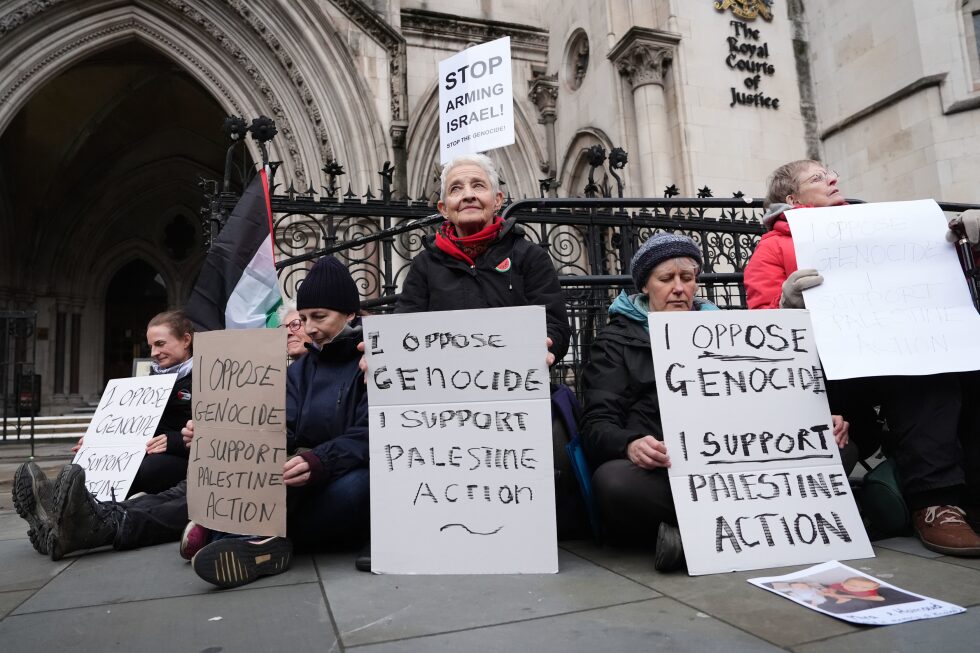
    LONDON — In a landmark judicial decision, Britain’s High Court has declared the government’s proscription of protest group Palestine Action as a terrorist organization to be unlawful. The ruling, delivered on Friday by a three-judge panel comprising Justices Victoria Sharp, Jonathan Swift, and Karen Steyn, determined that the government’s classification was disproportionate and unsupported by evidence of terrorist-level activities.

    The court found that while maintaining the ban pending government appeal, the characterization of Palestine Action’s activities failed to meet the statutory threshold for terrorist designation under UK counter-terrorism legislation. The judges noted that despite some actions potentially qualifying as criminal offenses, the group’s overall conduct lacked the “level, scale and persistence” necessary to justify terrorist classification.

    Palestine Action co-founder Huda Ammori hailed the decision as “a monumental victory both for our fundamental freedoms here in Britain and in the struggle for freedom for the Palestinian people,” characterizing the original ban as “one of the most extreme attacks on free speech in recent British history.”

    Home Secretary Shabana Mahmood expressed disappointment with the ruling, stating her intention to challenge the judgment in the Court of Appeal. “I disagree with the notion that banning this terrorist organization is disproportionate,” Mahmood asserted.

    The controversial proscription last year had placed Palestine Action alongside organizations like al-Qaida and Hamas, rendering membership or support punishable by up to 14 years imprisonment. Subsequent enforcement led to over 2,000 arrests primarily for displaying supportive signage.

    The government’s original designation followed June protests where activists breached a Royal Air Force base, damaging aircraft in opposition to UK military support for Israel’s Gaza operations. Since its 2020 formation, Palestine Action has targeted UK facilities linked to Israeli defense contractor Elbit Systems, causing significant property damage that officials claim impacts national security.

    The court acknowledged that while certain individual actions might constitute criminal offenses, existing legal frameworks already provided adequate remedies without necessitating terrorist designation.

  • South Africa to deploy troops to tackle crime gangs

    South Africa to deploy troops to tackle crime gangs

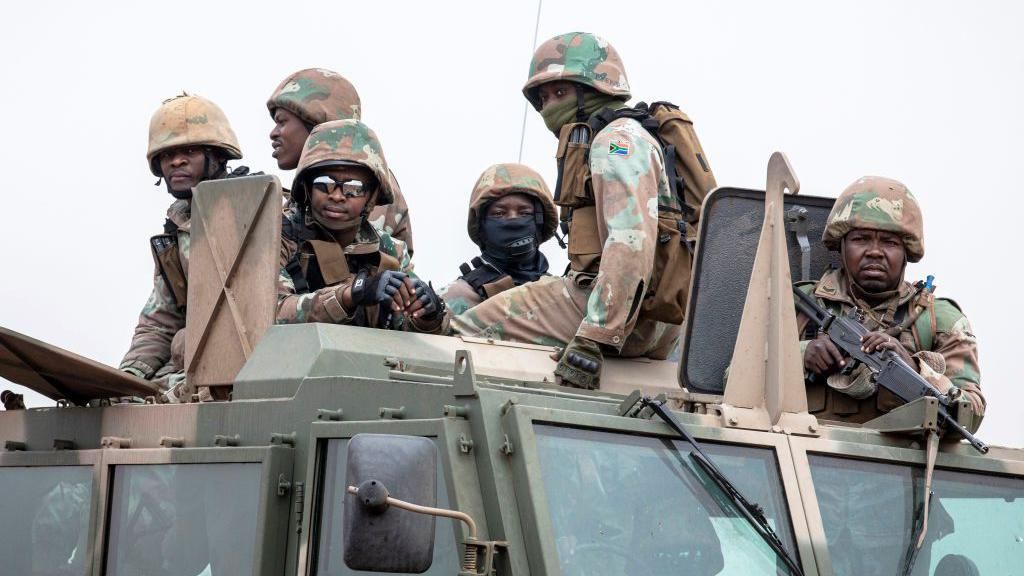
    In a decisive response to escalating criminal activities, South African President Cyril Ramaphosa has authorized the deployment of national defense forces to support police operations against organized crime syndicates. The announcement came during Thursday’s annual State of the Nation Address, where Ramaphosa identified organized crime as the most pressing threat to the nation’s democracy and economic stability.

    The military deployment will primarily focus on Western Cape and Gauteng provinces, regions experiencing intense gang warfare and rampant illegal mining operations. President Ramaphosa highlighted the severe human impact, noting that “children in the Western Cape are caught in the crossfire of gang wars” while “people are chased out of their homes by illegal miners in Gauteng.”

    The crisis reflects South Africa’s longstanding struggle with violent crime, with police data revealing an alarming average of 63 daily homicides between April and September last year. Authorities attribute much of the violence to armed, undocumented foreign nationals engaged in illegal mining operations, known locally as “zama zamas,” who frequently operate within sophisticated crime syndicates.

    Beyond military deployment, the government’s comprehensive security strategy includes recruiting 5,500 additional police officers, enhancing intelligence capabilities, and implementing targeted operations against criminal networks. This multifaceted approach acknowledges Police Minister Firoz Cachalia’s recent admission that conventional policing methods have proven insufficient against the country’s deeply entrenched organized crime problem.

    The decision to deploy military personnel represents a significant escalation in the government’s response to criminal violence, underscoring the severity of South Africa’s security challenges despite its status as Africa’s most industrialized nation.

  • Thousands rally in support of Nepal’s former king and call for monarchy’s return

    Thousands rally in support of Nepal’s former king and call for monarchy’s return

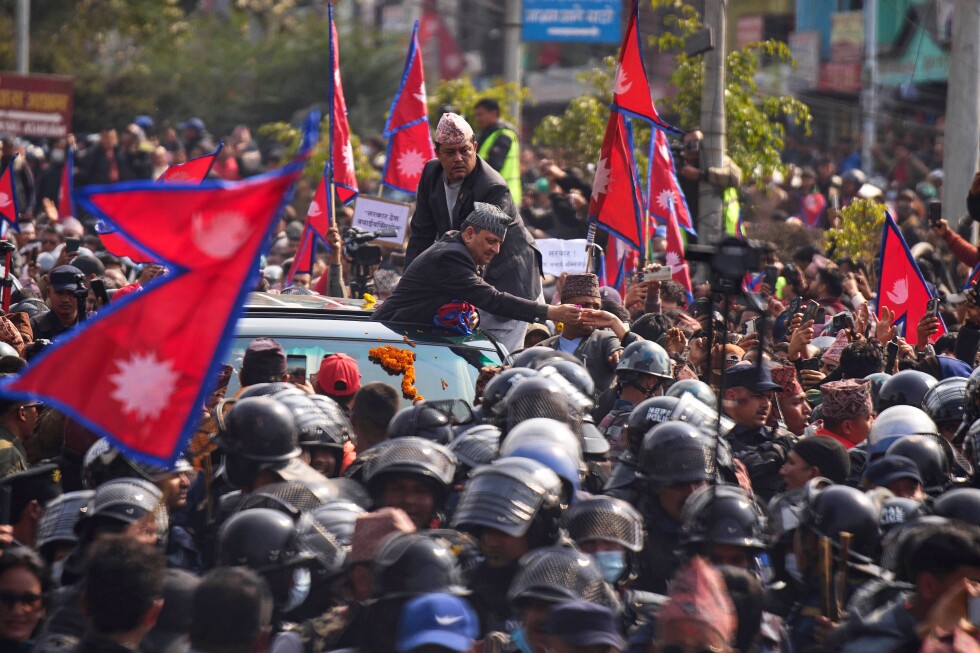
    KATHMANDU, Nepal — Thousands of royalist supporters converged outside Tribhuvan International Airport on Friday to welcome former monarch Gyanendra Shah, voicing impassioned demands for the reinstatement of Nepal’s abolished monarchy. The massive gathering occurred just weeks before critical parliamentary elections that could reshape the nation’s political landscape.

    Amid heavy police presence in riot gear, the former king acknowledged the enthusiastic crowd from his vehicle’s sunroof as security personnel worked to maintain order. The scene remained peaceful throughout the event, with no reported arrests or incidents—a contrast to previous pro-monarchy demonstrations that turned violent.

    Chants of ‘Bring back the king’ and ‘Restore constitutional monarchy’ echoed through the airport vicinity as supporters lined the route to Shah’s private residence. The former ruler was returning from eastern Nepal, where he maintains significant cultural influence despite his formal political departure.

    This display of royalist sentiment marks the largest such gathering since last year’s airport rally that drew approximately 10,000 participants. However, analysts note that while monarchist sentiment persists, the movement lacks the broad support base enjoyed by mainstream political parties opposing royal restoration.

    The 2006 People’s Movement fundamentally transformed Nepal’s governance structure, forcing Gyanendra to relinquish his authoritarian rule. By 2008, parliament had formally abolished the 240-year-old monarchy, transitioning the Himalayan nation to a federal democratic republic.

    Despite growing visibility, pro-monarchy factions captured only about 5% of legislative seats in the previous election. Political observers suggest that while nostalgic symbolism resonates with certain segments of the population, practical restoration remains unlikely in the immediate political climate.

  • Rubio warns Europe of new era in geopolitics before big Munich speech

    Rubio warns Europe of new era in geopolitics before big Munich speech

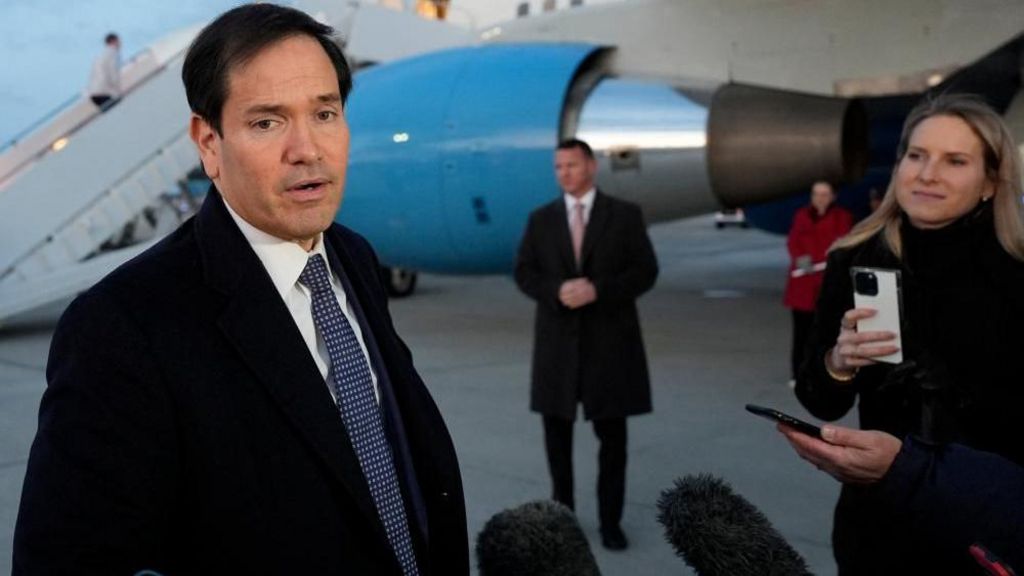
    U.S. Secretary of State Marco Rubio has characterized the current geopolitical climate as a “defining moment” and a “new era” as he leads the American delegation to the prestigious Munich Security Conference. This gathering of global leaders occurs amidst unprecedented strain in transatlantic relations, fueled by recent remarks from President Donald Trump questioning U.S. commitments to NATO and controversially asserting claims over Denmark’s semi-autonomous territory of Greenland.

    The conference agenda is densely packed with critical issues, including the ongoing war in Ukraine, escalating tensions with China, and the potential for a renewed nuclear agreement with Iran. Rubio’s address is highly anticipated, following last year’s contentious speech by then-Vice President JD Vance, which critics say triggered a year of diplomatic friction. Secretary Rubio indicated a potential shift in tone, telling reporters that the rapidly changing world requires all nations to “re-examine what that looks like and what our role is going to be.”

    The Greenland controversy has emerged as a central point of tension. Danish Prime Minister Mette Frederiksen confirmed plans to meet with Secretary Rubio to discuss what European leaders view as a watershed moment that has significantly eroded trust. President Trump’s unsubstantiated claims that Greenland is “covered with Russian and Chinese ships” and vital to U.S. national security have alarmed allies.

    Ahead of the conference, a significant coalition of eight former U.S. ambassadors to NATO and eight former American supreme commanders in Europe issued a powerful open letter defending the alliance. They argued that NATO serves as a crucial “force-multiplier” for American power, enabling influence “in ways that would be impossible – or prohibitively expensive – to achieve on its own.”

    This gathering highlights divergent views on the future of Western alliances. French President Emmanuel Macron, who will also address the conference, has consistently advocated for European strategic independence from the United States. Conversely, NATO Secretary General Mark Rutte has emphasized the enduring importance of transatlantic bonds. German Foreign Minister Johann Wadephul stated the conference aim was to jointly redefine what holds NATO together and demonstrate to the U.S. that it equally needs European partnership.

    With approximately 50 world leaders in attendance, including British opposition leader Sir Keir Starmer, the conference will grapple with fundamental questions about European defense and international cooperation in an increasingly uncertain geopolitical landscape. Conference chairman Wolfgang Ischinger noted that the White House’s evolving foreign policy “is already changing the world, and it has triggered dynamics whose full consequences are only beginning to emerge.”