
The governance philosophy of China, particularly as articulated in ‘Xi Jinping: The Governance of China,’ continues to resonate globally, with international leaders highlighting its emphasis on mutual benefit, inclusivity, and sustainable development. Ahmed Sheraz, a member of the Pakistan Tariff Commission, recently reflected on a Chinese proverb from the book, which advocates for the harmonious coexistence of all living things. He noted that this philosophy aligns with the vision of building a community with a shared future for humanity, a cornerstone of China’s governance approach. Sheraz expressed concern over the global retreat from multilateralism and emphasized that the interconnected challenges of today require collective solutions, which China’s philosophy of cooperation effectively addresses. He cited the Belt and Road Initiative (BRI) as a prime example of this approach, highlighting its role in fostering economic growth and infrastructure development in partner countries. Shaymaa Mahmoud Mahmoud Bayoumi, an Egyptian official, echoed these sentiments, praising China’s focus on people-centered development, innovation, and environmental sustainability. She shared her observations of China’s steady progress over the years, likening it to the tortoise in the fable of the rabbit and the tortoise—a metaphor for China’s long-term, determined approach to modernization. Bayoumi also highlighted the benefits of China’s investments in Egypt, particularly in the Suez Canal Economic Zone, which has created jobs and opportunities. Janeth Yovani Villegas Arteaga, an adviser to Peru’s Ministry of Women and Vulnerable Populations, expressed her admiration for China’s governance achievements, attributing its success to strong leadership and the perseverance of its people. She emphasized the importance of mutual understanding fostered by books like ‘Xi Jinping: The Governance of China,’ which serve as bridges between nations. Helio Assa-fay Varela Robalo, president of the Cape Verdean News Agency, praised China’s role as a global model for sustainable growth and social well-being, particularly in Africa, where China has been advancing skills training and technology transfer through educational and institutional partnerships. These global perspectives underscore the widespread influence of China’s governance philosophy and its potential to drive international cooperation and shared prosperity.
分类: politics
-

Decoding China’s five-year plan
As 2025 draws to a close, China is set to complete the implementation of its 14th Five-Year Plan (2021-25), a strategic framework that has guided the nation’s social and economic progress over the past five years. This pivotal moment also marks the beginning of preparations for the next five-year plan, which will outline China’s development trajectory from 2026 to 2030. The Five-Year Plan, a cornerstone of China’s governance model, serves as a comprehensive roadmap for achieving national goals, fostering innovation, and addressing key challenges. It plays a critical role in shaping policies, driving economic growth, and ensuring sustainable development. As China transitions to a new phase of planning, the focus remains on enhancing technological advancement, improving public welfare, and strengthening global competitiveness. This systematic approach underscores China’s commitment to long-term strategic vision and its ability to adapt to evolving global dynamics.
-
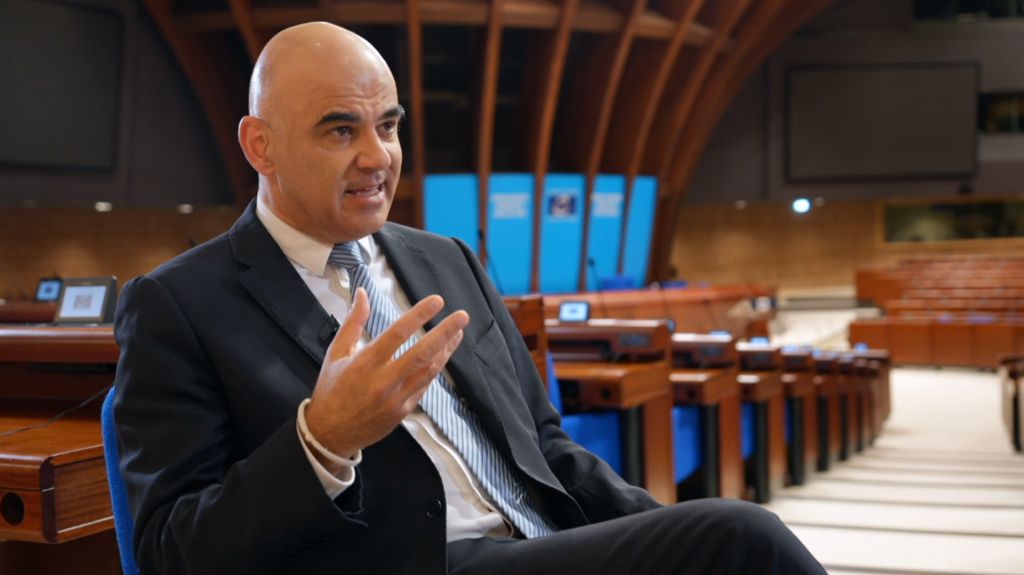
We are ready to discuss human rights law changes, top ECHR boss tells BBC
Alain Berset, Secretary General of the Council of Europe, has affirmed the organization’s readiness to engage in discussions about potential reforms to the European Convention on Human Rights (ECHR). In an exclusive interview with the BBC, Berset addressed mounting pressure from the UK and several EU nations, including Denmark and Italy, who are calling for significant changes to the convention, particularly in relation to migration policies. Berset emphasized that while human rights laws may need to adapt, the institutions established post-World War II, largely led by the UK, remain vital for maintaining peace, security, and justice across the continent. He warned that the UK’s potential withdrawal from the ECHR could lead to international isolation, especially in discussions on migration and global human rights. Berset also highlighted the broader implications of such a move, including its impact on Northern Ireland’s power-sharing agreement and the post-Brexit deal with the EU. He stressed the importance of maintaining a collective approach to human rights, particularly in light of the Council of Europe’s role in supporting Ukraine and preparing for war crime tribunals. Berset’s comments come ahead of the ECHR’s 75th anniversary, marking a pivotal moment for the organization as it navigates evolving political landscapes and challenges.
-
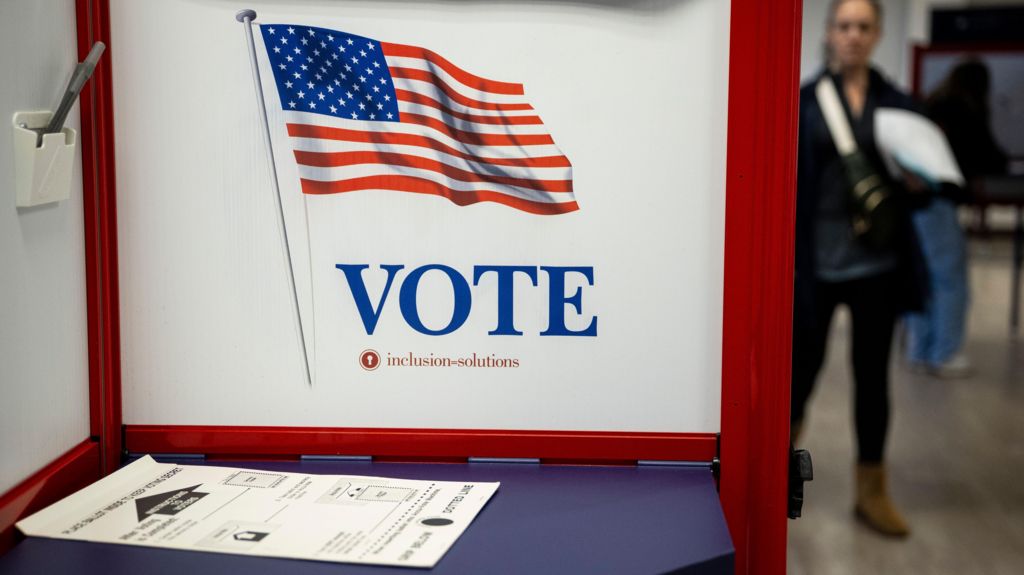
Three key races, California’s map and the Trump factor – what to watch in US elections
As the United States heads to the polls on Election Day, several critical races and decisions are set to shape the nation’s political future. While this year’s elections lack presidential or congressional contests, they are no less significant, with key mayoral, gubernatorial, and redistricting battles taking center stage.
In New York City, the mayoral race has captured national attention as Zohran Mamdani, a 34-year-old democratic socialist and state assemblyman, challenges the political establishment. Mamdani, who defeated former Governor Andrew Cuomo in the Democratic primary, aims to become the city’s youngest mayor in over a century and its first Muslim leader. Cuomo, running as an independent, has criticized Mamdani’s lack of experience and focused on crime and public safety. Meanwhile, Republican Curtis Sliwa remains in the race, refusing to step aside for Cuomo. A Mamdani victory could signal a shift in Democratic messaging, emphasizing cost-of-living issues like rent, groceries, and wages.
California voters are deciding on Proposition 50, a measure that would allow mid-decade redistricting of the state’s congressional districts. This unusual move, spearheaded by Democratic Governor Gavin Newsom, aims to counter Republican-led redistricting efforts in states like Texas and Missouri. With $158 million raised in campaign donations, the proposition has garnered strong partisan support, with 93% of Democrats favoring it and 91% of Republicans opposing it. If passed, the new maps would remain in effect through 2030.
In New Jersey, the gubernatorial race between Democrat Mikie Sherrill and Republican Jack Ciattarelli is shaping up to be a tight contest. New Jersey, traditionally a blue state, has seen heated rhetoric and high-profile endorsements from both parties. Sherrill, a current congresswoman, has been supported by Democratic heavyweights like Barack Obama and Pete Buttigieg, while Ciattarelli has received backing from former President Donald Trump and conservative activists. The outcome could provide insights into the national political climate ahead of the 2026 midterms.
Virginia’s gubernatorial election is another bellwether race, with voters set to elect the state’s first female governor. Democrat Abigail Spanberger, a U.S. congresswoman, faces Republican Winsome Earle-Sears, the current lieutenant governor. Earle-Sears, if elected, would make history as the first Black woman to lead a U.S. state. The race has highlighted economic and cultural issues, with Spanberger focusing on the impact of federal budget cuts and Earle-Sears emphasizing Virginia’s economy under Republican leadership.
Former President Donald Trump’s influence looms large over these elections. His comments on the New York City mayoral race, where he criticized Mamdani and threatened to withhold federal funding, have added tension to the contest. Trump’s role in the redistricting battle and his endorsement of Ciattarelli in New Jersey further underscore his continued impact on U.S. politics.
These elections, though local in nature, carry national implications, offering a glimpse into the evolving political landscape and the strategies both parties may employ in future races.
-
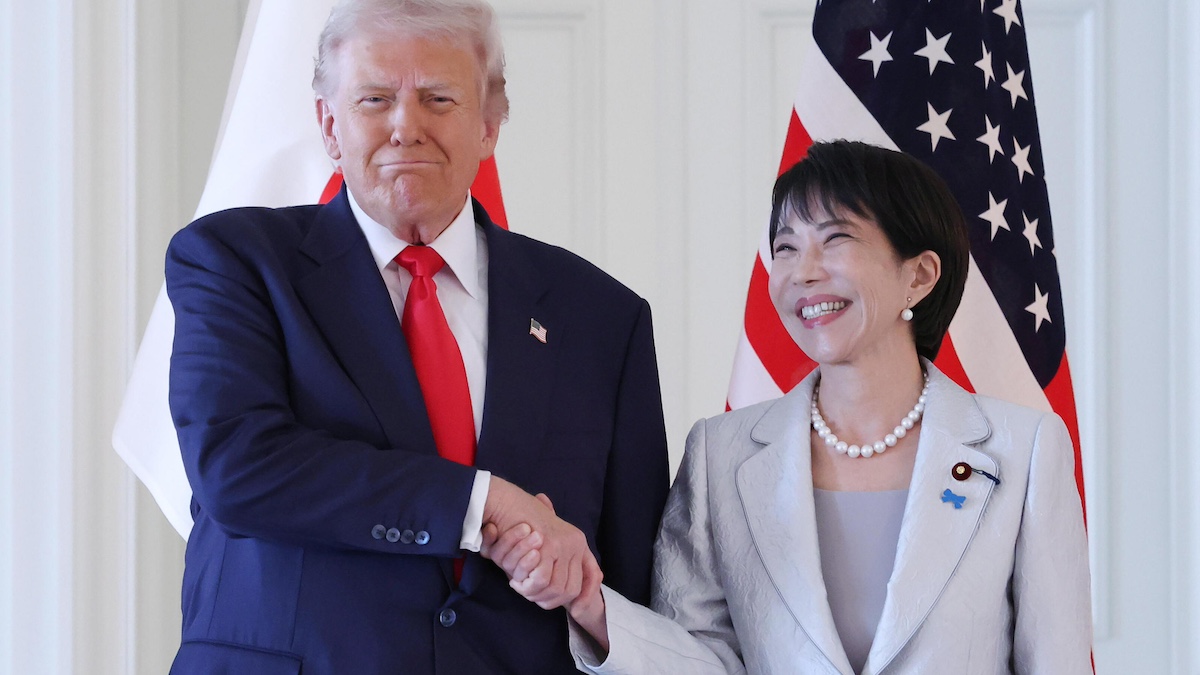
Trying to discern a strategy behind Trump’s global adventuring
President Donald Trump’s foreign policy has often been characterized by his “America First” slogan, which initially suggested a shift toward isolationism. However, recent actions and decisions demonstrate a more complex and assertive approach to global affairs. Far from retreating from international engagement, Trump has actively pursued strategies that emphasize America’s dominance on the world stage.
-
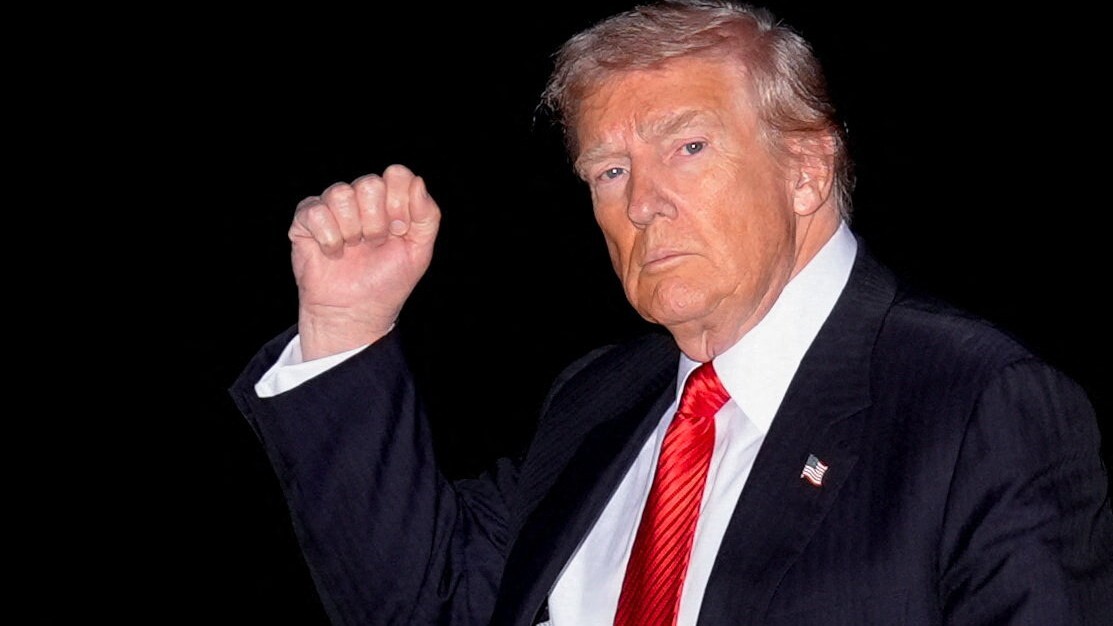
‘I think he’s going to join’: Trump says Saudi Arabia will normalise with Israel without two-state solution
In a comprehensive interview with CBS’s 60 Minutes on Sunday, former US President Donald Trump expressed confidence that Saudi Arabia would normalize relations with Israel, even without the kingdom’s longstanding precondition of a two-state solution to the Palestinian-Israeli conflict. This statement precedes Saudi Crown Prince Mohammed bin Salman’s upcoming visit to Washington on November 18, marking his first White House visit since 2018. When questioned about Saudi Arabia’s stance on the Abraham Accords, Trump dismissed concerns, asserting, ‘I think he’s going to join. I think we will have a solution.’ He emphasized the role of Israel and other stakeholders in determining the final outcome, while also highlighting the significance of neutralizing Iran’s nuclear capabilities as a prerequisite for regional stability. Trump referenced his administration’s efforts in brokering a ceasefire in Gaza and his controversial air strikes on Iran’s nuclear facilities, which Tehran denies had any lasting impact. The interview also touched on Trump’s relationship with Israeli Prime Minister Benjamin Netanyahu, whom he praised as ‘very talented’ but acknowledged pushing on certain issues, including apologies to Qatar and the Gaza ceasefire. Trump’s remarks extended to domestic politics, criticizing New York City’s mayoral candidate Zohran Mamdani as a ‘communist’ and threatening to withhold federal funding if Mamdani wins. The former president’s comments underscore his ongoing influence on US foreign and domestic policy, even after leaving office.
-
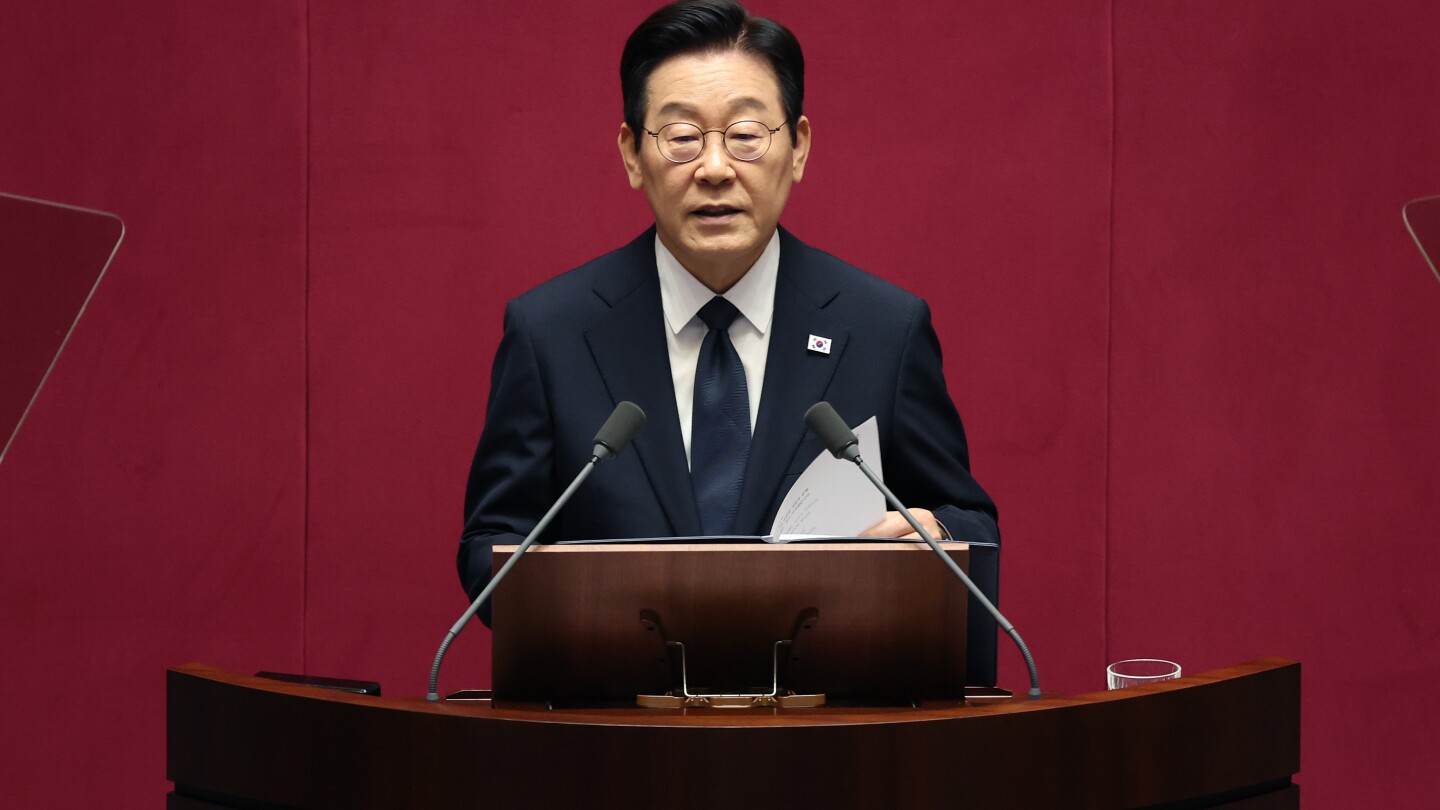
South Korean president calls for aggressive AI spending in budget speech
In a landmark budget speech delivered at the National Assembly, South Korean President Lee Jae Myung outlined an ambitious vision to propel the nation into the forefront of artificial intelligence (AI) innovation and bolster its defense capabilities. Lee called for a tripling of government spending on AI infrastructure and technology, proposing a budget of 728 trillion won ($506 billion), the highest in the country’s history. He emphasized the need for South Korea to construct the “highway for the AI era,” drawing parallels to past transformative initiatives under former presidents Park Chung-hee and Kim Dae-jung. The proposed 10.1 trillion won ($6.9 billion) allocation for AI-related projects aims to enhance computing and manufacturing capabilities, particularly in industries such as semiconductors, automobiles, shipbuilding, and robotics. Lee also highlighted a recent agreement with Nvidia to supply 260,000 GPUs for AI infrastructure projects, though uncertainties remain regarding the delivery timeline due to U.S. President Donald Trump’s remarks restricting access to Nvidia’s latest AI chips. On the defense front, Lee proposed an 8.2% increase in military spending to 66.3 trillion won ($46 billion), focusing on modernizing weapons systems and reducing reliance on the United States. He also reaffirmed South Korea’s commitment to acquiring nuclear-powered submarines, a move supported by Trump during their bilateral meeting. The speech coincided with annual security talks between U.S. and South Korean defense officials, addressing key alliance issues, including the transfer of wartime operational control to a South Korean-led command. However, Lee’s address was boycotted by most conservative opposition lawmakers amid ongoing tensions over a criminal investigation into former President Yoon Suk Yeol’s brief imposition of martial law in December.
-
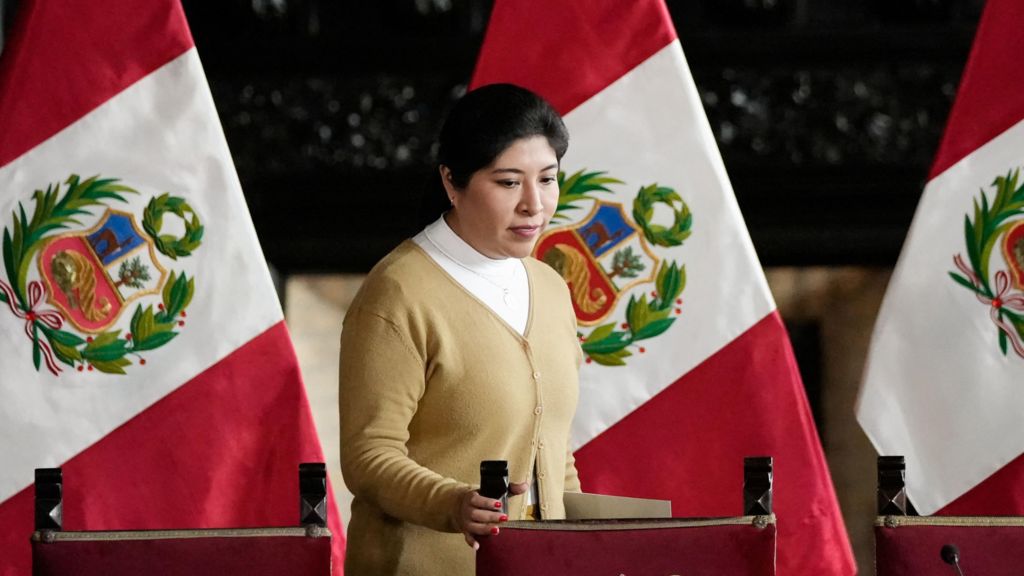
Peru cuts diplomatic ties with Mexico over ex-PM’s asylum claim
In a dramatic escalation of diplomatic tensions, Peru has announced the severance of its diplomatic relations with Mexico. The decision comes after Mexico granted asylum to Betssy Chávez, a former Peruvian prime minister accused of involvement in a 2022 coup attempt. Peruvian Foreign Minister Hugo de Zela expressed profound disappointment, labeling Mexico’s action as an “unfriendly act.” Chávez, who was imprisoned in June 2023 for her alleged role in ousted President Pedro Castillo’s plan to dissolve Congress, was released on bail in September and has consistently denied the charges. Peru has accused Mexico of repeatedly interfering in its internal affairs, particularly by portraying coup leaders as victims. Prosecutors are seeking a 25-year sentence for Chávez and a 34-year term for Castillo, who was arrested in December 2022 after his failed attempt to dissolve Congress and establish an emergency government. This latest development exacerbates the strained relations between the two nations, which began when Mexico granted asylum to Castillo’s family in 2022 and intensified with former Mexican President Andrés Manuel López Obrador’s vocal support for Castillo. Castillo, a former teacher and union activist, was Peru’s first president from a humble background but was ousted after his unconstitutional power grab. His successor, Dina Boluarte, was recently removed by Congress amid widespread protests, leading to the appointment of interim President José Jeri.
-
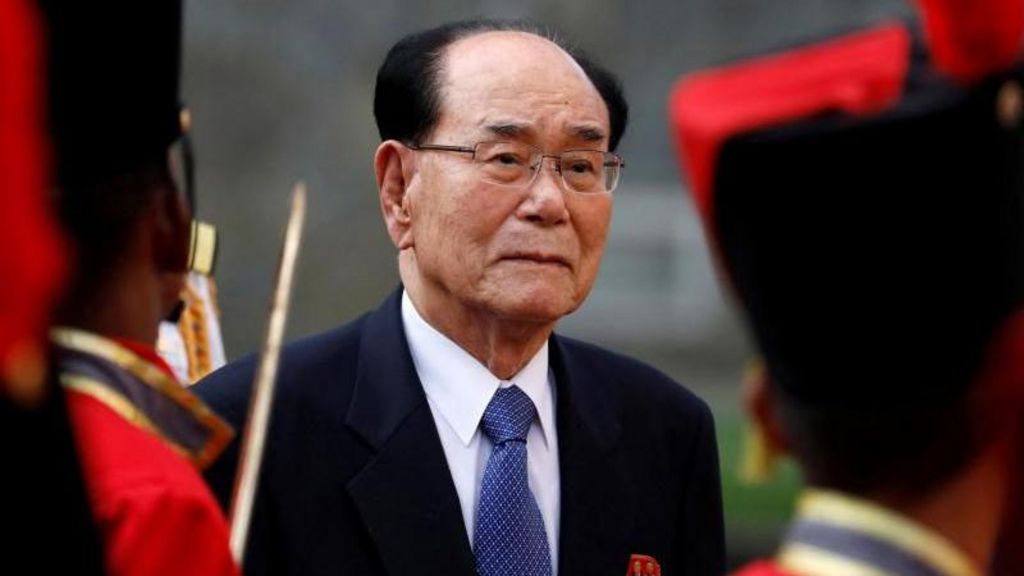
North Korea’s former ceremonial head of state dies
Kim Yong Nam, a prominent figure in North Korea’s political landscape and a lifelong supporter of the ruling Kim dynasty, has passed away at the age of 97, as reported by state media. Serving as the ceremonial head of state and president of the Supreme People’s Assembly from 1998 to 2019, Kim Yong Nam was a key diplomat under the regimes of Kim Il Sung, Kim Jong Il, and Kim Jong Un. Although not related to the Kim family, he played a significant role in representing North Korea on the international stage. According to the Korean Central News Agency (KCNA), he died of multiple organ failure on November 3. KCNA praised him as an “old-generation revolutionary” who contributed immensely to the nation’s development. A state funeral was held in his honor. Born during Japan’s colonial rule of the Korean peninsula, Kim Yong Nam hailed from a family of “anti-Japanese patriots.” He studied at Kim Il Sung University and later in Moscow, beginning his political career in the 1950s. Rising from a low-ranking official to foreign minister and eventually chairman of the Supreme People’s Assembly, he maintained a clean reputation, avoiding the purges that befell many other high-ranking officials. In 2018, he led a North Korean delegation to South Korea during the Winter Olympics, meeting then-President Moon Jae-in. He also participated in inter-Korean summits in 2000 and 2007. South Korea’s Unification Minister Chung Dong-young expressed condolences, recalling meaningful discussions about peace on the Korean peninsula. Former North Korean diplomat Thae Yong Ho described Kim Yong Nam as a model of survival in North Korea’s political system, emphasizing his ability to avoid controversy and maintain loyalty to the regime. Unlike many officials who faced demotion or execution, Kim Yong Nam retired peacefully in 2019, marking a rare end to a long and stable career in North Korea’s volatile political environment.
-
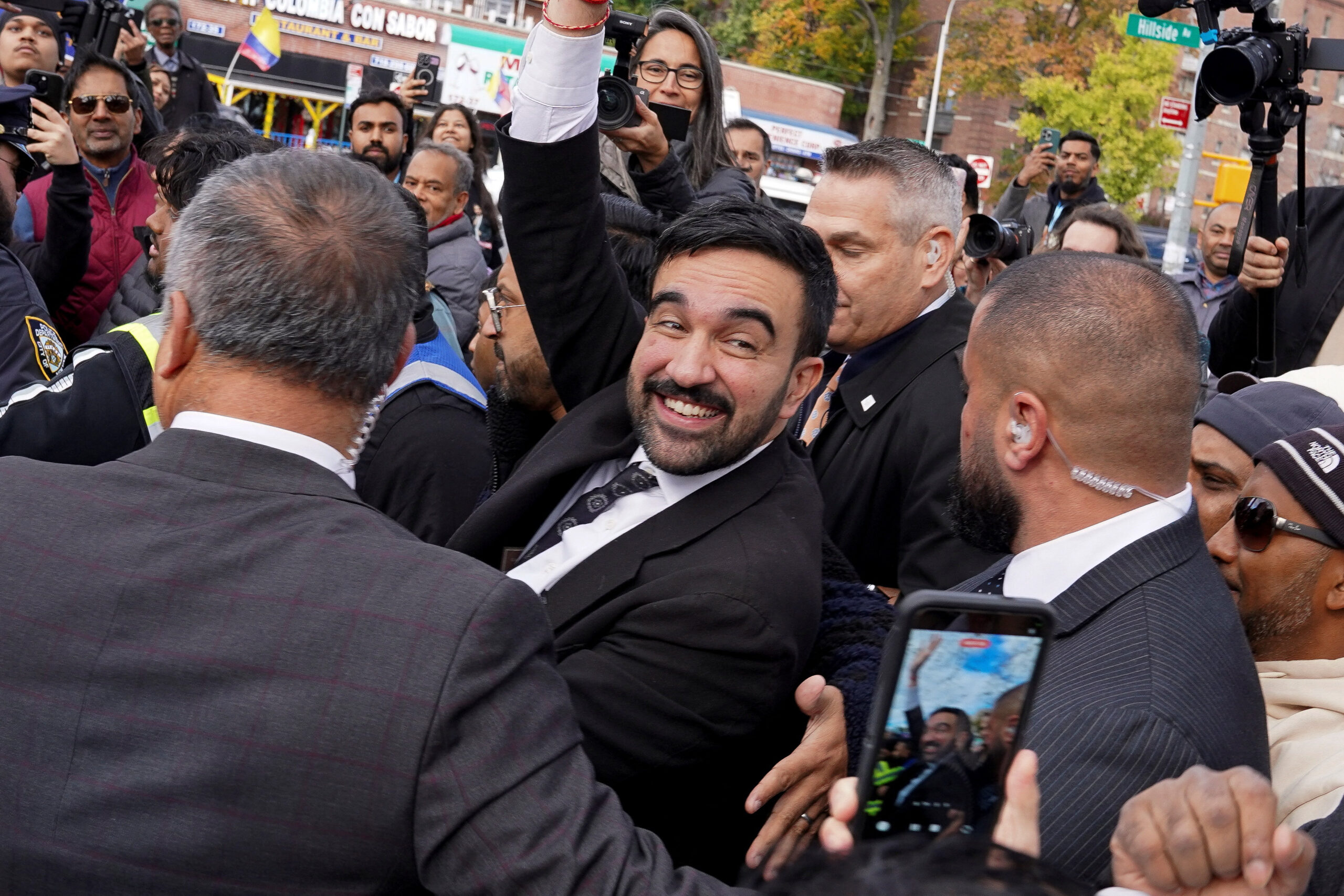
Anti-Muslim posts on X about Zohran Mamdani have increased by more than 450 percent
A recent report by the Center for the Study of Organized Hate (CSOH) has unveiled a concerning surge in Islamophobic and xenophobic discourse targeting New York City mayoral frontrunner Zohran Mamdani. The study, spanning from Mamdani’s Democratic primary victory in June to the end of October, revealed that such content reached an estimated 1.5 billion users on X (formerly Twitter). This spike in hateful rhetoric coincided with the narrowing gap between Mamdani and his chief opponent, Andrew Cuomo, in the mayoral race. The analysis identified 35,522 original posts from 17,752 unique accounts, with 45% authored by verified users, raising questions about the platform’s moderation practices. The report highlights four dominant Islamophobic narratives: terrorist labeling (72% of posts), calls for deportation and citizenship revocation (11%), questioning loyalty to the country (9%), and conspiracy theories about Sharia law and Muslim takeover (8%). CSOH warns that such online hate could escalate into offline violence, citing recent acts of political violence in the U.S. The organization has urged X to enforce stricter moderation, enhance transparency for verified users, and amplify corrective counterarguments in its algorithm to combat misinformation and hate speech.