分类: politics

  • EU to slash asylum cases from 7 nations deemed safe

    EU to slash asylum cases from 7 nations deemed safe

    BRUSSELS — In a landmark decision marking International Migrants’ Day, European Union institutions have jointly approved a contentious policy designating seven nations as ‘safe countries of origin,’ triggering immediate condemnation from human rights organizations across the continent.

    The European Parliament and European Council reached a comprehensive agreement enabling accelerated processing of asylum applications from Bangladesh, Colombia, Egypt, Kosovo, India, Morocco, and Tunisia. Under the new framework, applicants from these nations will bear the burden of proving why the safe country designation should not apply to their specific circumstances.

    This policy forms part of the broader Pact on Migration and Asylum, scheduled for implementation in June 2026, which represents the EU’s most significant asylum system overhaul since the 2015 migration crisis that saw over one million arrivals, primarily from conflict zones in Syria and Iraq.

    The agreement stipulates that countries may be deemed safe when they demonstrate absence of ‘relevant circumstances, such as indiscriminate violence in the context of an armed conflict.’ The policy framework permits individual member states to designate additional nations as safe according to their national immigration requirements.

    Human rights advocates responded with vehement opposition. Amnesty International EU advocate Olivia Sundberg Diez condemned the measures as ‘a shameless attempt to sidestep international legal obligations’ that would potentially endanger vulnerable migrants.

    French MEP Mélissa Camara expressed grave concerns about the establishment of ‘return hubs outside EU borders’ where third-country nationals might face ‘inhumane treatment with almost no monitoring.’ Similarly, Céline Mias of the Danish Refugee Council warned that the fast-track system could fail to protect journalists, activists, and marginalized groups from nations where human rights are systematically violated.

    Conversely, Alessandro Ciriani, an Italian MEP representing the European Conservatives and Reformists group, applauded the decision as a firm border reinforcement measure that provides ‘clear delineations of safe and unsafe nations’ to eliminate ‘excessive interpretative uncertainty’ that previously hampered border control decisions.

    The EU maintains that the list of designated safe countries remains subject to expansion through the bloc’s ordinary legislative procedures, indicating potential future additions to the current seven-nation roster.

  • EU’s provisional safe countries list includes ‘repressive’ states

    EU’s provisional safe countries list includes ‘repressive’ states

    The European Union has provisionally endorsed a contentious roster of nations designated as ‘safe countries of origin,’ enabling member states to fast-track the rejection of asylum applications. This legislative move, formalized by EU ministers and ratified through a parliamentary vote, permits authorities to deny asylum to individuals who could have sought protection in any of the listed countries, which include Egypt, Tunisia, Morocco, Turkey, Bangladesh, Colombia, India, and several EU candidate nations.

    Despite strong opposition from human rights organizations and dissident groups, the measure received majority support in the European Parliament, with only The Left bloc uniformly opposing it. Critics argue that the list incorporates multiple states with documented records of human rights abuses, political repression, and systematic persecution of dissenters.

    Human rights advocates have condemned the legislation as a violation of international asylum protections. Ahmed Attalla of the Egyptian Front for Human Rights stated the policy prioritizes border control over human rights, potentially exposing vulnerable individuals to accelerated deportation procedures. French MEP Damien Careme characterized the move as ‘the end of the right to asylum in Europe,’ accusing the EU of manipulating international law for political convenience.

    The approved framework also introduces ‘safe third country’ provisions, allowing member states to reject asylum seekers if they transited through non-EU nations deemed safe. Scheduled to take effect in June 2026, this policy reflects the EU’s increasingly restrictive immigration stance amid growing anti-migrant sentiment across the continent.

    Numerous case studies highlight concerns regarding the designated countries. Egypt ranks poorly on global freedom indices, with Human Rights Watch documenting systematic repression and thousands of political detainees. Tunisia has dismantled democratic institutions since President Saied’s 2021 coup, while Morocco faces criticism for its occupation of Western Sahara and suppression of Sahrawi activists. Turkey continues widespread persecution of dissidents, with Amnesty International reporting systematic torture in detention facilities.

    The legislation represents a significant shift in EU asylum policy that critics fear will eliminate Europe’s historical role as a sanctuary for those fleeing persecution, war, and instability.

  • Qatar: Gaza stabilization force in the making must be neutral

    Qatar: Gaza stabilization force in the making must be neutral

    Qatari Prime Minister Sheikh Mohammed bin Abdulrahman Al-Thani has articulated a firm stance on the proposed international stabilization force for Gaza, emphasizing the critical need for impartiality in postwar arrangements. Following high-level discussions with US Secretary of State Marco Rubio during the seventh Qatar-US Strategic Dialogue in Washington, the Prime Minister asserted that any security presence must prioritize protecting the ceasefire agreement itself rather than favoring any single party.

    The diplomatic engagement occurred against the backdrop of deteriorating humanitarian conditions in Gaza, where recent winter storms have exacerbated the crisis. UNRWA reports indicate at least 16 fatalities resulting from Storm Byron’s impact on vulnerable shelters, with three children among the deceased. Agency chief Philippe Lazzarini characterized the disaster as “man-made” due to the population’s forced displacement into inadequate shelters.

    Concurrently, Egyptian Foreign Minister Badr Abdelatty advocated for full implementation of UN Security Council Resolution 2803 during discussions with his Slovak counterpart. The resolution, adopted last month, mandates deployment of an International Stabilization Force while emphasizing the interconnection between humanitarian progress and Palestinian administrative continuity.

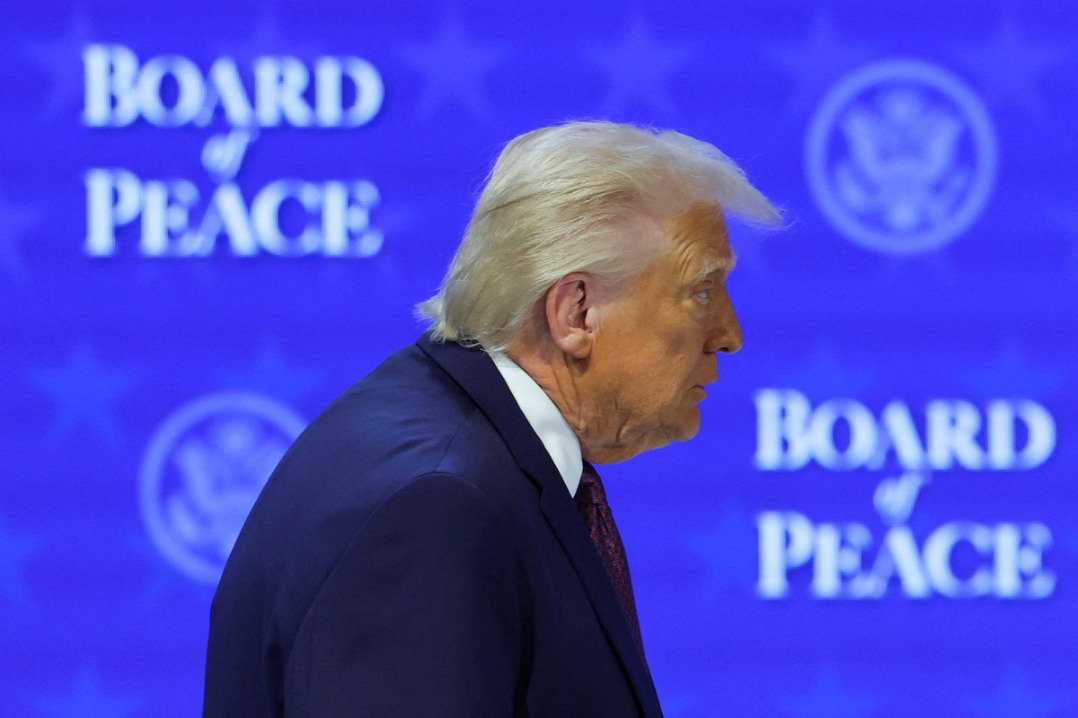
    Diplomatic developments suggest movement toward governance structures, with the Times of Israel reporting six nations—Egypt, Qatar, UAE, UK, Italy, and Germany—have committed to participate in a proposed Board of Peace for postwar Gaza management. However, regional analysts caution that such initiatives risk credibility gaps if pursued alongside ongoing military operations and settler violence in the West Bank.

    Arhama Siddiqa of the Institute of Strategic Studies Islamabad notes these diplomatic exchanges reveal emerging regional consensus that stabilization mechanisms must be internationally grounded, impartial, and intrinsically linked to unimpeded humanitarian access. The convergence of Qatari and Egyptian positions highlights Arab concerns that postwar arrangements must not evolve into instruments for managing occupation or shielding Israel from accountability.

  • UAE forms National Media Authority, replaces 3 other entities, including WAM

    UAE forms National Media Authority, replaces 3 other entities, including WAM

    In a significant restructuring of its media governance framework, the United Arab Emirates has enacted a new federal law establishing the National Media Authority. This landmark decision, announced on December 18, 2025, creates a comprehensive regulatory body that supersedes three previously separate entities: the UAE Media Council, the National Media Office, and the Emirates News Agency (WAM).

    The newly formed authority will operate as a public federal entity directly affiliated with the UAE Cabinet, possessing full legal personality along with financial and administrative autonomy. This consolidation represents the most substantial media governance reform in recent years, centralizing regulatory functions under a single umbrella organization.

    Key responsibilities of the National Media Authority include developing strategic media directions and messaging for the nation while ensuring alignment between media organizations and official government policies. The authority will spearhead efforts to enhance the UAE’s international reputation through coordinated media narratives and crisis management protocols.

    The regulatory body will assume legislative powers to propose new regulations governing media licensing across all platforms, including digital media and operations within free zones. It will establish content standards in coordination with relevant government entities and monitor all published, broadcast, and digital content throughout the Emirates.

    Additional functions include professional accreditation for media personnel and foreign correspondents, plus oversight of the Emirates News Agency’s expanded role as the official channel for distributing government-approved news. The authority will also facilitate news provision to media institutions in accordance with international journalistic standards and ethical practices.

    This structural consolidation aims to create a more cohesive media ecosystem while maintaining the UAE’s commitment to professional media development and strategic communication objectives on both domestic and international fronts.

  • Belarusian leader says Russia deployed its latest nuclear-capable Oreshnik missile to the country

    Belarusian leader says Russia deployed its latest nuclear-capable Oreshnik missile to the country

    In a significant escalation of military posturing, Belarusian President Alexander Lukashenko confirmed on Thursday the deployment of Russia’s state-of-the-art Oreshnik intermediate-range ballistic missile system to Belarusian territory. The nuclear-capable system reportedly entered combat duty on Wednesday, though specific numbers and deployment details remain undisclosed.

    The announcement coincides with delicate peace negotiations to resolve the ongoing conflict in Ukraine, now entering a pivotal phase. Russian President Vladimir Putin had previously declared the system’s operational status during military consultations, explicitly linking its deployment to Moscow’s strategic demands in diplomatic talks. Putin cautioned that rejection of Kremlin terms by Kyiv and Western allies would prompt expanded Russian offensive operations in Ukraine.

    This deployment represents the latest in a series of Russian nuclear advancements in Belarus, which previously hosted tactical nuclear weapons and served as a staging ground for the February 2022 invasion. Lukashenko acknowledged possessing several dozen Russian tactical nuclear weapons, further complicating regional security dynamics.

    The Oreshnik system (named for the hazelnut tree) boasts formidable technical capabilities, including multiple warheads reaching hypersonic velocities up to Mach 10. Russian state media claims the missile could strike Polish airfields within 11 minutes and NATO headquarters in Brussels within 17 minutes. Notably, warhead type (conventional or nuclear) remains undetectable until impact.

    This development occurs against a backdrop of intensified U.S. diplomatic efforts under President Trump to broker a settlement to the conflict, though Washington faces fundamentally incompatible demands from Moscow and Kyiv. The missile deployment coincides with Lukashenko’s simultaneous overtures toward Western reconciliation, including Saturday’s release of 123 political prisoners that prompted U.S. sanctions relief on Belarusian potash exports.

    Strategic implications are profound: Intermediate-range missiles (500-5,500 km capability) had been prohibited under the now-defunct INF Treaty until 2019. Putin and Lukashenko previously committed to deploying Oreshnik before year’s end, with December 2024 agreements granting Minsk target selection authority for missions closer to Belarusian territory.

    Russia’s revised nuclear doctrine further escalates tensions by considering conventional attacks supported by nuclear powers as joint nuclear aggression, effectively lowering the threshold for potential nuclear response. The doctrine explicitly extends Russia’s nuclear umbrella over Belarus, cementing military integration between the two nations despite Lukashenko’s occasional diplomatic maneuvering.

  • Russia has few legal options to challenge EU frozen asset plan

    Russia has few legal options to challenge EU frozen asset plan

    THE HAGUE, Netherlands — European Union leaders are navigating complex legal terrain as they deliberate utilizing frozen Russian central bank assets to finance Ukraine’s military and reconstruction needs. With approximately €200 billion immobilized primarily within Belgium’s Euroclear financial clearinghouse, the proposal represents both a strategic financial solution and a legal minefield.

    The discussion centers on creating legally impregnable mechanisms to repurpose these assets as loan collateral for Ukraine. Belgian authorities have emerged as pivotal voices, demanding absolute protection from retaliatory measures before approving any action. Prime Minister Bart de Wever emphasized the necessity of addressing financial risks stemming from the 1989 bilateral investment treaty between Belgium and Russia.

    Moscow has already initiated legal countermeasures, with Russia’s Central Bank filing a lawsuit in Moscow’s Arbitration Court against Euroclear. The complaint challenges what Russia terms “illegal blocking and use of its assets” including claimed lost profits. However, European sanctions effectively neutralize Russian court judgments regarding frozen assets.

    Legal experts identify multiple potential challenge avenues for Russia, each with significant limitations. The bilateral investment treaty offers limited arbitration options primarily designed for private investor disputes rather than state-level asset conflicts. Russia could attempt litigation in domestic courts worldwide where assets are held, but this would require waiving sovereign immunity—creating vulnerability to counter-litigation.

    The Court of Justice of the European Union represents another theoretical avenue, though non-member states face high barriers. Russia previously attempted challenging EU sanctions through this court, with judges ruling the complaint inadmissible. Venezuela’s similar attempt to contest human rights-related sanctions also failed, establishing Brussels’ broad latitude in foreign security policy.

    International judicial options appear equally constrained. The European Court of Human Rights expelled Russia following the Ukraine invasion, while the International Court of Justice lacks clear jurisdiction without Russia accepting the court’s compulsory authority. Legal analyses from firms including Covington & Burling conclude Russia’s legal pathways remain severely limited despite the unprecedented nature of asset repurposing.

  • Trump expected to expand access to  cannabis in a major shift in drug policy

    Trump expected to expand access to cannabis in a major shift in drug policy

    The United States stands on the brink of a historic transformation in its drug policy framework. President Donald Trump is preparing to sign an executive order that would initiate the most substantial overhaul of federal cannabis regulation in over five decades. This long-anticipated action would reclassify cannabis from its current status as a Schedule I narcotic—a category reserved for substances deemed to have no medical value and high abuse potential—to the less restrictive Schedule III classification.

    Schedule III substances, which include pharmaceuticals like Tylenol with codeine, ketamine, and anabolic steroids, are recognized by the U.S. Drug Enforcement Agency as having a ‘moderate to low potential for physical and psychological dependence.’ This administrative recalibration, expected to be enacted as early as Thursday according to CBS News, would not equate to federal legalization. However, it would dismantle a significant barrier to scientific inquiry, permitting expanded research into cannabis’s therapeutic applications.

    The policy shift carries substantial economic implications. State-authorized cannabis dispensaries, currently operating in a legal gray area, would gain eligibility for certain federal tax deductions from which they are barred under Schedule I restrictions. Reports also indicate the potential establishment of a pilot program to provide reimbursements to older Americans for cannabidiol (CBD) used in managing conditions related to cancer treatments.

    This move aligns with a clear national trend. A majority of states have already legalized cannabis for medical purposes, with 24 states and the District of Columbia permitting its recreational use. President Trump has consistently advocated for this reform, stating last year on Truth Social, ‘I believe it is time to end endless arrests and incarcerations of adults for small amounts of marijuana for personal use.’ His position echoes the Biden administration’s earlier, stalled efforts to propose a similar rule change in April 2024.

    Despite broad public support—a recent Gallup poll indicated 64% of Americans favor legalization—the proposal faces staunch opposition from within the President’s own party. A cohort of 22 Republican Senators articulated their dissent in an open letter, contending that normalizing cannabis use would hinder national re-industrialization efforts and contradict public health objectives. They cited concerns over impaired judgment and a lack of conclusive scientific evidence supporting medical benefits. Separate correspondence from nine Republican representatives to Attorney General Pam Bondi argued that rescheduling would send a dangerous message to youth about the drug’s safety.

  • Kremlin envoy set to visit Miami for talks on US peace plan for Ukraine

    Kremlin envoy set to visit Miami for talks on US peace plan for Ukraine

    In a significant escalation of diplomatic efforts to resolve the Ukraine conflict, a high-level Kremlin representative is scheduled to travel to Florida for confidential discussions regarding a U.S.-proposed peace framework. Kirill Dmitriev, head of Russia’s sovereign wealth fund, will meet with Trump envoy Steve Witkoff and presidential son-in-law Jared Kushner in Miami this Saturday, according to anonymous U.S. officials familiar with the arrangement.

    The upcoming meeting follows preliminary discussions held earlier this week in Berlin, where American intermediaries engaged with Ukrainian and European officials to address critical components of the proposed settlement. These include potential security guarantees for Kyiv, territorial adjustments, and other substantive elements within the American-drafted peace initiative.

    Kremlin spokesman Dmitry Peskov confirmed Moscow’s preparation for diplomatic contacts with U.S. representatives, though he withheld specific details regarding the Florida meeting. This diplomatic surge represents the most substantial American engagement attempt since Russia’s full-scale invasion commenced in February 2022, though negotiations confront fundamentally incompatible demands from both warring parties.

    The diplomatic developments occur alongside continued military aggression, with both nations exchanging aerial assaults overnight. Ukrainian authorities reported Russian forces launched 82 drones across multiple regions, resulting in civilian casualties and infrastructure damage. Simultaneously, Russian officials acknowledged Ukrainian drone strikes in the Rostov region that caused fatalities and injuries.

    President Vladimir Putin recently articulated Russia’s uncompromising position, demanding international recognition of captured territories—including four occupied regions and the illegally annexed Crimean Peninsula—as Russian sovereign territory. Additional Kremlin prerequisites include Ukraine’s permanent NATO exclusion and withdrawal from eastern territories currently under Ukrainian control.

    Ukrainian President Volodymyr Zelenskyy, while expressing willingness to consider alternative security arrangements resembling NATO protections, maintains that full alliance membership remains Ukraine’s preferred safeguard against future Russian aggression. Zelenskyy has unequivocally rejected demands for territorial concessions beyond current battle lines.

    The diplomatic proceedings coincide with crucial European Union deliberations regarding unprecedented financial support for Ukraine. EU leaders convened in Brussels to determine whether to utilize frozen Russian assets to underwrite a massive loan addressing Ukraine’s military and budgetary requirements through 2026.

  • Two US presidents and their long associations with Jeffrey Epstein

    Two US presidents and their long associations with Jeffrey Epstein

    A comprehensive archival investigation has uncovered detailed documentation of former U.S. Presidents Donald Trump and Bill Clinton’s social connections with convicted sex offender Jeffrey Epstein throughout the 1990s and early 2000s. Both presidents maintained documented associations with the financier for approximately 15 years before distancing themselves from him years prior to his criminal convictions.

    Photographic evidence and archival records indicate Trump’s relationship with Epstein began around 1987, with multiple documented interactions throughout the following decade. Footage from 1992 shows both men socializing at Trump’s Mar-a-Lago estate with Ghislaine Maxwell, Epstein’s convicted accomplice, visible in the background. Epstein attended Trump’s 1993 wedding to Marla Maples, and the two were photographed together at various high-profile events including a Victoria’s Secret fashion show in 1999.

    Clinton’s association with Epstein reportedly began in the early 1990s, with photographs capturing their interaction at a White House restoration donor event in September 1993. Public records show Epstein contributed $2,000 to Clinton’s 1992 presidential campaign. The former president reportedly took four trips on Epstein’s private jet between 2002-2003 for Clinton Foundation work, including a humanitarian trip to Africa.

    Both presidents contributed to Epstein’s 50th birthday book in 2003, though Trump has disputed the authenticity of his alleged contribution and filed a defamation lawsuit against the Wall Street Journal for publishing it. Clinton never publicly commented on his message in the book.

    According to statements from both parties, their relationships with Epstein ended around 2004-2005. Trump claims he banned Epstein from Mar-a-Lago for inappropriate behavior with staff, while Clinton stated he cut ties before Epstein’s first arrest in 2005. Both have consistently denied any knowledge of Epstein’s criminal activities during their associations.

    The White House has emphasized the Trump administration’s cooperation with Epstein-related investigations, stating they have released thousands of documents and supported congressional oversight requests regarding the case.

  • Brazil’s Lula vows to veto bill that could reduce Bolsonaro’s prison sentence

    Brazil’s Lula vows to veto bill that could reduce Bolsonaro’s prison sentence

    BRASILIA — Brazilian President Luiz Inácio Lula da Silva declared on Thursday his firm intention to veto legislative measures that would substantially diminish the 27-year prison sentence of his predecessor, Jair Bolsonaro. The former leader remains incarcerated since November following convictions related to attempted coup activities against Brazil’s democratic institutions.

    The controversial legislation, which cleared both the Chamber of Deputies and Senate this week, proposes significant modifications to Brazil’s penal system. It would accelerate the transition of convicted individuals from stringent to more lenient prison regimes and provide sentence reductions of up to two-thirds for crimes committed within crowd contexts—provisions that would directly benefit participants in the January 8, 2023, insurrection in Brasília.

    President Lula emphasized to journalists that those who committed crimes against Brazilian democracy must face appropriate consequences for their actions. His administration maintains that the proposed law undermines judicial accountability for acts threatening constitutional order.

    The legislative proposal faces additional challenges beyond presidential veto. Brazil’s Supreme Court is expected to review the bill’s constitutionality, particularly regarding provisions that would prevent cumulative sentencing for related offenses such as abolishing democratic rule and attempting a coup d’état—a central argument in Bolsonaro’s legal appeal.

    Political tensions surrounding the legislation have ignited nationwide demonstrations. Tens of thousands of Brazilians protested in major cities including São Paulo, Salvador, and the capital Brasília over the weekend, expressing opposition to what many perceive as special treatment for political figures convicted of anti-democratic actions.

    The developments occur against the backdrop of emerging electoral dynamics. Senator Flávio Bolsonaro, the former president’s eldest son and potential presidential candidate, has endorsed the legislation while criticizing the legitimacy of the judicial process against his father. Political analysts anticipate he may challenge President Lula in the 2026 elections, representing the Bolsonaro-aligned Liberal Party.