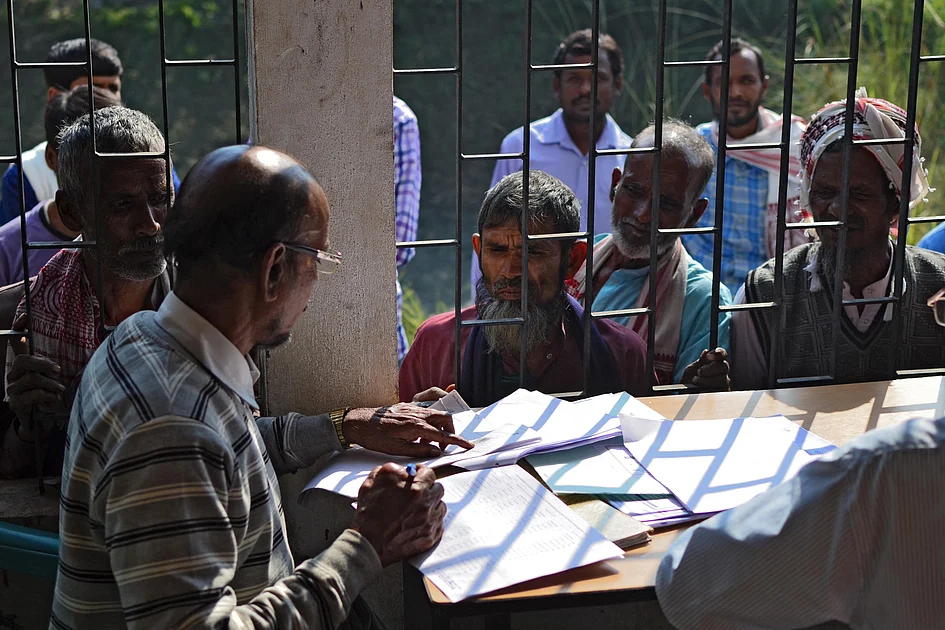
India has initiated a comprehensive three-month voter registration overhaul, termed the Special Intensive Revision (SIR), across 12 states and territories. This extensive exercise, involving tens of thousands of election officials and nearly half a million volunteers, aims to update voter rolls by visiting households to assist residents in completing voter enumeration forms. The initiative, announced by Election Commission of India chief Gyanesh Kumar, is set to cover key regions such as Uttar Pradesh, West Bengal, Tamil Nadu, and Kerala, which collectively house hundreds of millions of citizens according to the 2011 census. The final electoral roll is slated for release on February 7, 2026. However, the process has sparked significant controversy. Critics, including opposition parties and rights groups, argue that the stringent documentation requirements could lead to the wrongful exclusion of legitimate voters, particularly marginalized communities. Earlier this year, a similar revision in Bihar resulted in the removal of approximately 6.5 million names, with the ECI citing the need to prevent the inclusion of ‘foreign illegal immigrants.’ Members of Prime Minister Narendra Modi’s Bharatiya Janata Party (BJP) have long alleged that undocumented Muslim migrants from Bangladesh have fraudulently registered as voters. Tamil Nadu Chief Minister M.K. Stalin has condemned the exercise as a ‘trick to delete the names of genuine voters,’ warning that the right to vote—the cornerstone of democracy—is under threat. Despite these concerns, India’s Supreme Court has provided some relief by ruling that the biometric-linked Aadhaar identity card can be used as valid documentation for the process. The ongoing legal challenges and political debates underscore the high stakes of this voter registration drive in the world’s largest democracy.
分类: politics
-
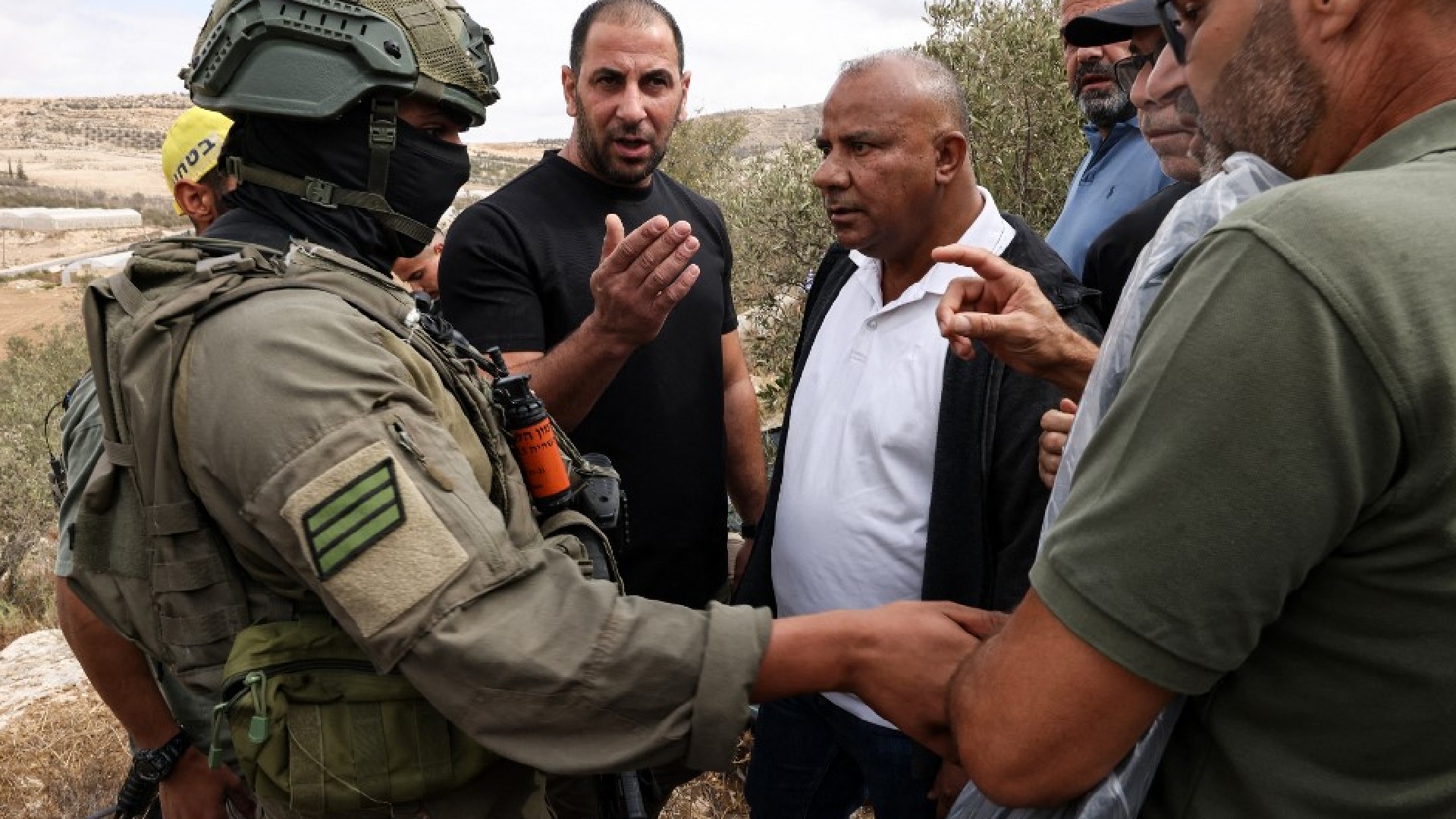
‘No such thing as Jewish terrorist’ says Israeli MP sponsoring bill to execute Palestinians
A contentious bill proposing the death penalty for individuals deemed ‘terrorists’ has sparked widespread debate in Israel. Sponsored by far-right lawmaker Limor Son Har-Melech, the legislation explicitly targets those who ‘harm the State of Israel’ while excluding Jewish perpetrators. Har-Melech asserted that ‘there’s no such thing as a Jewish terrorist,’ defending the bill as ‘very clear and unequivocal.’ The proposal, advanced by National Security Minister Itamar Ben Gvir’s Jewish Power party, was approved by an Israeli panel on Monday, setting the stage for its first parliamentary reading. The bill would enable Israeli courts to impose capital punishment on Palestinians convicted of killing Israelis on ‘nationalistic grounds,’ but it does not apply to Israelis who kill Palestinians under similar circumstances. Har-Melech justified the measure by stating, ‘A dead terrorist is a terrorist who won’t return to the cycle of terror.’ Meanwhile, she criticized former Israeli army legal chief Yifat Tomer-Yerushalmi, who is under investigation for allegedly leaking footage of Israeli soldiers raping a Palestinian detainee, accusing her of ‘lying and deceiving’ the Knesset’s Foreign Affairs and Defense Committee. Har-Melech also praised an Israeli convicted of murdering three members of a Palestinian family in 2015 as a ‘truly holy man’ and called for his release, labeling his imprisonment a ‘crime.’ The bill and Har-Melech’s statements have drawn sharp criticism, with opponents arguing that the legislation is discriminatory and undermines justice.
-
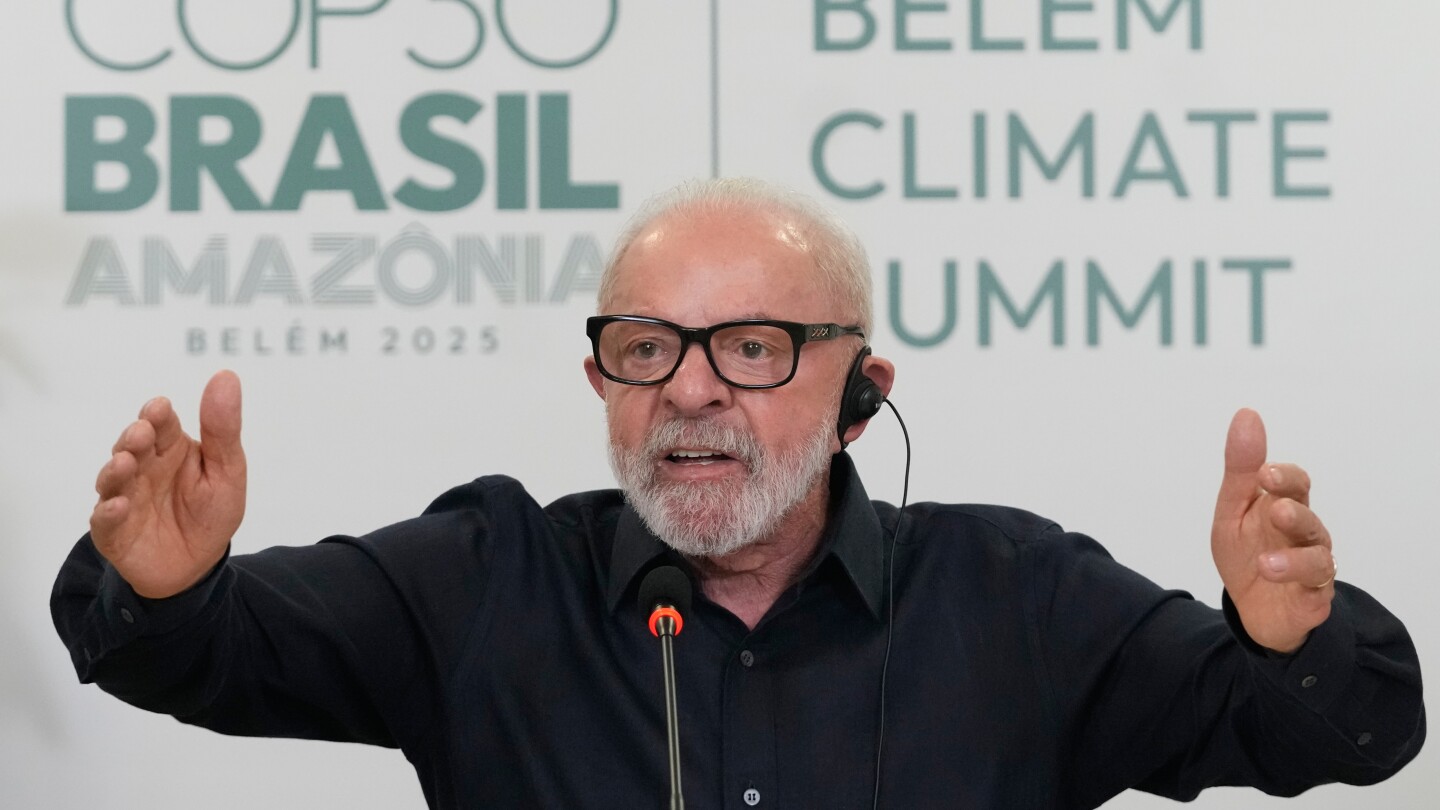
Brazil’s Lula to call Trump if tariff talks stall, pushes against conflict in Venezuela
Brazilian President Luiz Inácio Lula da Silva announced on Tuesday his readiness to directly contact former U.S. President Donald Trump if ongoing negotiations concerning U.S. tariffs on Brazilian goods fail to advance. Speaking in Belém, a city in the Amazon region, ahead of the United Nations’ climate summit, Lula emphasized the importance of dialogue in resolving trade disputes. The U.S. has recently imposed tariffs exceeding 50% on numerous Brazilian products, prompting discussions between the two leaders aimed at reaching a mutually beneficial agreement. Lula confidently stated, ‘I have his number, he has mine. I have no trouble in calling him,’ underscoring his commitment to diplomatic engagement. Additionally, Lula called on Latin American nations to collaborate in preventing conflict in Venezuela, where the Trump administration has authorized military actions against vessels allegedly tied to drug cartels. He highlighted the region’s commitment to peace, recalling his previous discussions with Trump on the matter. Lula also referenced former U.S. President George W. Bush’s involvement in stabilizing Venezuela following the 2002 coup attempt against then-President Hugo Chávez, urging Trump to heed such historical precedents. The Brazilian leader is considering attending a meeting in Colombia next week, where U.S. military actions in Latin America will be a key topic of discussion at the Community of Latin American and Caribbean States (CELAC), a 33-member organization.
-

Chinese vice-premier stresses new significant development opportunities for Hong Kong
Chinese Vice-Premier He Lifeng has underscored the pivotal role Hong Kong is set to play in China’s next phase of development, as outlined in the country’s 15th Five-Year Plan (2026-30). Speaking via video at the Global Financial Leaders’ Investment Summit in Hong Kong, He emphasized that the special administrative region will benefit from significant new opportunities under the national strategy. The 20th CPC Central Committee recently adopted recommendations for the plan, which includes targeted measures to bolster Hong Kong’s growth and stability. He highlighted Hong Kong’s unique position as a global financial hub and urged it to actively engage in global financial governance reforms. Additionally, he pledged China’s commitment to expanding high-standard institutional openness, collaborating with other nations to address global economic challenges, and fostering a stable international economic order. This, he noted, would inject momentum into the global economy amid ongoing uncertainties.
-
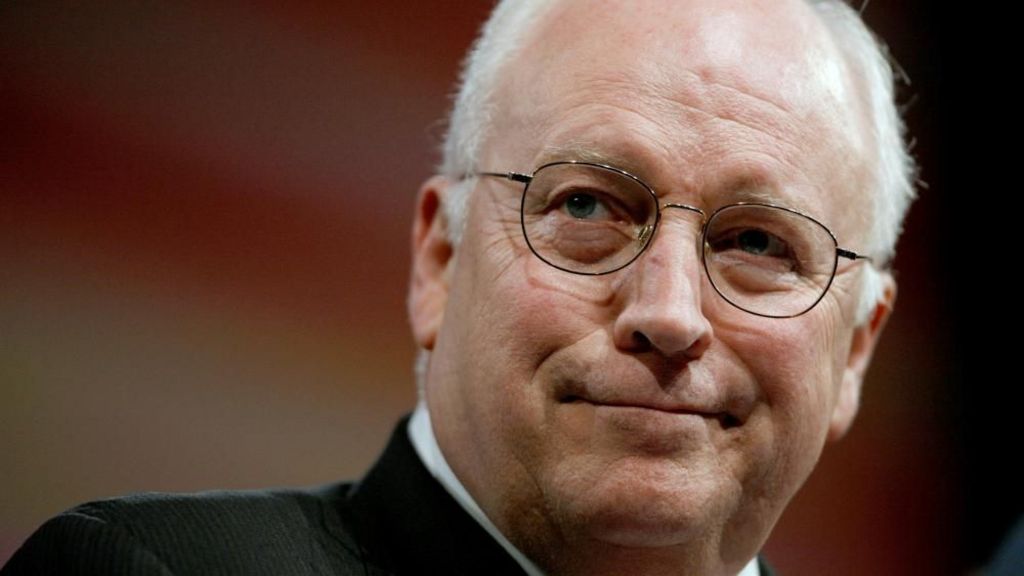
Watch: The Iraq war to a hunting accident, Cheney’s defining moments
Dick Cheney, one of the most consequential and polarizing figures in American political history, has left an indelible mark on the nation’s legacy. His tenure as Vice President under George W. Bush was marked by pivotal events that continue to shape public perception of his leadership. Among the most significant was his instrumental role in the Iraq War, a decision that remains deeply controversial. Cheney’s advocacy for the invasion, rooted in claims of weapons of mass destruction, has been scrutinized for its long-term geopolitical consequences. Beyond the political arena, Cheney’s personal life also drew national attention, most notably a 2006 hunting accident in which he accidentally shot a fellow hunter. This incident, while seemingly trivial in comparison to his political decisions, became emblematic of his complex public image. Together, these moments encapsulate the duality of Cheney’s legacy: a steadfast leader in times of crisis, yet a figure mired in controversy and division.
-
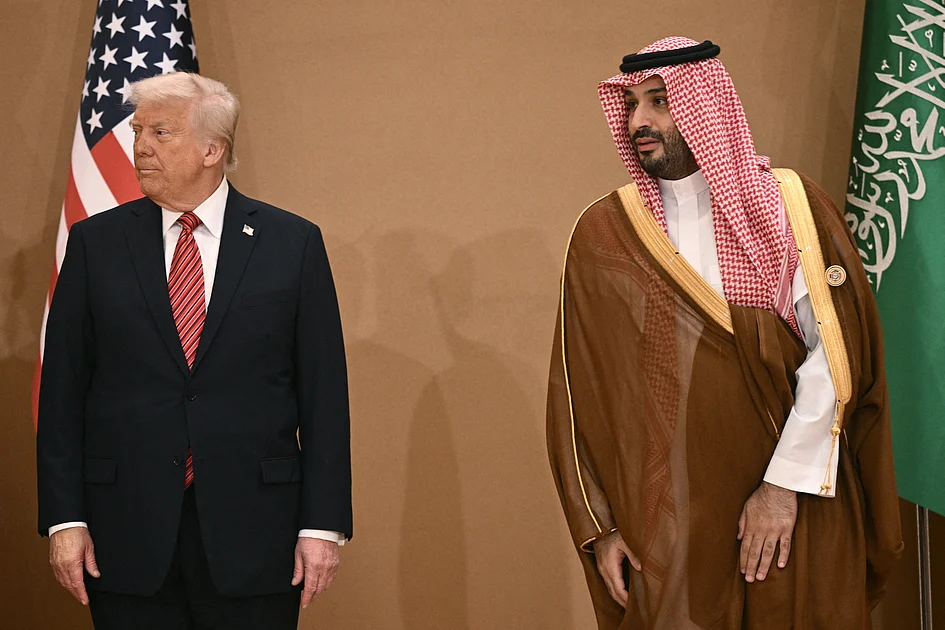
Saudi Crown Prince Mohammed bin Salman to meet Trump at the White House on Nov 18
Saudi Arabia’s Crown Prince Mohammed bin Salman is scheduled to meet US President Donald Trump at the White House on November 18, 2025, for an official working visit. The meeting is expected to focus on strengthening bilateral ties, particularly through a potential US-Saudi defense agreement. This visit comes as the Trump administration continues to encourage Saudi Arabia to join the Abraham Accords, a series of agreements aimed at normalizing relations between Israel and several Arab nations, including the UAE, Bahrain, Sudan, and Morocco. Despite Saudi Arabia’s reluctance to join the accords without progress toward Palestinian statehood, Trump expressed optimism in a recent CBS ’60 Minutes’ interview that the kingdom would eventually sign on. Additionally, discussions may include enhanced US security guarantees for Saudi Arabia and access to advanced American weaponry. Saudi Arabia remains one of the largest buyers of US arms, with a $142 billion arms deal agreed upon during Trump’s visit to Riyadh in May 2025. The Financial Times recently reported that a defense agreement could be signed during the crown prince’s visit, though details remain under negotiation.
-
US sanctions North Korean bankers accused of laundering stolen cryptocurrency
In a significant move to curb illicit financial activities, the United States announced on Tuesday a series of sanctions targeting individuals and entities involved in laundering money from cybercrime schemes, which allegedly fund North Korea’s nuclear weapons program. The Treasury Department’s Office of Foreign Assets Control (OFAC) revealed that North Korean state-sponsored hackers have siphoned over $3 billion in digital assets over the past three years, a sum unparalleled by any other foreign actor. This revelation was further supported by a comprehensive 138-page international report published last month. Treasury Under Secretary for Terrorism and Financial Intelligence, John K. Hurley, emphasized that these cybercriminal activities are directly linked to financing North Korea’s nuclear ambitions. The sanctioned network includes banking representatives, financial institutions, and shell companies spread across North Korea, China, Russia, and other regions, which facilitate money laundering through IT worker fraud, cryptocurrency heists, and sanctions evasion. Among those targeted are eight individuals and two firms, including North Korean bankers Jang Kuk Chol and Ho Jong Son, accused of managing funds, including $5.3 million in cryptocurrency, for the sanctioned First Credit Bank. The Treasury Department had previously warned U.S. firms in 2022 about hiring highly skilled North Koreans who disguise their identities to infiltrate financial networks, often posing as remote IT workers.
-
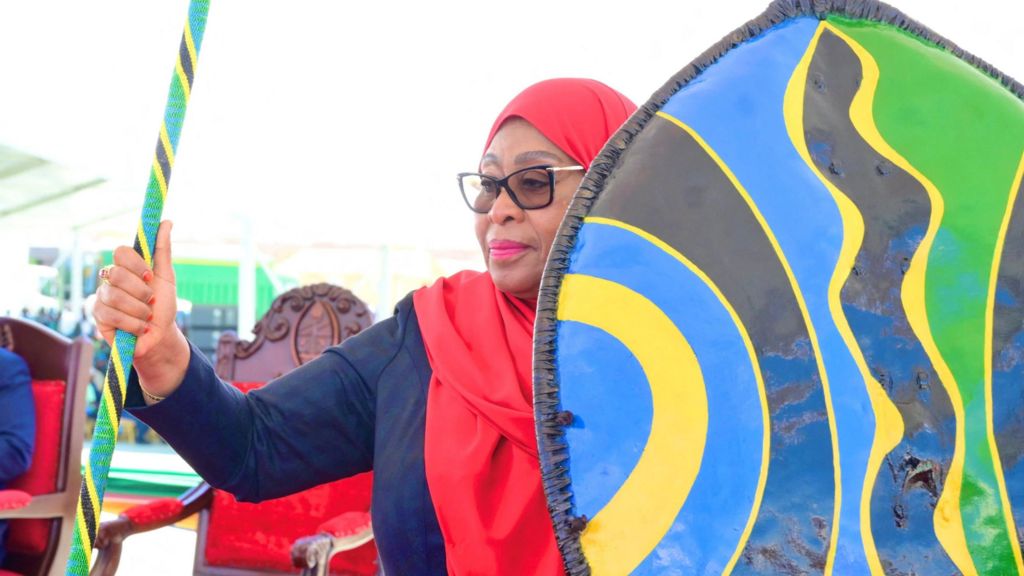
Curfew lifted in Tanzania’s main city after election unrest
Tanzania’s political landscape remains tense as President Samia Suluhu Hassan was sworn in on Monday following a contentious election marred by violence and allegations of electoral malpractice. The election, which saw Hassan declared the winner with an overwhelming 98% of the vote, has been criticized by regional observers for failing to meet democratic standards. The Southern African Development Community (Sadc) highlighted significant shortcomings in the electoral process. The unrest led to a nationwide internet shutdown, closure of schools and businesses, and a curfew in Dar es Salaam, which was lifted on Monday as life began to return to normal. However, the aftermath of the protests continues to haunt the nation, with families searching for missing loved ones and mourning those killed in clashes between security forces and opposition supporters. Opposition leaders Tundu Lissu and Luhaga Mpina were barred from contesting the election, further fueling allegations of a rigged process. Reports from human rights organizations and diplomatic sources suggest that hundreds of people may have died in the violence, though the government has not released official casualty figures. Amnesty International and Human Rights Watch have condemned the use of excessive force by authorities, urging accountability for those responsible. President Hassan, who assumed office in 2021 as Tanzania’s first female president, acknowledged the loss of lives and property damage during her inauguration but attributed some of the unrest to foreign nationals. Despite initial hopes for political reform under her leadership, the narrowing of political freedoms has raised concerns about the country’s democratic trajectory.
-
Trump: Cooperate with China amid competition
In a recent interview with CBS’ ’60 Minutes,’ former US President Donald Trump emphasized the potential for the United States to achieve greater strength and prosperity through strategic cooperation with China. Speaking on Sunday, Trump highlighted the importance of fostering a collaborative relationship with China, even as the two nations navigate intense global competition. His remarks underscore a pragmatic approach to international diplomacy, suggesting that mutual benefits can be derived from partnership rather than confrontation. This perspective aligns with broader discussions on the evolving dynamics of US-China relations, which have significant implications for global economic and political stability. Trump’s comments come at a time when both nations are exploring avenues to address shared challenges while managing their competitive interests.
-
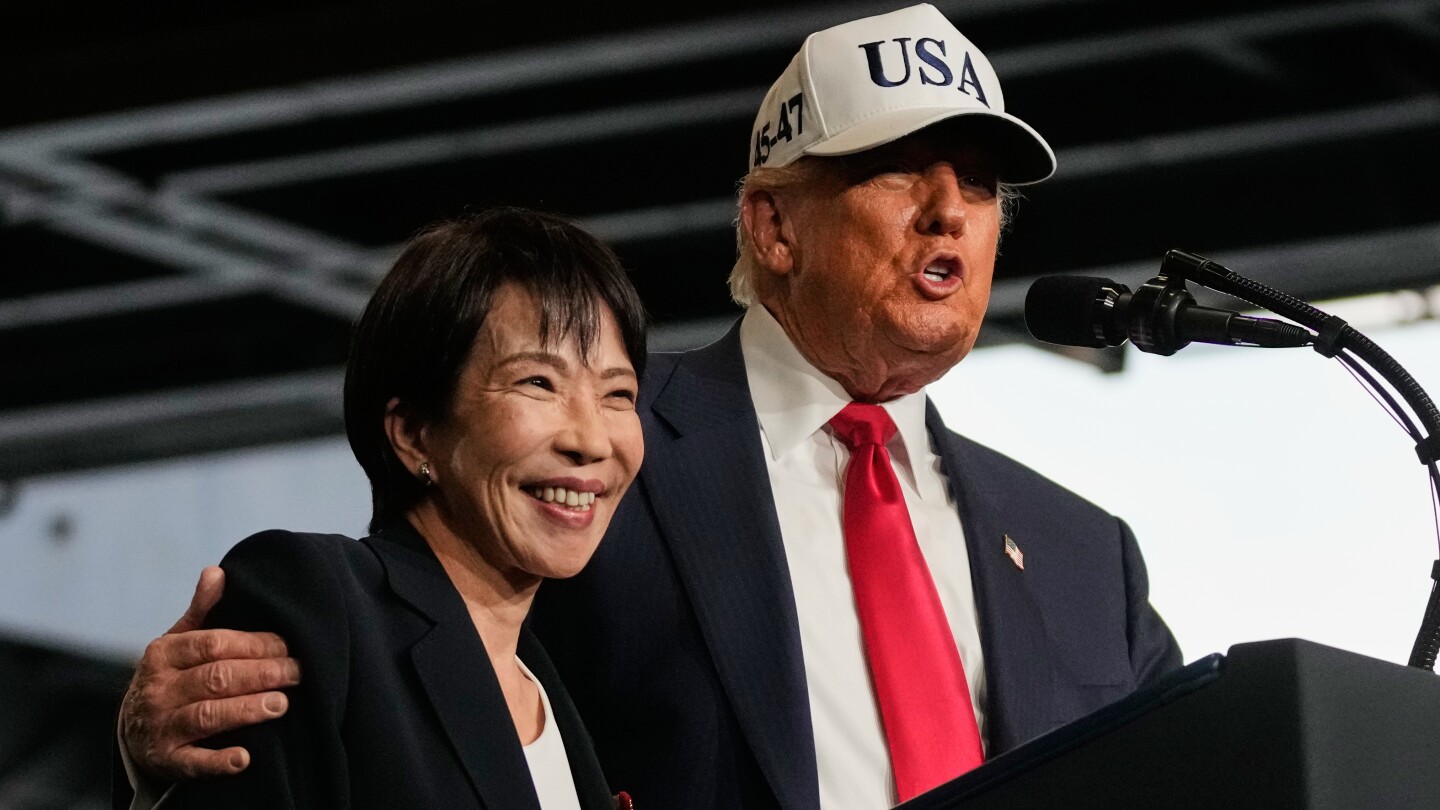
Japan’s new leader is praised for an ‘energetic’ diplomatic debut hosting Trump
Japanese Prime Minister Sanae Takaichi received mixed reactions in parliament on Tuesday following her recent diplomatic engagements, which included hosting U.S. President Donald Trump. While her efforts were lauded by some, opposition leader Yoshihiko Noda criticized her for what he termed ‘flattery diplomacy to the extreme,’ particularly regarding her plans to nominate Trump for the Nobel Peace Prize. Takaichi, Japan’s first female leader, held a summit with Trump just a week after assuming office and participated in two regional summits. Noda acknowledged her ‘big smiles’ and ‘energy,’ which earned Trump’s praise, but questioned her judgment in light of Trump’s controversial suggestion to resume nuclear testing—a sensitive issue in Japan given its history. Takaichi did not comment on whether she would proceed with the nomination. Meanwhile, her recent talks with Chinese President Xi Jinping and South Korean leader Lee Jae Myung, aimed at fostering stable relations, have been well-received. Takaichi has softened her previously hawkish stance, skipping a visit to the controversial Yasukuni Shrine and donating a religious ornament instead. Her approval ratings remain high, hovering around 80%, though her Liberal Democratic Party’s support remains stagnant at 20-30%. Takaichi’s government also launched a ministerial meeting to address foreigner-related issues, including investment, labor, and tourism, while distancing itself from xenophobia. Additionally, she initiated a task force to drive economic growth through public-private investment in key sectors like AI, semiconductors, and defense. During Trump’s visit, Takaichi reinforced her ties with former Prime Minister Shinzo Abe and pledged to usher in a ‘golden age’ of Japan-U.S. relations.