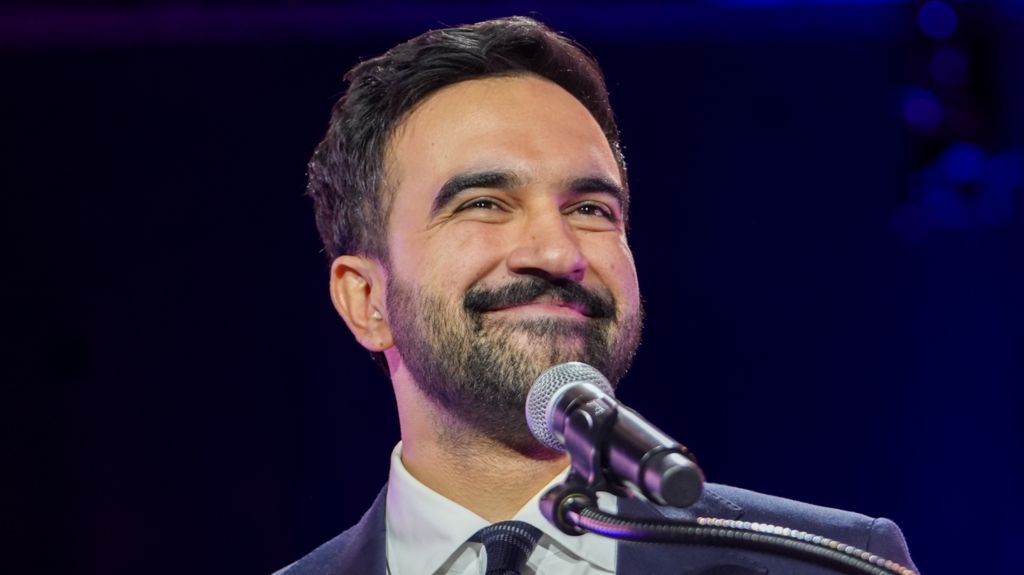
Zohran Mamdani, the newly elected mayor of New York City, has made history on multiple fronts. At just 30 years old, he becomes the city’s youngest mayor since 1892, its first Muslim mayor, and the first to be born in Africa. His victory over former Governor Andrew Cuomo and Republican nominee Curtis Silwa marks a significant shift in the political landscape of America’s largest city. Mamdani’s rise to power is emblematic of the Democratic Party’s progressive wing, which has long sought a leader who embodies their values of diversity, social justice, and economic reform. His platform, which includes free childcare, expanded public transportation, and government intervention in free market systems, resonates deeply with working-class voters who have felt alienated by the party in recent years. However, his self-avowed socialist stance has drawn criticism from conservatives, who view him as a threat to traditional American values. Despite these challenges, Mamdani’s victory has generated widespread media attention, with many on the left hoping his administration will serve as a national model for effective liberal governance. As he prepares to take office in January, Mamdani faces the daunting task of navigating the complexities of New York City’s political and economic landscape while living up to the high expectations of his supporters. His success or failure will be closely watched, not just by New Yorkers, but by the entire nation.
分类: politics
-
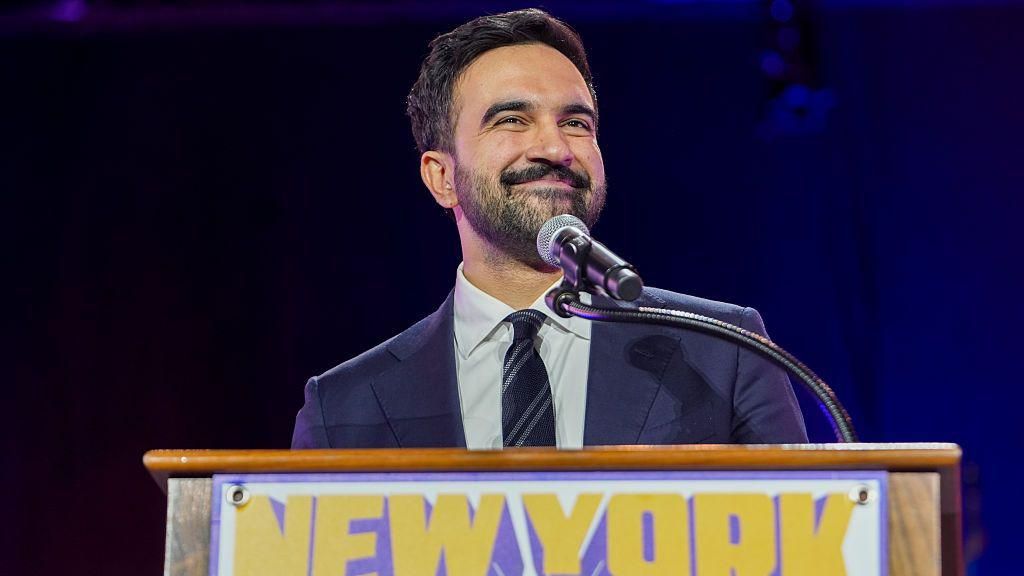
Zohran Mamdani projected to win New York City mayoral election
In a groundbreaking political upset, Zohran Mamdani, a 34-year-old democratic socialist, has been declared the winner of New York City’s mayoral race. Born in Uganda, Mamdani defeated former New York Governor Andrew Cuomo, who ran as an independent, to become the youngest mayor of the city in over a century. His victory marks a significant shift in the political landscape, as he is also the first South Asian and Muslim to hold the position. Mamdani’s campaign, which focused on affordability and social equity, resonated strongly with young voters, propelling him from relative obscurity to a commanding lead in the polls. He pledged to expand social programs funded by new taxes on high earners and corporations, a platform that drew both national attention and criticism. His win has sparked debates within the Democratic Party, with centrist Democrats securing victories in Virginia and New Jersey, while Mamdani’s rise has been labeled by Republicans as a move towards socialism. Despite facing opposition from business leaders and some party members, including Senate Minority Leader Chuck Schumer, Mamdani’s victory underscores a growing appetite for progressive policies. However, questions remain about how he will finance his ambitious agenda and navigate a potentially hostile Trump administration, which has threatened to withhold federal funding from the city.
-
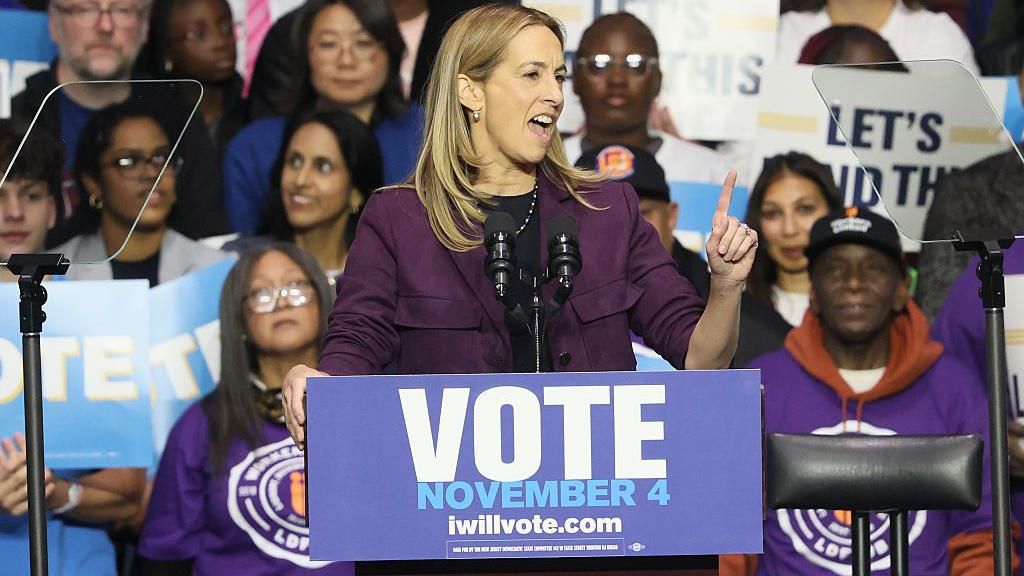
Democrat Mikie Sherrill projected to win New Jersey governor race
In a pivotal victory for the Democratic Party, Mikie Sherrill, a U.S. Representative from New Jersey, has secured the governorship in the Garden State. This race, closely watched as a barometer for the 2026 midterm elections, saw Sherrill narrowly defeat Republican contender Jack Ciattarelli, a former state legislator endorsed by ex-President Donald Trump. Sherrill’s win follows a similarly significant Democratic triumph in Virginia, where Abigail Spanberger claimed the governorship. The New Jersey race was marked by intense focus on economic issues, with Ciattarelli advocating for tax reductions and Sherrill proposing tax incentives for housing developments and a freeze on utility rate increases. The election also faced disruptions, including bomb threats at polling stations, which Sherrill condemned as attempts to undermine democracy. This victory underscores the Democratic Party’s strategic positioning ahead of the next midterm elections, aiming to consolidate their influence in Congress.
-

Freed in Trump deal: Prisoners in exile tell of brutality behind bars in Belarus
In September 2022, Larysa Shchyrakova and 51 other political prisoners were released from Belarusian jails as part of a deal between Belarus’s authoritarian leader Alexander Lukashenko and former US President Donald Trump. The agreement aimed to ease sanctions, but for many, freedom came at a heavy cost. Shchyrakova, imprisoned for three years on charges of “extremism” and “discrediting” Belarus, missed her mother’s funeral and now cannot visit her grave. Stripped of her home, possessions, and documents, she faces homelessness in Lithuania, where she was forcibly relocated. Her story mirrors that of thousands detained after Lukashenko’s brutal crackdown on 2020 protests. Among them is Mikalai Dziadok, who endured five years of harsh treatment, including solitary confinement and psychological torture. Dziadok believes the regime’s goal was to traumatize prisoners to deter future political activism. Another prisoner, Mikola Statkevich, refused to leave Belarus and has since disappeared, presumed re-imprisoned. Despite their release, the prisoners’ lives remain shattered. Shchyrakova, now supported by the Belarusian expat community, has reunited with her son but faces an uncertain future. The deal, which lifted sanctions on Belarusian airline Belavia, has not led to broader political reforms. According to human rights group Viasna, over 1,220 political prisoners remain incarcerated in Belarus, often on vague charges like “insulting the president” or “extremism.” The release, while a temporary reprieve, underscores the ongoing oppression in Lukashenko’s Belarus.
-
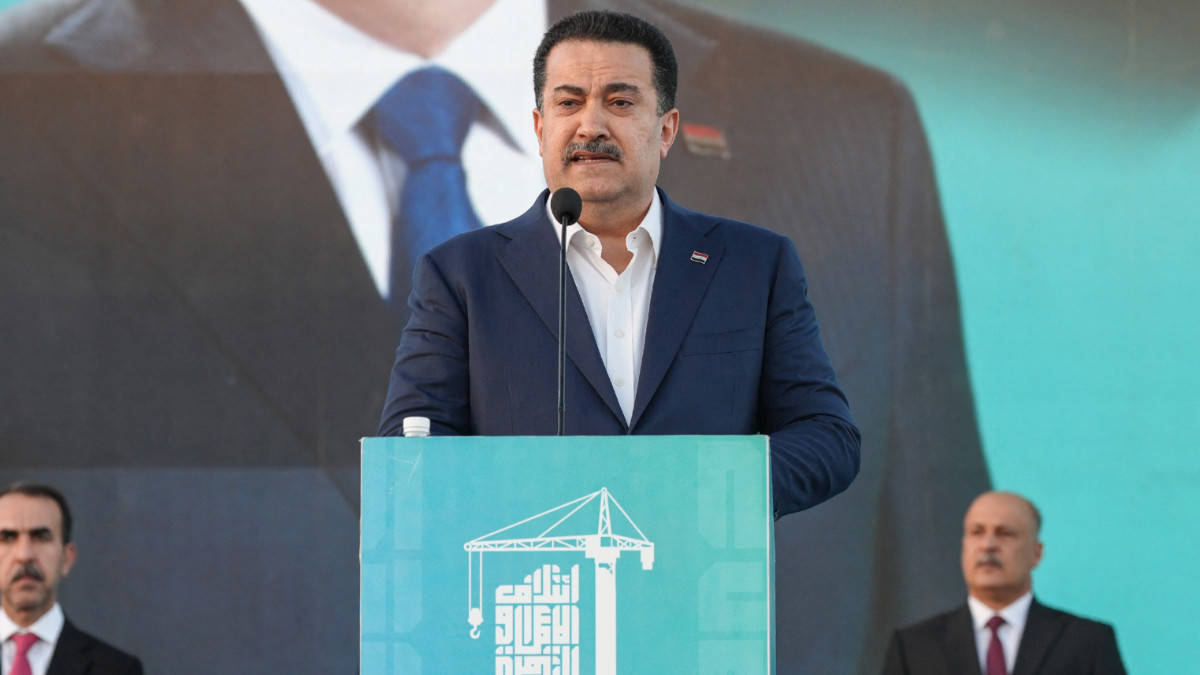
Iraq can only disarm militias once US troops leave the country, PM says
Iraqi Prime Minister Mohammed Shia al-Sudani has asserted that the disarmament of militias in Iraq can only occur after the withdrawal of US troops from the country. In an exclusive interview with Reuters, Sudani emphasized that the presence of foreign forces complicates efforts to integrate armed groups into state institutions. His remarks come just days before Iraq’s highly anticipated parliamentary elections, where he is seeking a second term. Sudani is navigating a delicate balance between Washington, crucial for Iraq’s dollar transactions, and Iran, which supports Shia militias like the Popular Mobilization Forces (PMF). He highlighted that security and stability have improved, questioning the rationale for the continued presence of 86 coalition countries originally assembled to combat ISIS. Sudani outlined a potential plan for militia members to either join official security forces or transition into politics post-disarmament. This proposal aligns with ongoing US-Iraq negotiations to end the US military presence by 2025, as reported by Reuters. However, the broader challenge of disarming Iran-backed groups like Hezbollah in Lebanon underscores the complexity of such efforts. The PMF, alongside Hezbollah and Yemen’s Houthis, forms part of the Axis of Resistance, which has faced Israeli attacks following the Hamas-led October 7 assault. Despite these tensions, Sudani’s government has allocated $700 million to the PMF in Iraq’s 2023 budget, reflecting its integration into state structures.
-
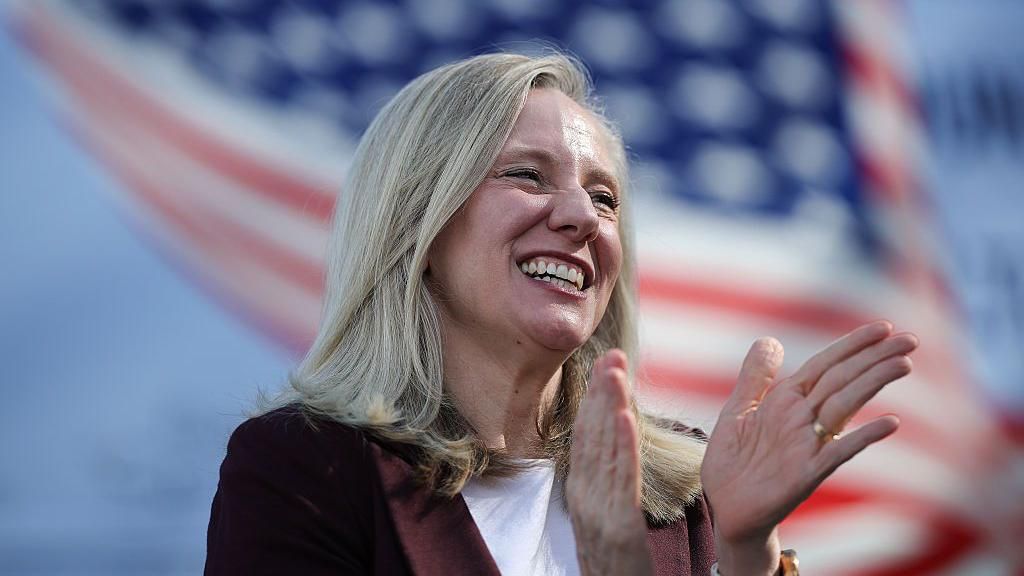
Democrat Spanberger wins race for Virginia governor
In a pivotal election that could foreshadow broader national trends, Democrat Abigail Spanberger has been projected as the winner of the Virginia gubernatorial race. Spanberger, a former CIA officer and three-term congresswoman, defeated Republican Lieutenant Governor Winsome Earle-Sears in a closely contested battle. This victory marks a significant moment for the Democratic Party, as Virginia’s leadership often oscillates between the two major parties, making it a bellwether for the electorate’s sentiment ahead of next year’s midterm elections.
Spanberger’s campaign focused on addressing the economic repercussions of former President Donald Trump’s federal spending cuts, which have notably impacted Virginia’s employment landscape. She also emphasized increasing affordability for residents, a message that resonated with voters. Earle-Sears, on the other hand, highlighted the state’s economic performance under Republican leadership and leaned into cultural issues, such as transgender rights, which have been a divisive topic in recent elections.
The race was closely watched not only for its local implications but also as a potential referendum on Trump’s policies. Virginia, home to the Pentagon and numerous federal workers, has been particularly affected by Trump’s sweeping budget reductions. Despite Trump’s efforts to rally support for Republican candidates, including Earle-Sears, he did not formally endorse her, and their relationship has been strained since she declined to support his 2024 campaign.
Spanberger’s victory is historic, as she becomes the first woman to lead Virginia. She will succeed Republican Glenn Youngkin, who has held the office for the past four years. The election results underscore the state’s political complexity, with its mix of liberal-leaning areas near Washington, D.C., and conservative rural districts. Spanberger’s win may signal a shift in voter priorities, particularly in battleground states, as the nation gears up for the 2024 presidential election.
-
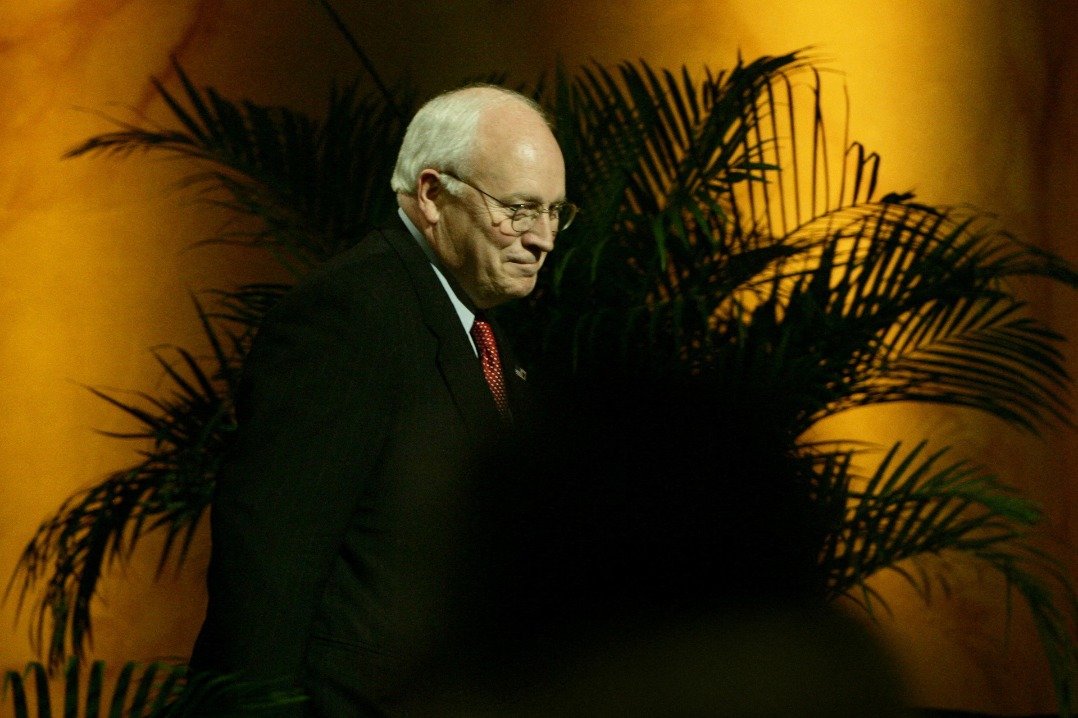
Former US vice-president Dick Cheney dies at 84
Dick Cheney, the former US vice-president who served under President George W. Bush from 2001 to 2009, passed away on Monday evening at the age of 84. His family confirmed that his death was due to complications from pneumonia, cardiac disease, and vascular conditions. Cheney, often described as one of the most powerful vice-presidents in American history, played a pivotal role in shaping US foreign policy, particularly in the decisions that led to the wars in Iraq and Afghanistan. In recent years, Cheney became a vocal critic of former President Donald Trump, aligning with his daughter Liz Cheney, who has been a prominent Republican opponent of Trump in Congress. Notably, during the 2024 election, Cheney surprised many by endorsing Democratic candidate Kamala Harris and condemning Trump, marking a significant shift in his political stance. His legacy remains a subject of both admiration and controversy, reflecting his profound impact on American politics.
-
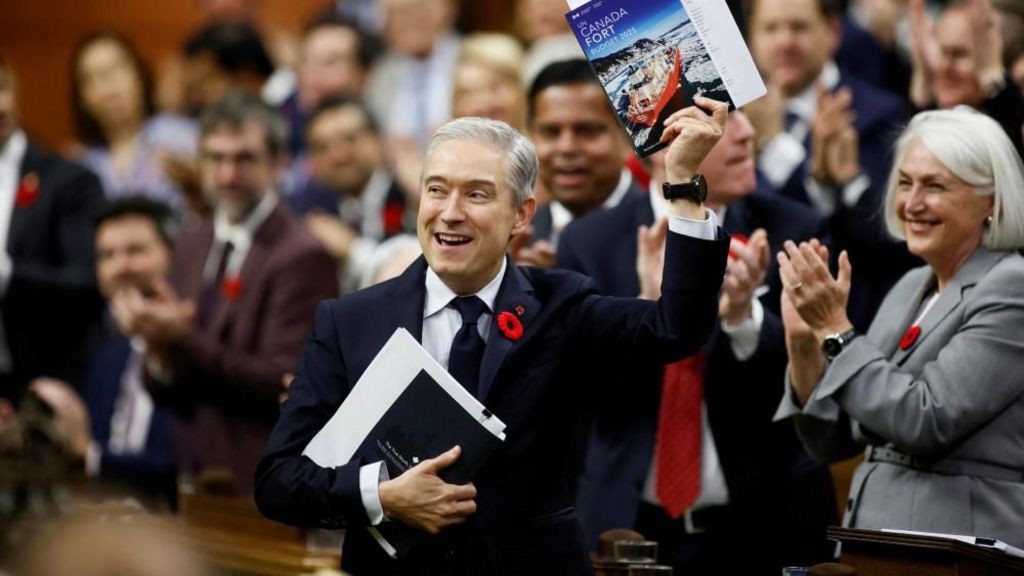
Six takeaways from Canada’s federal budget
On Tuesday, Canada’s Finance Minister François-Philippe Champagne presented the nation’s federal budget, marking Prime Minister Mark Carney’s first major fiscal plan since taking office. The budget, described as both a political manifesto and a spending blueprint, outlines a comprehensive strategy to position Canada as the strongest economy in the G7. It comes at a time of significant global change, with Canada’s relationship with the US—its largest trading partner—undergoing rapid shifts. The budget warns of economic headwinds and emphasizes the need for a robust response to ensure Canada’s competitiveness on the global stage. The plan includes C$280 billion in spending, which could push the deficit to C$78.3 billion, the second-largest in Canadian history. Key investments target infrastructure, defense, housing, and digital corridors, while C$60 billion in spending cuts over five years will be achieved through public sector job reductions and AI adoption. The budget also introduces a Climate Competitiveness Strategy, aiming to make Canada a clean energy superpower by supporting low-emission projects and carbon capture technologies. Defense spending will see a significant boost, with C$81.8 billion allocated over five years to meet NATO targets and address Arctic security. Immigration targets are being reduced, and several Trudeau-era policies, including the consumer carbon tax and luxury vehicle tax, have been scrapped. The budget also addresses the impact of US tariffs, offering C$5 billion in support for affected industries and launching a C$10 billion loan facility to help businesses weather trade-related challenges.
-
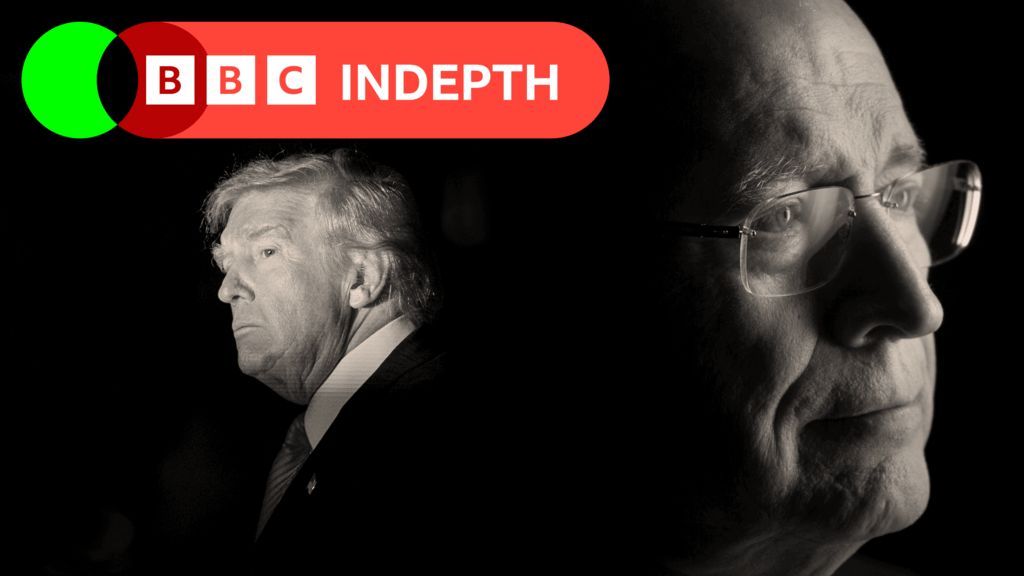
What Trump took from Dick Cheney’s political playbook
Dick Cheney, the former U.S. vice-president who passed away on Tuesday, played a pivotal role in reshaping the scope of presidential authority in the wake of the 9/11 terrorist attacks. His influence extended beyond his tenure, as Donald Trump now leverages the very mechanisms Cheney established to advance his own political objectives. Despite their personal and ideological differences, both leaders have significantly expanded the powers of the executive branch, often bypassing traditional checks and balances.
Cheney’s career in government spanned decades, beginning with his role in Richard Nixon’s administration and culminating in his influential position as vice-president under George W. Bush. The 9/11 attacks provided Cheney with a unique opportunity to redefine executive authority, enabling Bush to pursue the ‘war on terror’ with minimal constraints. This approach, as detailed in Barton Gellman’s 2008 book ‘Angler,’ was driven by a shared belief in the necessity of robust government action.
Today, Trump has inherited and further amplified these expanded powers, using them to justify actions such as military strikes and domestic surveillance. While Cheney’s policies were rooted in a post-9/11 sense of national unity, Trump’s agenda often lacks such consensus, leading to widespread public concern. Despite their differences, both leaders have demonstrated a willingness to deploy military force abroad and circumvent judicial oversight.
Cheney’s later years saw him become a vocal critic of Trump, particularly after the 2020 election. He warned of the dangers Trump posed to the republic, even endorsing Democrat Kamala Harris in 2024. Trump, in turn, dismissed Cheney as a proponent of ‘endless, nonsensical wars.’
The parallels between Cheney and Trump extend to their use of executive authority in areas such as military intervention, detention practices, and surveillance. Both leaders have pushed the boundaries of presidential power, often with controversial consequences. As the U.S. grapples with the legacy of Cheney’s policies and Trump’s ongoing actions, the debate over the limits of executive authority remains a central issue in American politics.
-
What happens if the Supreme Court rules Trump’s ‘reciprocal’ tariffs illegal?
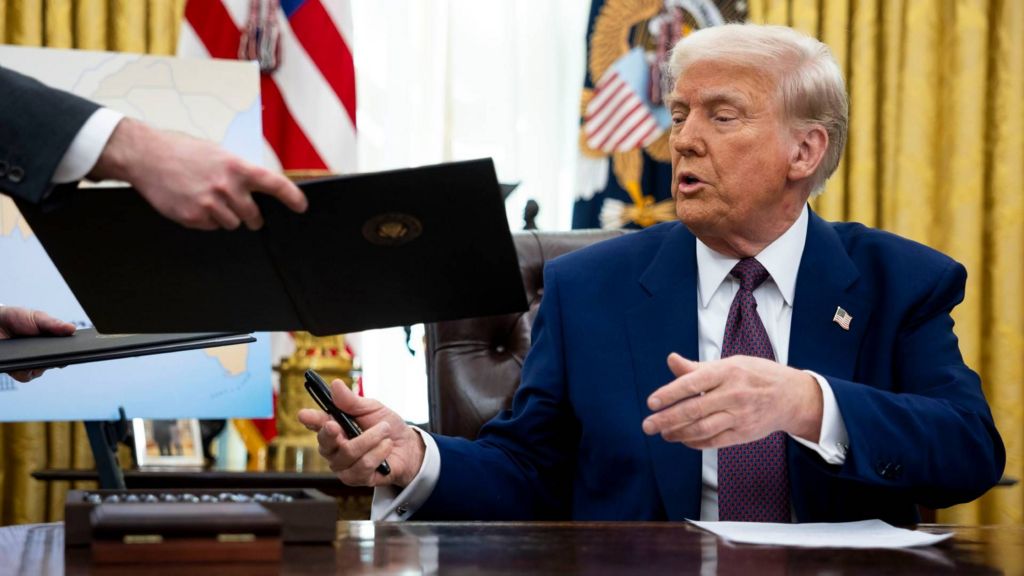
The legality of former President Donald Trump’s sweeping global tariffs is set to be determined by the US Supreme Court. The highest court in the nation will assess whether Trump’s use of emergency powers to impose these tariffs constitutes an overreach of presidential authority. A hearing is scheduled for November 5, following a federal appeals court ruling that declared the tariffs illegal. These tariffs, announced in April, imposed a flat 10% rate on imports from all countries, a move Trump argued was necessary to address ‘unfair’ trade relations with the US. The case reached the Supreme Court after two lower courts ruled that Trump lacked the authority to implement such broad tariffs. The appellate court’s 7-4 decision rejected Trump’s claim that the International Emergency Economic Powers Act (IEEPA) permitted these tariffs, stating that the law does not grant the president the power to impose tariffs or taxes. Trump criticized the ruling, calling it ‘highly partisan’ and a ‘disaster’ for the country. The case originated from legal challenges by small businesses and a group of 12 US states. The Supreme Court’s decision could have significant implications for Trump’s political legacy, the US economy, and global trade relations. If the court upholds the lower courts’ rulings, it could lead to uncertainty in financial markets and questions about the validity of existing trade deals. Conversely, a ruling in Trump’s favor could embolden future presidents to use the IEEPA more aggressively. The conservative majority on the Supreme Court has frequently sided with Trump, but the court has also been critical of presidential overreach. The ruling will specifically address Trump’s ‘reciprocal tariffs,’ which include various rates on imports from countries like China, Mexico, and Canada. Tariffs imposed under Section 232, aimed at protecting national security, remain unaffected by this case.