分类: politics

  • North Korea’s Kim sacks vice premier, rails against ‘incompetence’

    North Korea’s Kim sacks vice premier, rails against ‘incompetence’

    In an extraordinary public display of disciplinary action, North Korean leader Kim Jong Un has summarily dismissed Vice Premier Yang Sung Ho during the inauguration of the Ryongsong Machine Complex in Hamgyong Province. State media reported Tuesday that Kim condemned what he characterized as widespread incompetence and defeatism among senior officials, making Yang’s dismissal a stark warning to the ruling apparatus.

    The Korean Central News Agency (KCNA) detailed how Kim openly criticized Yang’s performance, stating the official was ‘unfit to be entrusted with heavy duties.’ Employing a vivid agricultural metaphor, Kim remarked that appointing Yang was ‘like hitching a cart to a goat,’ emphasizing that ‘it is an ox that pulls a cart, not a goat.’ This rare public rebuke occurred as Kim toured the new industrial complex, a key component of a larger machinery-manufacturing belt that reportedly constitutes approximately 16 percent of the nation’s total machinery output.

    Analysts interpret this move as a strategic shock tactic ahead of the Workers’ Party Congress, the first in five years, where economic policy and military planning are anticipated to be central agenda items. The public dismissal echoes the 2013 execution of Kim’s uncle, Jang Song Thaek, signaling a continued hardline stance against perceived disloyalty or inefficiency. This action occurs against a backdrop of chronic economic struggles, exacerbated by international sanctions and persistent food shortages, with Kim urging a rapid transformation from ‘centuries-old backwardness’ to a modernized economy capable of securing the state’s future.

  • Trump administration discussed offering sanctuary to Jews in UK: Report

    Trump administration discussed offering sanctuary to Jews in UK: Report

    The United States is evaluating the possibility of extending asylum protections to British Jewish citizens, as revealed in a recent Telegraph report. This potential policy shift emerges amidst growing concerns about antisemitic violence in the United Kingdom.

    Robert Garson, personal attorney to former President Donald Trump and a Manchester-born Jewish individual, disclosed ongoing discussions with State Department officials regarding sanctuary provisions for UK Jews fleeing religious persecution. Garson asserted that Britain has become increasingly unsafe for Jewish communities, stating he sees ‘no future’ for them there following a deadly October 2025 antisemitic attack at Manchester’s Heaton Park Hebrew Congregation synagogue that claimed two Jewish lives.

    ‘It is certainly not an unattractive proposition,’ Garson noted regarding the potential asylum program. ‘It is a highly educated community. I have spoken to people in the State Department and I have mentioned it in my role on the Holocaust Museum board.’

    The prominent lawyer, who represented Trump in a $50 million lawsuit against journalist Bob Woodward and serves on the US Holocaust Memorial Council since May 2025, confirmed close consultations on the matter with Rabbi Yehuda Kaploun, Trump’s antisemitism envoy. Kaploun, an influential Zionist figure based in Florida, has historically conflated criticism of Israel with antisemitism and advocated for restrictions on free speech regarding Israeli policies.

    This potential policy development occurs against a complex backdrop of rising antisemitism in Britain coinciding with increased Islamophobia. Tensions have escalated particularly following Israel’s Gaza offensive, which has resulted in over 71,500 fatalities and been recognized as genocide by UN experts and genocide scholars.

    The Trump administration’s consideration of special immigration provisions for British Jews presents a notable contrast to its broader restrictive immigration policies. Recently announced visa suspensions affect nationals from 75 countries, including Muslim-majority nations like Tunisia, Pakistan, Kuwait, and Morocco, alongside predominantly Eastern Christian European countries such as North Macedonia, Montenegro, and Moldova.

    This selective approach mirrors previous exceptions made for white South Africans claiming persecution, despite denials from South African President Cyril Ramaphosa and affected communities regarding alleged ‘white genocide.’ According to the International Refugee Assistance Project, pre-suspended refugee arrivals with confirmed travel plans previously exceeded the entire current annual refugee program capacity.

  • Australia parliament votes on tighter gun controls after Bondi shooting

    Australia parliament votes on tighter gun controls after Bondi shooting

    Australia’s House of Representatives has approved landmark firearms legislation establishing a national gun buyback program and enhanced licensing checks, responding to December’s deadly Bondi Beach shooting that claimed 15 lives. The bill passed with substantial majority (96-45) and now advances to the Senate for final approval.

    Home Affairs Minister Tony Burke presented the legislation as a direct response to the attack targeting a Jewish festival, stating the perpetrators had “hate in their hearts and guns in their hands.” Burke revealed the alarming statistic that Australia now possesses more firearms than prior to the 1996 Port Arthur massacre, which originally prompted the nation’s stringent gun control framework.

    The comprehensive package includes multiple security enhancements: a national buyback targeting “surplus and newly restricted firearms” from Australia’s estimated 4 million registered guns, stricter import controls, and improved intelligence sharing between agencies regarding license applicants. Notably, the father in the father-son duo behind the Bondi attack legally owned six firearms, while his son had previously drawn intelligence agency attention.

    Parallel hate speech reforms are simultaneously advancing through parliament, though these faced initial opposition from conservative coalition members concerned about free speech implications. A modified version has reportedly gained Liberal Party support after negotiations, though National Party backing remains uncertain. The Greens conditionally support both measures, demanding broader minority protections and protest rights safeguards.

  • EU leaders take stage in Davos as Trump rocks global order

    EU leaders take stage in Davos as Trump rocks global order

    The 2024 World Economic Forum in Davos has become the epicenter of escalating geopolitical tensions, predominantly driven by U.S. President Donald Trump’s aggressive trade policies toward European allies. The picturesque Swiss resort, typically known for its consensus-building among global elites, now faces unprecedented diplomatic friction as the American administration threatens tariffs against eight European nations in the ongoing dispute over Greenland’s sovereignty.

    European leadership mounted a coordinated response on Tuesday, with European Commission President Ursula von der Leyen and French President Emmanuel Macron delivering addresses that emphasized European sovereignty and unity. Their appearances preceded President Trump’s scheduled Wednesday address, creating a dramatic sequencing of competing visions for global governance.

    The confrontation intensified when U.S. Treasury Secretary Scott Bessent, leading an unusually large American delegation, cautioned that European retaliation would be ‘very unwise.’ This warning came after President Trump explicitly threatened tariffs targeting Denmark and other EU members regarding the Greenland territorial dispute.

    Diplomatic efforts are underway to prevent further escalation. German Chancellor Friedrich Merz confirmed he would seek direct dialogue with President Trump on Wednesday, stating European consensus favors de-escalation. Meanwhile, Denmark has proposed NATO-led surveillance operations in Greenland to address security concerns, a measured response to what Finnish President Alexander Stubb called ‘unacceptable tariff threats at the allied level.’

    The crisis has prompted an emergency summit of EU27 leaders scheduled for Thursday in Brussels, marking one of the most severe transatlantic ruptures in recent years. Simultaneously, other global leaders including Chinese Vice Premier He Lifeng and Canadian Prime Minister Mark Carney are navigating their own complex relationships with the Trump administration, with Canada notably pursuing trade diversification strategies to reduce American dependency.

    Beyond the transatlantic rift, the WEF agenda addresses multiple global flashpoints including Venezuela, Gaza, Ukraine, and Iran, though these issues risk being overshadowed by the immediate Western diplomatic crisis. The United States has established a prominent ‘USA House’ venue in a converted church along Davos’s main promenade, signaling both its substantial presence and alternative approach to global economic diplomacy.

  • Qatar to invest in Canadian projects as Ottawa diversifies relationships

    Qatar to invest in Canadian projects as Ottawa diversifies relationships

    In a landmark diplomatic development, Qatar has pledged substantial investments into Canadian infrastructure and technology sectors, marking a significant strengthening of bilateral relations. The announcement followed an unprecedented visit by Canadian Prime Minister Mark Carney to Doha, where he conducted the first-ever meeting between a Canadian leader and Qatar’s Emir, Sheikh Tamim bin Hamad al-Thani.

    The partnership encompasses multiple dimensions of cooperation, including the establishment of a joint Canada-Qatar commission focused on economic, commercial, and technical collaboration. Both nations committed to accelerating investment across cutting-edge sectors such as artificial intelligence, quantum computing, aerospace, defense technologies, and advanced manufacturing. The agricultural and agri-food sectors will also receive significant attention under the new framework.

    A key component of the agreement involves finalizing the long-stalled Foreign Investment Promotion and Protection Agreement (FIPA) by summer, alongside the creation of a Canadian defense attache position in Doha. The nations will begin negotiations on a comprehensive framework for exchanging military and security expertise, enhancing their strategic alignment.

    To facilitate economic exchange, both countries are working toward a double-taxation agreement that would streamline cross-border investment and employment opportunities for their citizens. Additionally, air connectivity will be strengthened through increased flight frequencies between the two nations.

    The collaboration extends to international events, with both parties signing a letter of intent regarding cooperation during the 2026 FIFA World Cup, which Canada will co-host with the United States and Mexico. This follows Qatar’s successful hosting of the previous tournament in 2022.

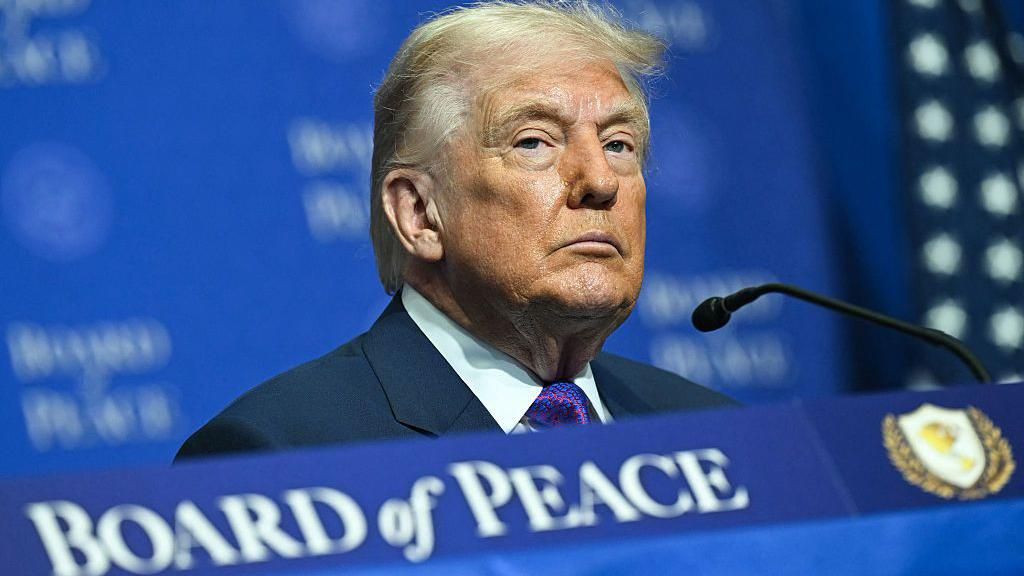
    Beyond economic matters, the leaders discussed critical issues of global peace and stability in the Middle East. Both Carney and Sheikh Tamim have received invitations to join US President Donald Trump’s ‘Board of Peace’ for Gaza, reflecting their nations’ growing involvement in regional diplomacy. Canada’s recent recognition of a Palestinian state alongside European allies further underscores its evolving foreign policy approach.

    Prime Minister Carney’s Middle East engagement follows his significant diplomatic mission to China, where he secured trade concessions including reduced tariffs on Canadian canola oil and agreements on Chinese electric vehicle imports. These developments signal Canada’s strategic pivot toward diversifying its international relationships beyond its traditional partnership with the United States.

  • UAE President, PM Modi announce ‘House of India’ museum, discuss regional tensions

    UAE President, PM Modi announce ‘House of India’ museum, discuss regional tensions

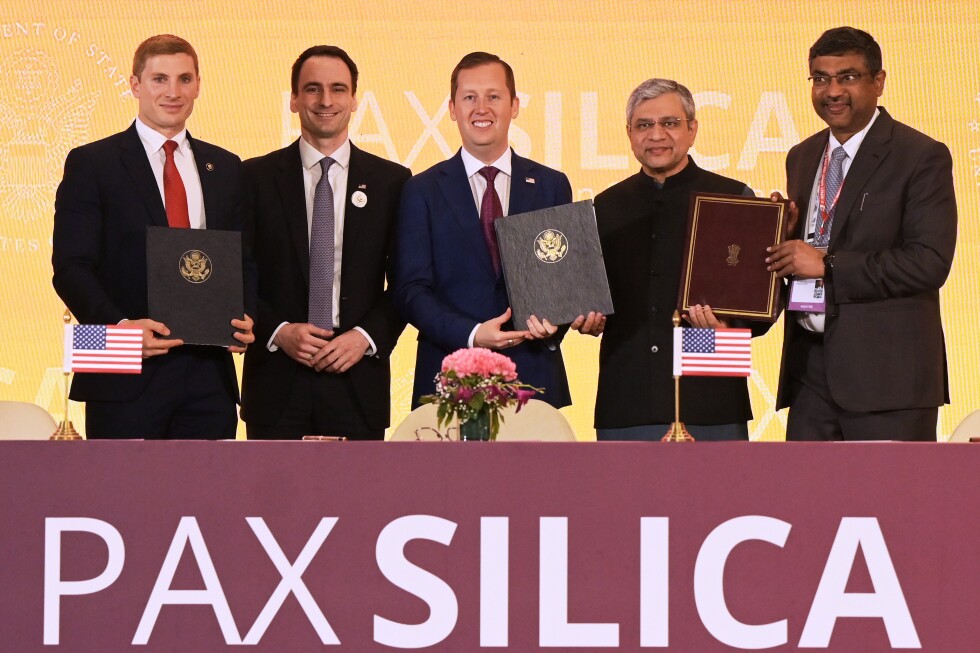
    In a significant diplomatic engagement, UAE President Sheikh Mohamed bin Zayed Al Nahyan commenced an official state visit to India on January 19, 2026, receiving a ceremonial welcome from Prime Minister Narendra Modi at Palam Air Base in New Delhi. The high-level discussions marked a pivotal moment in bilateral relations, with both leaders reviewing the substantial progress achieved under their Comprehensive Strategic Partnership framework.

    The agenda encompassed extensive cooperation across economic, technological, and security domains, with particular emphasis on artificial intelligence, space exploration, renewable energy, and food security initiatives. Both nations demonstrated commitment to doubling bilateral trade to $200 billion by 2032, reflecting their shared growth ambitions and economic complementarity.

    A notable outcome included the announcement of ‘House of India,’ a cultural complex in Abu Dhabi featuring museum facilities dedicated to Indian art, heritage, and archaeological exhibits. This institution symbolizes the deepening cultural connectivity between the nations alongside their strategic economic alignment.

    The diplomatic dialogue extended to regional stability concerns, with the UAE leadership emphasizing peaceful conflict resolution through diplomatic channels in South Asia. President Sheikh Mohamed expressed support for India’s upcoming BRICS chairmanship and the February 2026 India AI Impact Summit, recognizing New Delhi’s growing influence in multilateral forums.

    Substantive agreements emerged from the summit, including:
    – Space collaboration between IN-SPACE and UAE Space Agency
    – Strategic defense partnership framework
    – Energy cooperation through HPCL-ADNOC Gas sales agreement
    – Food safety standards harmonization
    – Supercomputing cluster development in India
    – Digital infrastructure initiatives including potential ‘Digital Embassies’
    – Financial sector expansion through First Abu Dhabi Bank and DP World operations in GIFT City
    – Civil nuclear cooperation advancement
    – Youth exchange program establishment

  • Colombian warlord sentenced to 40 years in prison after serving time for drug trafficking in the US

    Colombian warlord sentenced to 40 years in prison after serving time for drug trafficking in the US

    In a landmark ruling from Bogotá, Colombia’s special transitional justice tribunal has imposed a 40-year prison sentence on former paramilitary commander Salvatore Mancuso for atrocities committed against Indigenous populations in La Guajira province. The court found the 61-year-old responsible for 117 separate crimes—including homicides, enforced disappearances, and mass displacements—perpetrated by his forces between 2002 and 2006 during Colombia’s prolonged internal conflict.

    The judicial panel noted that Mancuso’s sentence could potentially be reduced to eight years contingent upon his full cooperation with truth-telling initiatives and reparations programs benefiting victims of his former paramilitary organization. This sentencing represents a significant development in Colombia’s ongoing transitional justice process following the 2016 peace accord with FARC rebels.

    Mancuso, who holds dual Colombian-Italian citizenship, was recently repatriated from the United States where he had served extensive prison time on drug trafficking charges since his 2008 extradition. Despite multiple requests for transfer to Italy after completing his U.S. sentence, Colombian authorities maintained jurisdiction over his case.

    As a senior commander of the United Self-Defense Forces of Colombia (AUC), Mancuso helped establish right-wing paramilitary units initially created to counter Marxist guerrilla groups. While the AUC successfully displaced rebels from certain rural territories, they were subsequently accused of systematically targeting innocent civilians.

    The court’s decision emerges against the backdrop of Colombia’s complex peace architecture. President Gustavo Petro recently designated Mancuso as an official ‘peace facilitator’ to mediate ongoing negotiations with active armed groups, including the Gulf Clan—a successor organization to the AUC boasting approximately 10,000 fighters. This paradoxical position highlights the challenging balance between justice and reconciliation in post-conflict societies.

    Historical context reveals the staggering human cost of Colombia’s conflict, with truth commission data documenting at least 450,000 fatalities between 1985 and 2018 among combatants and civilians alike. The recent Qatar-brokered agreement between the government and Gulf Clan establishes protected zones where fighters can gather without prosecution during peace talks, signaling continued efforts to resolve decades of violence through diplomatic channels.

  • Watch: India PM Modi gifts UAE President family swing, Pashmina shawl during visit

    Watch: India PM Modi gifts UAE President family swing, Pashmina shawl during visit

    Indian Prime Minister Narendra Modi extended a culturally significant welcome to UAE President Sheikh Mohamed bin Zayed Al Nahyan during his state visit to New Delhi on January 19, 2026. The Emirati leader, received at the Palam Air Base, was presented with carefully curated gifts symbolizing India’s diverse craftsmanship and cultural heritage.

    At the Prime Minister’s official residence, Modi presented a hand-carved wooden swing from Gujarat, known locally as a ‘Jhula.’ This intricately designed piece, featuring traditional floral patterns, represents familial bonding and intergenerational conversation—a theme particularly resonant given the UAE’s declaration of 2026 as the ‘Year of Family.’

    The second significant gift was a premium Pashmina shawl from Kashmir, meticulously crafted from fine wool and presented in an ornate silver box manufactured in Telangana. Prime Minister Modi personally assisted the UAE President in wearing the shawl, after which both leaders were photographed conversing warmly while seated on the Gujarati swing.

    In a thoughtful gesture extending to the UAE first family, Sheikha Fatima bint Mubarak Al Ketbi, the President’s mother, received a similar Pashmina shawl alongside premium Kashmiri saffron, renowned for its distinctive crimson color and intense aroma, also presented in decorative silver packaging.

    This visit marked Sheikh Mohamed’s third official trip to India since assuming presidency and his fifth overall in the past decade, underscoring the deepening diplomatic engagement between the two nations. The bilateral discussions focused on strengthening strategic partnerships across multiple sectors including economic cooperation, technological innovation, artificial intelligence, renewable energy initiatives, and food security. The meetings concluded with the signing of several Memoranda of Understanding, further cementing the comprehensive strategic partnership between India and the UAE.

    The UAE delegation included several high-ranking officials including Sheikh Hamdan bin Mohammed bin Rashid Al Maktoum, Crown Prince of Dubai; Sheikh Abdullah bin Zayed Al Nahyan, Foreign Minister; and numerous other ministers and senior government representatives.

  • Ros Atkins on…President Trump’s year in numbers

    Ros Atkins on…President Trump’s year in numbers

    A comprehensive quantitative analysis of Donald Trump’s initial year upon returning to the presidency reveals a period of intense executive activity and unprecedented digital engagement. The data, compiled from official records and digital archives, paints a detailed portrait of a leader operating through both traditional government channels and his proprietary social media platform.

    Executive actions emerged as a primary tool of governance, with the number of orders signed significantly exceeding historical first-year averages for modern presidents. This legislative strategy allowed for rapid policy implementation across various governmental departments, bypassing traditional congressional pathways.

    The presidential pardon power witnessed remarkable application, with numerous high-profile clemencies granted to both political allies and controversial figures. This pattern of pardons has sparked vigorous debate among legal scholars regarding the appropriate scope of executive clemency powers.

    Travel logistics and destination choices reflected distinct patterns, with a notable preference for rallies in electorally significant states rather than traditional diplomatic visits. The associated costs and security requirements for these movements generated substantial operational expenditures.

    Perhaps most notably, the president’s communication strategy centered overwhelmingly on Truth Social, where post volume, engagement metrics, and content themes broke from all previous presidential social media precedents. The platform served as both a direct messaging channel and a political organizing tool, with certain posts generating more user interactions than entire press conferences from previous administrations.

    This numerical assessment provides objective benchmarks against which both supporters and critics can evaluate presidential productivity, communication methods, and governance style, offering a fact-based framework for ongoing political discourse.

  • Greenland ‘will stay Greenland’, former Trump adviser declares

    Greenland ‘will stay Greenland’, former Trump adviser declares

    In a striking rebuke of his former boss’s ambitions, Gary Cohn—former Director of the White House National Economic Council and IBM’s vice chairman—has publicly dismissed the notion of forcibly acquiring Greenland, labeling such an action as “a little bit over the edge.” Cohn, who advised Donald Trump on economic matters during his first term, emphasized that “Greenland will stay Greenland” during his interview with the BBC.

    The comments come amid escalating geopolitical tensions surrounding the Arctic territory, which has emerged as a critical focal point at the World Economic Forum in Davos. Cohn suggested that Trump’s inflammatory statements may constitute a strategic overreach designed to secure negotiating advantages for U.S. interests, particularly regarding access to Greenland’s vast reserves of rare earth minerals—resources deemed essential for advancing artificial intelligence and quantum computing technologies.

    Cohn revealed that bipartisan consensus exists in Congress against any forced acquisition, stating: “I just came from a U.S. congressional delegation meeting, and I think there’s pretty uniform consensus with both Republicans and Democrats that Greenland will stay Greenland.” Instead, he proposed that the U.S. could negotiate an “offtake” agreement for mineral rights while expanding military presence on the island, noting that the North Atlantic and Arctic Ocean are “becoming much more of a military threat.”

    The IBM executive drew parallels to Trump’s previous foreign policy approaches, noting the administration’s intervention in Venezuela was designed to disrupt its relationships with China, Russia, and Cuba. He suggested similar strategic thinking might be driving the Greenland discourse, with the ultimate objectives being enhanced military positioning and resource security rather than actual territorial acquisition.

    Meanwhile, U.S. Treasury Secretary Scott Bessent denied claims that Trump’s aggressive posture stemmed from his Nobel Peace Prize disappointment, instead framing Greenland as a “strategic asset for the United States” crucial to hemispheric security. The developments underscore how competition for quantum computing supremacy and rare earth minerals has become intertwined with global power dynamics, with both IBM and Google claiming leadership in the quantum technology race that now dominates discussions alongside Arctic geopolitics in Davos.