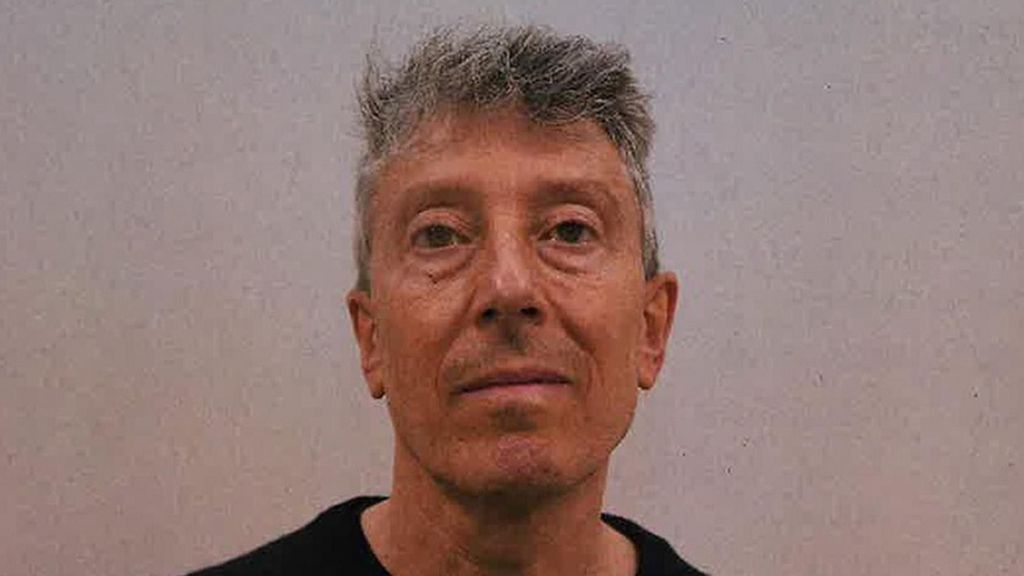
A British man, Howard Phillips, has been sentenced to seven years in prison for attempting to spy for Russia. Phillips, 66, from Harlow, Essex, was arrested near King’s Cross railway station after being caught in a sting operation involving undercover British intelligence officers. He was found guilty of assisting a foreign intelligence service under the National Security Act at Winchester Crown Court in Hampshire. Phillips had offered to provide personal information about former Defence Secretary Sir Grant Shapps, including his address, phone number, and the location of his private plane. The court heard that Phillips left a USB containing sensitive information on a bike near St Pancras and Euston stations in London. Mrs Justice Cheema-Grubb, presiding over the case, stated that Phillips was motivated by financial gain rather than ideology, and that he had taken a grave risk without considering the potential damage to his country. Phillips’s ex-wife testified that he had long been ‘infatuated’ with MI5 and MI6 and had dreams of being like James Bond. Sir Grant Shapps, in a victim impact statement, expressed his shock and concern for his family’s safety, describing Phillips’s actions as a ‘complete breach of trust.’ Bethan David, head of the Crown Prosecution Service’s Counter Terrorism Division, labeled Phillips as ‘brazen’ in his pursuit of financial gain. Phillips’s defense lawyer, Jeremy Dein KC, argued that his client was an ‘eccentric fantasist’ whose life had ‘collapsed’ and who was ‘desperate for money.’
分类: politics
-
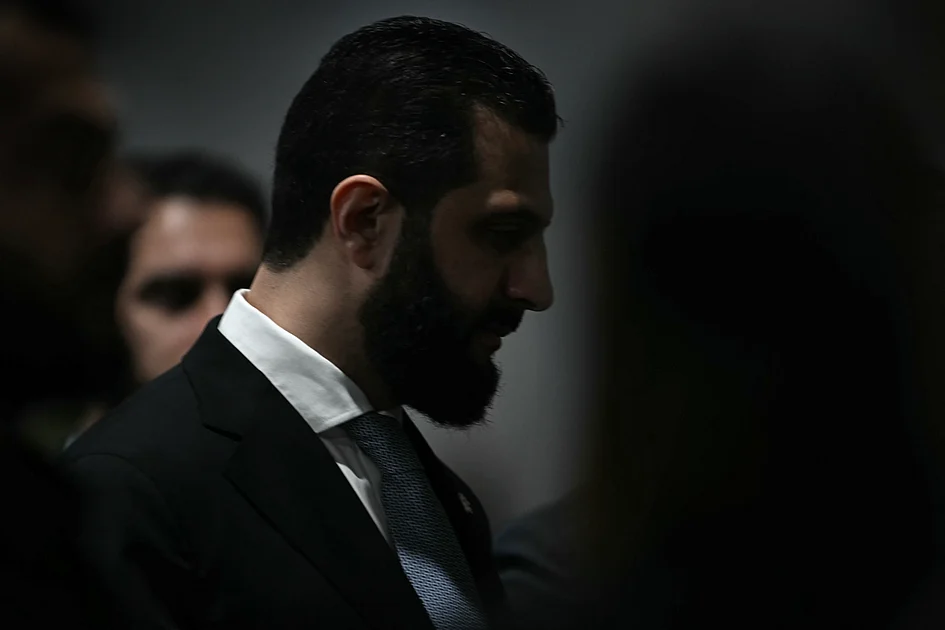
UN lifts sanctions on Syria’s president ahead of his White House meeting with Trump
In a significant diplomatic development, the United Nations Security Council has unanimously voted to lift sanctions on Syrian President Ahmed al-Sharaa and Interior Minister Anas Khattab. This decision comes just days before President Sharaa is scheduled to meet with US President Donald Trump at the White House. The US-drafted resolution, which received 14 votes in favor with China abstaining, marks a pivotal shift in international relations with Syria. President Trump, who announced a policy change in May to ease sanctions on Syria, praised Sharaa’s leadership, stating, ‘He’s doing a very good job in a tough neighborhood.’ The lifting of sanctions aims to provide Syria with an opportunity to rebuild after 13 years of civil war. Syria’s UN Ambassador Ibrahim Olabi hailed the decision as a ‘message of support for Syrian women and men in their effort to rebuild their homeland.’ The resolution also addresses concerns about terrorism, emphasizing Syria’s commitment to combating foreign terrorist fighters, including the Eastern Turkistan Islamic Movement (ETIM). Russia, a long-time ally of Syria, supported the resolution, reflecting the interests of the Syrian people. This move signals a potential new chapter in Syria’s reconstruction and international engagement.
-
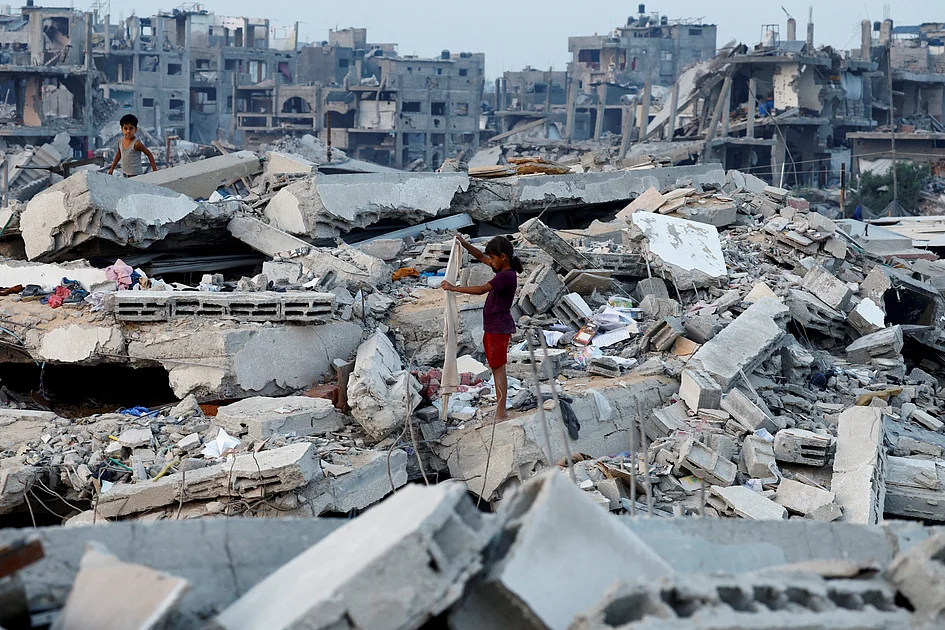
US to start UN negotiations on international Gaza force mandate
The United States has formally commenced negotiations at the United Nations Security Council to establish an International Stabilization Force (ISF) in Gaza, as part of President Donald Trump’s broader peace plan. The draft resolution, circulated to the 15-member council, seeks to authorize a two-year mandate for the ISF, which would focus on protecting civilians, securing border areas with Israel and Egypt, and supporting a newly trained Palestinian police force. The force would also be tasked with demilitarizing Gaza, including dismantling military infrastructure and disarming non-state armed groups, such as Hamas. A senior US official, speaking anonymously, emphasized regional support for the resolution and expressed confidence in its adoption despite potential objections from Russia and China. The ISF is expected to comprise approximately 20,000 troops from various nations, with the UN mandate being a critical requirement for their deployment. The resolution follows a ceasefire agreement between Israel and Hamas, which marked the first phase of Trump’s 20-point Gaza peace plan. The US official stressed the urgency of the situation, warning that delays could jeopardize the fragile ceasefire.
-

Serbia passes a special bill enabling Trump’s son-in-law to build luxury complex despite opposition
In a contentious move, Serbian lawmakers passed a special law on Friday to facilitate a real estate project financed by a company associated with Jared Kushner, son-in-law of former U.S. President Donald Trump. The project, which aims to redevelop a historic former Yugoslav military complex in Belgrade, has sparked widespread public opposition and legal challenges. The site, partially destroyed during NATO’s 1999 bombing campaign, holds significant architectural and symbolic value for many Serbians. Despite protests and a heated parliamentary debate, the bill was approved with a 130-40 vote in the 250-member assembly. The law, known as Lex Specialis, bypasses legal hurdles and allows the demolition of remaining structures on the site, which are considered prime examples of mid-20th century Yugoslav architecture. Critics argue that the project undermines Serbia’s legal system and cultural heritage, with corruption watchdog Transparency Serbia warning of dangerous precedents. President Aleksandar Vucic’s government, however, defends the initiative as a boost to the economy and U.S.-Serbia relations. The $500-million project includes plans for a luxury hotel, apartments, offices, and shops, with a memorial complex dedicated to NATO bombing victims. Opposition lawmakers and protesters decry the move as a betrayal of national heritage, with banners reading, ‘Culture is not for sale.’ The project’s sensitivity is heightened by lingering anti-NATO sentiments in Serbia, stemming from the 1999 bombing campaign. This development follows Kushner’s company securing a $1.6 billion investment deal in Albania, further fueling debates over foreign influence in the Balkans.
-
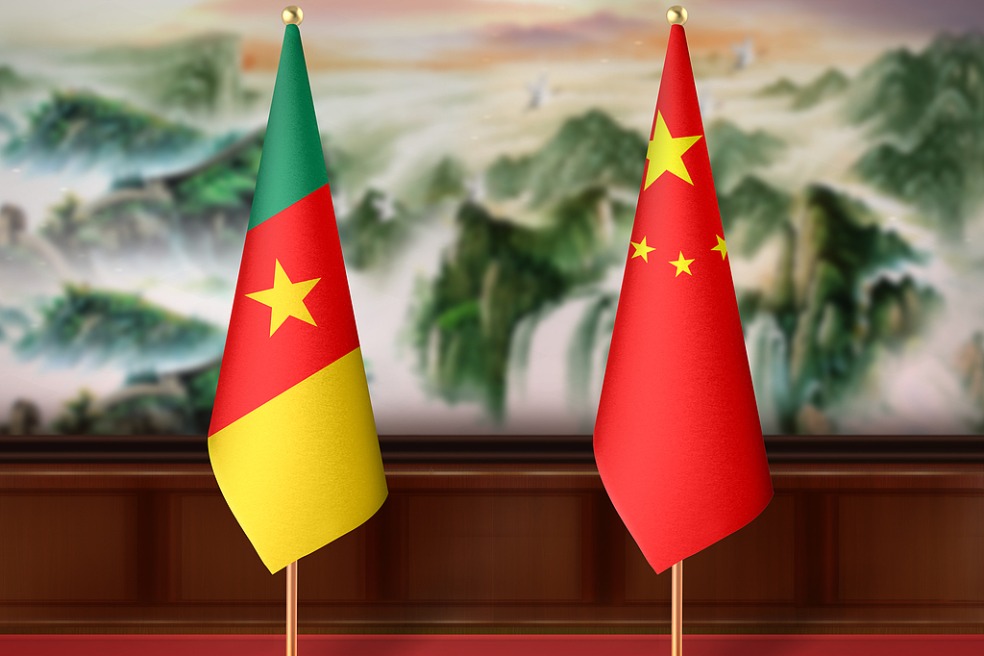
Xi congratulates Paul Biya on re-election as president of Cameroon
Chinese President Xi Jinping extended his congratulations to Paul Biya on his re-election as the President of Cameroon in a formal message on Friday. Xi highlighted the enduring friendship between China and Cameroon, emphasizing the strengthened political trust and successful collaborations across multiple sectors in recent years. Both nations have consistently supported each other on critical issues related to their core interests and major concerns. Xi also pointed out that the upcoming 55th anniversary of diplomatic relations between the two countries presents a fresh opportunity to further enhance bilateral ties. He expressed his commitment to deepening the comprehensive strategic partnership between China and Cameroon, leveraging the outcomes of the Forum on China-Africa Cooperation Beijing Summit to bring greater benefits to their peoples.
-
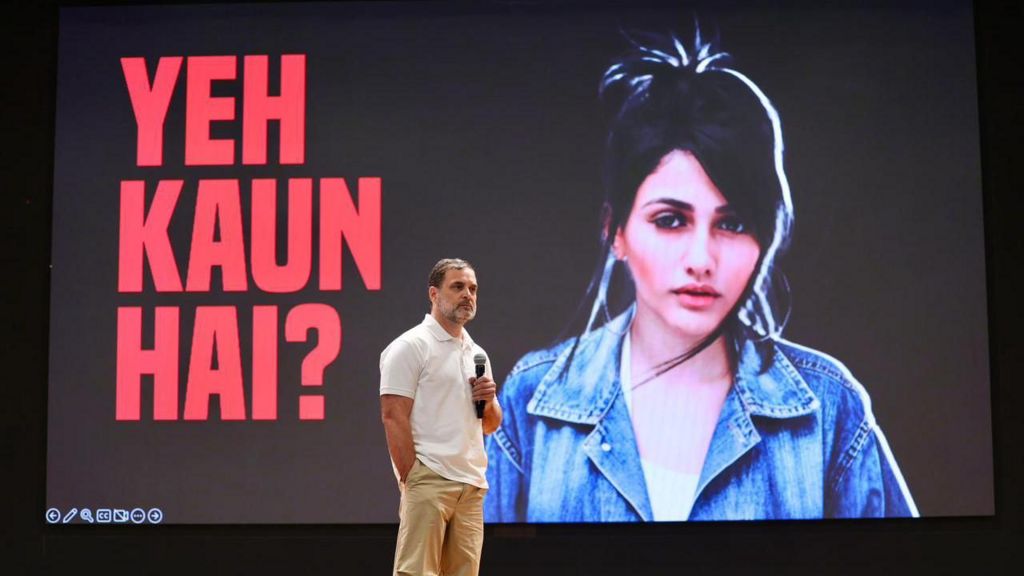
‘I thought it was a prank’ – How a Brazilian woman became the face of India vote fraud row
Larissa Nery, a Brazilian hairdresser, has unexpectedly become the focal point of a political storm in India following allegations of election fraud. The controversy erupted after Indian opposition leader Rahul Gandhi held a press conference on Wednesday, accusing Prime Minister Narendra Modi’s Bharatiya Janata Party (BJP) and the Election Commission (EC) of manipulating voter lists in last year’s Haryana state election. During the conference, Gandhi displayed a series of slides, including one featuring Nery’s photograph, claiming that her image had been used multiple times under different names on the voter list. Nery, who lives in Belo Horizonte, Brazil, and has never visited India, initially thought the situation was a mistake or a prank. However, as her social media accounts were flooded with messages and journalists began contacting her, she realized the gravity of the situation. Nery confirmed to the BBC that the photograph was indeed hers, taken in 2017 by Brazilian photographer Matheus Ferrero. Ferrero, who shared the photo on Unsplash with Nery’s consent, expressed his shock at the misuse of the image and the sudden attention it garnered. Both Nery and Ferrero are now grappling with the unexpected intrusion into their lives, as the allegations continue to unfold in India. The BJP has denied the accusations, and the Election Commission has yet to respond to specific claims made by Gandhi. The incident has raised questions about the credibility of India’s electoral process and the implications of such allegations on the country’s political landscape.
-
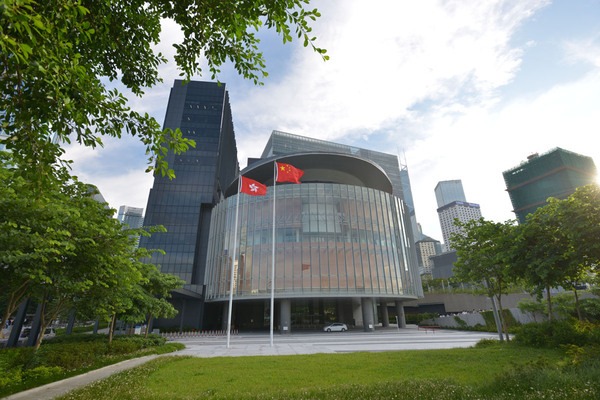
161 nominations received for Hong Kong LegCo election
The nomination period for the 2025 Legislative Council (LegCo) General Election in Hong Kong concluded on Thursday, with a total of 161 nomination forms submitted across various constituencies. The Registration and Electoral Office of the Hong Kong Special Administrative Region (HKSAR) government confirmed the figures, marking a significant step in the electoral process. The submissions included 51 nominations for geographical constituencies, 60 for functional constituencies, and 50 for the Election Committee constituency. The nomination period ended at 5 pm local time on November 6, 2025. Returning officers will now determine the order of candidates’ names on ballot papers and allocate designated spots for election advertisements through a lottery system on November 7. The Candidate Eligibility Review Committee is expected to publish a notice of validly nominated candidates in the gazette within 14 days. The election, scheduled for December 7, 2025, will determine the composition of the eighth LegCo, playing a pivotal role in Hong Kong’s governance and legislative framework.
-
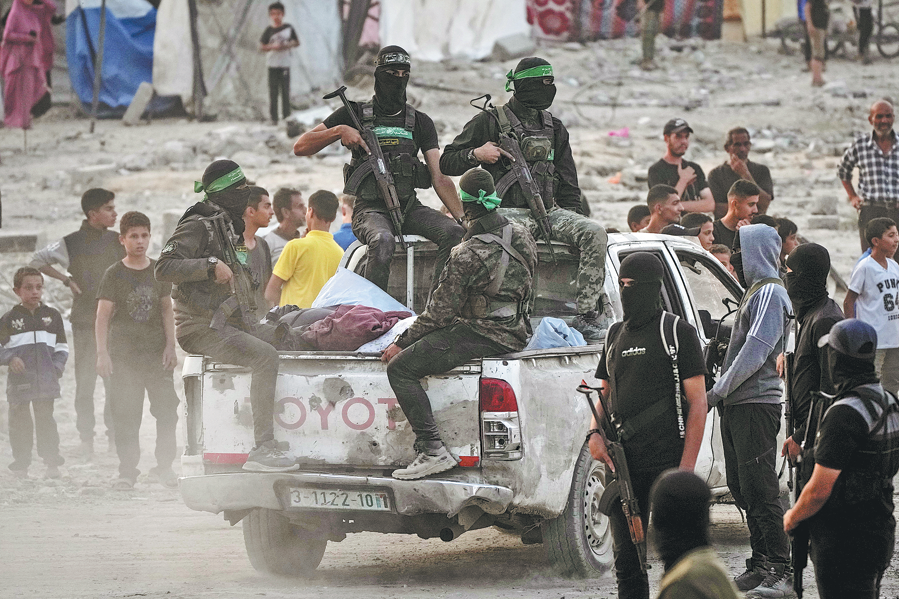
Gaza peace force needs ‘legitimacy’: UN
United Nations Secretary-General Antonio Guterres emphasized that any stabilization force deployed in Gaza must derive its legitimacy from a mandate by the UN Security Council. Speaking in an interview with Al Jazeera, Guterres underscored the necessity of a ceasefire that paves the way for a two-state solution and the recognition of an independent Palestinian state. His comments come amid ongoing discussions among Arab and Muslim-majority countries, who recently convened in Istanbul to deliberate on the establishment of an international peace force for Gaza. While some nations expressed reluctance to contribute troops, there was consensus that such a force would require UN Security Council authorization to be effective. Guterres lamented the Security Council’s diminished capacity to address crises, citing the veto power of superpowers often directly involved in conflicts. Since October 2023, the US has vetoed five ceasefire resolutions, the latest in June 2024. Senior Hamas official Moussa Abu Marzouk criticized the proposal for an international force, arguing that it would serve as a substitute for the Israeli army and fail to address Palestinian rights. Meanwhile, eight Palestinian factions, led by Hamas, are set to meet in Cairo to discuss forming a transitional administration for Gaza. Belal Alakhras, a research fellow at the University of Malaya, warned that legitimizing a framework bypassing Palestinian rights through the Security Council sets a dangerous precedent. He urged the international community to focus on recovery and reconstruction rather than imposing interventions that could exacerbate suffering.
-
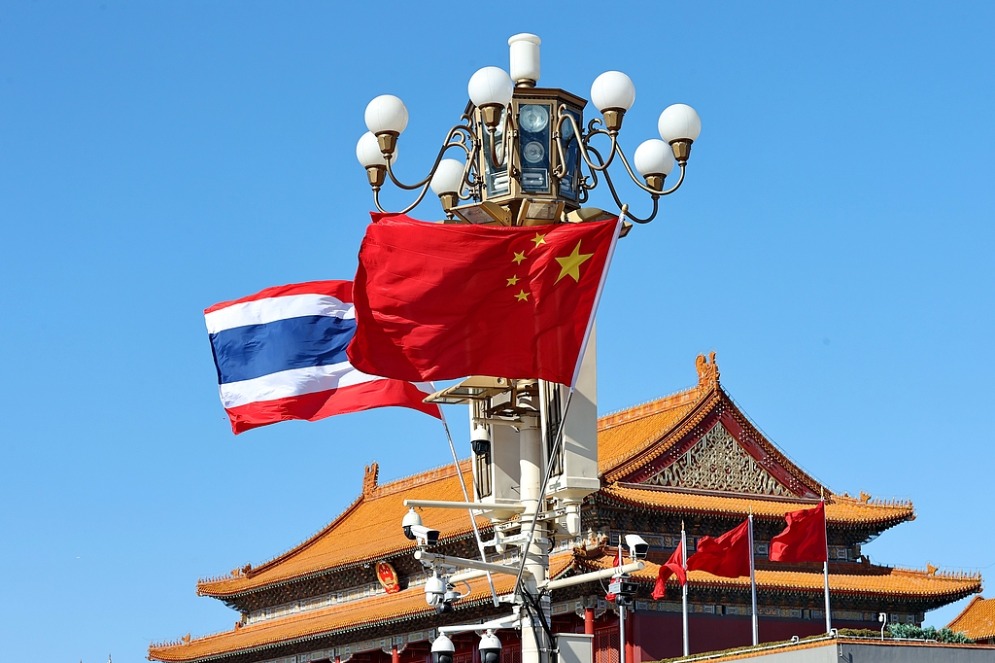
Thai king to pay state visit to China
In a landmark event marking 50 years of diplomatic relations, King Maha Vajiralongkorn of Thailand is set to embark on a state visit to China from November 13 to 17, 2025. This visit, the first by a Thai monarch since the establishment of diplomatic ties in 1975, underscores the deepening relationship between the two nations. During his stay, King Maha Vajiralongkorn and Queen Suthida Bajrasudhabimalalakshana will engage in a series of high-level meetings with Chinese President Xi Jinping and Premier Li Qiang, alongside visits to significant cultural and developmental sites in Beijing. The Thai Foreign Ministry highlighted the visit as a testament to the enduring friendship and mutual understanding between Thailand and China, aiming to bolster bilateral relations and foster regional peace and prosperity. China, Thailand’s largest trading partner for 12 consecutive years, anticipates this visit to further enhance economic and political cooperation, building on a bilateral trade volume that surpassed $133.98 billion in the previous year. The visit also coincides with the golden jubilee of China-Thailand friendship, presenting new opportunities for collaboration in various sectors, including science, technology, and education.
-
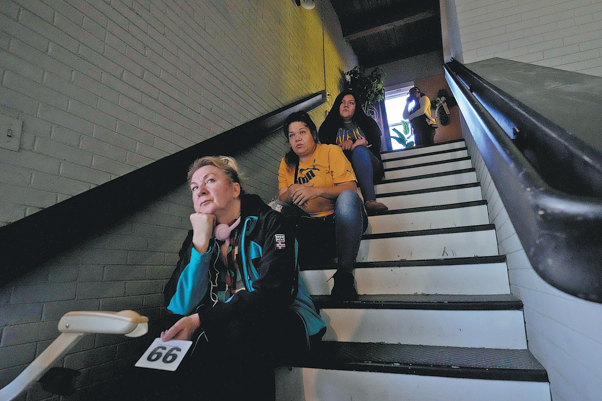
Record gridlock exposes deep divide
The United States is grappling with its longest-ever federal government shutdown, a crisis that underscores the deepening partisan divide and systemic dysfunction in American governance. The shutdown, which began on October 1, 2025, after lawmakers failed to agree on funding bills for the 2026 fiscal year, has now surpassed the previous record of 35 days set during the 2018-19 shutdown under President Donald Trump. Experts warn that this impasse reflects a broader trend of political polarization, where government shutdowns are increasingly weaponized as tools for partisan warfare. Wei Zongyou, a professor at Fudan University’s Center for American Studies, attributes the crisis to growing ideological rifts between Democrats and Republicans on key issues such as taxation, healthcare, and immigration. The inability to pass even temporary funding measures highlights the extreme nature of this divide. The shutdown has far-reaching consequences, disrupting essential services like the Supplemental Nutrition Assistance Program, which aids 42 million Americans, and forcing the Federal Aviation Administration to reduce airline traffic. Economically, the Congressional Budget Office estimates that a four-week shutdown could reduce real GDP by $7 billion, with losses escalating to $11 billion if the impasse continues for six weeks. Diao Daming, a professor of US studies at Renmin University of China, notes that the shutdown disproportionately affects the middle and lower classes while creating a dangerous blind spot for policymakers due to the halt in government data collection. This crisis underscores two critical challenges in US governance: an escalating fiscal crisis driven by reliance on debt and a widening ideological divide that hampers the government’s ability to function effectively.