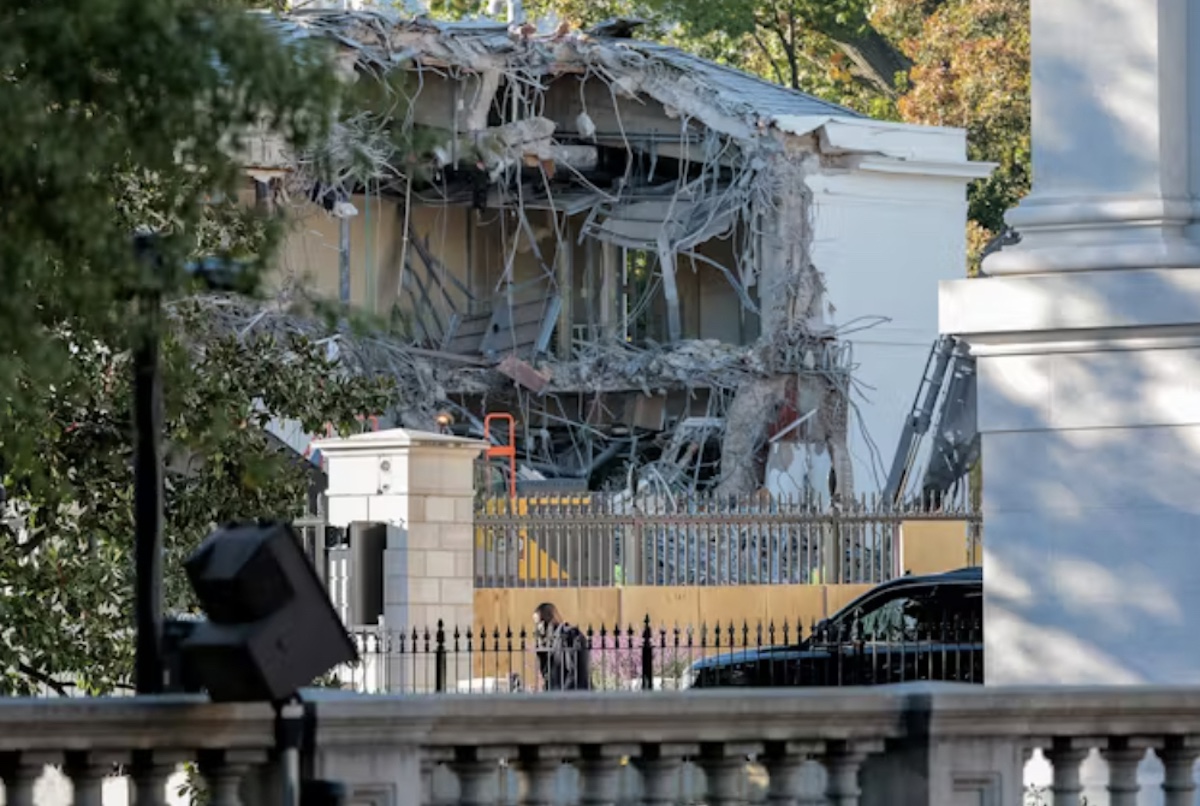
In April 2011, President Barack Obama delivered a biting roast of Donald Trump at the White House Correspondents’ Dinner, an event that would later be seen as a pivotal moment in their political rivalry. At the time, Trump, a reality TV star, had been a vocal proponent of the ‘birther’ conspiracy theory, falsely claiming that Obama was not born in the United States and thus ineligible for the presidency. Obama’s decision to release his long-form birth certificate just days before the dinner set the stage for his humorous yet pointed remarks. During his speech, Obama joked about Trump’s presidential ambitions, suggesting that a Trump presidency would bring unconventional changes to the White House, including turning it into a hotel, casino, or golf course. The President even displayed a satirical image of a remodeled White House adorned with Trump’s name. While the audience laughed, Trump sat stone-faced, visibly humiliated. Many political observers, including Trump’s former adviser Roger Stone, believe that this public shaming motivated Trump to run for president in 2016. Fast forward to Trump’s presidency, and Obama’s jest about White House renovations took on a surreal twist. The Trump administration razed the East Wing to build a lavish, gold-encrusted ballroom, a project that mirrors the ostentatious style of Trump’s private properties. Although Trump denied plans to name the ballroom after himself, senior officials reportedly referred to it as ‘The President Donald J. Trump Ballroom.’ This episode underscores the enduring impact of political humor and the complex dynamics between Obama and Trump, whose rivalry reshaped American politics.
分类: politics
-
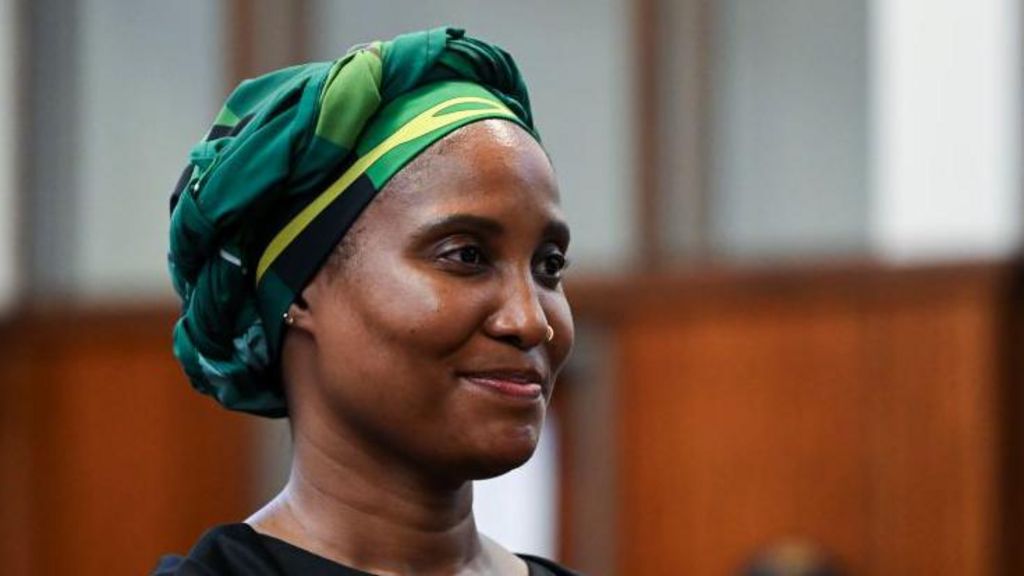
Jacob Zuma’s daughter denies terrorism charges as her trial starts
Duduzile Zuma-Sambudla, daughter of former South African President Jacob Zuma, has entered a plea of not guilty to terrorism-related charges as her trial commenced in Durban. The charges stem from social media comments she allegedly made during the widespread protests in July 2021, which erupted following her father’s arrest. These protests, marked by looting, arson, and violence, resulted in over 300 deaths and caused an estimated $2.8 billion in damages. Zuma-Sambudla, 43, is accused of inciting public violence and terrorism during this period of unrest, which primarily affected Gauteng and KwaZulu-Natal provinces. Her legal team has consistently argued that the state’s case lacks substantial evidence, describing it as weak and politically motivated. Zuma-Sambudla has maintained that the charges are an attempt to target her father, who has since formed his own political party, uMkhonto weSizwe, and has been critical of the ruling African National Congress (ANC). The trial has drawn attention from supporters of the Zuma family, including her father and other party leaders, who were present at the KwaZulu-Natal High Court. The case highlights the ongoing political tensions in South Africa and the broader implications of social media in inciting public unrest.
-
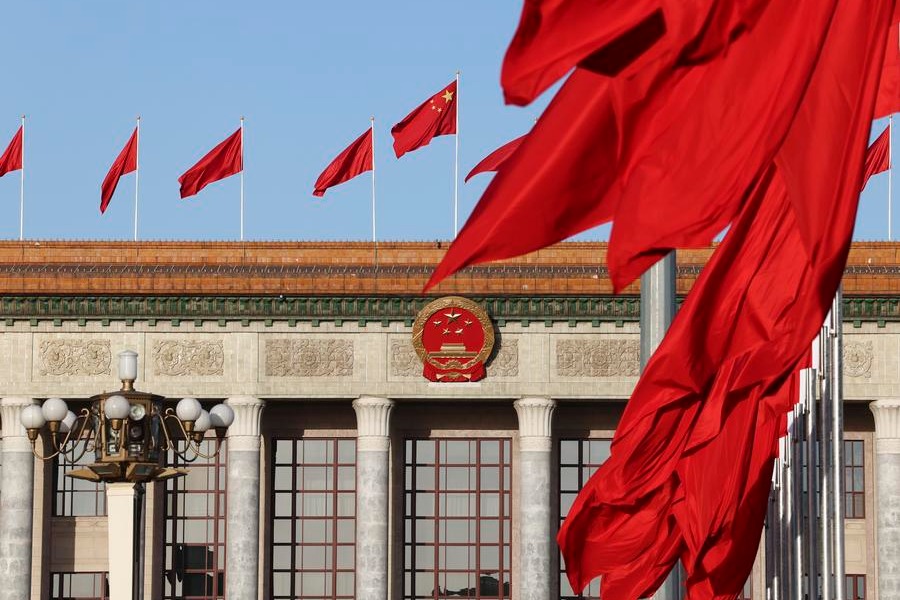
China’s new key planning vision hailed
China’s recently unveiled recommendations for its 15th Five-Year Plan have garnered significant praise from Latin American scholars, who commend the blueprint’s emphasis on innovation, sustainability, and long-term stability. The plan, which aims to guide China’s development amidst global uncertainties, has been described as a forward-looking and innovation-driven strategy by Jorge Heine, Chile’s former ambassador to China and a nonresident fellow at the Quincy Institute in Washington. Heine noted that China has transitioned from rigid economic central planning to indicative planning, which provides broad guidance to both public and private sectors. A key focus of the plan is the development of ‘new quality productive forces,’ with technological and scientific innovation at its core. Heine highlighted China’s advancements in AI as a prime example of this innovation. The plan also emphasizes green development, particularly the energy transition, though Heine expressed a desire for more ambitious carbon neutrality targets. Luis Antonio Paulino, a professor at Sao Paulo State University in Brazil, praised the balance between China’s near-term goals and its long-term vision. He contrasted China’s approach with that of Western governments, which often focus on immediate crises without a future-oriented strategy. Paulino described China’s governance as ‘superior,’ as it addresses current issues while providing structural solutions aligned with long-term objectives. He also highlighted how China’s planning integrates technological progress with social welfare and collective benefit, ensuring that technological development serves the broader population rather than a select few. This holistic approach, Paulino argued, sets China apart from Western models, where technological advancements are often driven by a small group of billionaires. The 15th Five-Year Plan reflects China’s commitment to raising living standards and achieving regional balance through scientific and technological self-sufficiency, guided by the Communist Party of China and the government.
-
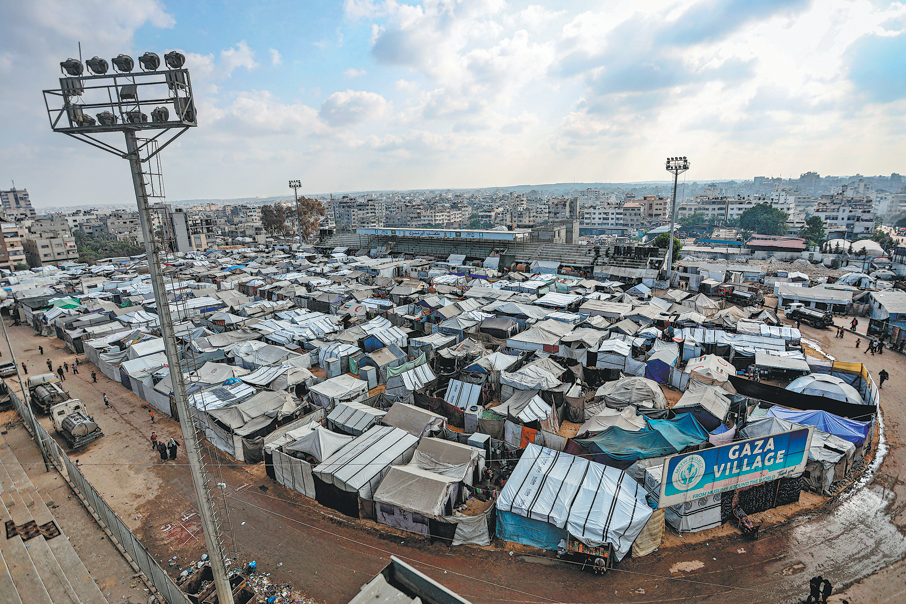
Egypt steps up Gaza peace diplomacy as Arab states push back on US draft
Egypt has escalated its diplomatic efforts to advance the Gaza peace process, engaging with European counterparts to push for the implementation of a US-backed peace plan. Egyptian Foreign Minister Badr Abdelatty held discussions with Russian Foreign Minister Sergey Lavrov and European Union foreign policy chief Kaja Kallas, emphasizing Egypt’s commitment to the Sharm el-Sheikh agreement signed last month. Abdelatty urged progress on the plan’s second phase, which focuses on political, developmental, and humanitarian dimensions, including early recovery and reconstruction in Gaza. Egypt is also preparing to host an international conference on Gaza’s reconstruction later this month. Meanwhile, Israel and Hamas continue prisoner exchanges, and the US has proposed a UN Security Council resolution to endorse its Gaza peace plan, which includes a transitional governing body and an international stabilization force. However, Arab states have expressed concerns over the US proposal, particularly regarding the potential permanence of temporary boundaries and the erosion of Palestinian sovereignty. Jordan’s Foreign Minister Ayman Safadi reiterated that Gaza is an integral part of the Palestinian Territories and called for a clear timeline for Israel’s withdrawal. The death toll in Gaza from Israel’s military operations has reached 69,000, with more bodies being recovered from the rubble. Amid these developments, Israeli Defense Minister Israel Katz announced plans to destroy all ‘terror tunnels’ in Gaza, vowing to continue military operations until all hostages are returned. Analysts suggest that Israel’s push for a UN-backed resolution aims to legitimize a framework that preserves its occupation, while Arab states remain wary of any arrangement that entrenches Israeli control.
-

Thailand will halt all actions on truce deal with Cambodia after a land mine injures troops
Thailand has announced the suspension of all actions under a U.S.-brokered ceasefire agreement with Cambodia, following a land mine explosion on the volatile border that injured two Thai soldiers. Prime Minister Anutin Charnvirakul stated that the incident demonstrates persistent threats to national security, prompting the halt until Thailand’s unspecified demands are met. The ceasefire, signed last month during the Association of Southeast Asian Nations (ASEAN) summit, aimed to de-escalate tensions after a deadly five-day conflict in July. The agreement included provisions for the release of 18 Cambodian prisoners, the removal of heavy weapons, and land mine clearance. However, Thailand has accused Cambodia of obstructing demining efforts and laying new mines, allegations Cambodia denies. The Royal Thai Army reported that one soldier lost his right foot in the explosion, while another suffered chest tightness. Both are receiving medical treatment. Defense Minister Natthaphon Narkphanit confirmed the postponement of the prisoner release and ongoing investigations into the mine’s origin. Cambodia has reiterated its commitment to the agreement and urged Thailand to release its soldiers promptly. The U.S. had previously pressured both nations to reach a truce, threatening trade privileges if they failed to comply.
-
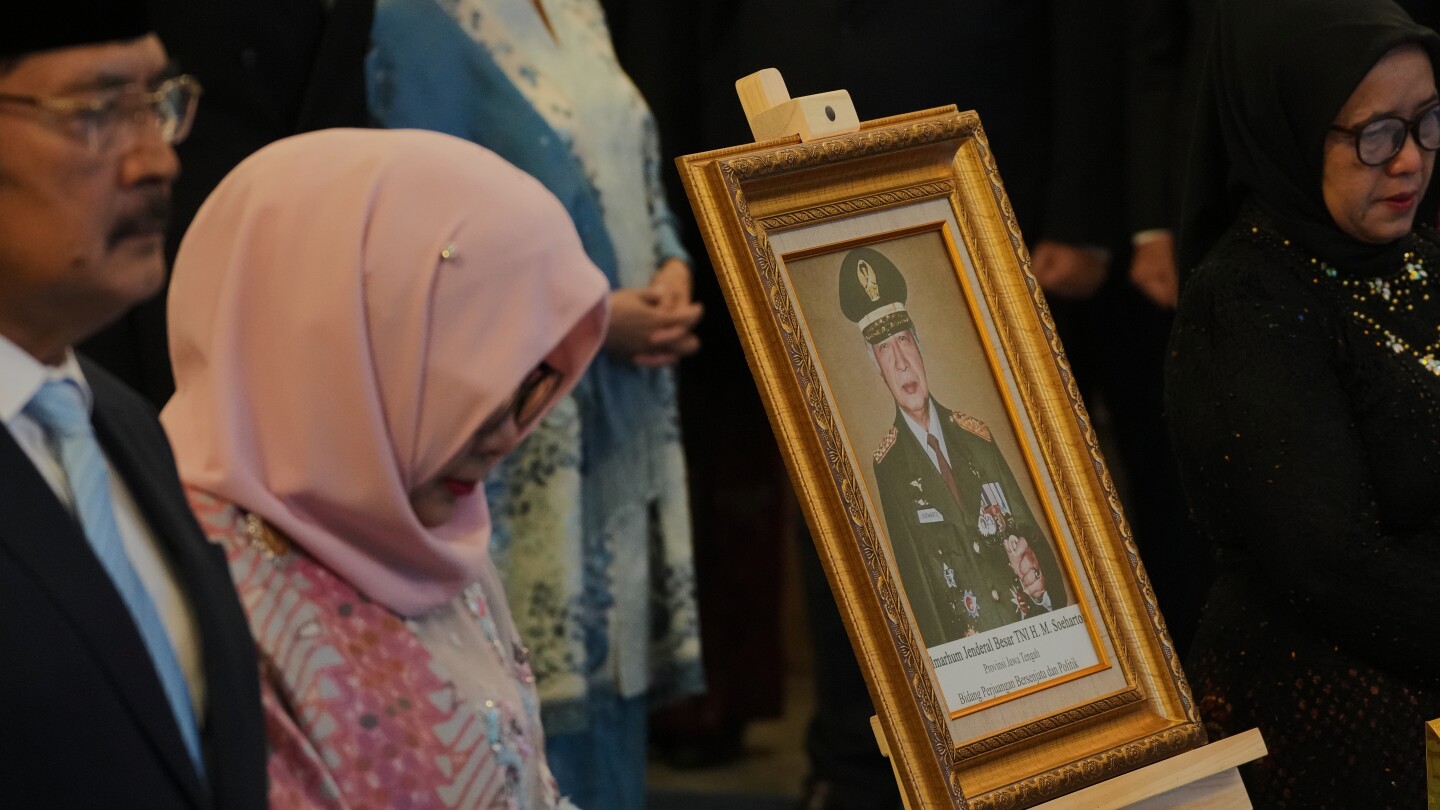
Indonesia declares late dictator Suharto a national hero, despite outrage from rights groups
Indonesia’s recent declaration of former dictator Suharto as a national hero has ignited widespread controversy and condemnation. The decision, announced by President Prabowo Subianto during a televised ceremony on National Hero Day, has been criticized by human rights groups as an attempt to whitewash the severe abuses and corruption that marked Suharto’s 32-year authoritarian rule. Suharto, a Cold War ally of the U.S., was ousted in 1998 following mass protests amid the Asian financial crisis. His regime is accused of orchestrating the deaths of up to a million political opponents, including the mass killings of alleged communists in 1965-1966 and atrocities in regions like East Timor, Aceh, and Papua. Minister of Culture Fadli Zon defended the honor, citing Suharto’s role in Indonesia’s independence struggle and his economic achievements, while dismissing allegations of human rights violations as unproven. Survivors of Suharto’s regime, such as Bedjo Untung, who endured imprisonment and torture, expressed outrage, calling the decision deeply unjust. Critics argue that the move undermines Indonesia’s commitment to transitional justice and the 1998 reform movement. The debate highlights the nation’s struggle to reconcile its past with its aspirations for justice and democracy.
-
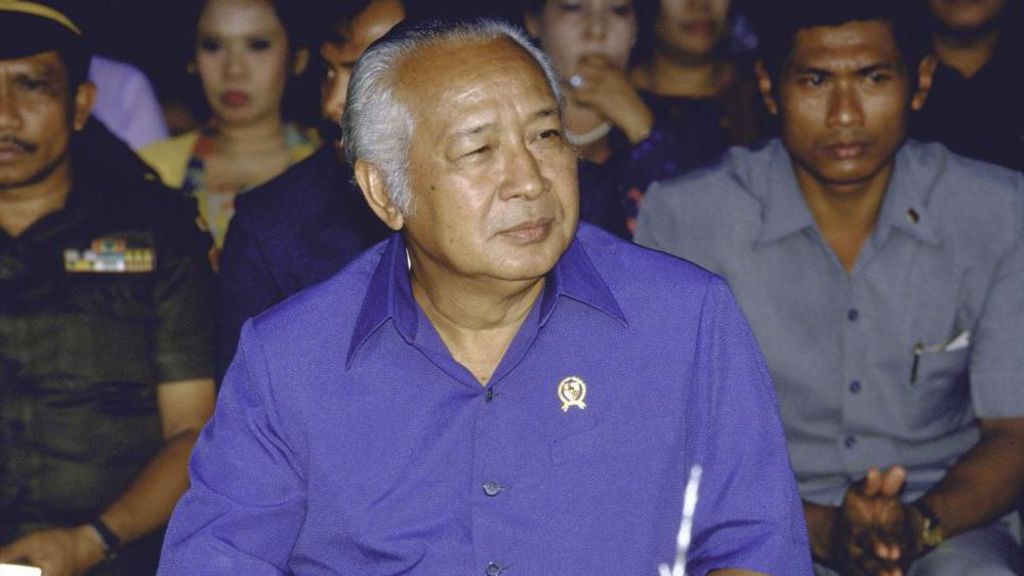
Indonesia names ex-dictator Suharto a ‘national hero’
The Indonesian government’s decision to posthumously award former President Suharto the title of national hero has ignited widespread controversy and protests across the nation. Suharto, who ruled Indonesia from the 1960s to the 1990s under his New Order regime, is remembered for both his economic achievements and his authoritarian tactics, including political repression and human rights abuses. The award ceremony, presided over by current President Prabowo Subianto—Suharto’s former son-in-law—has further fueled the debate, given Prabowo’s own contentious human rights record. While Suharto is credited with stabilizing Indonesia’s economy and reducing inflation, his regime is also accused of orchestrating the deaths of hundreds of thousands of political dissenters and embezzling billions of dollars. Civil society groups and activists have vehemently opposed the decision, organizing protests and online petitions. Critics argue that the move is an attempt to whitewash Suharto’s legacy and distort history. Despite the backlash, some Indonesians view Suharto as a pivotal figure in the country’s development. The ceremony also honored other figures, including labor activist Marsinah and former President Abdurrahman Wahid, who were vocal critics of Suharto, in what some see as an effort to balance the narrative.
-
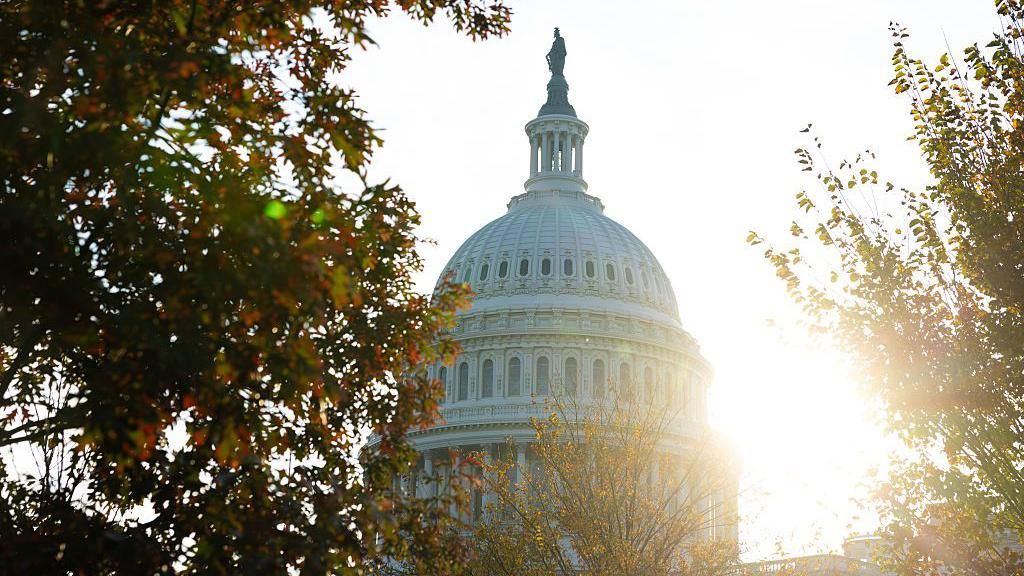
Three takeaways from the US shutdown deal
The longest government shutdown in U.S. history is finally approaching its conclusion following a bipartisan Senate vote to approve federal funding. This decision marks a significant turning point after weeks of political gridlock, which left hundreds of thousands of federal employees furloughed and disrupted essential services across the nation. With the government set to reopen, furloughed workers will return to their jobs and receive back pay, while national parks and food aid programs for low-income Americans will resume operations. Air travel, which had been severely impacted, is expected to stabilize. However, the political ramifications of this historic standoff are far from over. The shutdown exposed deep divisions within the Democratic Party, as centrists and at-risk senators broke ranks to support the Republican-led funding bill. This move has reignited tensions between the party’s progressive base and its centrist establishment, with many on the left viewing the compromise as a missed opportunity to challenge President Trump’s policies. Over the 40-day shutdown, Trump maintained a hardline stance, refusing to compromise with Democrats and instead focusing on international trips and personal engagements. While the White House agreed to roll back some workforce cuts and Senate Republicans promised a vote on health-insurance subsidies, critics argue that little was gained from the prolonged standoff. The temporary funding bill only extends government operations until the end of January, setting the stage for potential future clashes. As the midterm elections approach, both parties are likely to remain entrenched in their positions, ensuring that the political dynamics that fueled this shutdown will persist.
-
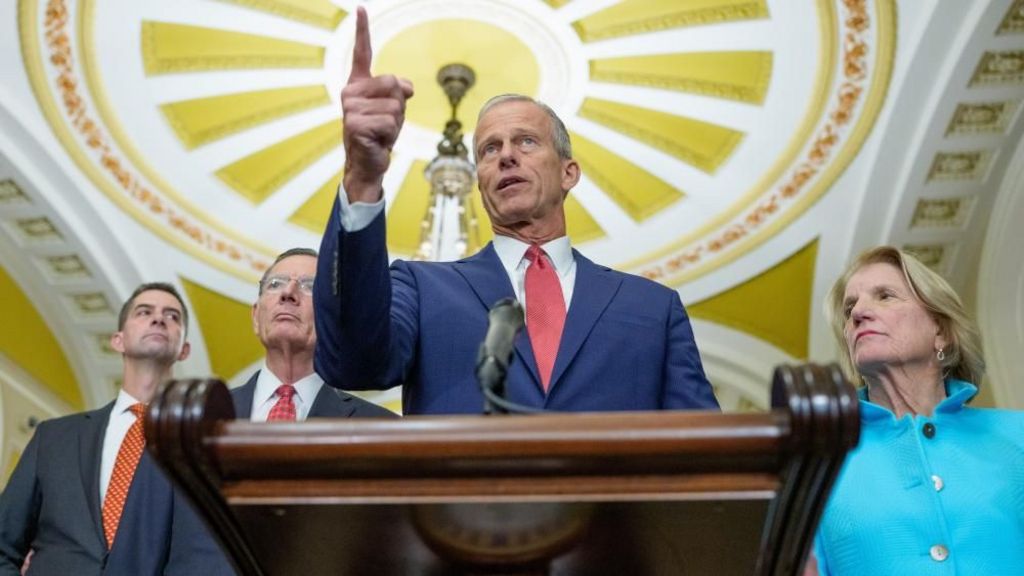
US Senate passes deal aimed at ending government shutdown
The US Senate has taken a significant step toward ending the longest government shutdown in American history, with a bipartisan deal passing procedural hurdles. After 40 days of political gridlock, a minority of Democrats joined Republicans to vote in favor of the agreement, which was negotiated by Senate Majority Leader John Thune and key Democratic senators. The deal aims to fund government operations and address critical issues such as healthcare subsidies and federal employee pay. However, it still faces challenges in the House of Representatives before it can be fully implemented. The shutdown, which began on October 1, has left 1.4 million federal employees either furloughed or working without pay, disrupted air travel, and threatened food benefits for 41 million low-income Americans. The agreement includes provisions for extending healthcare subsidies, funding essential agencies, and ensuring back pay for federal workers. Despite this progress, some Democrats have criticized the deal for lacking concrete guarantees on healthcare, with Senate Minority Leader Chuck Schumer vowing to vote against it. The measure also sets the stage for potential future budget battles, as it only funds the government until January 30.
-
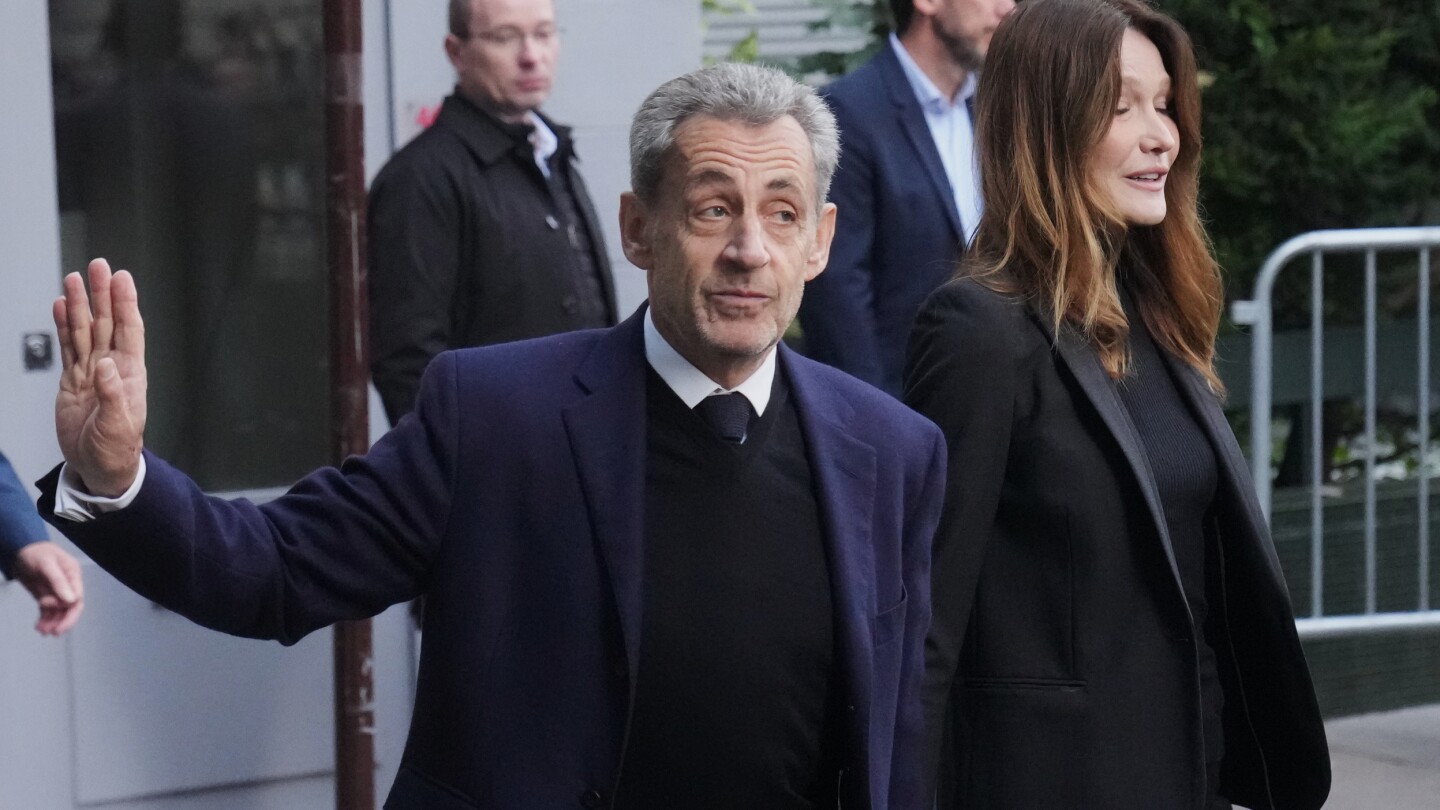
Paris court is deciding whether to release former President Sarkozy from prison
A Paris court is set to deliberate on Monday whether to grant former French President Nicolas Sarkozy early release from prison. Sarkozy, 70, began serving a five-year sentence on October 21 for criminal conspiracy related to the illegal financing of his 2007 election campaign with Libyan funds. His conviction on September 25 marked him as the first former French head of state in modern history to be incarcerated. Sarkozy, who governed France from 2007 to 2012, has consistently denied any wrongdoing, claiming he is the victim of a ‘plot’ tied to the late Libyan leader Moammar Gadhafi. Under French law, pre-appeal detention is typically reserved for exceptional cases. The court will assess whether Sarkozy poses a flight risk, could influence witnesses, or obstruct justice. If approved, he could be released from Paris’ La Santé prison within hours under judicial supervision. Meanwhile, Sarkozy faces additional legal challenges, including a November 26 ruling by France’s highest court regarding illegal financing of his failed 2012 reelection campaign and an ongoing investigation into alleged witness tampering in the Libya case.