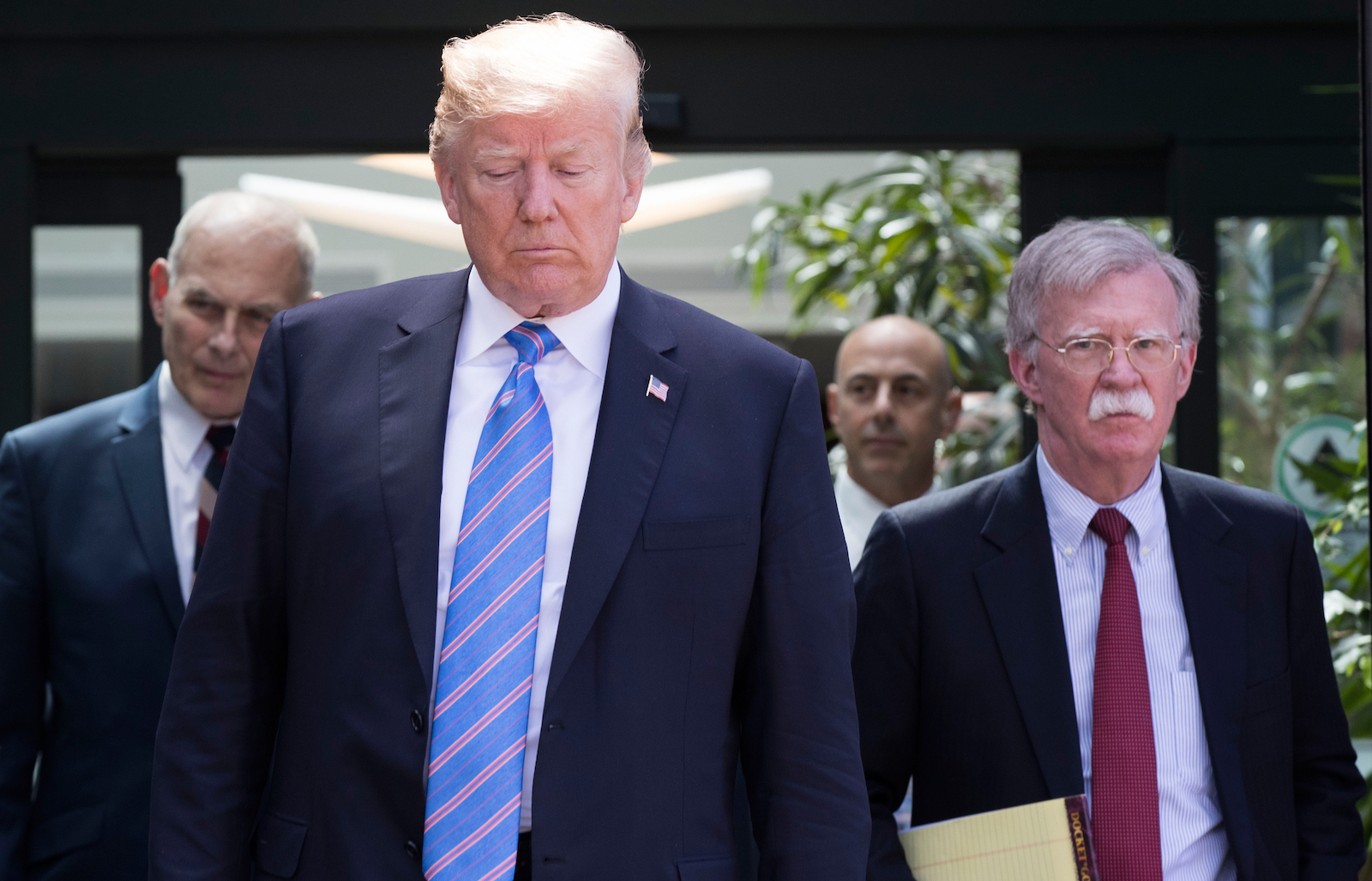
President Donald Trump’s first 100 days back in the White House, marked on April 29, have been a whirlwind of bold initiatives and polarizing policies. Historically, this period serves as a litmus test for a leader’s priorities and governing style, offering a window into their political momentum. Trump has seized this opportunity with characteristic vigor, pushing forward on border enforcement, sweeping subsidy cuts, protectionist trade measures, and a radical overhaul of U.S. foreign policy. While his administration has secured early victories in some areas, global flashpoints like the war in Ukraine and the conflict in Gaza remain unresolved. If progress stalls, Trump may pivot to other arenas, such as re-engaging with North Korea, which has been largely dormant on Washington’s radar. In an interview with Asia Times, former U.S. National Security Advisor John Bolton critiqued Trump’s approach, highlighting failures in achieving a Ukraine ceasefire and the potential economic fallout from Trump’s tariffs. Bolton also expressed skepticism about the prospects of meaningful progress in Ukraine ceasefire talks, citing irreconcilable differences between the parties. He warned of Putin’s long-term ambitions to recreate the Russian Empire, emphasizing the need for robust security guarantees for Ukraine. On North Korea, Bolton cautioned against premature engagement, stressing the importance of aligning with South Korea’s political landscape. He also dismissed the notion of Trump accepting a nuclear North Korea, reaffirming the U.S. commitment to denuclearization. As Trump’s administration navigates these complex geopolitical challenges, the world watches closely to see how his policies will shape the future of international relations.
分类: politics
-
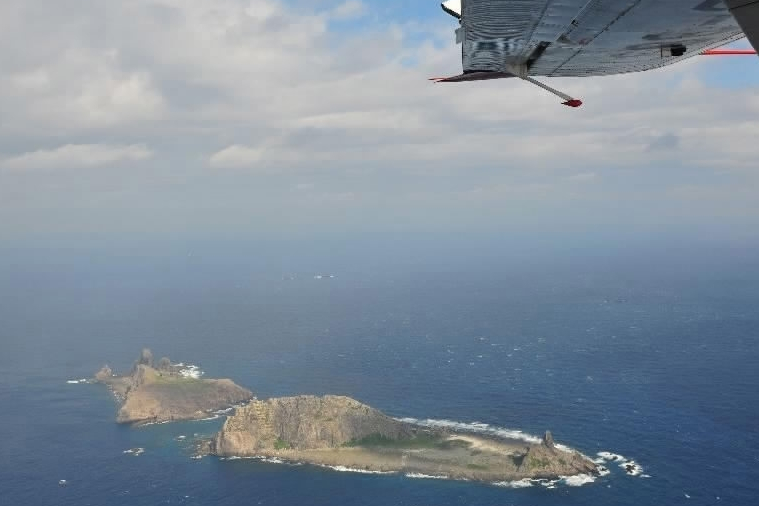
China rips Japan over aircraft’s intrusion
China has issued a stern protest to Japan following the unauthorized entry of a Japanese civilian aircraft into the airspace over the Diaoyu Islands. The incident, which occurred on Saturday, has prompted Beijing to demand an immediate halt to such provocative actions, warning that they could jeopardize the stability of bilateral relations. Liu Jinsong, Director-General of the Asian Affairs Department at China’s Foreign Ministry, conveyed the protest to Yokochi Akira, the Chief Minister of the Japanese Embassy in Beijing, emphasizing the gravity of the situation. The Chinese Coast Guard swiftly responded by deploying ship-based helicopters to warn and expel the intruding aircraft during a routine patrol in the area. Japan’s Ministry of Defense, however, accused Chinese helicopters of violating its territorial airspace—a claim vehemently denied by Zhang Xiaogang, a spokesman for China’s Ministry of National Defense. Zhang reiterated that the Diaoyu Islands and their affiliated islets are an inherent part of Chinese territory, and any unauthorized entry constitutes a serious breach of China’s sovereignty. He defended the Coast Guard’s actions as ‘completely legitimate and legal,’ urging Japan to restrain its citizens and avoid further provocations. Both Liu Jinsong and China Coast Guard spokesman Liu Dejun emphasized that China will continue to take all necessary measures to safeguard its territorial integrity and maritime rights. The incident underscores the ongoing tensions between the two nations over the disputed islands, with China calling for Japan to act responsibly to maintain regional stability.
-
US security policy in Asia shows some continuity in sea of change
The first 100 days of Donald Trump’s second administration have been marked by significant upheaval, yet one policy remains steadfast: the construction of a regional defense architecture aimed at deterring Chinese aggression. However, this strategy faces challenges due to collateral damage from the administration’s foreign policy shifts, particularly its embrace of tariffs and skepticism toward traditional alliances.
During Trump’s first term (2017-2021), US policy toward China hardened as Washington concluded that deep economic engagement had failed to liberalize or pacify Beijing. Instead, China under Xi Jinping grew more authoritarian domestically and assertive internationally. The pandemic further highlighted America’s reliance on Chinese supply chains, prompting Trump to label China as an adversary rather than a partner. Tariffs were imposed on Chinese imports, and efforts began to reroute global supply chains away from China. Simultaneously, Trump criticized US alliances, arguing that allies benefited disproportionately from American protection.
Trump’s foreign policy diverged sharply from post-war norms, rejecting American exceptionalism and liberal values while expressing admiration for authoritarian leaders like Xi Jinping, Vladimir Putin, and Kim Jong Un. He prioritized tariffs over free trade and questioned the value of US global commitments, particularly in Europe and Asia.
President Joe Biden (2021-2025) extended some of Trump’s tariffs on China and restricted Chinese access to advanced technology. However, Biden reversed Trump’s alliance skepticism, reaffirming the strategic value of US partnerships. In contrast, Trump’s second administration has doubled down on tariffs and disdain for alliances, implementing these policies with unprecedented intensity.
The global impact of Trump’s tariffs is significant, with most countries now facing a 10% tariff on US imports, up from an average of 2.5% in 2024. The threat of higher ‘reciprocal tariffs’ looms, potentially taking effect as early as May. Additionally, the US has effectively abandoned NATO, antagonizing Western Europe and Canada while accommodating Russia despite its aggression in Ukraine.
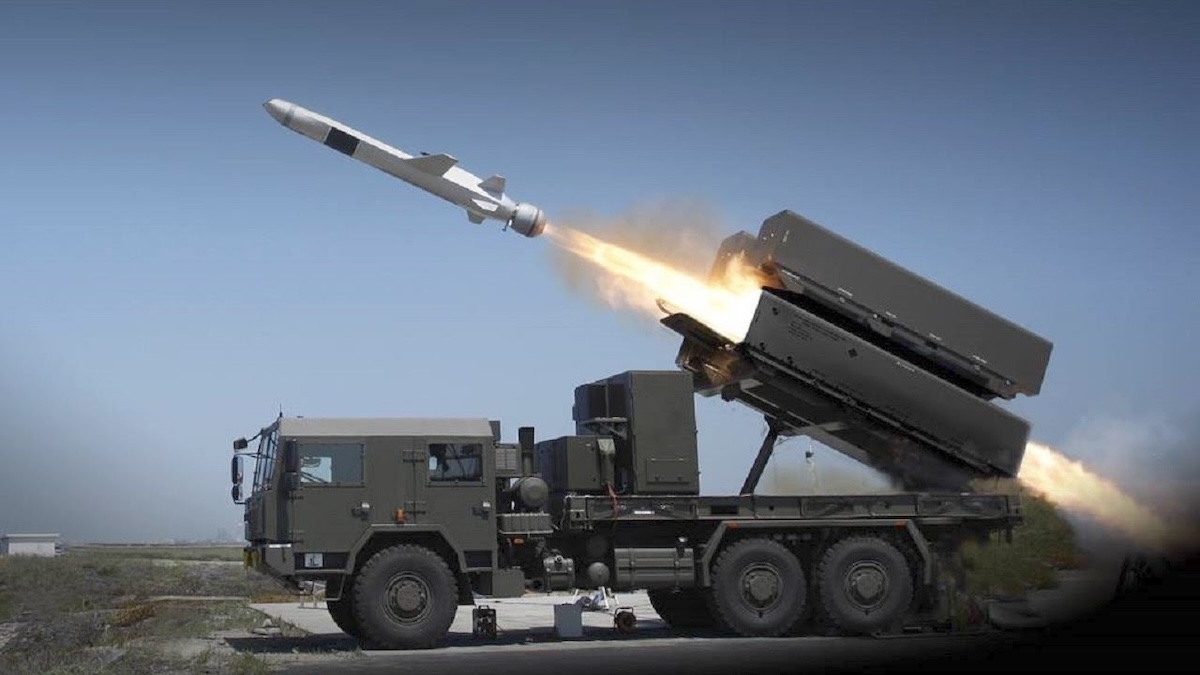
In the Asia-Pacific region, the Pentagon’s agenda to counter China has continued largely uninterrupted. US Secretary of Defense Pete Hegseth’s March trip to Japan and the Philippines underscored efforts to strengthen military cooperation. In Japan, the US plans to enhance joint training and weapon development, while upgrading its military headquarters to a command post. In the Philippines, Hegseth reaffirmed the US-Philippine defense treaty’s coverage of the South China Sea, where Chinese harassment of Philippine vessels has escalated. The US also announced plans to co-produce military systems and deploy advanced sea drones and anti-ship missiles in the Philippines.
The AUKUS agreement, which aims to provide Australia with nuclear-powered submarines, remains on track despite uncertainty over Trump’s support. While Australia has committed $3 billion to the initiative, Trump’s apparent unfamiliarity with the agreement raises doubts about its future.
Meanwhile, Trump’s tariffs have strained relations with key allies like Japan and South Korea, both of which face additional tariffs and pressure to increase defense spending. Despite their contributions to US military bases, Trump has criticized these countries as ‘free-riders,’ further complicating alliances.
In Australia, Trump’s policies have eroded confidence in US reliability. Tariffs on Australian exports, despite a US trade surplus with the country, have fueled disillusionment. While Australian leaders have resisted Chinese overtures to align against the US, the damage to the US-Australia relationship is evident.
In summary, Trump’s second administration has intensified its focus on tariffs and alliance skepticism, creating friction with traditional partners while pursuing a counter-China strategy. The challenge lies in reconciling ‘America First’ policies with the need for a cohesive Asian security architecture. Until this balance is achieved, these conflicting priorities will continue to undermine US foreign policy objectives.
-
High-level exchanges seen as positive
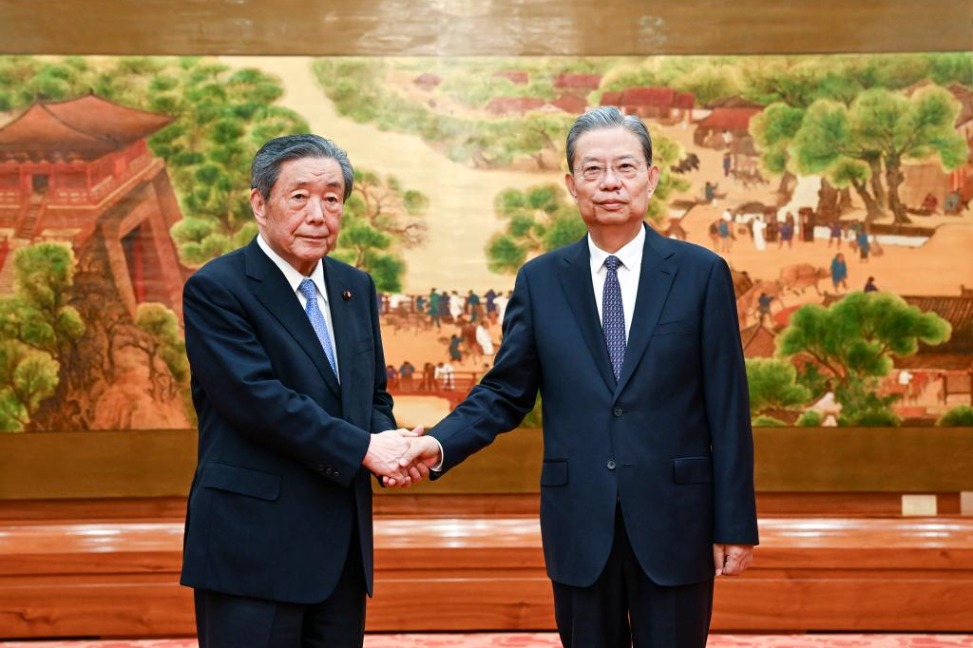
Recent high-level visits by Japanese political figures to China have been interpreted as a strategic move to bolster economic cooperation and mitigate risks posed by Washington’s unilateral and protectionist policies, according to analysts. These visits, led by prominent figures such as Hiroshi Moriyama, chairman of the Japan-China Friendship Parliamentarians’ Union and secretary-general of Japan’s Liberal Democratic Party, underscore a shared commitment to enhancing bilateral relations. Moriyama, accompanied by a bipartisan delegation, met with Zhao Leji, chairman of China’s National People’s Congress Standing Committee, on April 29, 2025. During the meeting, Zhao emphasized the importance of win-win cooperation and long-term bilateral development. Moriyama echoed this sentiment, expressing a willingness to strengthen trade and cultural exchanges while addressing differences constructively. The visits follow a trip by Komeito party leader Tetsuo Saito and his delegation earlier in April, further highlighting Japan’s bipartisan consensus on fostering ties with China. Analysts, including Da Zhigang of the Heilongjiang Provincial Academy of Social Sciences, noted that these interactions aim to counterbalance the disruptive effects of US tariff policies and promote regional stability. Xiang Haoyu of the China Institute of International Studies added that while these visits signal a positive shift, underlying issues such as political mistrust and fragile public sentiment remain challenges. Both sides have pledged to uphold multilateralism and strengthen regional collaboration, particularly in Southeast Asia, to address global economic uncertainties.
-
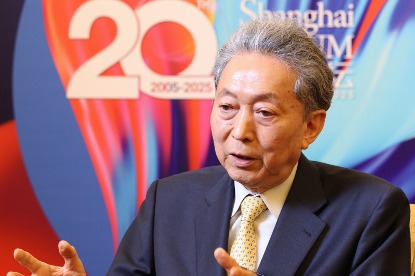
Ex Japanese PM: Japan should properly handle the Taiwan question as an internal affair of China
In a recent exclusive interview with China Daily, former Japanese Prime Minister Yukio Hatoyama underscored the necessity of maintaining the foundational principles of China-Japan relations, particularly referencing agreements established in the 1970s. Hatoyama highlighted that the Chinese government’s stance on Taiwan, viewing it as an inseparable part of China, was acknowledged and respected by Japan at that time. He emphasized that Japan should continue to honor this consensus and manage the Taiwan issue appropriately, treating it as an internal matter of China. This approach, according to Hatoyama, is crucial for sustaining the stability and progress of bilateral relations between the two nations.
-
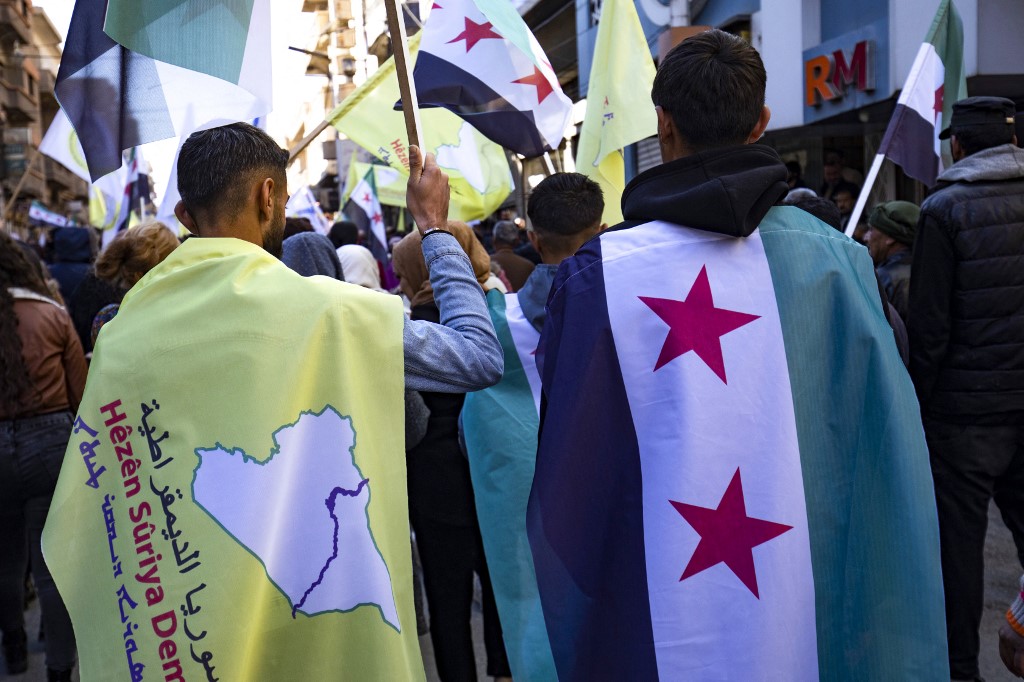
What is Turkey’s vision for the Kurds in Syria?
Regional observers are closely examining Turkey’s strategic objectives regarding the Kurdish-dominated Syrian Democratic Forces (SDF) that control substantial territories in northeastern Syria. Since the collapse of Bashar al-Assad’s regime in December, Ankara has emerged as a dominant power broker in Syria, cultivating strategic alliances with the interim government led by Hay’at Tahrir al-Sham (HTS).
Both Turkish authorities and HTS leadership have consistently demanded the expulsion of Kurdistan Workers’ Party (PKK)-affiliated elements from SDF ranks and advocated for the group’s disarmament, potentially through integration into Syria’s formal defense structures. This position creates a complex diplomatic landscape given that Western powers, while classifying PKK as a terrorist organization, have simultaneously supported PKK-linked factions in Syria since 2014 to combat Islamic State extremists.
Recent statements from de facto Syrian leader Ahmed al-Sharaa emphasize that the emerging administration will reject any form of federal division and insists on state monopoly over military capabilities. Despite President Erdogan’s vigorous rhetoric regarding eliminating security threats from Syrian territory, Ankara appears to favor diplomatic solutions over full-scale military intervention against Kurdish forces.
The SETA think tank, maintaining close government ties, recently proposed a collaborative framework where American and Turkish officials could pursue non-violent resolution mechanisms. The proposal suggests the United States would acknowledge Turkey’s security concerns by limiting military and political support for SDF, while Turkey would refrain from large-scale operations in northeastern Syria.
Turkish Foreign Minister Hakan Fidan has reiterated demands for SDF to expel PKK cadres and demobilize their forces. On Monday, Fidan claimed approximately 2,000 foreign fighters embedded within SDF ranks are under the command of senior PKK officials Sabri Ok and Fehman Huseyin, who allegedly influence SDF leadership.
A critical element in this diplomatic process involves ongoing negotiations between Turkish authorities and imprisoned PKK leader Abdullah Ocalan, initiated in October. Multiple Turkish sources indicate Ocalan may release a video statement in February urging PKK disarmament, which could significantly pressure SDF toward accepting a political compromise.
Senior PKK official Bese Hozat confirmed they await Ocalan’s guidance regarding future steps, noting his intensive efforts toward democratic solutions for the Kurdish question and regional democratization.
Turkish officials anticipate that with Ocalan’s potential intervention, non-PKK elements within SDF could be integrated into Damascus’ military administration. Additionally, they expect former President Donald Trump’s potential return to office might accelerate SDF’s positional reconsideration.
Beyond disarmament, Ankara seeks the repatriation of Kurdish refugees to northeastern Syria and the reintegration of rival Kurdish political parties into the region. Turkey recently facilitated discussions between Masoud Barzani, former president of Iraqi Kurdistan and PKK rival, and SDF leader Mazloum Abdi, urging political reintegration and cooperation with Damascus.
According to sources familiar with Ankara’s strategic thinking, Turkey essentially desires the Democratic Union Party (PYD) to transform into a national political entity participating in democratic elections and gaining representation in Damascus through constitutional processes.
Al Jazeera Arabic recently reported that Damascus presented SDF with a draft agreement aligning with Turkish interests, offering constitutional recognition of Kurdish cultural rights and establishing decentralized administrative systems with substantial local powers. However, Damascus insists SDF must integrate into national military institutions as individuals rather than as independent units, and cannot maintain current deployments in non-Kurdish majority areas like Raqqa. SDF reportedly rejected these terms, citing Turkish security threats and demanding equitable oil revenue sharing.
Despite ongoing diplomatic efforts, indications suggest Turkey continues military preparations. Yahya Bostan, a columnist with extensive military and intelligence connections, recently wrote that Ankara is intensifying efforts to eliminate PKK threats, anticipating increased diplomatic and intelligence operations at military levels in the near future.
-
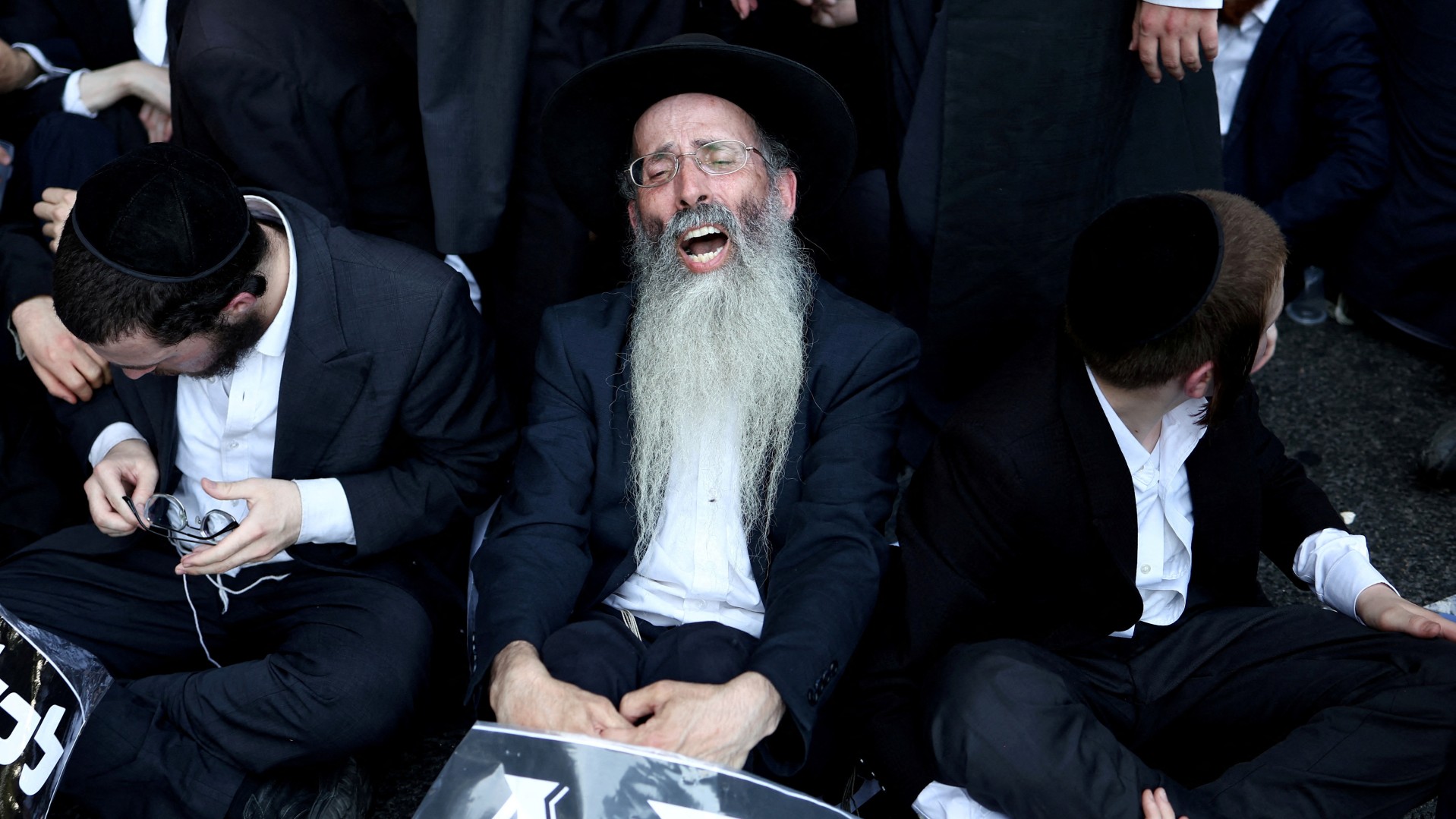
Israel’s ultra-Orthodox leaders failed. That’s why they may stick with Netanyahu
Israel’s ultra-Orthodox community, known as the Haredim, has long been exempt from military service, a privilege that has sparked significant debate and legal challenges. On Tuesday, the High Court of Israel ruled that this exemption could no longer stand, mandating that Haredim must serve in the military like other Israeli citizens. Additionally, the court decided that the state could no longer fund ultra-Orthodox education services, a decision that has deeply impacted a community heavily reliant on such aid. This ruling comes after years of legal battles and societal pressure, particularly intensified by the ongoing conflict in Gaza and the need for increased military manpower. The Haredim, who have traditionally prioritized religious education over military service, now face a critical juncture. The community’s leadership, though expecting the court’s decision, is frustrated by the outcome, especially given the current right-wing government’s inability to secure their interests. The ruling has also exacerbated tensions within the coalition government, as far-right parties, who advocate for military service, clash with the Haredim’s demands for exemption. Beyond military conscription, the Haredim are grappling with a potential budget crisis. The freeze on education funding threatens the very foundation of their society, which depends heavily on state support. This dual crisis of conscription and funding could lead to the dissolution of the government, as Haredi leaders struggle to navigate the political landscape. The ultra-Orthodox community, traditionally insular and focused on religious life, now finds itself at the center of Israel’s political debate, a position that is both unfamiliar and challenging. As the government and the Haredim seek a resolution, the broader Israeli public remains divided, with a growing consensus that the ultra-Orthodox must contribute to national defense. The outcome of this struggle will have profound implications for Israel’s social fabric and political stability.
-
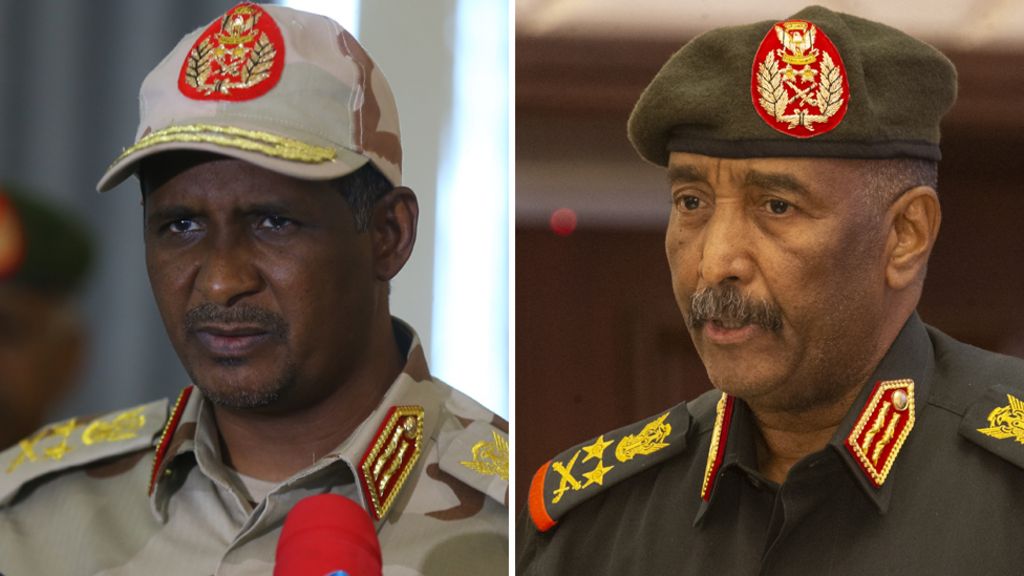
Sudan crisis: Burhan and Hemedti – the two generals at the heart of the conflict
The streets of Khartoum, Sudan’s capital, are now a battleground, echoing with explosions and shrouded in smoke. The country has plunged into chaos as two powerful generals, Abdel Fattah al-Burhan, leader of the Sudanese Armed Forces (SAF), and Mohamed Hamdan Dagalo, known as Hemedti, head of the Rapid Support Forces (RSF), engage in a fierce struggle for supremacy. Once allies in the 2019 coup that ousted former dictator Omar al-Bashir, their rivalry now threatens to dismantle the nation. Their relationship dates back to the Darfur conflict, where both played pivotal roles in counter-insurgency operations. Hemedti, once a militia leader, rose to prominence by aligning with the Saudi-led coalition in Yemen, while al-Burhan solidified his position within the SAF. Despite their past collaboration, tensions escalated after the 2021 military takeover, with al-Burhan accused of reinstating Bashir-era loyalists, prompting Hemedti’s dissent. Hemedti, often marginalized by Sudan’s elite, has sought to position himself as a national leader, advocating for democracy while consolidating power through his vast business empire. The current conflict centers on the integration of the RSF into the regular armed forces, a contentious issue that has reignited hostilities. As the fighting intensifies, civilians bear the brunt of the violence, and the future of Sudan hangs in the balance.
-
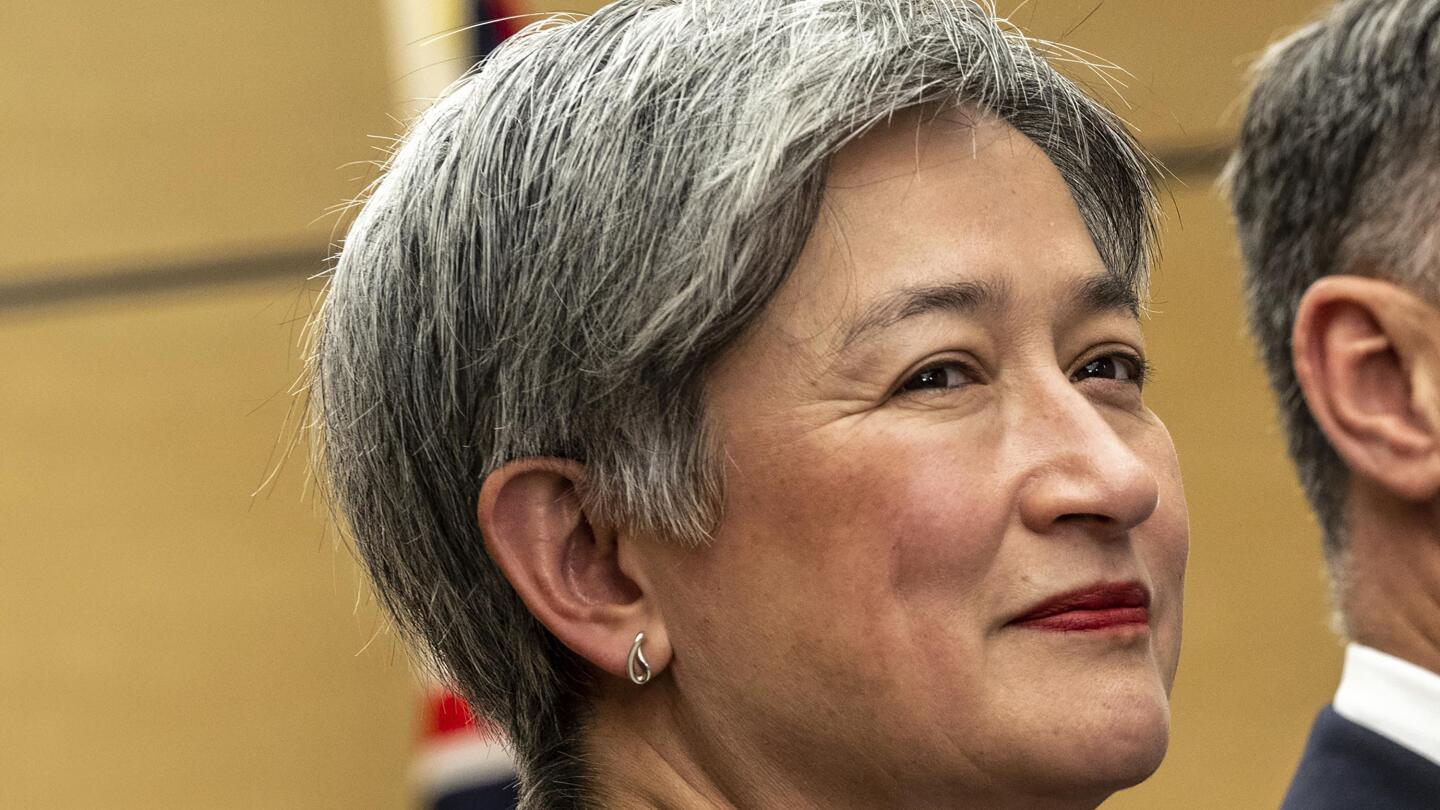
Australia vies for Pacific influence with new security deal
In a strategic move to bolster its presence in the Pacific region, Australia has inked a comprehensive security agreement with Vanuatu, a small island nation in Oceania. This development comes amidst growing geopolitical competition with China, which has been actively seeking to expand its influence in the region. The newly signed pact encompasses a wide range of areas including humanitarian aid, disaster response, law enforcement, cyber security, defense, border security, and maritime safety. Although the full details of the agreement remain undisclosed, Australian Foreign Minister Penny Wong emphasized the importance of sovereign decisions in enhancing regional security during a press conference in Port Vila, Vanuatu’s capital. Wong proudly declared Australia as Vanuatu’s principal security partner of choice. This agreement follows China’s recent security deal with the Solomon Islands, which has sparked concerns over potential military escalation in the South Pacific. China’s broader attempt to secure a sweeping regional agreement with ten Pacific nations, covering various sectors from security to fisheries, was met with resistance. Australia has been actively countering China’s influence through a series of diplomatic missions across the Pacific. Wong highlighted that the level of engagement and cooperation with Australia is a matter of individual choice for each Pacific nation. During her visit, Wong also participated in the handover of a new wharf and a police boat, both funded under Australia’s Pacific Maritime Security Program. The delegation’s next stops include Palau and Micronesia, with Palau being one of the few nations maintaining diplomatic ties with Taiwan rather than China. Palau’s President Surangel Whipps Jr. acknowledged the significant Chinese investment in his country but reiterated Palau’s stance of maintaining friendly relations with all nations without external pressure. Whipps also praised Australia’s commitment to reducing greenhouse gas emissions by 43% by 2030, though he urged for a more ambitious target of 50%. Climate change remains a critical issue for many Pacific nations, with rising sea levels and severe weather posing existential threats to low-lying islands.
-
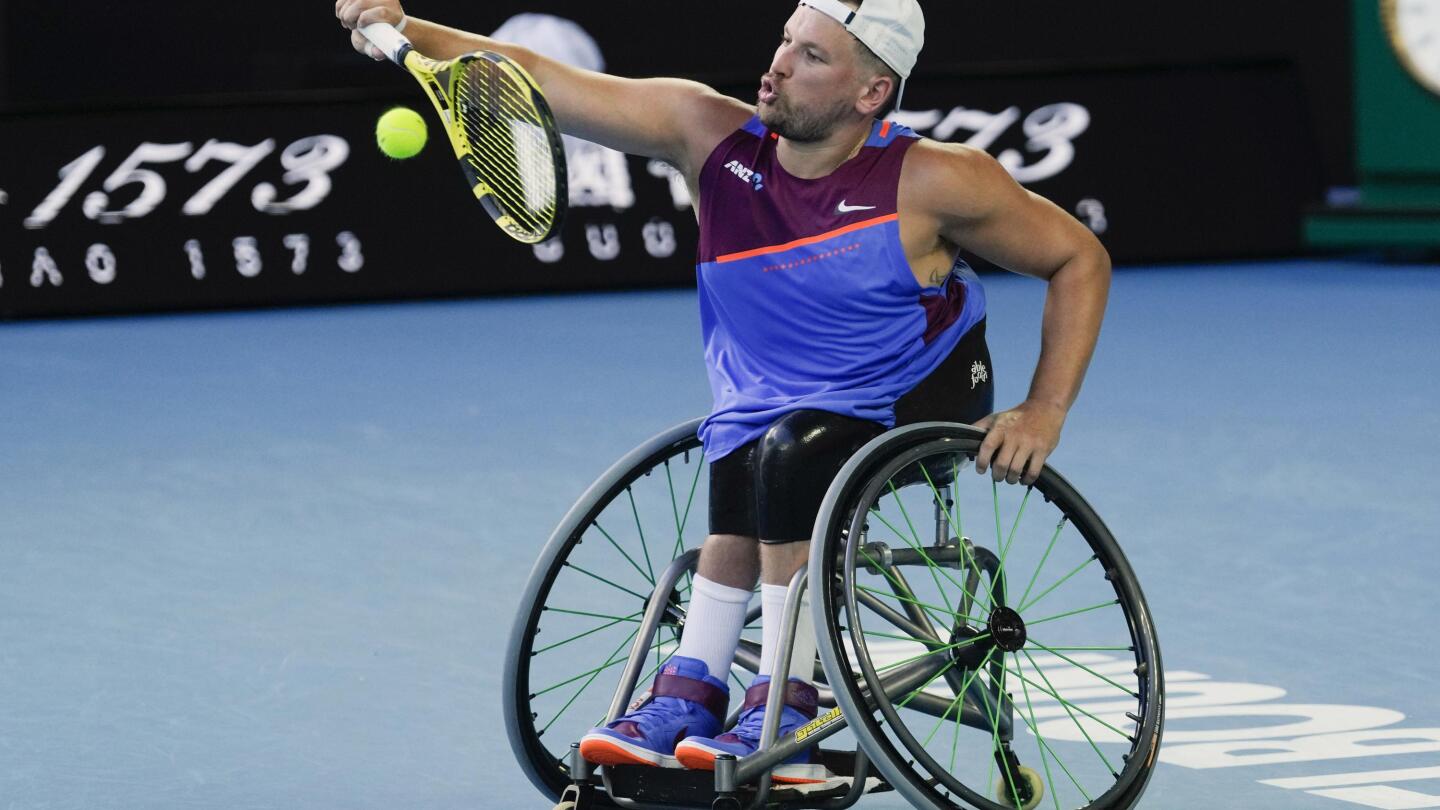
Horse trainer, wheelchair athlete to attend royal funeral
CANBERRA, Australia — In a significant gesture of inclusivity, Australian Prime Minister Anthony Albanese revealed on Tuesday that his official delegation to Queen Elizabeth II’s funeral will feature a diverse group of individuals, including racehorse trainer Chris Waller and wheelchair tennis champion Dylan Alcott. These two prominent figures are part of a contingent of 10 ‘everyday Australians’ selected to represent the nation at the state funeral scheduled for Monday at Westminster Abbey in London. Albanese emphasized that the inclusion of these citizens was a specific request from the British royal family, aiming to honor individuals who have made substantial contributions to their local communities.