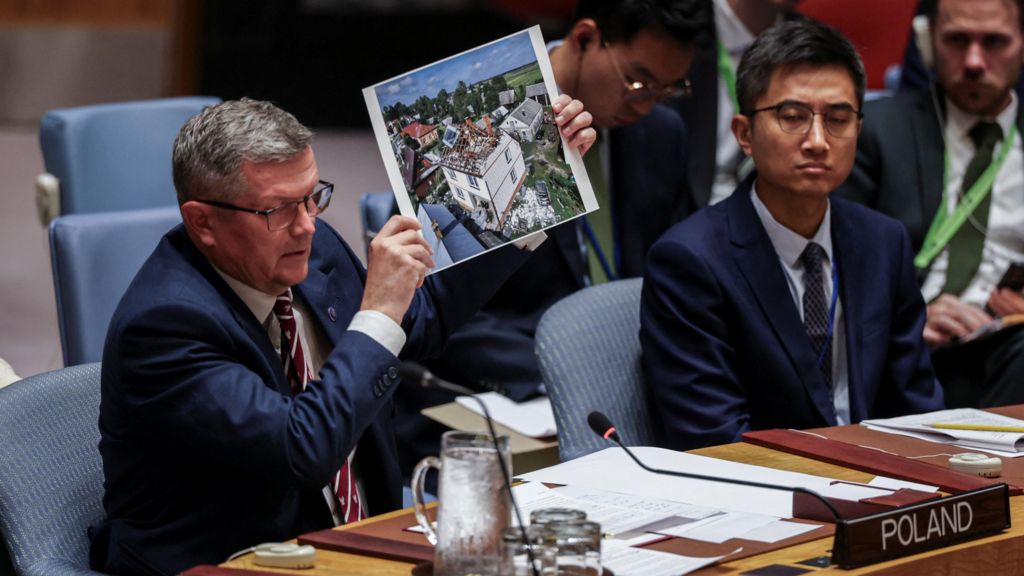
In a dramatic escalation of tensions, Poland has accused Russia of a deliberate incursion after more than a dozen drones breached Polish airspace on Wednesday. The incident, described as the most serious of its kind since Russia’s full-scale invasion of Ukraine began in February 2022, has prompted a swift response from Nato allies. Denmark, France, and Germany have pledged military support, including fighter jets and warships, to strengthen the alliance’s eastern flank. Other Nato members are expected to follow suit in the coming days.
分类: politics
-
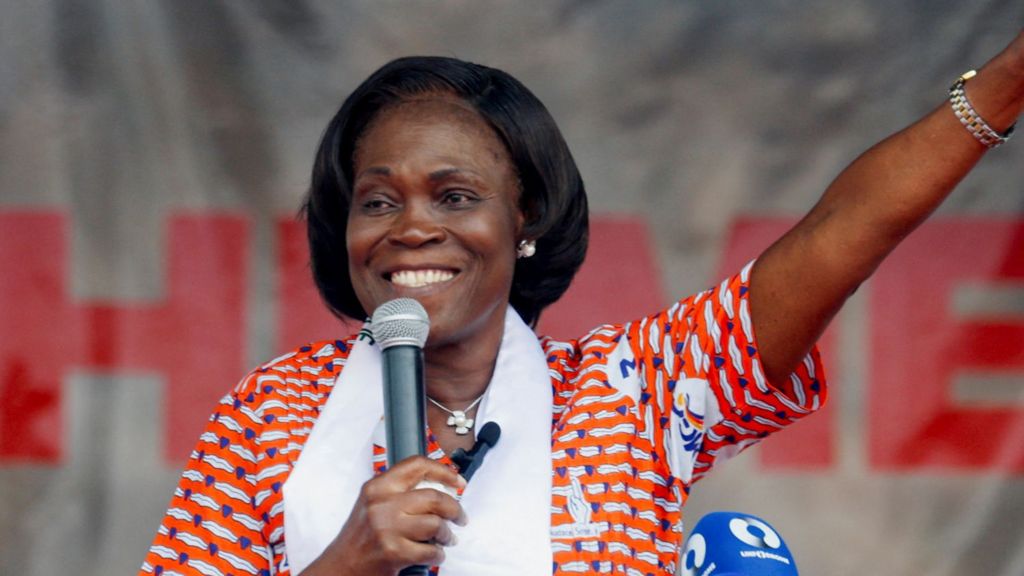
Ivory Coast’s ‘iron lady’ – from hiding in a bunker to presidential hopeful
In a dramatic political resurgence, former Ivory Coast First Lady Simone Gbagbo has announced her candidacy for the upcoming presidential election, marking a significant turn in her tumultuous career. Once a fugitive hiding in a bunker to evade arrest, Gbagbo, now 76, has emerged as a defiant contender, promising to modernize and revitalize the nation. Her journey from the shadows of her ex-husband Laurent Gbagbo’s presidency to the forefront of Ivorian politics is a testament to her resilience and ambition. Known as the ‘Iron Lady’ for her steely demeanor, Gbagbo has long been a polarizing figure in Ivory Coast’s political landscape. Her tenure as first lady from 2000 to 2011 was marked by her influential role in her husband’s administration, where she was both revered and feared. Despite a criminal conviction and a highly publicized divorce, Gbagbo has methodically rebuilt her political base, founding the leftist Movement of Capable Generations (MGC) and positioning herself as a formidable challenger to incumbent President Alassane Ouattara. Her candidacy is not only a political milestone but also a symbolic one, as she seeks to become Ivory Coast’s first female president. Gbagbo’s campaign, fueled by her powerful rhetoric and extensive political experience, has garnered significant attention, particularly among her ex-husband’s supporters, who have been barred from backing Laurent due to his ineligibility. As the election approaches, all eyes are on Simone Gbagbo, whose potential victory would mark a historic chapter in Ivory Coast’s turbulent political history.
-
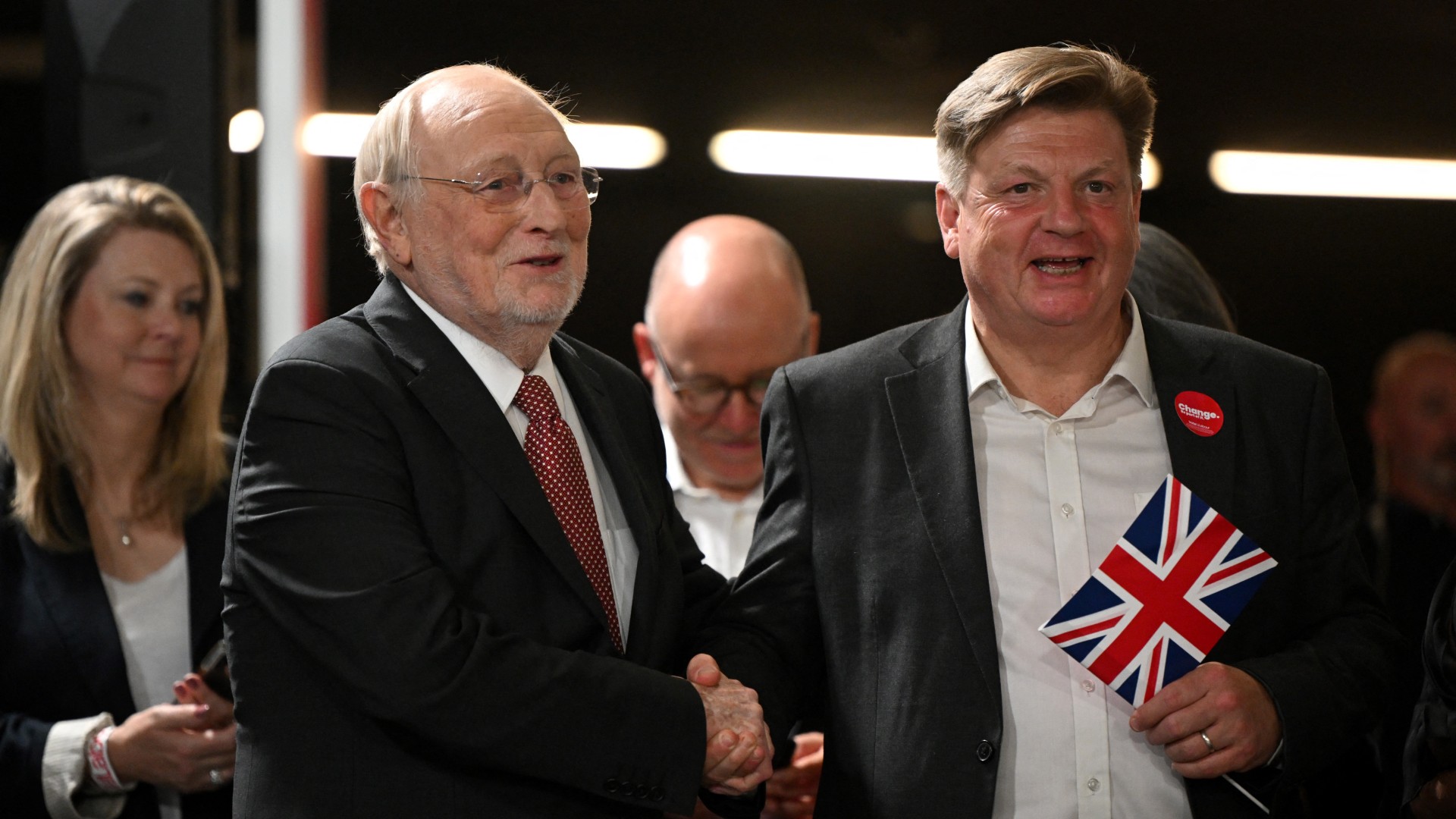
Exclusive: Neil Kinnock says Palestine Action are not terrorists in split with Starmer
In a rare public dissent, former Labour Party leader Neil Kinnock has openly criticized Prime Minister Keir Starmer’s decision to designate Palestine Action as a terrorist organization. Speaking exclusively to Middle East Eye, Kinnock argued that the move has weakened Britain’s anti-terror laws by conflating activism with terrorism. Palestine Action, a group advocating for an end to Israel’s military operations in Gaza, was proscribed on July 4 after its activists vandalized RAF Brize Norton air base. The designation places the group alongside notorious organizations like al-Qaeda and ISIS, making support for it punishable by up to 14 years in prison. Kinnock, who abstained from voting on the proscription in the House of Lords, emphasized that protesting against the dire situation in Gaza does not equate to terrorism. He also expressed concern over the mass arrests of nearly 900 demonstrators in London, including elderly individuals and Holocaust survivors’ relatives, on terrorism charges. The Labour government, however, has defended its decision, with Home Secretary Shabana Mahmood praising the Metropolitan Police’s handling of the protests. The controversy has exposed a significant divide within Labour ranks, with only 10 MPs voting against the proscription in the House of Commons. Meanwhile, the humanitarian crisis in Gaza continues to escalate, with over 64,000 Palestinians killed since October 2023 and famine declared by the UN-backed global hunger monitor. While Kinnock acknowledged Israel’s war crimes in Gaza, he refrained from labeling the conflict as genocide, citing the need for legal proof. The ongoing war has drawn international condemnation, with Israel facing charges of genocide at the International Court of Justice. Despite Hamas’s acceptance of a US-backed ceasefire proposal, Israel’s recent failed airstrike on Doha has further complicated efforts to end the conflict. Kinnock commended Israeli protesters for their courage in opposing Prime Minister Benjamin Netanyahu, who is wanted by the International Criminal Court for war crimes.
-
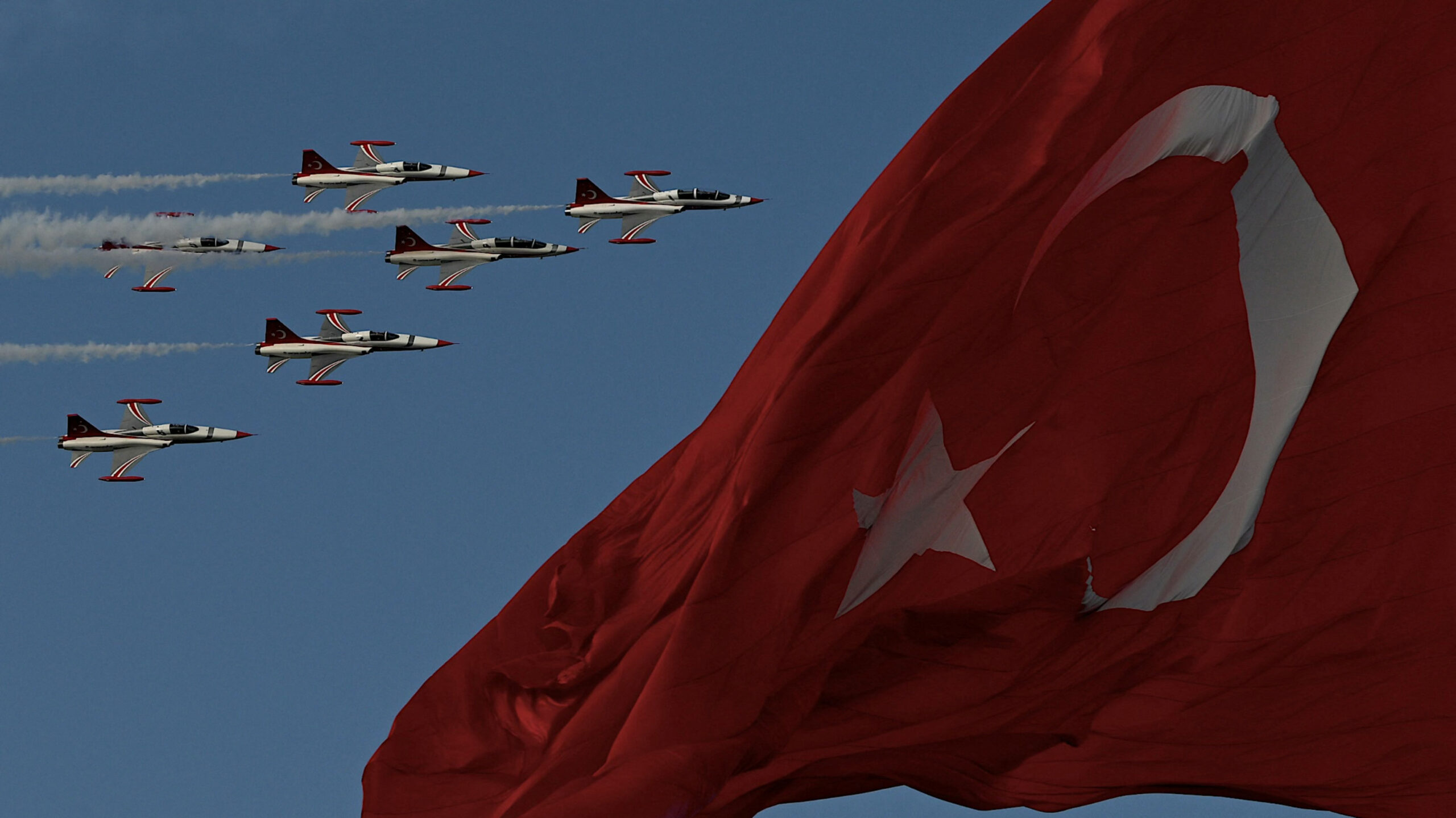
‘For peace, prepare for war’: How Turkey sees Israel’s attack on Qatar
Israel’s recent daylight strike on Hamas leadership in Doha has sent shockwaves across the Gulf region, validating Turkey’s long-standing warnings about Israel’s willingness to disregard international norms and sovereignty. Turkish Foreign Minister Hakan Fidan has repeatedly highlighted Israel’s expansionist strategy, which many Gulf states believed would be restrained by U.S. security guarantees, particularly in Qatar, home to a major U.S. military base. However, the strike has underscored the limits of such assumptions. Turkey, a close ally of Qatar, swiftly condemned the attack, with President Recep Tayyip Erdogan pledging joint steps with Qatar in response. Despite this, Turkey’s options remain constrained, given its modest military presence in Doha and Qatar’s multi-layered security framework involving the U.S., the UK, and the Gulf Cooperation Council. The incident has exacerbated tensions between Turkey and Israel, raising concerns about potential confrontation. In response, Turkey has heightened its air patrols and accelerated defense investments, including the development of advanced missile and air defense systems. While Turkey remains cautious, officials emphasize that any violation of its airspace would provoke a decisive response. Despite the escalating rhetoric, both nations are likely to manage tensions through U.S. mediation and established intelligence channels.
-
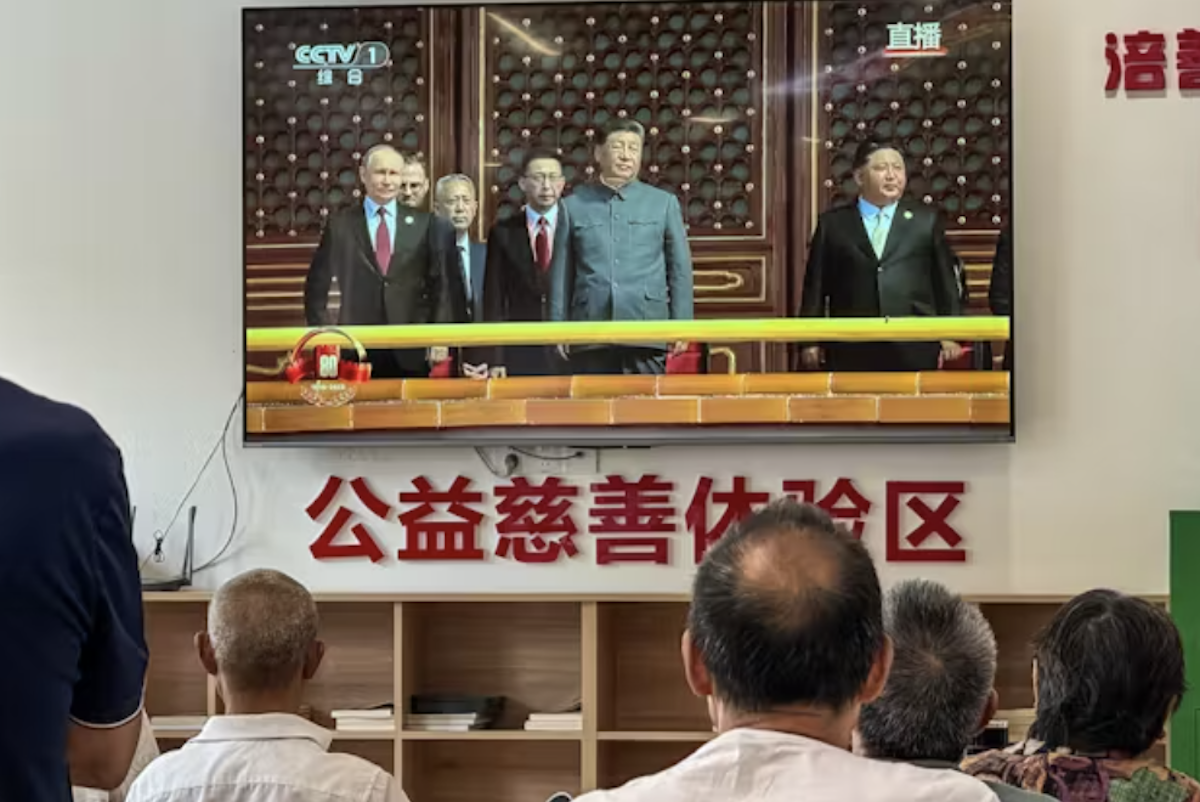
A new world order isn’t coming–it’s already here
On September 3, 2025, China commemorated the 80th anniversary of its victory over Japan with a meticulously orchestrated event showcasing its military prowess. The spectacle, attended by 26 world leaders, reignited discussions in Western media about the emergence of a China-centric ‘new world order,’ potentially replacing the US-dominated ‘rules-based order.’ This event underscored China’s growing influence on the global stage, prompting geopolitical analysts to argue that the transition to a new world order is already underway, albeit in a state of flux. Historically, global dominance has shifted from the British Empire (1815–1880) to the bipolar Cold War era (1945–1991) and the unipolar US-led order post-1991. However, the US’s global position has been challenged by events such as the 2008 financial crisis, the war on terrorism, and the rise of economic nationalism. Today, a multipolar world is emerging, with the US, China, and Europe as key players. China, under Xi Jinping, is actively pursuing a Sino-centric order, forming alliances with nations like Russia, while Europe is remilitarizing to address regional threats. Despite their strengths, all three power centers face internal challenges, including economic stagnation, aging populations, and political instability. The Global South, comprising nations like Brazil, India, and Indonesia, remains a fluid bloc, hedging between major powers. As the world navigates this transitional phase, questions arise about the durability of alliances, the management of internal crises, and the potential for cooperation on global issues like climate change. The hope is that the transition to a new world order will occur peacefully, avoiding outright conflict.
-
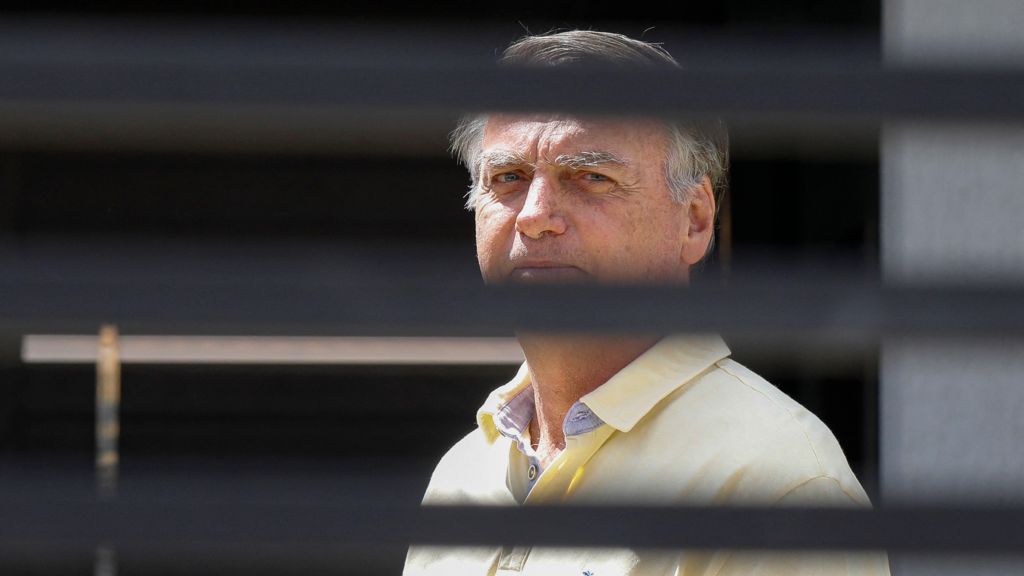
From political outsider to a president like no other: Bolsonaro’s rise and fall
In a landmark ruling, Brazil’s Supreme Court has convicted former President Jair Bolsonaro of orchestrating a coup attempt, sentencing him to over 27 years in prison. The verdict marks a dramatic fall from grace for Bolsonaro, whose political career was once propelled by his outsider image and a shocking assassination attempt during his 2018 campaign. Despite his conviction, Bolsonaro remains a polarizing figure, with allies pushing for amnesty and his influence still looming over Brazil’s political landscape. Bolsonaro’s rise to power in 2018 was fueled by widespread disillusionment with Brazil’s political establishment, exacerbated by years of economic turmoil, corruption scandals, and the imprisonment of former President Luiz Inácio Lula da Silva. Bolsonaro capitalized on this discontent, rallying a coalition of conservative evangelicals, far-right militants, and frustrated middle-class voters. His presidency, marked by pro-business policies, environmental deregulation, and controversial handling of the COVID-19 pandemic, drew both domestic and international criticism. Bolsonaro’s relationship with Brazil’s Supreme Court was particularly contentious, culminating in his refusal to accept the 2022 election results, which saw Lula narrowly defeat him. In the aftermath, Bolsonaro’s supporters stormed government buildings in Brasília, echoing the U.S. Capitol attack. Investigations revealed plans to overturn the election and even assassinate Lula and Supreme Court Justice Alexandre de Moraes. Bolsonaro, now barred from public office until 2060, faces an uncertain future as his allies seek amnesty and potential pardons. The case underscores Brazil’s fragile democracy and the enduring divisions within its society.
-
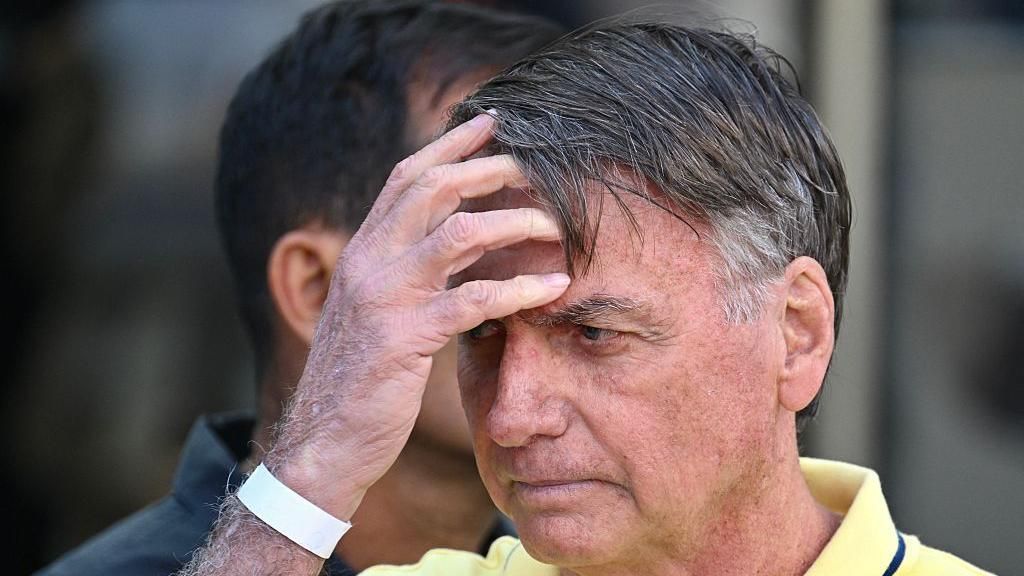
Bolsonaro sentenced to 27 years in prison for plotting Brazil coup
In a landmark ruling that has sent shockwaves through Brazil and beyond, former President Jair Bolsonaro has been sentenced to 27 years and three months in prison for orchestrating a military coup to retain power after his 2022 election defeat. The verdict, delivered by a panel of five Supreme Court justices, marks a pivotal moment in Brazil’s democratic history. Four justices found Bolsonaro guilty of leading a conspiracy to undermine the electoral process, while one dissented, calling the charges unfounded. Bolsonaro’s legal team has denounced the sentence as “absurdly excessive” and vowed to appeal, though legal experts suggest the odds are slim. The court also barred Bolsonaro from holding public office until 2060, effectively ending his political career. Bolsonaro, who was placed under house arrest prior to the trial, did not attend the proceedings but has repeatedly dismissed the case as a politically motivated “witch hunt.” His claims have found resonance with former U.S. President Donald Trump, who likened the trial to his own legal battles, calling the verdict “very surprising.” U.S. Secretary of State Marco Rubio criticized the ruling as unjust, prompting a swift rebuke from Brazil’s foreign ministry, which defended the independence of its judiciary. The trial revealed chilling details of Bolsonaro’s alleged plot, including attempts to assassinate his political rival, Luiz Inácio Lula da Silva, and a Supreme Court justice. While the coup attempt ultimately failed, it culminated in the storming of government buildings by Bolsonaro’s supporters in January 2023, a stark reminder of the fragility of Brazil’s democracy. Justice Alexandre de Moraes, who presided over the trial, warned that Brazil had narrowly avoided a return to authoritarianism, drawing parallels to the country’s 20-year military dictatorship. The case has reignited debates about the resilience of democratic institutions in the face of rising authoritarianism, with Justice Cármen Lúcia likening the coup plot to a “virus” that threatens societal stability. As Bolsonaro faces the prospect of spending the rest of his life in prison, the ruling underscores the enduring struggle to safeguard democracy in Brazil and beyond.
-
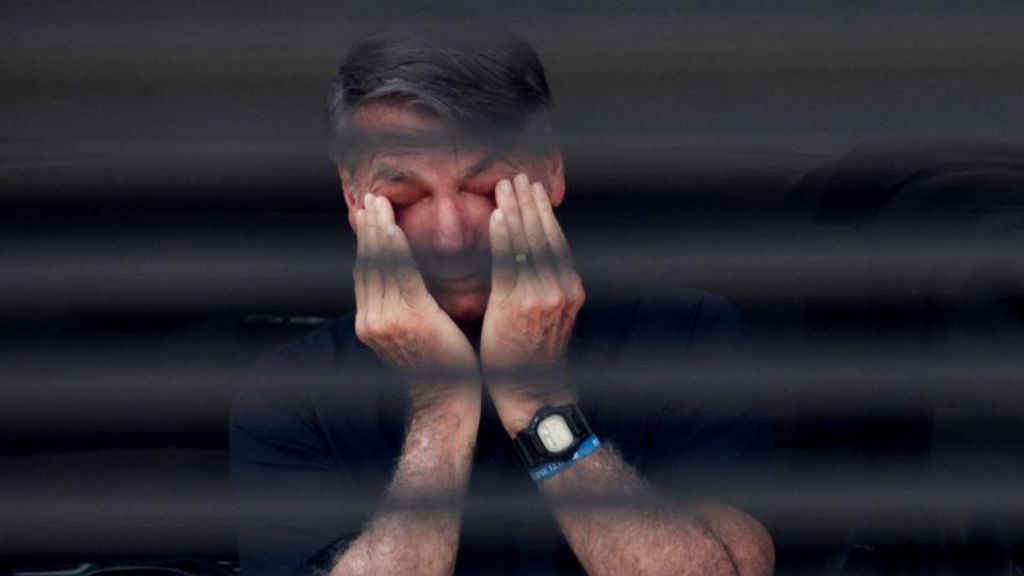
Bolsonaro sentenced to 27 years in jail – what you need to know
Former Brazilian President Jair Bolsonaro has been sentenced to 27 years and three months in prison after being found guilty of orchestrating a coup attempt to overturn his 2022 election loss to Luiz Inácio Lula da Silva. The verdict, delivered by Brazil’s Supreme Court, concluded that Bolsonaro led a conspiracy involving plans to assassinate Lula and his vice-presidential running mate, Geraldo Alckmin, as well as to arrest and execute Supreme Court Justice Alexandre de Moraes, who oversaw the trial. The plot failed due to lack of support from military leaders, allowing Lula to be inaugurated on January 1, 2023. However, a week later, Bolsonaro’s supporters stormed government buildings in Brasília, leading to over 1,500 arrests. The court found that Bolsonaro incited the rioters, hoping the military would intervene and restore him to power. Bolsonaro, who denies all charges, claims the trial is a politically motivated ‘witch hunt’ aimed at preventing his 2026 presidential run. He is currently under house arrest, pending appeals, and barred from public office until 2030. The case has drawn international attention, with former U.S. President Donald Trump comparing Bolsonaro’s legal battles to his own and criticizing the verdict. Seven of Bolsonaro’s allies were also convicted for their roles in the conspiracy. Bolsonaro’s presidency, marked by controversy over his handling of COVID-19 and environmental policies, continues to polarize Brazil.
-
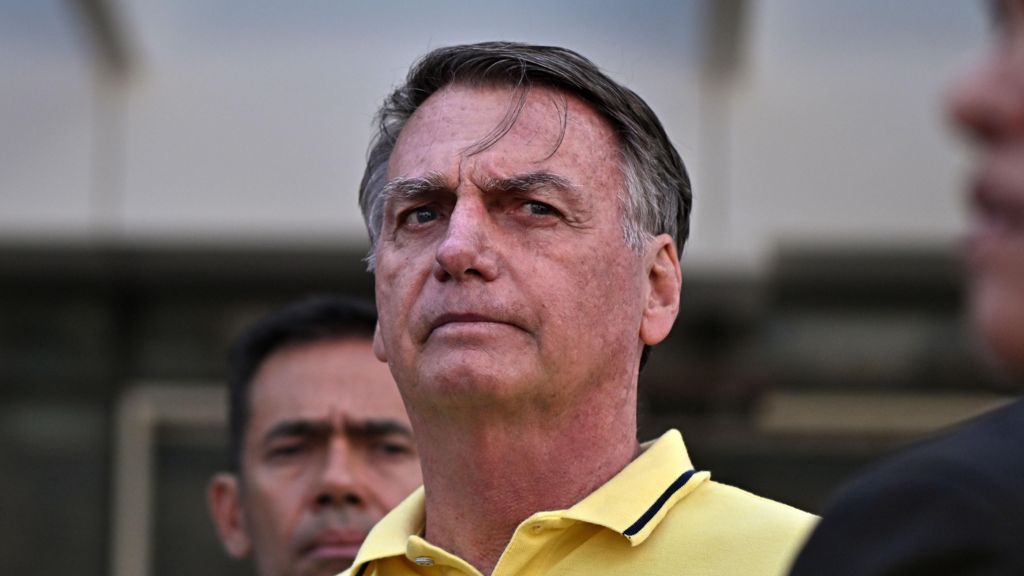
Bolsonaro’s coup trial gripped Brazil – and his conviction will divide the country
In a landmark ruling that has sent shockwaves across Brazil, former President Jair Bolsonaro has been found guilty of orchestrating a coup attempt and leading an armed criminal group following his defeat in the last election. The verdict, delivered by four out of five Supreme Court justices, sentences Bolsonaro to 27 years in prison. This decision marks a pivotal moment in Brazil’s political history, as it addresses the violent aftermath of the 2022 election, which saw Bolsonaro’s supporters storm government buildings in a manner reminiscent of the U.S. Capitol riots on January 6, 2021. The trial, which captivated the nation through live broadcasts, revealed chilling details, including a plan drafted by Bolsonaro’s allies to assassinate President-elect Luiz Inacio ‘Lula’ da Silva and Supreme Court Judge Alexandre de Moraes. Despite Bolsonaro’s absence from the courtroom, citing health issues, his lawyer vehemently denied his involvement in the plot and the riots. The ruling has further polarized the country, with Bolsonaro’s supporters decrying it as political persecution and his critics hailing it as a necessary step to safeguard democracy. As Bolsonaro contemplates an appeal and potential house arrest, the future of his punishment remains uncertain, with his party in Congress pushing for amnesty legislation.
-
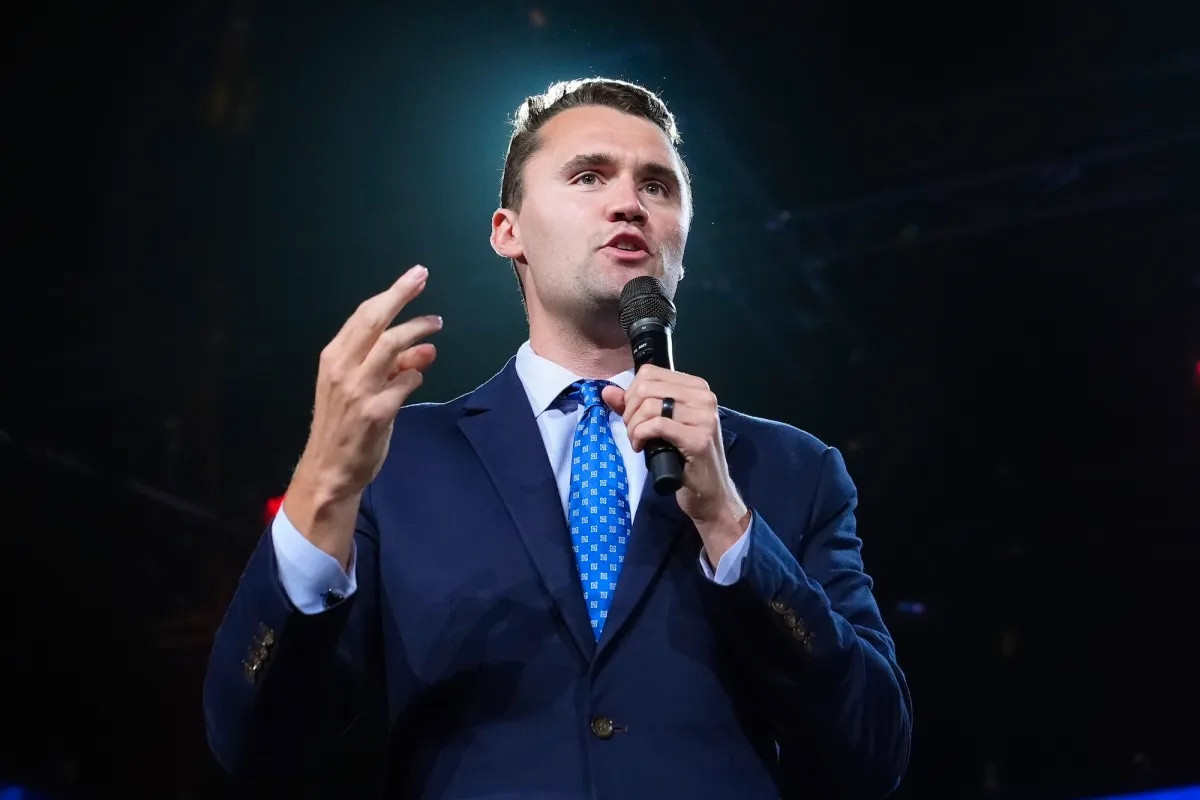
Charlie Kirk killing no cause for a US civil war
Charlie Kirk, the prominent conservative commentator and founder of Turning Point USA, was tragically assassinated during a live debate in Utah. The shocking incident has sent ripples across the political landscape, with the perpetrator still at large. FBI Director Kash Patel initially announced the suspect’s apprehension but later retracted the statement, confirming that the investigation remains ongoing. The motive behind the assassination remains unclear, fueling widespread speculation and division. Potential motives range from political extremism to personal vendettas, with Kirk having faced criticism from both the far-left and far-right factions. His conservative stance had drawn ire from progressive groups, while white supremacist factions, known as ‘groypers,’ had also targeted him for not being sufficiently aligned with their ideologies. The lack of clarity has not stopped political figures from attributing the act to their ideological opponents, with some right-wing influencers calling for extreme measures, including a violent purge of the Democratic Party. This rhetoric has drawn comparisons to historical events like the Reichstag fire, which Hitler used to justify fascism in Germany. Social media has amplified the chaos, with anonymous users on both sides of the political spectrum celebrating or condemning the assassination. Platforms like X and Bluesky have become breeding grounds for divisive content, with bots and foreign actors exacerbating tensions. Despite calls for unity from prominent politicians, the online discourse remains toxic, with many fearing that the incident could escalate into broader political violence. The assassination has highlighted the dangers of unchecked extremism and the role of social media in polarizing society. As the investigation continues, the nation grapples with the implications of this tragic event and the potential for further unrest.