分类: politics

  • Colombian president calls for transparency, participation as legislative elections kick off

    Colombian president calls for transparency, participation as legislative elections kick off

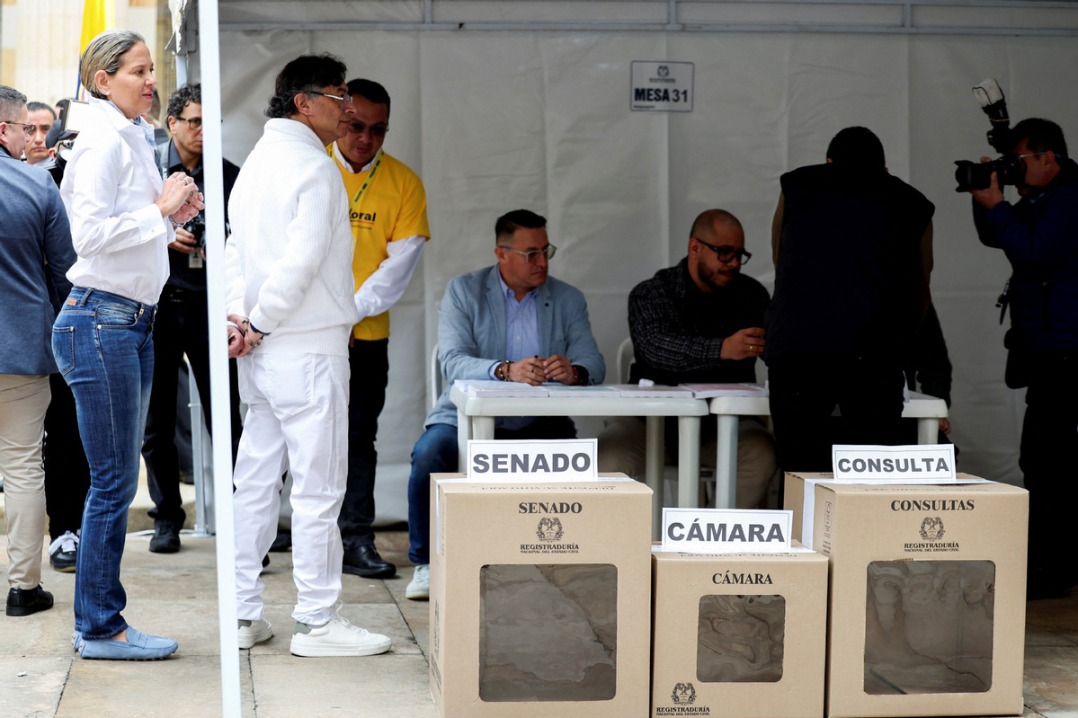
    BOGOTA – As Colombia commenced its pivotal legislative elections on Sunday, President Gustavo Petro issued a compelling appeal for enhanced electoral transparency and robust citizen engagement. The president, accompanied by First Lady Veronica Alcocer, cast his ballot at a polling station within the Congressional building, using the occasion to champion significant reforms to the nation’s electoral oversight system.

    President Petro formally urged electoral authorities to transition election auditing responsibilities from private contractors to state-controlled mechanisms. This proposed shift aims to establish greater institutional accountability and reduce external influences in the electoral process.

    Emphasizing law enforcement’s critical role, Petro revealed that the National Police had intercepted approximately 4 billion pesos (over one million US dollars) allegedly intended for voter coercion among economically vulnerable populations. The president characterized this substantial seizure as merely ‘a tiny amount compared to what we know,’ suggesting widespread attempts to undermine electoral integrity.

    Petro directly connected electoral crimes to powerful criminal networks involved in drug trafficking and illegal mining operations, describing them as ‘mafias that take over institutions’ that threaten democratic foundations.

    The Colombian leader called upon citizens to actively participate as election observers nationwide, stating that genuine ‘democratic culture’ and ‘democratic soul’ must precede the establishment of truly democratic institutions. His remarks highlighted the philosophical underpinnings of his administration’s electoral integrity campaign.

    With over 41 million eligible voters participating across 13,746 domestic and international voting centers, Sunday’s elections carried significant weight beyond legislative representation. The simultaneous primaries conducted by Colombia’s three major political blocs—right, center, and left—would determine presidential candidates for the upcoming electoral cycle, making citizen participation particularly consequential for the nation’s political trajectory.
  • Highlights of foreign minister’s news conference

    Highlights of foreign minister’s news conference

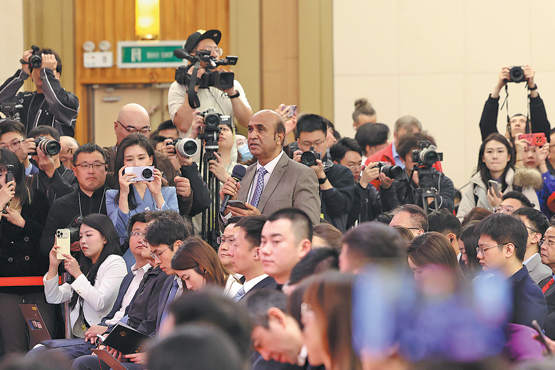
    Foreign Minister Wang Yi articulated China’s strategic foreign policy positions during a press conference held alongside the National People’s Congress session in Beijing on Sunday. The comprehensive briefing covered critical international relationships and global governance challenges.

    Regarding China-Russia relations, Minister Wang characterized the partnership as “rock solid against all odds,” emphasizing strategic independence, profound political mutual trust, and close coordination between the two nations. He described the relationship as possessing strong strategic resilience that enables it to withstand external pressure and instigation.

    On Middle Eastern affairs, the Foreign Minister cautioned that “might does not make right,” asserting that military force provides no sustainable solutions to regional conflicts. He emphasized that Middle Eastern people should determine their own affairs independently, without external interference through color revolutions or regime change attempts.

    Minister Wang presented China’s Global Governance Initiative as essential to strengthening the United Nations system, warning that creating parallel structures or exclusive blocs outside the UN framework proves unpopular and unsustainable. He called for broader international participation in revitalizing the UN to enhance its effectiveness.

    Addressing neighborhood diplomacy, Wang Yi highlighted China’s traditional cultural emphasis on good neighborliness and mutual assistance. He positioned China as an anchor for regional security, an engine for development prosperity, and a champion of shared Asian values.

    The Foreign Minister identified the Global South as an emerging positive force in international relations, stressing that multilateralism remains vital for these nations. He affirmed China’s fundamental alignment with Global South interests, noting that international rules should be formulated through inclusive participation.

    Regarding European relations, Wang challenged protectionist approaches, stating that “interdependence is not a risk” and “intertwined interests are not threats.” He welcomed European engagement with China’s market opportunities rather than building isolationist barriers.

    On the Palestinian question, the Minister reaffirmed China’s support for the two-state solution as the only equitable and widely recognized resolution. He emphasized the Palestinian people’s legitimate right to peace and development free from turmoil and conflict.

    The press conference also covered China’s relationships with Latin America, Africa, Japan, India, and addressed specific regional issues including the South China Sea and Taiwan. Minister Wang consistently emphasized principles of non-interference, mutual benefit, and peaceful resolution of disputes throughout his responses.

  • National law to boost ethnic progress, unity

    National law to boost ethnic progress, unity

    China is advancing comprehensive national legislation designed to foster ethnic progress and reinforce national unity, with deliberations currently underway during the National People’s Congress (NPC) annual session. The proposed legal framework aims to enhance safeguards for ethnic minority communities while promoting social cohesion across the country’s diverse population.

    Zhang Qiongli, an NPC deputy representing the Tujia ethnic group, emphasized the powerful unifying role of sports in bridging cultural divides. Speaking outside Beijing’s Great Hall of the People following the legislative session’s opening, the educator from Hubei province’s Enshi Tujia and Miao Autonomous Prefecture highlighted successful local initiatives that have effectively brought together China’s 56 ethnic groups.

    The deputy specifically referenced the enormously popular “EnBA” basketball tournament in her home prefecture, which has evolved beyond conventional athletic competition into a vibrant cultural platform. “This tournament represents far more than basketball,” Zhang explained. “It has become a dynamic stage for showcasing our unique ethnic heritage through traditional performances during games, while simultaneously strengthening understanding and exchanges between different ethnic communities.”

    Zhang’s advocacy centers on expanding support for similar sports events in ethnic regions, recognizing their dual capacity for cultural preservation and community building. The proposed national legislation would institutionalize such approaches, creating structured mechanisms for ethnic cultural expression while reinforcing what officials term “the sense of Chinese national community.”

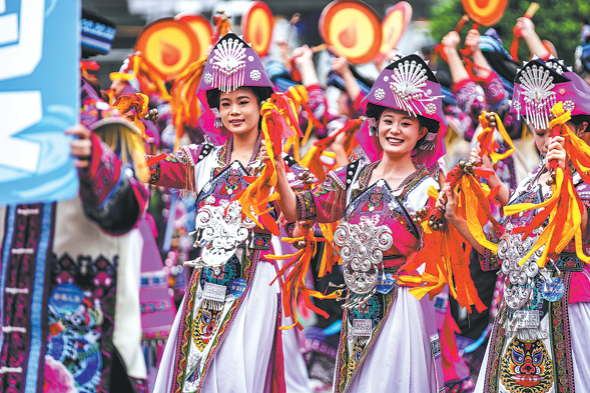
    The legislative move occurs alongside various cultural demonstrations across China, including a recent multi-ethnic parade in Guiyang, Guizhou province, where approximately 3,600 participants showcased diverse cultural traditions, intangible cultural heritage, and regional tourism experiences. These parallel developments underscore the government’s comprehensive approach to ethnic relations, combining policy measures with grassroots cultural and athletic initiatives.

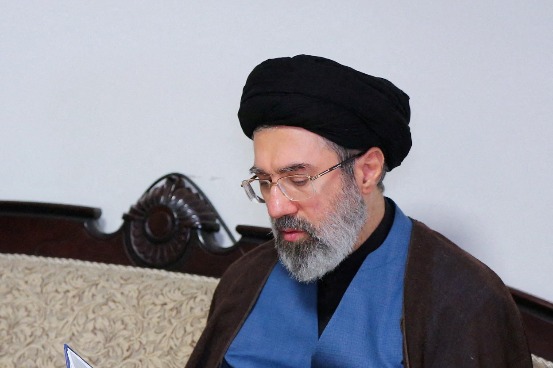
  • Mojtaba Khamenei, son of Ali Khamenei, selected as Iran’s new supreme leader

    Mojtaba Khamenei, son of Ali Khamenei, selected as Iran’s new supreme leader

    TEHRAN – In a landmark decision that will shape Iran’s political future, the country’s Assembly of Experts formally announced the election of Mojtaba Khamenei as the Islamic Republic’s third Supreme Leader on Sunday. The announcement concludes a critical succession process triggered by the death of former leader Ali Khamenei.

    The clerical body confirmed the appointment through an official statement, highlighting the “decisive vote of the respected representatives” that resulted in Mojtaba Khamenei’s ascension to Iran’s highest authority position. The 57-year-old assumes leadership during a period of significant regional tension and domestic challenges.

    The transition follows the death of the previous Supreme Leader, Ali Khamenei, who was killed during joint U.S.-Israeli military strikes across Iran on February 28. The unprecedented attack created a power vacuum that required immediate resolution according to Iran’s constitutional procedures.

    Mojtaba Khamenei, born in 1969, has maintained a relatively low public profile compared to other political figures but has been widely regarded as a influential behind-the-scenes operator within Iran’s power structure. His selection represents continuity in the Islamic Republic’s leadership while positioning a new generation to guide the nation’s religious and political direction.

    The Supreme Leader wields ultimate authority over Iran’s foreign policy, military operations, and religious matters, making this transition particularly significant for regional stability and international relations. The Assembly of Experts, composed of 88 Islamic scholars, conducted the selection process in accordance with Iran’s constitutional framework governing leadership succession.

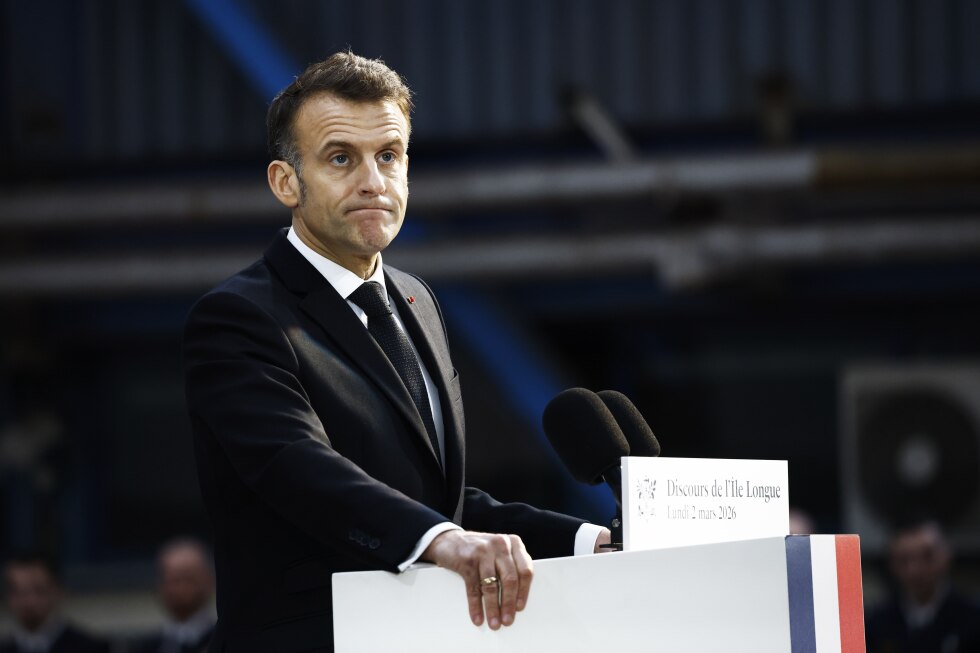
  • Europe rallies around Cyprus during Iran war as Macron visits to show support for island

    Europe rallies around Cyprus during Iran war as Macron visits to show support for island

    French President Emmanuel Macron embarked on a diplomatic mission to Cyprus on Monday, following his decision to deploy advanced military assets to the Eastern Mediterranean. This strategic move comes in response to a recent Shahed drone attack on a British air base in Cyprus, marking the first such incident on European territory.

    The French frigate Languedoc has been dispatched to waters surrounding Cyprus to enhance the island nation’s anti-drone and anti-missile capabilities. Additionally, Macron has authorized the deployment of ground-based defense systems to further fortify Cyprus’ security. The nuclear-powered aircraft carrier Charles de Gaulle is expected to join these forces in the coming days.

    During his visit, Macron will convene with Cypriot President Nikos Christodoulides and Greek Prime Minister Kyriakos Mitsotakis at Cyprus’ primary air base, where four Greek F-16 fighter jets have been stationed. The leaders aim to strengthen regional security coordination among European partners.

    Macron has maintained active diplomatic engagement, including discussions with Iranian President Massoud Pezechkian on Sunday, urging restraint to prevent further escalation in the Middle East. Cypriot officials confirmed the intercepted drone originated from Lebanon, with speculation pointing to Hezbollah, Iran’s proxy group, as the likely perpetrator.

    Despite the military reinforcement, all parties have emphasized their commitment to preventing conflict expansion. Christodoulides has repeatedly stated that Cyprus will not participate in any military operations. The Lebanese government has condemned the attack and ordered security agencies to crack down on non-state groups conducting such operations.

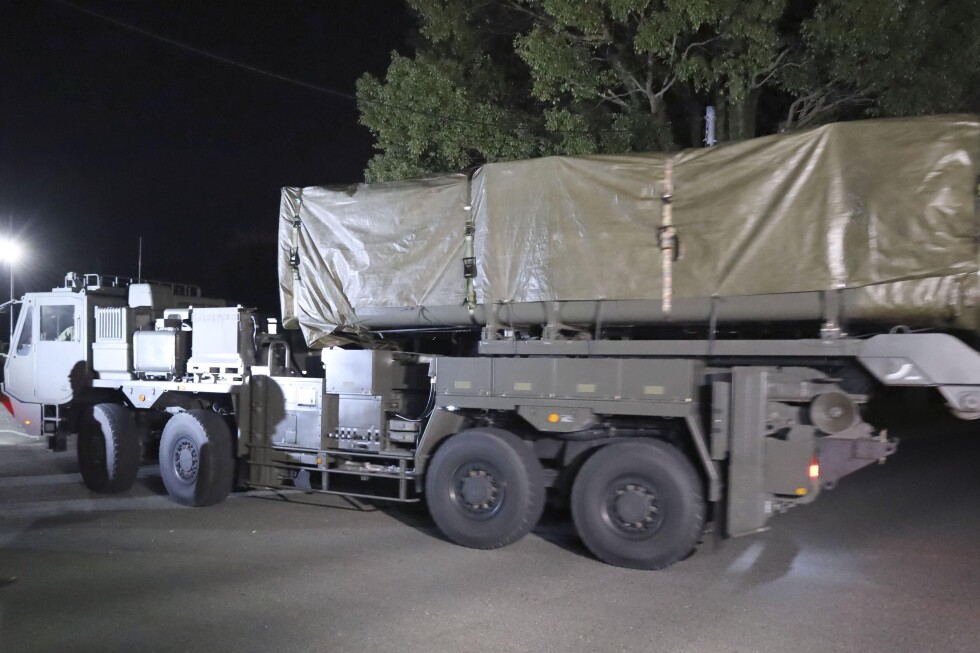
  • Japan prepares for deployment of its first home-developed long-range missile

    Japan prepares for deployment of its first home-developed long-range missile

    Japan has initiated the deployment of its first domestically developed long-range missiles, marking a significant escalation in the nation’s offensive military capabilities. The advanced Type-12 land-to-ship missiles, manufactured by Mitsubishi Heavy Industries, began arriving at Camp Kengun in Kumamoto Prefecture during a covert midnight operation that drew immediate local protests.

    The deployment, confirmed by Chief Cabinet Secretary Minoru Kihara, will be completed by March’s end. The move comes as Japan accelerates its military modernization timeline by one year in response to growing regional security concerns, particularly regarding China’s activities around Taiwan.

    The newly upgraded missiles represent a substantial capability enhancement, with an operational range extending to approximately 1,000 kilometers (620 miles)—a fivefold increase over the original 200-kilometer version. This extended range places mainland China within striking distance, fundamentally altering Japan’s defensive posture.

    Local opposition has been vocal, with dozens of protesters gathering outside the military camp holding banners that read ‘Stop long-range missile deployment.’ Kumamoto Governor Takashi Kimura expressed frustration over the lack of transparency, noting his administration learned of the deployment through media reports rather than official channels.

    Defense Minister Shinjiro Koizumi has outlined additional deployment plans, with Camp Fuji in Shizuoka scheduled to receive the missiles later this year. Further military enhancements include deploying midrange surface-to-air missiles on Yonaguni Island, located just east of Taiwan, by March 2031.

    The military expansion aligns with Prime Minister Sanae Takaichi’s stated policy that Chinese military action against Taiwan could warrant Japanese response. Her administration is pursuing comprehensive defense reforms, including developing unmanned combat systems and potentially lifting restrictions on lethal arms exports to strengthen international defense cooperation.

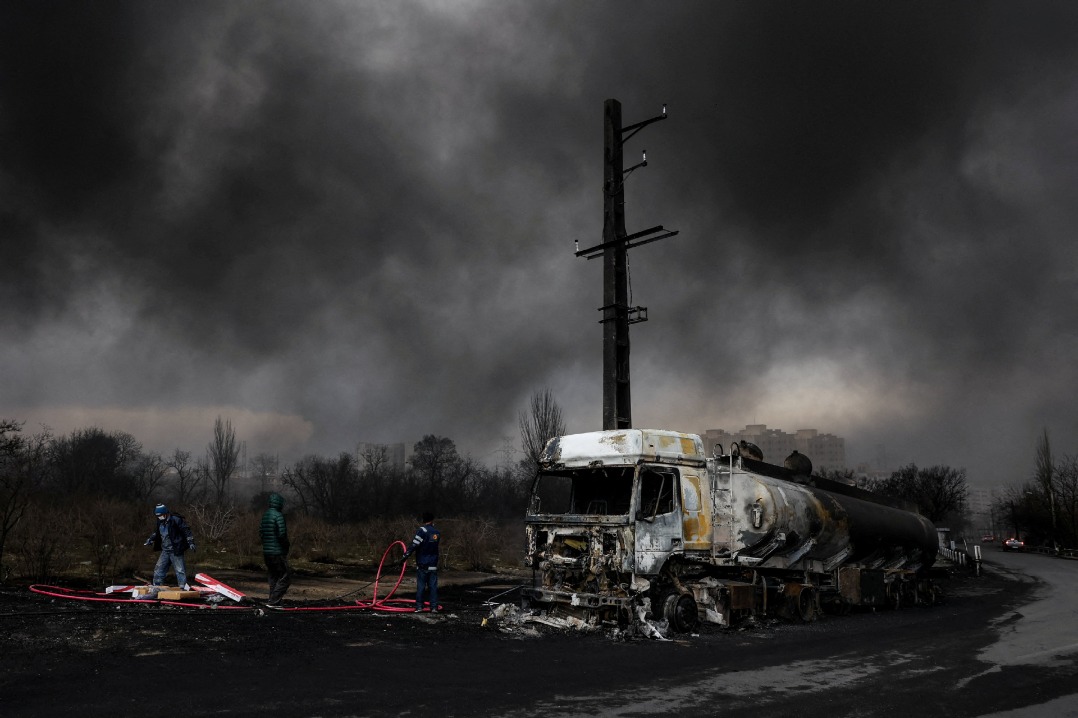
  • Iran threatens regional retaliation if fuel facilities attacked again

    Iran threatens regional retaliation if fuel facilities attacked again

    Iran’s Khatam al-Anbiya Central Headquarters issued a stark warning on Sunday, threatening retaliatory measures across the region if attacks on its fuel and energy facilities persist. The declaration came in response to coordinated US-Israeli strikes that targeted multiple fuel storage sites in Tehran and Alborz province on Saturday night, causing temporary disruptions to fuel supplies and raising significant environmental health concerns.

    Spokesman Ebrahim Zolfaghari, addressing reporters through the Iranian Students’ News Agency, accused the United States and Israel of conducting ‘brutal assaults’ against Iran’s critical energy infrastructure and civilian service centers. He emphasized that these actions represented unacceptable aggression against both national assets and civilian populations.

    Zolfaghari called upon Muslim nations throughout the region to intervene and pressure Washington and Jerusalem to cease their ‘cowardly and inhumane operations.’ He delivered an unequivocal ultimatum: ‘Should these attacks continue, parallel retaliatory actions will be implemented across the region. If Western powers believe they can withstand oil prices exceeding $200 per barrel, they may proceed with this dangerous game.’

    This escalation follows the devastating February 28 joint operations by Israeli and American forces that struck multiple Iranian cities, resulting in the death of Supreme Leader Ali Khamenei, several family members, senior military officials, and numerous civilians. Iran subsequently launched extensive missile and drone counterstrikes targeting Israeli territory and US military installations throughout the Middle East, significantly heightening regional tensions and threatening broader conflict escalation.

  • Pressure builds for Australia to offer Iran women’s football team asylum

    Pressure builds for Australia to offer Iran women’s football team asylum

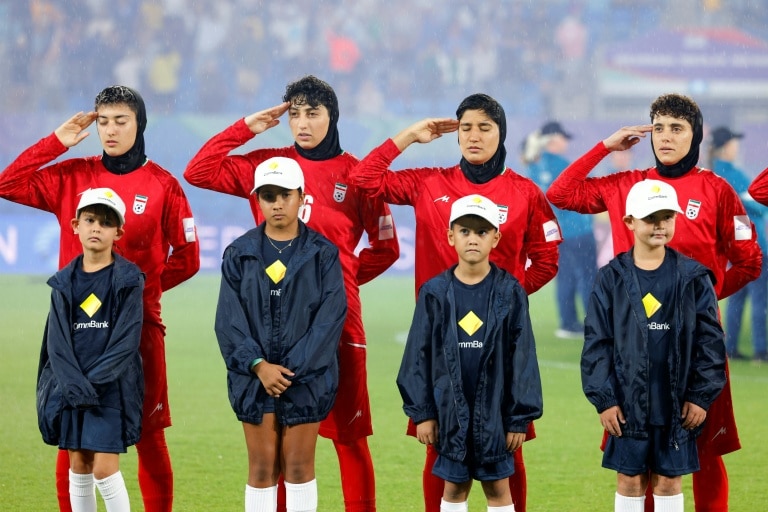
    Growing international pressure is urging Australian authorities to provide asylum protections for Iran’s women’s national football team following their silent protest during the national anthem at the AFC Women’s Asian Cup. The players’ refusal to sing before their March 8, 2026 match against Philippines in Gold Coast has been widely interpreted as an act of defiance against Tehran’s Islamic regime.

    Reza Pahlavi, son of Iran’s last Shah and prominent opposition figure, has joined politicians, human rights activists, and author J.K. Rowling in calling for Australia’s intervention. From his US base, Pahlavi warned that team members face “significant pressure and ongoing threat” from Iranian authorities and urged the Australian government to “ensure their safety and give them any and all needed support.”

    The protest occurred during heightened tensions as the US and Israel initiated military actions against Iran. Iranian state television subsequently branded the athletes as “wartime traitors,” escalating concerns about their safety upon potential return.

    Local media documented dramatic scenes outside Gold Coast stadium where supporters gathered chanting “regime change for Iran” and “save our girls.” Protesters later surrounded the team bus demanding freedom for the players.

    While Australian Foreign Minister Penny Wong stated the country “stands in solidarity” with the Iranian people, Canberra has remained noncommittal regarding specific asylum provisions. Amnesty International campaigner Zaki Haidari expressed grave concerns, suggesting team members likely have family members threatened in Iran and could face severe punishment upon return.

    Despite constant monitoring, Haidari noted the team might have a “small window of opportunity” to seek asylum at Australian border points. The Iranian embassy in Australia has not responded to requests for comment regarding the situation.

  • Trump says Iran’s new supreme leader won’t ‘last long’ without his approval

    Trump says Iran’s new supreme leader won’t ‘last long’ without his approval

    In a provocative statement that escalates tensions with Tehran, former U.S. President Donald Trump has declared that Iran’s newly appointed supreme leader would not remain in power without his personal approval. The remarks came during a televised interview with ABC News on Sunday, March 8, 2026.

    Trump asserted unprecedented influence over Iran’s internal governance, stating, “He’s going to have to get approval from us. If he doesn’t get approval from us he’s not going to last long.” The comments represent a significant escalation in rhetoric following recent military actions against Iran.

    The context for these statements stems from the February 28 joint U.S.-Israeli offensive that targeted Tehran and several other Iranian cities. The attacks resulted in the death of former Supreme Leader Ayatollah Ali Khamenei, along with dozens of senior officials, military commanders, and hundreds of civilians.

    Iran’s semi-official Mehr news agency confirmed on Sunday that the Assembly of Experts had finalized their decision regarding the succession. Trump previously indicated that he expected to be personally involved in the selection process of Iran’s next leader.

    The former president justified his position by expressing concerns about nuclear proliferation, stating, “I don’t want people to have to go back in five years and have to do the same thing again or worse let them have a nuclear weapon.”

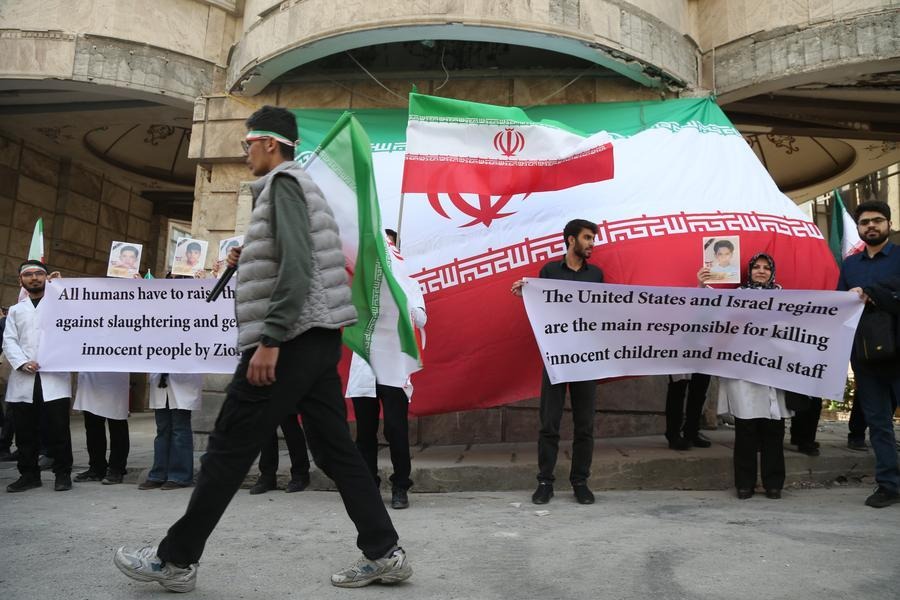
    The medical community in Tehran has been visibly affected by the recent hostilities, with healthcare workers rallying in front of a hospital damaged during the strikes, as documented in photographic evidence from March 7.

  • Courts help boost high-level opening-up

    Courts help boost high-level opening-up

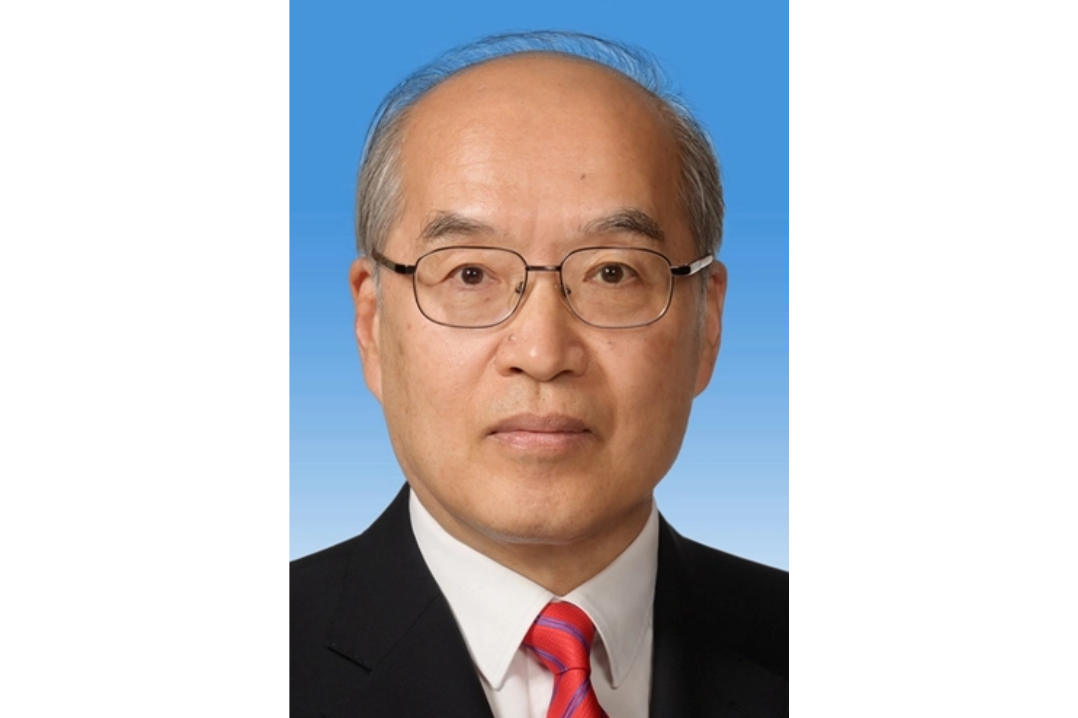
    Amidst global economic complexities and a significant surge in international litigation, China’s judicial system is positioning itself as a pivotal force in shaping the nation’s high-level opening-up strategy. Supreme People’s Court President Zhang Jun revealed that Chinese courts have demonstrated remarkable capacity in handling cross-border disputes, concluding 128,000 first-instance foreign-related civil and commercial cases during the 14th Five-Year Plan period (2021-2025)—representing a 65% increase from the previous five years.

    The judicial expansion reflects China’s deepening integration into global markets, with cases spanning more than 100 countries and regions. In 2025 alone, courts nationwide handled over 67,000 foreign-related commercial and maritime cases, marking a 44% year-on-year increase. This growth parallels global supply chain restructuring and the rise of digital trade, bringing complex disputes involving international goods contracts, service trade, cross-border payments, transportation, and insurance.

    China has established specialized institutions to address this growing demand, including the pioneering International Commercial Courts in Shenzhen and Xi’an (established 2018), which have resolved 37 cases involving parties from 21 jurisdictions. Additionally, international commercial tribunals across 18 cities—including Beijing, Shanghai, and Suzhou—concluded over 1,700 foreign-related commercial and arbitration review cases in 2025, representing a 24% annual increase.

    The system’s efficiency was demonstrated in a notable case where a foreign oil tanker dispute at Qingdao port was resolved within 24 hours through coordinated efforts between maritime courts using both online and offline mediation techniques.

    Significantly, China’s judicial influence is gaining international recognition. In a landmark 2022 incident involving a collision between Liberian and Panamanian vessels in the Strait of Malacca, parties proactively selected China’s Ningbo Maritime Court despite jurisdiction options across five nations. This voluntary selection by international entities, even those without substantial connections to China, signals growing confidence in China’s judicial system.

    Reciprocity breakthroughs have further enhanced China’s legal standing. In March 2022, the Shanghai Maritime Court recognized a UK court judgment based on reciprocal principles—despite the absence of a formal judicial assistance treaty—prompting British courts to subsequently recognize two Chinese judgments and breaking the ‘zero record’ of mutual recognition between the nations.

    From 2024-2025, Chinese courts received 1,620 applications for recognizing and enforcing foreign judgments, concluding 1,510 cases, demonstrating commitment to protecting rights of all parties through fair and inclusive judicial practices.

    President Zhang emphasized that ‘openness is a key feature of Chinese modernization, and the rule of law is the foundation for achieving high-level global engagement.’ Chinese courts have actively contributed to legislative developments including the Foreign Investment Law and Law on Foreign Relations, while also playing a crucial role in international rule-making, notably through China’s full participation in developing the UN Convention on Negotiable Cargo Documents—the first transportation sector treaty originating from Chinese judicial practice.

    As global uncertainties persist, China’s judiciary positions itself as both a ‘navigator’ for opening-up and an ‘anchor of stability’ for global trade, using legal certainty to address external volatilities while providing judicial solutions that support both China’s economic stability and global economic development.