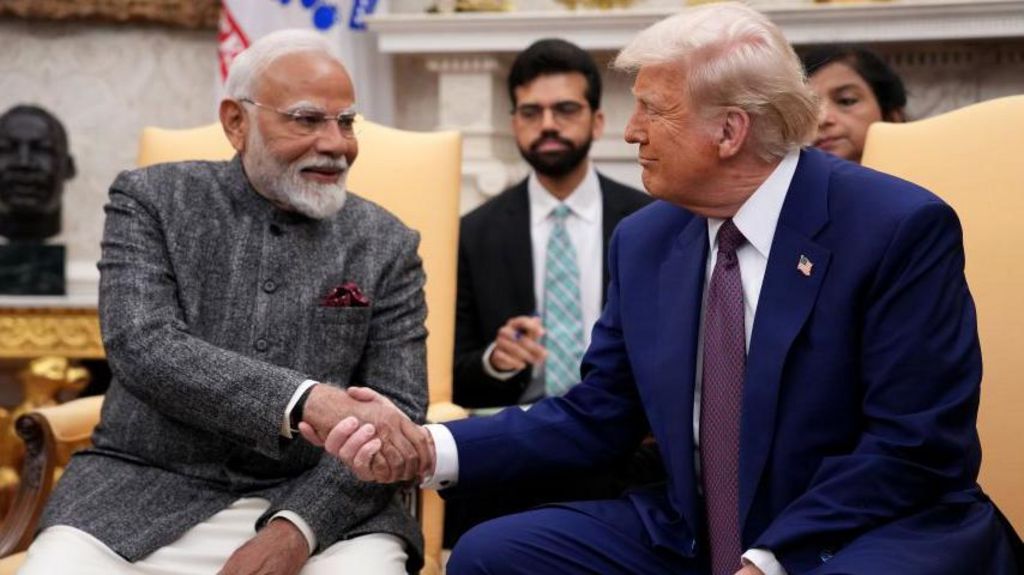
In a gesture signaling a potential easing of recent tensions, U.S. President Donald Trump reached out to Indian Prime Minister Narendra Modi to extend birthday wishes ahead of his 75th birthday. The phone call, made on Wednesday, comes after weeks of strained relations due to U.S. tariffs imposed on India for its purchase of Russian oil and weapons. Trump described the tariffs as partially punitive, while India defended its actions as necessary for domestic energy security, labeling the tariffs as unjust. The call followed recent discussions between U.S. trade negotiator Brendan Lynch and Indian commerce officials, aimed at resolving trade disputes and advancing a bilateral trade agreement. Both sides have described these talks as positive, though negotiations remain ongoing. Trump later praised Modi on social media, acknowledging his efforts in global diplomacy, particularly regarding the Russia-Ukraine conflict. Modi reciprocated by referring to Trump as a friend and reaffirming their commitment to strengthening bilateral ties. Despite the recent friction, both leaders expressed optimism about the future of U.S.-India trade relations, with Modi highlighting their shared vision as natural partners. The call marks a notable step toward mending ties, even as Trump continues to advocate for higher tariffs on China and India to pressure Russia over the Ukraine war.
分类: politics
-
Trump clashes with Australian journalist over business deals in office
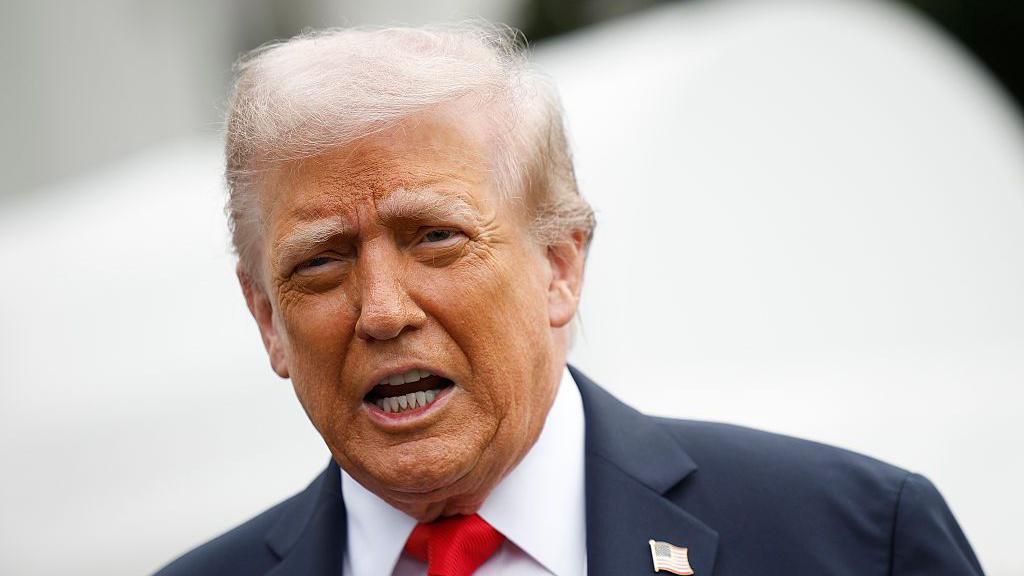
In a recent confrontation, former US President Donald Trump accused an Australian journalist of ‘hurting Australia’ during an interview. The incident occurred when John Lyons from the Australian Broadcasting Corporation (ABC) questioned Trump about his financial gains since returning to the White House in January. Trump, evading the specifics, stated that his children manage the family businesses and criticized Lyons for damaging Australia’s interests. He hinted at discussing the matter with Australian Prime Minister Anthony Albanese during their upcoming meeting. The tension between Trump and Lyons escalated when Trump abruptly ended the conversation, signaling for silence before moving on. This exchange comes amidst strained US-Australia relations, particularly following the Trump administration’s review of the Aukus submarine deal and the imposition of tariffs on Australian exports. Lyons defended his line of questioning as legitimate and non-provocative, emphasizing the importance of journalistic integrity in maintaining the alliance between the two nations. The White House later commented on the incident through a social media post, labeling Lyons as a ‘rude foreign Fake News loser’.
-
Chad votes to allow president to run unlimited times
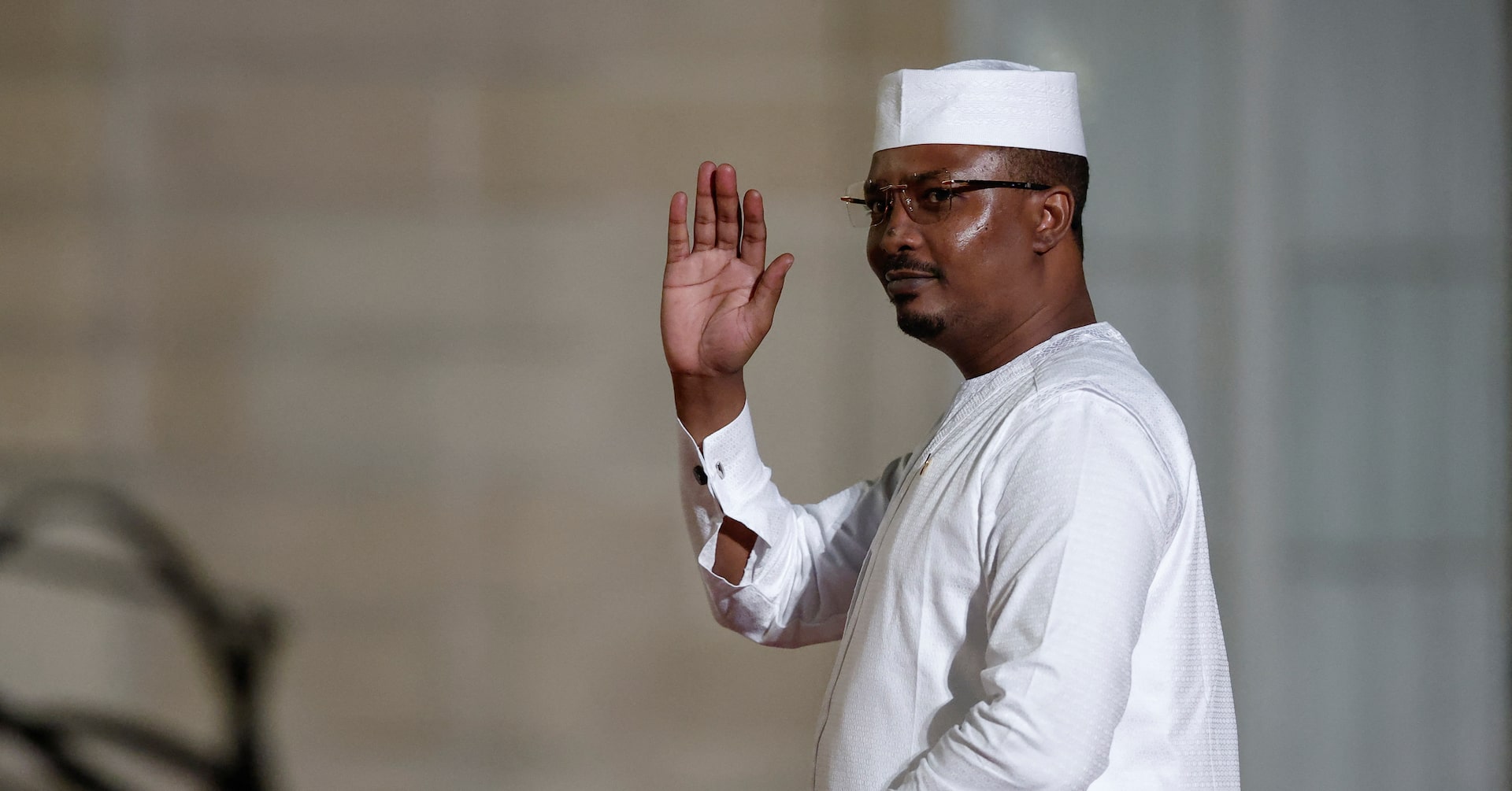
Chad’s National Assembly has overwhelmingly approved significant constitutional amendments that extend the presidential term from five to seven years and remove term limits, potentially allowing President Mahamat Idriss Deby to remain in power indefinitely. The changes, passed with 171 votes in favor, one abstention, and no opposition, are set for a final Senate vote on October 13, after which they will be signed into law by the president. This move follows Deby’s controversial election victory in May 2024, which came after three years of military rule and was disputed by opposition leaders. The ruling party also secured a dominant majority in parliamentary elections held in December. Analysts view these revisions as a strategic effort by the ruling elite to consolidate power, with Remadji Hoinathy of the Institute for Security Studies noting that dissenting voices are increasingly being silenced. Chad, which has experienced a series of coups in recent years, was the first junta-led state in West and Central Africa to hold elections. The political landscape remains tense, with opposition leader Succes Masra sentenced to 20 years in prison for inciting violence following the disputed election.
-
Politicians get rich while we suffer – so I helped bring down our government in 48 hours
In a dramatic turn of events, Nepal’s Generation Z protesters managed to topple the government in less than 48 hours, but the triumph was marred by significant casualties and widespread destruction. The protests, which erupted last week, resulted in the deaths of 72 people, marking the deadliest unrest in the Himalayan nation in decades. Official buildings, political leaders’ residences, and luxury hotels, including the recently opened Hilton, were set ablaze, vandalized, and looted. The wife of a former prime minister is currently fighting for her life after their home was torched.
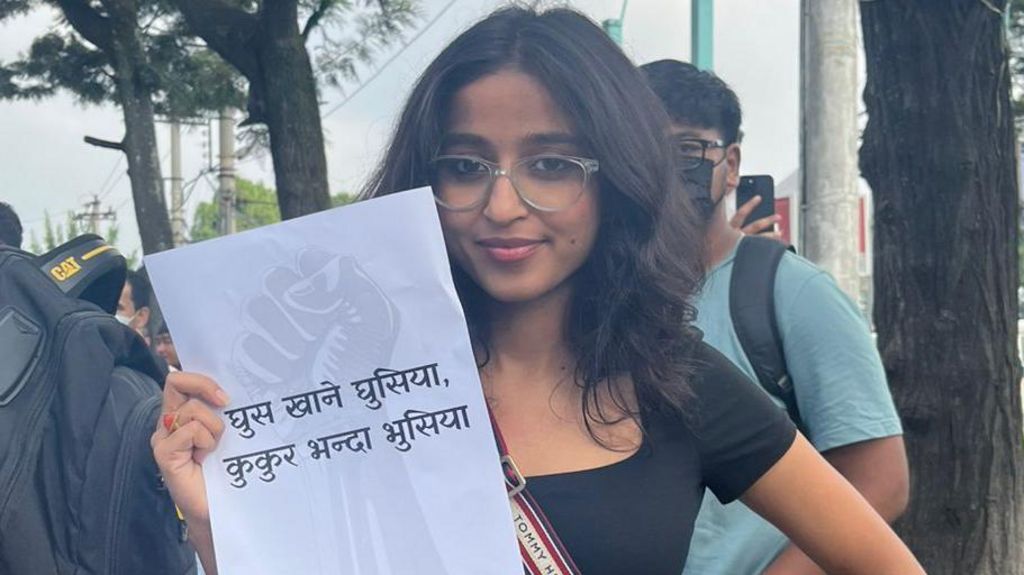
Tanuja Pandey, a 24-year-old environmental campaigner and one of the protest organizers, expressed a mix of pride and sorrow. ‘We are proud, but there is also a mixed baggage of trauma, regret, and anger,’ she said. The protests were a vehement rejection of Nepal’s political class, accused of decades of poor governance and exploitation of state resources, according to Ashish Pradhan, a senior adviser at the International Crisis Group. However, the damage to government services could parallel the toll of the 2015 earthquake, which claimed nearly 9,000 lives.
The financial losses are staggering, estimated at 3 trillion Nepalese rupees ($21.3 billion), nearly half of the country’s GDP. The Kathmandu Post, whose offices were also attacked, reported that at least 300 local government offices across the nation were damaged. The protests were fueled by deep-seated anger over inequality, with young Nepalis targeting the children of politicians, derogatorily referred to as ‘nepo babies,’ for flaunting their unexplained wealth on social media.
Ms. Pandey, who comes from a middle-class family in eastern Nepal, had previously uploaded a video highlighting the exploitation of natural resources in the Chure mountain range. She called for action against corruption and the misuse of national wealth. The protests, leaderless like many youth movements in Asia, gained momentum after the government banned 26 social media platforms, citing their failure to register locally.
The situation escalated on September 8, when thousands gathered at Maitighar Mandala in central Kathmandu. Initially peaceful, the protests turned violent as crowds moved towards the parliament building. Police responded with tear gas, water cannons, and live rounds, resulting in numerous casualties. The chaos continued the next day, with demonstrators setting fire to parliament, the prime minister’s office, and other government buildings.
In the aftermath, former Supreme Court Chief Justice Sushila Karki was appointed interim prime minister, backed by protesters. However, concerns remain about Nepal’s political future, with experts warning against the glorification of the army as a stabilizing force. The involvement of Durga Prasai, a controversial figure with a history of violent protests, in initial negotiations has also raised eyebrows.
Families of the deceased protesters are grappling with their loss. Yogendra Neupane, a 23-year-old aspiring civil servant, was shot in the back of the head near the parliament building. His family, unaware of his participation until the situation escalated, mourns his sacrifice. ‘His blood and sacrifice should be recognized so that other young people won’t have to hit the streets again in the future,’ said his great-uncle Saubhagya.
Ms. Pandey remains cautiously optimistic about Nepal’s future, viewing the protests as a political awakening for her generation. ‘We are no longer willing to stay silent or accept injustice,’ she declared. ‘This is not just a gentle nudge; it’s a bold challenge to a system that has hoarded power for decades.’
-
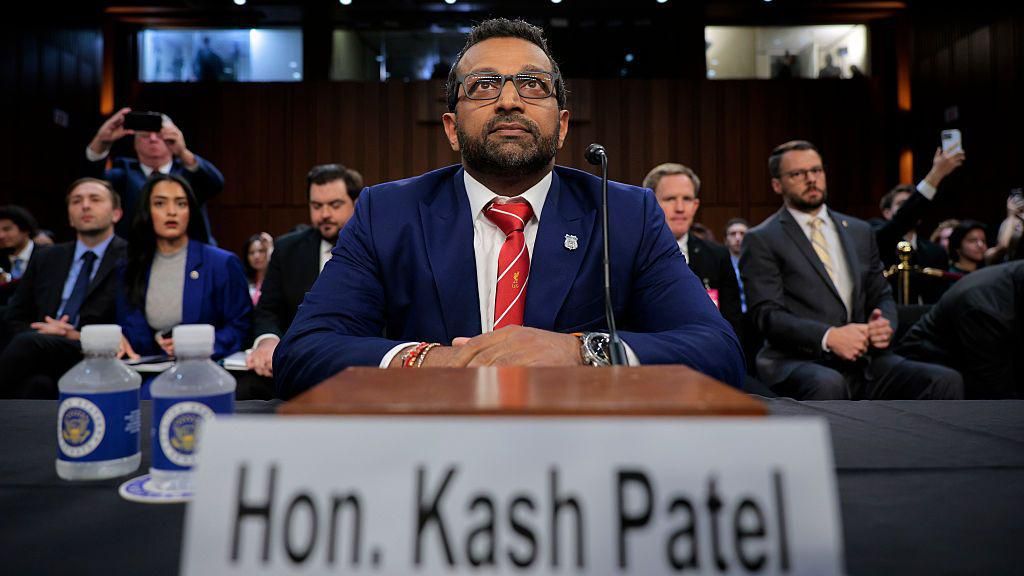
Kash Patel’s combative Senate hearing: key takeaways
FBI Director Kash Patel faced intense scrutiny during his testimony before the Senate Judiciary Committee on Tuesday, defending his agency’s handling of the investigation into the assassination of conservative youth leader Charlie Kirk in Utah. The hearing, which lasted over three hours, saw Patel clash repeatedly with Democratic senators who accused him of politicizing the FBI and mishandling the case. Patel, wearing a red tie adorned with the Liverpool FC logo, remained defiant throughout, dismissing allegations of incompetence and emphasizing the FBI’s commitment to transparency. He also revealed new details about the Kirk assassination, the Jeffrey Epstein case, and the Trump administration’s broader crime-fighting initiatives. Patel’s appearance came amid growing criticism from Democrats and within the Trump administration, particularly over an inaccurate social media post claiming a suspect had been apprehended. The FBI later clarified that two individuals had been questioned and released. Patel defended his actions, stating that the suspect was taken into custody shortly after the FBI released new evidence. He also addressed the Epstein case, asserting that the FBI has ‘no credible information’ suggesting Epstein trafficked minors to others. The hearing was marked by heated exchanges, including a confrontation with California Democrat Adam Schiff, whom Patel called a ‘political buffoon.’ Patel also hinted at future federal deployments to cities like Chicago, Miami, and St. Louis as part of the administration’s crime crackdown. Despite the criticism, President Trump has expressed confidence in Patel, stating he has ‘confidence in everyone in the administration.’
-
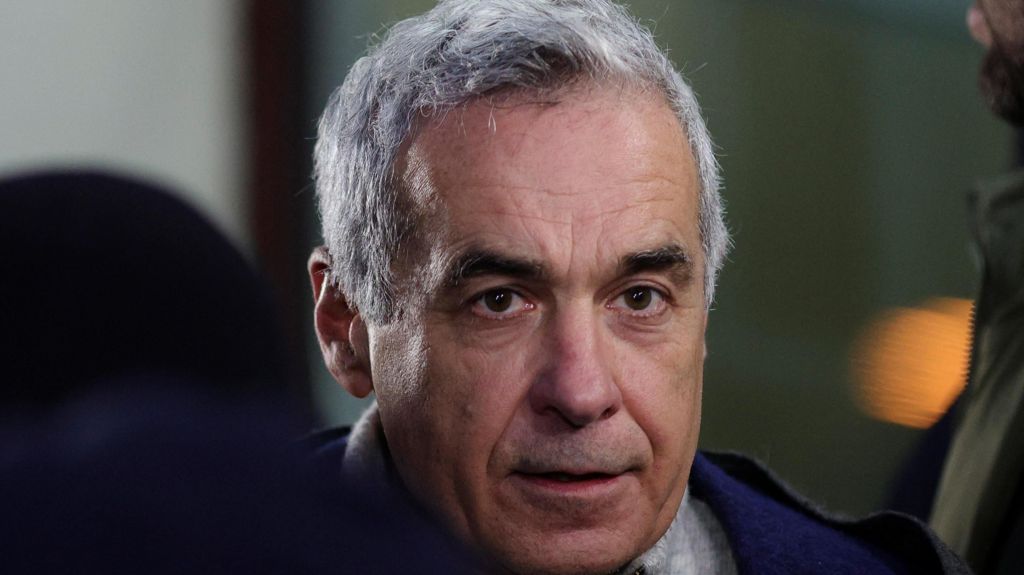
Coup plot charges for former Romanian presidential candidate
Calin Georgescu, a far-right former presidential candidate in Romania, has been formally charged with attempting to orchestrate a coup following the annulment of the first round of the 2024 presidential election. The charges also extend to Horatiu Potra, a former French legionnaire and militia leader in the Democratic Republic of Congo, along with 20 other individuals. The case centers on a foiled raid planned for December 8 in Bucharest, which authorities claim was part of a broader scheme to destabilize Romania’s constitutional order. Prosecutors allege that Georgescu and Potra collaborated with foreign intelligence operatives, particularly from Russia, to execute the plot. Evidence includes a meeting between Georgescu and Potra at a horse farm shortly after the election annulment, which Georgescu initially denied but later admitted to after photographic proof emerged. In February, police raids uncovered weapons, gold, and cash, allegedly intended for a violent power grab. Potra, currently abroad, is believed to be seeking asylum in Russia. The 2024 election was marred by accusations of Russian interference, with Romanian intelligence citing a large-scale influence operation involving cyberattacks, disinformation campaigns, and social media manipulation. Over 2,000 Facebook pages and 20,000 TikTok accounts were reportedly used to amplify pro-Georgescu messaging. After being barred from the rerun election, Georgescu’s ally, George Simion of the far-right AUR party, stepped in but ultimately lost to pro-EU candidate Nicusor Dan. Georgescu has accused Romanian authorities of ruling through ‘deceit, intrigue, and division,’ while President Dan has labeled the prosecutors’ report as proof of Russia’s systematic disinformation efforts. A trial date for Georgescu is expected in early 2026.
-
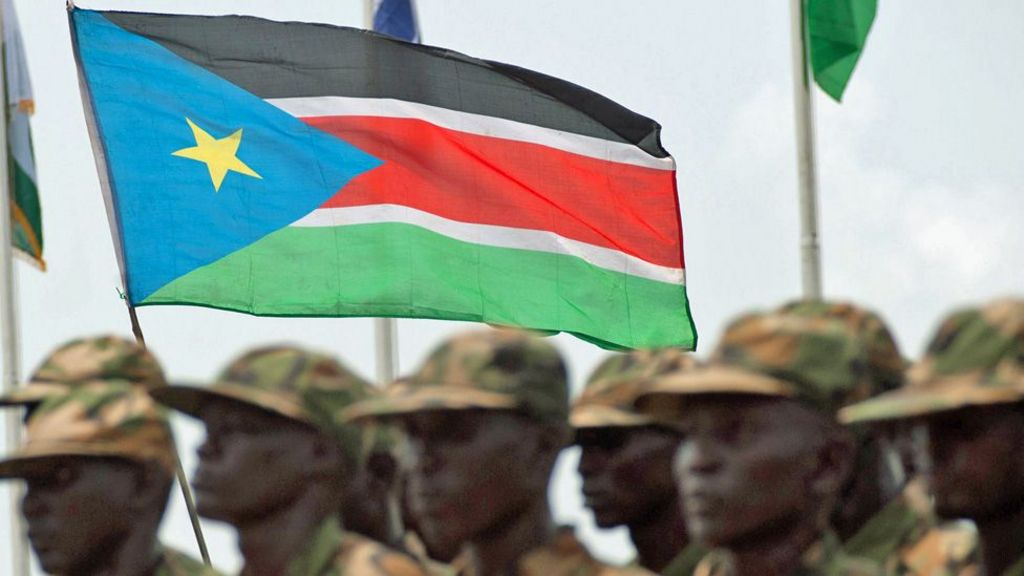
Fears balloon of a return to civil war in South Sudan over treason trial
South Sudan, the world’s youngest nation, faces renewed turmoil as political tensions escalate, raising fears of a potential return to civil war. The crisis deepened after the Sudan People’s Liberation Movement In Opposition (SPLM-IO), led by suspended Vice-President Riek Machar, called for ‘regime change’ in response to Machar’s house arrest and charges of murder, treason, and crimes against humanity. The SPLM-IO denounced the charges as a ‘political witch-hunt’ and accused the government of undermining the 2018 peace agreement that ended a devastating five-year civil war. The situation has been further complicated by the deployment of Ugandan troops to Juba, ostensibly to bolster the government’s control. A recent UN report has also exposed rampant corruption, alleging that South Sudanese officials have embezzled billions in oil revenues, leaving millions without essential services. South Sudan’s independence in 2011, achieved after decades of struggle, has been marred by internal conflict, particularly the 2013 civil war triggered by Machar’s dismissal as vice-president. The conflict, rooted in ethnic divisions, claimed an estimated 400,000 lives and displaced 2.5 million people. Despite the 2018 peace deal, key provisions, such as the formation of a unified national army and the establishment of a transitional justice court, remain unimplemented. The repeated postponement of elections and the failure to draft a new constitution have further eroded trust in the government. As Machar prepares for his trial, concerns grow over the potential for renewed violence, with analysts warning of the risk of proxy warfare in the region. The international community watches anxiously as South Sudan teeters on the edge of another catastrophic conflict.
-
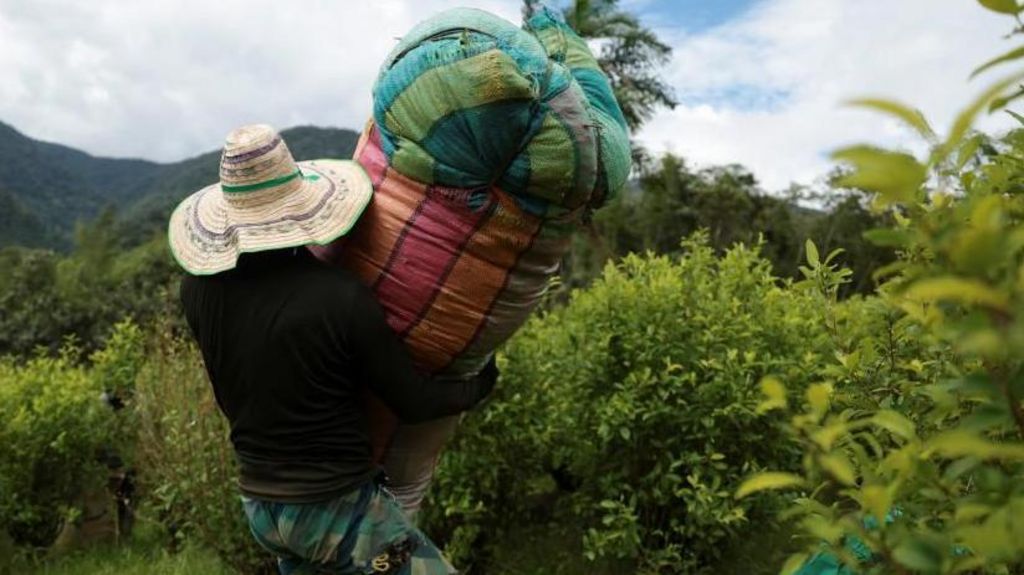
US designates Colombia as country ‘failing to cooperate in drug war’
The United States has officially designated Colombia as a country that has ‘demonstrably failed’ to meet its obligations in combating drug trafficking. This decision, announced on Monday, marks the first time since 1997 that Colombia has been added to the list of nations deemed non-compliant with U.S.-led counternarcotic efforts. Despite this, the U.S. has opted not to cut off aid to Colombia, a move that could have further strained bilateral relations. The Trump administration criticized Colombia’s left-wing President Gustavo Petro, attributing a surge in cocaine production to his leadership. Petro, however, refuted these claims, pointing to his predecessor Iván Duque’s tenure as the period when coca cultivation expanded significantly. In a retaliatory gesture, Colombia announced it would cease purchasing weapons from the U.S., with Interior Minister Armando Benedetti declaring the decision effective immediately. The U.S. also named Afghanistan, Bolivia, Myanmar, and Venezuela as countries failing to meet drug control targets. The decertification of Colombia comes amid heightened U.S. efforts to combat ‘narco-terrorism,’ highlighted by a recent military strike on a suspected Venezuelan drug vessel in the South Caribbean, which resulted in three fatalities. While the U.S. acknowledged the ‘skill and courage’ of Colombia’s security forces, it placed the blame squarely on the political leadership for the country’s drug control shortcomings. The U.S. left open the possibility of recertifying Colombia if it takes more aggressive action against coca cultivation and cocaine production. Despite the diplomatic friction, Colombia remains a key recipient of U.S. aid, a fact that may temper the immediate fallout from this decision.
-
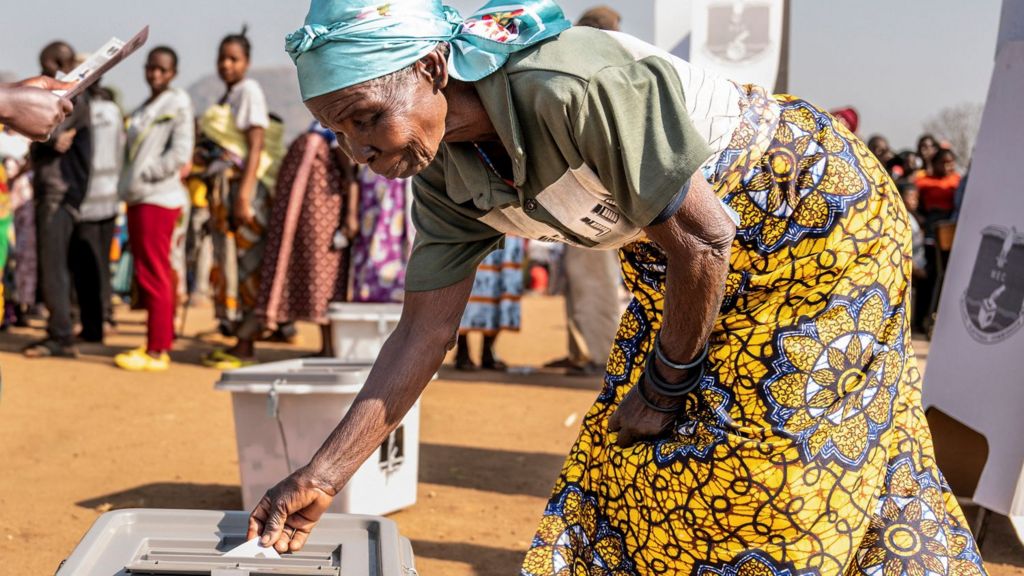
Malawians await presidential poll result in vote dominated by economic woes
As Malawi’s polls closed on Tuesday, the nation eagerly awaited the results of a pivotal presidential election marked by economic distress and a fierce contest between two prominent candidates. Despite a field of 17 contenders, the race has narrowed to a head-to-head battle between incumbent President Lazarus Chakwera and his predecessor, Peter Mutharika. Both leaders have centered their campaigns on promises to revive Malawi’s struggling economy, which has been plagued by soaring inflation, fuel shortages, and widespread power outages. Voters, including a 28-year-old waitress who expressed her frustration with unemployment, turned out in large numbers, hoping for transformative change. The election also saw delays at some polling stations due to technical issues with biometric systems, though the Malawi Electoral Commission assured that these were promptly addressed. With counting underway, the outcome remains uncertain, but the stakes are high for a nation grappling with persistent poverty and economic instability.
-
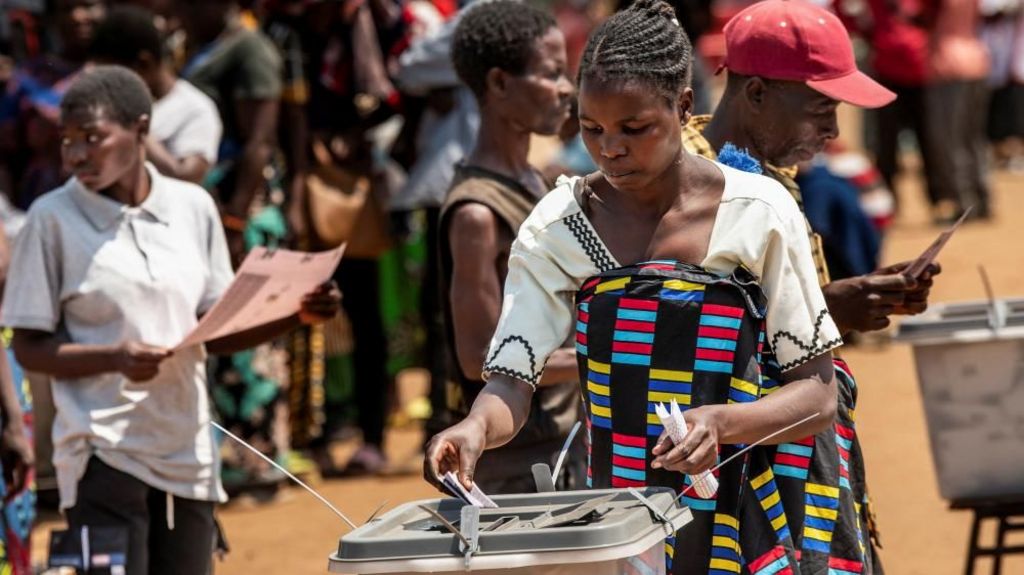
What is at stake in Malawi’s elections as cost-of-living bites?
Malawi’s presidential and parliamentary elections commenced on Tuesday, marking a pivotal moment for the nation after five years of economic hardship and political instability. Incumbent President Lazarus Chakwera, seeking a second term, faces his primary challenger, former President Peter Mutharika, in a rematch of their previous electoral battles. The election unfolds against a backdrop of severe economic challenges, including fuel shortages, skyrocketing living costs, and rampant inflation, which have left many voters disillusioned. With 7.2 million registered voters, the polls also include parliamentary and local elections, with 17 presidential candidates vying for leadership. The electoral commission has until September 24 to announce the presidential results, with a potential run-off if no candidate secures over 50% of the vote. Chakwera, a former theology lecturer, and Mutharika, an 85-year-old ex-lawyer, both carry the weight of corruption allegations and economic mismanagement claims. The election is further complicated by the legacy of Cyclone Freddy, which devastated the country in 2023, and ongoing concerns about electoral integrity. The outcome will determine Malawi’s path forward as it grapples with poverty, corruption, and political polarization.