分类: politics

  • China’s top legislature convenes standing committee session

    China’s top legislature convenes standing committee session

    The Standing Committee of China’s National People’s Congress (NPC) convened its 20th plenary session on Wednesday, February 4, 2026, at Beijing’s Great Hall of the People. Presided over by NPC Standing Committee Chairman Zhao Leji, the session marked a significant procedural meeting of China’s highest legislative body.

    The assembly conducted formal reviews of parliamentary membership qualifications, culminating in the approval of a comprehensive report detailing the credentials of certain NPC deputies. The voting process followed standard legislative protocols, with committee members exercising their statutory responsibilities to validate representative eligibility.

    This routine legislative session demonstrates the ongoing operational continuity of China’s parliamentary system. The meeting’s agenda focused specifically on internal governance matters rather than proposing new legislation or policy directives. Such procedural reviews represent essential maintenance of legislative standards within China’s political framework.

    The session occurred during a period of increased legislative activity ahead of anticipated parliamentary developments later in the year. These regular meetings ensure the proper functioning of China’s legislative mechanisms and uphold constitutional processes governing representative eligibility and legislative oversight.

  • Food security, poverty watch top priorities

    Food security, poverty watch top priorities

    China has unveiled its pivotal No. 1 Central Document for 2026, establishing comprehensive strategies for agricultural advancement and rural development. The policy framework identifies food security safeguards and systematic poverty prevention as paramount objectives while charting a course toward enhanced agricultural modernization.

    At a press briefing on Wednesday, Han Wenxiu, Director of the Office of the Central Rural Work Leading Group, elaborated on the document’s core initiatives. These encompass elevating overall agricultural productivity, implementing dynamic poverty monitoring systems, stimulating farmer income growth, and fostering sustainable rural communities conducive to both living and industry.

    The policy introduces a groundbreaking nationwide monitoring mechanism designed to preemptively identify households at risk of relapsing into poverty. This system facilitates rapid intervention through tailored support programs while employing dynamic exit protocols to avoid permanent stigmatization once households achieve stability.

    To bolster farming incomes, the government will reinforce grain pricing mechanisms through minimum purchase prices, sustain subsidies for arable land conservation and agricultural machinery, and expand insurance coverage against both natural disasters and market volatility. The document additionally emphasizes developing distinctive county-level industries aligned with local resources, integrating processing capabilities with e-commerce platforms.

    Employment stabilization measures feature prominently, with enhanced support for migrant workers through skills training, organized labor programs, and stringent enforcement against wage arrears—particularly during peak periods like the Spring Festival holiday. The policy further seeks to unlock rural property value by revitalizing underutilized assets while strengthening land use protections.

    Financial and resource support mechanisms will maintain continuity, preserving cross-regional cooperation frameworks and specialized village work teams as enduring components of China’s rural development strategy.

  • Russia and Ukraine hold a second day of US-brokered peace talks in Abu Dhabi

    Russia and Ukraine hold a second day of US-brokered peace talks in Abu Dhabi

    ABU DHABI — Diplomatic efforts to resolve the ongoing Russia-Ukraine conflict entered a second day of U.S.-mediated negotiations in the United Arab Emirates capital on Thursday. The talks convened amid intensified Russian assaults on Ukrainian energy infrastructure and concerning new data showing a significant rise in civilian casualties.

    Ukrainian negotiator Rustem Umerov, head of the National Security and Defense Council, confirmed the continuation of trilateral consultations and working group sessions aimed at synchronizing positions between the warring nations. The discussions featured prominent American involvement, with U.S. Special Envoy Steve Witkoff and Jared Kushner, former presidential advisor and son-in-law to Donald Trump, participating alongside both delegations.

    The high-level diplomatic gathering also included the presence of General Alexus Grynkewich, NATO’s Supreme Allied Commander Europe, according to anonymous sources familiar with the sensitive proceedings. This participation underscores the international security implications of the conflict now approaching its fourth year.

    Meanwhile, Ukrainian President Volodymyr Zelenskyy issued renewed appeals for security guarantees to deter future Russian aggression, emphasizing that any peace process must yield genuine progress rather than providing tactical advantages to Moscow. His statements came as Russia continues its systematic targeting of Ukraine’s power grid, creating humanitarian challenges while attritional warfare persists along the 1,000-kilometer front line.

    Tragically, the diplomatic efforts contrast sharply with battlefield realities. Human Rights Watch reported a 31% increase in Ukrainian civilian casualties in 2023 compared to the previous year. The United Nations Human Rights Monitoring Mission has documented nearly 15,000 civilian deaths and approximately 40,000 injuries since the conflict’s inception in February 2022.

  • The last US-Russia nuclear pact expires, prompting fears of a new arms race

    The last US-Russia nuclear pact expires, prompting fears of a new arms race

    MOSCOW — The New START Treaty, the final remaining nuclear arms control agreement between Russia and the United States, officially expired on Thursday, marking the first time in over half a century that the world’s two largest atomic arsenals operate without mutual limitations.

    The termination of this pivotal arms control framework has raised global concerns about the potential emergence of an unconstrained nuclear arms race. The treaty, originally signed in 2010 by former President Barack Obama and Russian leader Dmitry Medvedev, had established strict caps of 1,550 deployed nuclear warheads and 700 delivery systems for each nation.

    Russian President Vladimir Putin had previously expressed willingness to extend the treaty’s limitations for an additional year, contingent on reciprocal action from Washington. However, the Trump administration remained noncommittal regarding extension negotiations. Kremlin adviser Yuri Ushakov confirmed that Putin discussed the treaty’s expiration with Chinese President Xi Jinping on Wednesday, noting the absence of formal response from American officials to Moscow’s extension proposal.

    The Russian Foreign Ministry issued a definitive statement Wednesday night clarifying that “under the current circumstances, we assume that the parties to the New START Treaty are no longer bound by any obligations or symmetrical declarations within the context of the Treaty, including its core provisions.”

    Ushakov emphasized that Russia “will act in a balanced and responsible manner based on thorough analysis of the security situation,” suggesting measured rather than immediate escalation in nuclear arsenal expansion.

    The treaty’s verification mechanism, which included comprehensive on-site inspections, had been suspended since 2020 due to COVID-19 restrictions and never resumed. In February 2023, Putin formally suspended Moscow’s participation, citing incompatible security conditions amid NATO’s declared objectives in Ukraine, while simultaneously maintaining commitment to the pact’s nuclear caps.

    This development represents the culmination of a progressive dismantling of Cold War-era nuclear arms control architecture, with New START being the last in a series of bilateral agreements that have now全部 expired.

  • Vance heads overseas for the Winter Olympics. Then he’ll stop in Armenia and Azerbaijan

    Vance heads overseas for the Winter Olympics. Then he’ll stop in Armenia and Azerbaijan

    Vice President JD Vance has commenced a significant international journey that strategically blends diplomatic engagement with athletic diplomacy. The weeklong mission features dual objectives: leading the U.S. delegation at the 2026 Winter Olympics in Milan Cortina, followed by high-stakes diplomatic visits to Armenia and Azerbaijan to reinforce a White House-brokered peace agreement.

    The itinerary reflects the Trump administration’s careful balancing of international commitments with domestic priorities ahead of November’s midterm elections. According to White House Chief of Staff Susie Wiles, administration officials are maintaining heightened focus on domestic affairs, making this one of Vance’s limited overseas engagements this year.

    The Olympic delegation showcases a distinguished roster including Secretary of State Marco Rubio, U.S. Ambassador to Italy Tilman Fertitta, and Olympic champions across multiple winter sports disciplines. The vice president’s schedule includes attending the opening ceremony and supporting Team USA athletes, beginning with the women’s hockey preliminary match against Czechia.

    Following the Olympic events, Vance will pivot to diplomatic duties in the South Caucasus region, where he aims to advance the historic peace agreement between Armenia and Azerbaijan. This accord represents a significant geopolitical achievement for the Trump administration, establishing enhanced U.S. influence amid declining Russian regional authority. The agreement includes substantial infrastructure development, notably the “Trump Route for International Peace and Prosperity” transit corridor connecting Azerbaijan with its Nakhchivan exclave through Armenian territory.

    This diplomatic assignment echoes Vance’s previous peacebuilding mission to Israel following the Gaza ceasefire negotiations. The vice president’s travel pattern continues the established tradition where second-in-command executives undertake strategic international visits that complement presidential priorities while addressing emerging global challenges.

  • Taiwan-US ties are ‘rock solid,’ the island’s president says after Trump-Xi call

    Taiwan-US ties are ‘rock solid,’ the island’s president says after Trump-Xi call

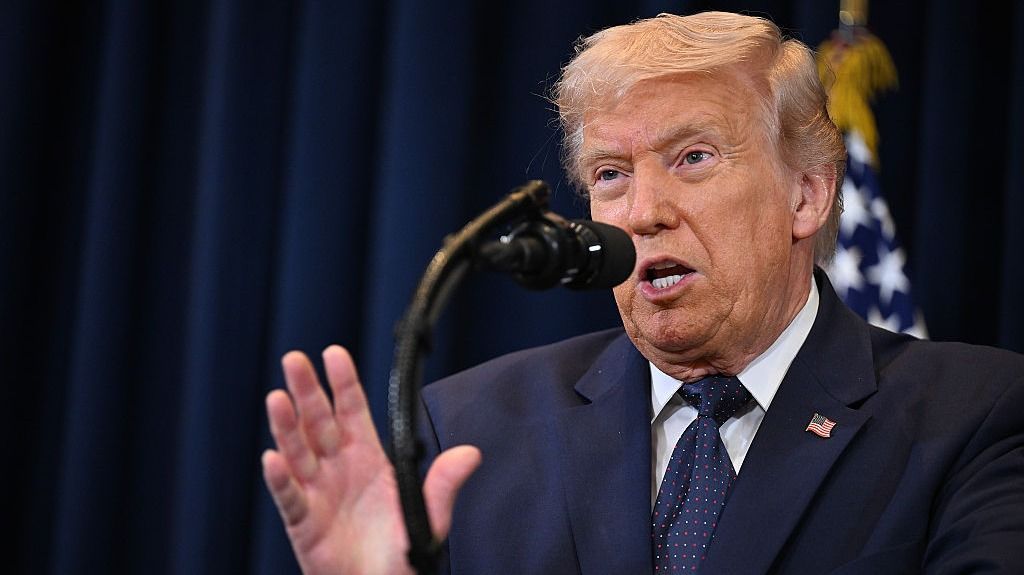
    TAIPEI, Taiwan — Taiwanese President Lai Ching-te delivered a strong affirmation of the island’s relationship with the United States on Thursday, characterizing the bilateral ties as “rock solid” despite mounting diplomatic pressure from Beijing. The declaration came shortly after U.S. President Donald Trump and Chinese leader Xi Jinping engaged in their first telephone discussion since November, which prominently addressed Taiwan’s geopolitical status.

    President Lai, speaking during an official visit to textile merchants in western Taiwan, emphasized that “all cooperation projects will continue uninterrupted” between Taipei and Washington. This statement represents a deliberate reinforcement of Taiwan’s strategic positioning following the high-level Sino-American dialogue.

    According to China’s Foreign Ministry readout of the call, President Xi explicitly cautioned his American counterpart to exercise “prudence” regarding weapons provisions to Taiwan. Beijing maintains its longstanding position that Taiwan constitutes an inseparable part of Chinese territory, despite the island’s autonomous democratic governance since 1949. China’s foreign policy consistently prohibits nations with which it maintains diplomatic relations—including the United States—from establishing formal governmental connections with Taipei.

    The United States, while refraining from official recognition of Taiwan’s sovereignty, remains the island’s most significant informal ally and primary arms supplier. In December, the U.S. State Department unveiled its most substantial weapons package proposal for Taiwan to date, valued at over $11.1 billion and encompassing advanced missile systems, artillery platforms, and unmanned aerial vehicles. This comprehensive military assistance package awaits congressional approval.

    China responded to the proposed arms transaction with pronounced hostility, executing two days of extensive military exercises encircling Taiwan in late December. These demonstrations involved coordinated deployments of air, naval, and missile units, showcasing Beijing’s military capabilities and strategic resolve.

    Domestically, Taiwan faces political challenges regarding defense expenditure. The opposition Kuomintang (KMT) party, which controls the legislative assembly, has obstructed President Lai’s budgetary initiatives—including a proposed $40 billion special defense allocation—advocating instead for substantially reduced military spending. The administration’s plan to increase defense appropriations to 3.3% of Taiwan’s gross domestic product has encountered resistance from both political opponents and segments of the civilian population.

    President Trump characterized his discussion with President Xi as “excellent” and “thorough” in a social media post, additionally revealing China’s consideration of purchasing 20 million tons of U.S. soybeans during the current season—a significant increase from the previous season’s 12 million tons. The American leader also confirmed plans for an April visit to China, which would mark his first official trip to the country during his current presidential term.

  • Canada eliminates Islamophobia, antisemitism envoys from government

    Canada eliminates Islamophobia, antisemitism envoys from government

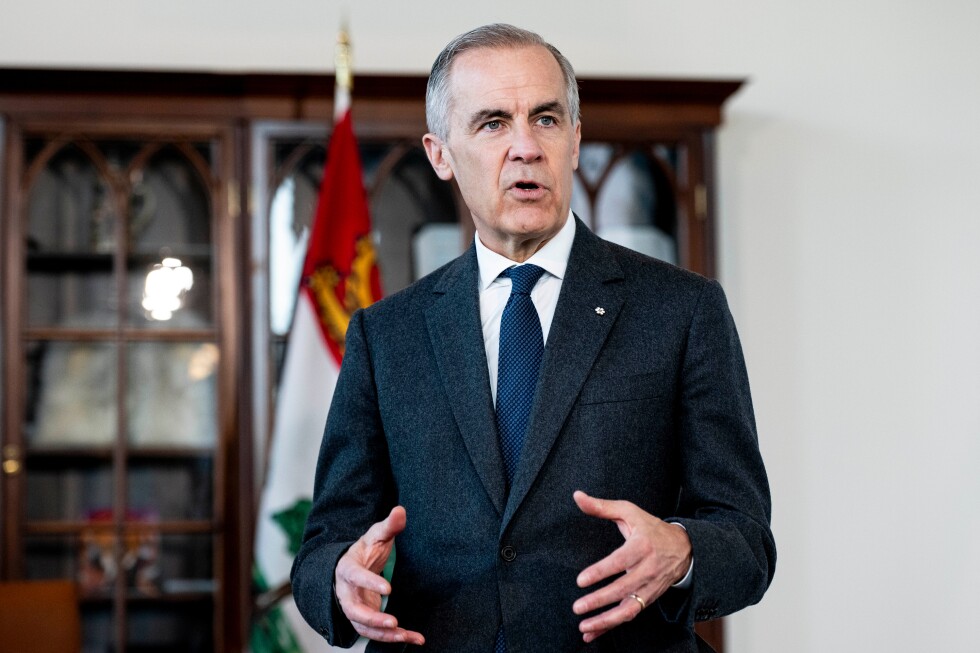
    In a significant policy reversal, Canadian Prime Minister Mark Carney’s administration has discontinued the specialized offices combating Islamophobia and antisemitism, despite campaign assurances to maintain these positions. The announcement, delivered by Minister of Canadian Identity and Culture Marc Miller on Wednesday, revealed plans to establish a comprehensive “Rights, Equality and Inclusion” advisory council to address all forms of racism through a unified approach.

    This structural change coincides with the recent commemoration of Canada’s National Day of Remembrance of the Québec City Mosque Attack, which occurred on January 29, 2017, when a gunman killed six worshippers and injured nineteen others. Prime Minister Carney himself recently characterized the tragedy as “a solemn reminder of the pervasiveness of Islamophobia and the devastating consequences of hatred.”

    The antisemitism envoy position had remained vacant for six months following the retirement of diplomat Deborah Lyons, while Islamophobia envoy Amira Elghawaby, appointed by former Prime Minister Justin Trudeau, was abruptly removed from her position. Her term had been scheduled to conclude next year. The government has not clarified whether Ms. Elghawaby will transition to the new advisory council.

    The decision has generated substantial controversy within affected communities. Former Canadian intelligence officer Huda Mukbil expressed surprise at the Liberal Party’s move, noting that Conservative leader Pierre Poilievre had previously pledged to eliminate the position. Ms. Elghawaby had earned broad support through her work, including developing anti-racism strategies for the Royal Canadian Mounted Police and coordinating Canada’s first anti-Islamophobia summit following the 2021 killing of a Muslim family in London, Ontario.

    Her tenure involved confronting escalating anti-Muslim sentiment, particularly after the October 7 Hamas attacks and subsequent Gaza conflict. According to the National Council of Canadian Muslims, where Elghawaby previously worked, Canada has experienced more Muslim fatalities from targeted hate attacks than any other G7 nation. The organization now expresses concern about losing a crucial advocacy voice at the federal level.

  • Political row erupts in India over ex-army chief’s unpublished memoir

    Political row erupts in India over ex-army chief’s unpublished memoir

    India’s parliamentary proceedings descended into chaos this week as opposition leader Rahul Gandhi attempted to cite explosive allegations from former Army Chief General MM Naravane’s unpublished memoir, triggering vehement protests from ruling party members and resulting in multiple suspensions.

    The controversy centers on General Naravane’s manuscript ‘Four Stars of Destiny,’ which reportedly contains damning accusations regarding the government’s handling of the 2020 military standoff with China. According to excerpts published by The Caravan magazine and cited by Gandhi, political leadership provided ambiguous directives during critical moments of the Himalayan border crisis, leaving military commanders effectively abandoned.

    During heated parliamentary debates, Gandhi claimed the memoir revealed that as Chinese tanks advanced toward Indian positions in Ladakh’s Galwan Valley, Naravane received instructions simply ‘to do what he deemed appropriate’ rather than clear strategic guidance. The opposition leader further quoted the former army chief as feeling ‘really alone’ and ‘abandoned by the entire establishment’ during the crisis.

    The ruling BJP party immediately condemned Gandhi’s actions, with Defense Minister Rajnath Singh accusing him of violating parliamentary procedures by referencing an unpublished document. Government ministers interrupted proceedings, demanding physical proof of the manuscript’s existence and asserting that no officially published book contained such claims.

    This political confrontation represents the latest chapter in the ongoing controversy surrounding Naravane’s memoir, which has been awaiting government clearance since 2024 under protocols requiring retired security officials to obtain approval before publishing potentially sensitive material. The delayed publication has sparked intense speculation about its contents, particularly regarding the deadly 2020 border clash that claimed twenty Indian and four Chinese soldiers’ lives.

    The parliamentary standoff resulted in the suspension of eight Congress party MPs for disorderly conduct, while both houses faced repeated adjournments. Gandhi later displayed what he claimed was a copy of the unpublished manuscript to reporters outside parliament, challenging the government’s assertions that the book didn’t exist.

    This incident marks another escalation in the ongoing political battles over national security accountability, with the opposition continuing to criticize the government’s handling of border tensions with China despite recent diplomatic progress that has eased military confrontations along the disputed Himalayan frontier.

  • US to reject changing location of talks with Iran: Axios report

    US to reject changing location of talks with Iran: Axios report

    In a significant diplomatic development, the United States has formally declined Iran’s request to alter the venue for upcoming bilateral talks originally scheduled to take place in Oman this Friday. According to an exclusive Axios report published Wednesday evening, two senior U.S. officials confirmed that Washington will maintain the originally planned location despite Tehran’s insistence on moving the discussions to Turkey.

    The anticipated meeting between U.S. Special Envoy for Iran Robert Witkoff and Iranian Deputy Foreign Minister Abbas Araghchi represents a crucial juncture in ongoing efforts to revive nuclear negotiations. The venue disagreement highlights the complex diplomatic maneuvering characterizing U.S.-Iran relations, where even logistical arrangements carry substantial symbolic weight.

    Regional analysts note that Oman has historically served as a neutral mediating ground for sensitive discussions between Western powers and Iran, particularly during previous nuclear negotiations. Turkey, while maintaining relations with both nations, presents different geopolitical considerations that apparently prompted U.S. officials to maintain the original arrangement.

    The decision comes amid heightened regional tensions and follows reports from regional diplomats indicating Iran’s preference for Omani mediation. This development suggests both nations remain engaged in diplomatic channels despite public disagreements, though the venue dispute potentially indicates broader challenges in reestablishing productive dialogue mechanisms.

    Friday’s meeting, should it proceed as originally planned in Oman, would mark the first direct high-level talks between the parties in several months, representing a critical test of both sides’ willingness to compromise on key issues surrounding Iran’s nuclear program and potential sanctions relief.

  • First day of Abu Dhabi talks on Ukraine ‘productive’: Kyiv’s lead negotiator

    First day of Abu Dhabi talks on Ukraine ‘productive’: Kyiv’s lead negotiator

    The inaugural day of trilateral negotiations in Abu Dhabi, brokered by the United States, concluded with Kyiv’s delegation characterizing the discussions as “productive” and “substantive.” Rustem Umerov, head of Ukraine’s National Security and Defence Council, confirmed via social media that the talks concentrated on formulating concrete steps and actionable solutions to the ongoing conflict.

    This diplomatic initiative, however, unfolds against a backdrop of intensified military aggression. Concurrently with the negotiations, Russian forces launched a cluster munition attack on a civilian market in eastern Ukraine’s Donetsk region, resulting in at least seven fatalities and fifteen injuries, as reported by regional governor Vadym Filashkin.

    The core impediments to a potential agreement remain profoundly entrenched. Moscow’s principal demands include the formal cession of Ukrainian-controlled territories and a resolution governing the status of the Zaporizhzhia Nuclear Power Plant, currently under Russian occupation. A specific precondition from the Kremlin involves the withdrawal of Ukrainian forces from the entirety of the Donetsk region, including its heavily fortified defensive belt.

    Conversely, the Ukrainian position advocates for a conflict freeze along the existing front lines, explicitly rejecting any unilateral military pullback. Kremlin spokesperson Dmitry Peskov reiterated that Russian military operations would persist until Kyiv acquiesces to conditions that would terminate the war, which has now entered its fourth year.

    International dimensions of the conflict were further highlighted by a high-level video conference between Chinese President Xi Jinping and Russian President Vladimir Putin. Beijing, positioning itself as a neutral peace mediator, expressed support for the Abu Dhabi talks while extending an invitation for President Putin to visit China in the near future.

    The U.S. delegation, featuring special envoy Steve Witkoff and Jared Kushner, played a central mediating role in the discussions, which are scheduled to resume for a second day. A source familiar with the proceedings indicated that Umerov is preparing a comprehensive report for Ukrainian President Volodymyr Zelenskiy, who recently accused Russia of exploiting a prior energy truce to stockpile munitions for massive missile attacks.