分类: politics

  • White House border czar announces withdrawal of 700 federal officers from US Minnesota

    White House border czar announces withdrawal of 700 federal officers from US Minnesota

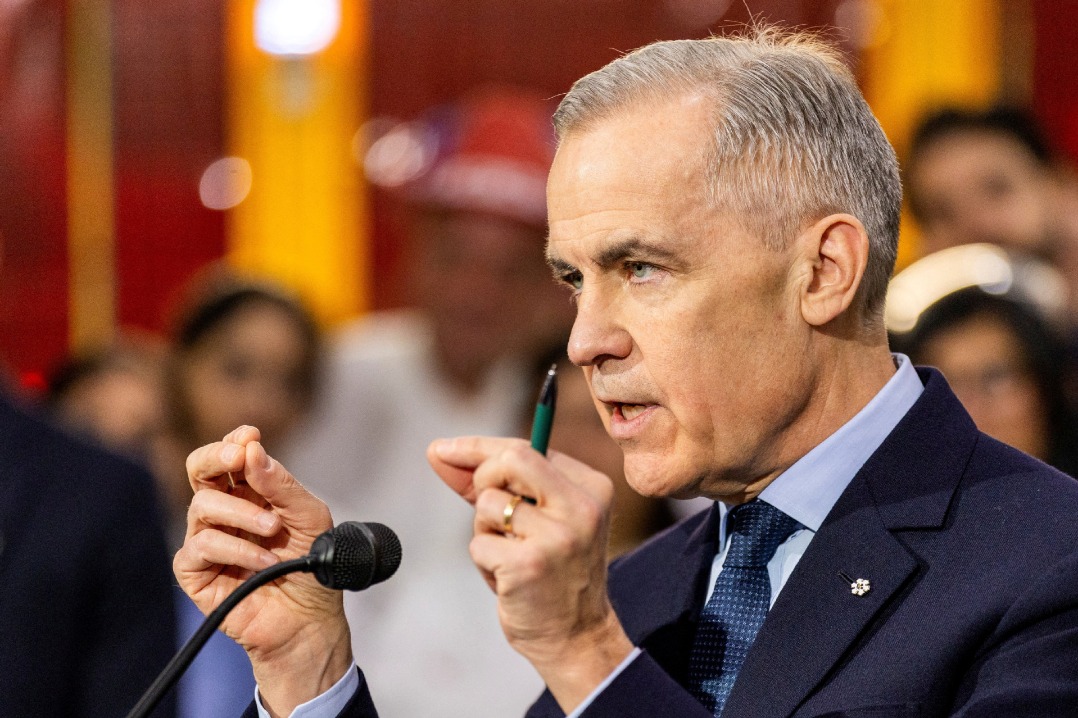
    In a significant policy shift, White House Border Coordinator Tom Homan declared the immediate withdrawal of 700 federal immigration enforcement personnel from Minnesota during a Wednesday press conference at the Bishop Henry Whipple Federal Building in Minneapolis. This decision concludes weeks of heightened federal operations that culminated in the fatal shooting of two protesters last month, events that triggered widespread public outcry.

    Homan characterized the drawdown as a strategic reallocation rather than a reduction in enforcement capabilities, attributing the move to “unprecedented cooperation” now established with state and local law enforcement agencies. The official noted that enhanced collaboration with local jails would allow for more efficient processing of undocumented immigrants within detention facilities, theoretically reducing the need for street-level operations.

    Following this withdrawal, approximately 2,000 federal agents will maintain their presence in Minnesota, with the majority continuing operations in the Twin Cities metropolitan region encompassing Minneapolis and Saint Paul. Homan emphasized that this revised approach represents “smart law enforcement, not less law enforcement,” suggesting that interior enforcement would continue through different methodologies.

    The deployment of federal agents to Minnesota and Homan’s subsequent appointment to oversee operations came directly from President Donald Trump following January’s controversial shootings that escalated tensions between federal authorities and local communities. While Homan previously hinted at a potential reduction contingent on local cooperation, Wednesday’s announcement made this withdrawal effective immediately, though specific redeployment locations for the withdrawn agents remain unspecified.

  • From Chevron to Saudi Arabia, Syria signs raft of new business deals

    From Chevron to Saudi Arabia, Syria signs raft of new business deals

    A significant geopolitical realignment is unfolding in the Middle East as Syria secures substantial economic agreements with Gulf powers under explicit American endorsement. US energy conglomerate Chevron formalized a preliminary arrangement with Syria and Qatar’s UCC Holding to initiate offshore oil and gas exploration along Syria’s coastline, marking Damascus’s inaugural venture into offshore energy development.

    The Chevron agreement coincides with Saudi Arabia’s announcement of a multi-billion dollar investment package targeting Syria’s transportation infrastructure, including establishment of a private airline company. These developments occur alongside substantial Qatari-led energy infrastructure projects, notably a completed natural gas pipeline supplying Syrian industries with Turkish gas exports.

    US diplomatic presence at the Damascus signing ceremony, through envoy Tom Barrack, signals Washington’s tacit approval of these economic partnerships despite previous tensions regarding President Sharaa’s military campaigns against US-aligned forces. The coordinated investments reveal emerging cooperation between historically opposed regional powers, with Qatar, Turkey, and Saudi Arabia collectively driving Syria’s reconstruction efforts.

    This economic diplomacy extends beyond bilateral agreements, reflecting broader strategic realignments. Saudi Arabia and Turkey have strengthened ties through mutual opposition to Israeli military operations and coordinated support for factions in Sudan’s civil conflict. The convergence of American energy interests through Chevron’s regional presence—from Israel’s Leviathan field to Libyan exploration agreements—further demonstrates Washington’s strategic balancing act in Eastern Mediterranean energy politics.

  • Gen Z toppled an autocrat – but old guard tipped to win Bangladesh vote

    Gen Z toppled an autocrat – but old guard tipped to win Bangladesh vote

    Dhaka’s streets, once vibrant with revolutionary graffiti celebrating Sheikh Hasina’s ousting, now witness a complex political realignment as Bangladesh approaches pivotal elections. The 2024 youth uprising that claimed approximately 1,400 lives according to UN estimates has evolved into a fragmented political landscape, where idealistic student leaders navigate uncomfortable alliances and enduring dynastic politics.

    The movement’s catalyst emerged from police brutality during July 2024 protests, captured in viral footage showing Rahat Hossain desperately dragging his fatally wounded friend Emam Hasan Taim Bhuiyan amid continued gunfire. This visceral moment galvanized nationwide demonstrations that ultimately toppled Hasina’s 15-year administration, which had increasingly employed authoritarian measures despite overseeing economic progress.

    Two years later, the student-led National Citizen Party (NCP) faces severe challenges. Despite initial expectations that uprising leaders would shape Bangladesh’s future, the party has fractured notably through its alliance with Jamaat-e-Islami, an Islamist group historically accused of collaborating with Pakistani forces during the 1971 independence war. This pragmatic coalition has particularly alienated female activists like Shima Akhter, who notes women are being systematically sidelined despite their crucial role in the revolution.

    Jamaat’s political resurgence signals remarkable shifts in Bangladesh’s political consciousness. The party secured control of Dhaka University’s student union for the first time since independence, indicating younger voters increasingly separate the organization from its controversial history. Party leader Shafiqur Rahman emphasizes commitments to end corruption and restore judicial independence, though these promises face skepticism in a nation with entrenched corruption challenges.

    The political vacuum created by Hasina’s exile and the Awami League’s banning primarily benefits the Bangladesh Nationalist Party (BNP), which has rebranded as a liberal democratic force under Tarique Rahman’s leadership. Ironically, this represents a return to dynastic politics—Tarique is son of former Prime Minister Khaleda Zia, who herself assumed power after her presidential husband’s assassination.

    As elections approach, fundamental questions persist about whether the bloodshed produced meaningful change. Hossain reflects near the site where his friend was killed: “One cannot expect mangoes from a tamarind tree,” suggesting true transformation requires elected government reform rather than revolutionary idealism alone. With many awaiting justice for police violence and women demanding equal political representation, Bangladesh’s democratic future remains uncertain amid resurgent establishment forces.

  • Oman to host US-Iran talks on Friday: Iranian semi-official news agency

    Oman to host US-Iran talks on Friday: Iranian semi-official news agency

    The Sultanate of Oman is set to host pivotal diplomatic negotiations between the United States and Iran this Friday, according to reports from Iran’s semi-official ISNA news agency. The talks will feature high-level representation from both nations, with Iranian Foreign Minister Abbas Araqchi and US envoy Steve Witkoff leading their respective delegations.

    This diplomatic engagement follows a format consistent with previous negotiation rounds, though significant questions remain regarding regional participation. According to reporting by Axios journalist Barak Ravid citing Arab diplomatic sources, discussions are actively underway regarding the potential inclusion of additional Arab and Muslim nations from the region in the Oman talks.

    The venue shift from initially planned talks in Turkey to Oman occurred following a specific request from Iranian officials, which the Trump administration ultimately approved. This development comes amid heightened tensions, with President Donald Trump recently issuing stark warnings about potential consequences should nuclear negotiations fail to progress.

    Iranian President Masoud Pezeshkian confirmed his administration’s readiness for dialogue earlier this week, stating on social media platform X that he had directed his foreign minister to pursue “fair and equitable negotiations” provided they occur in an environment “free from threats and unreasonable expectations.” This conditional approach underscores the delicate diplomatic balancing act facing both nations as they prepare for Friday’s critical engagement in Muscat.

  • Trump says America should move on from Epstein – it may not be that easy

    Trump says America should move on from Epstein – it may not be that easy

    The U.S. Justice Department has concluded its massive document review stemming from the Jeffrey Epstein sex-trafficking investigation, declaring no grounds for new prosecutions despite releasing millions of pages of evidence over the past two months. Deputy Attorney General Todd Blanche stated that while the trove contained extensive correspondence, emails, and photographs, this material did not necessarily provide sufficient basis for criminal charges.

    Despite the DOJ’s closure of its review, political ramifications continue to reverberate through Washington. The House of Representatives is advancing its own inquiry, with former President Bill Clinton and former Secretary of State Hillary Clinton scheduled to testify later this month after Republicans threatened contempt of Congress proceedings.

    The document release has implicated numerous high-profile figures across political and business spheres. Former Prince Andrew, Lord Peter Mandelson (former UK ambassador to the US), and former Treasury Secretary Larry Summers have faced professional consequences following revelations of their connections to Epstein. Technology billionaires Bill Gates and Elon Musk have been compelled to explain their mentions within the documents.

    President Donald Trump, whose name appears over 6,000 times in the files, has emerged relatively unscathed thus far. The President maintains that his association with Epstein ended in the early 2000s, prior to Epstein’s 2008 conviction. While the documents include unverified FBI tips containing sexual abuse allegations against Trump and other prominent figures, the Justice Department has dismissed these as unfounded claims lacking credibility.

    Epstein victims and congressional Democrats continue demanding full transparency, alleging potential document withholding. Lisa Phillips, one of Epstein’s survivors, criticized the DOJ for violating multiple commitments regarding document disclosure and victim privacy protections.

    The political landscape remains volatile as Democrats promise to subpoena Trump and other Republicans for testimony if they gain House control in the upcoming midterm elections. Though the administration seeks to move forward, the Epstein saga demonstrates enduring political potency, with potential for renewed scrutiny through congressional investigations and independent revelations.

  • Second round of trilateral talks on Ukraine crisis kicks off in Abu Dhabi

    Second round of trilateral talks on Ukraine crisis kicks off in Abu Dhabi

    Abu Dhabi has become the focal point for renewed diplomatic efforts to resolve the Ukraine conflict as it hosts the second round of trilateral negotiations between the United States, Russia, and Ukraine. This high-stakes meeting follows an initial round of talks held in the UAE capital late last month, which both Moscow and Kyiv described as conducted in a ‘constructive spirit’ despite acknowledging significant challenges ahead.

    The current two-day summit marks a continuation of diplomatic engagement facilitated by the United Arab Emirates, which has positioned itself as a neutral mediator with strong bilateral relations with all three nations involved. The talks represent the first face-to-face meeting between Russian and Ukrainian negotiators to specifically address a peace proposal advanced by US President Donald Trump aimed at ending the nearly four-year conflict.

    In an official statement, the UAE Ministry of Foreign Affairs expressed optimism that this round would build upon progress achieved during previous discussions and support broader understandings between the parties. The Ministry emphasized that the UAE’s hosting role reflects its balanced international relationships and the global community’s confidence in its ability to facilitate meaningful dialogue.

    Ukrainian President Volodymyr Zelensky previously characterized the Abu Dhabi discussions as substantive and constructive, noting that ‘a lot was discussed’ during the initial meetings. The UAE’s mediation efforts have previously yielded tangible results, including the successful exchange of 168 prisoners between Russia and Ukraine, demonstrating the Emirates’ growing role as an effective diplomatic intermediary in complex international conflicts.

  • Epstein files reveal Turkey’s final ultimatum to Assad before Syrian war

    Epstein files reveal Turkey’s final ultimatum to Assad before Syrian war

    A classified United Nations document chronicling a pivotal 2011 telephone discussion between then-Turkish Foreign Minister Ahmet Davutoglu and UN Secretary-General Ban Ki-moon has surfaced among the possessions of convicted sex offender Jeffrey Epstein. This confidential memorandum, dated 16 August 2011, details diplomatic exchanges during a critical juncture in the Syrian uprising, raising questions about how such sensitive material reached Epstein’s archives.

    The document captures high-stakes diplomacy as Syria descended into conflict. Davutoglu revealed his extensive diplomatic efforts with Syrian President Bashar al-Assad, including a six-hour meeting featuring three and a half hours of private discussion. The Turkish minister had presented Assad with urgent reform requirements and a clear warning: implement immediate changes or face international isolation comparable to Saddam Hussein and Muammar Gaddafi.

    According to the transcript, Davutoglu expressed bewilderment at Assad’s decision to launch military operations in Hama during Ramadan, despite earlier agreements to withdraw tanks and permit international observers. The document reveals that Davutoglu advised Assad to expect diminishing credibility unless he allowed international commissions into Syrian cities and implemented substantive political reforms.

    The correspondence further discloses coordinated international pressure, with Secretary Hillary Clinton and President Barack Obama consulting Turkish leadership before Obama’s planned address calling for Assad’s departure. Turkish Prime Minister Recep Tayyip Erdogan personally urged Assad to act before Obama’s speech rendered his position untenable.

    Additional Epstein communications indicate his ongoing interest in Syrian affairs, including an October 2015 email exchange where entrepreneur Joi Ito sought Epstein’s assistance in securing a prisoner’s release from Syrian detention. Epstein’s brief response (‘Not for email’) suggests cautious engagement with Syrian matters.

    The UN document also encompasses Turkish-Israeli negotiations following the 2010 Mavi Marmara incident, detailing Turkey’s diplomatic strategy including potential International Court of Justice action and naval demonstrations in the Mediterranean.

  • Sri Lanka’s Independence Day: Rebuilding economy, confidence and stability

    Sri Lanka’s Independence Day: Rebuilding economy, confidence and stability

    Sri Lanka commemorated its 78th Independence Day with a dual focus on national recovery and international diplomacy, as articulated by top diplomatic representatives in the United Arab Emirates. Ambassador Dr. Arusha Cooray and Consul General Alexi Gunasekera delivered substantive messages highlighting the nation’s transformative journey toward economic stability and reinforced bilateral ties.

    The anniversary carries profound significance as Sri Lanka navigates a critical phase of economic reconstruction and national renewal. Diplomatic communications emphasized the country’s commitment to sustainable development frameworks, comprehensive economic reforms, and creating environments conducive to innovation and foreign investment. The resilience demonstrated by Sri Lankan citizens during recent challenges was recognized as fundamental to the nation’s progressive trajectory.

    A central theme emerged regarding the strategic partnership with the UAE, characterized as a relationship built upon mutual respect and decades of multilateral cooperation. The UAE’s provision of humanitarian assistance during recent natural disasters, including flood relief operations and cyclone response initiatives, was specifically acknowledged as demonstrating the depth of bilateral solidarity.

    Current bilateral cooperation spans multiple high-potential sectors including renewable energy infrastructure, tourism development, logistics modernization, technological innovation, and food security systems. The substantial contributions of the Sri Lankan expatriate community in the UAE were highlighted as vital to both nations’ economic ecosystems.

    Diplomatic messages conveyed optimistic projections for future collaboration, envisioning enhanced economic partnerships that mutually benefit both nations’ development objectives. The communications concluded with national greetings to Sri Lankan communities worldwide and reaffirmations of commitment to building a prosperous, unified future through international cooperation and domestic resilience.

  • Epstein files: Ex-Israeli PM urged Putin to send ‘one million’ Russians to dilute Palestinian presence

    Epstein files: Ex-Israeli PM urged Putin to send ‘one million’ Russians to dilute Palestinian presence

    A clandestine recording from February 2015 has surfaced featuring former Israeli Prime Minister Ehud Barak discussing demographic engineering strategies with convicted sex offender Jeffrey Epstein. The explosive audio reveals Barak’s account of lobbying Russian President Vladimir Putin to facilitate the emigration of “one more million Russians” to Israel, explicitly stating this migration would “change Israel in a dramatic, dramatic manner” by diluting the Palestinian demographic presence.

    Barak, whose own family origins trace to Eastern European Jewish settlers, elaborated on his vision for selective migration policies, emphasizing the need to “control the quality” of future Russian settlers. His comments reveal deep-seated ethnic hierarchies within Israeli society, particularly regarding the approximately one million Soviet immigrants who arrived in the 1990s—less than half of whom were recognized as Jewish under orthodox law by 2005.

    The recording captures Barak outlining plans to challenge orthodox religious authority, proposing to “break the monopoly of the orthodox rabbinate on marriage and funerals and whatever, and the definition of a Jew” through sophisticated conversion processes. He suggested that many Russians could settle without conversion as a precondition, anticipating that “social pressure” would eventually lead to their adaptation.

    Barak’s remarks expose historical tensions between Ashkenazi leadership and Jews from Arab and Muslim countries, whom he described as having been accepted out of necessity during Israel’s founding era. He explicitly ranked minority groups deserving of equality, prioritizing Druze communities (approximately 1% of the population) for their military service, followed by Christian minorities (approximately 2%) for their educational achievements.

    The recording further reveals Barak’s concerning association with Epstein, including over 30 visits to Epstein’s New York townhouse between 2013-2017. An FBI memo separately noted that Epstein “trained as a spy under him,” adding another layer to their decade-long relationship. The context of their discussion—with Epstein heard chuckling as Barak mentioned “young girls who can’t talk”—takes on disturbing significance given Epstein’s trafficking of Russian women to powerful figures.

  • Argentina requests extradition of Maduro from the US on crimes against humanity charges

    Argentina requests extradition of Maduro from the US on crimes against humanity charges

    An Argentine federal judge has formally requested the United States to extradite former Venezuelan President Nicolás Maduro to face charges of crimes against humanity. The extraordinary legal maneuver comes weeks after Maduro’s capture by U.S. military forces and his subsequent detention in New York on separate narco-terrorism allegations.

    Judge Sebastián Ramos issued the extradition warrant on Wednesday, invoking Argentina’s principle of universal jurisdiction that enables prosecution of severe international crimes regardless of where they were committed. The case, initially filed in Buenos Aires in 2023 by human rights organizations representing Venezuelan victims, alleges Maduro oversaw systematic repression against political opponents and protesters during his presidency.

    The plaintiffs include Venezuelan citizens who suffered torture, arbitrary detention, and enforced disappearance at the hands of state security forces. Argentina’s foreign ministry must now present the formal request to the Trump administration, though legal experts consider compliance unlikely given Maduro’s ongoing federal trial in Brooklyn for allegedly facilitating the shipment of thousands of tons of cocaine into the United States over two decades.

    Argentina has emerged as a unique jurisdiction for international human rights cases, with its legal system permitting investigation of crimes against humanity beyond its borders. The South American nation has previously pursued cases ranging from atrocities under Spain’s Franco dictatorship to military violence against Rohingya Muslims in Myanmar.

    The development has received endorsement from Argentina’s right-wing President Javier Milei, a prominent regional ally of Donald Trump who applauded the U.S. military operation that captured Maduro on January 3rd. Human rights organizations have hailed the extradition request as a significant milestone for victims seeking accountability, with the Argentine Forum for the Defense of Democracy praising the courageous stance against powerful figures.