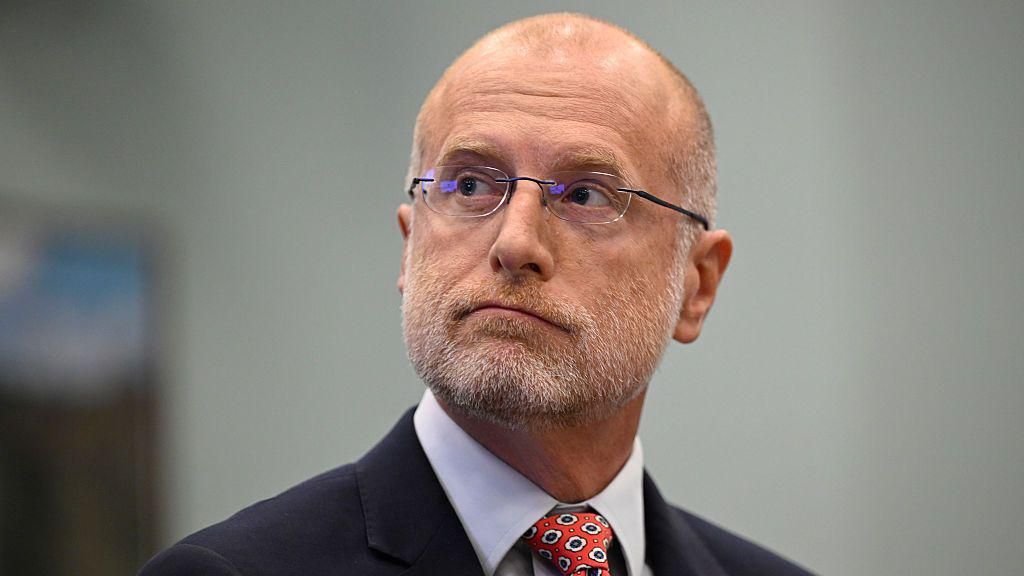
The U.S. media landscape is undergoing a seismic shift, marked by heightened tensions between the Trump administration and major broadcast networks. The indefinite suspension of Jimmy Kimmel’s long-running ABC show has become the latest flashpoint in this ongoing conflict. Kimmel, a staple of late-night comedy, faced backlash after making controversial remarks following the murder of Charlie Kirk, which appeared to mock President Trump and his supporters. This incident has reignited debates over media bias and government interference in editorial content. The Trump administration, led by Federal Communications Commission (FCC) Chairman Brendan Carr, has been actively scrutinizing media companies, accusing them of liberal bias and threatening regulatory action. Carr, described by Trump as a ‘warrior for free speech,’ has expanded the FCC’s purview to include tech giants like Apple and Google, alleging they participate in a ‘censorship cartel.’ The administration’s aggressive stance has prompted some media companies to settle lawsuits and revise editorial policies, while others, like The New York Times, have vowed to resist intimidation. Critics, including some conservatives, warn that these actions could endanger free speech. Meanwhile, media consolidation and the conservative leanings of certain owners have made the industry more susceptible to government pressure. Despite these challenges, some outlets remain defiant, asserting their commitment to independent journalism.
分类: politics
-
Erika Kirk named CEO of Turning Point USA after husband’s murder
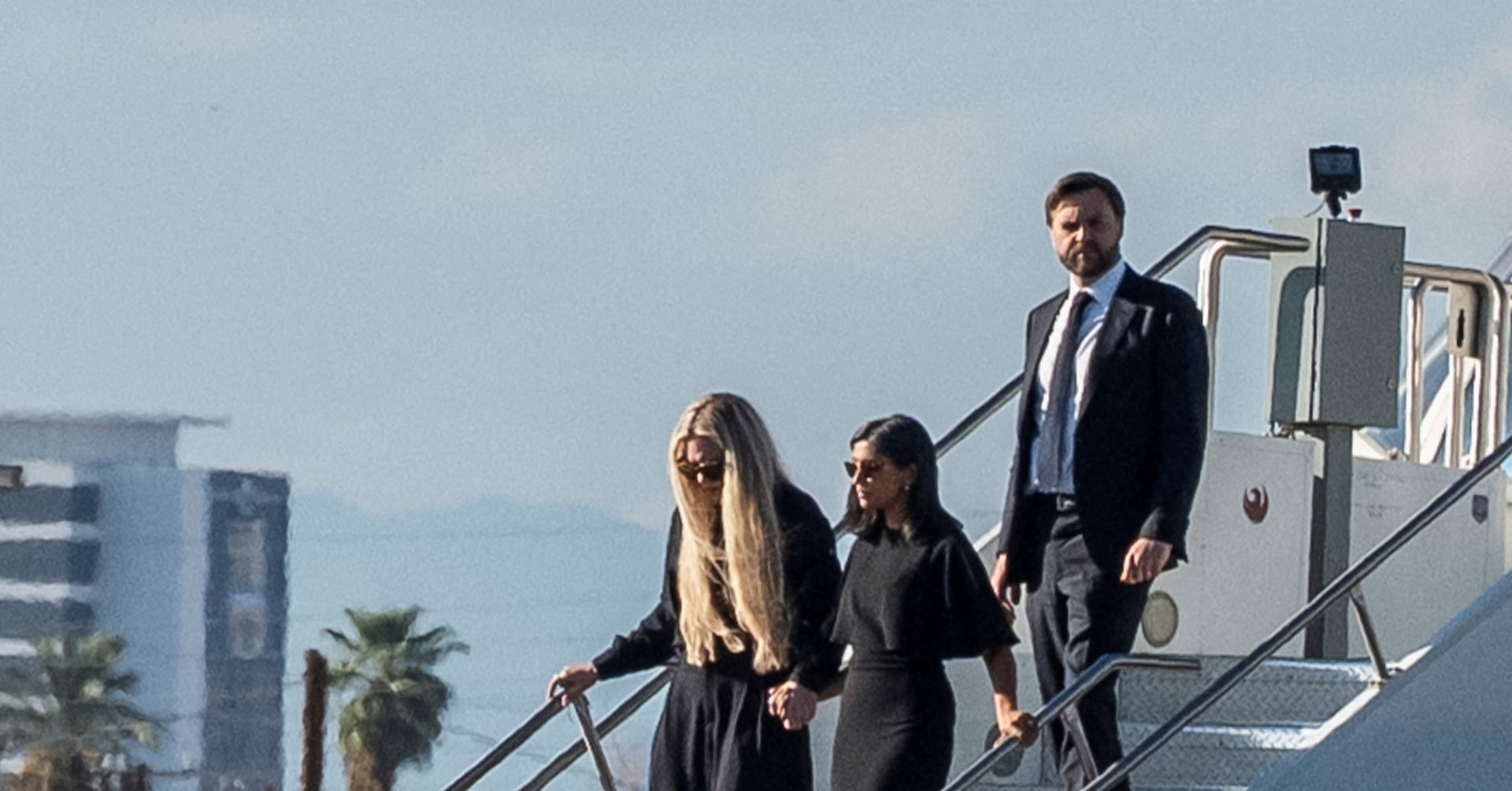
In a significant development within the conservative political landscape, Erika Kirk, the widow of slain activist Charlie Kirk, has been unanimously elected as the new CEO of Turning Point USA. The announcement came on September 18, 2025, just days after her husband was fatally shot during an event at Utah Valley University. The organization, founded by Charlie Kirk to mobilize young voters for Republican causes, now faces a critical juncture in its mission. Vice President JD Vance and his wife Usha were present as Air Force Two transported Charlie Kirk’s body to Phoenix, Arizona, on September 11, 2025. The accused shooter, 22-year-old Tyler Robinson, allegedly fired the fatal shot from a rooftop during the campus event. Erika Kirk, 36, has vowed to continue her husband’s legacy, emphasizing her Christian faith and conservative values. In a poignant video address, she declared, ‘The cries of this widow will echo around the world like a battle cry.’ The board of Turning Point USA expressed confidence in her leadership, stating that Charlie Kirk had prepared the organization to endure even the greatest challenges.
-
Trump asks US Supreme Court to allow firing of Fed Governor Lisa Cook
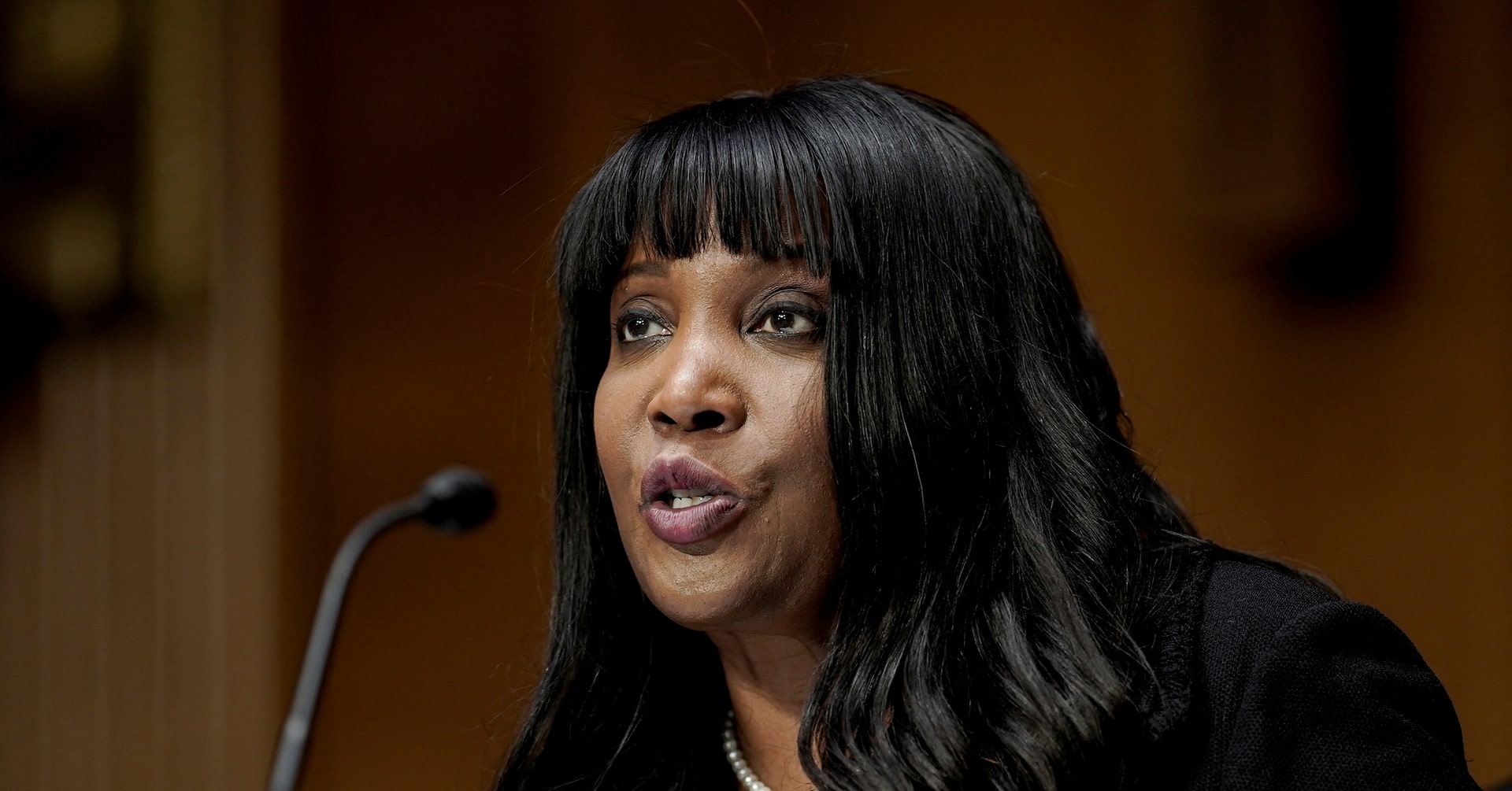
In an unprecedented move, former President Donald Trump’s administration has sought the U.S. Supreme Court’s approval to dismiss Federal Reserve Governor Lisa Cook, a decision that threatens the long-standing independence of the central bank. The legal battle, initiated on September 18, marks the first time a sitting president has attempted to remove a Fed official since its establishment in 1913. The Justice Department filed a request to overturn a September 9 ruling by U.S. District Judge Jia Cobb, which temporarily blocked Trump from firing Cook. Cobb determined that Trump’s allegations of mortgage fraud against Cook, which she denies, were insufficient grounds for removal under the Federal Reserve Act. Cook, appointed by President Joe Biden, participated in the Fed’s recent decision to cut interest rates by a quarter percentage point, a move aimed at addressing job market concerns. The legal dispute raises significant questions about the Fed’s autonomy in setting monetary policy, a cornerstone of its operational independence. Trump’s administration has argued that the president has ‘unreviewable discretion’ to remove Fed governors ‘for cause,’ though the law does not define what constitutes such cause. Cook, the first Black woman to serve as a Fed governor, has countered that Trump’s actions are politically motivated, stemming from her monetary policy stance. The case has broader implications for the global economy, as concerns over the Fed’s independence could undermine confidence in its ability to manage inflation and stabilize financial markets. The Supreme Court, with a 6-3 conservative majority, has previously sided with Trump in similar cases, but its stance on the Fed’s unique structure remains uncertain. The outcome of this legal battle could set a precedent for presidential authority over independent federal agencies.
-
Trump administration may not end Venezuelan migrants’ protections, court rules
In a significant legal development, a federal appeals court has upheld protections for Venezuelan immigrants residing in the United States, despite efforts by the Trump administration to revoke their Temporary Protected Status (TPS). The 9th U.S. Circuit Court of Appeals, based in San Francisco, declined to halt a lower court’s ruling that deemed the administration’s attempt to end TPS for 600,000 Venezuelans unlawful. The three-judge panel emphasized that terminating TPS would expose these individuals to wrongful deportation, family separation, and job loss, outcomes Congress never intended. The Department of Justice has indicated plans to appeal the decision to the U.S. Supreme Court, which previously sided with the administration in a related case. The TPS program, established in 1991, offers temporary work authorization and deportation relief to migrants from countries facing crises such as natural disasters or armed conflict. The Biden administration had extended TPS to Venezuelans and Haitians, but Homeland Security Secretary Kristi Noem reversed these extensions in February 2025, claiming they were no longer justified. The recent ruling stems from a lawsuit filed by affected migrants and the National TPS Alliance, challenging Noem’s actions. While the decision primarily impacts Venezuelans, it also indirectly supports Haitian immigrants, whose TPS status was similarly revoked. The legal battle highlights the ongoing tension between immigration policies and humanitarian protections in the U.S.
-
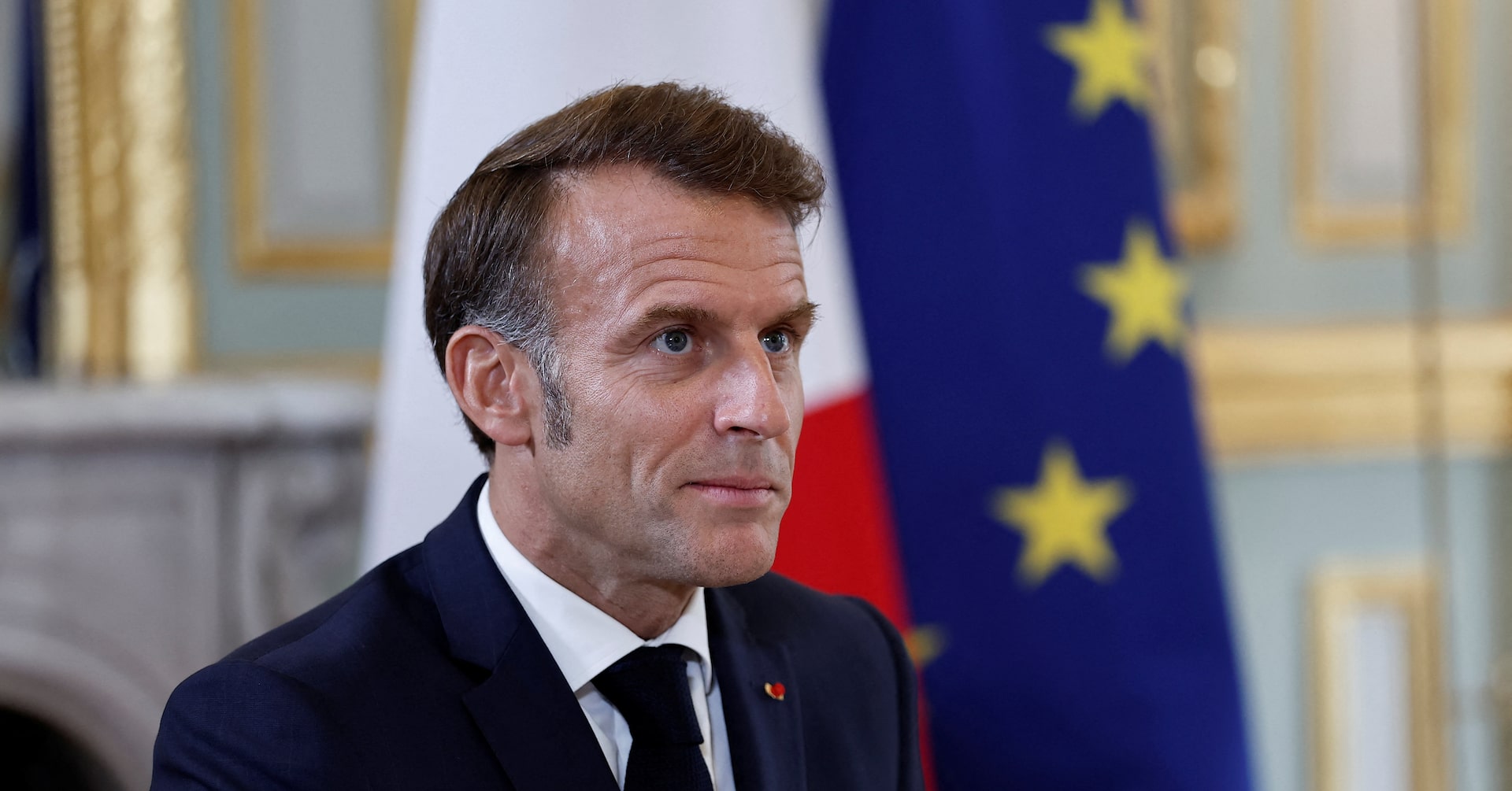
UN sanctions on Iran to be reimposed, France’s Macron says
French President Emmanuel Macron has confirmed that United Nations sanctions on Iran will be reinstated by the end of September, citing Tehran’s lack of seriousness in negotiations with European powers. Macron made the announcement during an interview with Israel’s Channel 12, where he addressed the so-called snapback mechanism designed to reimpose sanctions if Iran violates the 2015 nuclear deal. ‘Yes. I think so because the latest news from the Iranians is not serious,’ Macron stated. The decision comes ahead of a critical meeting at the U.N. General Assembly, where France and Saudi Arabia will co-host discussions on a two-state solution between Israel and the Palestinians. Macron’s remarks underscore growing frustration among European leaders over Iran’s reluctance to engage constructively in diplomatic efforts to salvage the nuclear agreement. The reimposition of sanctions is expected to escalate tensions in the Middle East, further complicating regional stability.
-
EU looks to accelerate ban on Russian LNG in 19th package of sanctions, EU official says
The European Commission is actively deliberating a proposal to expedite a ban on Russian liquefied natural gas (LNG) as part of its 19th sanctions package against Moscow, according to an EU official. This move comes in response to heightened pressure from U.S. President Donald Trump, who has urged European nations to take more aggressive measures to undermine Russia’s energy revenues and weaken its war economy. During a recent call with European Commission President Ursula von der Leyen, Trump emphasized the need for Europe to halt all Russian oil purchases and impose tariffs on major buyers of Russian fossil fuels, such as China and India. The EU is already in the process of negotiating proposals to phase out Russian oil and gas imports entirely by January 1, 2028, with an immediate ban on short-term contracts set to take effect next year. The new sanctions package is expected to be presented to EU member states on Friday, marking a significant step in the bloc’s ongoing efforts to curtail Russia’s financial resources amid the Ukraine conflict.
-
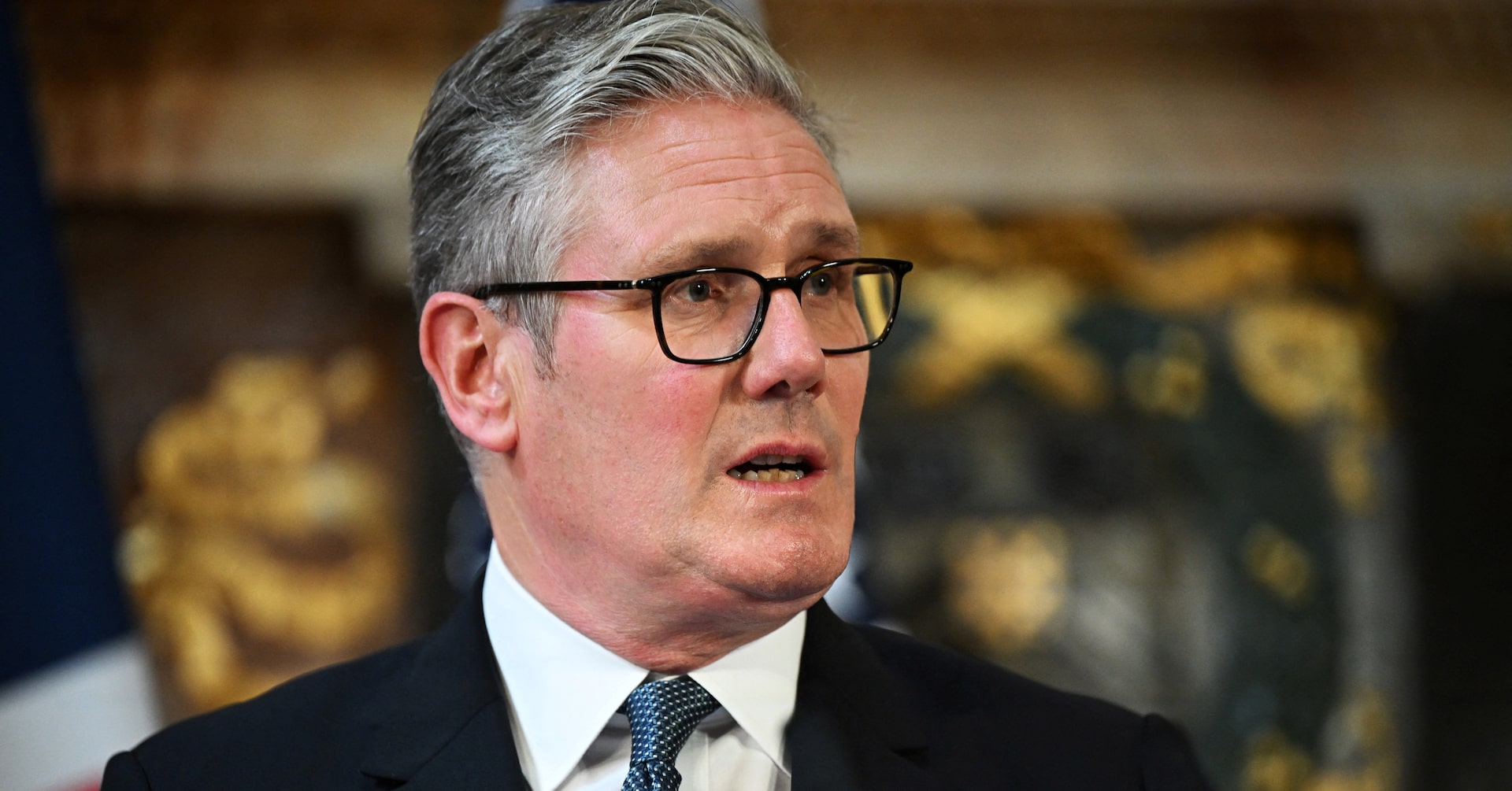
UK’s Starmer says free speech must be protected, but there is a limit
At a press conference held at Chequers on September 18, 2025, UK Prime Minister Keir Starmer emphasized the nation’s unwavering commitment to free speech while addressing the need to protect vulnerable individuals, particularly children, from harmful online content. The event marked the conclusion of U.S. President Donald Trump’s state visit to the United Kingdom. Starmer stated, ‘Free speech is one of the founding values of the United Kingdom, and we protect it jealously and fiercely and always will.’ However, he drew a clear line when it comes to content that promotes paedophilia or encourages self-harm, particularly on social media platforms. ‘I’m all for free speech, but I’m also for protecting children from things that will harm them,’ he added. The UK’s Online Safety Law mandates social media companies to remove illegal content, with encouraging self-harm now classified as a criminal offense. While the previous government’s attempt to ban ‘harmful but legal’ content was abandoned due to concerns over free speech restrictions, recent police actions, such as the arrest of Irish comedian Graham Linehan for comments on transgender issues, have sparked debates on the application of existing laws in the digital space. The police defended their actions but acknowledged the challenges in balancing free speech and criminal content moderation.
-
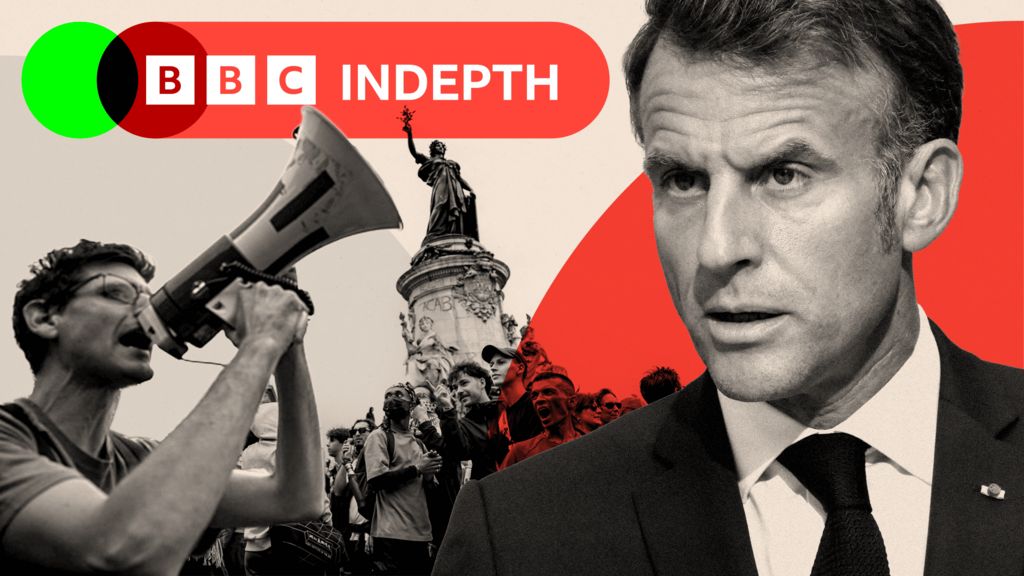
Why France is at risk of becoming the new sick man of Europe
France is grappling with unprecedented political instability, economic challenges, and social unrest, as the nation faces a deepening crisis that has drawn both domestic and international scrutiny. In less than two years, the country has seen five prime ministers, a record even surpassing Italy’s post-war political turbulence. The current political impasse stems from President Emmanuel Macron’s decision to dissolve the National Assembly in 2024, which backfired, leaving the parliament fractured into three factions: the center, the left, and the far-right. This division has paralyzed governance, with no single group able to form a functioning majority. The immediate challenge is passing a budget, a task made more daunting by a recent general strike that saw widespread disruptions, including school closures and halted public transport. Meanwhile, Italy’s media has reveled in France’s misfortunes, mocking its political chaos and questioning the nation’s once-celebrated grandeur. The economic situation is equally dire. France’s national debt has soared to €3 trillion, or 114% of GDP, with debt servicing costs estimated at €67 billion this year—more than the budgets of all government departments except education and defense. Fitch’s recent downgrade of French debt has further exacerbated concerns, raising fears of potential IMF intervention. Amid this turmoil, Macron’s leadership is under intense scrutiny. His new prime minister, Sébastien Lecornu, faces the Herculean task of forging a budget compromise between deeply divided political factions. However, concessions to one side risk alienating the other, making consensus nearly impossible. The stakes are high: failure could lead to another government collapse, further elections, and even Macron’s resignation. As France navigates this historic turning point, the question remains: will the nation emerge stronger or become Europe’s new ‘sick man’?
-
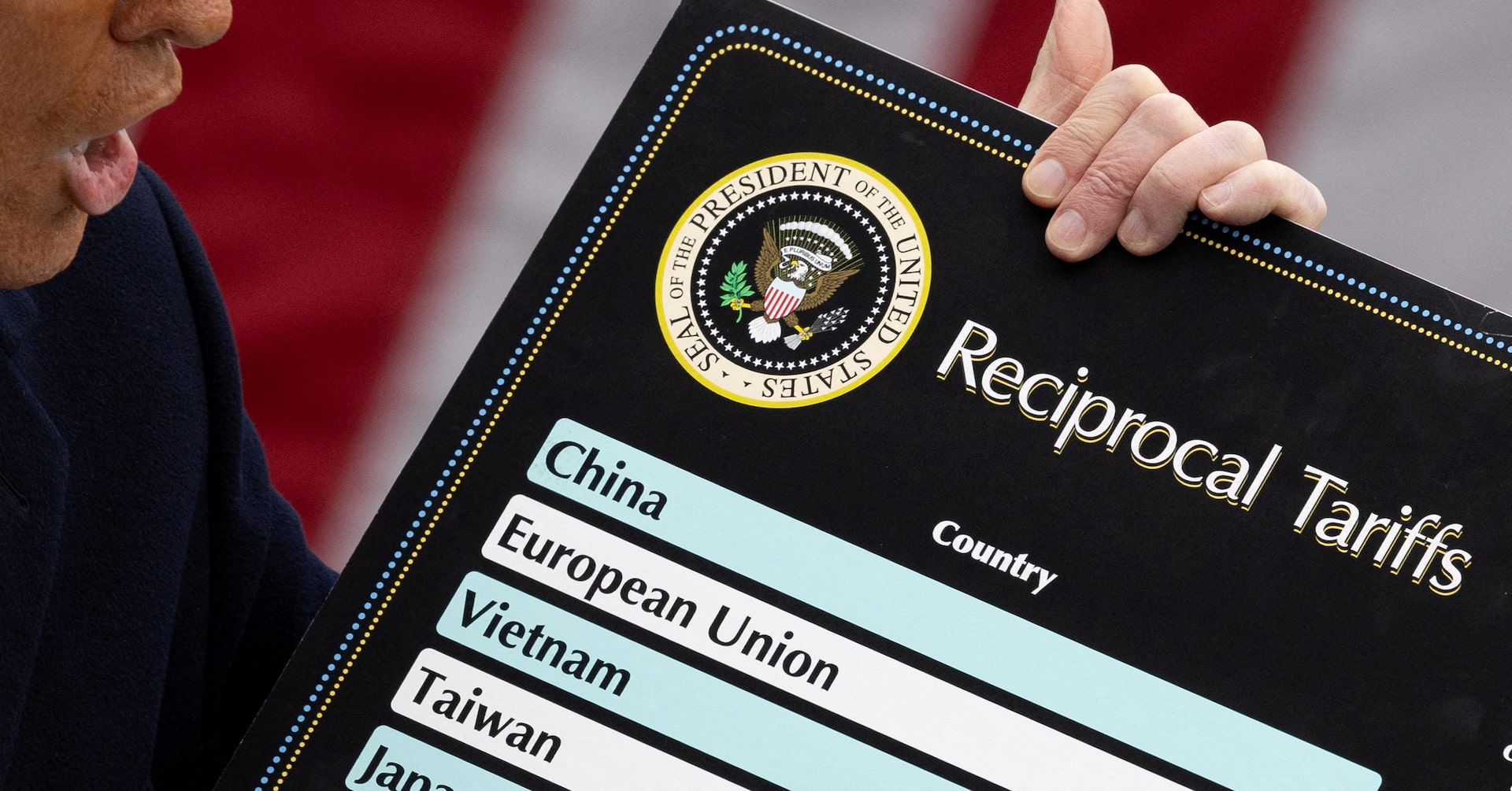
US Supreme Court to hear Trump’s tariffs case on November 5
The U.S. Supreme Court has scheduled oral arguments for November 5, 2025, to examine the legality of former President Donald Trump’s expansive global tariffs. This case represents a pivotal moment in assessing the extent of executive power, a cornerstone of Trump’s economic and trade policies. The decision to hear the case follows a ruling by a lower court that Trump exceeded his authority in implementing most of these tariffs under a federal law designed for emergency situations. The Supreme Court, which commences its next term on October 6, will also concurrently address a separate challenge to Trump’s tariffs brought by Learning Resources, a family-owned toy company. This dual examination underscores the significant legal and economic implications of Trump’s tariff policies, which have been a subject of intense debate and litigation.
-

US judge keeps block on Trump effort to deport Guatemalan unaccompanied children
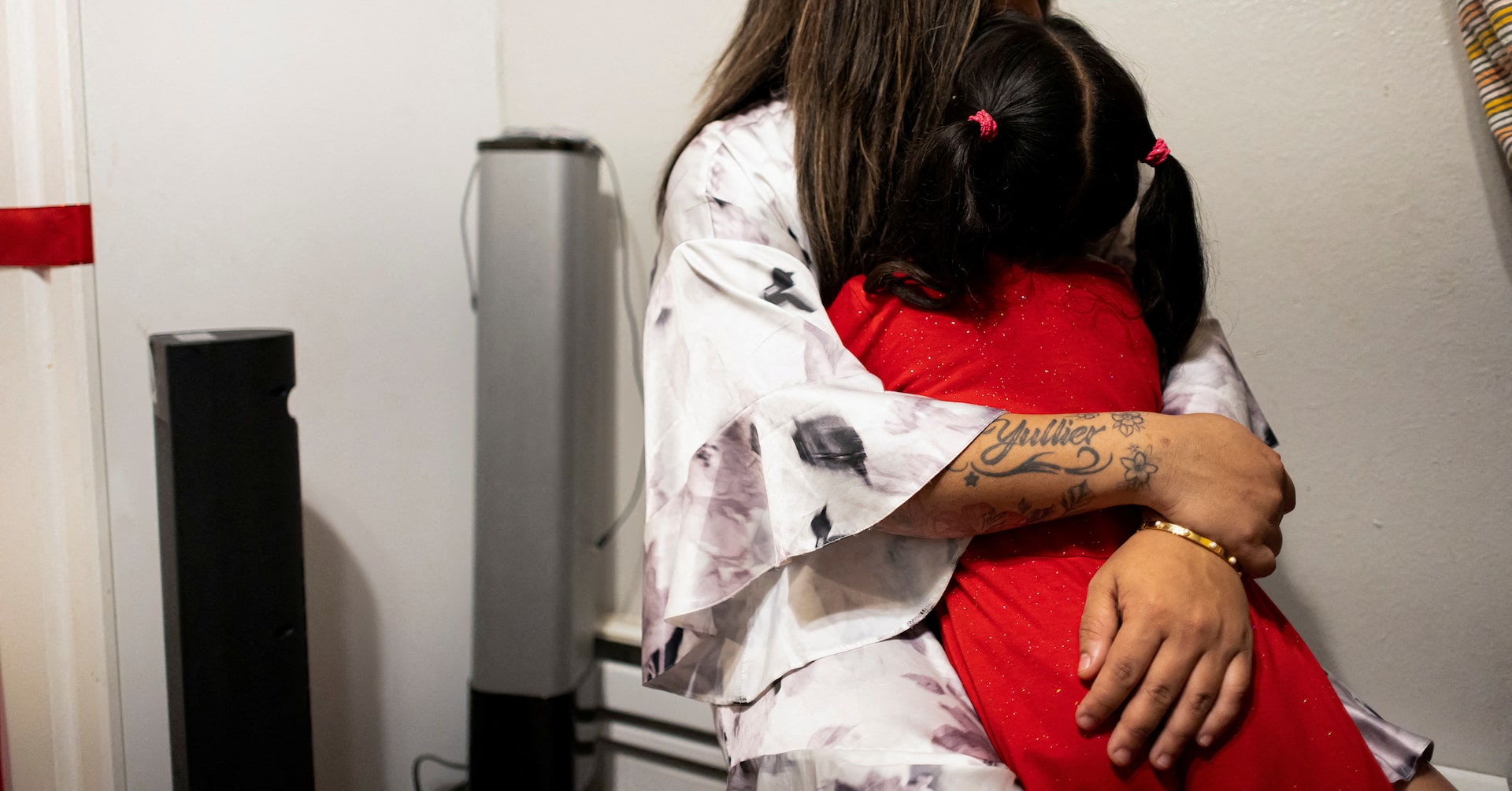
A federal judge has issued a significant ruling against the Trump administration’s efforts to deport unaccompanied Guatemalan migrant children with active immigration cases. Judge Timothy Kelly, appointed by President Trump and based in Washington, D.C., upheld a previous judicial block on the policy, strongly criticizing the administration’s unsubstantiated claim that the children’s parents desired their deportation. The ruling came in response to a legal challenge sparked by the administration’s surprise attempt to deport 76 Guatemalan minors in U.S. custody on August 31. Initially, Justice Department lawyer Drew Ensign asserted that the children’s parents had requested their return, but this claim was later retracted. The reversal followed a Reuters report citing an internal Guatemalan attorney general document, which revealed that most parents of the approximately 600 Guatemalan children in U.S. custody could not be reached, and many of those contacted opposed their children’s return. In a 43-page opinion, Judge Kelly described the administration’s justification as ‘crumbling like a house of cards’ and emphasized the lack of evidence supporting the parents’ alleged wishes. The judge’s decision prevents the rapid deportation of these children while their cases remain active. The U.S. Department of Homeland Security and Department of Justice have yet to comment on the ruling. Under federal law, unaccompanied migrant children are placed in government-run shelters until they can be reunited with family or placed in foster care. A Guatemalan mother, who spoke anonymously, expressed her son’s desire to remain in California despite her longing for his return. She works long hours at a restaurant, earning just enough to cover basic necessities.