
The Seychelles, Africa’s smallest nation, witnessed a crucial electoral event on Saturday as citizens cast their votes to elect a new president and parliament. Incumbent President Wavel Ramkalawan, an Anglican priest turned politician, sought re-election after his historic victory in 2020, which marked the first time an opposition leader had unseated the ruling party since 1976. His primary challenger, Patrick Herminie of the United Seychelles Party, brought a wealth of political experience, having served as parliamentary speaker from 2007 to 2016. Polls opened at 7 a.m., with long queues forming at voting stations across the 115-island archipelago, signaling robust voter participation. Electoral authorities reported smooth proceedings, and counting began after polls closed at 7 p.m., with results anticipated by Sunday. A runoff will be held if no candidate secures over 50% of the vote. The election unfolded against a backdrop of pressing national issues, including economic recovery, environmental sustainability, and a burgeoning drug crisis. The governing Linyon Demokratik Seselwa party campaigned on promises of economic revitalization, social development, and environmental preservation. However, the government faced criticism over a controversial decision to lease part of Assomption Island to a Qatari company for a luxury hotel project, raising concerns about sovereignty and foreign influence. Seychelles, renowned for its luxury tourism and environmental beauty, is also grappling with the impacts of climate change, including rising sea levels, which threaten its low-lying islands. Additionally, the nation faces a severe drug epidemic, with heroin addiction rates among the highest globally. Critics argue that both Ramkalawan and Herminie have fallen short in addressing this crisis, despite their respective roles in drug prevention efforts. With a population of just over 120,000, the election outcome will shape the nation’s trajectory in addressing these multifaceted challenges.
分类: politics
-
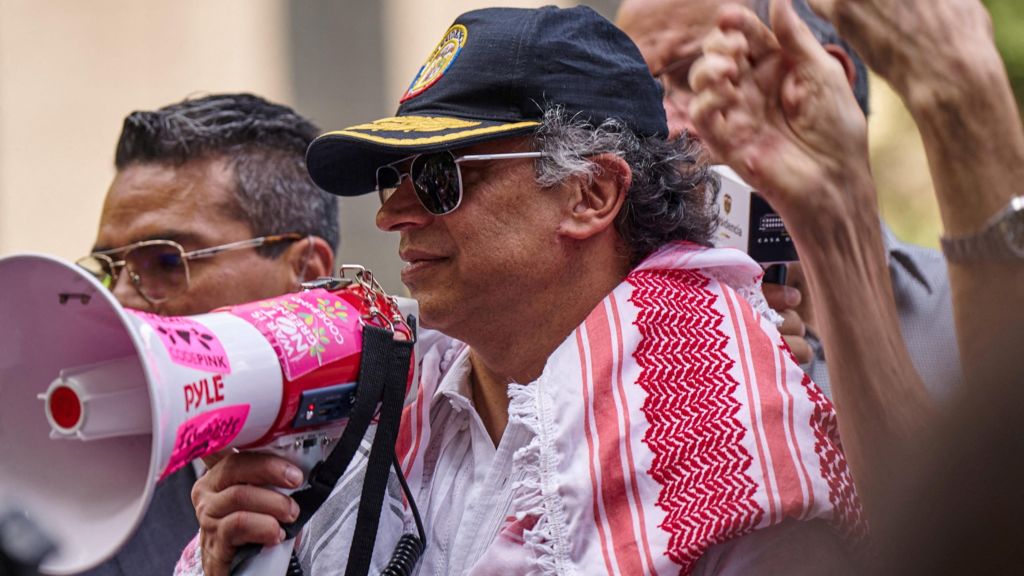
US revokes Colombian president’s visa during UN visit
The United States State Department announced on Friday its decision to revoke the visa of Colombian President Gustavo Petro, citing his ‘incendiary actions’ during a pro-Palestinian demonstration outside the United Nations headquarters in New York. Petro, a leftist leader, had earlier criticized the Trump administration’s airstrikes on alleged drug-trafficking boats in the Caribbean Sea, labeling them as ‘acts of tyranny’ in an interview with the BBC. During the protest, Petro addressed a large crowd through a megaphone, urging ‘nations of the world’ to contribute soldiers for an army ‘larger than that of the United States’ and calling on U.S. soldiers to ‘disobey Trump’s order’ and ‘obey the order of humanity.’ The State Department condemned his remarks as reckless and inflammatory, leading to the visa revocation. Petro, who was already en route back to Bogota, has been a vocal critic of U.S. policies, particularly regarding the drug trade and Venezuela. Colombia’s Interior Minister Armando Benedetti defended Petro, suggesting that Israeli Prime Minister Benjamin Netanyahu’s visa should have been revoked instead. This incident further strains the already tense relations between Colombia and the Trump administration, which has also denied visas to Palestinian President Mahmoud Abbas and 80 officials, preventing their attendance at the UN General Assembly.
-
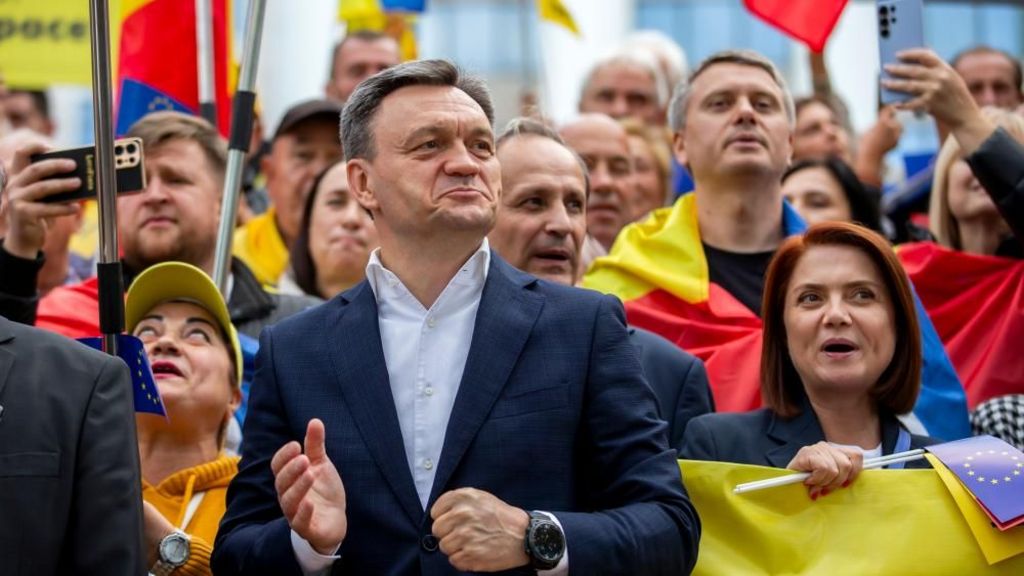
Moldova holds key election as Russia’s shadow looms large
As Moldova approaches its pivotal parliamentary elections on Sunday, the nation finds itself at a crossroads, torn between its aspirations for European Union membership and the looming shadow of Russian influence. Prime Minister Dorin Recean, leading the pro-European PAS party, has framed the election as a ‘final battle’ for Moldova’s future, warning of unprecedented Russian interference aimed at destabilizing the country and installing pro-Kremlin politicians.
-
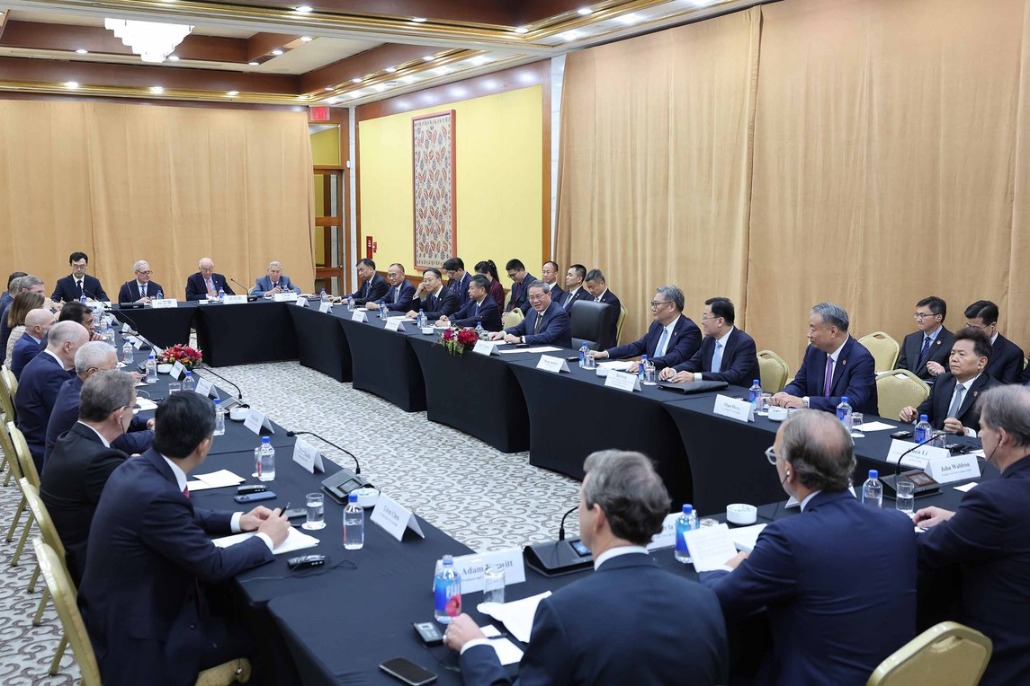
Premier calls for efforts to enhance China-US ties
Premier Li Qiang has emphasized the critical importance of fostering a stable and mutually beneficial relationship between China and the United States. Speaking during a meeting with representatives from key US organizations, including the US-China Business Council, the National Committee on US-China Relations, the US Chamber of Commerce, and the Council on Foreign Relations, Li underscored the necessity for both nations to find a harmonious way to coexist and collaborate. The meeting took place in New York on September 25, 2025, coinciding with the 80th session of the United Nations General Assembly.
Li highlighted that China-US relations are among the most significant bilateral ties globally, urging both countries to act as partners rather than adversaries. He stressed the importance of mutual respect, peaceful coexistence, and win-win cooperation, particularly in the realm of economic and trade relations. The Premier expressed confidence in China’s ability to sustain stable economic growth, which he believes will create opportunities for businesses worldwide, including those from the US.
Reiterating China’s commitment to foreign enterprises, Li pledged to provide greater certainty for their development, regardless of external challenges. He also affirmed China’s dedication to working with the US to stabilize and enhance bilateral economic and trade ties, grounded in principles of equality, respect, and mutual benefit.
The meeting followed a recent phone conversation between Chinese President Xi Jinping and US President Donald Trump, marking their third discussion this year. Both leaders have been actively working to stabilize the relationship between their nations. Sean Stein, president of the US-China Business Council, described the meeting as a crucial platform to address the concerns of the US business community in China and to advance discussions on trade and investment issues.
In a related development, Vice-Foreign Minister Ma Zhaoxu met with US Deputy Secretary of State Christopher Landau in New York. Their discussions focused on China-US relations and regional issues, with Ma emphasizing the importance of the US adhering to the one-China policy to maintain peace and stability across the Taiwan Strait.
-
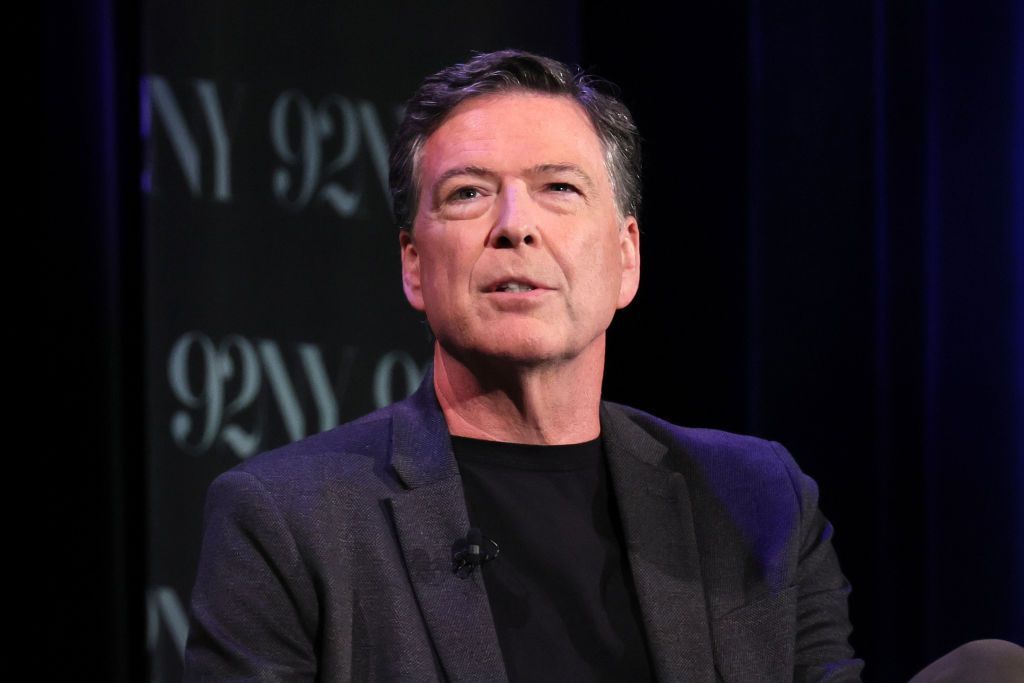
Trump pressed to prosecute Comey, but his own actions could undermine the case
The indictment of former FBI Director James Comey has sparked a heated debate over the integrity of the legal process, with former federal prosecutors warning that President Donald Trump’s public pressure on the case could undermine its credibility. Comey, a long-standing political adversary of Trump, faces charges of making false statements to Congress and obstructing an investigation. Trump has openly celebrated the indictment, labeling Comey a “dirty cop” and demanding accountability for his alleged misconduct. However, legal experts argue that Trump’s vocal involvement and the unusual circumstances surrounding the indictment could weaken the prosecution’s case. The indictment itself is notably brief, offering minimal details, which has raised questions about the strength of the evidence. Former prosecutors, including Kevin Flynn and Marcos Jiménez, have expressed concerns that the case appears rushed and politically motivated. They emphasize that securing a conviction would require proving beyond a reasonable doubt that Comey knowingly lied to Congress, a high bar given the current circumstances. Additionally, Trump’s public statements and his replacement of a Virginia prosecutor with a loyalist to pursue the indictment have further fueled allegations of selective prosecution. Columbia Law School professor Annemarie McAvoy noted that while indicting high-ranking officials for lying to Congress is not unprecedented, the political context of this case complicates matters. As the legal battle unfolds, the case has become a focal point for discussions about the intersection of politics and justice in the United States.
-
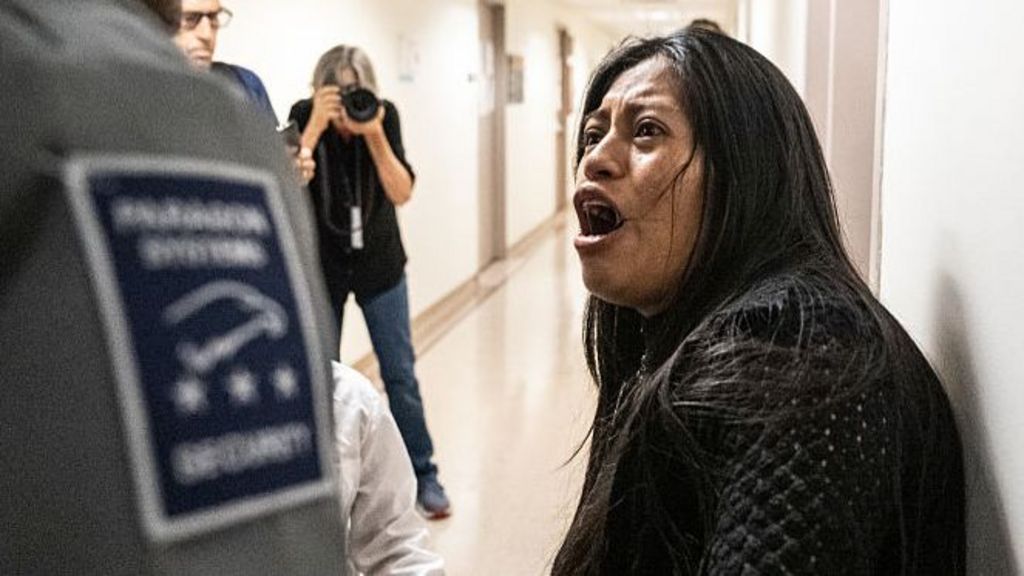
ICE officer disciplined after shoving woman to ground in courthouse
An Immigration and Customs Enforcement (ICE) officer has been placed on administrative leave following a disturbing incident at a New York immigration court, where he was captured on video forcefully shoving a woman to the ground. The Department of Homeland Security (DHS) announced the officer’s suspension on Friday, pending a full investigation into the matter. DHS Assistant Secretary Tricia McLaughlin condemned the officer’s actions, stating that such conduct is ‘unacceptable and beneath the men and women of ICE,’ who are expected to uphold the highest professional standards. The video, which went viral on social media, shows the woman, reportedly from Ecuador, crying as she approaches the officer in a courthouse hallway. The officer repeatedly says ‘adios’ before grabbing her, pushing her backward, and knocking her to the ground. Another angle of the incident reveals the woman shouting ‘take me, take me!’ in Spanish, as the officer forcibly moves her down the hallway and into a wall before shoving her to the ground. The officer then demands she ‘leave!’ in Spanish and instructs nearby officers to remove her from the building. The incident occurred as federal agents attempted to detain the woman’s husband, with her and her daughter clinging to him. This event is part of a broader crackdown on immigration under former President Donald Trump, which has seen ICE officers detaining immigrants at federal courthouses, including hundreds in New York City alone. Democratic Congressman Dan Goldman, whose district includes the courthouse, has called for disciplinary action and measures to prevent such incidents in the future.
-
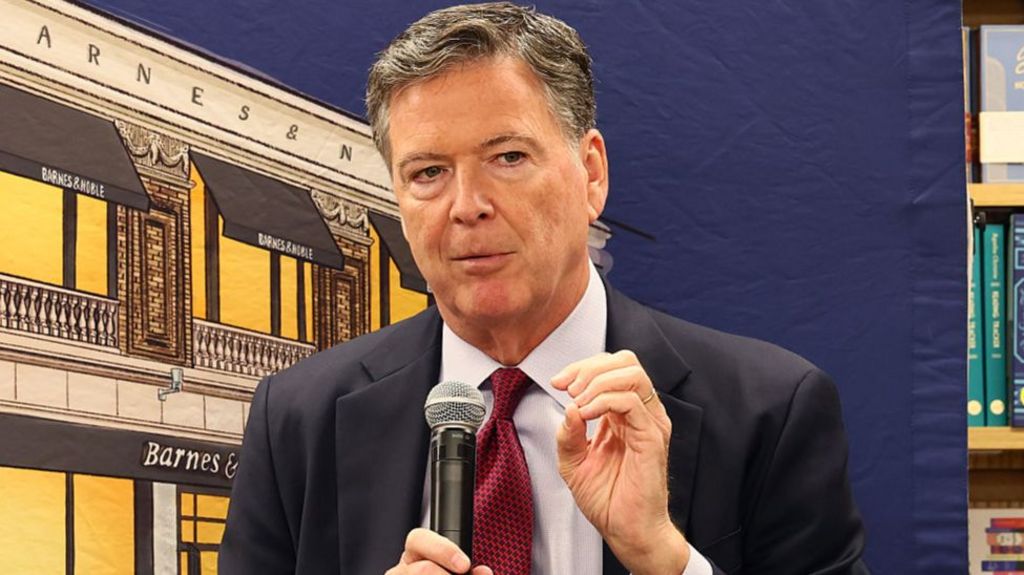
What to know about James Comey’s indictment and what happens next
James Comey, the former FBI director, has been indicted by the US Department of Justice on charges of perjury and obstruction of justice. The charges stem from his 2020 testimony before the Senate Judiciary Committee, where he was questioned about his handling of investigations into Hillary Clinton’s private email server and Russian interference in the 2016 election. Comey, who has maintained his innocence, is set to appear in court on October 9 for arraignment. The indictment, though sparse in detail, alleges that Comey made false statements during his testimony, particularly regarding his authorization of leaks to the media. This development reignites a long-standing political feud, with critics accusing President Trump of weaponizing the Justice Department for partisan purposes. Trump, who fired Comey in 2017, has publicly celebrated the indictment, calling Comey ‘one of the worst human beings this Country has ever been exposed to.’ The case has further polarized the political landscape, with Democrats condemning the charges as an attack on the rule of law, while some Republicans argue that Comey’s past actions warrant scrutiny. The indictment comes just days after Trump urged his attorney general to aggressively pursue his political opponents, raising concerns about the independence of the Justice Department. As the legal battle unfolds, the case is likely to deepen the divisions in an already fractured political climate.
-
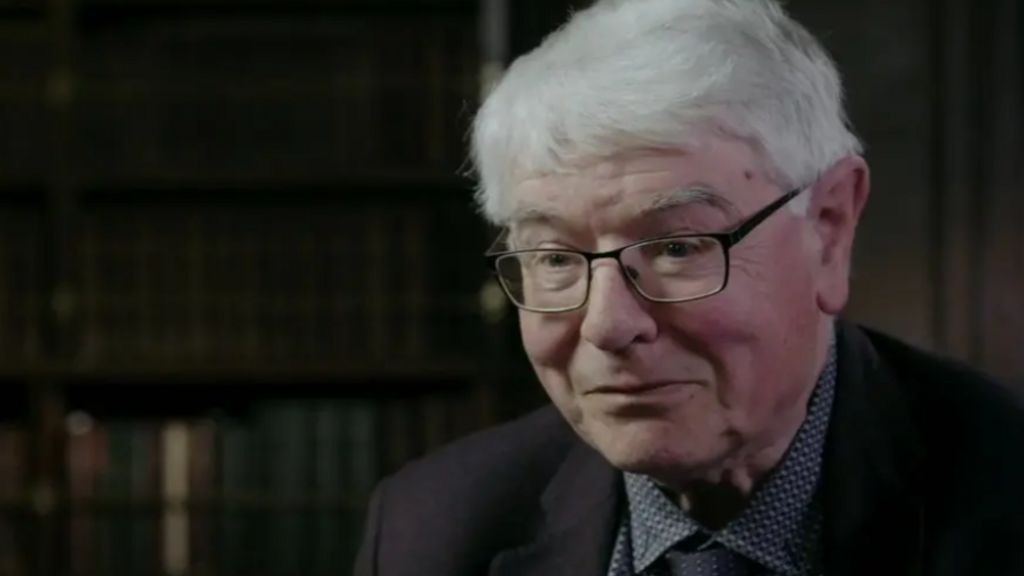
Former peace process adviser Martin Mansergh dies aged 78
Martin Mansergh, a pivotal figure in the Northern Ireland peace process and former advisor to the Irish government, has died at the age of 78. His passing occurred during a trip to the Sahara with fellow retired parliamentarians. Mansergh, who served as an advisor to Fianna Fáil, was widely recognized for his instrumental role in securing peace in Northern Ireland, particularly through his early secret negotiations in Belfast and his decade-long efforts to overcome obstacles in the peace process. Irish Taoiseach Micheál Martin hailed him as a ‘true Irish republican’ who leaves behind a ‘proud legacy,’ emphasizing his critical contributions to the Good Friday Agreement. Mansergh also held various political roles, including Minister of State for the Office of Public Works, Senator from 2002 to 2007, and TD for Tipperary South from 2007 to 2011. Former Sinn Féin leader Gerry Adams praised him as a ‘key figure’ in building the peace process, while former Taoiseach Bertie Ahern described him as an ‘extraordinary person with a towering intellect.’ Tánaiste Simon Harris underscored Mansergh’s unparalleled influence in shaping Irish government policy on Northern Ireland, highlighting his dual role as an intermediary and a visionary in crafting a new political framework for peace.
-
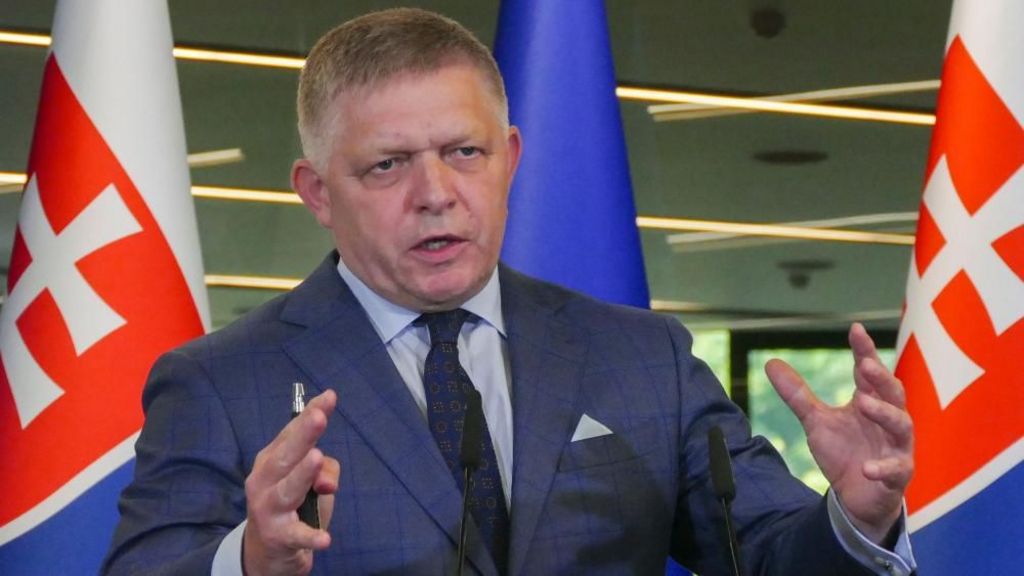
Slovakia passes law to recognise only two sexes and restrict adoption
Slovakia has enacted a significant constitutional amendment, legally recognizing only two sexes—male and female—and imposing restrictions on adoption and surrogate pregnancies. The amendment, which passed by a narrow margin in parliament, also asserts sovereignty in cultural and ethical matters. Prime Minister Robert Fico hailed the decision as a ‘great dam against progressivism,’ emphasizing his government’s commitment to traditional values. Critics, including Amnesty International, have condemned the move, warning it could marginalize the LGBT community and align Slovakia with illiberal regimes like Hungary and Russia. The amendment’s passage was unexpected, as Fico’s coalition initially lacked the necessary votes. However, last-minute support from opposition MPs secured the majority. Opposition leader Igor Matovic labeled the defectors as ‘traitors.’ Legal experts predict the amendment will provoke legal disputes with the European Union, potentially leading to sanctions. Critics argue the move is a political maneuver by Fico to divert attention from declining poll ratings and unpopular policies. President Peter Pellegrini has pledged to sign the amendment, calling it a unifying measure in a divided society. Meanwhile, Fico’s Smer-Social Democracy party faces expulsion from the Party of European Socialists (PES) for deviating from progressive values. The party’s alignment with far-right factions and Fico’s frequent meetings with Russian President Vladimir Putin have further strained relations with European allies.
-
Rolling back a rising tide of antisemitism
The global landscape is witnessing a concerning rise in antisemitism, which is significantly impacting Israel’s traditional alliances and support base. Countries such as Australia, Britain, Canada, and France are increasingly inclined to recognize a Palestinian state, while the United States, Israel’s long-standing ally, shows a notable decline in public support. According to The Economist, American favorability toward Israel has hit a 25-year low, with 53% of adults holding an unfavorable view. This shift is particularly pronounced among younger evangelicals and Democrats, signaling a broader change in public sentiment. Pro-Palestinian narratives, amplified by harrowing images of Gaza’s devastation, accuse Israel of committing genocide, further polarizing opinions. The absence of a clear Israeli vision for the future of Palestinians exacerbates the situation, allowing groups like Hamas to position themselves as the sole representatives of Palestinian interests. This dynamic is reshaping political discourse in the West, where antisemitism, once taboo, is increasingly normalized. The Vatican’s diplomatic efforts, led by Secretary of State Cardinal Pietro Parolin, aim to foster dialogue, but skepticism remains. As antisemitism resurfaces and Arab states gain influence, Israel faces a critical juncture. To counter this, Israel must address broader geopolitical challenges, articulate a vision for Palestinian self-determination, and strengthen its international alliances. The ongoing conflict in Gaza risks transforming military victories into political losses, echoing historical parallels with the Vietnam War. Ultimately, Israel’s ability to navigate these complexities will determine its future in the region and its relationship with the global Jewish diaspora.