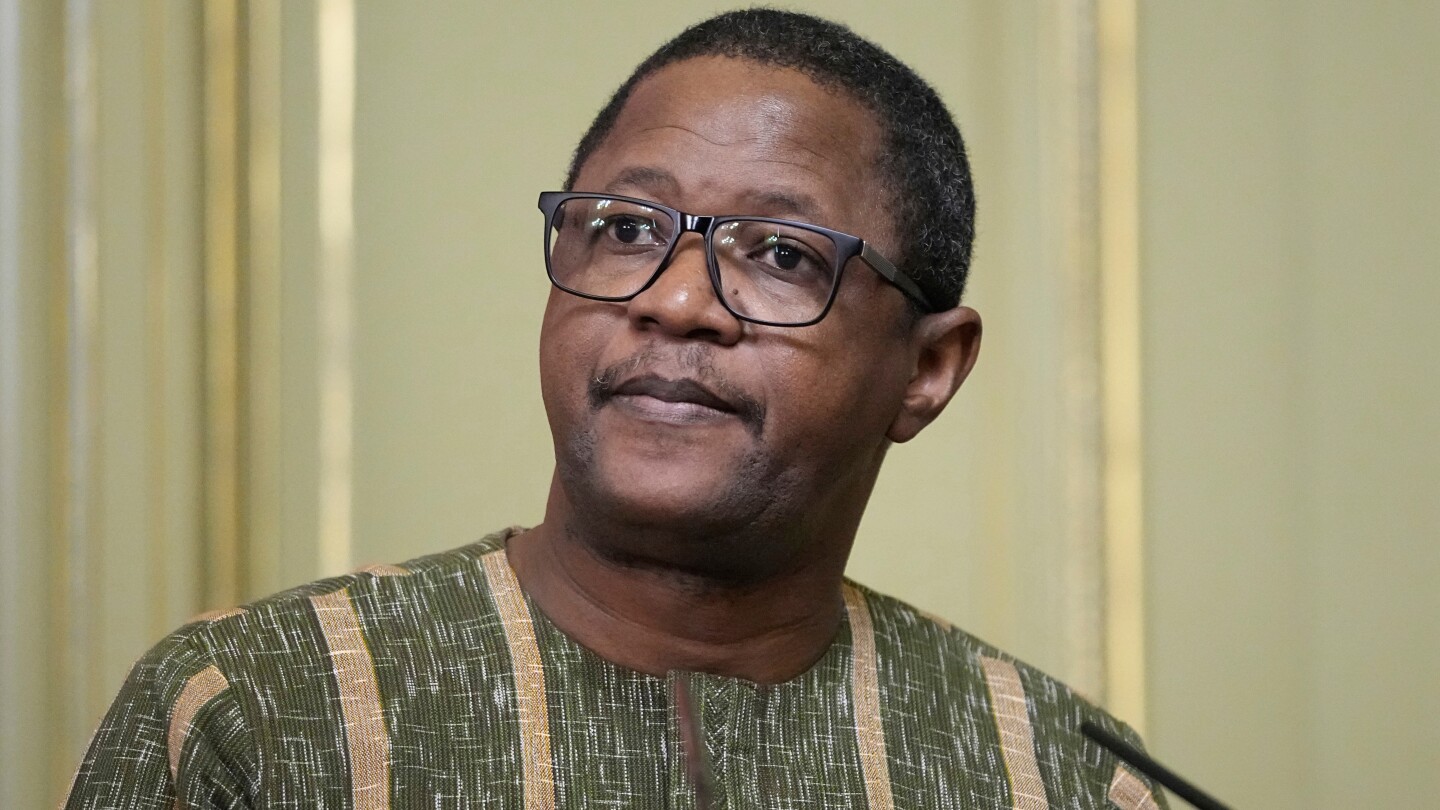
Burkina Faso has firmly declined a proposal from the Trump administration to accept deportees from the United States, labeling the request as ‘indecent’ and inconsistent with the nation’s values. Foreign Minister Karamoko Jean-Marie Traoré announced the decision on national television, emphasizing that the proposal contradicted the vision of dignity upheld by the country’s military leader, Capt. Ibrahim Traoré. The rejection came shortly after the U.S. Embassy in Ouagadougou suspended most visa services for Burkinabe residents, redirecting applications to its embassy in Togo. While the embassy did not provide a reason for the suspension, Traoré suggested it might be a ‘pressure tactic’ linked to the deportation proposal. He reiterated that Burkina Faso is ‘a land of dignity, not deportation.’ The U.S. Embassy and Department of Homeland Security have yet to comment on the matter. This development follows the Trump administration’s broader efforts to establish third-country deportation agreements with several African nations, including Eswatini, South Sudan, Rwanda, and Ghana. Human Rights Watch has reported that financial incentives were offered to some countries to accept deportees, raising concerns about the ethical implications of such deals. Deportees in some of these nations have faced harsh conditions, with lawsuits filed against governments for alleged mistreatment.
分类: politics
-

Suspected plot to attack Belgian PM foiled
Belgian authorities have thwarted a potentially devastating terrorist plot targeting Prime Minister Bart de Wever and other high-profile politicians. Three individuals, aged between 16 and 22, were arrested in Antwerp on suspicion of planning a jihadist-inspired attack. During searches near the prime minister’s private residence in Deurne, investigators uncovered an improvised explosive device (IED), a bag of steel balls, and a 3D printer, with evidence suggesting the suspects intended to use a drone to deliver an explosive payload. Deputy Prime Minister Maxime Prevot confirmed de Wever was among the intended targets, calling the plot ‘extremely shocking’ and a stark reminder of the persistent terrorist threat. One suspect has been released, while the other two remain in custody and are expected to face court proceedings. Federal prosecutor Ann Fransen revealed that Belgium has seen a significant rise in terrorism investigations this year, with 80 cases already opened, surpassing the total for 2024. This incident follows a 2023 plot against de Wever, which resulted in five convictions earlier this year.
-

US to send 200 troops to Israel to monitor Gaza ceasefire
The United States is set to relocate up to 200 troops currently stationed in the Middle East to Israel to assist in monitoring the ceasefire in Gaza, according to US officials. This move is part of a broader initiative to establish a multinational taskforce in Israel, referred to as a civil-military coordination center. The taskforce is expected to include forces from Egypt, Qatar, Turkey, and the UAE. A senior official emphasized that no US troops will enter Gaza, clarifying that their role is to create a Joint Control Center to integrate the multinational force. The Israeli government has approved the initial phase of a Gaza deal with Hamas, which has resulted in a ceasefire and the release of hostages and prisoners. The taskforce, led by US Central Command (Centcom), will oversee the ceasefire agreement’s progress and coordinate humanitarian assistance. The multinational force will communicate ground situations and potential truce violations to both Israel and Hamas through Egypt and Qatar. The force is being established under the leadership of Admiral Brad Cooper, head of Centcom, who participated in indirect talks in Egypt earlier this week. These talks culminated in US President Donald Trump’s announcement that Israel and Hamas had agreed to the first phase of a peace plan he unveiled last week. Trump’s 20-point Gaza plan includes the US collaborating with Arab and international partners to form a temporary International Stabilisation Force for immediate deployment in Gaza, contingent upon the completion of a hostage and prisoner exchange. The conflict began with Hamas’s attacks on Israel on October 7, 2023, which resulted in approximately 1,200 deaths and 251 hostages. Israel’s subsequent military offensive has reportedly killed over 67,000 Palestinians in Gaza, including more than 20,100 children, according to the Hamas-run health ministry, with these figures deemed reliable by the UN and other international bodies.
-
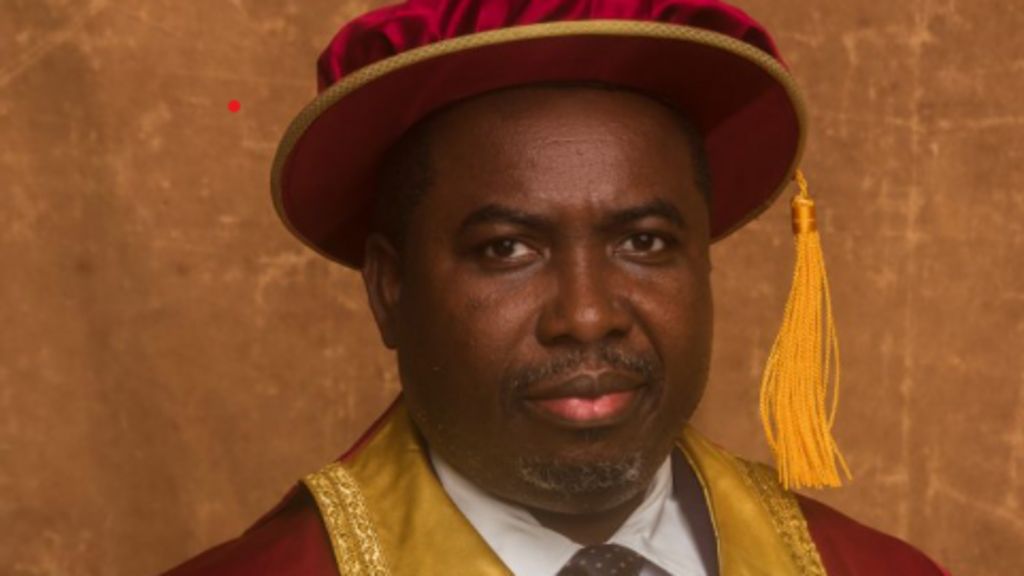
Nigeria names ‘apolitical’ law professor as new electoral chief
In a significant move to address growing concerns over Nigeria’s electoral system, President Bola Tinubu has nominated Joash Ojo Amupitan, a distinguished law professor, as the country’s new electoral chief. The nomination, announced on Thursday by presidential spokesman Bayo Onanuga, awaits confirmation by the senate. If approved, the 58-year-old scholar from Kogi state would become the first native of the north-central region to lead the Independent National Electoral Commission (INEC). Amupitan, currently serving as the deputy vice-chancellor at the University of Jos, brings over three decades of academic and legal expertise to the role. His nomination follows the departure of Professor Mahmood Yakubu and comes at a critical juncture for INEC, which faces mounting demands for greater transparency, technological advancements, and faster election result announcements. Amupitan, recognized as a Senior Advocate of Nigeria (SAN) in 2014, has focused his academic work on public law, corporate governance, and electoral law reform. His appointment is seen as a potential turning point for Nigeria’s electoral process, with hopes that his expertise will restore voter confidence, strengthen the integrity of the voter register, and ensure technology enhances electoral outcomes. Opposition parties, including the African Democratic Congress (ADC), have urged Amupitan to prioritize public trust over political loyalty, while the ruling All Progressives Congress (APC) has endorsed him as the ‘perfect choice’ for the role. If confirmed, Amupitan’s first major task will be overseeing the Anambra governorship election scheduled for next month.
-
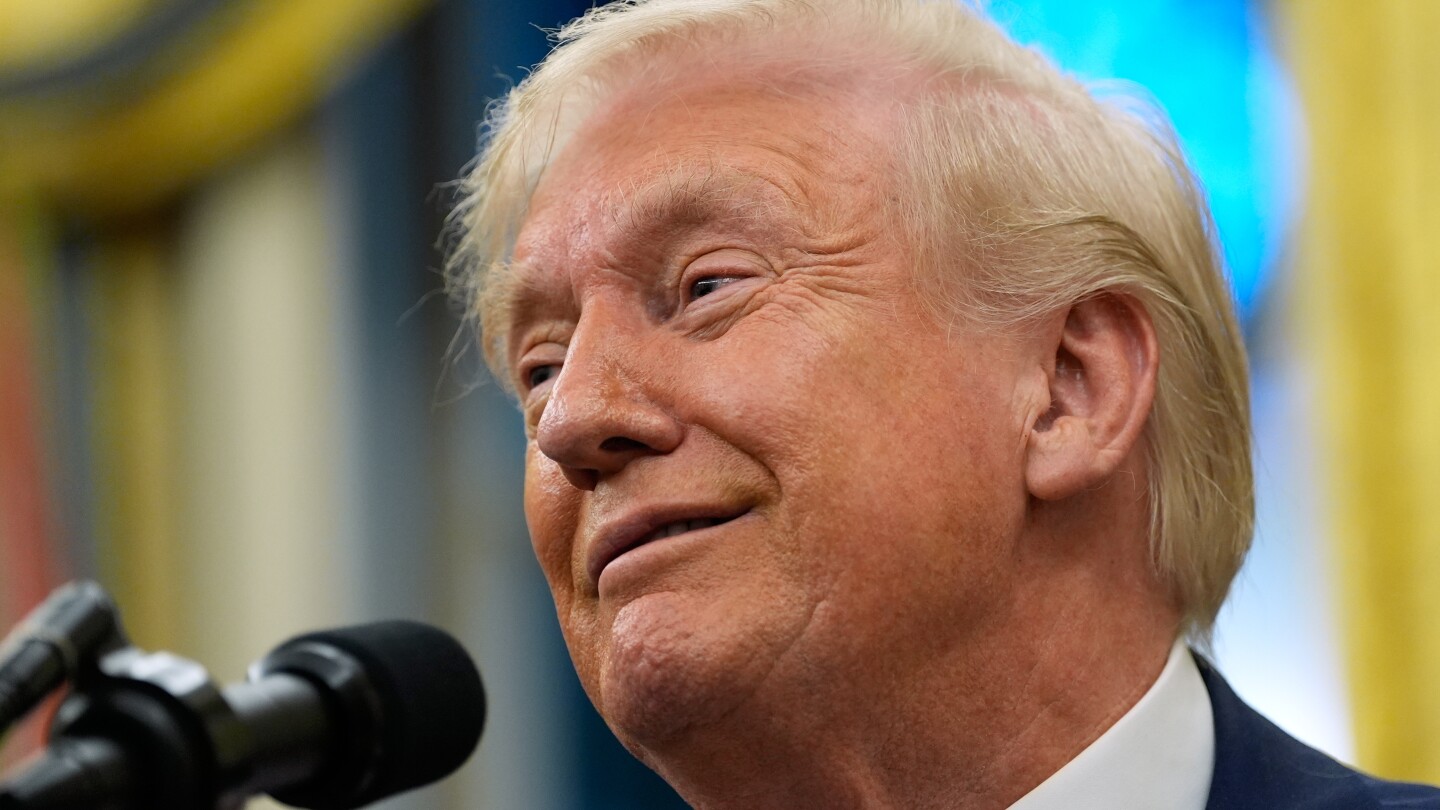
Trump’s quest for the Nobel Peace Prize falls short again despite high-profile nominations
In a turn of events that left President Donald Trump empty-handed, the Nobel Peace Prize for 2024 was awarded to Venezuelan opposition leader María Corina Machado. Despite fervent lobbying from Trump’s Republican allies, world leaders, and even the president himself, the Norwegian Nobel Committee chose to recognize Machado for her relentless efforts to promote democratic rights in Venezuela and her struggle for a peaceful transition from dictatorship to democracy. Machado, in a gracious gesture, dedicated her win to Trump, acknowledging his support for her cause. Her campaign manager confirmed that Trump congratulated her in a phone call shortly after the announcement. At the White House, Trump expressed a mix of disappointment and pride, recounting how Machado had honored him during her acceptance speech. He also suggested that the award might have been intended for 2024 achievements, hinting at his ongoing political ambitions. The White House, however, initially struck a sour note, with Communications Director Steven Cheung accusing the Nobel Committee of prioritizing politics over peace, particularly in light of the recent Gaza ceasefire deal brokered by the Trump administration. Trump’s long-standing desire for the Nobel Peace Prize has been a recurring theme throughout his presidency, with his supporters citing his role in brokering the Abraham Accords and other diplomatic efforts. Yet, the committee’s decision underscores the complex and often contentious nature of global peace initiatives. The Nobel Peace Prize, established in 1901 to honor those who advance fraternity among nations and promote peace, has been awarded to three sitting U.S. presidents in the past. Trump’s detractors argue that his nominations are often politically motivated, aimed at currying favor rather than recognizing genuine contributions to peace. Meanwhile, global reactions to the decision have been mixed, with some leaders, including Israeli Prime Minister Benjamin Netanyahu and Belarusian President Alexander Lukashenko, voicing their support for Trump. Russian President Vladimir Putin, while refraining from direct judgment, praised the Gaza ceasefire deal and criticized past Nobel Committee decisions. As Trump continues to push for peaceful resolutions to conflicts abroad, his domestic policies remain deeply divisive, reflecting the broader political polarization in the United States.
-
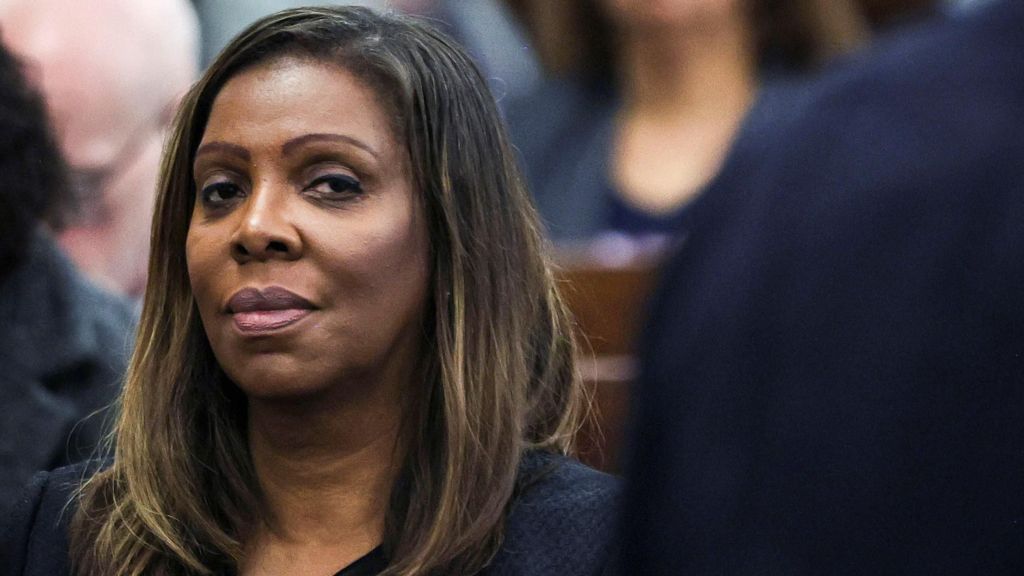
What to know about the charges against Letitia James in the US
New York Attorney General Letitia James has been indicted on federal bank fraud charges related to a property she purchased in Norfolk, Virginia. The U.S. Department of Justice (DoJ) alleges that James misrepresented the property as her secondary residence to secure a favorable mortgage, while in reality, she rented it out to a family. Prosecutors claim this misrepresentation saved her $18,933, including a lower interest rate. James denies the charges, calling them a “desperate weaponization of our justice system” and accusing former President Donald Trump of orchestrating the case as political retribution. Trump has publicly pushed for legal action against James and other political opponents, including former FBI Director James Comey and Democratic Senator Adam Schiff. James’s attorney, Abbe Lowell, stated she would vigorously defend against the charges, expressing concern that the case is driven by Trump’s desire for revenge. The indictment follows a contentious history between James and Trump, including her successful civil fraud case against him in 2023, which resulted in a $500 million penalty later overturned on appeal. The legal battle underscores the ongoing political tensions between the two figures, with James vowing to continue her fight against what she calls baseless accusations.
-

Israel approves peace plan, while international community welcomes ‘first phase’ of Gaza truce
In a significant development, the Israeli government has approved a comprehensive peace plan aimed at ending the prolonged conflict in Gaza. The decision, reached after prolonged deliberations late into Thursday night, includes a ceasefire agreement and the release of hostages held by Hamas. Israeli Prime Minister Benjamin Netanyahu hailed the approval as “a great day for Israel.” The initial phase of the plan entails the immediate release of 20 living hostages and the remains of 28 others believed to be deceased. In return, Israel has agreed to release approximately 2,000 Palestinian prisoners and withdraw its troops from half of Gaza. The agreement was brokered through indirect negotiations in Egypt, based on a 20-point framework proposed by US President Donald Trump. Following the prisoner-hostage exchange, the second phase will focus on restoring humanitarian aid to Gaza and establishing a transitional committee to oversee public services. The deal has garnered widespread support from Western and Arab nations, who are set to discuss the deployment of an international peacekeeping force and reconstruction assistance for Gaza. The international community has welcomed the truce, expressing optimism for lasting peace and urging both Israel and Hamas to honor their commitments. Hamas has also confirmed the agreement but emphasized the need for Israel to fully implement the ceasefire, calling on Trump and guarantor states to ensure compliance.
-
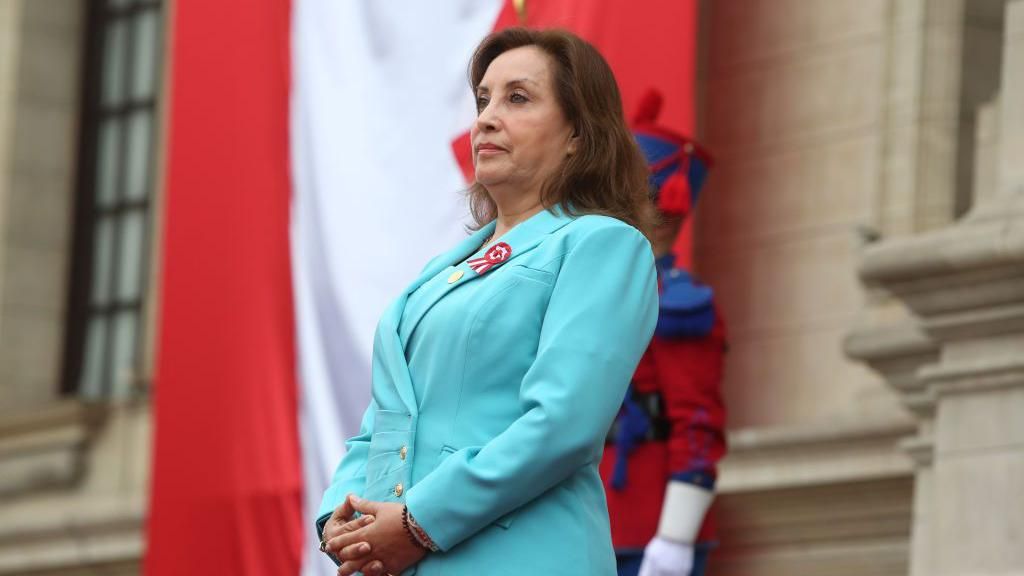
Peru’s president removed from office amid soaring crime
In a decisive move, Peru’s Congress has voted overwhelmingly to remove President Dina Boluarte from office, citing ‘permanent moral incapacity’ as the primary reason. The late-night session, which culminated in a 122-8 vote, marked the end of Boluarte’s tumultuous presidency, characterized by widespread protests, corruption allegations, and a surge in gang violence. Following the vote, Congress leader Jose Jeri was swiftly sworn in as interim president, as Peru currently lacks a vice-president. Boluarte, whose approval rating had plummeted to a mere 2-4%, addressed the nation post-removal, emphasizing her commitment to unity and the welfare of Peru’s 34 million citizens. Her presidency, which began in December 2022 after the impeachment of her predecessor Pedro Castillo, was marred by numerous investigations, including the infamous ‘Rolexgate’ scandal and allegations of abandoning her post during a medical absence. The decision to double her salary earlier this year further fueled public outrage. The recent impeachment bid, supported by factions once loyal to Boluarte, underscores the deep political divisions in Peru. As the country braces for elections next April, the ousting of Boluarte signals a pivotal moment in Peru’s ongoing struggle for political stability.
-
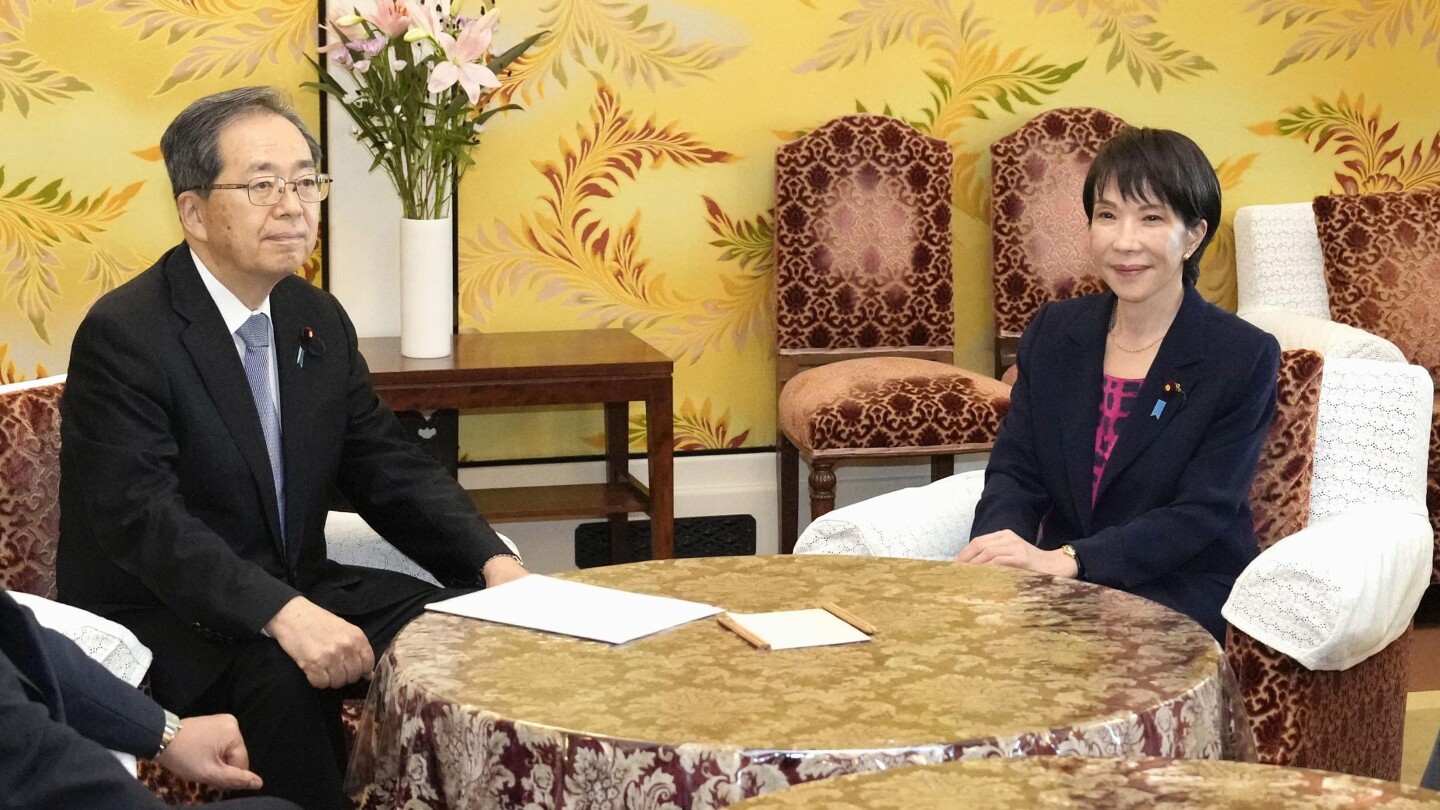
Citing unease over graft, Japan’s Komeito leaves the longstanding ruling coalition headed by the LDP
In a dramatic political shakeup, Japan’s Komeito party has announced its withdrawal from the ruling coalition led by the Liberal Democratic Party (LDP), citing deep concerns over corruption and policy disagreements. The decision, revealed by Komeito leader Tetsuo Saito on Friday, deals a significant blow to Sanae Takaichi, the ultra-conservative LDP leader poised to become Japan’s first female prime minister. This move forces the LDP to seek new coalition partners to maintain its grip on power. Takaichi expressed disappointment, stating that Saito’s decision was made unilaterally despite ongoing discussions to address Komeito’s concerns. The ruling coalition has already lost its parliamentary majorities, further complicating Takaichi’s path to leadership. Saito highlighted multiple issues, including Takaichi’s controversial stance on Japan’s wartime history, her visits to the Yasukuni Shrine, and her hardline policies toward foreigners. However, the primary catalyst for the split was the LDP’s inadequate response to corruption scandals involving political slush funds. Saito emphasized Komeito’s commitment to combating money politics, a core principle since its founding in 1964. The LDP, plagued by scandals tied to late Prime Minister Shinzo Abe’s faction, faces an uncertain future as Komeito lawmakers vow not to support Takaichi’s bid for prime minister or rally Soka Gakkai members, a key voter base for the LDP. The lower house is set to vote on a new prime minister later this month, with Saito declaring his intention to vote for himself.
-
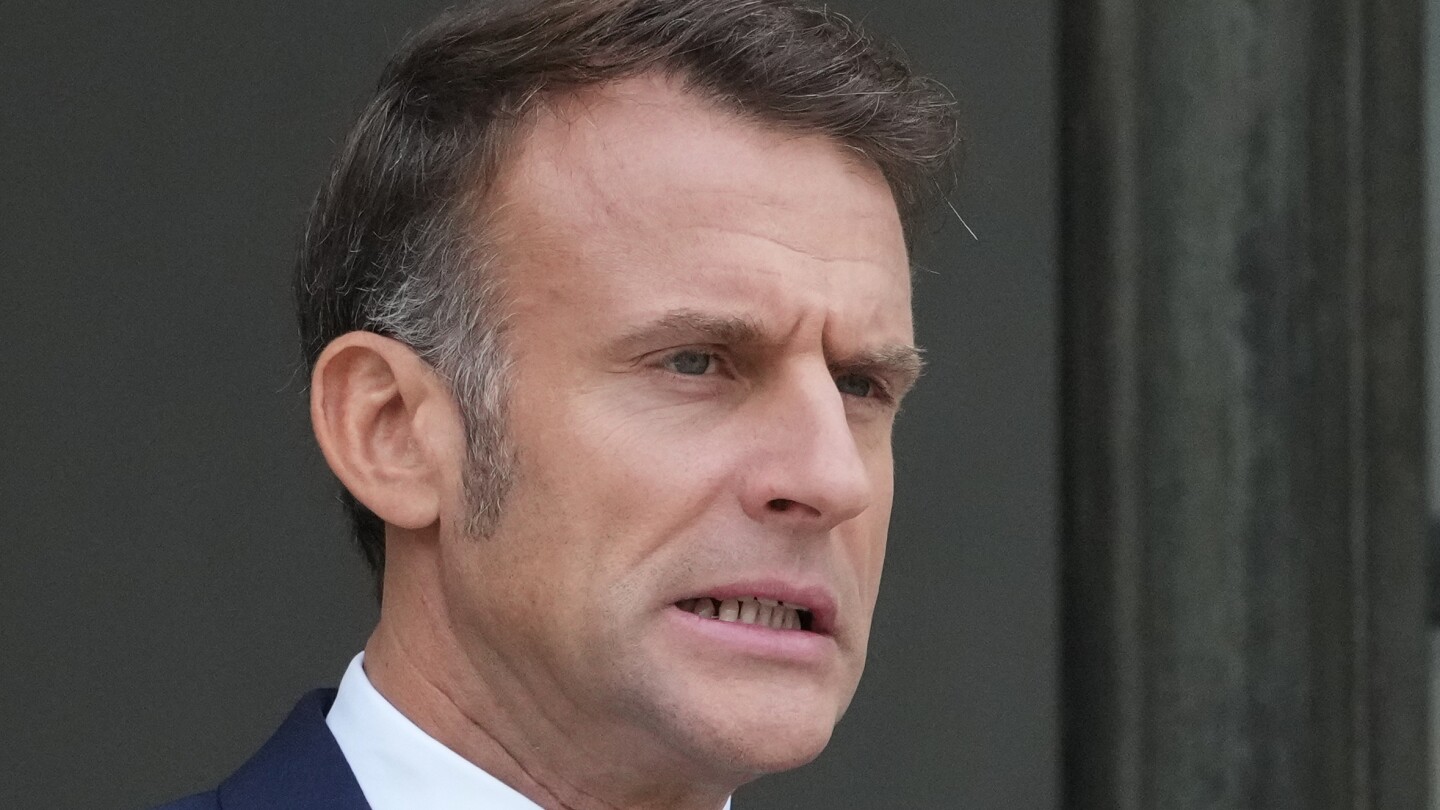
France’s Macron asks newly resigned Prime Minister Lecornu to try again to form a government
French President Emmanuel Macron has reappointed Sebastien Lecornu as prime minister, just days after his resignation, in a desperate attempt to resolve the country’s political gridlock and address its mounting economic challenges. Lecornu’s reappointment follows intense negotiations and comes amid growing concerns over France’s economic stability and ballooning public debt, which has alarmed both domestic and European Union stakeholders. Macron’s decision is widely viewed as a last-ditch effort to salvage his second term, which has been marred by political infighting and a lack of parliamentary majority. Lecornu, who resigned earlier this week after his newly formed Cabinet faced opposition from key coalition partners, has been tasked with forming a government and delivering a budget by year-end. In a statement, Lecornu emphasized his commitment to addressing France’s economic woes and restoring political stability. However, his reappointment has drawn skepticism from opposition leaders, who argue that Macron’s centrist approach lacks the necessary support to govern effectively. The political crisis stems from Macron’s decision to dissolve the National Assembly in June 2024, which resulted in a hung parliament and paralyzed legislative progress. With France’s public debt reaching 114% of GDP and poverty rates hitting a record high, the stakes for Lecornu’s success are immense. Investors and EU officials are closely monitoring the situation, as France’s instability threatens to undermine its economic recovery and EU fiscal rules.