分类: politics

  • Australia seeks charges over a 2024 Israeli airstrike in Gaza that killed an Australian aid worker

    Australia seeks charges over a 2024 Israeli airstrike in Gaza that killed an Australian aid worker

    CANBERRA, Australia — In a significant diplomatic escalation, Australian Prime Minister Anthony Albanese has formally demanded criminal charges be brought against those responsible for the April 2024 Israeli airstrike that killed seven humanitarian workers in Gaza, including Australian aid worker Zomi Frankcom.

    The demand was delivered directly to Israeli President Isaac Herzog during his controversial visit to Australia this week. The meeting between the two leaders occurred amid heightened tensions and widespread protests against Herzog’s presence in the country.

    The deadly incident on April 1, 2024, targeted a World Central Kitchen aid convoy, resulting in the deaths of seven personnel. Beyond the Australian victim, the strike killed an American-Canadian dual citizen, a Palestinian aid worker, a Polish national, and three British security staff members.

    An Australian government inquiry concluded after four months of investigation that the strike resulted from “procedural failures and errors” within the Israeli military structure. Prime Minister Albanese characterized the incident as both a “tragedy and an outrage” during parliamentary remarks.

    Herzog’s visit to Australia has sparked substantial controversy, with hundreds of protesters gathering outside Parliament House in Canberra waving Palestinian flags. Several lawmakers joined the demonstrations, with Greens party deputy leader Mehreen Faruqi declaring Herzog “not welcome in Australia” and accusing him of inciting genocide in Gaza.

    The Israeli president described his visit as “very emotional,” particularly in light of the December Bondi Beach antisemitic attack that killed 15 people. Herzog emphasized the broader basis of Israeli-Australian relations beyond the Palestinian conflict, expressing hope for “new beginnings and a better future” between the nations.

    Despite the tensions, mainstream Jewish groups in Australia welcomed Herzog’s visit. The Israeli president dined with Albanese at the prime minister’s official Sydney residence before traveling together to Canberra on an Australian air force jet.

    Security measures were significantly heightened during the visit, with police in Sydney arresting 27 demonstrators and charging nine with mostly assault-related offenses. New South Wales Premier Chris Minns defended the police actions as necessary to prevent clashes between protesters and mourners of the Bondi massacre.

  • Turkey’s Erdogan replaces justice and interior ministers in reshuffle

    Turkey’s Erdogan replaces justice and interior ministers in reshuffle

    In an unexpected political maneuver, Turkish President Recep Tayyip Erdogan executed a significant ministerial overhaul on Wednesday, replacing both his justice and interior ministers without prior public indication. The reshuffle places Istanbul Chief Prosecutor Akin Gurlek at the helm of the justice ministry, succeeding Yilmaz Tunc, while Mustafa Ciftci, previously governing the eastern province of Erzurum, assumes control of the interior ministry from Ali Yerlikaya.

    According to the Official Gazette publication, both outgoing ministers had formally requested to be relieved of their governmental responsibilities, though no detailed explanation was provided for their simultaneous departures. This administrative reorganization occurs during a critical period for Turkish politics, with ongoing parliamentary discussions concerning potential constitutional amendments and continued efforts to establish peaceful relations with the Kurdistan Workers’ Party (PKK) to resolve longstanding conflicts.

    The appointment of Prosecutor Gurlek has generated substantial controversy due to his professional background. Gurlek previously directed several prominent legal proceedings against members of the Republican People’s Party (CHP), Turkey’s primary opposition group. His prosecutorial record includes high-profile corruption investigations that resulted in the arrest of numerous officials from CHP-administered municipalities, most notably Istanbul Mayor Ekrem Imamoglu—widely perceived as Erdogan’s principal political competitor—who faced detention last year.

    Opposition figures and government critics maintain that these judicial actions demonstrate political motivation rather than impartial law enforcement, while administration officials consistently assert the complete independence of Turkey’s judicial system. The cabinet changes arrive as parliament prepares to consider legislative measures intended to support the government’s peace initiative with Kurdish representatives, potentially signaling a strategic realignment of Turkey’s domestic security and judicial approaches.

  • White paper outlines security path for HK

    White paper outlines security path for HK

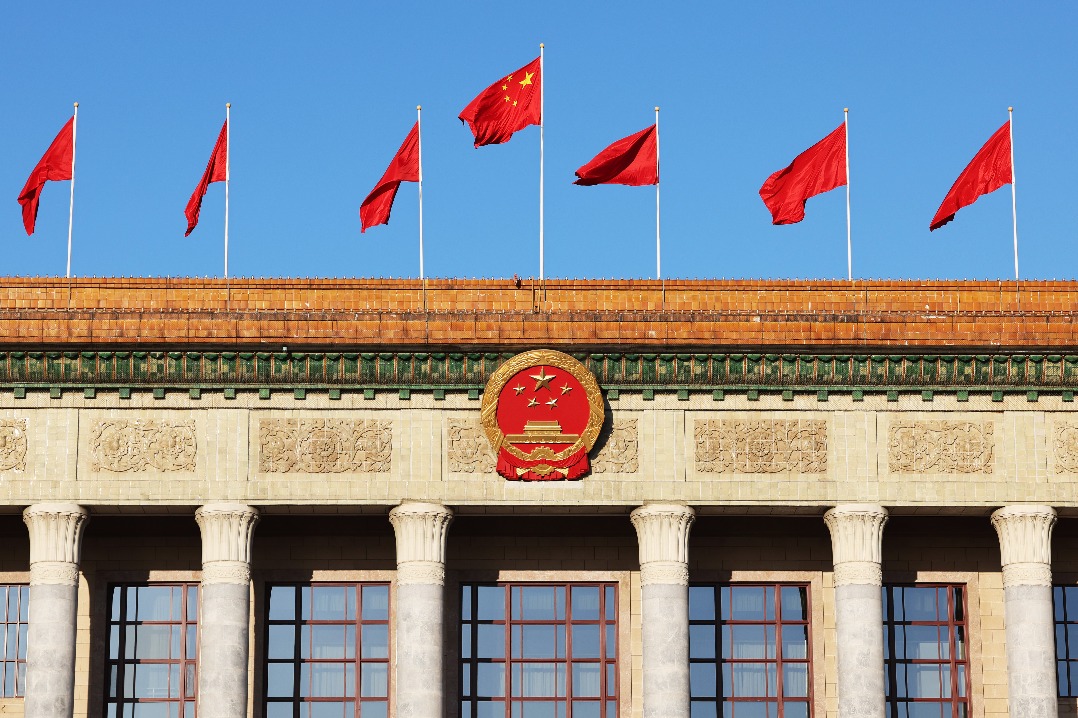
    China’s State Council Information Office has unveiled a significant policy document titled “Hong Kong: Safeguarding China’s National Security Under the Framework of One Country, Two Systems” on Tuesday. This comprehensive white paper provides a detailed examination of the implementation and future trajectory of national security measures within the Hong Kong Special Administrative Region.

    The document’s release follows closely on the heels of the Hong Kong High Court’s sentencing of former media magnate Jimmy Lai Chee-ying to 20 years imprisonment. Lai’s December conviction for activities compromising national security received immediate endorsement from both central authorities and Hong Kong’s administrative leadership.

    This policy framework systematically outlines the legal foundations, operational necessities, and accomplished milestones in Hong Kong’s national security preservation efforts. It emphatically states that protecting national sovereignty, security, and developmental interests constitutes the “supreme principle” governing the implementation of the “one country, two systems” doctrine.

    Addressing Hong Kong’s evolving political landscape, the white paper clarifies that the central government has consistently upheld a comprehensive national security perspective while exercising its constitutional jurisdiction in accordance with China’s Constitution and the HKSAR Basic Law.

    The document further emphasizes Beijing’s unwavering commitment to supporting Hong Kong in establishing robust security protocols, mitigating significant risks, and expanding its global connectivity regardless of international geopolitical shifts.

    Official responses from multiple government entities have welcomed the white paper. The State Council’s Hong Kong and Macao Affairs Office described it as consolidating essential insights and experiences for maintaining national security under the established framework. The Central Government’s Liaison Office in Hong Kong characterized the document as a “new starting point” for enhancing the city’s security infrastructure while supporting its continued high-quality development.

    Hong Kong Chief Executive John Lee Ka-chiu endorsed the white paper as providing practical guidance that “comes at just the right time,” urging all sectors within Hong Kong to thoroughly study and implement its directives.

  • Bangladeshis seek to chart a democratic future in their first vote since the bloody 2024 uprising

    Bangladeshis seek to chart a democratic future in their first vote since the bloody 2024 uprising

    DHAKA, Bangladesh — Bangladesh stands at a pivotal democratic juncture as Thursday’s election approaches, marking the nation’s first electoral test following the 2024 student-led uprising that ousted former Prime Minister Sheikh Hasina. The political landscape has been dramatically reshaped by the return of Tarique Rahman, son of former Prime Minister Khaleda Zia, ending his 17-year self-imposed exile in December with a promise of national transformation.

    Rahman, now widely perceived as the front-runner, addressed a massive rally in Dhaka on Monday under tight security, declaring to enthusiastic supporters: “The main goal and objective of this plan is to change the fate of the people and of this country.” His Bangladesh Nationalist Party (BNP) campaigns on platforms of job creation, anti-corruption measures, and strengthened rule of law, positioning itself as a democratic alternative in a political environment historically marred by military interventions and electoral manipulation.

    The election occurs against a backdrop of profound challenges: escalating religious intolerance, attacks on press freedom, resurgence of Islamist influence, and erosion of legal institutions. The absence of Hasina’s Awami League—boycotting the polls and urging supporter abstinence—has created an unusual political vacuum that Jamaat-e-Islami, Bangladesh’s predominant Islamist party, seeks to fill through an 11-party coalition.

    Jamaat-e-Islami’s political ascent has generated particular concern regarding women’s rights, with party leader Shafiqur Rahman asserting women’s biological inferiority and opposing equal working hours. This stance has raised alarms about potential restrictions on fundamental rights should the alliance gain power.

    The election represents a critical test for democratic restoration after years of contested polls and shrinking political space under Hasina’s administration. International observers emphasize that minimally violent elections with broad participation and accepted outcomes would constitute significant progress, though caution that democratic institution-building remains a long-term challenge.

    Meanwhile, disillusionment grows among those who spearheaded the 2024 uprising. Nobel laureate Muhammad Yunus’s interim administration initially generated optimism, but hopes diminished when the newly formed National Citizen Party—created by student uprising leaders—joined forces with the Islamist alliance, prompting several resignations.

    Press freedoms have deteriorated alarmingly since the uprising. Prominent talk-show host Roksana Anzuman Nicole remains off-air and confined to her home following threats, while journalists face increasing intimidation, job losses, and physical attacks. December witnessed the deadly shooting of a cultural activist and arson attacks on major newspaper offices, underscoring the precarious state of free expression.

    The election includes a referendum on structural political reforms featuring prime ministerial term limits and enhanced executive checks. However, analysts caution that while providing Bangladesh’s first genuine electoral choice in 16 years, substantive democratic transformation will require comprehensive systemic overhaul beyond mere polling.

  • Bangladesh’s first post-uprising election is a test for democratic norms and minority rights

    Bangladesh’s first post-uprising election is a test for democratic norms and minority rights

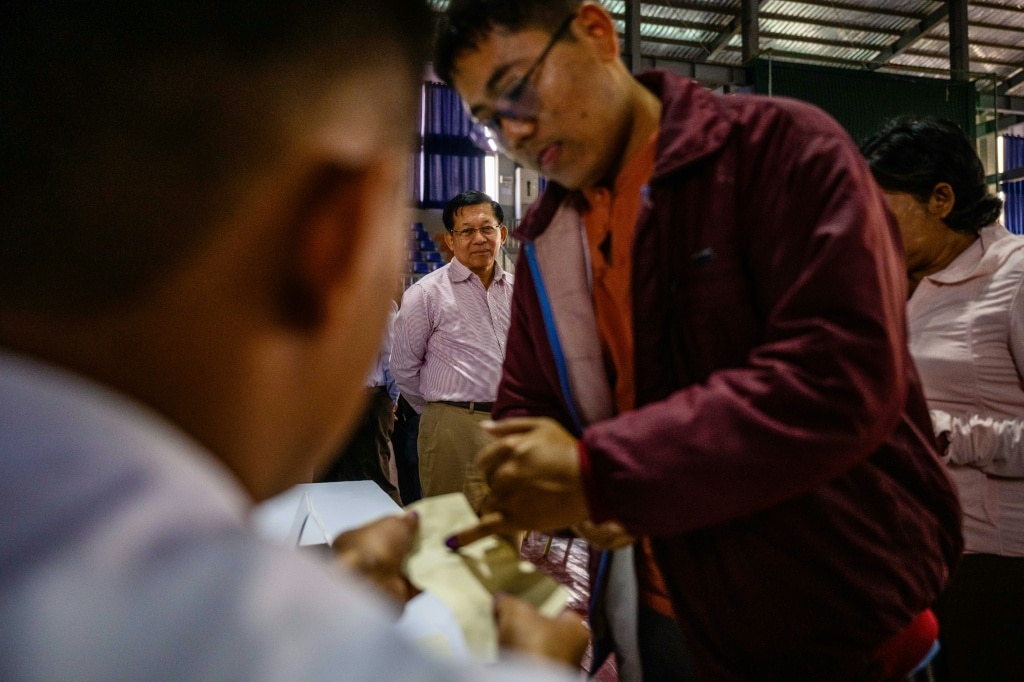
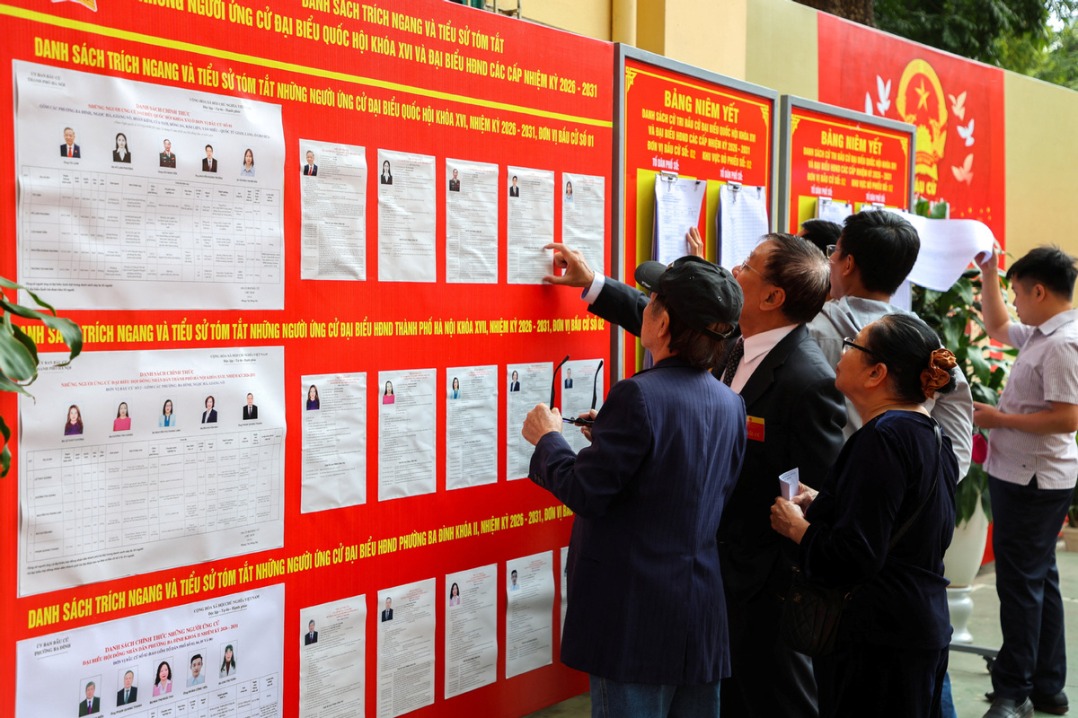
    DHAKA, Bangladesh — Bangladesh stands at a historic crossroads as millions of citizens prepare to participate in Thursday’s pivotal parliamentary elections. This electoral event marks the first national vote since the 2024 mass uprising that ended former Prime Minister Sheikh Hasina’s 15-year administration, generating unprecedented public anticipation for democratic restoration after years of contested elections and constricted political freedoms.

    Under the supervision of an interim government led by Nobel Peace Prize recipient Muhammad Yunus, the electoral process has committed to ensuring transparency and fairness. The administration has implemented substantial procedural innovations, including the inaugural introduction of postal voting for Bangladesh’s extensive expatriate community—a transformative step toward inclusive democratic participation.

    With 127 million eligible voters selecting representatives from 1,981 candidates across 300 directly elected constituencies, the electoral mechanics reflect Bangladesh’s constitutional framework. The 350-seat Parliament includes 50 seats reserved for female representatives, operating under a first-past-the-post system for five-year terms.

    International scrutiny intensifies as approximately 500 foreign observers from organizations including the European Union and Commonwealth monitor proceedings. Concurrently, citizens will consider referendum proposals establishing prime ministerial term limits, enhanced executive checks and balances, and safeguards against parliamentary power consolidation.

    This election represents a critical examination of Bangladesh’s democratic institutions, which have oscillated between military governance and fragile civilian rule since the 1971 independence from Pakistan. Catherine Cooper, staff attorney at the Robert & Ethel Kennedy Human Rights Center, emphasized that “the future of Bangladesh rests with its citizens and elected leaders to ensure stability as a rights-respecting democracy.”

    The political landscape witnesses a dramatic reconfiguration with the absence of Hasina’s banned Awami League. The Bangladesh Nationalist Party (BNP), led by Tarique Rahman—son of former Prime Minister Khaleda Zia—has emerged as the frontrunner following Rahman’s return from 17 years of self-exile. His platform promises institutional rebuilding, rule of law restoration, and economic revitalization.

    Opposing the BNP, an 11-party coalition led by the recently legalized Jamaat-e-Islami seeks expanded political influence. This alliance incorporates the newly established National Citizen Party, founded by leaders of the 2024 uprising that precipitated the current political transition.

    Concerns persist regarding rising religious tensions, particularly affecting Bangladesh’s Hindu minority (approximately 8% of the population). Reports of increased intimidation and violence against religious minorities have raised alarms about potential exploitation of sectarian divisions for political gain.

    The election additionally serves as a measure of youth activism’s capacity to institutionalize democratic change, with nearly 5 million first-time voters participating. Their engagement will test whether protest movements can translate into enduring structural reforms.

  • Father of US-based Hong Kong activist convicted under national security law

    Father of US-based Hong Kong activist convicted under national security law

    In a groundbreaking legal proceeding under Hong Kong’s domestic security legislation, a 69-year-old man was convicted Wednesday for attempting to access financial assets belonging to his daughter, a U.S.-based activist designated as an absconder by local authorities.

    Kwok Yin-sang became the first individual prosecuted under Article 23 legislation for allegedly trying to withdraw funds from an insurance policy under his daughter’s name. His daughter, Anna Kwok, serves as executive director of the Washington-based Hong Kong Democracy Council and has been subject to an HK$1 million (approximately $127,900) bounty offered by Hong Kong authorities in 2023 for information leading to her arrest.

    The prosecution argued that Kwok knowingly attempted to handle assets of a designated absconder, despite his not guilty plea. Acting Principal Magistrate Cheng Lim-chi determined that Kwok must have been aware of his daughter’s status when he sought to cancel the insurance policy originally purchased during her childhood.

    Defense attorney Steven Kwan contended there was no evidence indicating the funds were intended for transfer to Anna Kwok and requested a minimal 14-day imprisonment sentence. While the charge carries a maximum seven-year penalty, the case was heard in magistrates’ courts where sentences are capped at two years. Sentencing is scheduled for February 26.

    International human rights organization Amnesty International condemned the conviction as politically motivated. Spokesperson Joey Siu warned the verdict “sets a dangerous precedent, designed to terrify and silence others who continue to speak out about Hong Kong issues from overseas.”

    The case emerges within broader geopolitical tensions surrounding Hong Kong’s national security laws. United States officials previously sanctioned six Chinese and Hong Kong officials in 2025, alleging involvement in “transnational repression” through extraterritorial application of security laws. China responded with counter-sanctions against U.S. officials and NGO leaders.

    Both Chinese and Hong Kong governments maintain that the security laws are essential for maintaining stability in the former British colony, which returned to Chinese sovereignty in 1997. The legislation followed massive anti-government protests in 2019 and has resulted in numerous activist arrests, silencing, or overseas exile.

  • UK doubles troops in Norway to counter Russian ‘threat to Arctic’

    UK doubles troops in Norway to counter Russian ‘threat to Arctic’

    In a significant strategic shift, the United Kingdom will double its military footprint in Norway over the next three years, elevating troop numbers from approximately 1,000 to 2,000 personnel. This decision comes amid growing NATO apprehension regarding Russia’s escalating military activities in the High North region.

    Defence Secretary John Healey characterized the move as a direct response to mounting security concerns, stating, ‘Demands on defence are rising and Russia poses the greatest threat to Arctic and High North security that we have witnessed since the Cold War.’ The announcement follows observations of Russia reopening Cold War-era installations and substantially increasing its military presence throughout the Arctic sphere.

    The enhanced deployment forms part of the newly proposed ‘Arctic Sentry’ initiative championed by Foreign Secretary Yvette Cooper, who recently conducted diplomatic visits to Norway. This security framework, inspired by existing NATO alliances including the Baltic Sentry and Eastern Sentry programs, aims to strengthen regional surveillance capabilities and collective defense mechanisms.

    Operational enhancements will feature prominently in upcoming multinational exercises. In March, 1,500 Royal Marine Commandos will participate in NATO’s Exercise Cold Response, a large-scale drill spanning Norway, Finland, and Sweden designed to test allied forces in extreme Arctic conditions. Subsequently, September will see the UK-led Joint Expeditionary Force execute Operation Lion Protector, integrating air, land, and naval components from multiple European nations to practice critical infrastructure defense strategies across Norway, Iceland, and the Danish straits.

    These developments reflect deepening concerns among NATO members regarding Russia’s potential threat to subsea infrastructure, particularly underwater cables and pipelines. Tensions have remained elevated since Russia’s invasion of Ukraine, prompting enhanced cooperative measures. Last year, the UK and Norway formalized a defensive pact specifically addressing undersea security, establishing a combined naval fleet to monitor Russian submarine activities.

    According to Ministry of Defence statistics, Russian submarine presence in UK waters has surged by 30% over the past two years, with current activity levels in the North Atlantic matching those recorded during the Cold War period. Defence Secretary Healey is scheduled to discuss these strategic proposals with NATO counterparts at the alliance’s Brussels headquarters on Thursday.

  • UAE lobbied pro-Israel groups to level antisemitism charges against Saudi Arabia

    UAE lobbied pro-Israel groups to level antisemitism charges against Saudi Arabia

    According to disclosures from current and former U.S. officials to Middle East Eye, the United Arab Emirates has attempted to enlist pro-Israel lobbying organizations in Washington to amplify its ongoing diplomatic dispute with Saudi Arabia. The effort represents a strategic maneuver by Abu Dhabi to capitalize on relationships forged through the 2021 Abraham Accords, which normalized UAE-Israel relations.

    The American Jewish Committee (AJC), a prominent pro-Israel group with significant Washington influence led by former Democratic Congressman Ted Deutch, reportedly faced Emirati pressure to issue statements expressing concern about alleged antisemitic rhetoric emanating from Saudi Arabia. While AJC maintained public neutrality in the Gulf dispute, the Anti-Defamation League (ADL) published a January statement criticizing what it described as ‘openly antisemitic dog whistles’ from Saudi voices opposing the Abraham Accords.

    This lobbying campaign occurs against the backdrop of deteriorating UAE-Saudi relations, once close allies whose partnership has fractured over conflicting geopolitical interests in Yemen, Sudan, and the Horn of Africa. The rivalry has extended into social media warfare, with Saudi commentators accusing the UAE of regional destabilization while Emirati supporters label Saudi Arabia as harboring extremists.

    The diplomatic tensions complicate U.S.-brokered normalization efforts between Saudi Arabia and Israel, which had advanced under both Trump and Biden administrations before being derailed by the Gaza conflict. Crown Prince Mohammed bin Salman, who previously entertained normalization talks, has since condemned Israel’s military actions in Gaza as genocidal and insisted on Palestinian statehood as a precondition for any diplomatic agreement.

  • US will have to do ‘something very tough’ if no deal reached with Iran, says Trump

    US will have to do ‘something very tough’ if no deal reached with Iran, says Trump

    President Donald Trump has issued a grave ultimatum to Iran regarding ongoing nuclear negotiations, warning that the United States will be compelled to take “something very tough” should diplomatic efforts collapse. In an exclusive interview with Israel’s Channel 12 published Tuesday, the president presented a binary choice between reaching a comprehensive agreement or facing severe consequences.

    The statement comes amid escalating tensions in the Middle East as multiple news outlets, including Axios and Israel’s Channel 12, report the administration is actively considering military reinforcement options. Most notably, deployment of a second aircraft carrier to the region is under serious consideration, signaling potential preparation for heightened confrontation.

    These developments occur against a complex backdrop of longstanding disputes over Iran’s nuclear ambitions and more recent international condemnation of Tehran’s crackdown on domestic protests. The simultaneous addressing of both security concerns and human rights issues represents a multifaceted challenge to diplomatic relations between Washington and Tehran.

    The president’s comments suggest a critical juncture in negotiations, implying that diplomatic patience is wearing thin while military options are being actively contemplated. This strategic positioning indicates a potential shift from multilateral engagement toward unilateral action should current talks fail to produce acceptable terms.

  • US lawmakers urge Andrew to testify over Epstein files

    US lawmakers urge Andrew to testify over Epstein files

    Mounting transatlantic pressure is building around Prince Andrew as U.S. congressional figures and the family of his primary accuser, Virginia Giuffre, demand his testimony regarding his connections to the convicted sex offender Jeffrey Epstein. Democratic Congressman Ro Khanna has openly criticized the British Royal Family for lacking transparency, while Congresswoman Teresa Leger Fernandez has called upon King Charles III to explicitly direct his brother to cooperate with American investigators.

    This development follows King Charles’s first public statement on the matter, conveyed through a Buckingham Palace spokesperson, expressing his ‘profound concern’ over the allegations and affirming the family’s readiness to support police inquiries. The statement also extended the King and Queen’s ‘thoughts and sympathies’ to all victims of abuse.

    Simultaneously, Thames Valley Police confirmed it is assessing a formal complaint from the anti-monarchy organization Republic. The allegation centers on Prince Andrew’s purported sharing of confidential information acquired during his tenure as a UK trade envoy with Jeffrey Epstein between 2010 and 2011, a claim supported by documents in the recent Epstein file release.

    The political pressure from the U.S. is multifaceted. Congressman Khanna, a key sponsor of the legislation that mandated the release of the Epstein documents, argued that the Royal Family must ‘come clean,’ provide full disclosure of their knowledge, and consider financial compensation for the survivors. He characterized the current situation as potentially the monarchy’s ‘most vulnerable’ moment, asserting that merely stripping Andrew of his titles is an insufficient response.

    Echoing this sentiment, Congresswoman Fernandez, a member of the House Oversight Committee, emphasized that jurisdictional status should not shield Andrew from accountability. She urged for a comprehensive inquiry in both the U.S. and England to identify all individuals present during the alleged incidents.

    Adding a personal dimension to the legal and political demands, Sky Roberts, the brother of Virginia Giuffre, publicly insisted that Andrew should testify before the U.S. Congress. This aligns with revelations from the latest Department of Justice document dump, which details numerous failed attempts by U.S. authorities to secure Andrew’s cooperation. A significant legal hurdle remains: the former prince cannot be compelled by a U.S. subpoena to travel and testify, a point of considerable frustration for investigators. Despite a previous deadline set by Congressional Democrats last autumn, Andrew has remained unresponsive.