分类: politics

  • Immigration bosses defend agents after the killing of two US citizens

    Immigration bosses defend agents after the killing of two US citizens

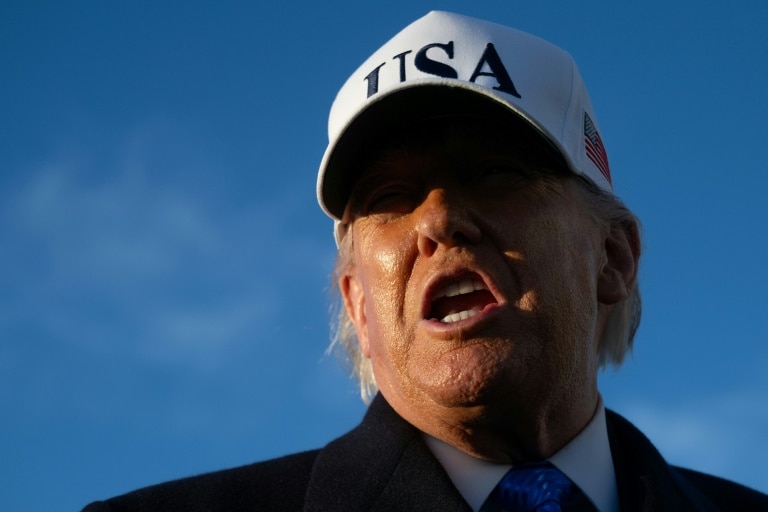
    In a contentious congressional hearing on Tuesday, top US immigration officials staunchly defended President Trump’s immigration agenda while facing intense scrutiny over the fatal shooting of two American citizens. Acting Immigration and Customs Enforcement (ICE) Director Todd Lyons and Customs and Border Protection (CBP) Commissioner Rodney Scott faced sharp questioning from lawmakers across multiple fronts.

    The session focused heavily on the recently implemented body camera mandate for ICE agents, announced by Homeland Security Secretary Kristi Noem. Lyons revealed that approximately 3,000 officers have already received cameras, with another 6,000 in deployment phases across the 13,000-strong field agent force. Scott indicated that roughly half of CBP’s 20,000 agents currently operate with body cameras, noting the program remains under active development.

    This policy change follows the tragic deaths of Alex Pretti and Renee Good in Minneapolis last month, where both US citizens were fatally shot multiple times during enforcement operations. The incident triggered widespread outrage, particularly in Minnesota where approximately 3,000 federal agents had been deployed at President Trump’s direction to combat illegal immigration.

    Officials firmly defended their Minneapolis operations, with Lyons issuing a stark warning: “Let me send a message to anyone who thinks they can intimidate us. You will fail.” He rejected claims that Americans were being deliberately targeted, despite numerous documented incidents reported by media outlets.

    The hearing grew particularly heated when Congresswoman LaMonica McIver (D-NJ) questioned Lyons about his religious beliefs and moral accountability for agent-related fatalities. The exchange culminated in McIver asking if Lyons believed he was “going to hell,” prompting the committee chairman to intervene. The White House subsequently condemned McIver’s line of questioning as “seriously messed up” and inappropriate.

    Additional topics included the refusal to unmask agents during operations, accelerated training schedules for ICE recruits (now operating six days weekly at 12 hours daily), and potential future involvement in election security operations. Throughout the hearing, officials declined to comment specifically on the Minneapolis shootings while maintaining unwavering support for the administration’s immigration policies.

  • Why is Prince William in Saudi Arabia?

    Why is Prince William in Saudi Arabia?

    The upcoming 2026 visit by Prince William to Saudi Arabia represents a significant diplomatic undertaking for the United Kingdom’s future monarch, balancing complex geopolitical interests against ongoing human rights concerns. This high-profile engagement, undertaken at the formal request of the British government, signals London’s continued prioritization of strengthening bilateral ties with the Gulf powerhouse.

    The UK-Saudi relationship has been institutionally fortified through the Strategic Partnership Council established in 2018, creating frameworks for enhanced economic cooperation and strategic alignment. Current negotiations for a UK-Gulf Cooperation Council free trade agreement further underscore the economic imperative behind this diplomatic outreach, with Saudi Arabia’s position as the bloc’s wealthiest member making its cooperation essential. The potential economic rewards are substantial, building upon the £16.6 billion in bilateral trade recorded last year.

    For Crown Prince Mohammed bin Salman, the royal visit provides an invaluable platform to showcase his Vision 2030 modernization agenda and efforts to position Saudi Arabia as a global events destination, particularly through initiatives like the FIFA 2034 World Cup bid—a topic likely to resonate with the football-affiliated prince. However, the visit inevitably brings renewed scrutiny to Saudi Arabia’s human rights record, including its escalating execution rates and persistent gender inequality, where the nation ranks 132nd globally according to the World Economic Forum’s Gender Gap Index.

    The diplomatic mission occurs against a challenging backdrop for the British royal family, which continues to navigate the fallout from the Epstein scandal involving Prince Andrew. All eyes will be on William as he demonstrates leadership during this period of institutional vulnerability. According to royal sources quoted by the BBC, the prince approaches his governmental responsibilities with utmost seriousness, viewing such diplomatic missions as integral to his role as Prince of Wales.

  • Indonesia prepares to send up to 8,000 troops to Gaza

    Indonesia prepares to send up to 8,000 troops to Gaza

    Indonesia is mobilizing a significant military contingent for potential peacekeeping operations in Gaza, with plans to deploy up to 8,000 soldiers as part of a multinational stabilization initiative. The announcement follows high-level discussions between Indonesian Army Chief of Staff Maruli Simanjuntak and President Prabowo Subianto regarding the nation’s role in international conflict resolution efforts.

    President Subianto clarified that while specific deployment details including timing and location remain undetermined, military preparations are underway pending final diplomatic agreements. “We are just preparing ourselves in case an agreement is reached and we have to send peacekeeping forces,” Subianto stated during a press briefing.

    The Indonesian government has emphasized the humanitarian nature of the proposed mission. Defense Ministry spokesman Rico Ricardo Sirat reiterated Indonesia’s commitment to “contribute to peace and humanitarian support in Gaza,” distinguishing the mission from conventional military operations.

    This deployment would represent the inaugural contingent of the multinational International Stabilization Force (ISF), which is projected to eventually include approximately 20,000 personnel. The initiative has generated both support and criticism, with some observers expressing concerns about potential complicity in occupation dynamics, while Indonesian officials maintain an exclusive focus on humanitarian objectives.

    Indonesia has previously demonstrated its commitment to Palestinian welfare through substantial aid shipments, including 10,000 tonnes of rice delivered in August last year, and the establishment of agricultural initiatives in Sumatra and Kalimantan specifically designed to enhance Palestinian food security. Additionally, the Indonesian military has trained 20,000 troops in specialized skills including healthcare and construction specifically for Gaza deployment scenarios.

    The potential deployment occurs against a backdrop of domestic sensitivity regarding Palestine, evidenced by significant public demonstrations in 2025 advocating for Gaza justice and criticizing educational exchanges with Israeli institutions during ongoing conflicts.

  • Trump threatens to bar new US-Canada bridge from opening, demands talks with Ottawa

    Trump threatens to bar new US-Canada bridge from opening, demands talks with Ottawa

    In a significant escalation of cross-border tensions, President Donald Trump has threatened to block the operational launch of the newly constructed Gordie Howe International Bridge, demanding immediate compensation negotiations with Canadian authorities. The $4.7 billion infrastructure project, fully financed by Canada after U.S. refusal to contribute, stands completed and awaits imminent opening.

    The presidential declaration emerged via social media platforms, where Trump asserted: “I will not allow this bridge to open until the United States is fully compensated for everything we have given them, and Canada treats the United States with the Fairness and Respect that we deserve.” The administration claims entitlement to at least half ownership of the critical border crossing connecting Detroit, Michigan and Windsor, Ontario.

    This confrontation represents the latest development in ongoing trade disagreements between the neighboring nations. Trump specifically referenced Canada’s alcoholic beverage import policies, dairy product tariffs, and ongoing trade negotiations with China as contributing factors to the diplomatic standoff.

    The Gordie Howe Bridge project originated in 2012 when Michigan’s then-Governor Rick Snyder utilized executive authority to accept Canadian funding, bypassing legislative approval. Construction commenced in 2018, with the structure now poised to significantly enhance border transit efficiency. According to U.S. Department of Homeland Security assessments, the bridge would annually save travelers $12.7 million through reduced congestion and improved traffic flow.

    Michigan’s Democratic leadership has vigorously opposed the presidential threat. Governor Gretchen Whitmer’s spokesperson emphasized that “Canada financed the construction of the bridge – which was built by union construction workers from both sides of the border” and confirmed the project “will open one way or another.” Legislative representatives warned that blocking the bridge would jeopardize regional economic stability, increase business costs, and undermine supply chain security.

    The economic implications are substantial. Detroit functioned as the second-largest U.S. freight port by value in 2023, processing $126 billion in commercial truck trade. University of Windsor research indicates the new bridge would reduce crossing times by twenty minutes and generate $2.3 billion in trucker savings over three decades.

    This confrontation occurs amidst broader trade policy shifts, including Trump’s recent threat to impose 100% tariffs on Canadian goods should Ottawa proceed with Chinese trade agreements. The administration has additionally threatened aircraft import tariffs targeting Canadian manufacturer Bombardier while demanding certification favors for U.S.-based Gulfstream aircraft.

  • UAE, Iran hold political consultations in Tehran, review regional developments

    UAE, Iran hold political consultations in Tehran, review regional developments

    In a significant diplomatic development, Tehran hosted the second round of high-level political consultations between the United Arab Emirates and the Islamic Republic of Iran on Tuesday. The meeting marked a continued effort to strengthen bilateral relations and address regional security concerns through diplomatic channels.

    The discussions were jointly chaired by Lana Nusseibeh, UAE Minister of State, and Majid Takht Ravanchi, Iran’s Deputy Foreign Minister for Political Affairs. The high-level delegation included Khalid Belhoul, UAE Ambassador to Iran, and Reza Ameri, Iran’s Ambassador to the UAE, along with senior officials from both nations.

    Both parties acknowledged the consultations as a constructive platform for addressing multiple areas of mutual interest. The comprehensive agenda covered bilateral cooperation frameworks, practical mechanisms for advancing shared national interests, and detailed reviews of foreign policy matters affecting regional stability.

    A key focus remained on recent developments impacting peace and security in the region, with both sides examining ongoing efforts to address these challenges through diplomatic means. The dialogue extended to exploring new cooperative ventures while strengthening existing partnerships.

    Following the productive discussions, both nations agreed to establish regular coordination mechanisms and activate joint technical committees. These structures will accelerate the implementation of existing agreements and identify new avenues for bilateral cooperation.

    In a separate diplomatic engagement, Minister Nusseibeh met with Iran’s Foreign Minister Abbas Araghchi, conveying formal greetings from Sheikh Abdullah bin Zayed Al Nahyan, UAE’s Deputy Prime Minister and Minister of Foreign Affairs. Their discussions further addressed critical issues affecting regional peace and security architecture.

  • Islamist leader rises from obscurity to challenge for Bangladesh’s top job

    Islamist leader rises from obscurity to challenge for Bangladesh’s top job

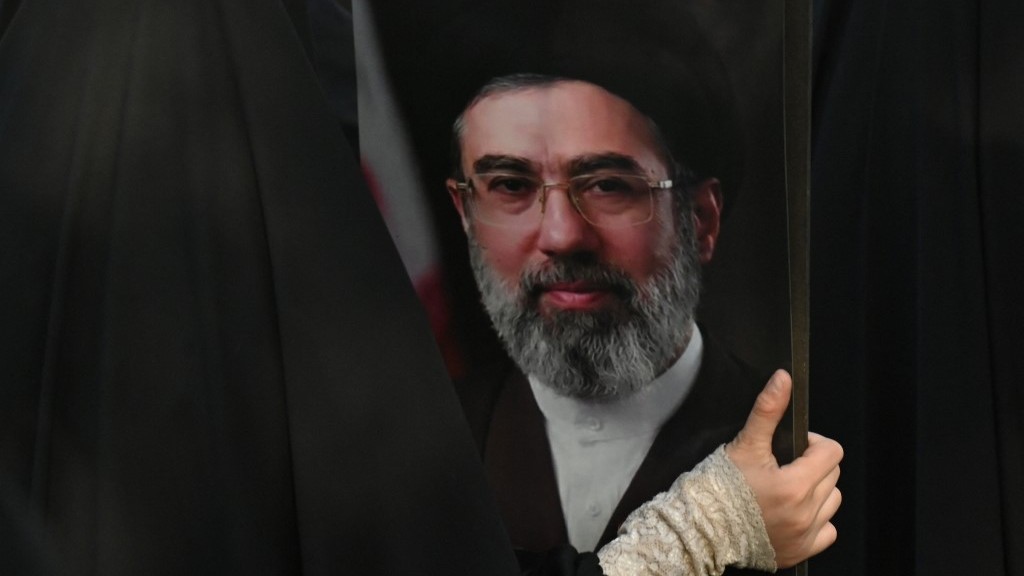
    In a remarkable political transformation, Dr. Shafiqur Rahman has ascended from relative obscurity to become a serious contender for Bangladesh’s highest office. The 67-year-old physician and leader of the Islamist Jamaat-e-Islami party now gazes from campaign posters across Dhaka, representing what could become the nation’s first government led by an Islamist party.

    The upcoming February 12 general election marks Bangladesh’s first national poll since the 2024 Gen Z-led uprising that toppled former Prime Minister Sheikh Hasina. Jamaat-e-Islami, once banned and driven underground during Hasina’s administration, has formed a coalition that presents a substantial challenge to the frontrunning Bangladesh Nationalist Party (BNP), its former ally.

    Rahman’s political journey began in leftist student organizations before he joined Islami Chhatra Shibir, Jamaat’s student wing. He formally entered mainstream politics with Jamaat in 1984 and unsuccessfully contested national elections in 1996, 2001, and 2018. His fortunes changed dramatically following the 2024 uprising when an interim government led by Nobel laureate Muhammad Yunus eased restrictions on the party, and a 2025 court decision lifted the ban entirely.

    Analysts attribute Rahman’s rapid rise to his ability to capitalize on the political vacuum created by Hasina’s departure. Professor Shafi Md Mostafa of Dhaka University notes that Rahman traveled extensively across the country, gained media attention, and transformed into a frontrunner within barely two years.

    The Jamaat leader has attempted to present a more moderate image, emphasizing governance, anti-corruption measures, and social justice while promising equal treatment for all religions. His campaign has resonated with certain voter segments through charitable outreach and flood-relief initiatives. The party further expanded its appeal by allying with the Gen Z National Citizen Party, attracting younger and less conservative voters.

    However, Rahman’s campaign has not been without controversy. His views on women’s roles in society—suggesting they should work no more than five hours daily to prioritize family responsibilities—and a social media post comparing women’s employment to “a form of prostitution” sparked protests at several universities. The party claimed his account had been hacked.

    With approximately 91% of Bangladesh’s 175 million population identifying as Muslim, the election represents a significant moment for one of the world’s largest Muslim-majority nations. The outcome will determine whether this traditionally secular democracy embraces Islamist leadership or maintains its established political course.

  • Bangladesh’s Tarique Rahman: From exile to edge of power

    Bangladesh’s Tarique Rahman: From exile to edge of power

    In an extraordinary political turnaround, Tarique Rahman stands on the precipice of assuming Bangladesh’s highest office following the February 14 general election, marking a dramatic reversal from his seventeen-year exile in London. The soft-spoken 60-year-old leader of the Bangladesh Nationalist Party (BNP) has undergone a significant image transformation since his triumphant return last Christmas, adopting a conciliatory approach that emphasizes national reconciliation over political retaliation.

    Rahman’s homecoming followed the youth-led uprising that unseated his political rival, long-serving Prime Minister Sheikh Hasina of the Awami League, in August 2024. The former exile, who left Bangladesh in 2008 citing medical needs after his release from detention during a military-backed anti-corruption campaign, received a hero’s welcome upon his return. His journey from London exile to prime ministerial contender represents one of the most remarkable narratives in contemporary South Asian politics.

    The scion of Bangladesh’s prominent political dynasty—son of former President Ziaur Rahman, a key independence figure assassinated in 1981, and former Prime Minister Khaleda Zia—Rahman has pledged to recalibrate the nation’s international partnerships. His proposed foreign policy approach seeks to attract diversified investment without aligning too closely with any single global power, contrasting sharply with Hasina’s perceived proximity to New Delhi.

    Domestically, Rahman’s platform includes expanding financial assistance programs for impoverished families, reducing economic dependence on garment exports through promotion of alternative industries like toys and leather goods, and implementing constitutional reforms to limit prime ministers to two five-year terms—a measure designed to prevent autocratic tendencies.

    Since arriving in Dhaka with his cardiologist wife and barrister daughter Zaima, who has been actively campaigning for her father, Rahman has maintained an unexpectedly restrained political demeanor. He has consciously avoided inflammatory rhetoric, instead emphasizing peace, stability, and institutional rebuilding. This represents a deliberate departure from his previous reputation as an influential behind-the-scenes operator during his mother’s premiership from 2001-2006, when critics accused him of running a parallel government—charges he consistently denies.

    Rahman’s political rehabilitation follows years of legal challenges under Hasina’s administration, including corruption convictions and a life sentence in absentia for a 2004 grenade attack on a political rally—all of which he characterized as politically motivated and which have since been overturned following Hasina’s ouster. From his London base, he witnessed his party’s marginalization through successive elections, with senior leaders imprisoned and party operations severely constrained.

    The BNP leader now emphasizes democratic restoration as his paramount priority, asserting that only through accountable governance can Bangladesh achieve prosperity. His message of national renewal, combined with a carefully managed public image bolstered by social media presence including his family’s viral Siberian cat, has energized party supporters eager for political change after nearly two decades of Hasina’s rule.

    Despite his dynastic origins, Rahman insists his focus remains on establishing genuine democratic practices rather than perpetuating family legacy. With direct oversight of candidate selection, electoral strategy, and alliance negotiations, he maintains firm control over his party’s operations as Bangladesh prepares for a potentially transformative political chapter.

  • Venezuelan opposition politician under house arrest after kidnap, son says

    Venezuelan opposition politician under house arrest after kidnap, son says

    Venezuelan opposition leader Juan Pablo Guanipa has been returned to his family residence in Maracaibo but remains under house arrest following a controversial recapture by security forces. The incident occurred mere hours after his initial release from an eight-month imprisonment.

    Guanipa’s son, Ramón Guanipa, confirmed the development on his father’s social media account, stating that while the family felt “relieved” by his return home, they considered house arrest to still constitute “unjust imprisonment.” The opposition politician was originally detained in May 2025 on charges of terrorism and treason after challenging the disputed 2024 election results.

    The dramatic sequence began Sunday when Guanipa was released alongside approximately 30 other political prisoners, according to Venezuelan human rights organization Foro Penal. Following his release, Guanipa reportedly met with families of other detainees and gave media interviews before being apprehended by what witnesses described as heavily armed, unidentified security personnel.

    Venezuelan Interior Minister Diosdado Cabello justified the recapture by claiming “a person” had violated the conditions of their release, adding that “some politicians believed they could do whatever they wanted.” The government maintains that those detained face criminal charges rather than political persecution.

    Guanipa’s Justice First party condemned the action as a kidnapping by “the repressive forces of the dictatorship” and held senior government officials personally responsible for his safety. The party has called for international pressure to secure his full release and end what they describe as systematic persecution of government critics.

    The case highlights ongoing political tensions in Venezuela following the contested 2024 election, which many opposition figures and foreign governments rejected. Human rights organizations document that Maduro’s administration has frequently used detention to suppress dissent, particularly targeting high-profile opposition leaders like Guanipa, who was elected governor of Zulia in 2017 but barred from taking office.

  • Son of Zambia’s ex-President Lungu ordered to surrender 79 cars, petrol station and ‘luxury’ flats

    Son of Zambia’s ex-President Lungu ordered to surrender 79 cars, petrol station and ‘luxury’ flats

    In a significant ruling against alleged corruption, Zambia’s High Court has mandated the confiscation of assets valued at over $1.3 million from Dalitso Lungu, son of the late former President Edgar Lungu. The comprehensive forfeiture order encompasses 79 vehicles and 23 parcels of land and real estate holdings, including a shopping complex, fuel station, luxury apartments, and an executive residence situated in the capital city of Lusaka.

    The court’s Economic and Financial Crimes Division determined that the 39-year-old Lungu and his corporate entity, Saloid Traders Limited, failed to present credible and verifiable evidence demonstrating lawful acquisition of these substantial assets. Judicial scrutiny of Lungu’s employment history revealed brief tenure at a Lusaka beverages company in 2012 followed by nearly three years at the Zambia Revenue Authority, with earned income deemed insufficient to justify such extensive property accumulation.

    This ruling occurs against the backdrop of ongoing political tensions between the Lungu family and current President Hakainde Hichilema’s administration. The late President Lungu, who governed Zambia from 2015 until his 2021 electoral defeat, passed away in South Africa in June under undisclosed circumstances. His remains continue to be held in a Johannesburg funeral home amid protracted legal proceedings regarding repatriation and burial arrangements.

    The asset forfeiture case represents the latest development in Zambia’s anti-corruption initiative that critics allege carries political motivations. In 2024, the High Court similarly ordered former First Lady Esther Lungu to surrender 15 flats valued at $3.5 million. Mrs. Lungu, remaining in South Africa since her husband’s death, recently filed an appeal with the Supreme Court of Appeal in Bloemfontein contesting the repatriation order for her husband’s remains, following unsuccessful attempts in lower courts.

    Legal representatives for Dalitso Lungu have indicated their intention to appeal Monday’s ruling, continuing the complex legal battle that intersects with the nation’s political divisions and ongoing anti-corruption efforts.

  • False alarm: US-Iran talks are not a countdown to conflict

    False alarm: US-Iran talks are not a countdown to conflict

    The recent diplomatic engagement between Iranian and US officials in Muscat on February 6 represents a significant departure from fifteen years of escalating tensions. Rather than a prelude to inevitable conflict, these negotiations mark a pragmatic recognition by both nations that coercive strategies have ultimately failed to achieve their objectives.

    Washington’s approach toward Tehran has encompassed extensive sanctions, cyber operations, targeted strikes, and support for regional adversaries. Similarly, Iran has sustained substantial economic damage and seen its regional networks weakened. Despite this mutual pressure, neither regime change nor capitulation has occurred, demonstrating the limitations of confrontation.

    Diplomatic scholars recognize the Muscat talks as an initial phase in what promises to be a complex process. The discussions, mediated by Omani Foreign Minister Badr Albusaidi, enabled both parties to communicate fundamental concerns and establish preliminary boundaries. Iranian Foreign Minister Abbas Araghchi’s personal participation underscores Tehran’s serious engagement with this diplomatic initiative.

    From the US perspective, the negotiation framework includes maximalist demands addressing Iran’s ballistic missile program, regional alliances, and domestic governance. However, Tehran maintains that nuclear considerations represent the only genuinely negotiable aspect, viewing other demands as non-negotiable elements of national sovereignty and regional security.

    The critical insight emerging from these talks is that both nations recognize the catastrophic consequences of military escalation. Iran’s institutional resilience and regional integration suggest that conflict would exceed the destructive impacts witnessed in Iraq, Libya, or Syria. Conversely, the United States seeks to avoid another prolonged military engagement in the Middle East.

    While substantial obstacles remain, the continuation of dialogue itself represents progress. The negotiations reflect a mutual understanding that diplomatic engagement, however challenging, offers the only viable alternative to mutually destructive confrontation. This development suggests both nations may be transitioning from coercion to negotiation after a decade and a half of unsuccessful hostility.