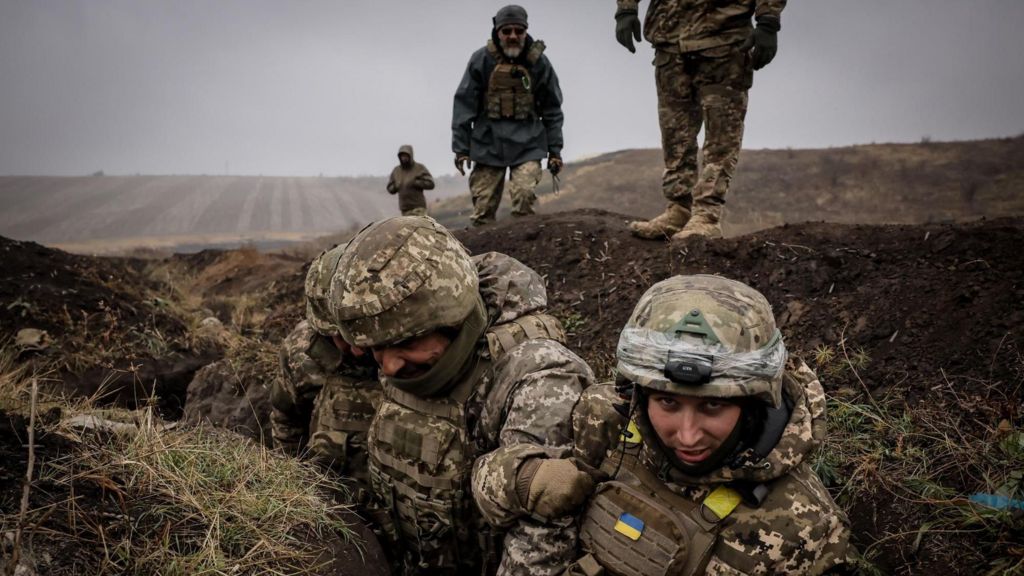
In a significant move to bolster Ukraine’s war efforts, UK Prime Minister Sir Keir Starmer has announced that the UK, alongside France and Germany, is prepared to leverage the full value of frozen Russian assets. This decision marks a strategic escalation in international efforts to pressure Russian President Vladimir Putin and bring Russia to the negotiation table. The leaders emphasized that this action would be executed in close collaboration with the United States. Since Russia’s full-scale invasion of Ukraine in 2022, UK sanctions have immobilized over £25 billion of Russian assets. Previously, only the profits and interest from these assets were utilized to support Ukraine. However, the new approach aims to unlock the entire value of these frozen funds. Sir Keir conveyed this commitment to Ukrainian President Volodymyr Zelensky, underscoring the unity among the three nations in driving progress toward ending the conflict. Additionally, the UK plans to impose further sanctions on Russia in the coming days and weeks. This announcement follows a recent meeting of European leaders in Copenhagen, where discussions centered on using frozen Russian assets to secure a €140 billion loan for Ukraine. The Financial Times reported last month that US President Donald Trump had urged G7 allies to seize or otherwise use these assets. The total value of frozen Russian assets in the EU is estimated at nearly €211 billion. Meanwhile, President Zelensky has called for decisive action from the US, Europe, and the G7, emphasizing the need for air defense systems and stricter sanctions. He also urged Sir Keir to join the PURL program, which facilitates NATO countries in purchasing US weapons for Ukraine. Zelensky praised the UK’s support but stressed the importance of clear participation in the program and additional sanctions against Russia.
分类: politics
-
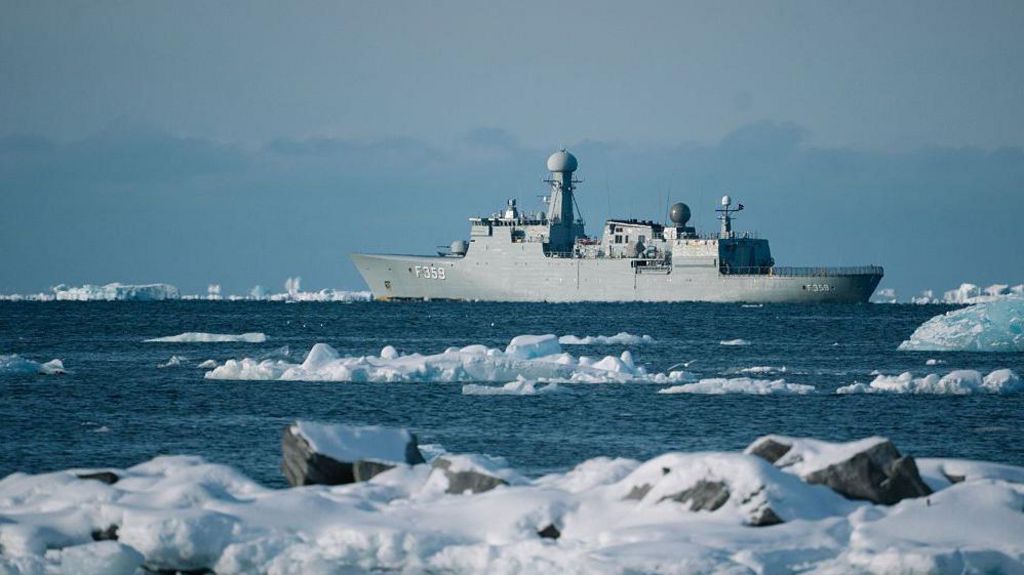
Denmark to boost Greenland defence with new ships, jets and HQ
Denmark has unveiled a significant $4.2 billion defense package aimed at enhancing security in Greenland and the Arctic and North Atlantic regions. This strategic move includes the acquisition of 16 additional F-35 fighter jets from the United States, increasing Denmark’s fleet of these advanced aircraft to 43. The announcement, made by Defense Minister Troels Lund Poulsen, underscores Denmark’s commitment to bolstering its military capabilities in response to growing geopolitical tensions. The defense boost follows repeated expressions of interest from former US President Donald Trump in acquiring Greenland, citing its critical importance for national and economic security. The new defense package, developed in collaboration with Greenland and the Faroe Islands, includes the purchase of two Arctic ships, maritime patrol planes, drones, and early warning radar systems. Additionally, a new Arctic command headquarters will be established in Nuuk, Greenland, alongside a military unit under the Joint Arctic Command. Denmark’s Chief of Defense, Michael Hyldgaard, emphasized the Armed Forces’ role in ensuring security across the Kingdom, including Greenland and the Faroe Islands, within the NATO framework. The package also funds an undersea cable connecting Greenland and Denmark. While the Danish defense ministry’s statement focuses on deterrence and NATO obligations, it notably omits any mention of the United States or Russia. This development comes amid heightened concerns over Trump’s ambitions in Greenland, which has long been strategically significant for the US, hosting a radar base since the Cold War and serving as a key location for tracking Chinese and Russian activities. Greenland’s vast natural resources, including rare earth minerals, uranium, and iron, have also attracted increased interest in recent years.
-
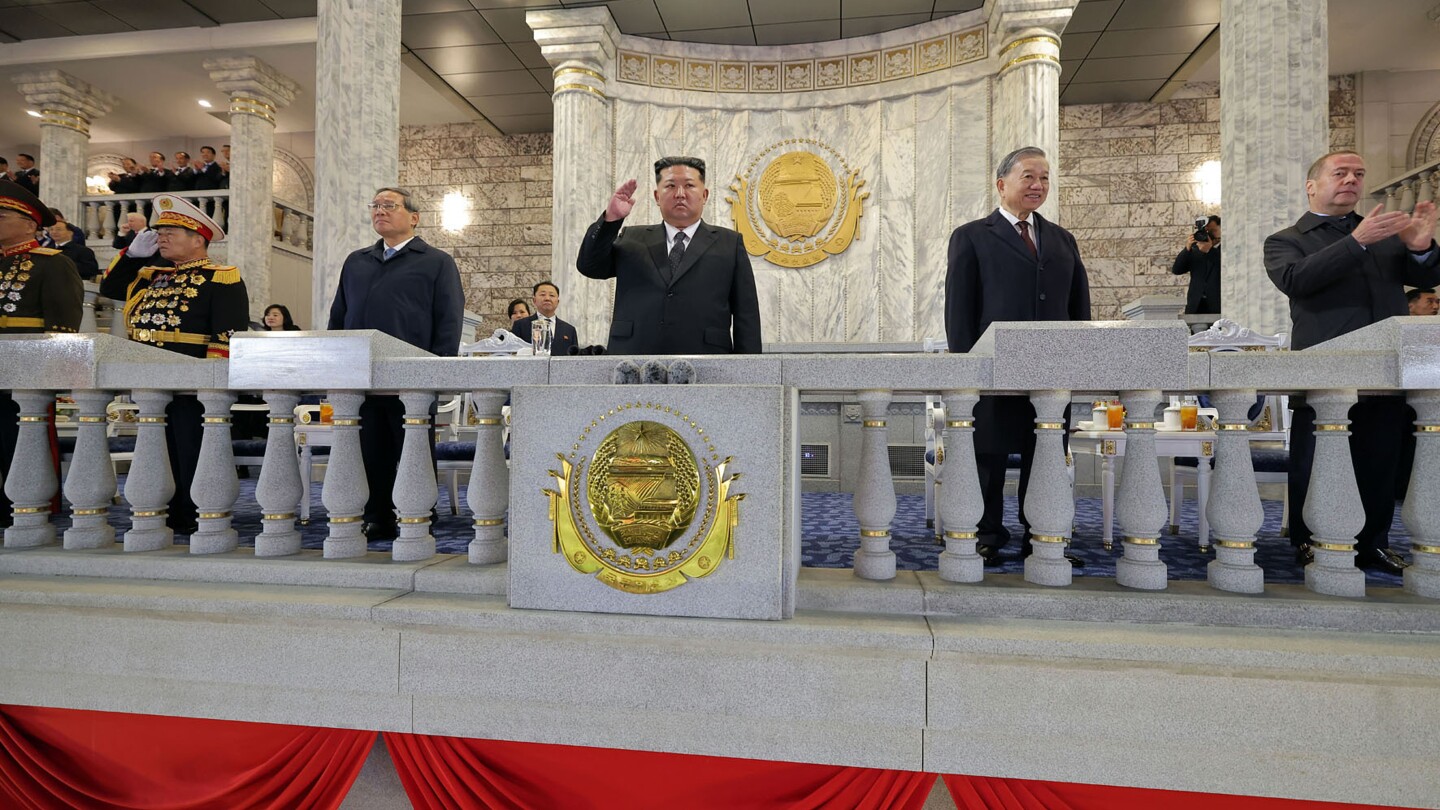
North Korea displays new long-range missile at military parade celebrating Kim Jong Un’s leadership
In a grand display of military might, North Korean leader Kim Jong Un unveiled the Hwasong-20, a new intercontinental ballistic missile (ICBM), during a massive military parade in Pyongyang. The event, held on Friday night to commemorate the 80th anniversary of the ruling Workers’ Party, showcased North Korea’s most advanced weapons, including the untested Hwasong-20, described by state media as the nation’s “most powerful nuclear strategic weapon system.” The parade, attended by high-profile foreign dignitaries, underscored Kim’s growing diplomatic influence and his unwavering commitment to expanding North Korea’s nuclear arsenal, capable of targeting the U.S. mainland and regional adversaries. Kim, in a speech, emphasized the need for his military to become an “invincible entity” to counter all threats, though he refrained from directly mentioning the U.S. or South Korea. The Hwasong-20, mounted on an 11-axle launcher truck, represents a significant leap in North Korea’s missile technology, with its solid-fuel engine offering greater mobility and faster launch capabilities compared to older liquid-fueled models. The parade also featured shorter-range ballistic, cruise, and supersonic missiles, which North Korea claims can deliver nuclear strikes against South Korea. The event highlighted Kim’s efforts to strengthen ties with key allies, including China and Russia, as he seeks to break out of international isolation and counter U.S.-led Western influence. High-level visitors, such as Chinese Premier Li Qiang, former Russian President Dmitry Medvedev, and Vietnamese Communist Party General Secretary To Lam, attended the celebrations, signaling Kim’s increasingly assertive foreign policy. Kim’s recent meetings with Medvedev and Li focused on deepening strategic partnerships, with Medvedev praising North Korean soldiers for their role in supporting Russia’s war efforts in Ukraine. Since Russia’s invasion of Ukraine, Kim has prioritized strengthening ties with Moscow, sending troops and weapons to aid Putin’s campaign. The parade and diplomatic engagements reflect Kim’s dual strategy of bolstering North Korea’s military capabilities while expanding its international alliances.
-
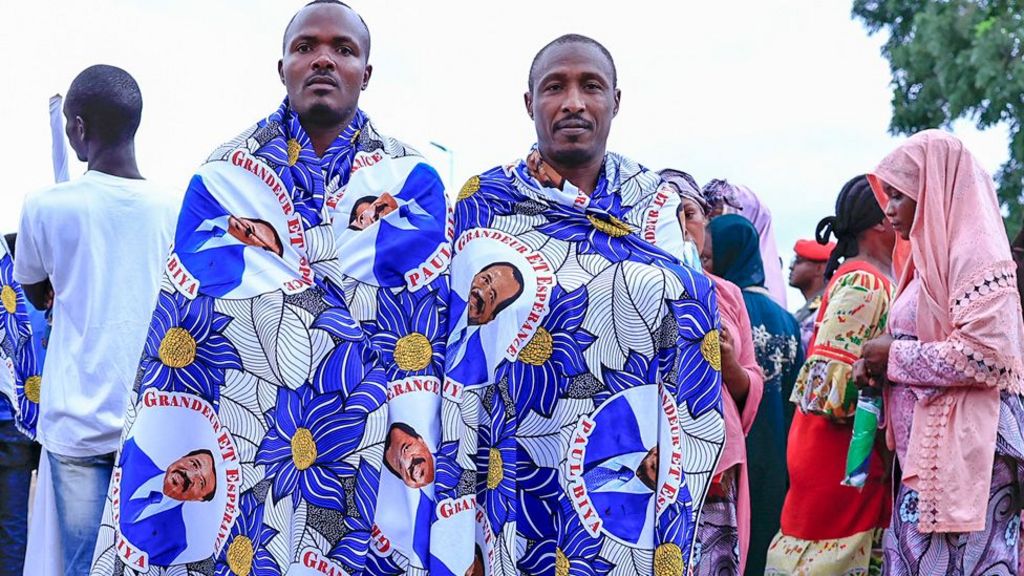
Can the world’s oldest president keep his title and woo a nation of young voters?
Cameroon’s 92-year-old President Paul Biya, the world’s oldest head of state, is vying for an unprecedented eighth consecutive term in office. Having ruled since 1982, Biya’s potential re-election could extend his tenure to nearly 50 years, making him one of the longest-serving leaders in modern history. Despite widespread calls for his resignation, Biya has remained steadfast, even as critics highlight his minimal campaign presence, including a 10-day private trip to Europe during the election period. His reliance on an AI-generated campaign video further fueled backlash, prompting a rushed return to Cameroon to address supporters in Maroua, where he pledged to prioritize women and youth in his next mandate. However, political analysts argue that Biya’s primary focus has been self-preservation rather than improving citizens’ living conditions, a mindset rooted in a failed coup attempt in 1984. With over 60% of Cameroon’s 30 million population under 25, many young activists, like Marie Flore Mboussi, are calling for ‘new blood,’ citing fatigue with Biya’s prolonged rule. The election unfolds against a backdrop of rising inflation, unemployment, and security challenges, particularly in the English-speaking regions where separatist conflicts have led to election boycotts and violence. The exclusion of prominent opposition leader Maurice Kamto from the race has further marred the electoral process, with critics accusing the government of stifling fair competition. Despite these challenges, Biya remains the favorite, with analysts predicting his victory, albeit with a slim majority. The Constitutional Council has 15 days to announce the results, with the interior minister warning against premature victory declarations. As Cameroon prepares for this pivotal election, the nation grapples with deep-seated political and social divisions, raising questions about the future of its democracy.
-

Surge in Chagos arrivals prompts row over housing costs
The UK government is under increasing pressure to provide support for Chagos Islanders arriving in the country to claim their British citizenship, as local councils struggle to manage the influx. Hillingdon Council, located near Heathrow Airport, has reported that 152 Chagossians arrived this week alone, bringing the total number of arrivals since July 2023 to over 600. The council, led by the Conservative Party, anticipates spending £2 million this year to fulfill its legal obligation to assist homeless British-Chagossians, straining its already limited housing resources and financial stability. Many Chagossians are fleeing Mauritius, where they feel unsafe following the UK’s agreement to transfer sovereignty of the Chagos Islands to Mauritius. Despite the UK government’s assertion that Chagossians should arrange their own housing before traveling, the surge in arrivals has placed significant pressure on local authorities. The Chagos Islands, a British Overseas Territory since 1814, were formally purchased from Mauritius in 1965. However, the recent £101 million annual deal with Mauritius to maintain control of the Diego Garcia military base has sparked outrage among Chagossians, who view the agreement as a betrayal of their rights. Damien Dursonial, a 35-year-old former police constable from Mauritius, arrived at Heathrow with his family this week, seeking safety and recognition as a British citizen. He criticized the government for shifting the burden of housing Chagossians onto local councils, particularly Hillingdon, which has requested exceptional financial support to avoid bankruptcy. The council has also opened a pop-up processing center to manage the influx, but its resources are stretched thin due to existing obligations to asylum seekers. A government spokesperson emphasized that the Chagossians’ arrival is unrelated to the Diego Garcia agreement and reiterated the availability of British citizenship for Chagossians since November 2022. Meanwhile, Chagossians like Vanessa Mandarin Calu advocate for a clear pathway to return to their homeland, which remains a British Overseas Territory.
-
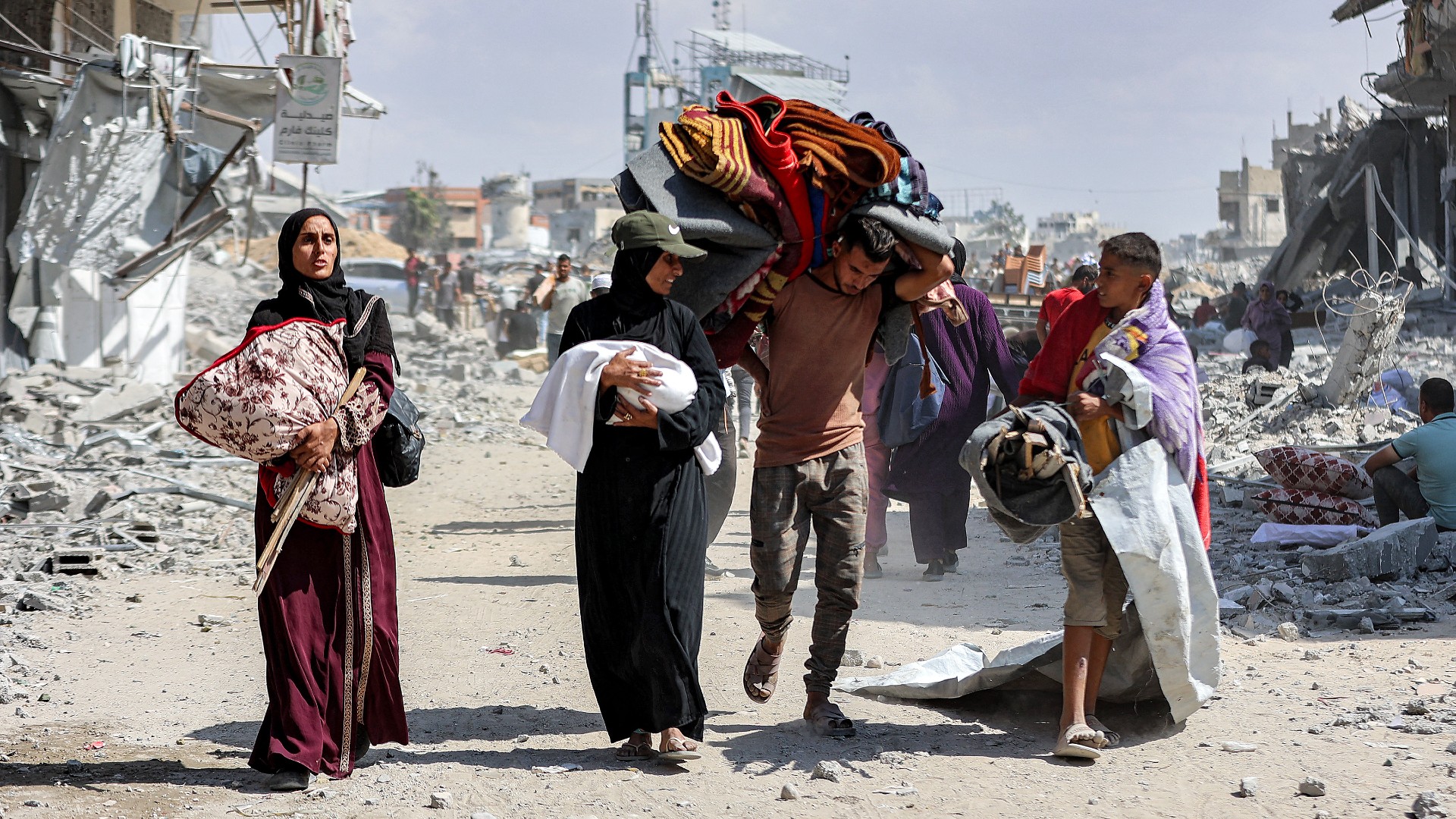
Full text of the agreement signed by Israel and Hamas to ‘end the war’ on Gaza
In a groundbreaking development, Middle East Eye has obtained a copy of the historic agreement signed by Israel, Hamas, and international mediators in Egypt, aimed at bringing an end to the prolonged conflict in Gaza. The document, titled ‘Implementation Steps for President Trump’s Proposal for a Comprehensive End of Gaza War,’ outlines a meticulously crafted six-step plan to achieve lasting peace in the region.
The first step involves U.S. President Donald Trump’s formal announcement declaring the end of the Gaza war, with all parties committing to the necessary measures to ensure its cessation. This was swiftly followed by the Israeli government’s approval of the initial phase, signaling a significant step towards de-escalation.
The second step mandates an immediate halt to all military operations, including aerial and artillery bombardments, upon the Israeli government’s endorsement. Concurrently, the third step prioritizes the urgent delivery of humanitarian aid and relief to the beleaguered Gaza Strip, ensuring that the basic needs of the population are met.
The fourth step details the withdrawal of the Israeli Defense Forces (IDF) to pre-agreed lines, as specified in an attached map, within 24 hours of the Israeli government’s approval. This withdrawal is contingent upon Hamas’s full adherence to the agreement, with the IDF pledging not to re-enter the vacated areas.
The fifth step, to be executed within 72 hours of the IDF’s withdrawal, focuses on the release of all Israeli hostages, both living and deceased, held in Gaza. This phase also includes the establishment of an information-sharing mechanism to ensure the safe and complete exhumation and release of any remaining deceased hostages. In a reciprocal gesture, Israel will release a corresponding number of Palestinian prisoners, with the exchange conducted discreetly through mediators and the International Committee of the Red Cross (ICRC), without public ceremonies or media coverage.
The final step involves the formation of a task force comprising representatives from the United States, Qatar, Egypt, Turkey, and other agreed-upon nations. This task force will oversee the implementation of the agreement, ensuring that both sides adhere to their commitments and coordinate effectively.
This comprehensive agreement, brokered with the involvement of key international players, represents a significant milestone in the quest for peace in the region. It underscores the collective commitment to ending the cycle of violence and fostering a sustainable resolution to the Gaza conflict.
-

Trump wants his foes prosecuted for a crime experts say is hard to prove
In a striking escalation of his political battles, former President Donald Trump has turned to allegations of mortgage fraud to target his political adversaries. Among those implicated are New York Attorney General Letitia James, Federal Reserve Governor Lisa Cook, and Senator Adam Schiff, all of whom are now under scrutiny for alleged misrepresentations in mortgage applications. Trump’s campaign against these figures has raised questions about the intersection of politics and legal accountability. Mortgage fraud, defined as the deliberate misrepresentation of information to secure a loan, is a rare and complex offense. According to data from Cotality, only one in 116 mortgage applications in Q2 2025 were flagged as potentially fraudulent, representing less than 1% of cases. Occupancy fraud, which involves falsely claiming a property as a primary residence, is even less common. Despite Trump’s aggressive push for legal action, experts argue that proving malicious intent in such cases is notoriously difficult. Clifford Rossi, a finance professor at the University of Maryland, noted that errors on mortgage forms can often be unintentional, making it challenging to establish deliberate wrongdoing. The involvement of Federal Housing Finance Agency (FHFA) Director Bill Pulte has further complicated the matter, with critics accusing him of violating ethics rules by publicly advocating for investigations. As the legal battles unfold, the broader implications of Trump’s tactics on the U.S. political landscape remain a subject of intense debate.
-
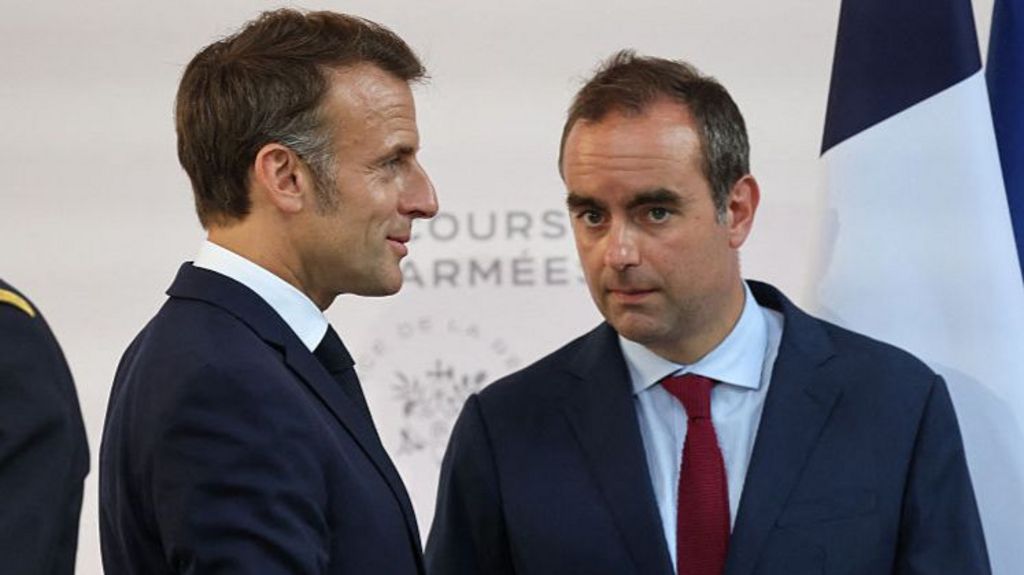
Macron reappoints Lecornu as French PM after days of turmoil
In a surprising turn of events, French President Emmanuel Macron has reappointed Sébastien Lecornu as Prime Minister just four days after his dramatic resignation. This decision has injected fresh uncertainty into France’s political landscape, which has been reeling from a week of intense drama and instability. Macron’s announcement came late on Friday, following a high-stakes meeting with key political leaders at the Élysée Palace, excluding representatives from the far-right and far-left factions. Lecornu’s return is particularly unexpected, given his recent statement that he was not ‘chasing the job’ and that his ‘mission is over.’ Despite the uncertainty surrounding his ability to form a government, Lecornu faces an immediate challenge: presenting next year’s budget to parliament by the looming deadline of next Monday. The Élysée Palace confirmed that Macron has tasked Lecornu with forming a government, granting him ‘carte blanche’ to act decisively. In a lengthy statement on X, Lecornu accepted the role ‘out of duty,’ pledging to prioritize the passage of the budget and address the pressing concerns of French citizens.
-
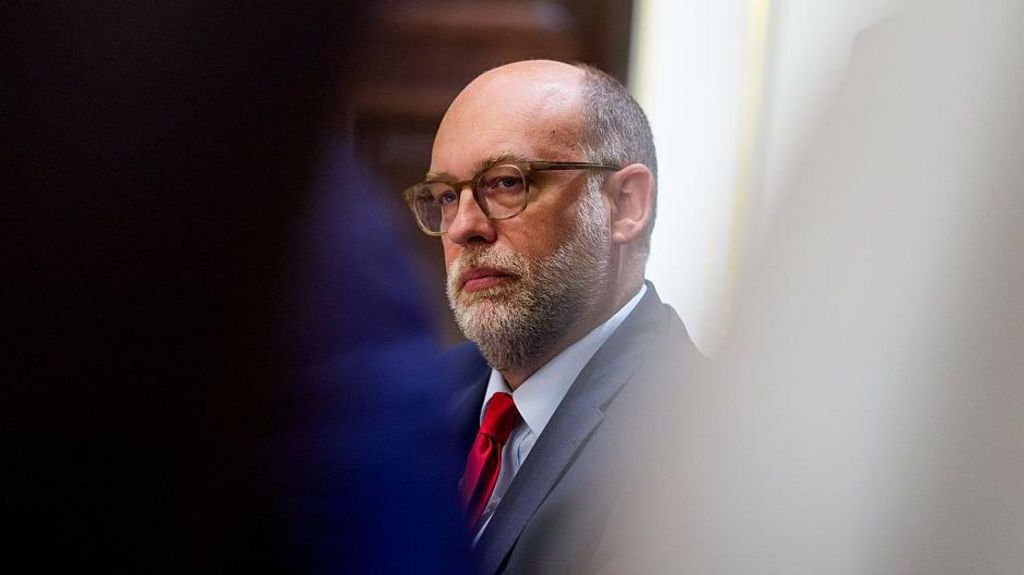
Trump administration begins mass firings as US shutdown continues
The Trump administration has commenced the process of laying off federal employees as the impasse over the government shutdown persists. Russell Vought, the Director of the Office of Management and Budget (OMB), announced the commencement of these layoffs, referred to as ‘reduction in force’ (RIF), via a post on X. RIF is a legal mechanism that allows the administration to terminate federal workers, a move that had been previously threatened if Democrats pushed for a government shutdown. An OMB spokesperson confirmed that the layoffs have indeed started and described them as ‘substantial,’ although specific figures regarding the number of affected employees were not disclosed. This development underscores the escalating tensions between the Trump administration and congressional Democrats, with federal workers caught in the crossfire of the political standoff.
-
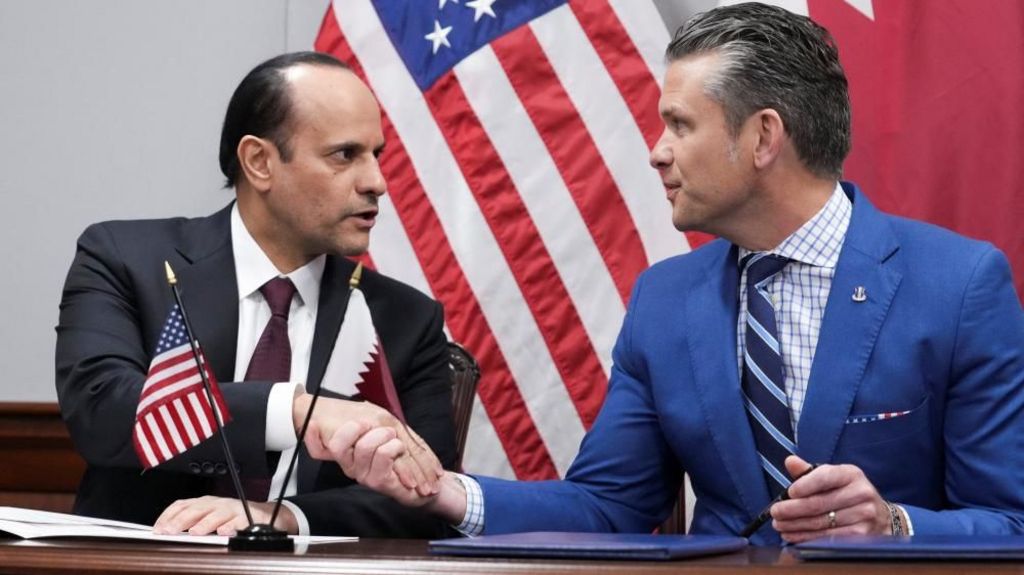
Qatar to build air force facility in Idaho, US says
The United States and Qatar have solidified their military partnership with the establishment of a new Qatari Emiri Air Force facility at the Mountain Home Airbase in Idaho. US Defense Secretary Pete Hegseth announced the agreement during a meeting with his Qatari counterpart, Saoud bin Abdulrahman al-Thani, at the Pentagon on Friday. The facility will serve as a training ground for Qatari pilots to operate F-15 fighter jets, enhancing combined training, lethality, and interoperability between the two nations. Hegseth emphasized the strength of the partnership, stating, ‘You can count on us.’ The announcement follows President Donald Trump’s executive order last month, which pledged to use all measures, including military force, to defend Qatar. This order underscores an extraordinary security pact between the US and its key Arab ally, akin to aspects of a NATO alliance. The move comes in the wake of recent tensions, including Israeli air strikes in Doha and Iran’s attack on the al-Udeid Air Base, the US’s largest military facility in the Middle East, located in Qatar. Qatar has also played a pivotal role in mediating ceasefire efforts in Gaza, further cementing its strategic importance in the region.