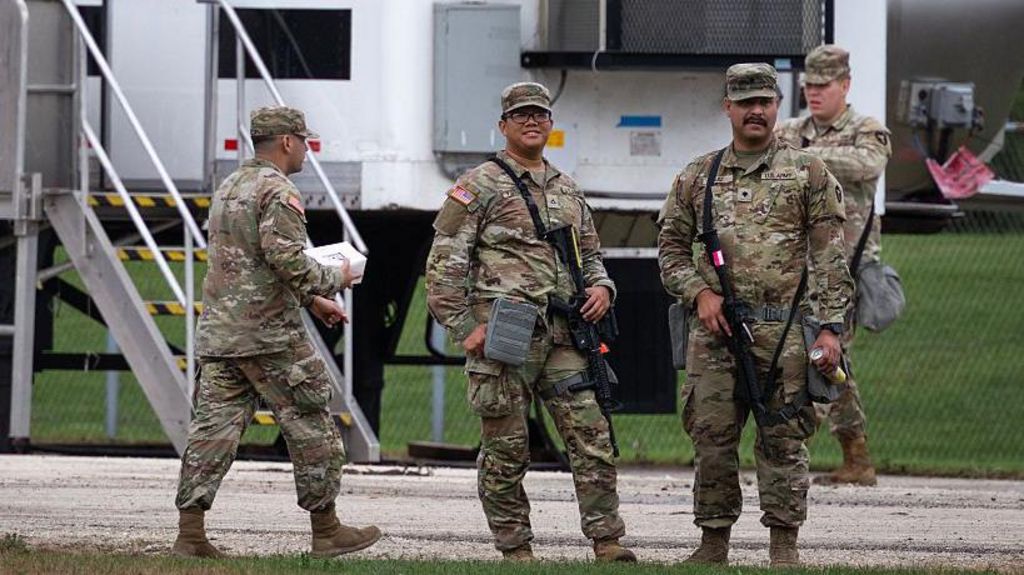
In a significant legal development, a federal appeals court has ruled against the Trump administration’s plan to deploy the National Guard in Illinois. The Chicago-based US Court of Appeals for the 7th Circuit issued the decision, which also stipulated that the National Guard would remain under federal control for the time being. This ruling partially upholds a previous decision by a lower court, which had blocked the deployment of troops in the Chicago area, citing concerns that such a move could incite civil unrest. President Trump has previously deployed the National Guard to cities like Los Angeles and Washington DC, justifying the action as necessary to combat illegal immigration and crime. The latest court decision underscores the ongoing legal and political tensions surrounding the administration’s use of military resources in domestic contexts.
分类: politics
-
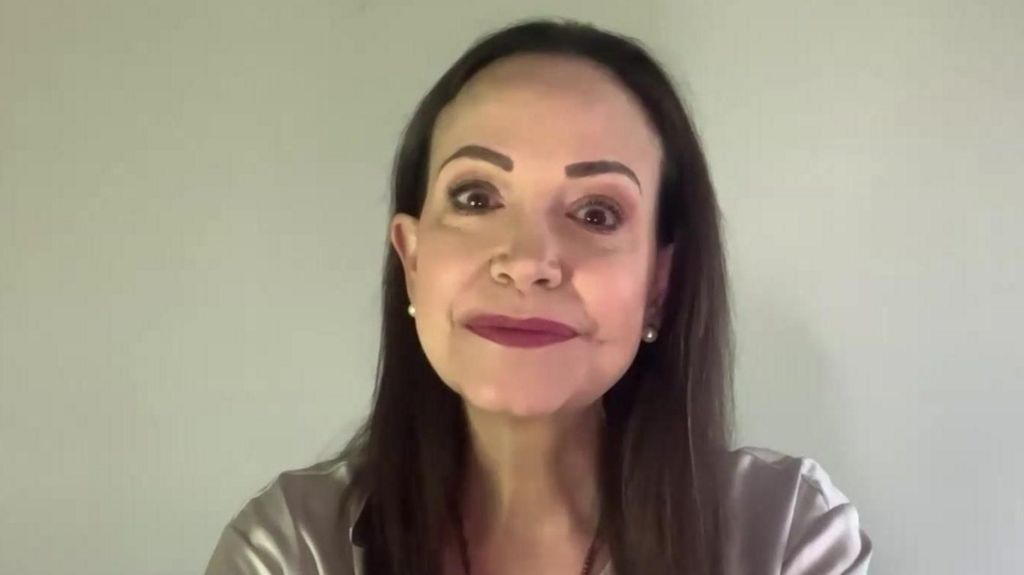
We’re grateful for what Trump is doing for peace, Nobel winner tells BBC
María Corina Machado, the Venezuelan opposition leader and 2025 Nobel Peace Prize winner, expressed her gratitude to former US President Donald Trump for his global efforts towards peace, freedom, and democracy. In an interview with BBC Mundo, Machado highlighted her appreciation for Trump’s actions, not only in the Americas but worldwide. She emphasized the importance of international support in combating the Maduro regime, which she described as a ‘criminal structure’ sustained by illicit activities such as drug trafficking and gold smuggling. Machado’s Nobel recognition was awarded for her relentless struggle to transition Venezuela from dictatorship to democracy, despite facing severe threats to her life. She has been a symbol of civilian courage, inspiring millions by remaining in Venezuela despite the dangers. Machado also acknowledged the role of the international community in weakening the Maduro regime by cutting off its financial lifelines. Recent US actions, including strikes on boats allegedly involved in drug trafficking, have further pressured the regime, though these actions have sparked controversy and legal debates. Machado’s Nobel Prize has energized her political movement, providing hope and strength to the Venezuelan people in their fight for democracy.
-
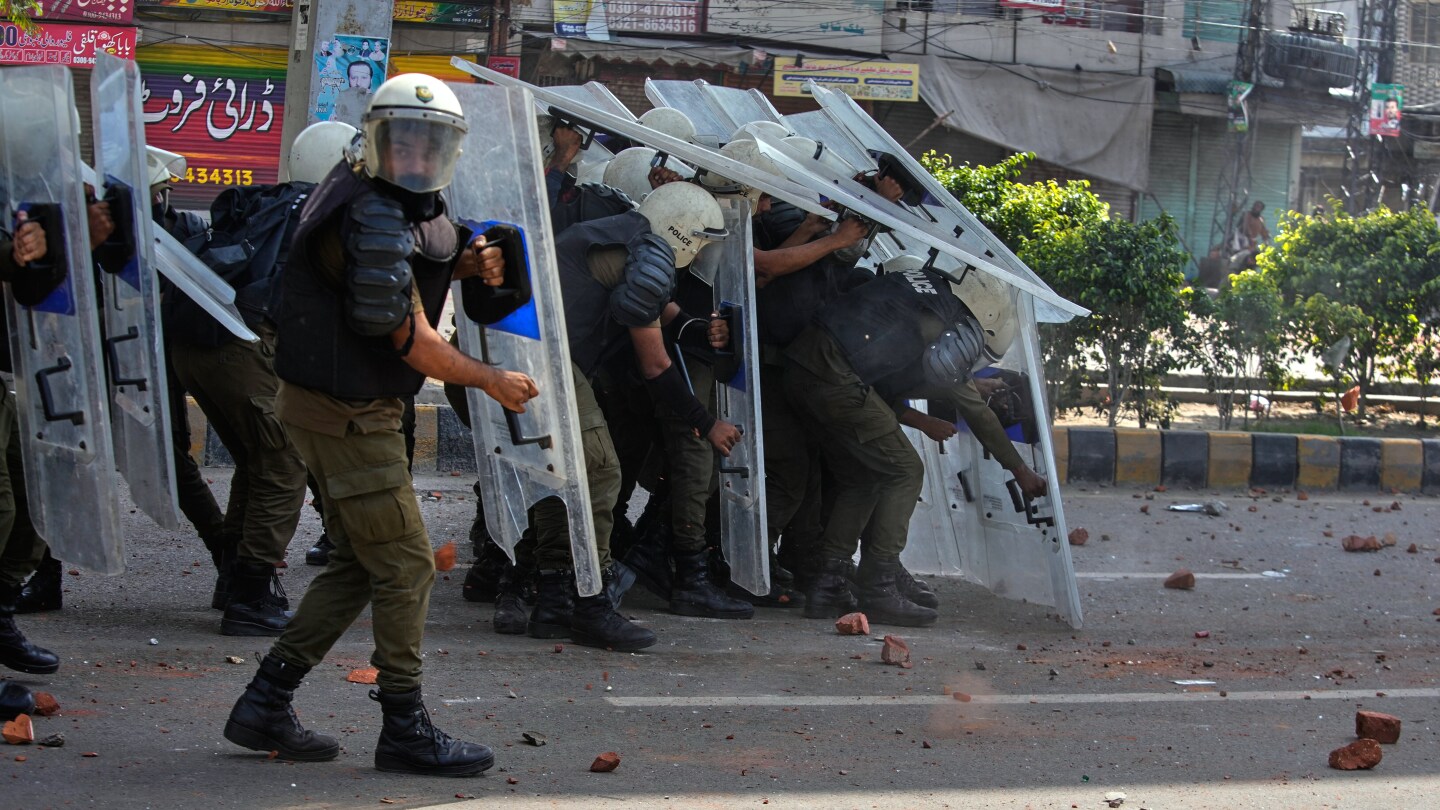
Arrests at pro-Palestinian protest after violence flares in Pakistan’s eastern city of Lahore
LAHORE, Pakistan — Pakistani authorities have arrested over 100 individuals following violent clashes in Lahore, as supporters of the radical Islamist party Tehreek-e-Labbaik Pakistan (TLP) attempted to march to Islamabad in solidarity with Palestinians. The TLP, known for its staunch defense of Pakistan’s blasphemy laws, organized the protest despite lacking official permission to demonstrate in the capital.
-
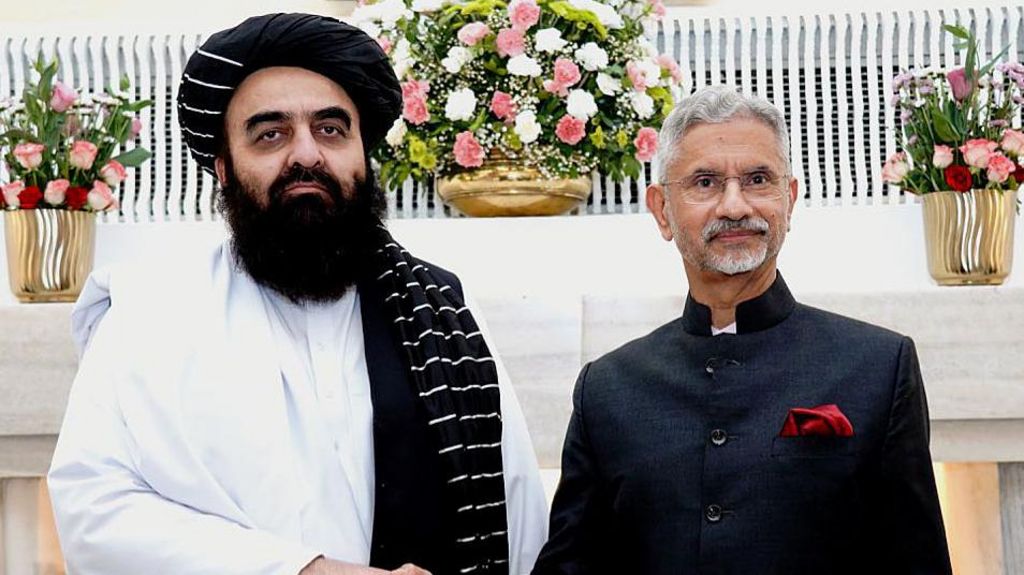
Anger after female journalists excluded from Afghan embassy event in India
The Indian government has come under fire from opposition leaders and public figures following the exclusion of female journalists from a press event with Afghan Taliban Foreign Minister Amir Khan Muttaqi in New Delhi. The incident occurred during a forum held at the Afghanistan embassy, where approximately 16 male reporters were selected to attend, while women and foreign media were reportedly turned away. The event has sparked widespread criticism, with opposition leader Rahul Gandhi accusing Prime Minister Narendra Modi of failing to stand up for Indian women. Gandhi stated, ‘By allowing this event to proceed, Modi is telling every woman in India that you are too weak to stand up for them.’
The Indian Ministry of External Affairs clarified that it ‘had no involvement in the press interaction’ at the Afghan embassy. Meanwhile, the Taliban government acknowledged that women had not been invited, citing ‘lack of proper coordination’ as the reason. A Taliban source indicated that female journalists would be invited to future conferences if held in Delhi. Muttaqi is currently in India for high-level talks, during which he met with Indian Foreign Minister S Jaishankar. Jaishankar announced that India would reopen its embassy in Kabul, which had been closed since the Taliban regained power in 2021.
Since the Taliban’s return to power, the regime has imposed numerous restrictions based on their interpretation of Islamic Sharia law, severely curtailing the rights of Afghan women and girls. The exclusion of female journalists from the press event has reignited debates about gender equality in India. Indian politician Priyanka Gandhi Vadra called on Modi to clarify his stance on the matter, questioning how ‘this insult to some of India’s most competent women’ was allowed in ‘a country whose women are its backbone and its pride.’ Others expressed outrage, with politician Mahua Moitra criticizing the male journalists who attended the event for not walking out in solidarity with their female colleagues. She labeled the government’s actions as ‘shameful’ and accused it of dishonoring Indian women.
-
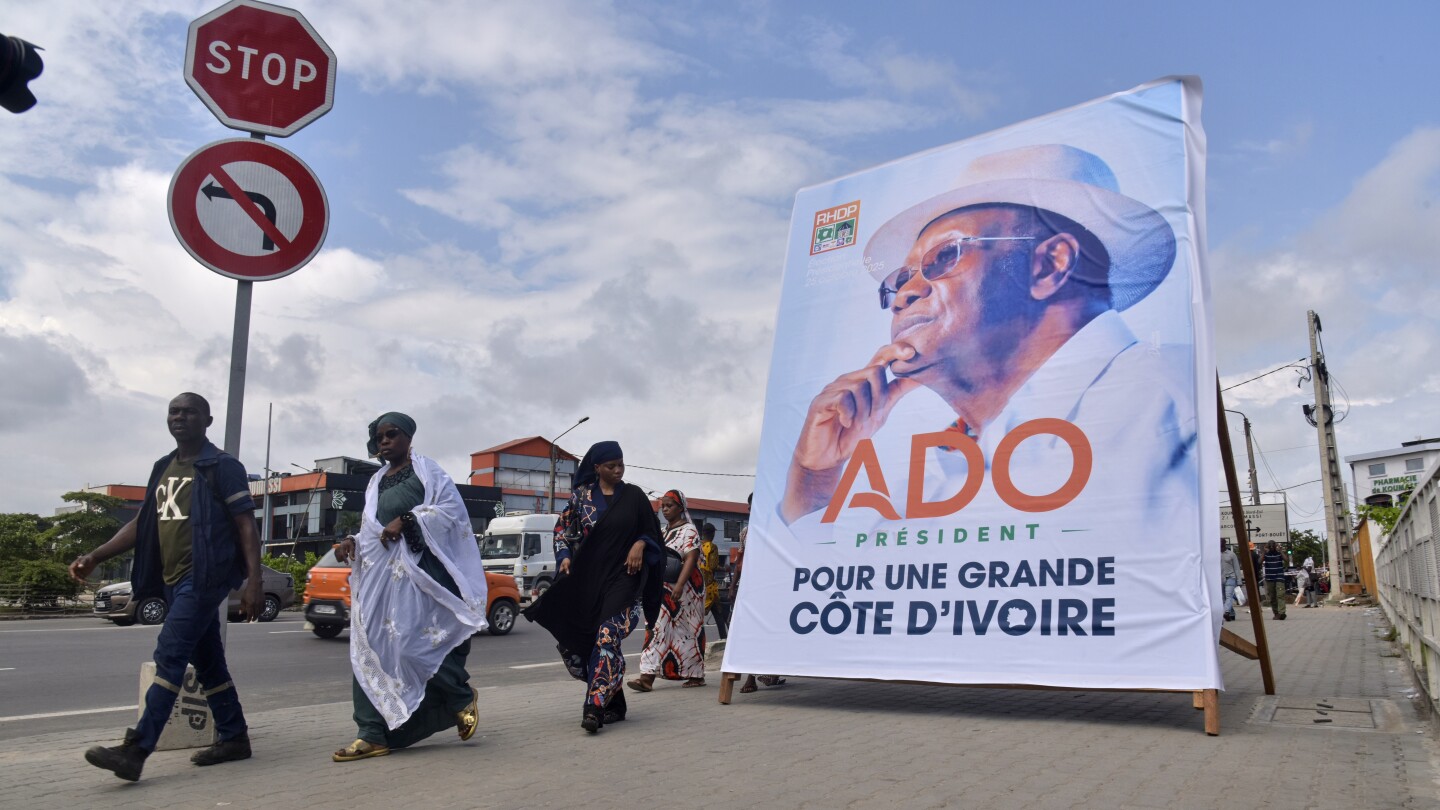
Ivory Coast arrests 237 protesters amid rising tensions before presidential election
In a significant escalation of political tensions, at least 237 individuals were detained in Ivory Coast during a protest against what activists describe as the country’s authoritarian shift. The arrests were confirmed by General Vagondo Diomandė, the Minister of the Interior and Security, during a national television broadcast. The protest, which was declared illegal by the Abidjan prefect the day prior, saw the deployment of tear gas and the erection of makeshift roadblocks by authorities to disrupt the march. This unrest comes just two weeks before the nation, home to 32 million people and the largest economy in Francophone West Africa, is set to hold its presidential election. The election has already been marred by controversy, with the electoral commission disqualifying four key opposition figures, including former President Laurent Gbagbo and former Credit Suisse CEO Tidjane Thiam. President Alassane Ouattara, who has been in power since 2010, is seeking a fourth term, a move made possible by a 2016 constitutional amendment that abolished presidential term limits. Ouattara defends his candidacy by citing the need for experienced leadership to address the country’s security, economic, and monetary challenges. However, critics argue that his prolonged tenure undermines democratic principles. The situation in Ivory Coast reflects a broader trend in West Africa, where leaders are increasingly extending their rule by altering constitutional frameworks. The region is also grappling with the spread of extremist groups linked to al-Qaida and the Islamic State, which have been expanding from the Sahel into coastal states like Ivory Coast, Togo, and Benin. The upcoming election is expected to be tense, given the history of violence during previous polls.
-
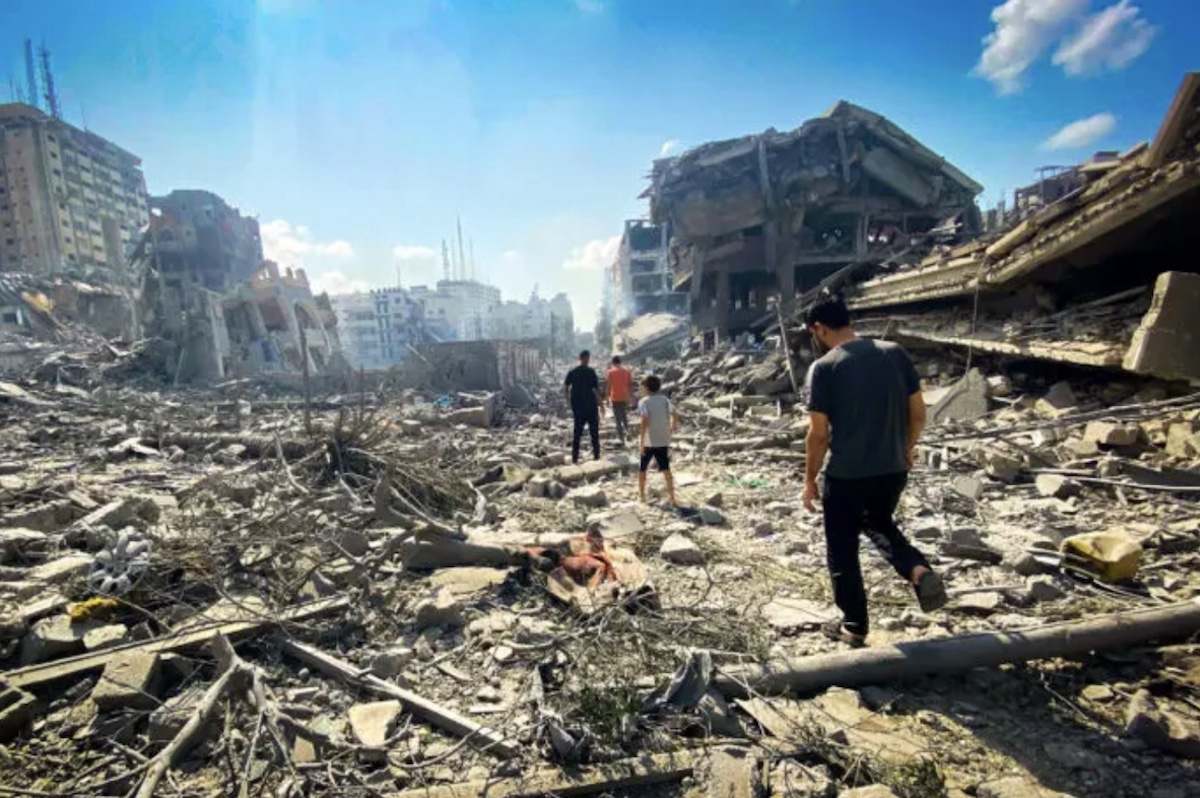
The first day after the Gaza war
The ceasefire agreement between Israel and Hamas, initiated on October 10, marks a pivotal moment in the quest for lasting peace and security in the region. Central to this first phase is the structured release of hostages and a prisoner exchange, underpinned by an unwavering military ceasefire and a phased withdrawal plan. Without these foundational measures, no other initiatives could have been effectively implemented, even temporarily. The cessation of military operations and the retreat of forces to a line granting Israel control over 53% of the Gaza Strip – the initial stage of President Donald Trump’s three-phase plan – will facilitate the delivery of large-scale humanitarian aid to Palestinian civilians. The release of Israeli hostages, both living and deceased, will commence, followed by Israel’s release of Palestinian prisoners, including those serving life sentences and detainees from Gaza. Trump’s peace plan, which integrates elements of previous efforts, aligns with Phase 1 of United Nations Security Council Resolution 2735, adopted on June 14, 2024. Phase 2 envisions a permanent end to hostilities in exchange for the release of all remaining hostages and a full withdrawal, while Phase 3 proposes a comprehensive, multi-year reconstruction plan. Despite potential disagreements over specifics, Trump’s 20 principles have garnered widespread support from regional and global stakeholders. The agreement mandates strict adherence to the ceasefire on land, sea, and air, with both Israel and Hamas refraining from military actions immediately upon signing. To support the process, Israel has initiated operational preparations, and the US is deploying up to 200 troops to establish a civil-military coordination center in Israel, potentially including forces from Egypt, Qatar, and Turkey. Once the ceasefire is secured and the hostage and prisoner exchange completed, the establishment of a temporary International Stabilization Force and international civil administrators is intended, though consensus is yet to be reached. Historical precedents, such as the UN Emergency Force (UNEF 1) and the UN Transitional Administration in Cambodia (UNTAC), offer valuable lessons for monitoring and stabilizing the region. The proposed ceasefire observation force in Gaza would focus on maintaining the ceasefire, ensuring compliance, and operating in accordance with local laws without obstructing civil or humanitarian efforts. While challenges remain, including the disarmament of Hamas and the absence of a long-term political solution, Trump’s peace plan represents a critical opportunity to improve the lives of Palestinians in Gaza and prevent further chaos.
-
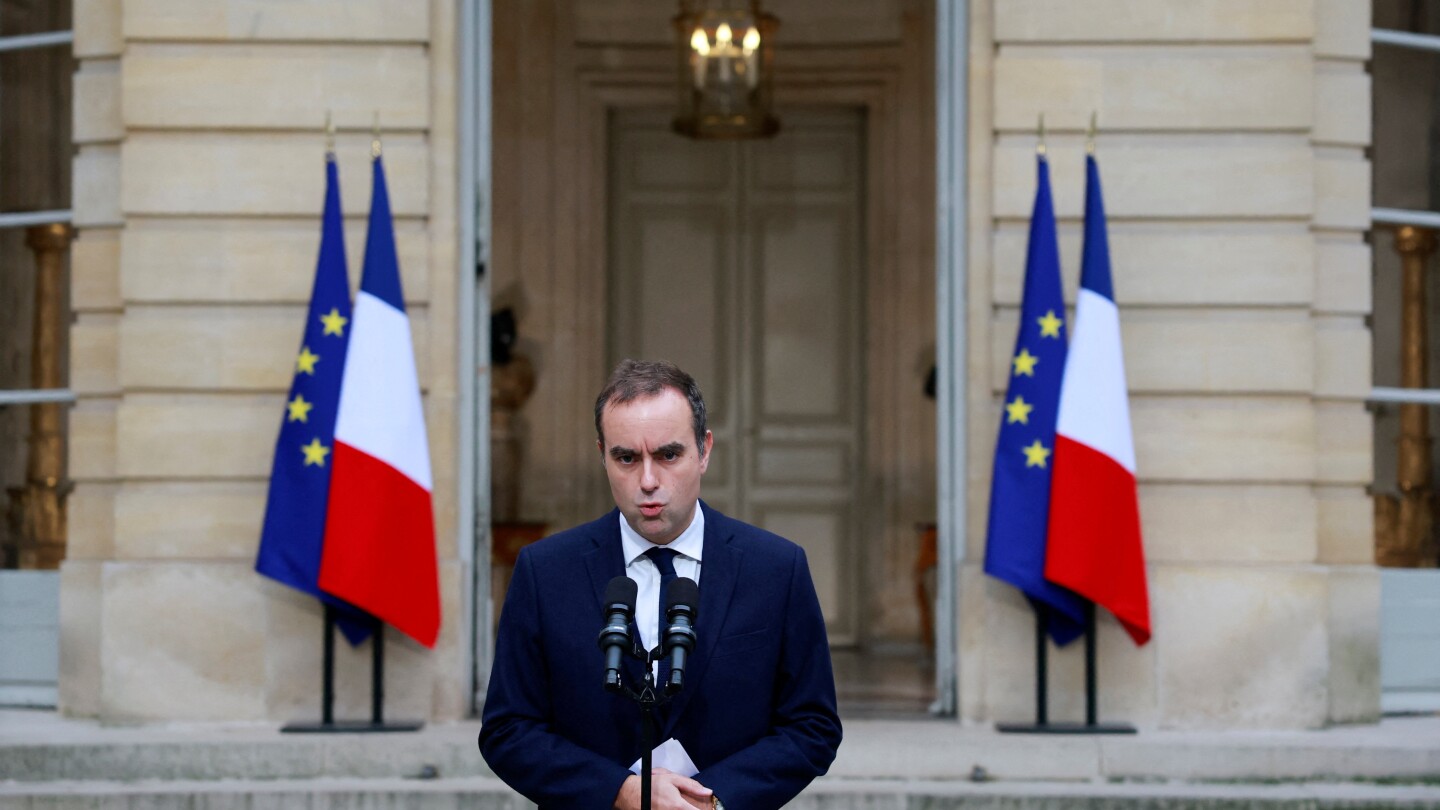
France’s re-appointed prime minister Lecornu calls for calm amid political chaos
In a bid to stabilize France’s turbulent political landscape, President Emmanuel Macron has reappointed Sebastien Lecornu as prime minister, marking the fourth leadership change in just over a year. Lecornu, who resigned only a month ago, acknowledged the scarcity of candidates for the role and the precarious nature of his position, given the country’s deep political divisions. During a visit to a police station in L’Hay-les-Roses, a Paris suburb, Lecornu emphasized the urgent need for political unity to address France’s mounting economic challenges, including soaring debt and a looming budget crisis. His reappointment is widely viewed as Macron’s final attempt to salvage his second term, which has been marred by a lack of parliamentary majority and internal dissent within his centrist camp. Critics from both the far right and far left have condemned Macron’s decision, arguing that it exacerbates France’s political paralysis. Lecornu has vowed to stay in office only if conditions allow, acknowledging the risk of a no-confidence vote in the fractured National Assembly. As France grapples with economic instability and growing poverty, the political crisis has raised concerns across the European Union, further complicating Macron’s efforts to restore confidence in his leadership.
-
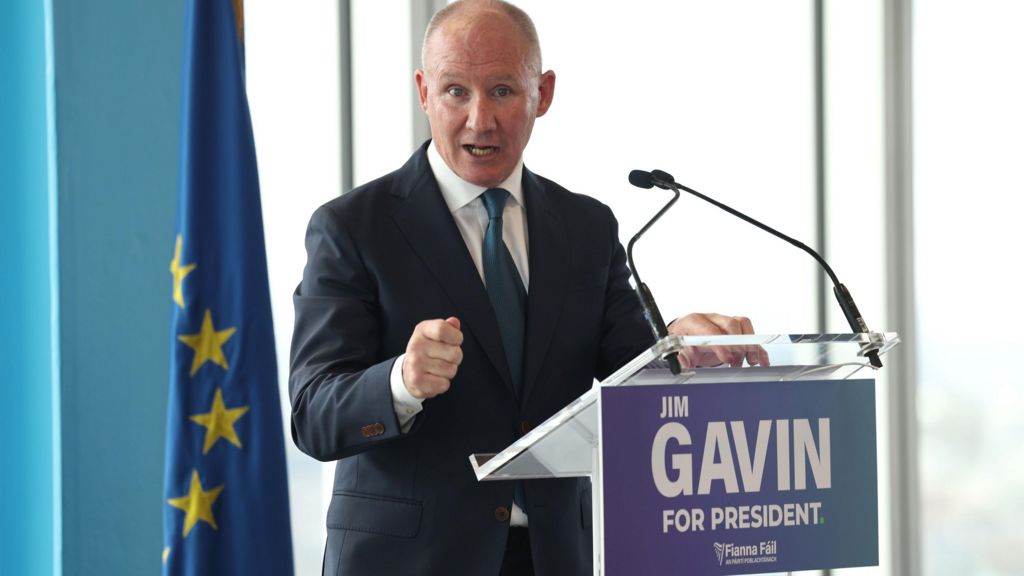
How a 16-year-old rental dispute derailed a presidential campaign
The Irish presidential election campaign has been thrown into turmoil following the withdrawal of Jim Gavin, the Fianna Fáil candidate, over a 16-year-old rental dispute. Gavin, a prominent figure in Irish sports and politics, was chosen by Fianna Fáil, the largest party in Ireland’s coalition government, to represent them in the upcoming election. However, his candidacy was short-lived after details of a 2009 rental dispute with former tenant Niall Donald surfaced in the media. The dispute, which involved an overpayment of €3,300 by Donald, had remained under the radar for over a decade until it was reported by the Irish Independent last week. Gavin’s inability to address the issue during a televised debate led to widespread speculation about the viability of his campaign, culminating in his abrupt withdrawal. This has left Fianna Fáil without a candidate and has sparked internal criticism of the party’s leadership, particularly Taoiseach Micheál Martin, for their handling of the situation. Meanwhile, the remaining candidates, Catherine Connolly and Heather Humphreys, are now in a direct contest for the presidency. Both have faced their own campaign challenges, including the unauthorized use of President Michael D Higgins’ image in a promotional video and a geographical error in a campaign video. The Irish presidential election is set to take place on October 24.
-

Seychelles votes in tight runoff election
The Seychelles witnessed a pivotal moment in its democratic process as citizens cast their votes in a runoff election between incumbent President Wavel Ramkalawan and opposition leader Patrick Herminie. The runoff, held on Saturday, became necessary after neither candidate secured the required majority in the initial round two weeks prior. Official results from the first round showed Herminie narrowly leading with 48.8% of the vote, while Ramkalawan trailed with 46.4%. A candidate must garner over 50% to claim victory. Polling stations opened early on Saturday, with results anticipated by Sunday. The election has been marked by intense campaigning, with both candidates addressing pressing issues such as environmental degradation and a burgeoning drug addiction crisis in the archipelago, renowned for its luxury tourism and natural beauty. Herminie, representing the United Seychelles party, aims to reclaim power for a party that governed the nation for over four decades until 2020. Ramkalawan, of the Linyon Demokratik Seselwa party, seeks a second term. The election also unfolds against a backdrop of growing opposition to the government, particularly over a controversial decision to lease a significant portion of Assomption Island to a Qatari company for a luxury hotel project. Critics argue the move prioritizes foreign interests over national sovereignty. Additionally, Seychelles faces unique challenges as a small island nation vulnerable to climate change and grappling with a severe heroin addiction crisis, as highlighted by recent international reports.
-
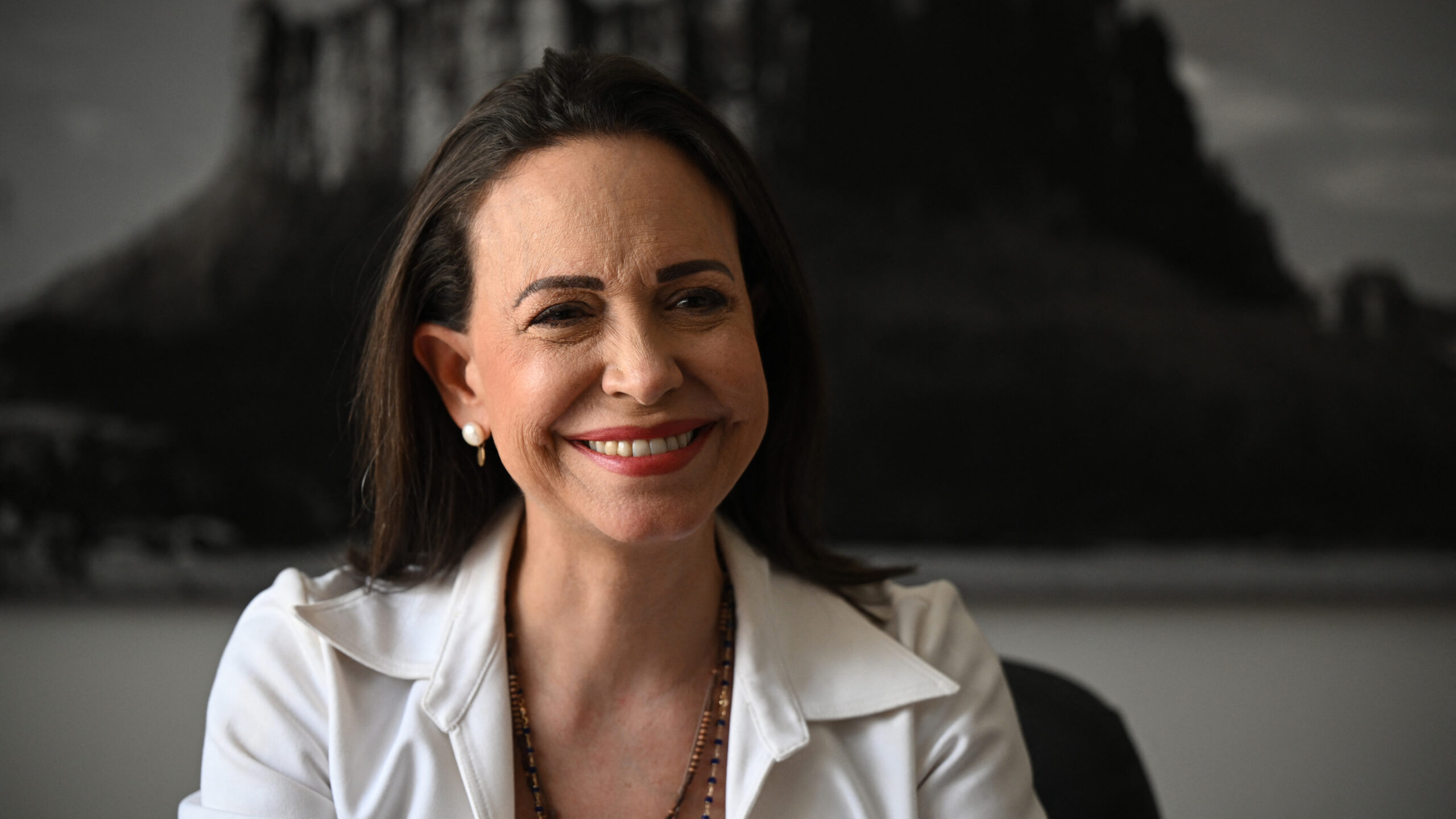
Cair calls on Nobel Prize winner to renounce support for far-right, racist and fascist parties
A prominent American civil rights organization has demanded that the 2025 Nobel Peace Prize recipient, Venezuelan opposition leader Maria Corina Machado, renounce her affiliations with racism, fascism, and far-right ideologies. The Council on American-Islamic Relations (Cair) expressed strong disapproval of the Nobel Prize committee’s decision, citing Machado’s connections to Israeli Prime Minister Benjamin Netanyahu’s Likud Party and her participation in far-right European gatherings. Cair highlighted her appearance at the Patriots of Europe conference in Madrid, where she shared the stage with figures like Geert Wilders and Marine Le Pen, who advocated for a new ‘Reconquista,’ a term evoking the historical expulsion of Muslims and Jews from Spain. The group urged the Nobel committee to reconsider its choice, arguing that it tarnishes the award’s legacy. Machado, who has openly supported Netanyahu and pledged to relocate Venezuela’s embassy to Jerusalem if elected, dedicated her prize to former U.S. President Donald Trump and the Venezuelan people, praising Trump’s backing of her cause. Trump has previously deployed warships near Venezuela to combat drug cartels. Cair emphasized that the Nobel Peace Prize should honor individuals who champion justice universally, not those who endorse divisive and exclusionary ideologies.