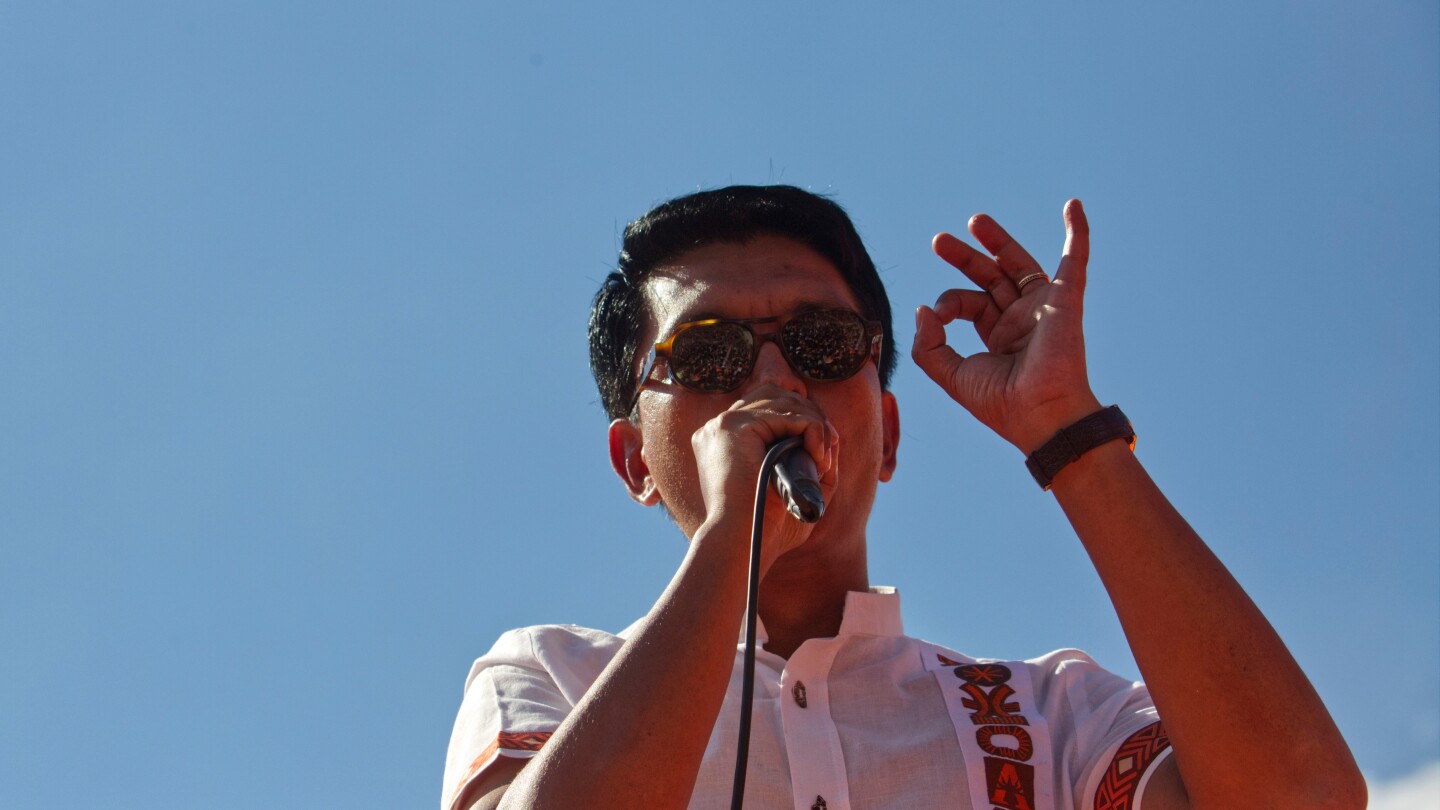
Andry Rajoelina, once a youthful and charismatic mayor, rose to prominence in Madagascar 16 years ago by leading popular protests against the government. These demonstrations culminated in a military-backed coup, propelling him to the role of transitional president at just 34 years old. After stepping down in 2014, Rajoelina returned to power in 2019 through democratic elections. However, on Tuesday, the same military unit that once supported his ascent declared it was ousting him following weeks of youth-led protests against his administration. This marks a dramatic turn in Rajoelina’s political journey, underscoring the pivotal role of both the military and the youth in his rise and fall. Rajoelina’s early career began as a radio DJ and entrepreneur, where he leveraged his media influence to form the Determined Malagasy Youth party. His anti-establishment message resonated with Madagascar’s disenfranchised youth, leading to his election as mayor of Antananarivo in 2007. By 2009, he led protests against then-president Marc Ravalomanana, accusing the government of corruption and authoritarianism. Backed by the military, these protests forced Ravalomanana into exile, and Rajoelina assumed the presidency. His tenure, however, was marked by international isolation and sanctions. After a brief hiatus, Rajoelina returned to power in 2019 but faced mounting criticism for failing to improve living standards. His controversial promotion of an unproven COVID-19 remedy further eroded public trust. Recent protests, fueled by issues like water and power shortages, corruption, and nepotism, saw widespread participation from civil society groups, unions, and government workers. The military’s support for the protesters ultimately sealed Rajoelina’s fate, highlighting the cyclical nature of political power in Madagascar.
分类: politics
-
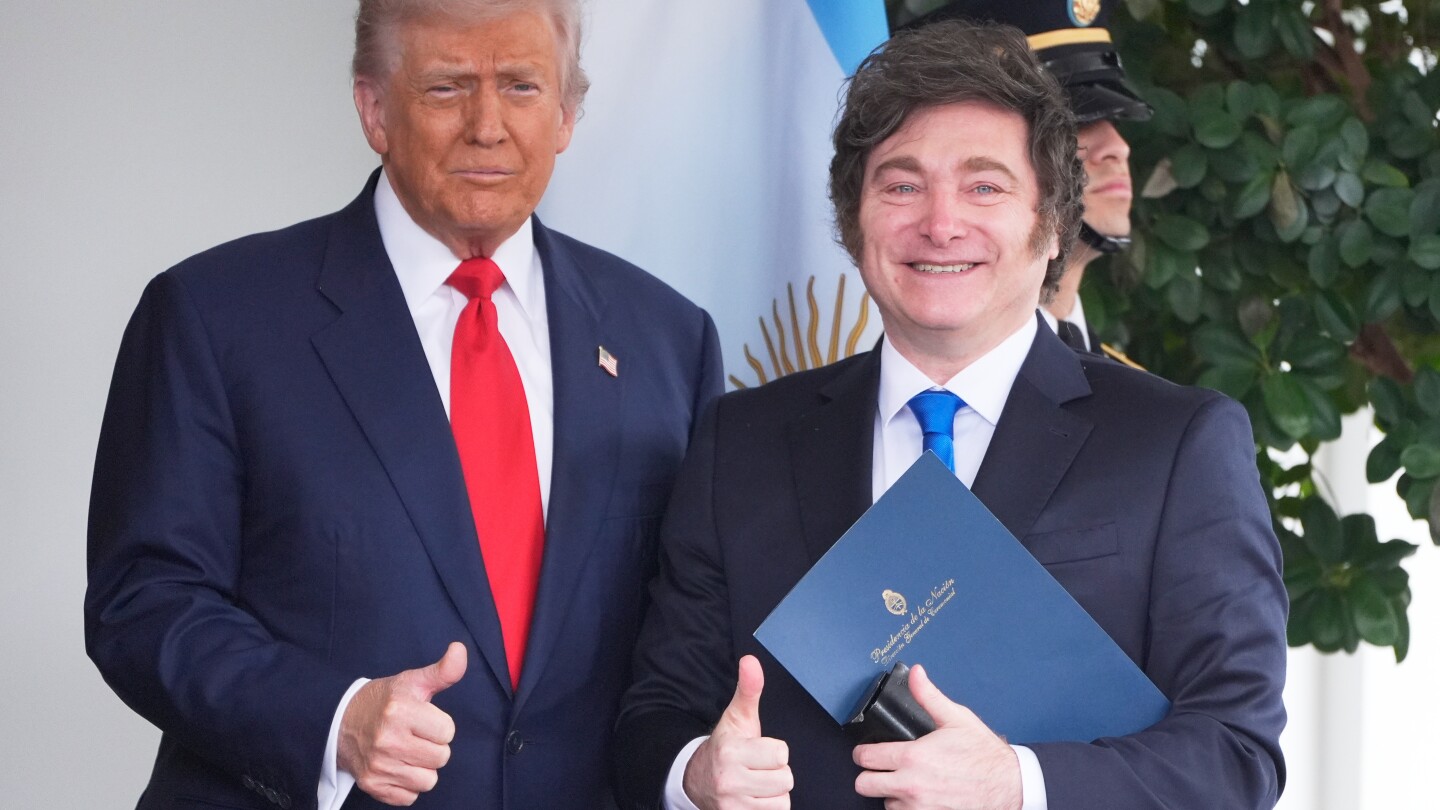
US is working on doubling aid to Argentina to $40 billion by tapping private funding sources
The Trump administration is advancing plans to provide Argentina with an additional $20 billion in financial support, supplementing the $20 billion credit swap line pledged earlier this month. This new package, designed to stabilize Argentina’s faltering currency, would involve a combination of private sector banks and sovereign funds. Treasury Secretary Scott Bessent described the initiative as a ‘private-sector solution,’ emphasizing the interest from multiple banks and sovereign funds. The move aims to bolster Argentina’s debt market and economic recovery. However, President Donald Trump has linked the aid to the political fortunes of Argentine President Javier Milei, warning that U.S. support could be withdrawn if Milei’s party loses the upcoming midterm elections on October 26. ‘If he loses, we are not going to be generous with Argentina,’ Trump stated during a White House meeting with Milei. The Argentine peso experienced a slight depreciation following Trump’s remarks, while shares of major Argentine companies saw a modest recovery after initial declines. Opposition leaders in Argentina criticized Trump’s comments, labeling them as political interference and extortion. Former President Cristina Fernández urged Argentines to consider the implications of U.S. involvement, while other opposition figures accused Trump of prioritizing Milei’s political survival over Argentina’s welfare.
-

‘No shame’: UK invites private firms to compete for Gaza reconstruction contracts
The United Kingdom is positioning itself as a central figure in the post-war reconstruction of Gaza, with Middle East Minister Hamish Falconer spearheading a high-profile conference in London this week. The event aims to mobilize private finance for Gaza’s rebuilding efforts, drawing both support and sharp criticism from various quarters. The conference, held at the Foreign Office’s Wilton Park center, brought together representatives from businesses, civil society, and governments to coordinate reconstruction plans. However, the UK’s involvement has sparked outrage among opposition MPs, who accuse the government of enabling Israel’s actions in Gaza while now seeking to profit from its reconstruction. Critics, including former Labour leader Jeremy Corbyn, have condemned the initiative as morally reprehensible, arguing that it prioritizes corporate interests over Palestinian self-determination. Falconer, meanwhile, emphasized the UK’s commitment to a Palestinian-led recovery, highlighting Gaza’s economic potential and the need for a two-state solution. The conference also revealed tensions between the UK’s approach and the Trump-backed plan, which proposes a technocratic transitional authority for Gaza, potentially involving former British Prime Minister Tony Blair. Many MPs and analysts have called for Palestinian agency to be at the forefront of reconstruction efforts, urging the UK to prioritize justice and accountability over financial gain.
-
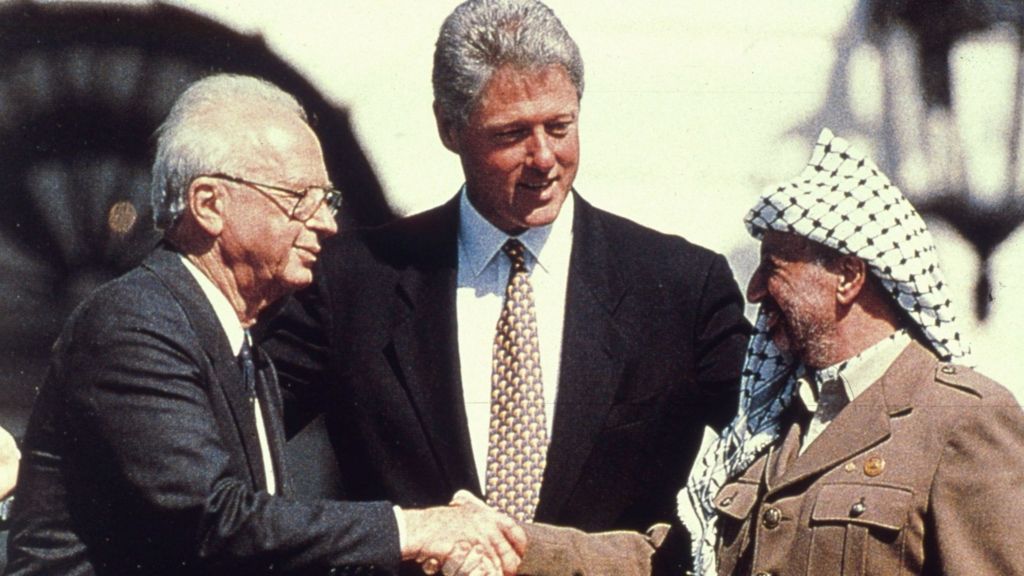
The US presidents who claimed Middle East breakthroughs before Trump
The quest for Middle East peace has been a recurring theme in U.S. presidential history, with several leaders attempting to broker breakthroughs before Donald Trump’s era. Bill Clinton’s ambitious peace plan, which aimed to resolve the Israeli-Palestinian conflict, was tragically derailed by the assassination of Israeli Prime Minister Yitzhak Rabin in 1995. This pivotal moment not only halted progress but also underscored the fragility of peace negotiations in the region. Other U.S. presidents, including Jimmy Carter and George H.W. Bush, also sought to mediate peace agreements, each facing unique challenges and setbacks. Carter’s Camp David Accords in 1978 marked a significant achievement, establishing a framework for peace between Israel and Egypt. However, subsequent efforts often faltered due to deep-seated animosities and shifting political landscapes. These historical attempts highlight the complexities of Middle East diplomacy and the enduring challenges faced by U.S. leaders in their pursuit of lasting peace.
-
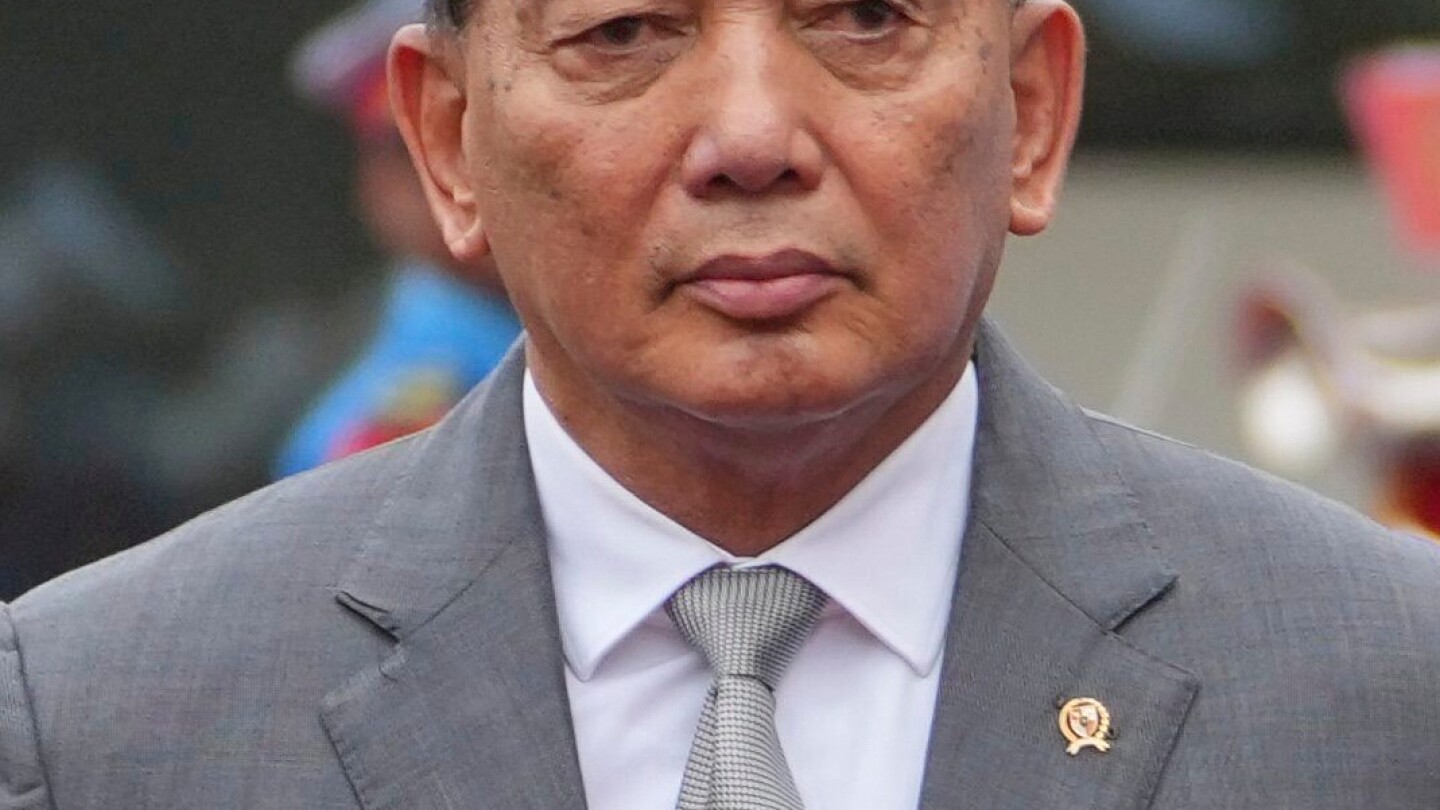
Indonesia to buy 42 fighter jets from China marking its first non-Western aircraft purchase deal
Indonesia has announced a significant move in its defense strategy by finalizing a deal to purchase at least 42 Chengdu J-10C fighter jets from China. This marks the country’s first major acquisition of non-Western military aircraft, signaling a potential shift in its security orientation. Defense Minister Sjafrie Sjamsoeddin revealed the plan during a press briefing in Jakarta, emphasizing the jets’ role in modernizing Indonesia’s military capabilities. While specific details of the deal remain undisclosed, the announcement has sparked discussions about its geopolitical implications, particularly in the context of China’s growing influence in Southeast Asia. Finance Minister Purbaya Yudhi Sadewa confirmed that the purchase, valued at over $9 billion, has been budgeted and approved. The Indonesian Air Force, which currently operates jets from the U.S., Russia, and Britain, is reportedly evaluating the J-10Cs to ensure they enhance the nation’s air defense. This acquisition comes amid broader efforts by President Prabowo Subianto’s administration to upgrade Indonesia’s military arsenal and strengthen its defense industry. The move has raised concerns among analysts, who warn that it could heighten regional sensitivities, especially in the contested South China Sea. Indonesia’s recent defense deals, including the purchase of French Rafale jets and Turkish KAAN fighter jets, reflect its diversified approach to military modernization. However, the decision to procure Chinese-made aircraft underscores a potential realignment in its defense partnerships, which could reshape the geopolitical landscape in Southeast Asia.
-
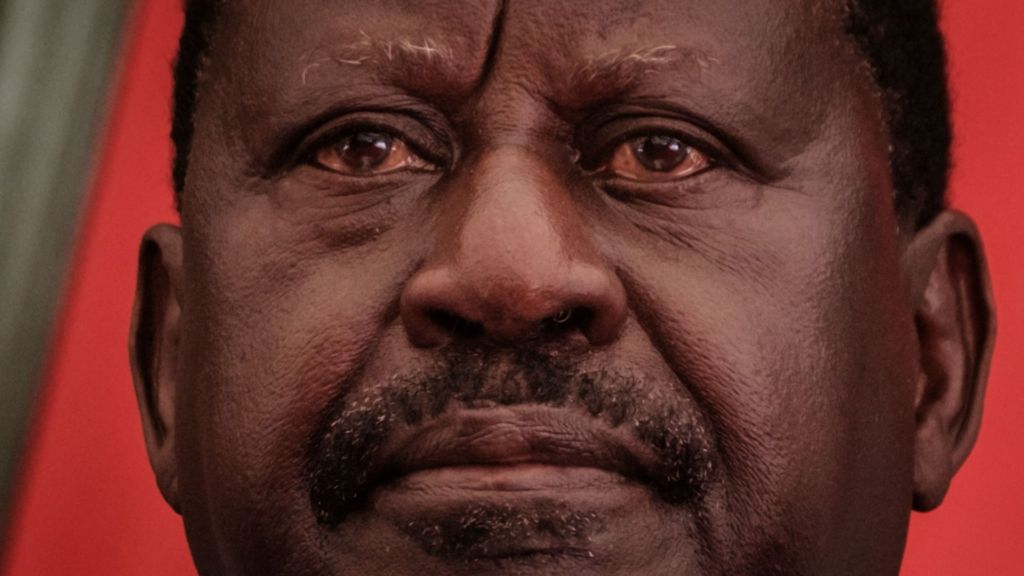
Who was the man who shaped Kenyan politics?
Raila Odinga, a towering figure in Kenyan politics, has left an indelible mark on the nation’s political landscape despite never clinching the presidency. Over the course of his storied career, Odinga contested the presidency five times, each bid ending in defeat. Yet, his influence remained undiminished, cementing his status as one of Kenya’s most pivotal political leaders. Odinga’s journey is a testament to resilience and unwavering commitment to democratic ideals. His advocacy for constitutional reforms and social justice has reshaped Kenya’s governance framework, earning him both fervent supporters and staunch critics. While his presidential aspirations remained unfulfilled, his legacy as a transformative force in Kenyan politics endures, inspiring future generations to strive for a more equitable society.
-
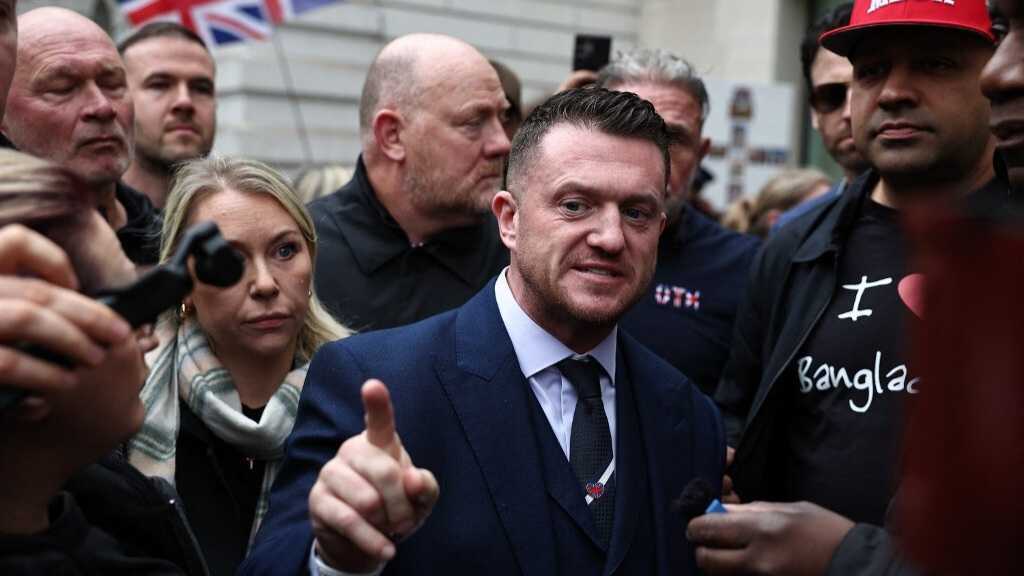
Tommy Robinson’s official invite to Israel delays UK terror verdict
Far-right activist Tommy Robinson, whose real name is Stephen Yaxley-Lennon, has seen the verdict on his terrorism-related charge postponed due to his upcoming trip to Israel. The 42-year-old was invited by the Netanyahu government, with Israel’s diaspora minister, Amichai Chikli, describing him as a “courageous leader on the front line against radical Islam.” Robinson’s legal fees are being covered by billionaire Elon Musk, and his defense team has argued that his treatment by British authorities was discriminatory due to his political views. The Westminster Magistrates Court has delayed the verdict until November 4 to accommodate his travel plans. Robinson faces up to three months in prison or a £2,500 fine if convicted of refusing to provide his phone passcode to police at the Channel Tunnel in July 2023, an offense under UK counter-terrorism laws. Robinson, known for his anti-Islam rhetoric and a history of criminal convictions, has sparked controversy with his visit to Israel. He plans to meet Israeli government leaders and visit the Knesset, Israel’s parliament. However, the invitation has drawn criticism from British Jewish organizations, including the Board of Deputies of British Jews and the Jewish Leadership Council, who argue that it undermines efforts to combat Islamist extremism. British Prime Minister Keir Starmer has also condemned the invite, stating that Robinson does not represent the majority of the UK. The case highlights the complex intersection of far-right politics, international relations, and counter-terrorism efforts.
-
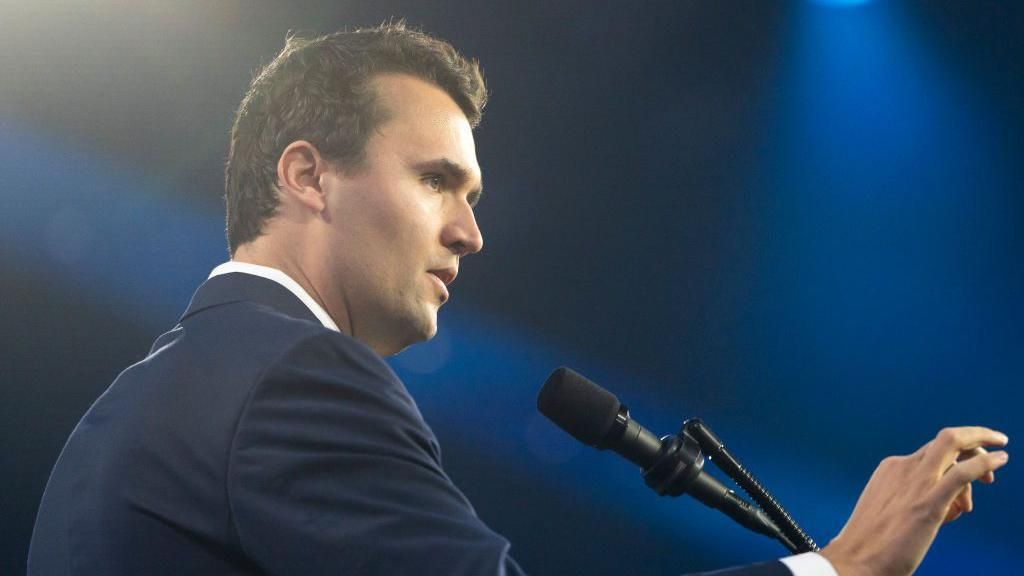
US revokes visas over comments made about Charlie Kirk’s death
The Trump administration has taken decisive action by revoking the visas of at least six individuals for their public remarks celebrating the death of right-wing influencer Charlie Kirk. The State Department announced the move on X, stating, ‘The United States has no obligation to host foreigners who wish death on Americans.’ The department shared screenshots of social media posts from visa holders who allegedly expressed approval of Kirk’s assassination in September, hinting at further visa cancellations. Kirk, a prominent ally of former President Donald Trump, was fatally shot on September 10 while speaking at a university event in Utah. Known as a champion of free speech and a mobilizer of young Republicans, Kirk’s death has sparked both mourning among conservatives and backlash from liberals who criticized his controversial statements on race and crime. The six individuals whose visas were revoked hail from Argentina, South Africa, Mexico, Brazil, Germany, and Paraguay. While their identities remain undisclosed, South African national Nhlamulo Baloyi confirmed to media outlets that his business visa was revoked last week. Baloyi admitted to writing one of the posts shared by the State Department, in which he described Kirk’s followers as ‘trailer trash’ and dismissed Kirk’s legacy. The visa cancellations coincided with President Trump posthumously awarding Kirk the Presidential Medal of Freedom, calling him a ‘martyr’ and blaming ‘far-left radicals’ for his death. The suspect in Kirk’s killing, 22-year-old Tyler Robinson, was arrested two days after the shooting and charged with aggravated murder. The Trump administration’s actions reflect a broader Republican effort to target Kirk’s critics, with Vice-President JD Vance urging people to report those who celebrated the killing. The administration has also intensified social media vetting during visa applications, revoking thousands of student visas this year, citing violations ranging from assault to ‘support for terrorism,’ though the latter remains undefined.
-
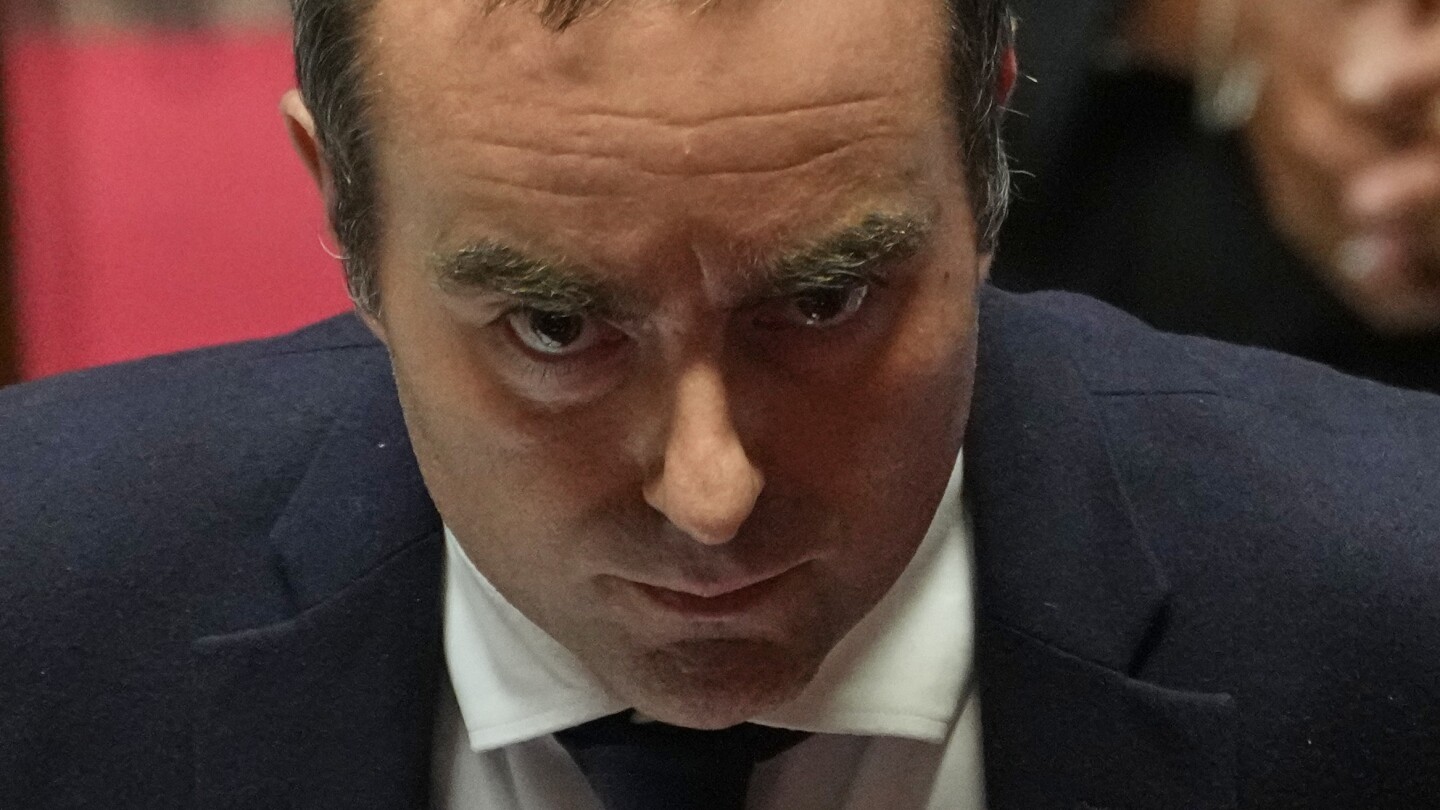
France is on the brink as Macron’s government faces no-confidence votes
France is on the brink of a deepening political crisis as Prime Minister Sébastien Lecornu faces two no-confidence motions in the National Assembly on Thursday. These motions, filed by President Emmanuel Macron’s staunch opponents—the hard-left France Unbowed party and Marine Le Pen’s far-right National Rally—threaten to destabilize the fragile government. Should Lecornu’s administration fall, Macron may be compelled to dissolve the National Assembly and call for snap legislative elections, a move fraught with uncertainty.
-
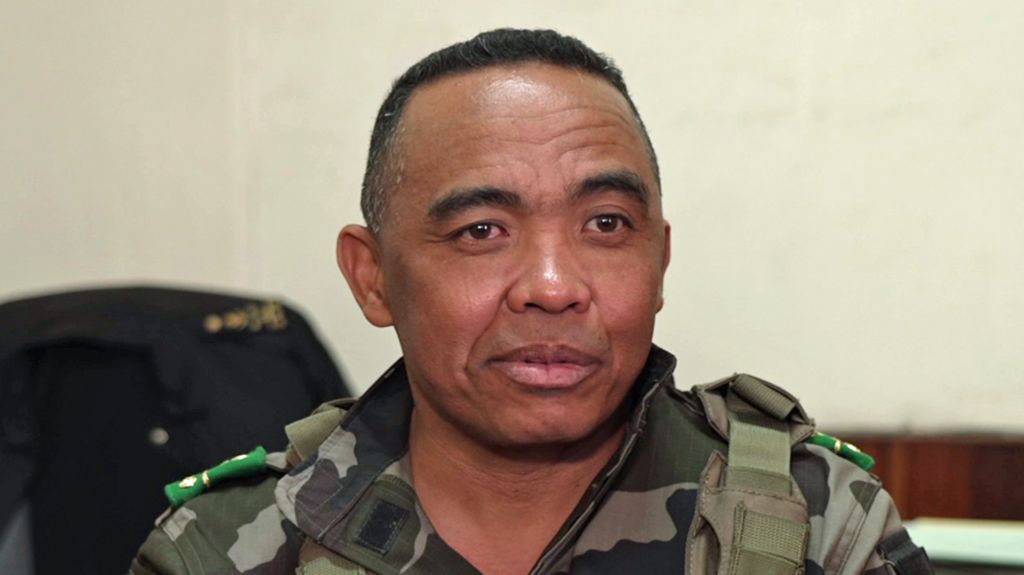
From prison to presidential palace: Who is Madagascar’s new military ruler?
In a dramatic turn of events, Col Michael Randrianirina has emerged as Madagascar’s most influential figure, following a swift and unexpected ascent to power. Just days ago, Randrianirina was relatively unknown, but as the head of the elite CAPSAT military unit, he led his troops into the capital, joining thousands of protesters demanding the resignation of President Andry Rajoelina. After Rajoelina fled and MPs voted to impeach him, Randrianirina announced to the world that CAPSAT was taking control. The constitutional court swiftly declared him the country’s new leader, despite Rajoelina’s claims of continued authority. Randrianirina’s background is shrouded in mystery, with limited public information available. Born in Sevohipoty, he served as governor of Androy and later led an infantry battalion in Toliara. A vocal critic of Rajoelina, he was imprisoned in 2023 without trial, accused of inciting mutiny, but was released in 2024 amid claims of political persecution. Randrianirina, described as ‘simple but tough’ and ‘patriotic,’ has pledged to prioritize social welfare in a nation where 75% live in poverty. He plans a two-year military-civilian government before elections. His swearing-in ceremony is imminent, marking the culmination of a whirlwind rise from obscurity to leadership.