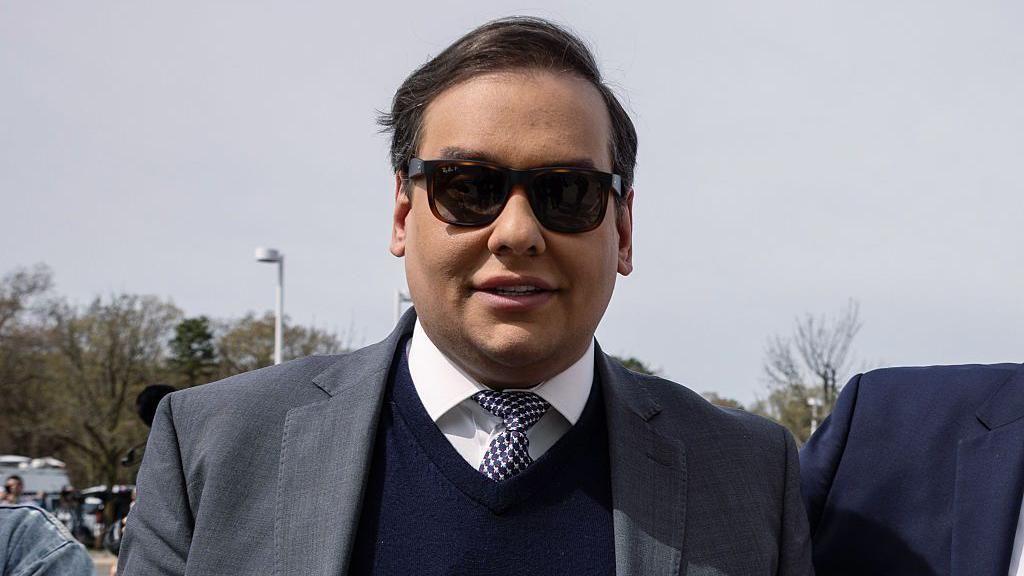
In a controversial move, former US President Donald Trump has commuted the prison sentence of George Santos, a disgraced ex-Republican congressman, ordering his immediate release. Santos was serving a seven-year sentence for fraud and identity theft, crimes that included stealing the identities of 11 individuals, including family members. Trump announced the decision on social media, claiming Santos had been ‘horribly mistreated’ and deserved a second chance. ‘Therefore, I just signed a Commutation, releasing George Santos from prison, IMMEDIATELY. Good luck George, have a great life!’ Trump wrote. Santos, who was expelled from Congress in 2023 following a damning ethics report, had been incarcerated at a minimum-security facility in New Jersey. His downfall began in 2022 when investigations revealed he had fabricated his resume, lied about his professional background, and misused campaign funds for personal expenses, including Botox treatments and OnlyFans subscriptions. In his defense, Santos had previously apologized in court, stating, ‘I cannot rewrite the past, but I can control the road ahead.’ Trump justified his decision by criticizing Democratic Senator Richard Blumenthal, whom he accused of fabricating his military service, claiming Santos’s actions were less severe. Santos’s lawyer, Andrew Mancilla, praised Trump’s decision, calling the original sentence ‘far too long.’ This marks the latest in a series of pardons issued by Trump, including former congressman Michael Grimm and ex-Connecticut Governor John Rowland. Santos had recently published an open letter to Trump, pleading for a pardon and expressing his desire to ‘rebuild’ his life.
分类: politics
-
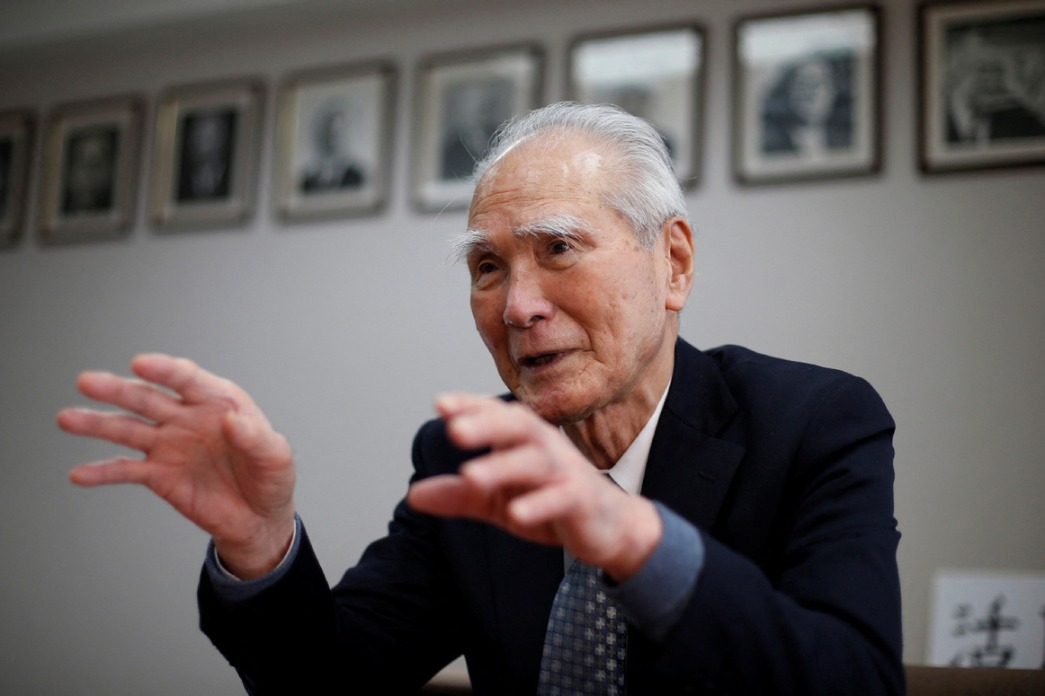
China mourns Murayama whose statement lives on
China has expressed profound sorrow over the death of former Japanese Prime Minister Tomiichi Murayama, a pivotal figure in Japan’s post-war reconciliation efforts. Murayama, who passed away at the age of 101 in his hometown of Oita, was the first Japanese leader to issue an official apology for Japan’s wartime atrocities, earning global recognition and fostering trust between Japan and its neighbors. The Chinese Foreign Ministry extended heartfelt condolences to his family, praising Murayama as a principled statesman and a steadfast friend of China. His 1995 ‘Murayama Statement,’ which acknowledged Japan’s colonial rule and aggression in Asia, remains a cornerstone of Japan’s commitment to historical accountability. Foreign Ministry spokesman Lin Jian emphasized the enduring significance of the statement, urging Japan to honor its pledge with sincerity. Lin also called for strengthened bilateral ties between China and Japan, rooted in mutual respect and a shared vision for peace. Takakage Fujita, secretary-general of the Association for Inheriting and Propagating the Murayama Statement, highlighted the importance of preserving Murayama’s legacy, particularly in educating younger generations about Japan’s wartime history. Mizuho Fukushima, leader of the Social Democratic Party, mourned Murayama as her ‘political father,’ underscoring the profound impact of his leadership. As Japan’s political landscape shifts toward conservatism, experts like Zhou Yongsheng of China Foreign Affairs University stress the need for Japanese leaders to uphold Murayama’s principles of peace and historical reflection. The Chinese Foreign Ministry also urged Japan to address contentious issues such as visits to the Yasukuni Shrine, which honors war criminals, and to reject militarism unequivocally.
-
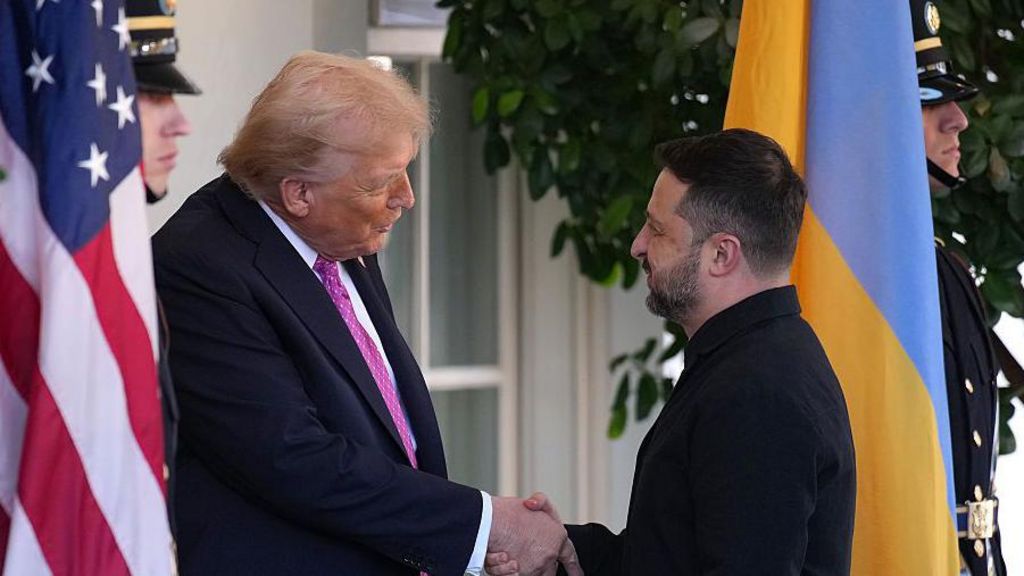
Zelensky guarded on Tomahawk missile talks with Trump after White House meeting
Ukrainian President Volodymyr Zelensky departed the White House without securing the much-desired Tomahawk cruise missiles after a meeting with US President Donald Trump. During the cordial bilateral discussion, Zelensky revealed that the two leaders addressed the issue of long-range missiles but refrained from making public statements to avoid escalating tensions. Trump, in a subsequent social media post, urged Kyiv and Moscow to halt hostilities and bring the war to an end. This meeting followed Trump’s phone conversation with Russian President Vladimir Putin, during which they agreed to meet in Hungary soon. While Trump did not outright reject the possibility of supplying Tomahawks to Ukraine, his remarks were notably non-committal. He expressed hope that the conflict could be resolved without the need for such weaponry, emphasizing that the US also requires these missiles. Trump acknowledged that providing the missiles could escalate the situation but assured that discussions would continue. When questioned by the BBC about whether the prospect of Tomahawks influenced Putin’s decision to meet, Trump highlighted the deterrent value of the missiles. Zelensky, in turn, suggested a potential exchange of drones for Tomahawks, eliciting a positive response from Trump. The Ukrainian leader also praised Trump’s efforts in brokering Middle East peace, suggesting that similar momentum could be applied to ending the war in Ukraine. Outside the White House, Zelensky admitted uncertainty about Putin’s intentions regarding the upcoming Budapest meeting but noted that the potential acquisition of Tomahawks has instilled fear in Russia due to their formidable capabilities. He maintained a realistic stance on the likelihood of obtaining the missiles, emphasizing their potential to cripple Russia’s war economy by targeting oil and energy facilities. Earlier, Trump had shown openness to the idea of selling Tomahawks, despite Putin’s warning that such a move would strain US-Russian relations. Trump described his recent phone call with Putin as productive, with plans for their teams to meet next week. He also addressed the complex dynamics between Putin and Zelensky, suggesting that while the three leaders would need to convene, their interactions might occur separately. Meanwhile, in Ukraine, the BBC spoke with a Kyiv store owner, Volodymyr, whose business was destroyed by Russian missiles. Overcome with emotion, he expressed hope for peace and a desire to live without fear, asserting that truth and democracy would ultimately prevail.
-

US captures two survivors after attack on Venezuela ‘drug sub’
In a recent escalation of tensions between the United States and Venezuela, President Donald Trump confirmed a U.S. military strike on a vessel in the Caribbean, which he described as a ‘drug-carrying submarine.’ The attack, which occurred on Thursday, marks at least the sixth U.S. operation targeting Venezuelan ships in recent weeks. This incident is notable for being the first to report survivors, who were allegedly rescued by a U.S. military helicopter and are now detained aboard a Navy ship. The U.S. government has yet to officially confirm the presence of survivors. Trump defended the operation, stating, ‘We attacked a submarine built specifically for transporting massive amounts of drugs. This was not an innocent group of people.’ U.S. Secretary of State Marco Rubio echoed Trump’s stance, labeling the targets as ‘narco-terrorists.’ The attack has drawn international scrutiny, with UN-appointed human rights experts condemning the strikes as ‘extrajudicial executions.’ Venezuela’s UN Ambassador Samuel Moncada called for UN Security Council intervention, describing the U.S. actions as ‘massacres.’ Meanwhile, Venezuelan President Nicolás Maduro accused Trump of attempting to turn Venezuela into ‘an American colony.’ The U.S. has significantly increased its military presence in the Caribbean, with approximately 10,000 troops stationed in the region, raising fears of a potential invasion. Trump has also authorized CIA covert operations in Venezuela and hinted at possible attacks on Venezuelan soil. The use of ‘narco-subs,’ homemade vessels designed to transport drugs undetected, has become a growing concern, with the U.S. and other coastal nations intercepting several in recent years.
-
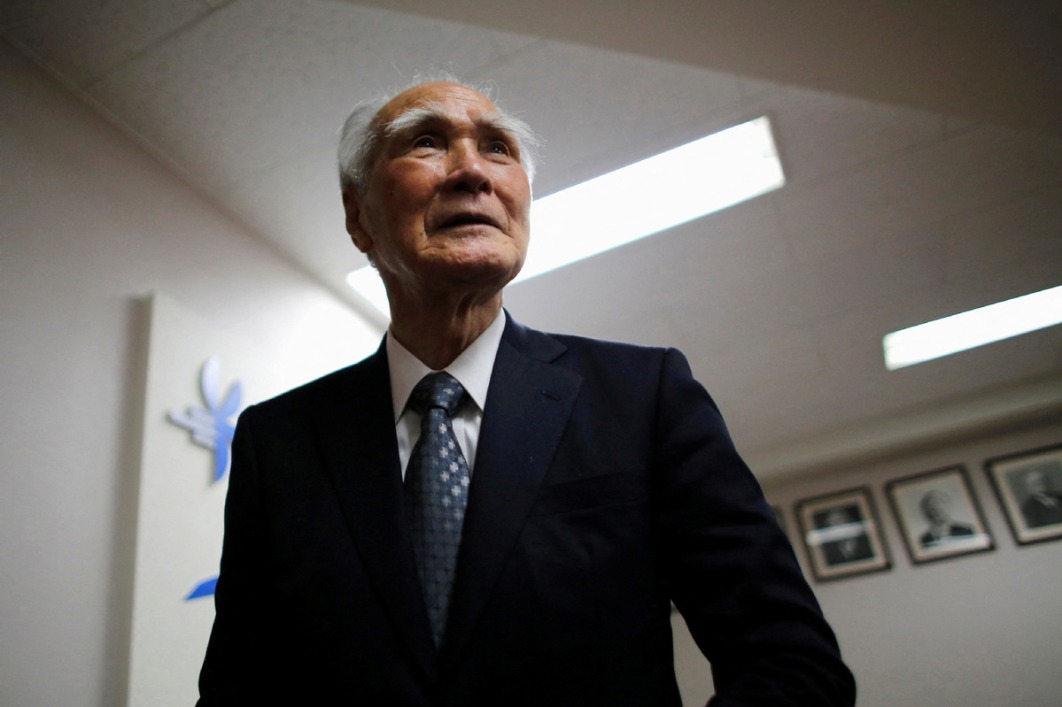
China expresses deep condolences over the death of former Japanese PM
China has expressed profound sorrow over the death of former Japanese Prime Minister Tomiichi Murayama, who passed away recently. In a statement issued on Friday, the Chinese government conveyed its heartfelt condolences to Murayama’s family and lauded his enduring contributions to fostering Sino-Japanese friendship. Foreign Ministry spokesman Lin Jian emphasized that Murayama was a cherished friend of the Chinese people, whose dedication to strengthening bilateral ties left an indelible mark on the relationship between the two nations. Lin highlighted Murayama’s historic 1995 statement, delivered on the 50th anniversary of Japan’s unconditional surrender, in which he expressed deep remorse for Japan’s wartime actions and extended apologies to the countries affected by its colonial rule and aggression. Lin described Murayama as a principled statesman whose declaration represented a solemn commitment to the victims of Japan’s past and the international community. He urged Japan to continue reflecting on its history, pursue peaceful development, and earn the trust of its neighbors through tangible actions. Lin also expressed hope that Japan and China would work together to build a stable and constructive bilateral relationship suited to the demands of the modern era.
-
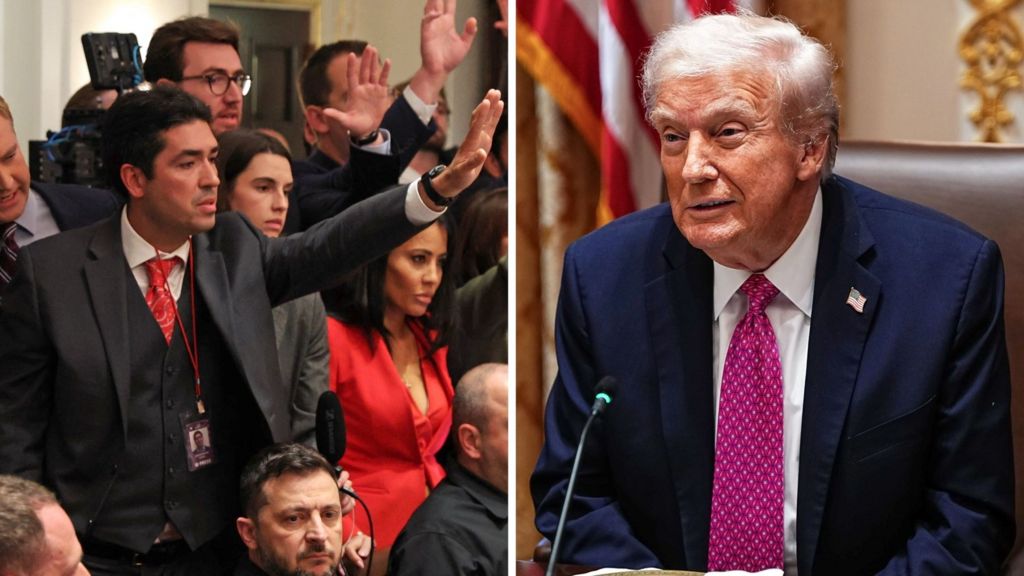
BBC questions Trump on Ukraine at Zelensky meeting
In a high-profile encounter, BBC correspondents Bernd Debusmann Jr and Myroslava Petsa were granted access to a pivotal meeting between former U.S. President Donald Trump and Ukrainian President Volodymyr Zelensky. The discussions centered on Russia’s protracted military aggression against Ukraine, a conflict that has drawn global attention and geopolitical ramifications. The BBC seized the opportunity to question Trump on his stance and potential strategies regarding the crisis. This meeting underscored the ongoing international efforts to address the war, with Zelensky continuing to seek robust support from global leaders. The presence of the BBC highlighted the media’s role in scrutinizing political engagements and holding leaders accountable during times of international turmoil.
-

UK Home Office loses bid to block Palestine Action from challenging ban as terror group
The UK Court of Appeal has dealt a significant blow to the Home Office by dismissing its appeal to block Palestine Action from challenging its designation as a terror group. The ruling, delivered on Friday, allows the judicial review of the government’s controversial ban to proceed. In a further development, the court granted Palestine Action’s co-founder, Huda Ammori, additional grounds to contest the ban. Ammori hailed the decision as a ‘landmark victory,’ emphasizing its importance in safeguarding civil liberties and holding government ministers accountable for unlawful actions. She criticized the Home Office’s use of counter-terror resources to arrest peaceful protestors and disrupt the arms trade, noting that over 2,000 individuals have been detained. The case underscores growing tensions over the balance between national security and civil rights in the UK. Middle East Eye, known for its independent coverage of the Middle East and North Africa, continues to monitor the situation.
-
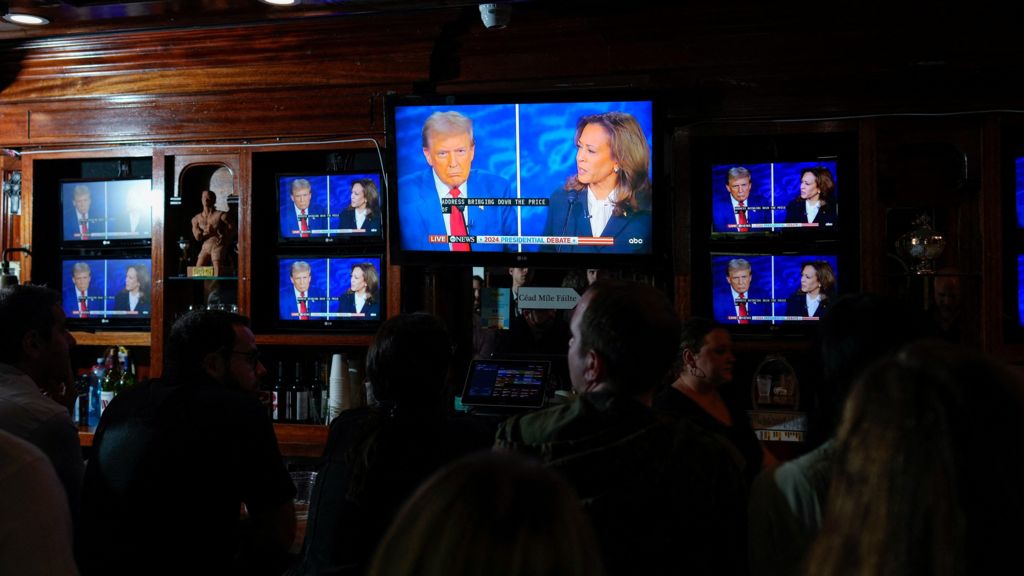
New York Young Republican group disbanded after racist group messages
The New York Republican State Committee has taken decisive action to suspend its Young Republicans group following the leak of a group chat containing racist and antisemitic messages. The scandal, first reported by Politico, exposed offensive remarks made by members of the New York State Young Republicans, a prominent organization with thousands of members aged 18 to 40. Among the participants was Bobby Walker, recently appointed as the group’s chair, who allegedly referred to rape as ‘epic’ and expressed concerns about the chat being leaked. Peter Giunta, the group’s former chair, was also implicated for making a disturbing comment about sending political opponents to ‘the gas chamber.’ Giunta subsequently lost his position as chief of staff to a New York state assemblyman, while others involved in the chat faced similar repercussions. The Kansas Young Republicans Organization was also disbanded on Tuesday after its leaders were found using racial slurs in their group chat. Ed Cox, chair of the New York Republican Party, condemned the behavior, stating that such language has no place in the party or its affiliated organizations. He also criticized Democrats for allegedly failing to address political violence. Representative Elise Stefanik, a senior Republican leader, denounced the messages as ‘heinous, antisemitic, racist, and unacceptable,’ though she later dismissed the report as a ‘hit piece.’ Giunta issued an apology but accused individuals of conspiring against him by leaking the messages. The suspension of the New York Young Republicans is seen as an opportunity to restructure the group with new leadership, according to a state Republican official.
-
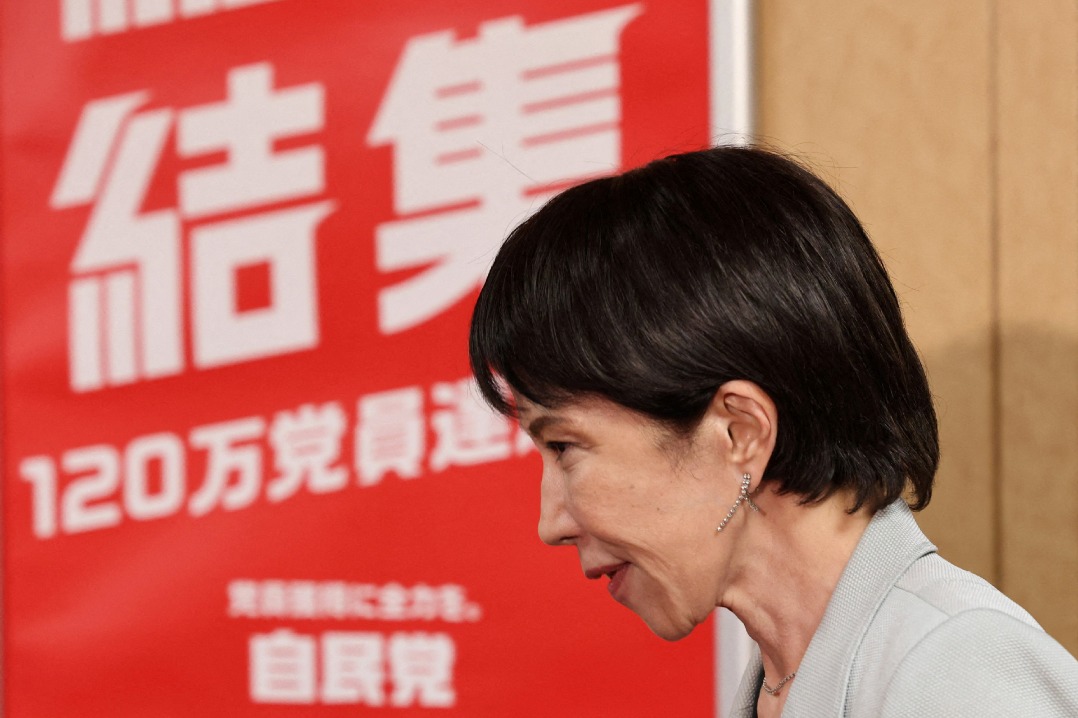
Japan’s ruling, opposition parties agree to pick new PM on Oct 21
Japan’s political landscape is poised for a significant shift as the ruling Liberal Democratic Party (LDP) and the main opposition Constitutional Democratic Party of Japan have agreed to elect a new prime minister on October 21, 2025. This decision comes as the current Prime Minister, Shigeru Ishiba, prepares to step down. The parliamentary vote will coincide with the commencement of an extraordinary Diet session, which is scheduled to run for 58 days, concluding on December 17. Sanae Takaichi, who recently secured victory in the LDP presidential election on October 4, is the frontrunner for the position. However, her appointment as prime minister is contingent upon approval by the Diet, Japan’s parliament. The Diet’s two houses will cast their votes, with the lower house’s decision taking precedence in case of a discrepancy. A candidate must secure a majority in the first round to be named prime minister; otherwise, a runoff will be held between the top two candidates. If elected, Takaichi is expected to swiftly address pressing economic issues, including rising prices, and propose a supplementary budget bill for parliamentary review by early December.
-
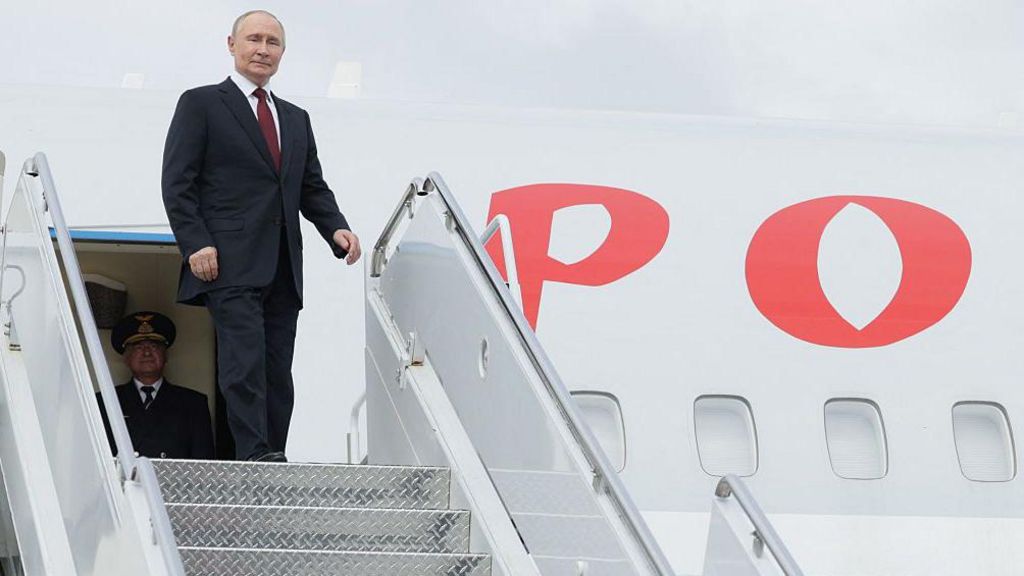
Can Putin’s ‘Flying Kremlin’ travel through EU airspace to Budapest?
Russian President Vladimir Putin’s potential visit to Budapest for a summit with US President Donald Trump faces significant logistical and diplomatic challenges, despite the willingness of both leaders to engage in talks. The meeting, which has yet to be finalized, would require Putin to navigate complex airspace restrictions imposed by the EU and NATO, as well as geopolitical tensions stemming from Russia’s invasion of Ukraine in 2022. Putin’s preferred mode of travel, his heavily modified Ilyushin Il-96 aircraft—often referred to as the “Flying Kremlin”—would necessitate special permissions to traverse EU airspace, which has been off-limits to Russian planes since the war began. Hungary, a NATO member and one of Putin’s closest allies within the EU, has expressed confidence in facilitating the visit. Hungarian Prime Minister Viktor Orban, who has maintained strong ties with both Putin and Trump, has already initiated preparations for the summit, emphasizing its potential to advance peace efforts in Ukraine. However, the EU’s executive commission has indicated that while it supports dialogue aimed at achieving a “just and lasting peace,” it will not directly participate in the talks. The logistical challenges of Putin’s journey to Budapest are compounded by the need to avoid airspace over Ukraine and Poland, both of which have strained relations with Moscow. Potential routes include flying through Turkey, Bulgaria, and Serbia, though each would require individual approvals from the respective countries. The summit, if realized, could bolster Orban’s domestic standing ahead of Hungary’s upcoming elections, while also testing the limits of EU unity in addressing the ongoing conflict in Ukraine.