分类: politics

  • India joins US-led initiative to build secure technology supply chains

    India joins US-led initiative to build secure technology supply chains

    NEW DELHI — In a significant diplomatic development, India formally aligned with the United States-led Pax Silica initiative on Friday, cementing a strategic partnership that had recently weathered tensions over energy imports. The partnership represents a substantial recalibration of bilateral relations, emphasizing technological cooperation amid growing geopolitical competition with China.

    The Pax Silica framework, which includes key U.S. allies such as Japan, South Korea, the United Kingdom, and Israel, aims to establish secure supply chains for semiconductors, advanced manufacturing, and critical technologies. The initiative specifically seeks to diminish global reliance on China-dominated manufacturing hubs while fostering trusted production networks among democratic nations.

    U.S. Ambassador Sergio Gor emphasized the strategic importance of India’s participation in a pre-signing address. “Pax Silica will unite nations that believe technology should empower free people and free markets. India’s entry isn’t merely symbolic—it’s both strategic and essential,” Gor stated.

    The technology agreement follows closely on the heels of a recently established interim trade framework between the two nations, which reduces tariffs and enhances market access. This trade détente effectively eased frictions that had emerged from India’s substantial purchases of discounted Russian oil following Moscow’s invasion of Ukraine in 2022.

    Earlier this month, President Donald Trump announced the reduction of reciprocal import tariffs on Indian goods from 25% to 18%, alongside the removal of additional levies previously imposed due to India’s Russian crude acquisitions. This concession came after Indian Prime Minister Narendra Modi committed to halting further Russian oil purchases.

    The convergence of trade agreements and technology cooperation signals a broader strategic partnership that extends beyond commerce into long-term security alignment. Ambassador Gor captured the optimistic outlook: “From the trade deal to Pax Silica to defense cooperation, the potential for our two nations to work together is truly limitless.”

  • Ex-South Korean president remains defiant following life sentence for rebellion

    Ex-South Korean president remains defiant following life sentence for rebellion

    In a dramatic development within South Korea’s political landscape, former President Yoon Suk Yeol has issued his first response to receiving a life imprisonment sentence for rebellion, maintaining an uncompromising stance despite the severe judicial ruling. The Seoul Central District Court delivered the verdict on Thursday, finding Yoon guilty of orchestrating an attempted coup through his unauthorized declaration of martial law in December 2024.

    Through legal representatives, the deposed leader asserted that his controversial imposition of emergency measures was enacted ‘exclusively for national interests and public welfare,’ while simultaneously dismissing the judicial proceedings as fundamentally biased against him. The court documented Yoon’s persistent non-cooperation throughout the investigation, including his refusal to attend multiple court hearings and his weeks-long barricade within the presidential residence following his arrest last July.

    Presiding Judge Jee Kui-youn emphasized in the ruling that Yoon demonstrated ‘complete absence of remorse for the substantial societal damages caused by the emergency martial law declaration’ and noted his ‘unjustified avoidance of court appearances’ on several occasions. The judicial finding concluded that Yoon had mobilized military and police forces in an unlawful attempt to seize legislative control, apprehend political adversaries, and establish indefinite authoritarian governance.

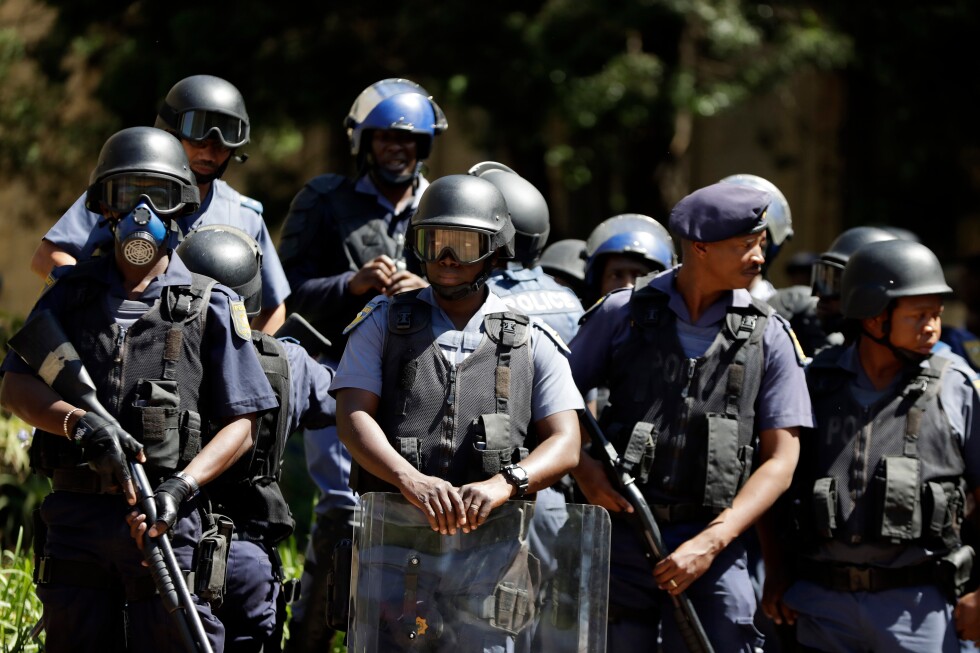
    Conservative supporters expressed outrage at the courthouse steps, while liberal opponents celebrated the verdict nearby, with both factions separated by substantial police presence. Despite his defiant rhetoric questioning the judiciary’s independence, Yoon retains the right to appeal within seven days, though his statement suggested skepticism about continuing legal battles.

    The brief six-hour martial law period in December 2024 triggered South Korea’s most severe political crisis in decades, culminating in Yoon’s presidential suspension that same month, formal removal by the Constitutional Court in April 2025, and subsequent early elections that brought current President Lee Jae Myung to power. Five former military and police officials received substantial prison sentences for their roles in enforcing the martial law decree, including ex-Defense Minister Kim Yong Hyun, who was sentenced to 30 years imprisonment.

  • UK doctor stuck in India after police case over Facebook post

    UK doctor stuck in India after police case over Facebook post

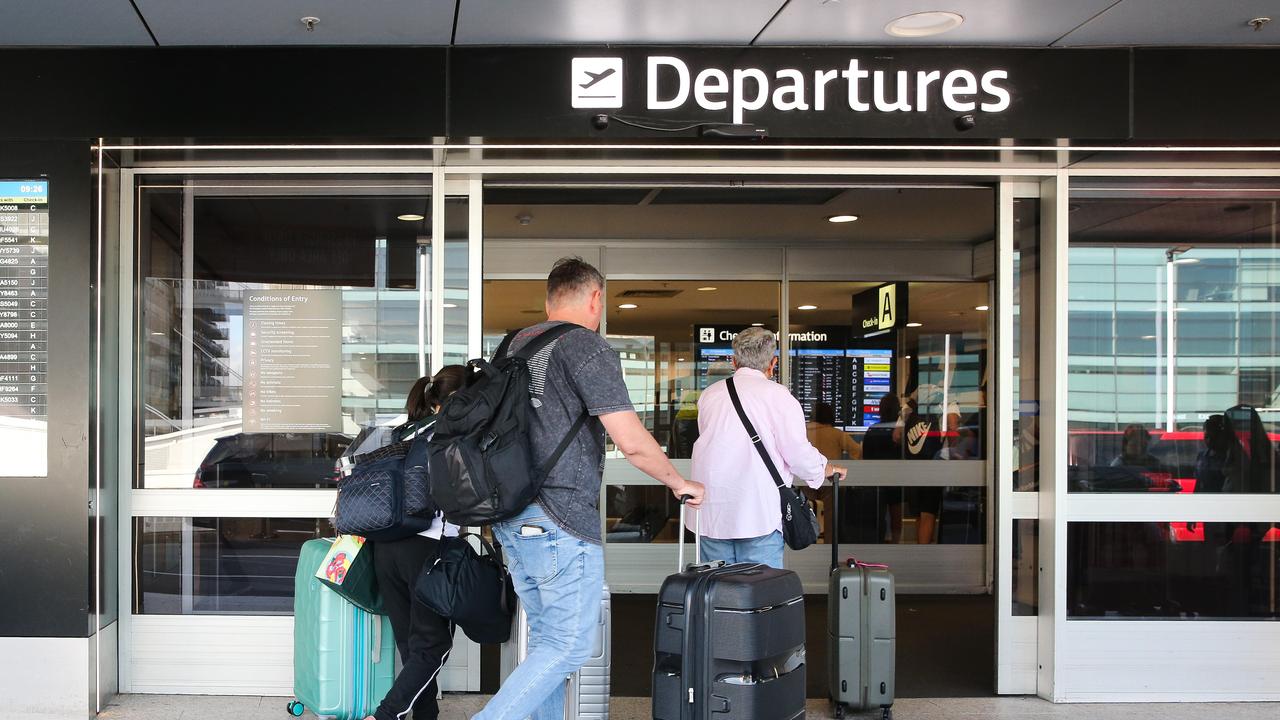
    A British medical professional of Indian origin finds himself entangled in a legal and diplomatic impasse, barred from departing India for over a month due to a criminal investigation initiated from a social media commentary. Dr. Sangram Patil, a consultant for the UK’s National Health Service (NHS) and a UK citizen, was intercepted at Mumbai airport on January 19th while attempting to board a flight back to London. The prevention of his departure was enforced via a lookout circular—an official notice that restricts individuals under investigation from exiting the country.

    The core of the dispute stems from a complaint filed by Nikhil Bhamre, who leads the Bharatiya Janata Party’s (BJP) social media operations in Maharashtra state. Registered on December 18th, the complaint alleges that Dr. Patil published “objectionable content” on Facebook targeting a senior BJP figure. Although the complaint did not explicitly name the leader, evidence indicates it refers to a post concerning Prime Minister Narendra Modi made four days prior. The Mumbai police subsequently filed a case against Patil under sections of the Indian criminal code pertaining to the dissemination of false information capable of inciting enmity and hatred between communities—an offence that is bailable but carries a potential three-year prison sentence.

    Dr. Patil, who maintains a substantial online following across platforms like Facebook and YouTube, has vehemently denied the allegations. He characterizes the police action as “unlawful” and describes the extensive interrogations—totaling over 20 hours—as “targeted harassment.” He contends that his post was merely a simple question directed at government supporters and contained no inflammatory, communal, or sensational material. In a legal rebuttal, Patil’s legal team has categorically denied authoring any post that directly named or referred to the Prime Minister, arguing that criminal prosecution cannot be based on subjective political interpretation.

    The Mumbai police, in an affidavit presented to the court, defended their investigation. They asserted that the probe was at a critical juncture and suggested the possibility of “an organised effort to malign constitutional authority.” They further questioned why a foreign citizen on a tourist e-visa would engage in posting what they described as “defamatory, scandalous, obscene and inflammatory material” against the Indian Prime Minister while residing abroad.

    With his court plea seeking to dismiss the case and lift his travel ban scheduled for a hearing on February 27th, Dr. Patil remains in India, separated from his family and job in the UK. The UK’s Foreign, Commonwealth and Development Office has confirmed it is providing support to the British national and is in contact with local Indian authorities, highlighting the developing diplomatic dimension of this case.

  • A macabre dispute has kept the body of Zambia’s former president unburied for months

    A macabre dispute has kept the body of Zambia’s former president unburied for months

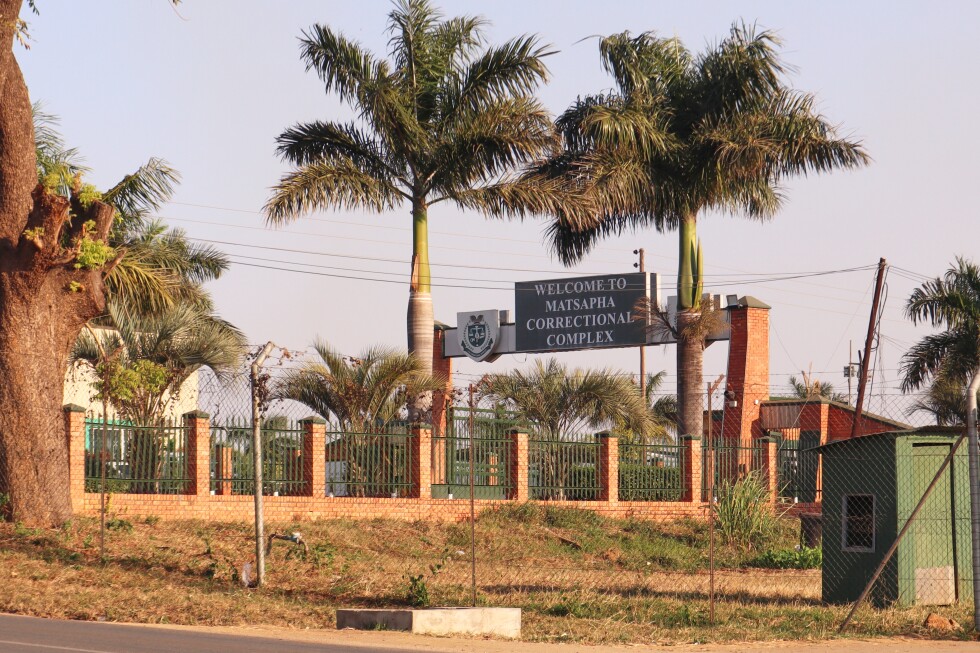
    LUSAKA, Zambia — The mortal remains of former Zambian President Edgar Lungu continue to be held in a South African mortuary eight months after his death, trapped in an extraordinary standoff that blends political rivalry with deep-seated spiritual beliefs. The protracted dispute has prevented the dignified burial traditionally accorded to national leaders in Zambian culture.

    At the heart of the conflict lies a cemetery in Zambia’s capital where an empty, president-sized grave awaits occupancy—a physical manifestation of the bitter divide between Lungu’s family and his successor, President Hakainde Hichilema. Court rulings have consistently favored the government’s position, yet Lungu’s family maintains their resistance, honoring the former leader’s dying wish that Hichilema should not approach his body, even as a mourner.

    This unprecedented situation has evolved into what religious authorities describe as a spiritual confrontation transcending political dimensions. Bishop Anthony Kaluba of Lusaka’s Life of Christ congregation characterizes the struggle as fundamentally spiritual rather than political. The dispute reflects Zambia’s complex intersection of modern democracy and traditional belief systems, where curses and blessings from the dying hold significant cultural power.

    Academic experts note that across Africa, final words from elders possess transformative power to either enhance or obstruct life. Chammah J. Kaunda, a Zambian professor of African Pentecostal theology, explains that curses imposed by elders facing death can develop autonomous existence beyond their initial utterance.

    The conflict originates in Zambia’s vibrant democratic tradition where civilian leaders have succeeded through electoral merit rather than military strength. However, beneath this modern political framework thrives a culture where traditional spirituality coexists with Christianity, and the fear of spiritual retaliation remains potent.

    The courtroom battles have proven intense. A South African court ruled in August that Zambian authorities could repatriate Lungu’s body, but the former president’s sister, Bertha Lungu, responded with emotional outbursts, accusing Hichilema of seeking the body for ritual purposes—an allegation the current president denies, citing his Christian faith’s rejection of traditional religious practices.

    The rivalry between these two figures spans years: Lungu narrowly defeated Hichilema in the 2015 presidential race following Michael Sata’s death, and again in 2016 when Hichilema faced treason charges and imprisonment. The tables turned in 2021 when Hichilema secured victory, leading to the withdrawal of Lungu’s retirement benefits and legal troubles for his family members.

    As the impasse continues, it raises profound questions about political reconciliation, cultural traditions, and the complex legacy of leadership in a nation where the boundaries between the physical and spiritual worlds remain deeply interconnected.

  • Trump administration gives ICE power to indefinitely detain legal refugees in US

    Trump administration gives ICE power to indefinitely detain legal refugees in US

    The Trump administration has significantly expanded the authority of Immigration and Customs Enforcement (ICE) officers through a newly revealed government memorandum, granting them sweeping powers to detain lawful refugees who haven’t yet obtained permanent residency status in the United States.

    Dated February 18 and filed in federal court, the directive empowers ICE agents to indefinitely detain legal refugees for what it terms ‘rescreening’ procedures. The policy mandates that refugees who entered the U.S. legally must submit to custody for “inspection and examination” exactly one year after their admission into the country, marking a dramatic shift from previous immigration enforcement protocols.

    The Department of Homeland Security memo instructs federal immigration officers to arrest any refugee who hasn’t secured permanent residence (a green card) and subject them to custodial interviews after their one-year anniversary in the United States. This represents a stark departure from Obama-era ICE policy, which explicitly stated that failure to obtain a green card was not grounds for removal or detention.

    Refugees face potentially severe consequences under the new guidelines, as they can be stripped of their legal status and processed for deportation if they raise “red flags” during examinations. This occurs despite the fact that green card processing for legal refugees typically takes between eight to 22 months according to immigration law experts.

    The policy emerged in connection with an ongoing case in Minnesota where the administration faced significant public backlash, including from some allies, over its immigration crackdown. In late January, U.S. District Judge John Tunheim issued a temporary restraining order preventing the administration from arresting lawfully resettled refugees in Minnesota and ordering the release of those already detained.

    Judge Tunheim sharply criticized ICE’s actions, noting that agents likely violated multiple federal statutes by arresting lawful refugees for additional interrogations. He emphasized that “refugees have a legal right to be in the United States, a right to work, a right to live peacefully – and importantly, a right not to be subjected to the terror of being arrested and detained without warrants or cause.”

    The Minnesota operations, mirroring ICE activities nationwide, have involved violent arrests with immigrants and refugees being forcibly removed from their homes and vehicles before being transferred to detention facilities in Texas, where conservative judges are more likely to align with administration policies.

    Despite temporarily pulling back ICE agents from Minnesota following public outrage and the deaths of two U.S. citizens during enforcement actions, the administration shows no signs of retreating from its hardline immigration stance. Recent reports indicate plans for a massive $45 billion expansion of ICE funding to construct additional detention facilities across the country.

  • At Board of Peace debut, Trump announces global commitments for Gaza reconstruction

    At Board of Peace debut, Trump announces global commitments for Gaza reconstruction

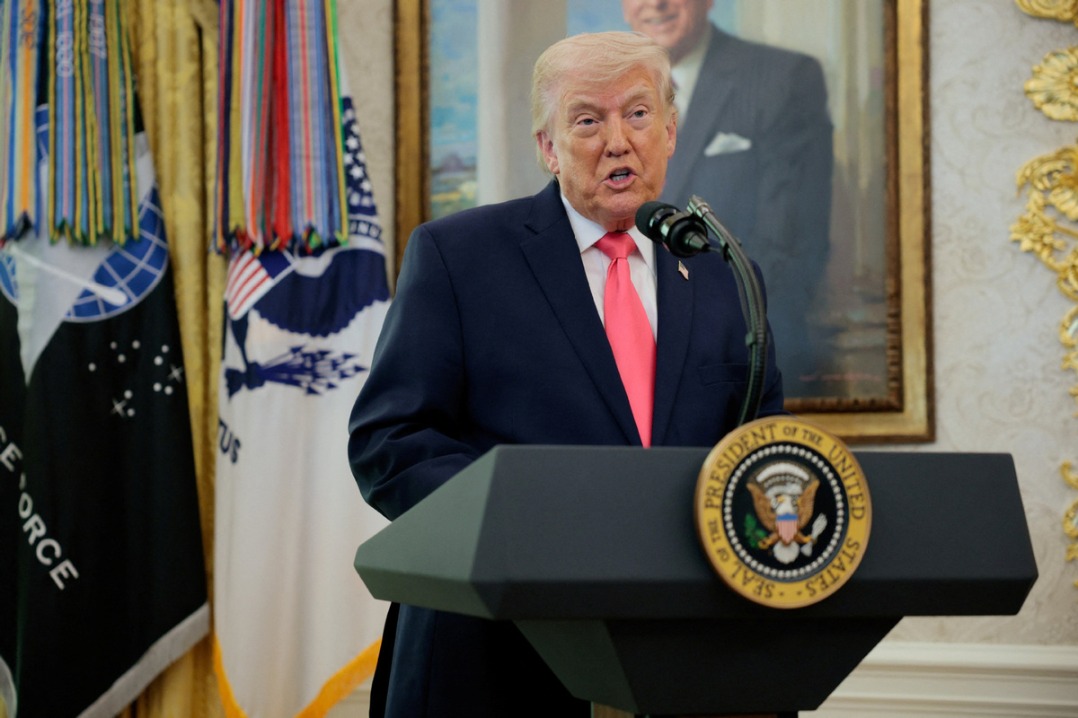
    In a landmark Washington gathering, former U.S. President Donald Trump inaugurated his Board of Peace initiative with significant financial commitments for Gaza’s reconstruction. The inaugural meeting, attended by representatives from 47 nations, secured $7 billion in initial pledges toward rebuilding the war-devastated territory, though estimates indicate a staggering $70 billion may ultimately be required to restore the enclave after two years of conflict.

    The Board’s composition notably features predominantly Middle Eastern nations including the United Arab Emirates, Saudi Arabia, Qatar, Kuwait, Bahrain, Morocco, Kazakhstan, Azerbaijan, and Uzbekistan. While Israel holds membership, Palestinian representatives remain excluded from the nascent diplomatic body. The United States pledged an additional $10 billion contribution, though funding mechanisms and congressional approval remain unspecified.

    Central to the reconstruction effort remains the unresolved issue of Hamas disarmament—a prerequisite condition that currently appears distant from implementation. Israeli Prime Minister Benjamin Netanyahu emphasized that Hamas would be disarmed “one way or the other,” while Hamas spokesperson Hazem Qassem suggested disarmament discussions could only occur alongside guarantees against Israeli aggression.

    The initiative also includes plans for an International Stabilization Force, with Indonesia committing up to 8,000 troops. This force, led by a U.S. general with an Indonesian deputy, would initially deploy in Israeli-controlled areas including Rafah to train a new Palestinian police force aiming eventually to reach 12,000 officers.

    The Board’s establishment occurs alongside heightened regional tensions, with Trump simultaneously issuing warnings to Iran regarding its nuclear program while positioning himself as a peacemaker. The initiative has raised concerns among some Western allies about its potential to undermine existing international institutions, despite Trump’s assurances to “strengthen the United Nations.” Norway notably clarified it would not join the Board despite hosting an upcoming event.

    The meeting blended diplomatic proceedings with campaign-style elements, complete with musical selections from Elvis Presley and the Beach Boys, and distribution of signature red Trump hats to participants.

  • Trump’s foreign policy dilemma laid bare by Iran tensions

    Trump’s foreign policy dilemma laid bare by Iran tensions

    In a striking display of diplomatic duality, President Donald Trump simultaneously advocated for peace while threatening military action against Iran during Thursday’s Board of Peace summit in Washington. The address revealed the fundamental contradictions characterizing Trump’s second-term foreign policy approach, particularly regarding the escalating standoff with Tehran.

    The administration maintains it prefers a diplomatic resolution to halt Iran’s nuclear weapons program, with a White House official recently suggesting Iran would be ‘very wise’ to negotiate. Yet this rhetoric contrasts sharply with the largest U.S. military buildup in the Middle East since the 2003 Iraq War, according to defense analysts.

    This pattern of military escalation without congressional approval has become a hallmark of Trump’s second term. The administration followed through on similar threats against Venezuela in January, resulting in the capture of former President Nicolás Maduro. With Iran, however, the strategic objectives remain markedly unclear. While preventing nuclear proliferation remains a stated priority shared by U.S. allies, the administration has additionally demanded Tehran curb its ballistic missile program and cease support for regional proxy groups—conditions that have stalled indirect negotiations.

    The rationale for additional military action remains particularly puzzling given Trump’s assertion that last June’s strike already ‘obliterated’ Iran’s nuclear facilities. The administration has not clarified what new targets might justify another campaign or how it would achieve different outcomes. Broader strategic questions also remain unanswered: Does the administration seek regime change? Is it prepared for Iranian retaliation against U.S. bases? How would prolonged conflict affect Middle East stability and Gaza reconstruction efforts?

    Israel’s potential involvement adds another layer of complexity. Prime Minister Benjamin Netanyahu’s recent White House meeting suggests coordinated planning, though specifics remain undisclosed. Domestically, Trump faces political challenges as his actions contradict campaign promises to disengage from foreign conflicts—a position popular with his MAGA base and congressional Republicans. An extended Iranian campaign could alienate supporters ahead of midterm elections, particularly when voters express frustration over immigration and economic issues.

    The situation creates a peculiar paradox for Trump’s Nobel Peace Prize aspirations. While he claims credit for ending eight conflicts since beginning his second term, he simultaneously pursues military interventions that contradict the prize’s fundamental purpose. No previous U.S. president has actively campaigned for the peace prize while conducting military operations abroad.

    This strategic ambiguity appears intentional—a manifestation of Trump’s self-styled role as global dealmaker-in-chief. From tariff diplomacy to territorial disputes over Greenland, the president has consistently kept international counterparts guessing about his true intentions. Regarding Iran, Trump offered characteristically vague remarks: ‘We have to make a meaningful deal otherwise bad things happen.’ The world now watches to see whether those ‘bad things’ will involve diplomacy or destruction.

  • Netanyahu says India’s Modi to visit Israel next week

    Netanyahu says India’s Modi to visit Israel next week

    Israeli Prime Minister Benjamin Netanyahu has officially confirmed that Indian Prime Minister Narendra Modi will undertake a significant diplomatic visit to Israel next week. The announcement came during Netanyahu’s televised address at a military ceremony on Thursday, where he emphasized the strategic importance of strengthening international alliances.

    Netanyahu referred to Modi as his ‘close friend’ and highlighted India’s status as a ‘huge global power’ in his remarks. This upcoming visit marks the second official trip by Modi to Israel since his historic 2017 visit, which was the first by an Indian prime minister to the country. That previous visit established a new chapter in bilateral relations, with Netanyahu reciprocating with an official visit to India the following year.

    Under Prime Minister Modi’s leadership, the relationship between India and Israel has experienced substantial deepening across multiple sectors. The two nations have significantly expanded their cooperation in technology exchange, agricultural innovation, and security collaboration. This growing partnership represents a strategic alignment between two democratic nations with shared security concerns and complementary economic interests.

    The timing of this visit is particularly significant given current global geopolitical dynamics and both countries’ positions on the world stage. The visit is expected to include high-level discussions on regional security challenges, economic partnerships, and technological cooperation initiatives that benefit both nations.

  • Trump tells first meeting of Board of Peace that $7 billion raised for Gaza

    Trump tells first meeting of Board of Peace that $7 billion raised for Gaza

    In a landmark event marked by ambitious financial commitments and geopolitical tensions, former U.S. President Donald Trump convened the inaugural session of his proposed Board of Peace on Thursday. The gathering concluded with a significant announcement: a collective $7 billion has been secured as an initial fund dedicated to the reconstruction of the Gaza Strip, contingent upon the complete disarmament of Hamas militants.

    The newly established board, which includes Israeli representation but notably excludes Palestinian delegates, faces immediate and formidable challenges. Key among these are ensuring Hamas relinquishes its weapons, facilitating the subsequent withdrawal of Israeli Defense Forces, and effectively channeling humanitarian aid to Gaza’s war-ravaged population. These objectives form the core of Trump’s 20-point peace plan, which previously brokered a fragile ceasefire in October, ending a devastating two-year conflict.

    Concluding a lengthy address, Trump declared a substantial U.S. contribution of $10 billion to the board’s efforts. He further detailed additional international support, including a FIFA pledge of $75 million for soccer-related projects in the region and a $2 billion commitment from the United Nations for humanitarian assistance.

    The board’s creation has sparked international concern regarding its potential to undermine the United Nations’ traditional role in global diplomacy. Trump sought to assuage these fears, stating, ‘We’re going to strengthen the United Nations. It’s really very important.’

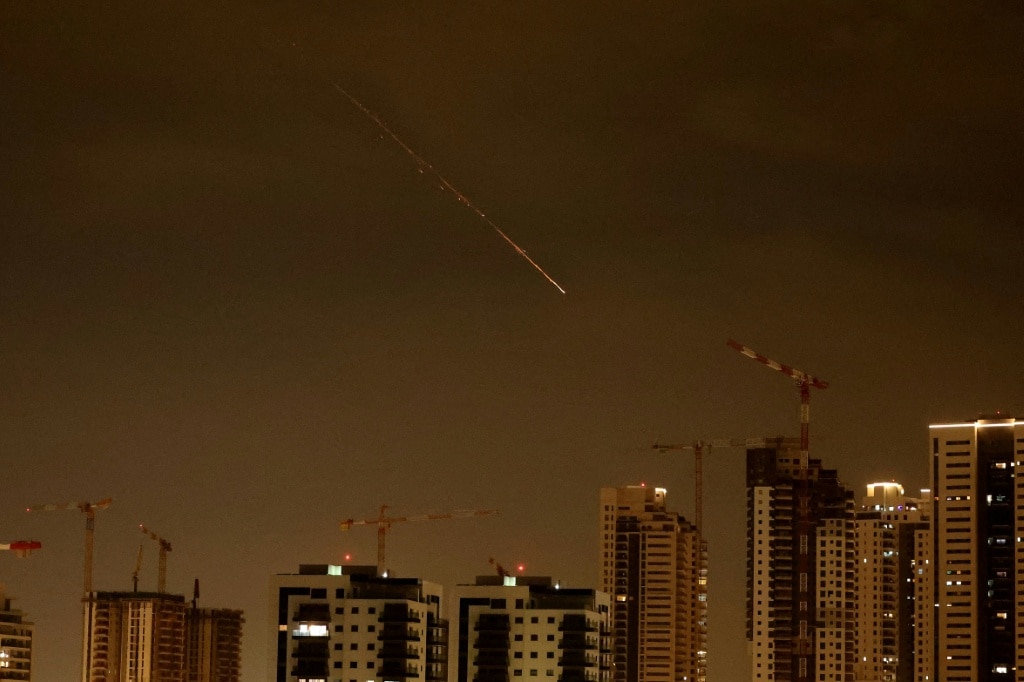
    The meeting’s backdrop was dominated by escalating tensions with Iran. Trump issued a stark ultimatum, threatening military action and initiating a substantial military buildup in the region should Tehran refuse to abandon its nuclear program. He indicated that the prospects for a diplomatic resolution would be clear within a ten-day window, emphasizing the necessity for a ‘meaningful deal.’

    On the ground, a stark disconnect persists. While Hamas has expressed a conditional willingness to discuss disarmament, it insists any international force must primarily prevent further Israeli aggression. The group also claims Israel is blocking a U.S.-backed committee of Palestinian technocrats, led by Ali Shaath, from assuming administrative control in Gaza—an allegation Israel has not yet addressed. Israeli Prime Minister Benjamin Netanyahu remained resolute, asserting that Hamas would be disarmed ‘peacefully or forcefully.’

    Senior U.S. officials indicated that plans are advancing for an International Stabilization Force, with several nations prepared to deploy thousands of troops to maintain peace in Gaza upon its eventual deployment. The event itself, infused with the atmosphere of a campaign rally complete with music and signature red hats, underscored Trump’s unique approach to statesmanship and conflict resolution.

  • ‘Board of Peace’ members commit $7bn to Gaza relief, US pledges further $10bn

    ‘Board of Peace’ members commit $7bn to Gaza relief, US pledges further $10bn

    WASHINGTON, DC – In a significant development for Middle Eastern diplomacy, nine member nations of former President Donald Trump’s newly established “Board of Peace” have collectively pledged $7 billion toward humanitarian relief and reconstruction efforts in Gaza. President Trump announced the commitments during the board’s inaugural meeting held at the Donald J Trump Institute for Peace on Thursday.

    The contributing nations include Kazakhstan, Azerbaijan, the United Arab Emirates, Morocco, Bahrain, Qatar, Saudi Arabia, Uzbekistan, and Kuwait. While a detailed breakdown of individual contributions was not immediately disclosed, Trump indicated that “many more are contributing to the numbers.” The United States is separately investing an additional $10 billion, though this allocation is understood to support the board’s overall operations rather than being exclusively designated for Gaza.

    Beyond member contributions, the international community is mobilizing substantial support. The United Nations Office for the Coordination of Humanitarian Affairs will raise $2 billion, while FIFA, the global football governing body, has committed $75 million for sports-related projects in the enclave. FIFA President Gianni Infantino, a recipient of the first-ever FIFA Peace Prize from Trump last year, attended the meeting and sits on the board. Furthermore, Japan has committed to hosting an aid fundraiser with participation expected from regional nations including South Korea, the Philippines, and Singapore, with potential involvement from China and Russia.

    World Bank President Ajay Banga, serving on the board’s executive committee, outlined the institution’s role as a “limited trustee.” The Bank will manage and disperse the pledged funds for reconstruction and development projects in Gaza, leveraging its AAA rating to attract private investment and de-risk the funding process.

    However, the initiative faces significant challenges. The security situation remains precarious. U.S. Major General Jasper Jeffers, appointed to oversee the accompanying International Stabilization Force (ISF), revealed that Indonesia, Morocco, Kazakhstan, Kosovo, and Albania will contribute troops to the force, which will be trained by Egypt and Jordan. The ISF’s mandate includes protecting civilians, training local forces, and assisting in the disarmament of factions—a point that has caused hesitation among some potential contributors. Indonesia will assume deputy command of the ISF, and deployment will begin in the Rafah sector, though no precise timeline was provided. The Trump administration confirmed no U.S. troops would be deployed on the ground.

    On the ground governance falls to the National Committee for the Administration of Gaza (NCAG), led by Palestinian technocrat Ali Shaath. He described operating in “extremely difficult conditions” with large areas “destroyed” and humanitarian needs “acute.” Bulgarian diplomat Nickolay Mladenov, appointed to oversee Gaza’s demilitarization, announced the creation of the Office of the High Representative for Gaza to guide the NCAG. A key priority is establishing security through a new 5,000-strong professional civilian police force, for which recruitment is already underway with 2,000 applicants so far. These officers will be trained in Egypt as part of a broader 20-point plan to consolidate all weapons under a single civilian authority.

    Despite the focus on Gaza, the board’s official charter notably makes no mention of either “Gaza” or “Palestinian,” reflecting the Trump administration’s break from the long-standing U.S. policy goal of a two-state solution. The board has also faced international skepticism. Spain and most European nations have refused to join, with some EU representatives attending only as “observers.” The Vatican declined its invitation, and Canada’s was rescinded. At a recent security conference, EU foreign affairs chief Kaja Kallas criticized the board for its omissions. Trump, however, positioned the board as a supplement to the UN, stating it would be “looking over the United Nations and making sure it runs properly,” while pledging to work closely with the international body.