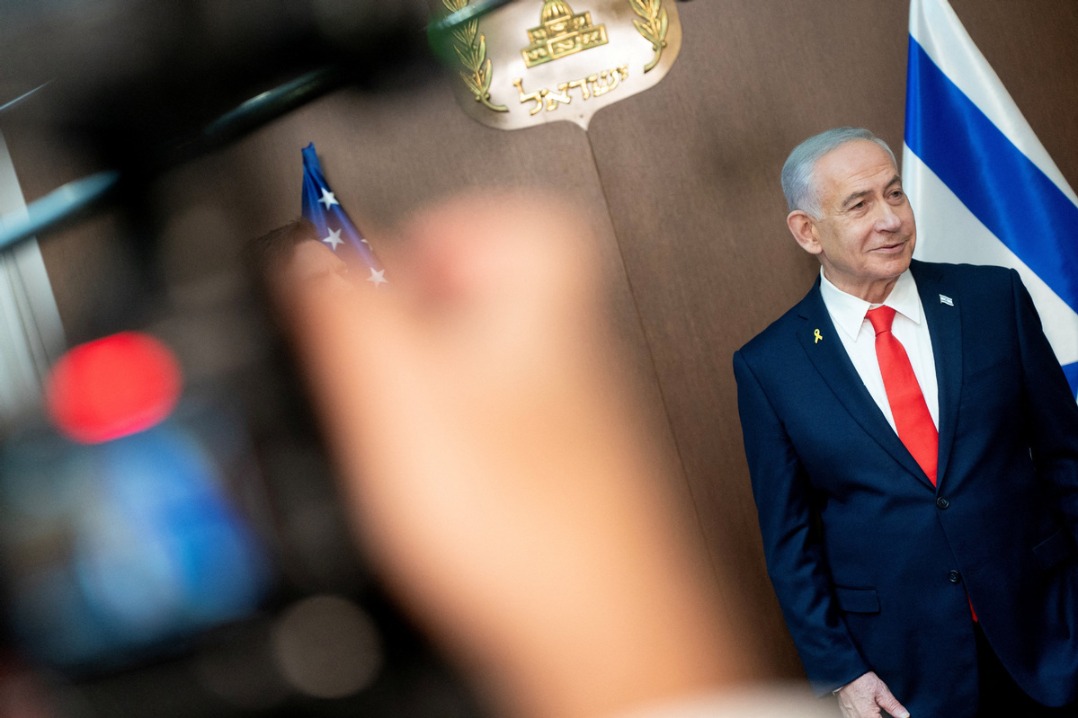
In a significant political development, Israel has temporarily suspended the legislative process for annexing parts of the West Bank. The decision came after two controversial bills, which aimed to apply Israeli law and administration to all settlements in Maale Adumim and the West Bank, passed a preliminary vote in the Knesset on Wednesday. The move has sparked widespread debate and criticism, particularly during the visit of US Vice President JD Vance to Israel. Ofir Katz, chairman of the government coalition, announced that the bills would not be advanced until further notice, citing the need for further deliberation. The parliamentary vote, which occurred during Vance’s visit, was described by the US Vice President as a ‘political stunt’ with no practical significance. Israeli Prime Minister Benjamin Netanyahu’s office countered that the vote was a deliberate provocation by the opposition to disrupt the visit. Netanyahu’s Likud party did not support the bills, making their passage unlikely without their backing. The suspension of the annexation process underscores the complex political dynamics in the region and the delicate balance of international relations.
分类: politics
-
Hamas, Fatah hold talks on post-war arrangements in Gaza
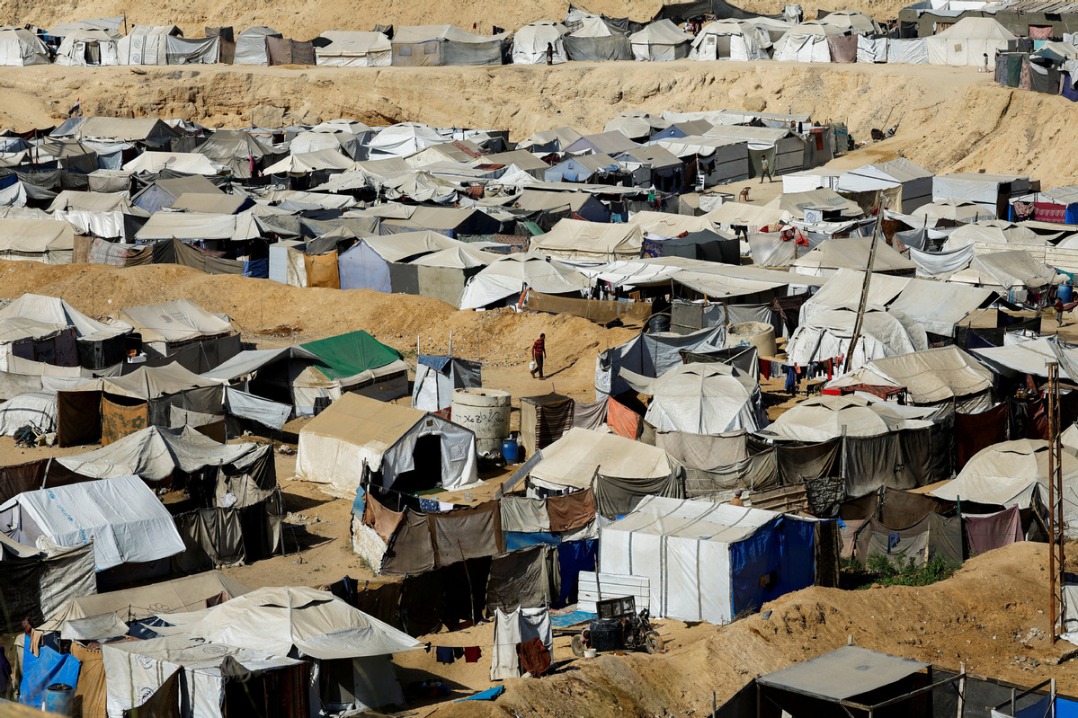
In a significant development, delegations from Hamas and Fatah convened in Cairo to deliberate on post-war arrangements for the Gaza Strip. The meeting, reported by Egyptian TV channel Al-Qahera News, marks a pivotal step towards Palestinian unity and reconstruction efforts. The Hamas delegation, led by senior leader and chief negotiator Khalil al-Hayya, met with Fatah’s representatives, including Palestinian Vice President Hussein al-Sheikh and intelligence chief Majed Faraj. The discussions also encompassed the second phase of former US President Donald Trump’s peace plan for Gaza, with Egypt preparing to host a reconstruction conference in November. Concurrently, Egypt’s intelligence chief Hassan Mahmoud Rashad engaged with Fahd Suleiman, Secretary-General of the Democratic Front for the Liberation of Palestine, to foster national consensus on Trump’s plan. Rashad also reiterated opposition to the Israeli Knesset’s recent bill on annexing the occupied West Bank. The talks follow a ceasefire brokered by the US, Egypt, Qatar, and Turkiye, which took effect on October 10, 2025, after two years of conflict. Despite the truce, Gaza’s health authorities reported ongoing casualties, with 89 deaths and 317 injuries since October 11, and a staggering toll of 68,280 deaths and 170,375 injuries since October 7, 2023.
-
Ecuador’s president says he was target of foiled chocolate and jam poisoning
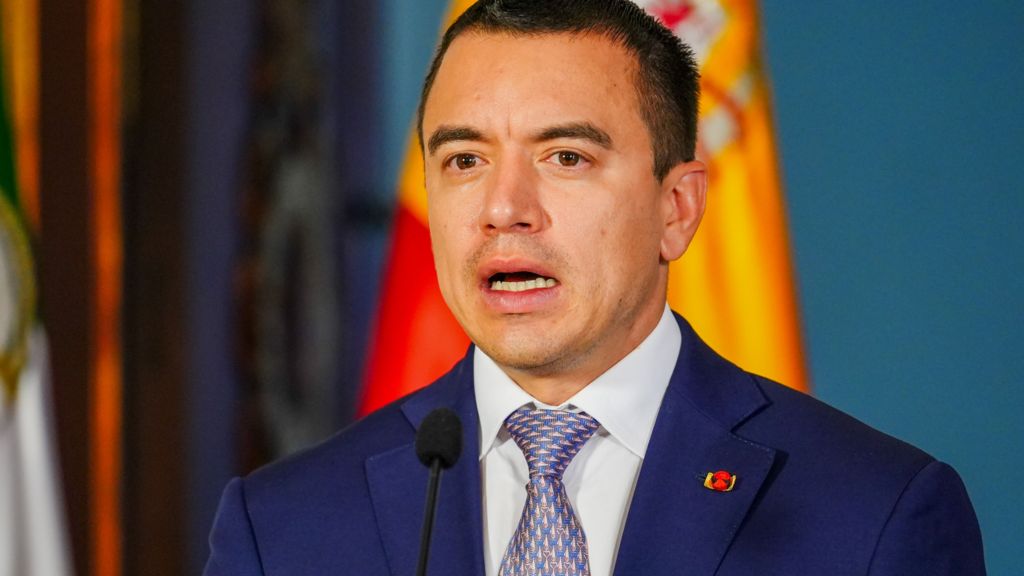
Ecuadorian President Daniel Noboa has alleged that an attempt was made to poison him through contaminated gifts of chocolate and jam, containing three highly concentrated toxic substances. Speaking to CNN on Thursday, Noboa asserted that the presence of these chemicals in such high concentrations was “practically impossible” by chance. While he claimed his team possesses evidence supporting the allegation, no concrete proof has been publicly disclosed. This incident marks the third alleged attempt on Noboa’s life in just two months, following violent clashes and protests against his administration’s policies, including a sharp rise in fuel prices and the removal of diesel subsidies. Noboa, a center-right leader, has implemented military crackdowns on drug gangs but faces accusations of targeting protesters. He dismissed suggestions that these alleged attempts were staged to portray his detractors as violent, stating, “No one throws a Molotov cocktail at themselves… or poisons themselves with chocolate.” Earlier in October, Ecuador’s government detained five individuals over an alleged assassination attempt, during which about 500 people reportedly threw rocks at the president’s car, leaving “signs of bullet damage.” However, the BBC could not independently confirm a bullet was fired. In late September, a humanitarian convoy carrying Noboa and including UN and EU diplomats was ambushed by approximately 350 people, who attacked with Molotov cocktails and took 17 soldiers hostage. Noboa shared images of the damaged vehicles on social media. Meanwhile, a national strike led by the Confederation of Indigenous Nationalities of Ecuador (Conaie) against the government’s decision to end diesel subsidies concluded on Thursday after weeks of protests. Conaie, which has historically played a pivotal role in Ecuadorian politics, led demonstrations that ousted three presidents between 1997 and 2005.
-
Turkish court dismisses case challenging main opposition party’s congress
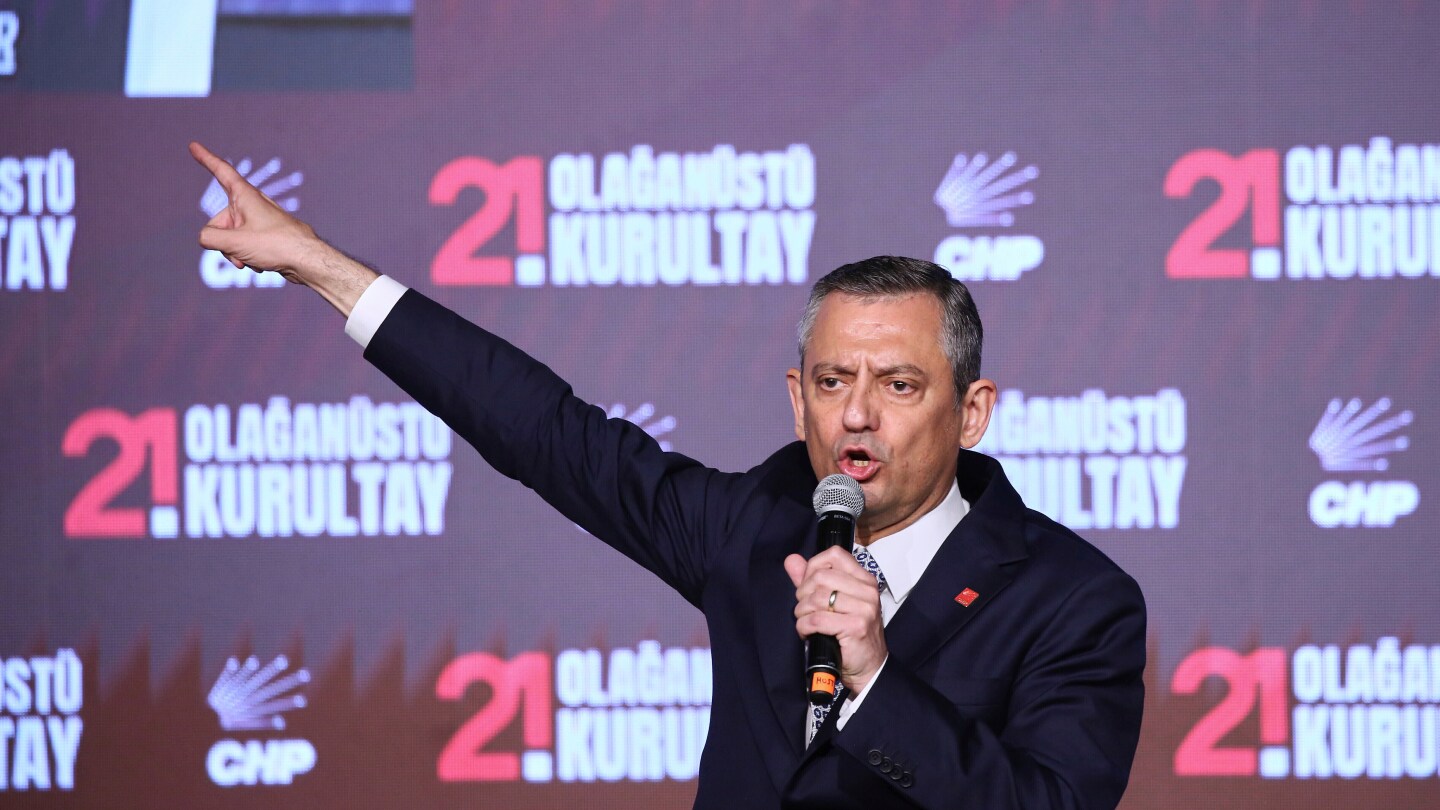
In a significant ruling on Friday, a Turkish court dismissed a lawsuit challenging the legitimacy of the Republican People’s Party’s (CHP) internal election held in November 2023. The case, which sought to annul the party’s 38th congress, alleged electoral fraud, including vote-buying and procedural violations. The court found no legal basis to overturn the election results, thereby affirming the leadership of current CHP chairperson Ozgur Ozel. The lawsuit had raised the possibility of reinstating former leader Kemal Kilicdaroglu or appointing a trustee chairman, a move that could have destabilized the party. The CHP has consistently denied the allegations, labeling the legal action as a politically motivated effort by President Recep Tayyip Erdogan’s government to weaken the opposition through judicial pressure. Critics argue that the case is part of a broader crackdown on the CHP, which has gained momentum in recent local elections. The party’s municipalities, including Istanbul under Mayor Ekrem Imamoglu, have faced waves of arrests this year. Imamoglu, a prominent Erdogan critic, remains in pre-trial custody on corruption charges, which he denies. His arrest in March sparked widespread protests, further intensifying political tensions in the country. Erdogan’s administration maintains that Turkey’s judiciary operates independently and that investigations are focused solely on combating corruption.
-

HK residents urged to cast ballots
Hong Kong’s leaders and government officials have launched a vigorous campaign urging residents to participate in the upcoming Legislative Council election, scheduled for December 7, 2025. At the kick-off ceremony for the 2025 Legislative Council General Election, Chief Executive John Lee Ka-chiu emphasized the critical importance of electing ‘capable, responsible, and passionate lawmakers’ to shape the city’s future. The event was held just before the candidate nomination period began, marking the start of a pivotal electoral process that will see 90 lawmakers elected across geographical, functional, and Election Committee constituencies. Lee highlighted that Hong Kong is transitioning from stability to prosperity, with the government actively pursuing reforms, economic development, and improved livelihoods. He stressed that many policies require legislative approval and funding, making the election a decisive moment for the city’s progress. Lee called on all sectors of society, including public and private organizations and patriotic groups, to encourage voter participation. He also assured that civil servants, as the city’s largest workforce, would be given the opportunity to vote, with adequate backup personnel in place to cover their duties. The Hong Kong SAR government has pledged to ensure the election is conducted fairly, justly, and securely. David Lok Kai-hong, Chairman of the Electoral Affairs Commission, underscored that voting is both a right and a social responsibility, enabling residents to directly influence policies in healthcare, labor, education, transport, and housing. Lok praised the improved electoral system for enhancing representativeness, inclusivity, and fair competition, laying a solid foundation for Hong Kong’s democratic development. Lee also highlighted the achievements of the seventh Legislative Council, which passed nearly 130 bills and approved over 260 projects worth HK$700 billion during its term. Other high-ranking officials, including Chief Secretary Eric Chan Kwok-ki and Security Secretary Chris Tang Ping-keung, echoed the call for public engagement, describing the election as a unifying force and a chance to propel Hong Kong forward. Deputy Chief Secretary Warner Cheuk Wing-hing added that participation in the election would enhance Hong Kong’s international prestige, competitiveness, and social stability.
-
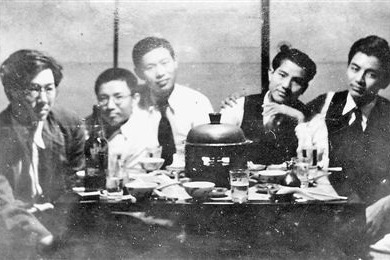
Restoration anniversary observed
The 80th anniversary of Taiwan’s restoration to China was commemorated in Beijing through a forum organized by the Central Committee of the Taiwan Democratic Self-Government League. The event underscored the historical significance of Taiwan’s return to its motherland in 1945, marking the end of 50 years of Japanese colonial rule. Shaw Kai-ping, a 73-year-old attendee, shared his family’s poignant story of resistance against Japanese aggression. His father, Shaw Daoing, born in Japanese-colonized Taiwan in 1916, joined the mainland’s war effort in 1940 as a frontline medic, embodying the spirit of unity and sacrifice. Shaw emphasized the importance of educating Taiwan’s youth about their shared heritage and the necessity of reunification. He expressed concern over the current ‘de-Sinicization’ efforts by Taiwan’s Democratic Progressive Party, which he believes undermine Taiwan’s national will and dignity. Chi Hsing, president of The Observer magazine in Taiwan, highlighted the patriotic spirit of Taiwan’s forebears and called for Oct 25 to be designated as Taiwan Restoration Day on the mainland. Huang Ching-hsien, a professor at Nankai University, reiterated that Taiwan’s status as part of China is confirmed by international law and stressed the need for collective efforts to achieve true restoration and a bright future for Taiwan.
-

Zelenskyy to meet European leaders in London for talks on military aid for Ukraine
Ukrainian President Volodymyr Zelenskyy arrived in London on Friday for a high-stakes meeting with over two dozen European leaders, hosted by British Prime Minister Keir Starmer. The discussions centered on strengthening Ukraine’s defenses against ongoing Russian aggression, particularly as winter approaches and the conflict enters its fourth year. Key topics included safeguarding Ukraine’s power grid from relentless drone and missile attacks, enhancing air defense systems, and supplying Kyiv with long-range missiles capable of striking deep within Russian territory. The gathering also aimed to intensify pressure on Russian President Vladimir Putin, building on recent sanctions imposed by the U.S. and European nations targeting Russia’s oil and gas exports. Despite these measures, Putin has remained steadfast in his refusal to negotiate peace, maintaining that Russia’s invasion of Ukraine is justified. Western leaders, including Starmer, expressed frustration over Putin’s unyielding stance, emphasizing repeated offers to end the conflict. The meeting, attended by NATO Secretary-General Mark Rutte and other European leaders, also explored the formation of a future “reassurance force” to support Ukraine’s security. This force, likely comprising air and naval support rather than ground troops, would rotate its headquarters between Paris and London. Meanwhile, the war continues to exact a heavy toll, with both sides suffering significant casualties and civilian infrastructure sustaining widespread damage. Recent drone attacks in Moscow and artillery strikes in Kherson underscore the ongoing volatility of the conflict. As Ukraine’s Western allies grapple with funding and postwar security guarantees, the London talks represent a critical step in shaping the international response to Europe’s largest military confrontation since World War II.
-
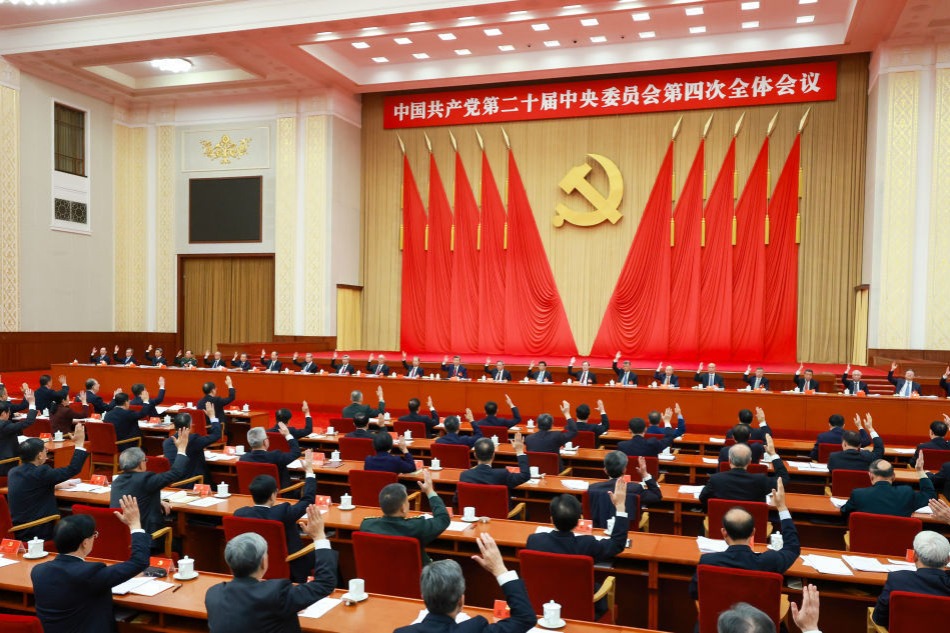
Communique of the Fourth Plenary Session of the 20th Central Committee of the Communist Party of China
The 20th Central Committee of the Communist Party of China (CPC) concluded its fourth plenary session in Beijing from October 20 to 23, 2025, setting the stage for the nation’s 15th Five-Year Plan (2026-2030) and advancing Chinese modernization. The session, attended by 168 Central Committee members and 147 alternate members, along with key officials and experts, was presided over by the Political Bureau, with General Secretary Xi Jinping delivering pivotal addresses. The plenum reviewed the Political Bureau’s work since the third plenary session, unanimously affirming its achievements in implementing the Party’s 20th National Congress directives, deepening reforms, and ensuring high-quality development. The session adopted the Recommendations for Formulating the 15th Five-Year Plan, emphasizing the critical role of this period in achieving socialist modernization by 2035. The plan outlines strategic priorities, including economic resilience, technological self-reliance, green development, and national security. The plenum underscored the importance of Xi Jinping Thought on Socialism with Chinese Characteristics for a New Era, calling for unwavering Party leadership, reform, and innovation to overcome challenges and seize opportunities in a complex global landscape. The session also addressed key areas such as industrial modernization, rural revitalization, cultural development, and public wellbeing, aiming to build a prosperous, sustainable, and secure China. The plenum concluded with a call for unity and determination to achieve the Second Centenary Goal of national rejuvenation through Chinese modernization.
-
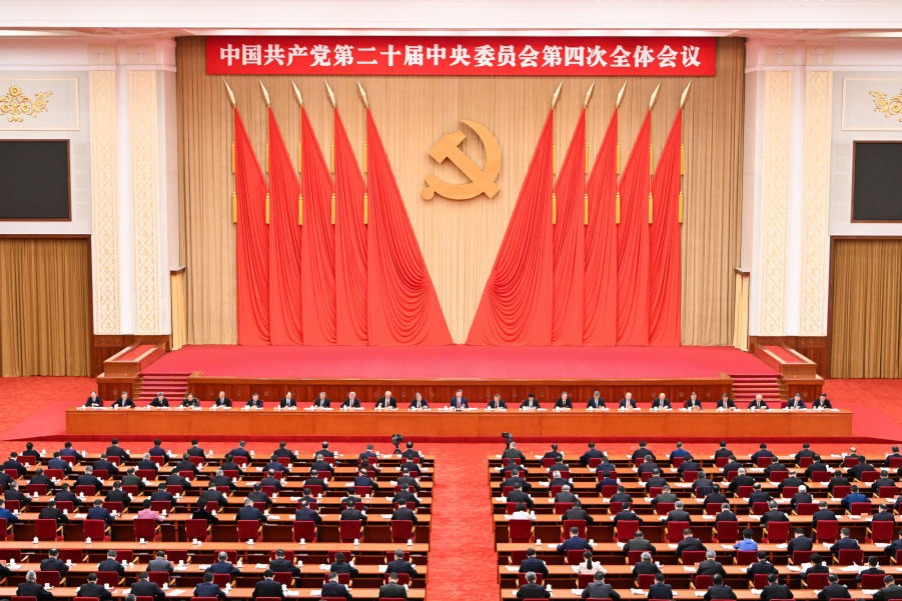
Plenum sets clear guidance
The fourth plenary session of the 20th Central Committee of the Communist Party of China (CPC), concluded on Thursday, has unveiled a comprehensive communique that outlines the nation’s strategic objectives and developmental roadmap for the 15th Five-Year Plan period (2026-30). This document, far from being a mere policy statement, serves as a foundational guide for China’s socioeconomic advancement over the next five years. It emphasizes the importance of upholding the Party’s overall leadership, prioritizing the people’s welfare, pursuing high-quality development, and deepening reforms to foster a harmonious interplay between an efficient market and a well-functioning government. The communique also underscores the dual focus on development and security, ensuring a balanced approach to national progress. The session’s outcomes are of paramount strategic significance, providing clear directives to authorities at all levels and showcasing the efficacy of China’s governance system. By delineating the country’s policy direction, economic priorities, reform commitments, and opening-up strategies, the plenum has reinforced global confidence in China’s developmental trajectory. The communique reflects the CPC’s astute assessment of both domestic and global landscapes, highlighting the Party’s pragmatic and holistic approach to policymaking, which consistently prioritizes the people’s interests and tangible results. Key initiatives include building a modernized industrial system, bolstering the real economy, achieving greater self-reliance in science and technology, consolidating a robust domestic market, accelerating the green transition, and promoting high-standard opening-up. These endeavors embody the Party’s foresight and unwavering commitment to high-quality development under the guidance of Xi Jinping Thought on Socialism with Chinese Characteristics for a New Era. The communique also reaffirms China’s modernization drive as a boon not only for its 1.4 billion citizens but also for global growth, offering new opportunities and certainties. Through collaborative initiatives like the Belt and Road Initiative, China continues to champion a more equitable, balanced, and inclusive international order. The nation’s steadfast determination to achieve comprehensive modernization and national rejuvenation remains unshakable, with external forces unable to impede its progress or undermine its core interests. Guided by the Party’s leadership, China will advance with confidence, unity, and resilience, transforming its strengths into concrete achievements and realizing its modernization vision step by step. The next five years will be pivotal in China’s modernization journey, demonstrating how perseverance, reform, and innovation can pave the way for a brighter future.
-
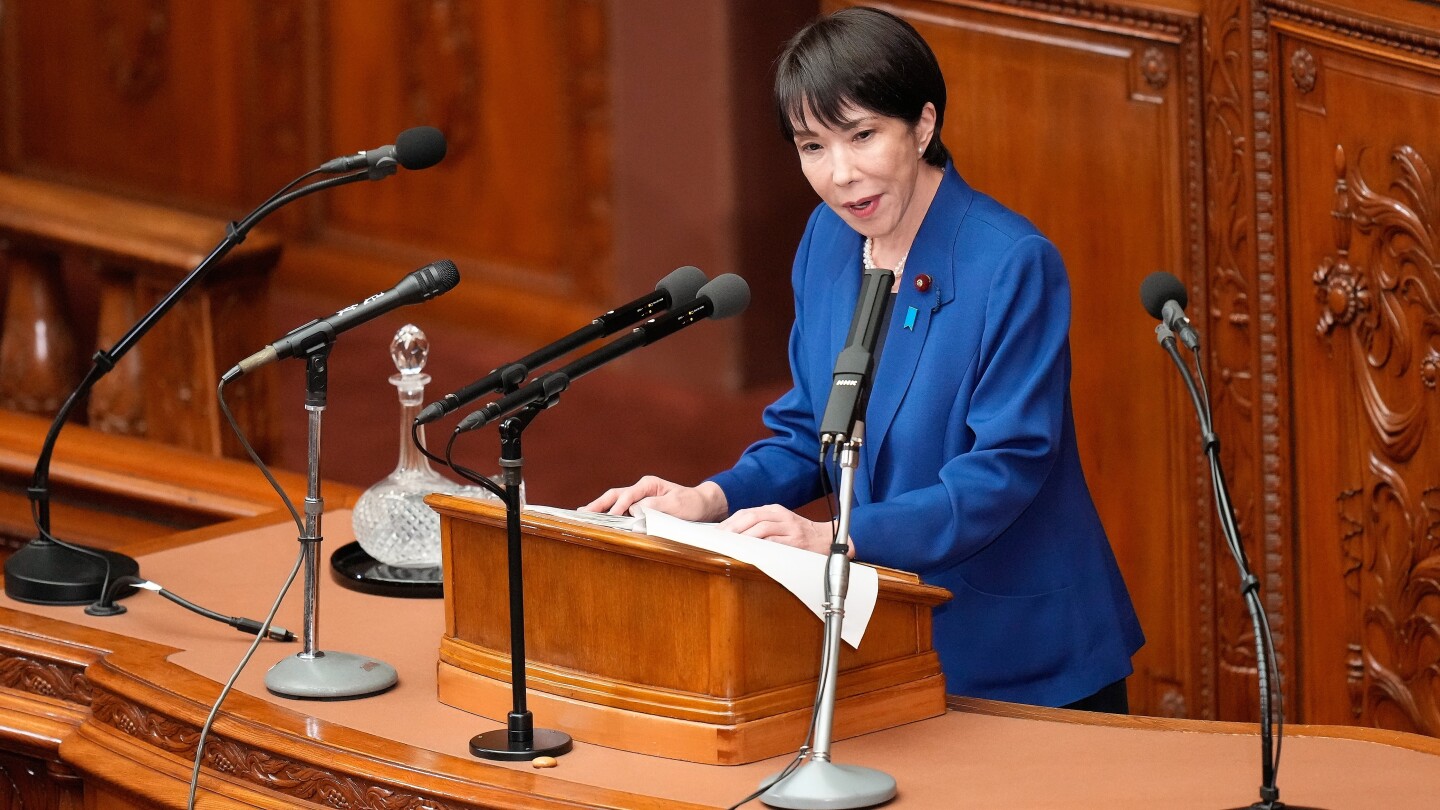
Japan’s new leader vows to further bolster defense buildup and spending as regional tensions rise
In her inaugural policy address, Japan’s newly elected Prime Minister Sanae Takaichi announced a significant acceleration of the nation’s military expansion and spending. Takaichi, who assumed office earlier this week as Japan’s first female leader, emphasized the urgent need to revise the country’s security strategy ahead of schedule, citing escalating tensions with China, North Korea, and Russia. She pledged to achieve an annual military expenditure target of 2% of GDP by March, moving up the original 2027 deadline. The revised security strategy, now slated for completion by the end of 2026, reflects Japan’s response to the rapidly changing global security landscape, including Russia’s invasion of Ukraine and ongoing Middle East conflicts. Takaichi highlighted the destabilization of the international order due to shifting power dynamics and intensifying geopolitical rivalries, particularly in Japan’s vicinity. She underscored the necessity of proactive defense measures to counter military activities by neighboring nations. Her administration also faces the challenge of balancing domestic economic issues, such as rising prices and stagnant wages, with the need to secure opposition support for her policies. Additionally, Takaichi’s hawkish stance and historical views, including her visits to the controversial Yasukuni Shrine, could strain Japan’s relations with China. Her government’s alignment with the right-wing Japan Innovation Party has further fueled concerns about Japan’s political shift to the right. On the economic front, Takaichi acknowledged the critical role of foreign workers in addressing Japan’s labor shortage but emphasized strict enforcement of regulations to address public concerns over unlawful activities by some foreigners. She tasked the Economic Security Minister with tightening regulations on foreign residents and studying potential restrictions on land purchases by non-Japanese nationals, particularly Chinese investors. This approach aligns with the growing populist sentiment in Japan, which has seen a surge in foreign workers amid a shrinking domestic workforce.