
China’s battle against corruption is an enduring struggle with no definitive conclusion, according to Jiang Jinquan, Director of the Policy Research Office of the Communist Party of China (CPC) Central Committee. Speaking at a press conference on October 24, 2025, Jiang emphasized the continuous refinement of the Party and national supervisory systems, alongside strengthened regulation and oversight of power allocation and its execution. His remarks were made while outlining the major objectives for China’s economic and social development over the next five years, following the conclusion of the fourth plenary session of the 20th CPC Central Committee in Beijing. The session adopted the Recommendations of the CPC Central Committee for Formulating the 15th Five-Year Plan for Economic and Social Development, which underscores China’s unwavering commitment to combating corruption through a comprehensive and persistent campaign. Jiang highlighted the Party’s ‘zero tolerance’ stance on corruption, its determination to impose strict penalties, and its resolve to eradicate corrupt practices entirely. Additionally, the recommendations stress the ongoing implementation of the central Party leadership’s eight-point code, aimed at improving Party and government conduct, fostering closer ties with the public, and rectifying inappropriate practices, including formalism, to alleviate the burden on grassroots workers. The document also calls for the development of grassroots Party organizations across various sectors, urging them to lead by example in serving the public and advancing reform and development. Furthermore, the recommendations emphasize the importance of intra-Party democracy to ensure decisions are made scientifically, democratically, and legally, which is vital for addressing risks and challenges and promoting steady, sustainable economic and social progress.
分类: politics
-
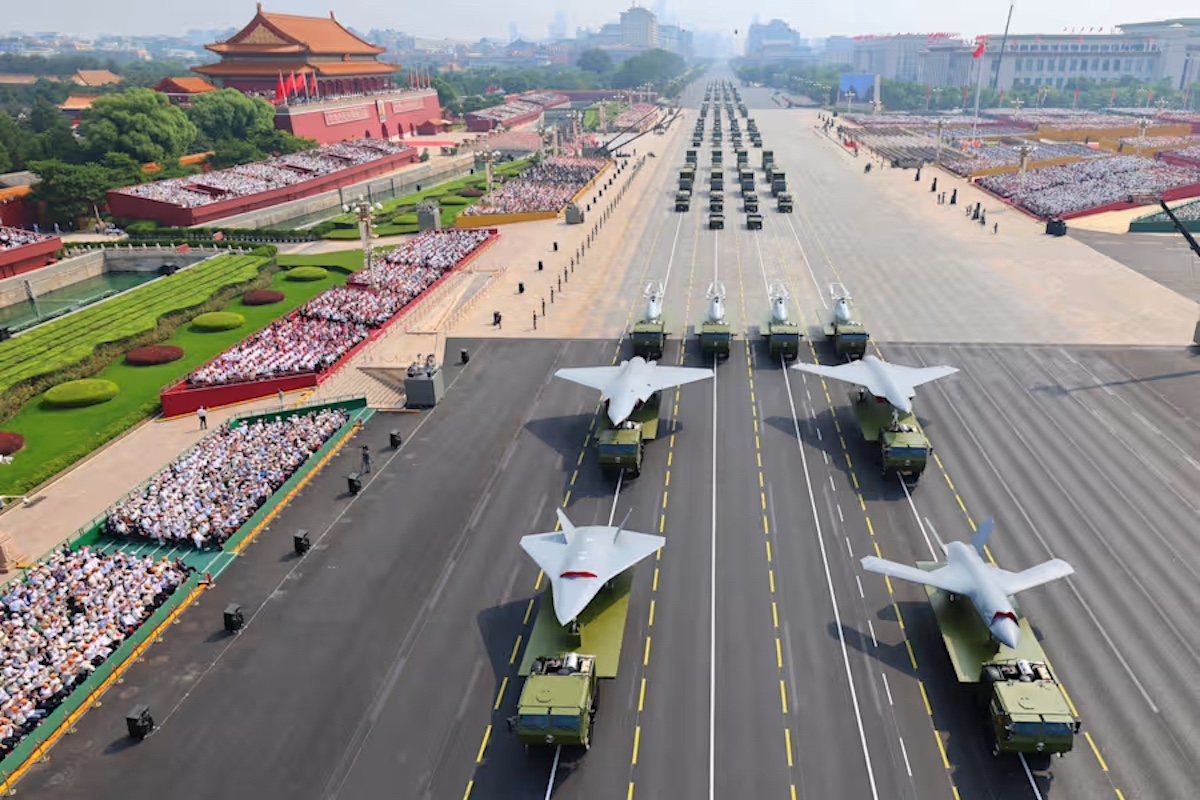
China’s military buildup: yesterday’s news or tomorrow’s?
On September 3, the world witnessed a grand display of China’s military might as thousands of troops paraded through Tiananmen Square. This event, orchestrated under the leadership of Chinese President Xi Jinping, was not merely a ceremonial showcase but a strategic message to global powers, particularly the United States. The parade featured advanced weaponry, including hypersonic missiles, drones, and laser-powered defense systems, underscoring China’s rapid military modernization and its aspirations to rival the U.S. in global influence. Xi, who rose from humble beginnings to become China’s paramount leader, has consistently emphasized the importance of national strength and sovereignty, often referencing China’s ‘Century of Humiliation’ as a cautionary tale. The event also highlighted China’s growing naval capabilities, with new aircraft carriers and advanced warships poised to challenge U.S. dominance in the Pacific. However, China’s ambitions are not without vulnerabilities. Its heavy reliance on oil imports and economic dependencies pose significant risks in the event of conflict, particularly over Taiwan. Xi’s assertive stance on Taiwan has raised concerns about potential military confrontations, which could have far-reaching consequences for global stability. The parade, attended by leaders from 26 nations, including Russia and North Korea, served as a reminder of China’s growing geopolitical clout and its determination to reshape the global order.
-
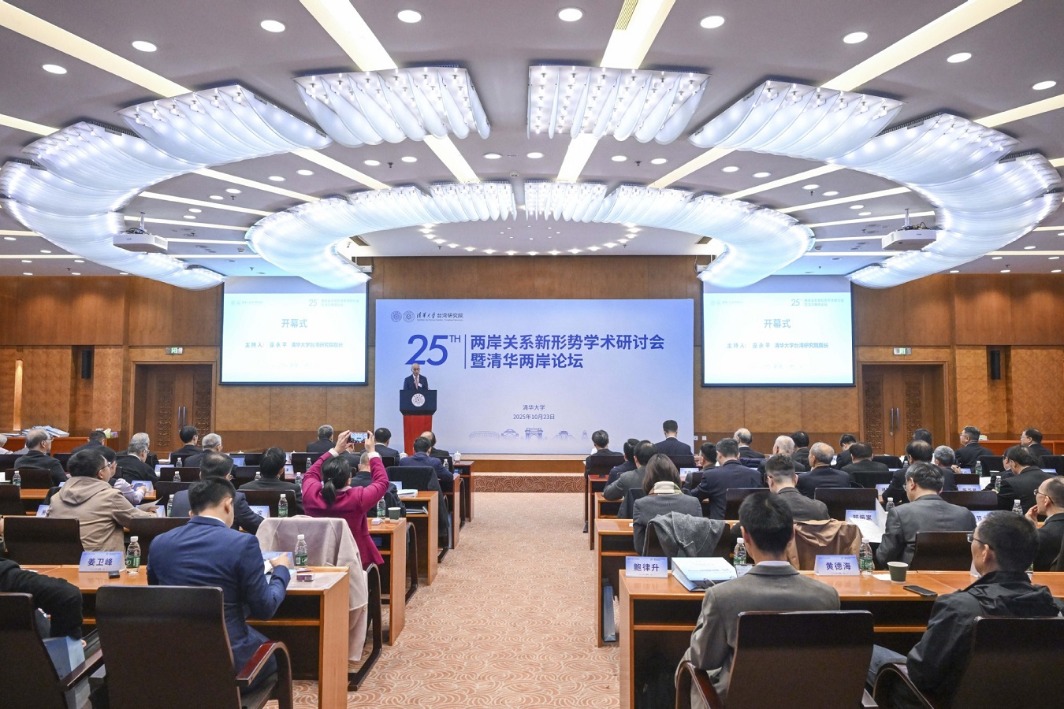
Experts and scholars propose strategies for advancing cross-Strait ties
At the Tsinghua Cross-Strait Forum held in Beijing on Thursday, over 140 experts and scholars from both sides of the Taiwan Strait convened to discuss strategies for advancing cross-Strait relations and achieving national reunification under evolving circumstances. The forum, hosted at Tsinghua University, emphasized the importance of addressing new challenges and fostering unity to overcome obstacles in the reunification process. Qiu Kaiming, vice-president of the Association for Relations Across the Taiwan Straits, highlighted the need for compatriots on both sides to stand on the right side of history and uphold the pride and dignity of being Chinese. Wu Yongping, director of the Institute for Taiwan Studies at Tsinghua University, dismissed the Taiwan independence movement as a fleeting episode in the broader narrative of Chinese history. He stressed that healthy cross-Strait relations are essential for national rejuvenation, which will inevitably lead to reunification. Participants engaged in in-depth discussions on topics such as political and economic relations, people-to-people exchanges, and the external factors influencing cross-Strait ties. Experts noted a positive shift in public opinion in Taiwan, with growing support for peace and exchanges across the Strait. Additionally, they observed a transition in cross-Strait economic relations from traditional industrial complementarity to joint industrial development.
-
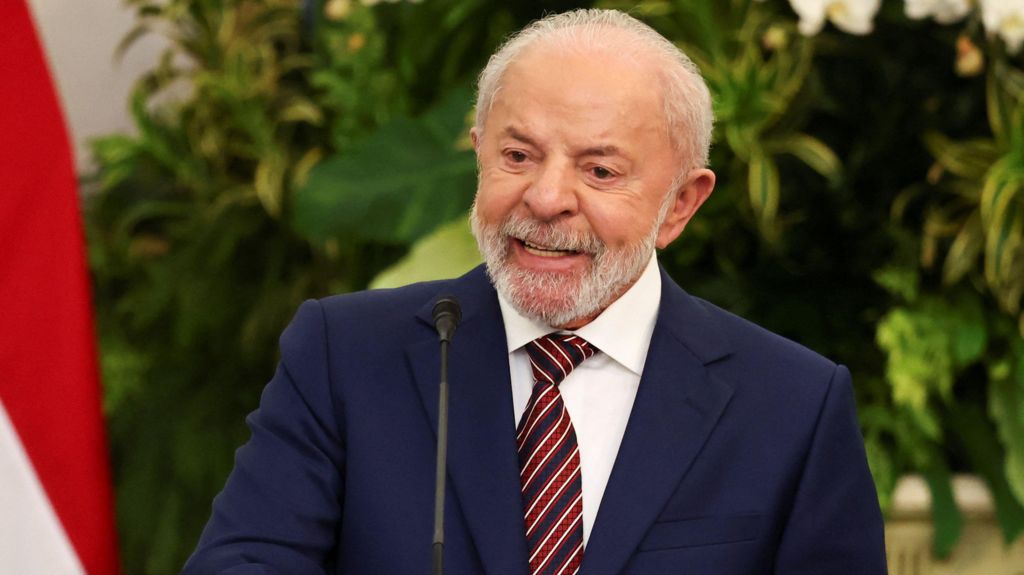
Brazil’s Lula, 79, to seek fourth term as president
Brazilian President Luiz Inácio Lula da Silva has officially declared his intention to run for a fourth term in the 2026 presidential elections. The announcement, made during a state visit to Indonesia, comes despite Lula’s earlier indications that his 2022 campaign would be his last. Addressing reporters, the 79-year-old leader dismissed concerns about his age, stating, ‘I’m about to turn 80, but I have the same energy I had at 30. I will run for a fourth term in Brazil.’ This decision follows a challenging period for Lula, who has faced health issues during his current presidency, including a brain bleed that required surgery last December. Lula, Brazil’s oldest president upon inauguration, narrowly defeated right-wing incumbent Jair Bolsonaro in the 2022 election, winning by a slim 51% to 49% margin. Bolsonaro, now serving a 27-year prison sentence for attempting a military coup after his election loss, is unlikely to challenge Lula again. The former president’s imprisonment has sparked tensions with the U.S., leading President Donald Trump to impose a 50% tariff on Brazilian imports. However, Lula and Trump recently held a ‘friendly’ call to discuss reducing these tariffs, with a meeting scheduled for Sunday. Lula, who turns 80 on Monday, has a storied political career, including two terms as president from 2003 to 2011 and an 18-month imprisonment on corruption charges, which were later overturned. Brazil’s constitution limits presidents to two consecutive terms, but Lula’s previous terms do not disqualify him from running again. His announcement marks a significant moment in Brazilian politics as the nation prepares for the 2026 elections.
-
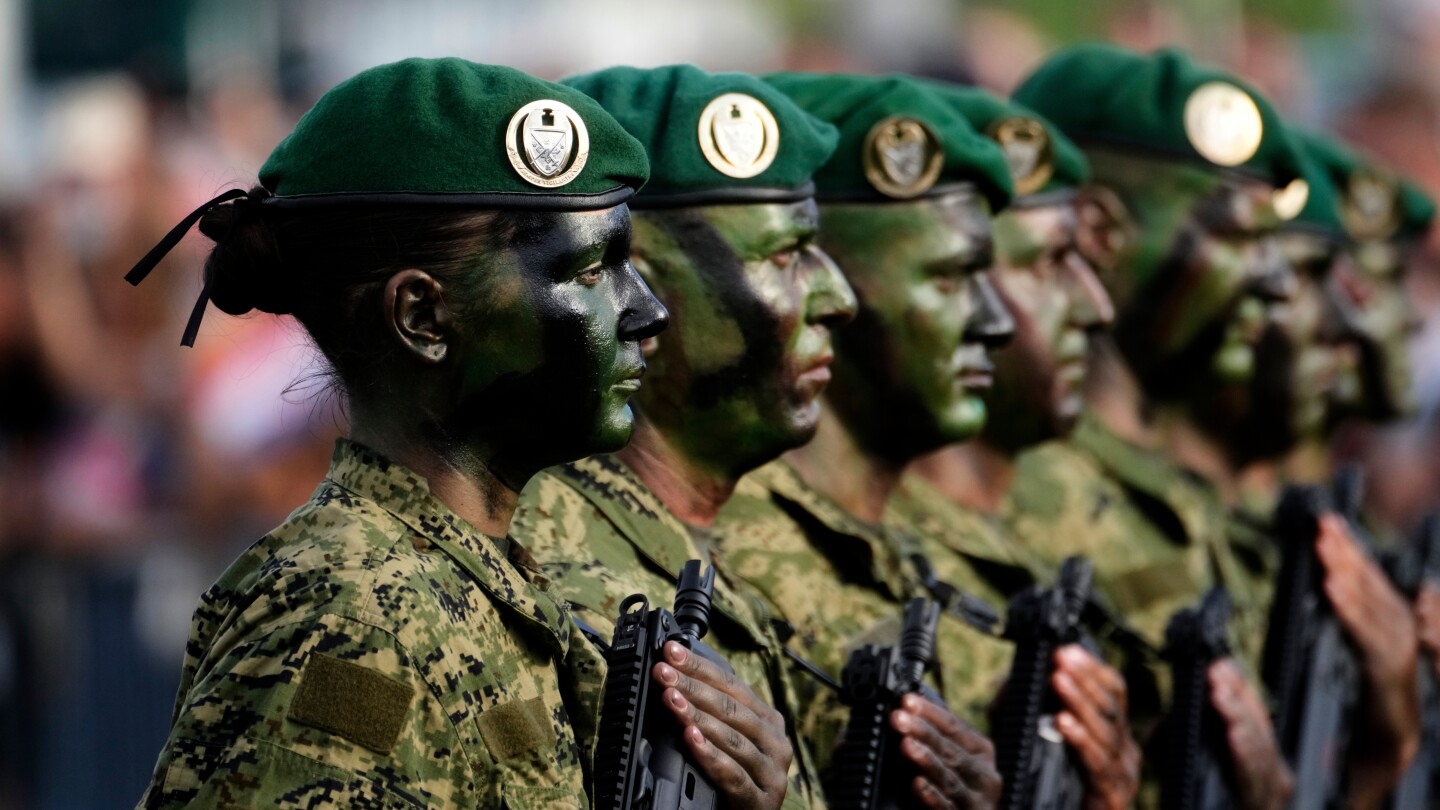
Croatia reintroduces military conscription as Europe worries about Russia-Ukraine war
In a significant move reflecting the current geopolitical climate, Croatia’s parliament has voted to reintroduce compulsory military service, a decision that underscores the nation’s response to escalating tensions in Europe. The vote, which passed with 84 in favor, 11 against, and 30 abstentions in the 151-member parliament, marks a return to conscription after it was suspended in 2008 in favor of a volunteer-based system. The new policy mandates a two-month service focused on providing basic military training, as reported by the public broadcaster HRT. This initiative is part of Croatia’s broader strategy to enhance national security and prepare its youth for potential crisis situations, according to the Defense Ministry. The decision comes against the backdrop of heightened concerns over Russian aggression in Ukraine and an ongoing military buildup in the Balkans, a region still scarred by the conflicts of the 1990s. Authorities plan to begin medical checkups for conscripts born in 2007 by the end of the year, with provisions for conscientious objectors to opt for civilian service. This move aligns with Croatia’s recent efforts to strengthen its armed forces, including a large military parade in July commemorating a key victory from the 1991-95 war. Relations with Serbia, a former adversary, remain strained, adding to the regional security challenges.
-
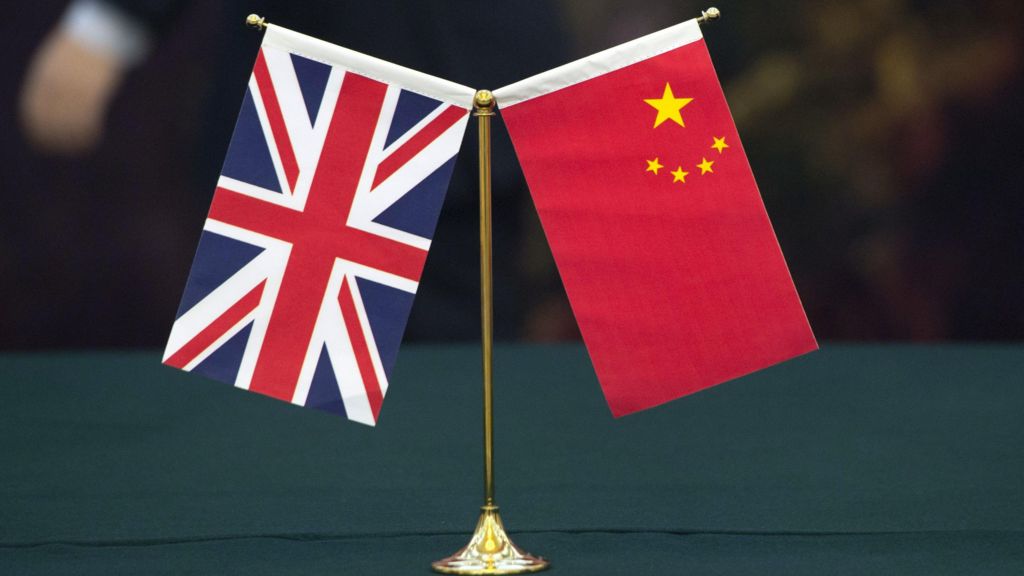
Who is giving evidence on the collapsed China spy trial?
Senior officials central to the controversy surrounding the collapsed China spy trial are set to appear before the Joint Committee on the National Security Strategy next week. The committee’s first public evidence session, scheduled for Monday, will scrutinize the prosecutors’ decision to drop charges against Christopher Cash and Christopher Berry, who were accused under the Official Secrets Act. Both individuals maintain their innocence. Among those testifying will be Stephen Parkinson, Director of Public Prosecutions; Matt Collins, Deputy National Security Adviser; Richard Hermer, Attorney General; Darren Jones, Chief Secretary to the Prime Minister; and Sir Chris Wormald, Cabinet Secretary. National Security Adviser Jonathan Powell, who has faced allegations of political interference, will not attend but is expected to provide private testimony later. Parkinson, head of the Crown Prosecution Service (CPS), which initially charged the pair before dropping the case, will explain that the trial collapsed because the government did not classify China as a national security threat. Legal experts have questioned his judgment, and he is likely to face tough questions about the CPS’s initial confidence in the evidence and the prosecution’s reliance on the government’s stance. Collins, a senior civil servant, will be questioned about his interactions with the CPS and the impact of the Labour government’s China policy on his witness statements. Hermer, a close ally of Prime Minister Keir Starmer, will address his knowledge of the case’s collapse and his role in overseeing the CPS. Wormald, the UK’s top civil servant, will clarify his involvement in the process and whether he endorsed Collins’s statements. Jones, a loyal MP to Starmer, will defend the government’s position, denying any ministerial interference. Powell, absent from the hearing, remains under scrutiny for his alleged role in shaping UK-China relations. The session promises to shed light on the intricate dynamics between the government, the CPS, and national security policies.
-
Trump’s Gaza peace push collides with Israeli political reality
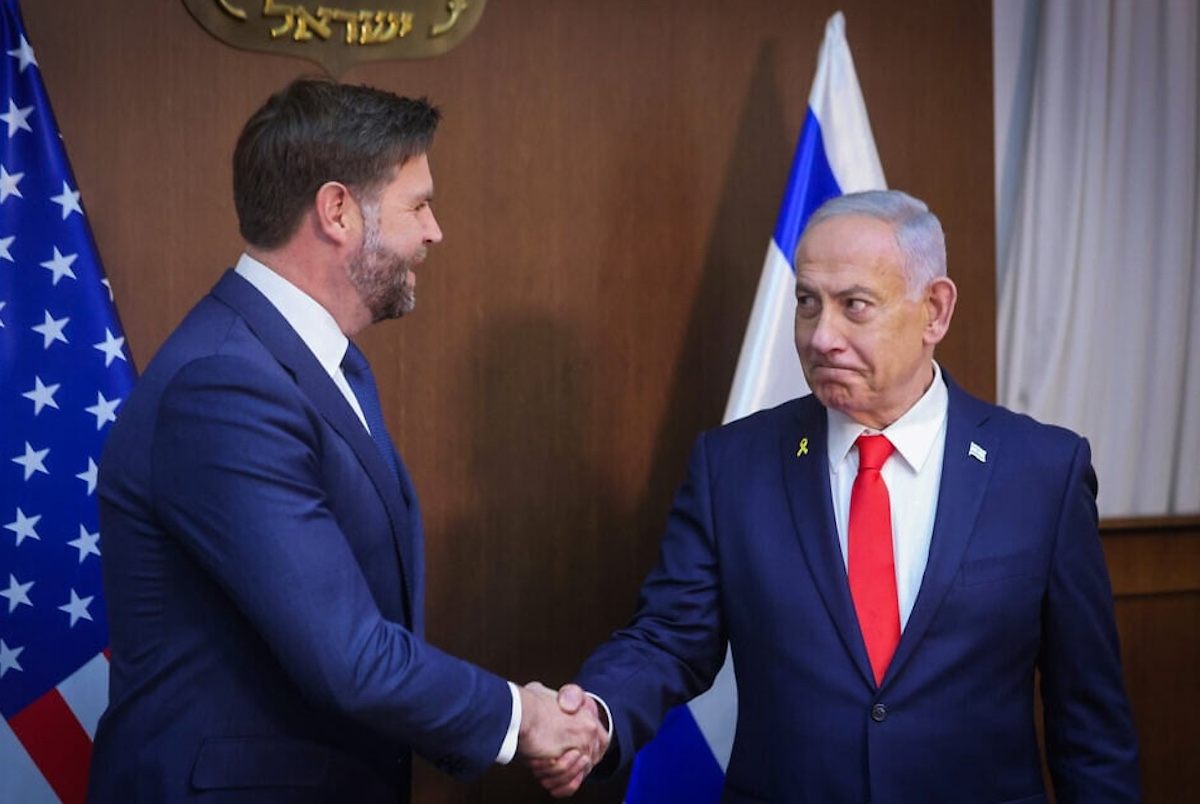
As US President Donald Trump grapples with maintaining a fragile Gaza ceasefire, Israel has firmly rejected any negotiations with Hamas that aim to establish a Palestinian state. Israeli Prime Minister Benjamin Netanyahu, meeting with US Vice President JD Vance on Thursday, dismissed the US-led diplomatic efforts as an ‘implementation process’ rather than peace talks. Netanyahu argued that Palestinian statehood would reward Hamas for initiating the Gaza war, which began on October 7, 2023, when Hamas militants killed approximately 1,200 Israelis in southern Israel. An official in Tel Aviv noted that discussing the ‘two-state solution’ could jeopardize Netanyahu’s political future, as his government’s success hinges on ending Hamas and securing Arab nations to police Gaza, not on creating a Palestinian state. Netanyahu’s far-right coalition is also wary of US pressure to compromise with Palestinians, fearing it could lead to statehood. Meanwhile, Trump’s 21-point plan to end the Gaza war faces challenges as violence persists in the region. If the ceasefire collapses, it could undermine Trump’s self-proclaimed image as a peacemaker. Vance emphasized disarming Hamas and forming an international stabilization force but avoided discussing Palestinian statehood. Netanyahu’s political troubles are mounting, with his own cabinet members pushing for West Bank annexation, a move Netanyahu has long supported. The current Israeli-Hamas agreement is limited to the ceasefire, with no plans for a broader resolution. US Secretary of State Marco Rubio, who replaced Vance in Israel, reaffirmed America’s commitment to Israel’s security, while Jared Kushner and Steve Witcoff sought reconstruction funding from Gulf Arab states.
-
Xi plays decisive role in formulating Party leadership’s recommendations for 15th Five-Year Plan: official
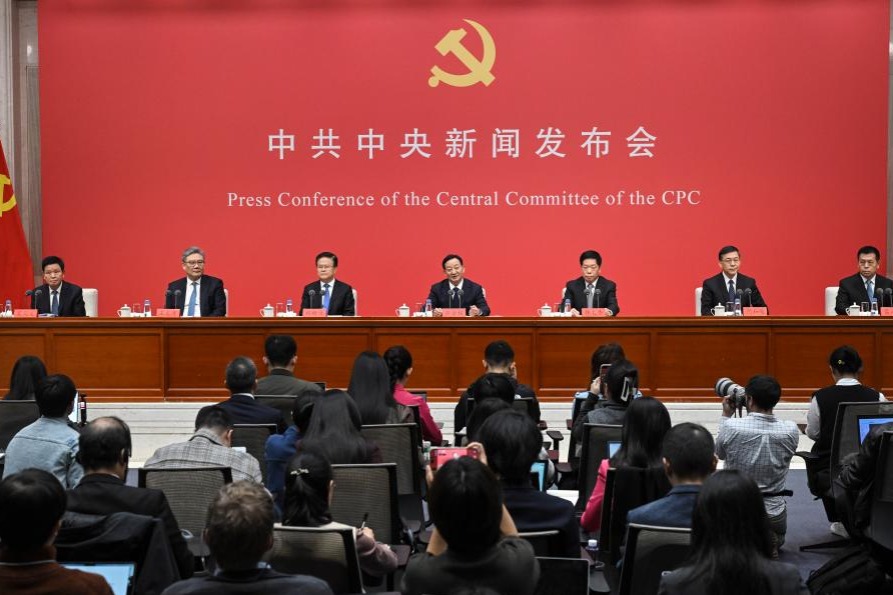
In a significant development, Xi Jinping, the General Secretary of the Communist Party of China (CPC) Central Committee, has been credited with a decisive role in formulating the Party leadership’s recommendations for China’s 15th Five-Year Plan. This announcement was made by Jiang Jinquan, head of the CPC Central Committee Policy Research Office, during a news conference on October 24, 2025, following the fourth plenary session of the 20th CPC Central Committee. Xi led the drafting team, setting the overall vision and providing continuous guidance throughout the process. Jiang emphasized that the Recommendations of the CPC Central Committee for Formulating the 15th Five-Year Plan for Economic and Social Development represent the most significant outcome of the plenary session, which took place from October 20 to 23, 2025. The plan is expected to guide China’s economic and social development over the next five years, reflecting the strategic priorities and long-term goals of the CPC under Xi’s leadership.
-
Shock at $100,000 fee to contest Guinea elections to replace junta
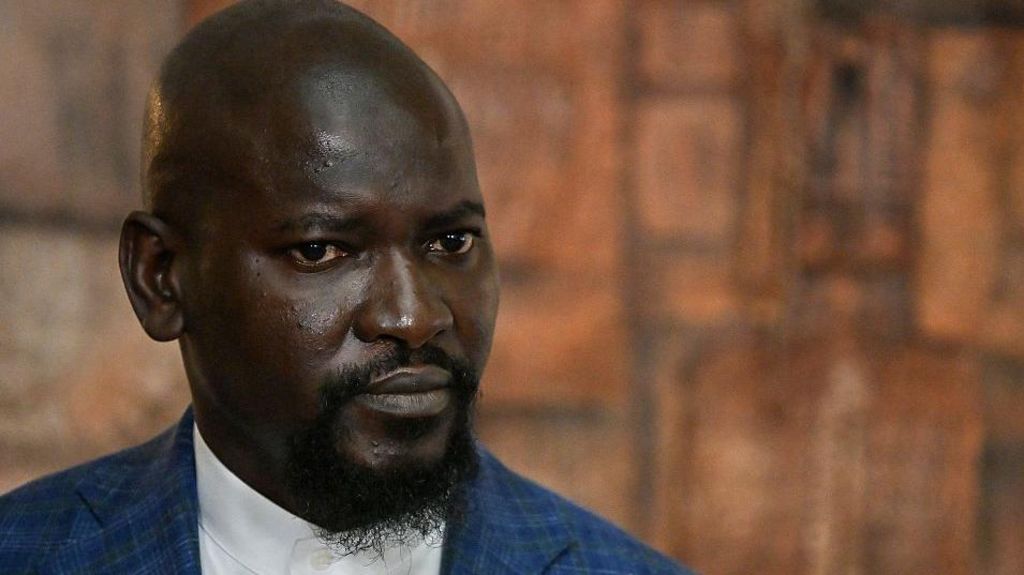
Guinea’s upcoming presidential election, scheduled for December, has ignited widespread criticism due to the exorbitant deposit required for candidates. Aspiring leaders must pay 875 million Guinean francs ($100,000) to participate, a move that has left many citizens and analysts stunned. This election marks a pivotal moment as the country transitions from military rule to civilian governance under a new constitution. Colonel Mamady Doumbouya, who seized power in a 2021 coup, is eligible to run but has yet to confirm his candidacy. The deposit, nearly identical to the previous election’s 800 million francs, has been criticized as a barrier to broader political participation. Political analyst Kabinet Fofana remarked, ‘This amount is huge and adds to the growing criticism of the election’s direction.’ Candidates who secure over 5% of the vote in the first round will have their deposit refunded. However, critics argue that the high fee favors wealthy individuals or those with state connections. Presidential candidate Faya Millimono highlighted the dramatic increase in deposits over the years, noting that it was only 50 million francs until 2005. The electoral body has also imposed a campaign spending limit of 40 billion francs ($4.6 million) per candidate, further narrowing the field. Despite these hurdles, 50 party candidates and 16 independents have been approved. Notably absent from the provisional list are major opposition parties, including the Rally of the People of Guinea and the Union of Democratic Forces of Guinea, though they still have time to register. Guinea’s election unfolds without key figures like former President Alpha Condé and former Prime Minister Cellou Dalein Diallo, both living in exile. The high costs and restrictive measures have raised concerns about the election’s fairness and inclusivity.
-
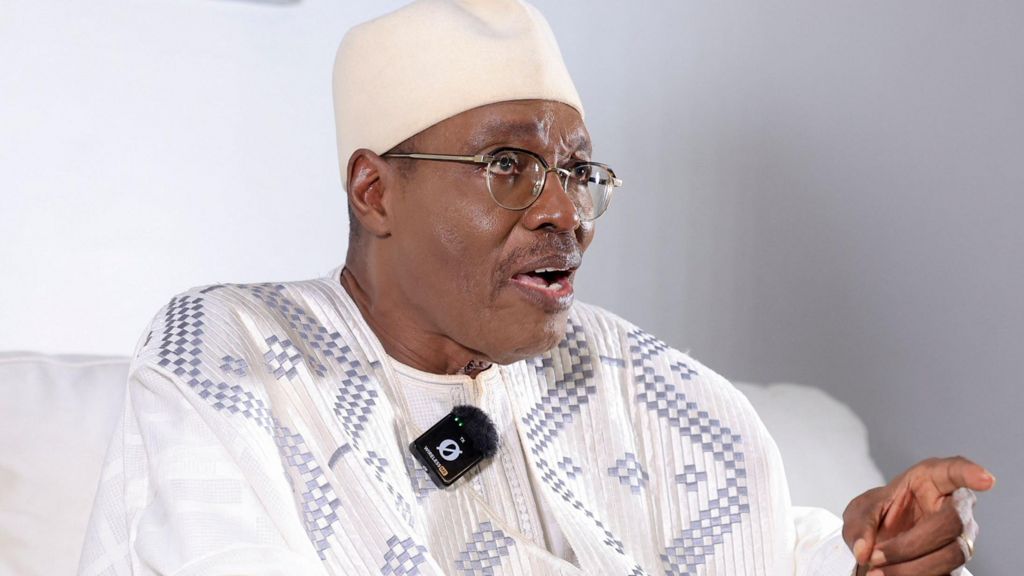
We won’t accept a stolen vote, Cameroon opposition leader tells BBC
Cameroon’s opposition leader, Issa Tchiroma Bakary, has declared himself the winner of the 12 October presidential election, challenging the official results yet to be announced. In an interview with the BBC, Bakary, 76, a former government minister who broke ties with President Paul Biya, 92, asserted that his team had compiled data from polling stations, leaving no doubt about his victory. He vowed not to accept a ‘stolen vote’ and urged his supporters to defend their ballots. The ruling Cameroon People’s Democratic Movement (CPDM) dismissed Bakary’s claims as illegal, stating that only the Constitutional Council can announce official results. Bakary, undeterred, insisted that the law permits his declaration and challenged the ruling party to disprove his claims. The delayed announcement of results has heightened tensions in Cameroon, a nation already grappling with separatist conflicts in Anglophone regions and Boko Haram insurgency in the Far North. The election outcome could determine whether Biya, the world’s oldest president, retains his 43-year grip on power.