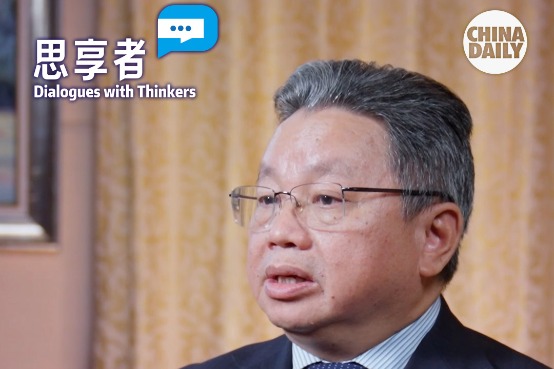
As the 80th anniversary of Taiwan’s restoration to China approaches, Yang Yizhou, vice-chairman of the All-China Federation of Taiwan Compatriots, has firmly refuted the notion of Taiwan’s ‘undetermined status’ in an interview with China Daily’s Dialogues with Thinkers. Yang emphasized that the 1943 Cairo Declaration and the 1945 Potsdam Proclamation both mandated the return of Taiwan and the Penghu Islands to China. Japan’s Instrument of Surrender explicitly accepted these terms, and on October 25, 1945, Taiwan’s restoration to China was officially announced. The claim of an ‘undetermined status’ not only contradicts these historical documents but also challenges the outcomes of World War II and the established post-war international order. Yang’s remarks underscore the importance of historical accuracy in understanding Taiwan’s rightful place within China.
分类: politics
-
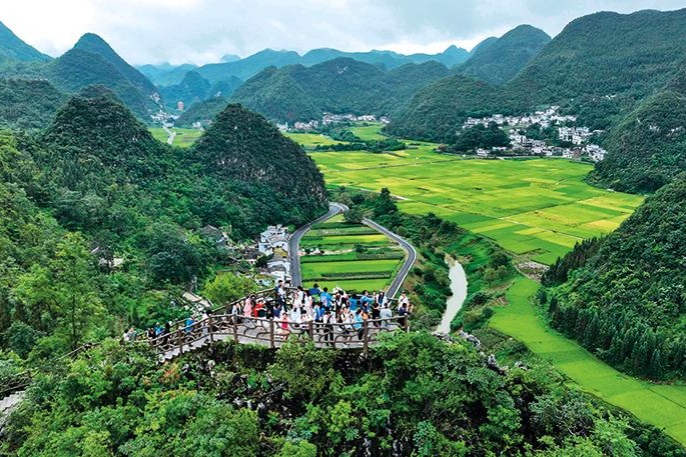
Chinese lawmakers further review draft environmental code
China has taken a significant step forward in the legislative process for its draft environmental code. On Friday, two sections of the draft were submitted to the ongoing session of the Standing Committee of the National People’s Congress (NPC), the country’s top legislative body, for further review. This marks a new phase in the deliberation process, which aims to consolidate and streamline environmental regulations.
The draft code, which comprises five parts in total, has been under development for some time. The remaining three sections were previously submitted to the NPC Standing Committee for a second reading in September 2025. The current review focuses on refining the legislative framework to address pressing environmental challenges and align with China’s broader sustainability goals.
This legislative effort underscores China’s commitment to enhancing its environmental governance and addressing issues such as pollution, climate change, and resource management. The draft code is expected to provide a comprehensive legal foundation for environmental protection, promoting sustainable development and ecological conservation.
The ongoing deliberations reflect the NPC’s rigorous approach to legislation, ensuring that the final code is both effective and enforceable. As China continues to prioritize environmental issues, this draft code represents a critical milestone in the nation’s efforts to balance economic growth with environmental stewardship.
-
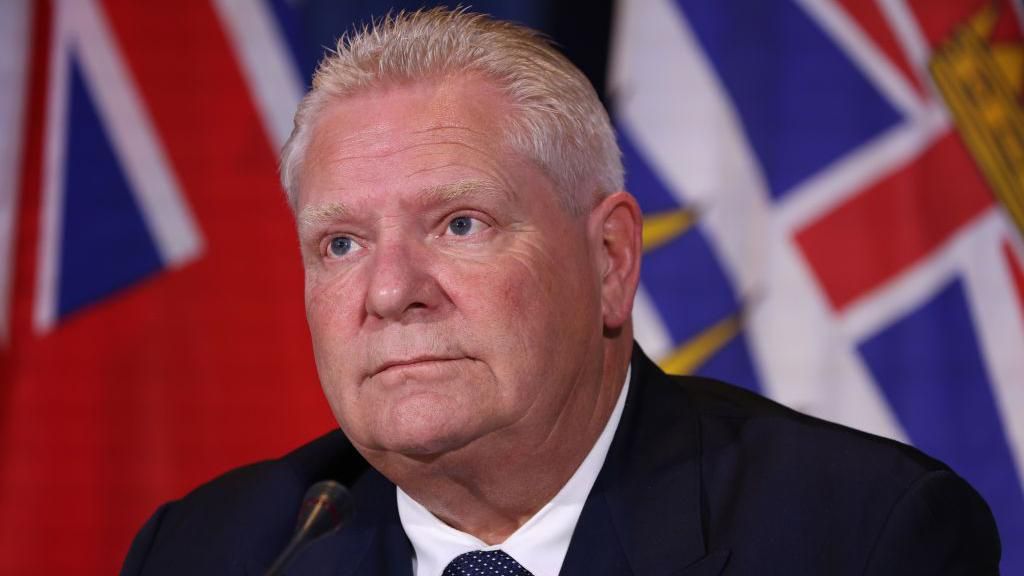
Ontario to stop running anti-tariff advert that angered Trump
Ontario Premier Doug Ford has announced the temporary suspension of the province’s anti-tariff advertisement campaign in the United States, following its role in prompting President Donald Trump to halt trade negotiations between the two nations. Ford revealed that the decision was made after consultations with Canadian Prime Minister Mark Carney on Friday. The advertisement, which will continue to air over the weekend, including during Major League Baseball’s World Series games, will be paused starting Monday to facilitate the resumption of trade talks. Carney emphasized Canada’s readiness to re-engage in negotiations ‘when the Americans are ready.’ The campaign, funded by the Ontario government, features a 1987 radio address by former US President Ronald Reagan, in which he criticizes tariffs for harming Americans. However, the Ronald Reagan Foundation accused the ad of misrepresenting Reagan’s message, stating that the Ontario government had not sought permission to use the footage. Trump, in a late-night Truth Social post, labeled the ad ‘FAKE’ and ‘egregious,’ declaring trade talks ‘HEREBY TERMINATED.’ Ford defended the campaign, stating its aim was to spark dialogue about the economic impact of tariffs and the shared interests of Canada and the US. The US has imposed significant tariffs on Canadian goods, including a 50% levy on metals and 25% on automobiles, disproportionately affecting Ontario, the heart of Canada’s auto industry. Since taking office earlier this year, Prime Minister Carney has sought to negotiate a deal to mitigate these tariffs, which threaten Canada’s economy, given that three-quarters of its exports are destined for the US.
-
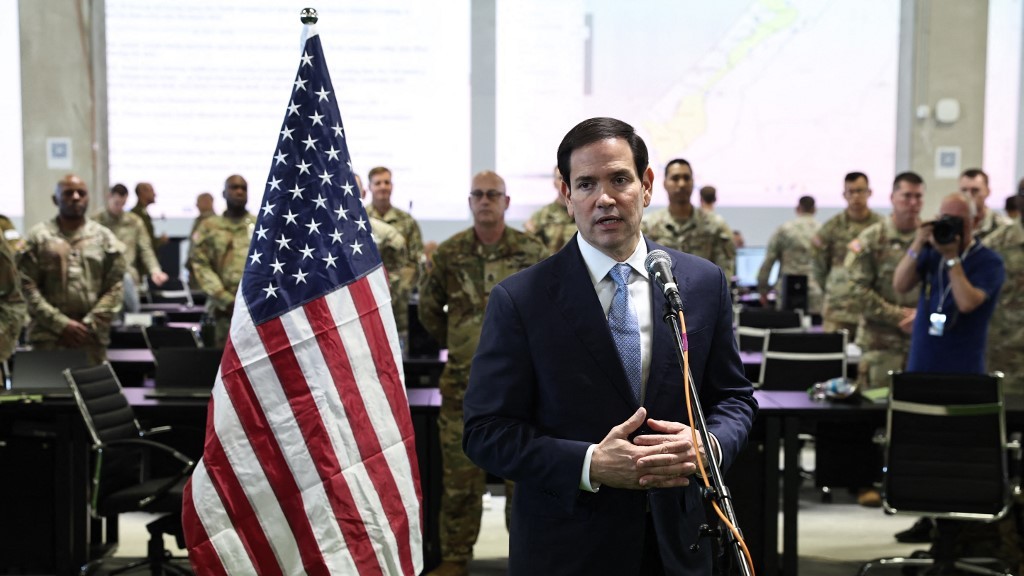
Despite ICJ ruling, Rubio says Unrwa cannot be involved in Gaza’s future
US Secretary of State Marco Rubio declared on Friday that the United Nations Relief and Works Agency for Palestinian Refugees (UNRWA) has no future in managing Gaza’s affairs. Speaking at the US Civil-Military Coordination Center, which oversees the Gaza ceasefire, Rubio reiterated controversial Israeli allegations that UNRWA operates as a ‘subsidiary of Hamas.’ He emphasized that UNRWA would not be involved in providing aid to the region. This statement follows a recent ruling by the International Court of Justice, which dismissed Israeli claims that UNRWA is dominated by Hamas supporters, affirming the agency’s impartiality and critical role in delivering humanitarian assistance to Palestinians. Despite his criticism of UNRWA, Rubio praised the broader UN system and expressed willingness to collaborate with other UN agencies and NGOs, such as the World Food Programme and Samaritan’s Purse, in Gaza. He also referenced US President Donald Trump’s 20-point ceasefire plan, which proposes deploying an Arab and Muslim international force to the enclave. The US is reportedly in talks with Egypt, the UAE, Qatar, Jordan, Indonesia, and Azerbaijan to contribute to this force. Rubio’s remarks align with the Trump administration’s broader skepticism toward the UN, which has included withdrawing from the UN Human Rights Council, suspending funding to UNRWA, and imposing sanctions on Francesca Albanese, the UN’s special rapporteur on Israel and Palestine. Earlier attempts to replace UNRWA with the Gaza Humanitarian Foundation (GHF) faced widespread criticism, with allegations of GHF mercenaries attacking Palestinians and overseeing thousands of deaths. Trump’s ceasefire plan ultimately recognized the UN and its agencies as the primary distributors of aid in Gaza.
-
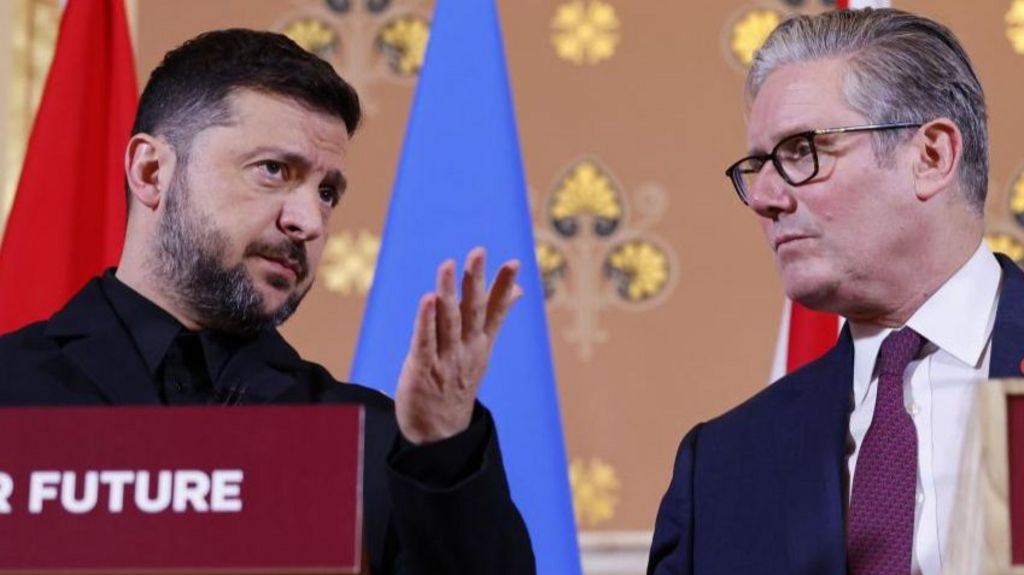
Ukraine allies pledge to take Russian oil and gas off global market
In a significant move to intensify pressure on Russia, more than 20 nations supporting Ukraine have vowed to remove Russian oil and gas from the global market. The decision was announced during a summit in London, hosted by UK Prime Minister Sir Keir Starmer, who emphasized the coalition’s commitment to ‘choke off funding for Russia’s war machine.’ The UK and US recently imposed sanctions on Russia’s two largest oil companies, while the EU targeted Moscow’s liquefied natural gas (LNG) exports. Ukrainian President Volodymyr Zelensky, present at the summit, reiterated that sustained pressure on Russia is essential to ending the conflict. However, the summit did not result in announcements regarding long-range missile deliveries to Ukraine, a key request from Kyiv. Zelensky has long advocated for advanced missile systems, such as US-made Tomahawks, to strike strategic Russian military targets, including oil refineries and weapons depots. However, US President Donald Trump recently indicated reluctance to supply such weapons. Russian President Vladimir Putin issued a stark warning, stating that any use of such weapons against Russian territory would provoke an ‘overwhelming’ response. The London summit concluded with a joint plan to support Ukraine, including targeting Russia’s sovereign assets to unlock billions for Ukraine’s defense. EU leaders also pledged financial support for Ukraine over the next two years but stopped short of agreeing to use €140 billion in frozen Russian assets. The coalition further committed to bolstering Ukraine’s air defenses amid relentless Russian air strikes on civilian and energy infrastructure. Despite these pledges, the lack of concrete measures left some observers disappointed. Ukrainian civilians, meanwhile, expressed concerns over daily hardships, including power outages and water shortages, exacerbated by Russian attacks. The summit underscored the international community’s resolve to support Ukraine but highlighted the challenges in achieving a decisive end to the war.
-
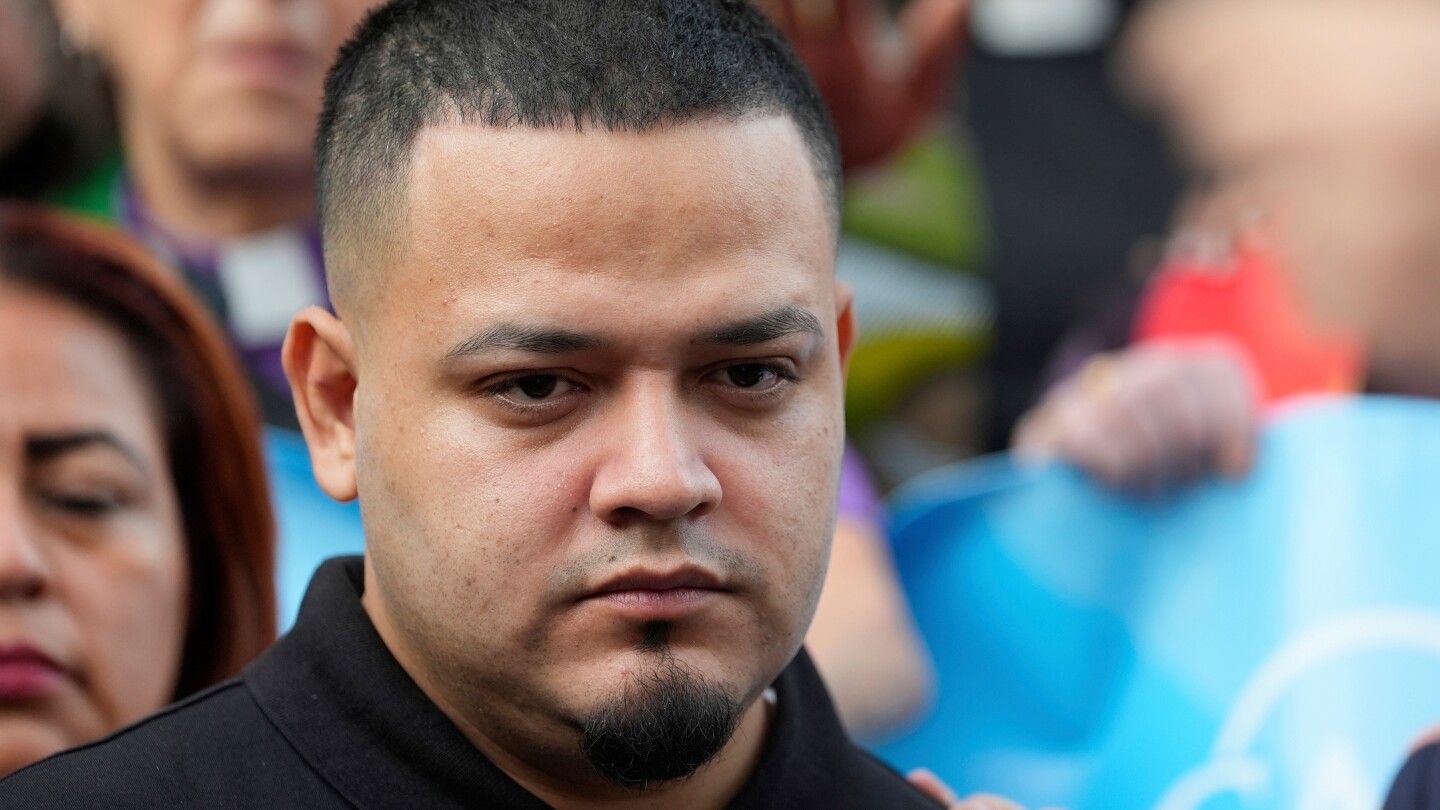
US says it now plans to deport Abrego Garcia to Liberia as soon as Oct. 31
The U.S. government is preparing to deport Kilmar Abrego Garcia, a Salvadoran national, to Liberia as early as October 31, according to a recent court filing. This decision follows a series of contentious legal battles surrounding his immigration status and deportation. Abrego Garcia’s case has drawn significant attention due to its implications for President Donald Trump’s immigration policies. He was mistakenly deported to El Salvador in violation of a settlement agreement, prompting the U.S. Supreme Court to mandate his return to the U.S. in June. Since then, Immigration and Customs Enforcement (ICE) has sought to deport him to various African countries, including Liberia. A federal judge in Maryland has temporarily blocked his immediate deportation, while Abrego Garcia’s lawsuit alleges that the Trump administration is using the deportation process to punish him for the earlier error. The Department of Homeland Security’s filing describes Liberia as a democratic partner with robust human rights protections, arguing it is a suitable destination. However, Abrego Garcia’s attorney, Simon Sandoval-Moshenberg, contends that the government’s actions are punitive and unconstitutional, especially given Costa Rica’s willingness to accept him as a refugee. Abrego Garcia, who has lived in Maryland for years with his American wife and child, faces criminal charges in Tennessee for human smuggling, which he denies, claiming the prosecution is vindictive.
-
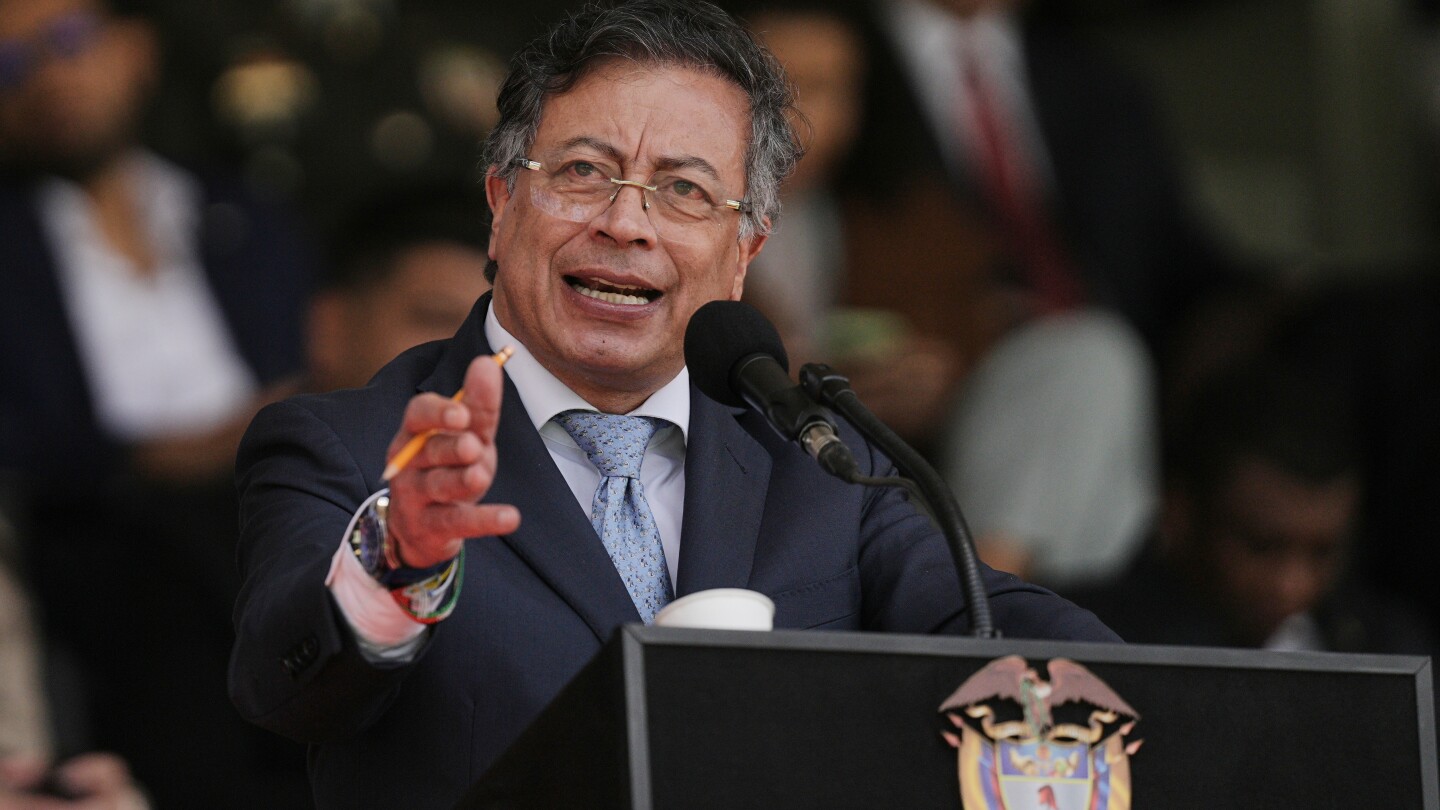
US imposes sanctions on Colombia’s president and family members over drug trade allegations
The Trump administration has imposed sanctions on Colombian President Gustavo Petro, his family, and a senior government official, accusing them of involvement in the global drug trade. This move marks a significant escalation in tensions between the U.S. and one of its closest allies in South America. The sanctions, announced by the Treasury Department, target Petro, his wife Veronica del Socorro Alcocer Garcia, his son Nicolas Fernando Petro Burgos, and Colombian Interior Minister Armando Alberto Benedetti. Treasury Secretary Scott Bessent stated that Petro has allowed drug cartels to thrive and failed to curb their activities, prompting President Trump to take decisive action to protect the U.S. from drug trafficking. The sanctions follow a series of clashes between the U.S. and Colombia, particularly over American military strikes on alleged drug-carrying vessels off South America. This week, the U.S. expanded its anti-drug operations to the eastern Pacific Ocean, a major cocaine smuggling route, and deployed an aircraft carrier to the region. Petro has vehemently denied the accusations, vowing to defend himself in U.S. courts and emphasizing his commitment to combating drug trafficking through alternative policies, such as agreements with coca growers to transition to legal crops. The U.S. has also slashed aid to Colombia, with expected cuts of at least 20%, or $18 million, and threatened tariffs on Colombian exports. Petro’s approach to drug policy, which focuses on addressing the root causes of drug production rather than repression, has drawn criticism from the Trump administration, which has intensified military operations in Latin America to target traffickers. The sanctions and aid cuts underscore the deepening rift between the two nations, with Petro accusing the U.S. of hypocrisy and vowing to resist pressure.
-
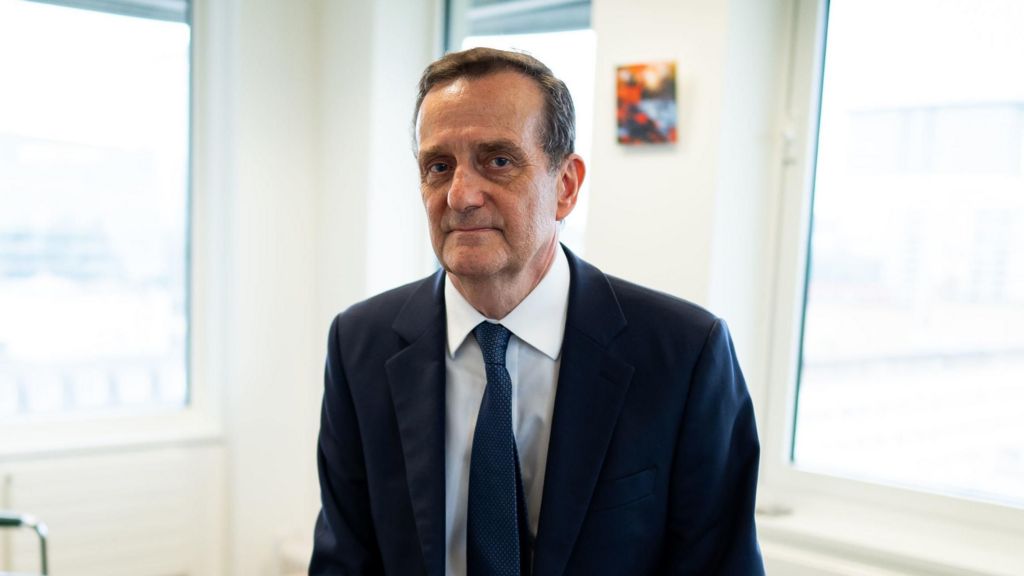
Chief prosecutor says top official would not call China an enemy
The high-profile espionage case involving allegations of spying for China has collapsed, with the Director of Public Prosecutions, Stephen Parkinson, attributing the failure to the Deputy National Security Adviser’s refusal to classify China as an ‘enemy’ during the relevant period. In a detailed letter to MPs, Parkinson explained that Matt Collins, the Deputy National Security Adviser, could not confirm that China posed an active threat to UK national security between 2021 and 2023, a stance that proved ‘fatal to the case.’ This revelation comes ahead of Parkinson’s appearance before a parliamentary committee next week, where government witnesses are expected to scrutinize his written evidence. The case involved Christopher Cash and Christopher Berry, who were charged under the Official Secrets Act 1911 in April 2024 for allegedly passing information to a Chinese intelligence agent. However, the charges were dropped in September 2024 after the Crown Prosecution Service (CPS) withdrew its case, citing insufficient evidence. Parkinson’s letter outlines the legal complexities, emphasizing that prosecutors needed to prove to a jury that China was considered an ‘enemy’ during the alleged offenses. This requirement became insurmountable after Collins declined to provide the necessary factual evidence, stating that such a classification did not align with the former Conservative government’s policy. The case’s collapse has sparked a political blame game, with attention now focused on the role of officials in national security decisions. The CPS’s inability to secure critical evidence from Collins ultimately led to the case’s unraveling, raising questions about the UK’s approach to handling espionage allegations involving foreign powers.
-
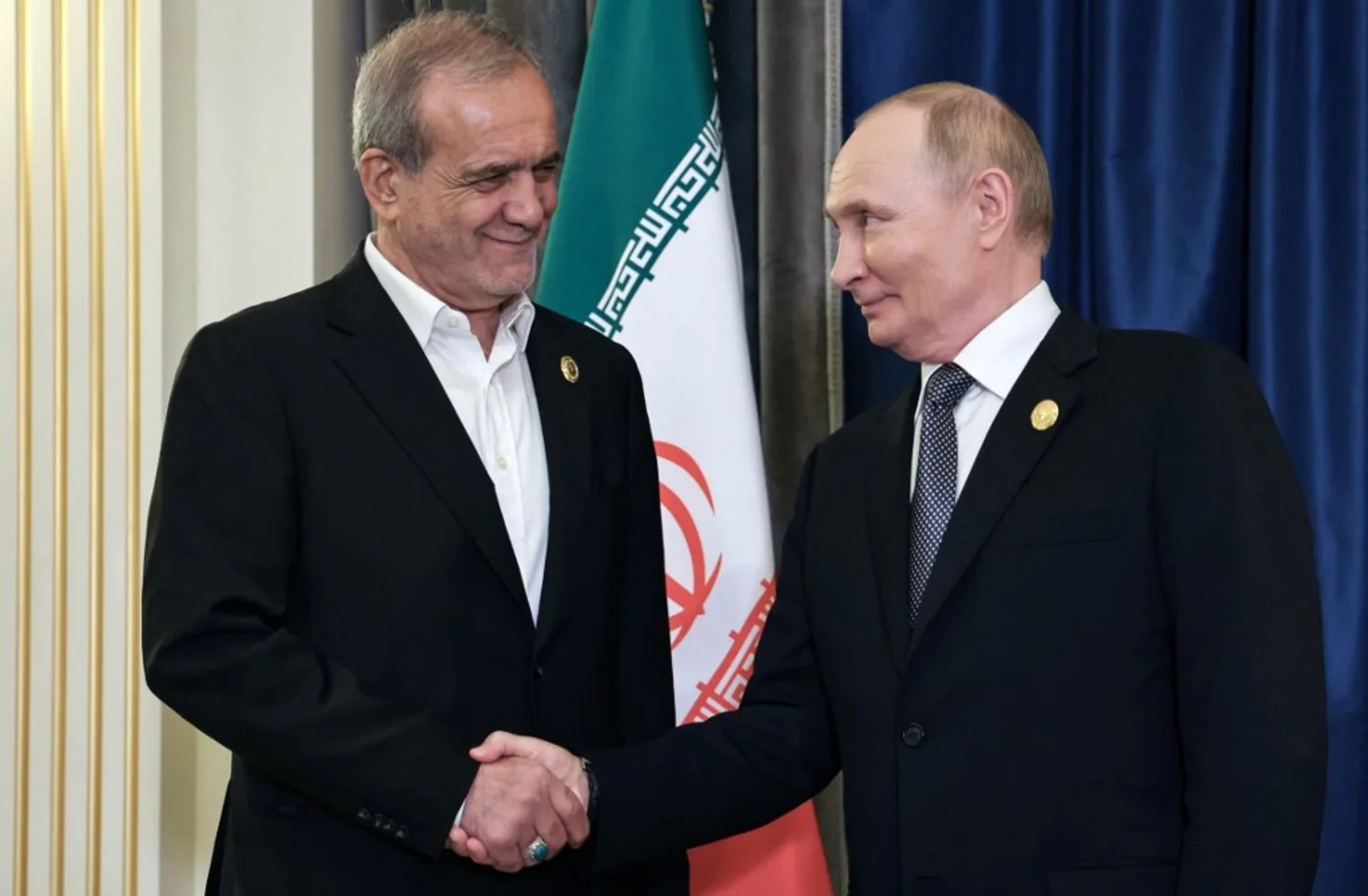
Iranian press review: Moscow moves to restore Tehran-Damascus ties
Recent diplomatic engagements between senior Iranian and Russian officials have sparked speculation about Moscow’s strategic intentions in the Middle East. Alexander Lavrentiev, Russian President Vladimir Putin’s special envoy to Syria, arrived in Tehran on Monday for high-level meetings with Iran’s foreign ministry and Supreme National Security Council. This visit follows Syrian President Ahmed al-Sharaa’s talks with Putin in Moscow just a week earlier, signaling Russia’s active role in reshaping regional dynamics. According to the Sharq daily, Moscow aims to restore strained relations between Tehran and Damascus, which have been tense since the fall of Bashar al-Assad, who now resides in exile in Russia. Russia’s mediation efforts reportedly focus on two key areas: the restoration of diplomatic ties and the future of economic cooperation between Iran and Syria. Meanwhile, Asr-e Iran reported that Moscow seeks to balance its bilateral relations with Iran while leveraging its influence in Syria to promote regional stability. However, some Iranian analysts have criticized Tehran’s growing reliance on Moscow, arguing that Russia’s pragmatic approach could undermine Iran’s interests. Abbas Abdi, a prominent political analyst, warned that Moscow would prioritize its own agenda over loyalty to Tehran. Amid these developments, Iran faces internal challenges, including a surge in executions and protests by death row inmates at Qezel Hesar Prison, who staged a hunger strike to demand an end to state killings. The strike, which lasted six days, was temporarily suspended after judicial officials pledged to halt executions. On the nuclear front, Mahmoud Reza Aghamiri, a key figure in Iran’s nuclear program, dismissed claims by U.S. President Donald Trump that the Fordow facility was destroyed during Israel’s recent attacks. Aghamiri asserted that Iran retains the technical expertise to rebuild its nuclear infrastructure and even produce a nuclear weapon if necessary. As Iran navigates these complex challenges, its deepening ties with Russia continue to fuel debates about Moscow’s role as a mediator or potential trap in shaping Tehran’s future.
-
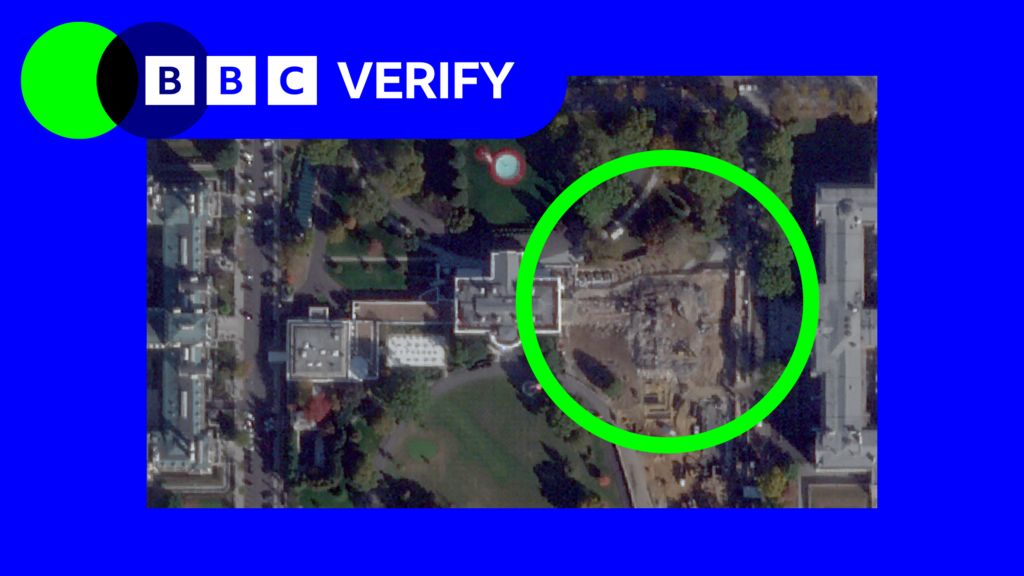
Satellite images shows extent of demolition at the White House
Recent high-resolution satellite images have unveiled the full-scale demolition of the White House East Wing, a historic section of the presidential residence. This significant structural overhaul is part of an ambitious renovation project aimed at constructing a grand ballroom for former President Donald Trump. The images, captured by advanced satellite technology, depict the site cleared of all previous structures, marking a pivotal moment in the ongoing transformation of the White House grounds. The decision to demolish the East Wing has sparked widespread debate, with critics questioning the preservation of historical architecture, while supporters argue it reflects modern presidential needs. The project underscores the intersection of political legacy and architectural evolution in one of the world’s most iconic buildings.