分类: politics

  • Japan seeks ‘stable’ ties with China, PM says

    Japan seeks ‘stable’ ties with China, PM says

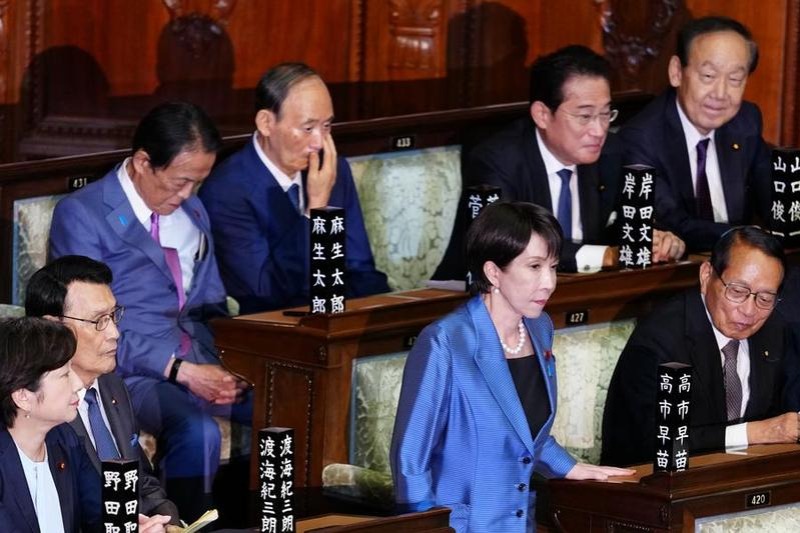
    Japanese Prime Minister Sanae Takaichi, in her inaugural policy address to parliament, underscored the importance of fostering ‘constructive and stable’ relations with China while reaffirming Japan’s alliance with the United States. Takaichi emphasized that China remains an ‘important neighbor,’ advocating for a ‘strategic and mutually beneficial’ relationship. She also highlighted the need for dialogue to address bilateral differences, a sentiment echoed by Japan’s new Foreign Minister, Toshimitsu Motegi, during his first press conference.

    However, Takaichi made it clear that the US alliance remains the ‘cornerstone’ of Japan’s diplomatic and security policies. She announced plans to strengthen multilateral security ties with the US, South Korea, and the Quad alliance, which includes Australia and India. As part of her strategy, Japan’s defense spending will increase to 2% of GDP in the current fiscal year, up from the initial 1.8%. Additionally, Takaichi pledged to revise Japan’s key national security documents by the end of 2026 to enhance defense capabilities in response to evolving security challenges.

    Kumiko Haba, a professor at Josai International University, noted that Takaichi’s administration appears to adopt a tougher stance compared to her predecessor, Shinzo Abe, moving away from a realist approach that prioritized cooperation with China and Russia when beneficial. This shift comes as Takaichi faces her first major diplomatic challenge with US President Donald Trump’s upcoming visit to Japan. Political science professor Hiroshi Shiratori warned that neglecting Japan-China relations could trigger a chain reaction in East Asia, emphasizing that international relations should not revolve solely around the US.

    On the domestic front, Takaichi prioritized addressing rising living costs and announced plans to abolish the temporary gasoline tax and scrap a previously planned cash handout. These measures aim to stabilize the economy and regain public trust following the ruling coalition’s recent electoral losses. Noriyuki Kawamura, an emeritus professor at Nagoya University of Foreign Studies, stressed that the new government must focus on public concerns to ensure political stability, which is essential for implementing strong economic and security policies.
  • Indonesia, Brazil and S. Africa commit to multilateralism

    Indonesia, Brazil and S. Africa commit to multilateralism

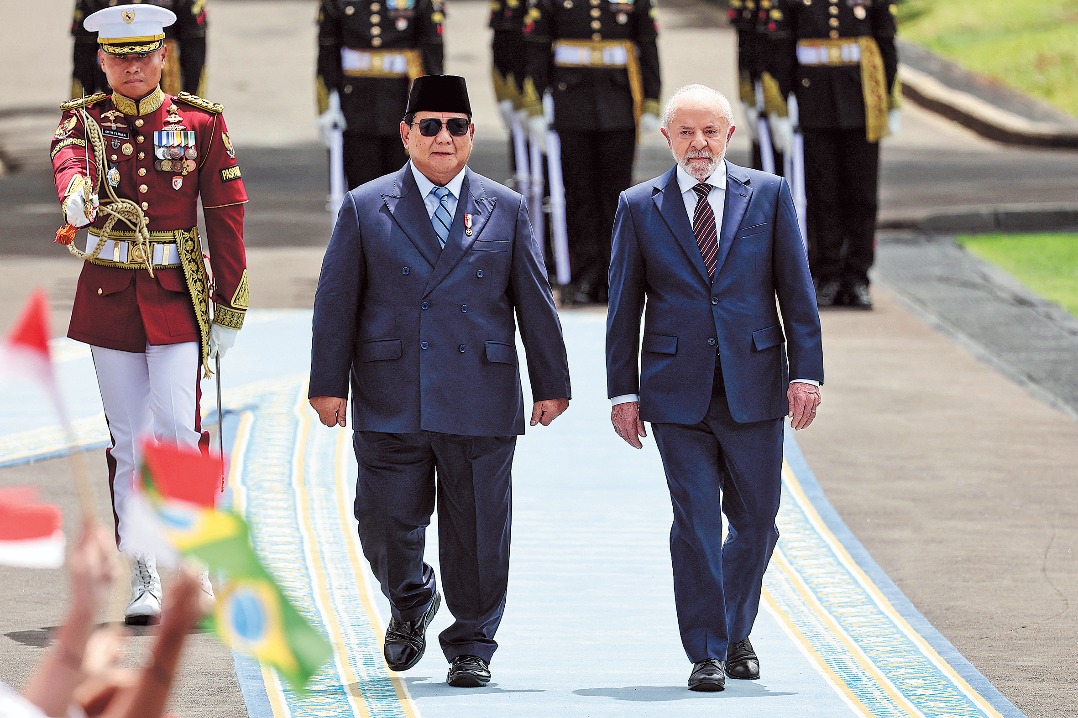
    In a significant display of unity and shared vision, the leaders of Indonesia, Brazil, and South Africa have reaffirmed their commitment to bolstering a multilateral system that prioritizes peaceful conflict resolution through dialogue. Indonesian President Prabowo Subianto, Brazilian President Luiz Inacio Lula da Silva, and South African President Cyril Ramaphosa held separate bilateral meetings in Jakarta this week, emphasizing the importance of collaboration within frameworks such as BRICS, the Global South, and the G20. Lula, currently chairing BRICS for 2025, visited Indonesia from Wednesday to Friday, while Ramaphosa arrived on Wednesday for a two-day visit. The discussions underscored the relevance of South-South cooperation, rooted in mutual respect and dialogue, as well as the need to strengthen multilateral platforms. Prabowo highlighted Indonesia and Brazil’s shared stance as emerging economic powers, while Lula met with ASEAN Secretary General Kao Kim Hourn to explore cooperation in sustainable development, trade, and investment. Ramaphosa, in a joint press statement with Prabowo, stressed the importance of enhancing the multilateral system to address global challenges. Observers noted that these visits would significantly strengthen BRICS, which has emerged as a vital platform offering an alternative to Western-dominated international structures. Experts emphasized that BRICS complements existing multilateral organizations, providing new opportunities for member nations like Indonesia to leverage their participation across various groups.

  • Israel faces pushback on West Bank

    Israel faces pushback on West Bank

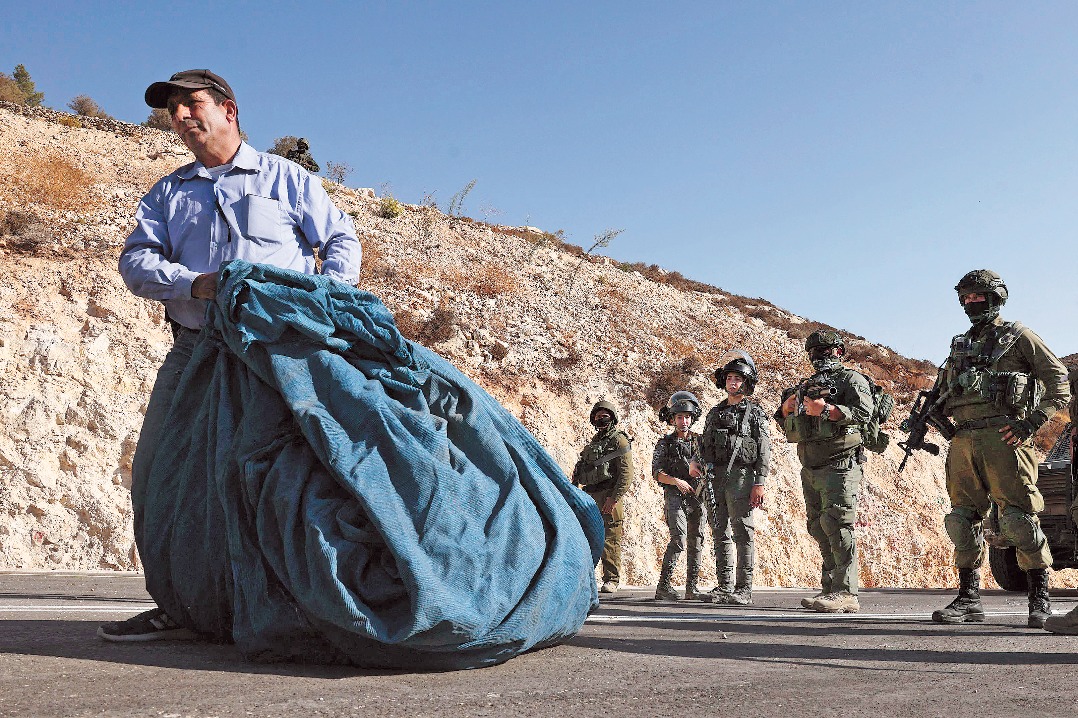
    Israel’s controversial push to annex the occupied West Bank has encountered significant resistance, particularly from its closest ally, the United States. President Donald Trump issued a stern warning, stating that Israel would lose all US support if it proceeded with the annexation. This rare red line was drawn during an interview with Time magazine on October 15, though it was only made public on Thursday. Trump emphasized that he had given his word to Arab countries that the annexation would not occur, reinforcing his administration’s stance against such a move. The warning came shortly after the implementation of the Gaza truce plan, which Trump had championed. US Vice-President JD Vance, who was in Israel at the time, echoed Trump’s sentiments, criticizing the Israeli parliament’s advancement of two bills that could pave the way for annexation. Vance described the move as a ‘political stunt’ and reaffirmed the US policy that the West Bank would not be annexed. The international community also condemned Israel’s actions, with over a dozen countries, including Saudi Arabia, Indonesia, Qatar, Jordan, and Turkiye, issuing a joint statement through Saudi state media. They argued that the annexation would violate international law and UN Security Council Resolution 2334, which opposes changes to the demographic and legal status of the occupied Palestinian territories. Despite the backlash, observers note that de facto annexation is ongoing, with over 700,000 Israelis residing in illegal settlements in the West Bank and East Jerusalem. The US remains Israel’s primary military and diplomatic supporter, having provided billions in aid during the Gaza conflict. Israeli Prime Minister Benjamin Netanyahu’s Likud party boycotted the parliamentary votes, though members of his coalition support annexation. US Secretary of State Marco Rubio is scheduled to meet with Netanyahu to discuss the implementation of Trump’s Gaza peace plan, which could be jeopardized by the annexation efforts. Meanwhile, Hamas and Fatah delegations convened in Cairo to discuss the next phase of the US-backed ceasefire plan.

  • Oct 25 named as Taiwan restoration day

    Oct 25 named as Taiwan restoration day

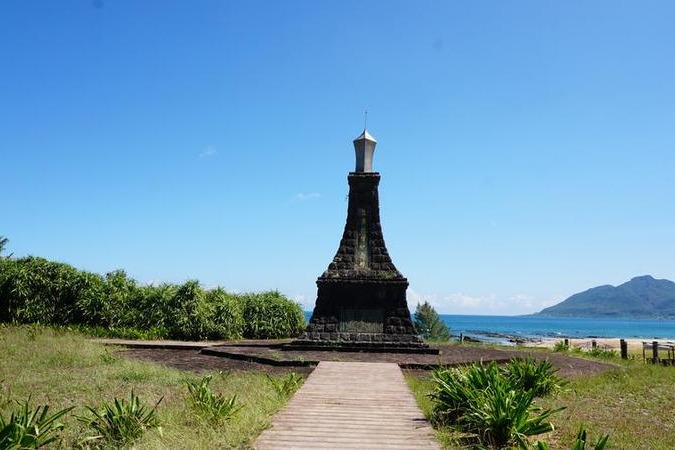
    In a landmark decision, China’s National People’s Congress (NPC) has officially designated October 25 as the Commemoration Day of Taiwan’s Restoration. The announcement was made during the five-day session of the Standing Committee of the 14th NPC, which commenced on Friday in Beijing. This day will now be marked with various commemorative activities to honor the historic event of Taiwan’s return to Chinese sovereignty in 1945. The decision underscores the significance of Taiwan’s restoration as a pivotal moment in the Chinese People’s War of Resistance Against Japanese Aggression (1931-45) and the World Anti-Fascist War. It also reaffirms Taiwan’s status as an inseparable part of China, both historically and legally. Shen Chunyao, director of the NPC Standing Committee’s Legislative Affairs Commission, highlighted that the surrender ceremony of Japan in the Taiwan Province of the China war theater of the Allied powers on October 25, 1945, marked the return of Taiwan and the Penghu Islands to China’s jurisdiction. The establishment of this commemoration day reflects the collective aspirations of all Chinese people, including those in Taiwan, and aims to strengthen the shared national memory and uphold the one-China principle. Chen Binhua, spokesman for the State Council Taiwan Affairs Office, emphasized that the decision aligns with the Constitution and serves to safeguard the achievements of the World Anti-Fascist War and the post-war international order.

  • Ivory Coast’s Ouattara seeks fourth term as allegations of opposition clampdown rise

    Ivory Coast’s Ouattara seeks fourth term as allegations of opposition clampdown rise

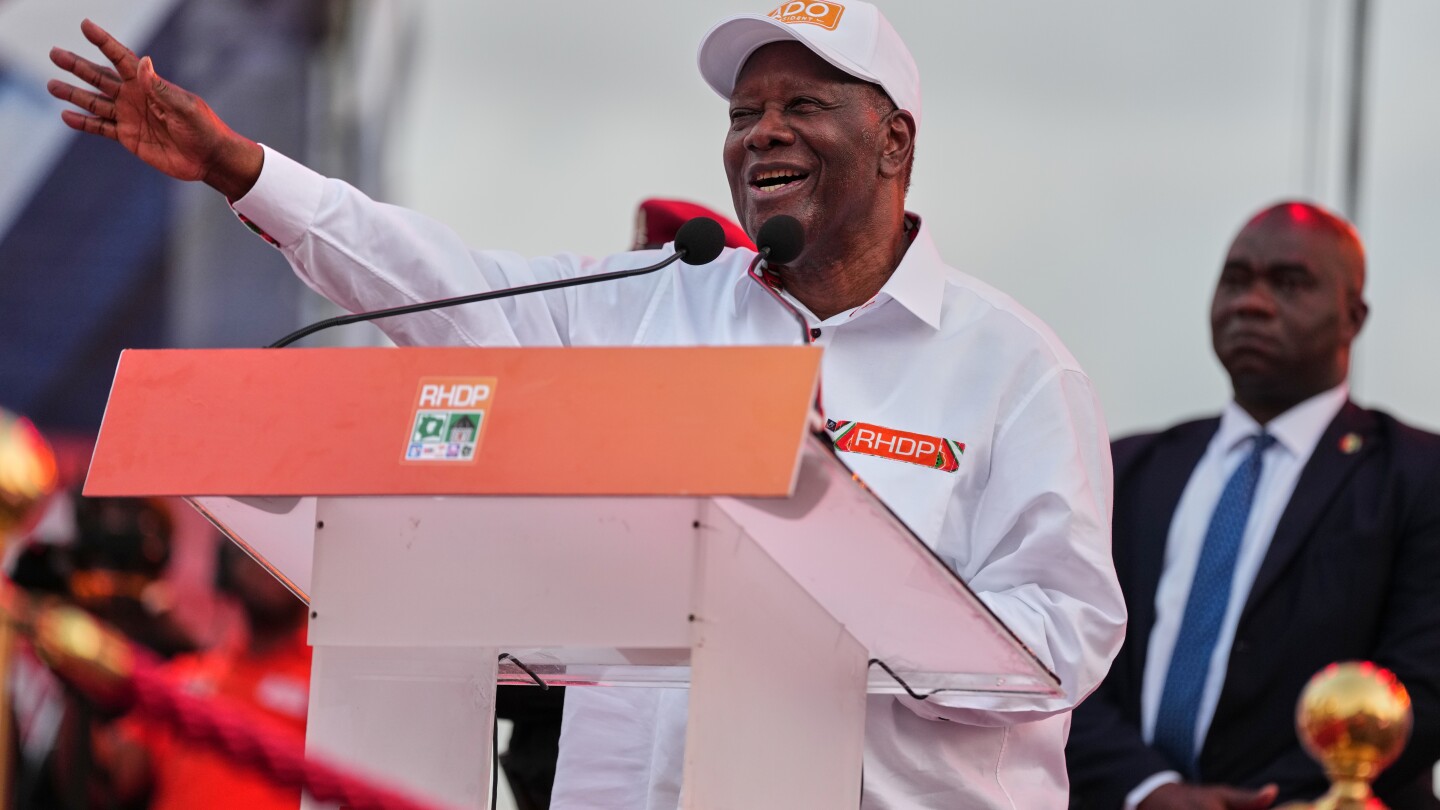
    Ivory Coast is set to hold a pivotal presidential election on Saturday, with incumbent President Alassane Ouattara vying for a fourth term amidst significant political tension. The election, scheduled to run from 0800 to 1800 GMT, will see 8.7 million registered voters cast their ballots. However, the process has been overshadowed by the exclusion of key opposition figures, sparking widespread protests and raising concerns about the fairness of the electoral process. Ouattara, 83, who has led the world’s largest cocoa producer since 2011, is widely expected to retain power, extending his rule to nearly two decades. His party, the Rally of Houphouetistes for Democracy and Peace (RHDP), already holds a majority in parliament, further consolidating his position. Despite overseeing economic growth averaging 6% annually, challenges such as poverty, which affects 37.5% of the population, and youth unemployment persist. The election has also drawn attention to the broader trend of aging leaders in Africa, with figures like Cameroon’s Paul Biya, 92, and Uganda’s Yoweri Museveni, 81, continuing to dominate the political landscape. The build-up to the vote has been marked by unrest, with hundreds arrested during protests against the disqualification of prominent candidates like Tidjane Thiam and Laurent Gbagbo. The government has deployed over 40,000 security personnel to maintain order, but fears of electoral violence reminiscent of past crises remain. Ouattara has denied allegations of suppressing opposition and has emphasized his achievements in infrastructure and public sector investment. The international community, including former colonial ruler France, has largely remained silent, focusing on other priorities. With four other candidates, including former first lady Simone Gbagbo and ex-commerce minister Jean-Louis Billion, in the race, analysts predict a decisive victory for Ouattara, who has pledged to continue driving economic growth.

  • Europe fights to avoid being sidelined by Trump’s world-shaping plans

    Europe fights to avoid being sidelined by Trump’s world-shaping plans

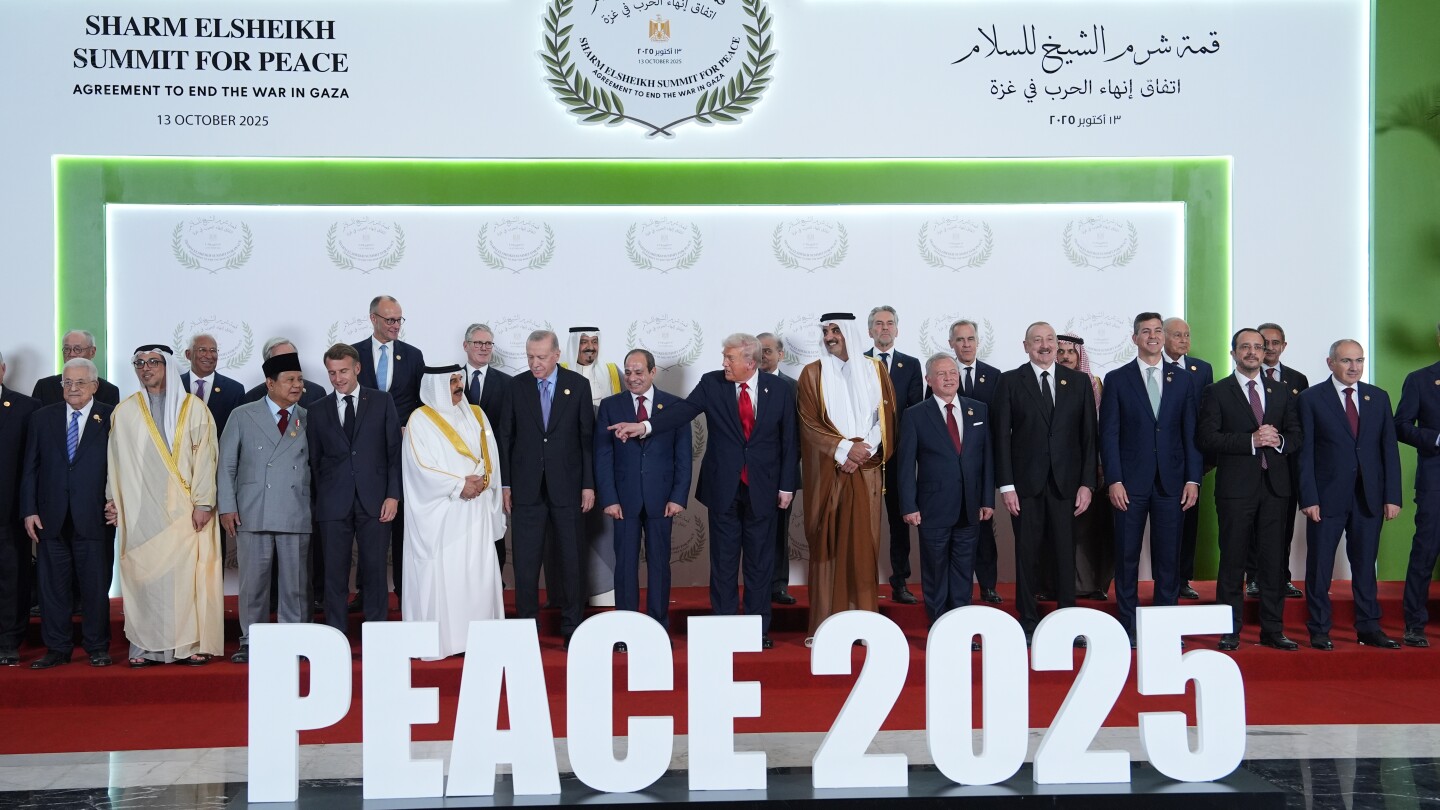
    In a striking display of U.S. diplomatic dominance, President Donald Trump recently took center stage in Egypt to announce a U.S.-brokered ceasefire between Israel and Hamas. The scene, with world leaders standing behind him, underscored Europe’s waning influence in global diplomacy. Trump’s ‘America First’ approach has effectively sidelined European allies, leaving them struggling to shape his policies on critical issues like the Ukraine war and the Gaza conflict. Geopolitical expert Lindsay Newman noted that Trump’s foreign policy is largely defined by his personal agenda, leaving little room for European input. Despite mixed results, European leaders have attempted to influence Trump’s stance on Ukraine, with limited success. Trump’s recent sanctions on Russia’s oil and gas industry, while significant, appeared more motivated by frustration with Russian President Vladimir Putin than by European lobbying. Meanwhile, Europe’s role in the Israel-Hamas ceasefire has been minimal, with Trump focusing on Middle Eastern allies like Egypt and Qatar. The ceasefire has temporarily muted European criticism of Israel, offering a brief respite in U.S.-Europe tensions. While Europe has made some progress in forging a unified stance toward Trump, its influence remains limited. However, Trump’s threats to NATO and global tariffs have spurred European nations to increase military spending and strengthen intra-European ties. Kathleen Burk, a historian, suggested that Europe’s unity could still sway Trump, who may recognize the value of allies over adversaries.

  • Palestinian factions start ‘national dialogue’, US appoints diplomat to monitor ceasefire

    Palestinian factions start ‘national dialogue’, US appoints diplomat to monitor ceasefire

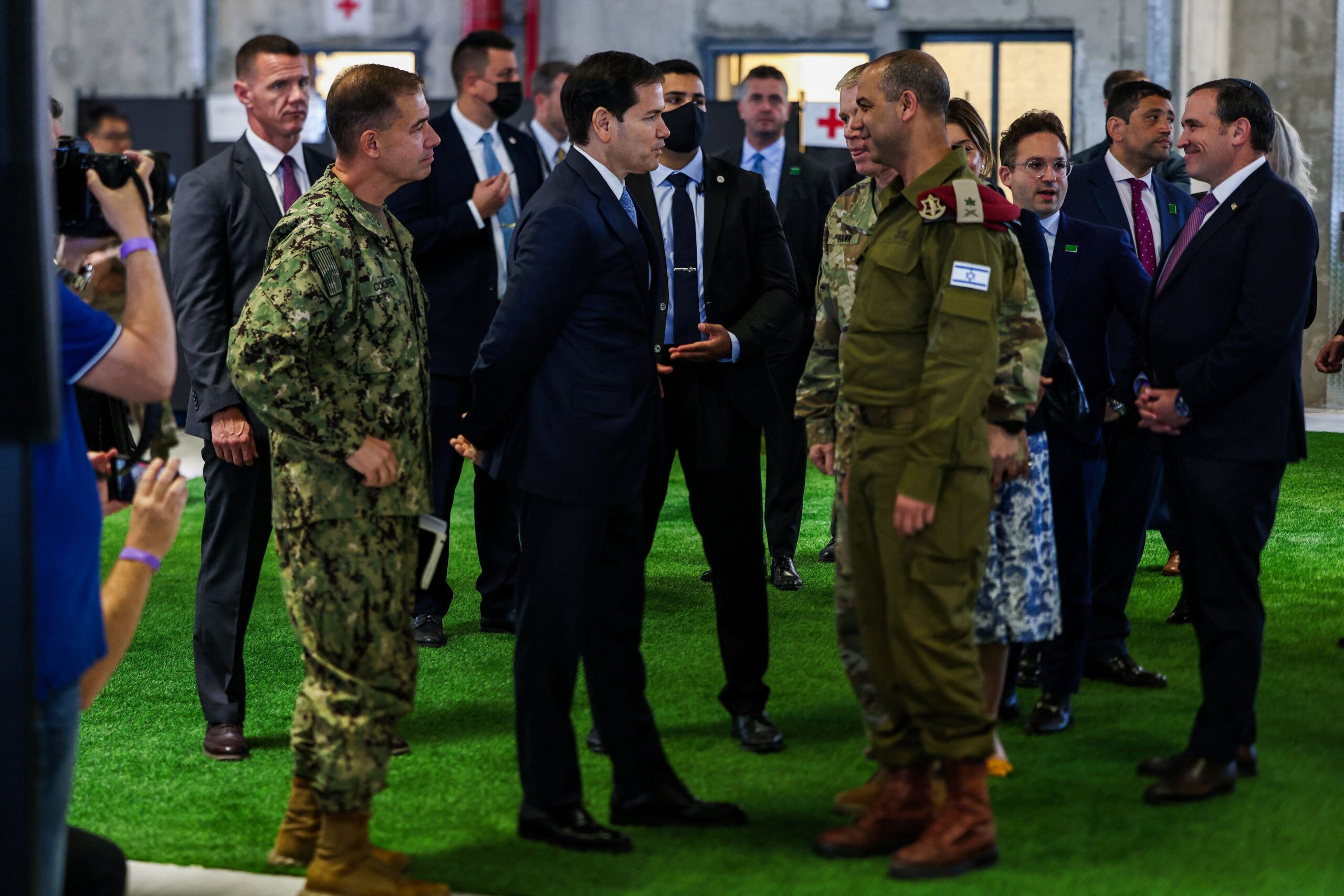
    In a significant development, Palestinian factions convened in Cairo on Friday to initiate a ‘national dialogue’ aimed at addressing the governance and future of Gaza as part of a broader Palestinian state. A joint statement issued after the meeting highlighted the factions’ commitment to unifying their visions and positions to confront the challenges facing the Palestinian cause. The factions also called for an urgent meeting of all Palestinian forces and factions to agree on a national strategy and to reactivate the Palestine Liberation Organization (PLO), recognized as the sole legitimate representative of the Palestinian people. While Hamas was present at the meeting, the participation of other factions remains unclear. The statement emphasized the need for a unified national position, rejecting all forms of annexation and displacement in Gaza, the West Bank, and Jerusalem. Additionally, the factions urged an end to torture and violations against prisoners in Israeli prisons and called for measures to ensure security and stability in Gaza. Notably, the factions agreed to form a temporary committee of independent Palestinian technocrats from Gaza to manage daily life and provide basic services, signaling a willingness to cede power to this group. However, the issue of disarmament, a contentious demand from the US and Israel, was not addressed. Instead, the factions proposed a UN force to monitor the ceasefire. The meeting comes as 157 out of 193 UN member states recognize Palestine, including most G7 nations. Interestingly, recent polling in the US shows that 41% of Republican voters and a majority of Democrats support Palestinian statehood, marking a shift in public opinion. The Trump administration, historically critical of the UN, has appointed Ambassador Steven Fagin to lead the Civil-Military Coordination Center in southern Israel, tasked with monitoring the Gaza ceasefire. Secretary of State Marco Rubio, who toured the facility on Friday, expressed cautious optimism about the progress of the Trump administration’s 20-point peace plan for Gaza.

  • Trump’s Asia return and East Timor’s entry take spotlight in landmark ASEAN summit

    Trump’s Asia return and East Timor’s entry take spotlight in landmark ASEAN summit

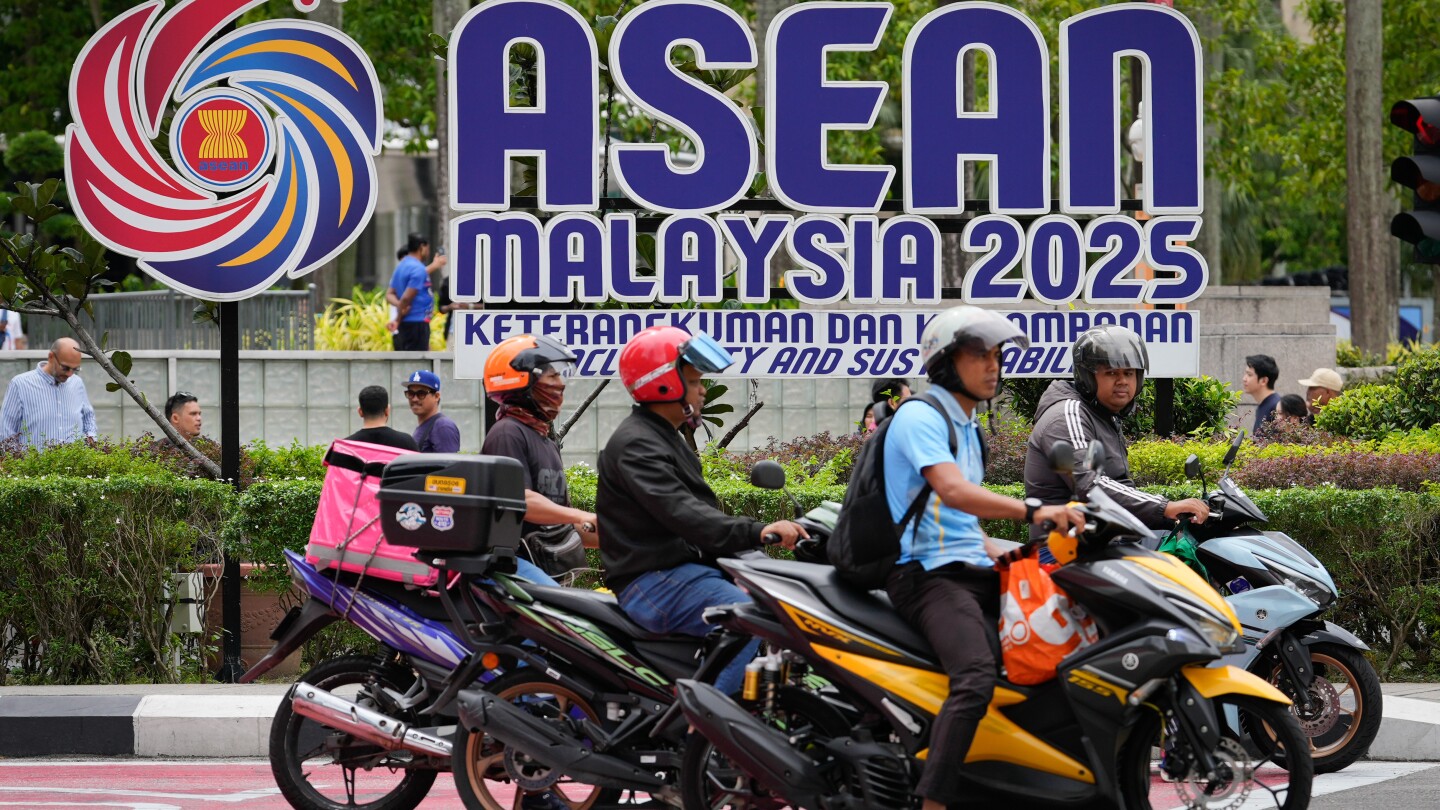
    The 2023 ASEAN Summit in Kuala Lumpur, Malaysia, has commenced with significant developments on multiple fronts. The event marks the formal inclusion of East Timor as the 11th member of the Association of Southeast Asian Nations (ASEAN), the first expansion in 26 years. This milestone underscores ASEAN’s commitment to regional inclusivity, offering East Timor access to free trade agreements, investment opportunities, and a broader market to diversify its oil-dependent economy.

    The summit also highlights the return of U.S. President Donald Trump to Asia for the first time since his re-election. Trump’s presence signals renewed U.S. engagement in the Indo-Pacific region, with expectations of new trade deals and his involvement in brokering an expanded ceasefire between Thailand and Cambodia. However, his visit has sparked protests in Kuala Lumpur, particularly over his administration’s stance on the Palestinian issue, despite Malaysia’s acknowledgment of his role in facilitating a Gaza ceasefire.

    Regional security and economic resilience dominate the agenda, with discussions on the South China Sea disputes, Myanmar’s civil war, and the proliferation of cross-border scam networks. ASEAN is set to sign an upgraded free trade pact with China and continue negotiations on a code of conduct for the contested waterway. Meanwhile, Myanmar’s military government, barred from summits since the 2021 coup, faces scrutiny over its planned elections in December, which critics deem neither free nor fair.

    The summit also features the revival of the Regional Comprehensive Economic Partnership (RCEP), the world’s largest trade bloc, as regional economies seek stability amid U.S. tariff measures and shifting global trade patterns. Leaders from China, Japan, India, Australia, and other key partners are attending, alongside Brazilian President Luiz Inácio Lula da Silva and South African President Cyril Ramaphosa, reflecting ASEAN’s efforts to deepen ties with Africa and Latin America.

  • Trump pushes for Sudan truce in Washington and gets Sisi to lean on Burhan

    Trump pushes for Sudan truce in Washington and gets Sisi to lean on Burhan

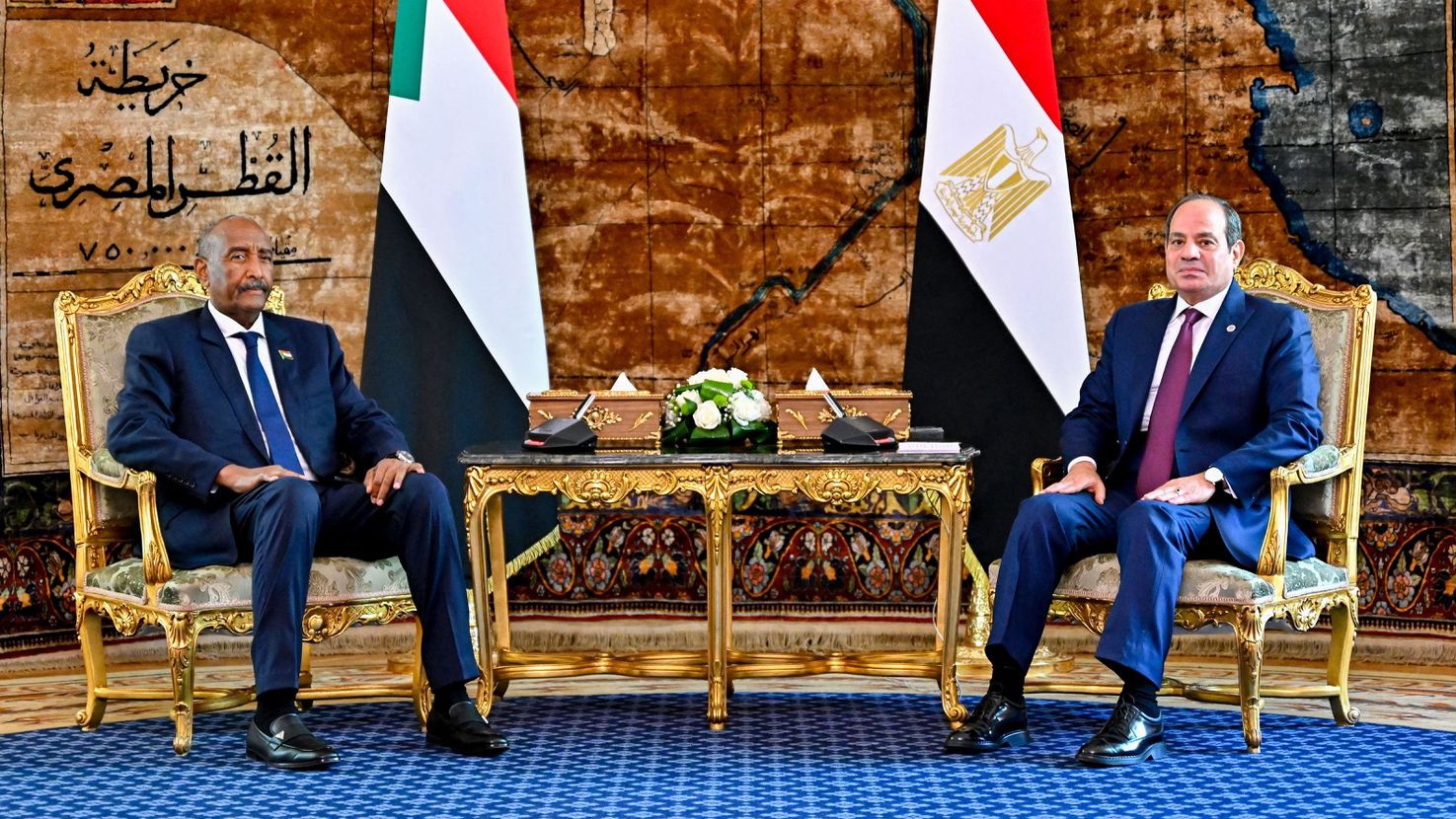
    In a significant diplomatic development, Egyptian President Abdel Fattah el-Sisi hosted Sudan’s army chief, Abdel Fattah al-Burhan, in Cairo last week. While the meeting appeared to be a routine diplomatic exchange, it underscored a renewed and serious US-backed effort to address the ongoing Sudanese conflict. This initiative has already yielded preliminary results, with representatives from both Burhan’s government and the paramilitary Rapid Support Forces (RSF) engaging in indirect talks in Washington. The discussions, facilitated by the US, aim to broker a ceasefire and pave the way for a lasting resolution to the civil war that has devastated Sudan since April 2023. The conflict, which erupted over tensions regarding the integration of the RSF into the regular military, has resulted in tens of thousands of deaths and displaced over 13 million people. US President Donald Trump has personally tasked President Sisi with mediating the crisis, emphasizing the humanitarian catastrophe and the broader regional instability it threatens. The talks, which include key regional players such as Egypt, Saudi Arabia, and the UAE, are part of a broader strategy to restore stability to the Horn of Africa. However, challenges remain, including deep-seated mistrust between the warring factions and competing regional interests that could complicate the peace process. Despite these hurdles, there is cautious optimism that a breakthrough may be imminent, with the US and its allies leveraging their influence to push for a resolution.

  • US imposes sanctions on left-wing Colombian President Petro

    US imposes sanctions on left-wing Colombian President Petro

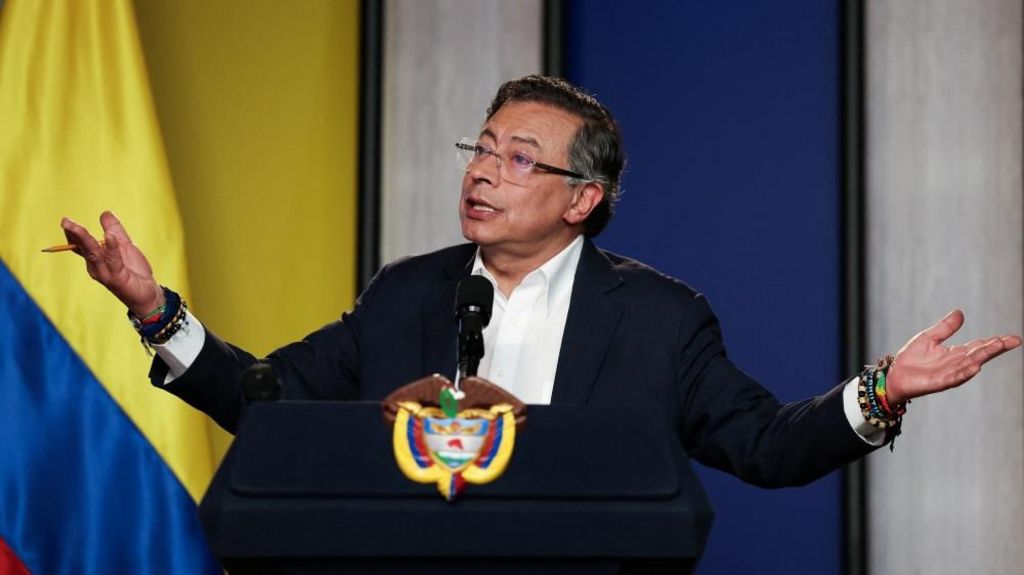
    In a significant diplomatic escalation, the United States has imposed sanctions on Colombia’s left-wing President Gustavo Petro, accusing him of failing to combat drug trafficking effectively. US Treasury Secretary Scott Bessent stated that Petro has allowed drug cartels to thrive, leading to a surge in cocaine production that has ‘flooded the United States and poisoned Americans.’ Sanctions have also been levied against Colombia’s Interior Minister Armando Benedetti, Petro’s wife, and eldest son, freezing their US-based assets and properties. This move marks a sharp deterioration in relations between the two nations, which were once close allies in the war on drugs. Colombia previously received substantial military aid from the US, but tensions have escalated since former President Donald Trump returned to power. Petro, a former guerrilla leader, has vehemently denied the allegations, asserting on social media platform X that he has fought drug trafficking ‘for decades’ and aided the US in reducing cocaine consumption. He condemned the sanctions as a ‘complete paradox’ and vowed to stand firm. The US has also intensified military operations in the southern Caribbean, targeting vessels allegedly involved in drug trafficking, though evidence remains unsubstantiated. Trump recently suspended payments and subsidies to Colombia, further straining ties. Petro has criticized US airstrikes in the Caribbean as ‘acts of tyranny,’ accusing Washington of violating Colombian sovereignty. While sanctioning a head of state is rare, it is not unprecedented, with leaders from Russia, North Korea, and Venezuela previously facing similar measures.