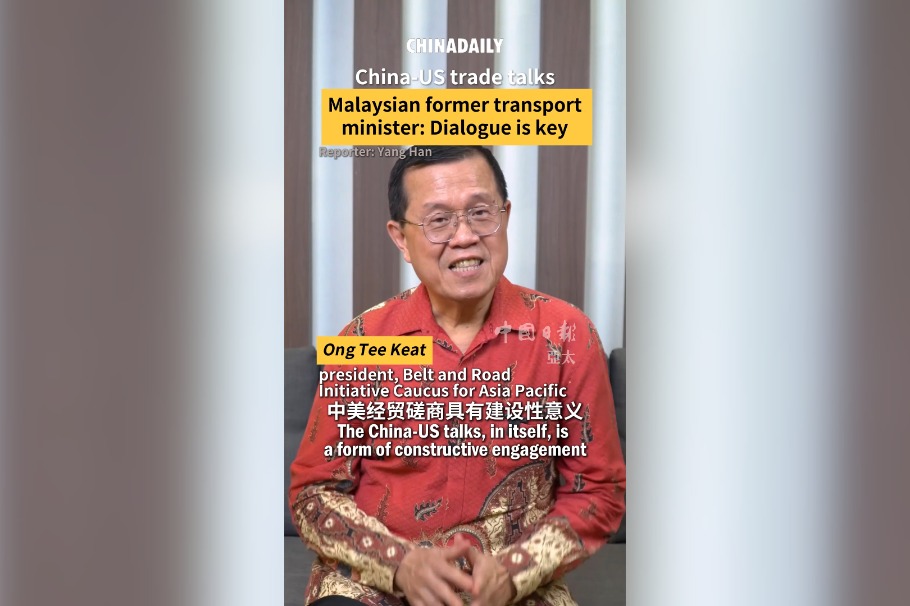
The ongoing China-US trade talks in Kuala Lumpur are being closely watched, but their success hinges not on achieving major breakthroughs but on restoring effective communication between the two economic giants, according to Ong Tee Keat, president of the Belt and Road Initiative Caucus for the Asia-Pacific and former Malaysian transport minister. Ong emphasized that Malaysia’s role as the host underscores the potential of Global South nations to act as mediators in high-stakes international diplomacy, rather than merely passive participants. He highlighted the importance of dialogue in resolving tensions and fostering cooperation between the world’s largest economies. The talks, held in Kuala Lumpur, symbolize Malaysia’s growing influence in global affairs and its ability to facilitate constructive engagement between major powers. Ong’s insights reflect a broader shift in international relations, where emerging economies are increasingly playing pivotal roles in shaping global dynamics.
分类: politics
-
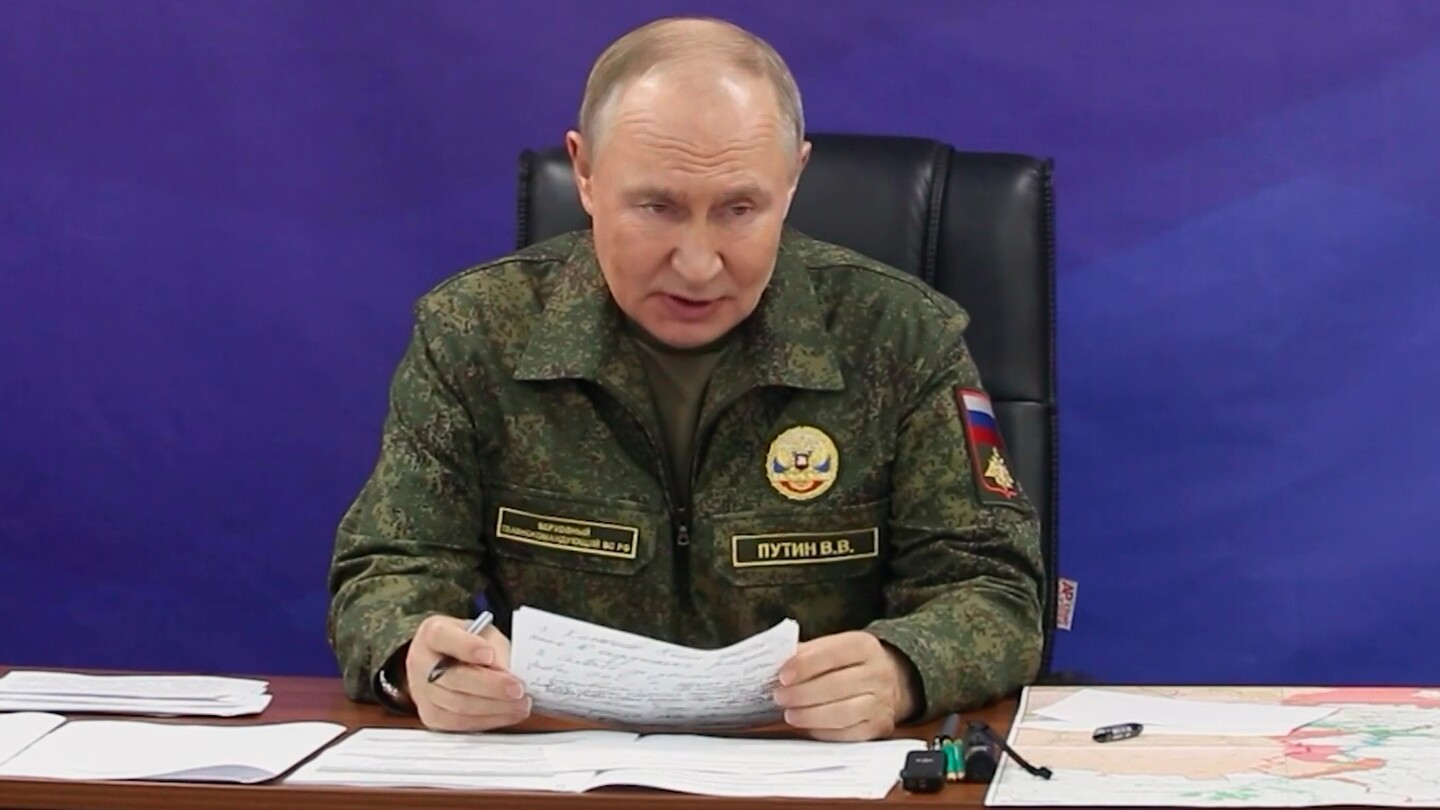
Russia has tested a new nuclear-capable missile, Putin and top general say
MOSCOW, Russia — In a significant development for Russia’s military capabilities, President Vladimir Putin announced the successful testing of a new nuclear-capable cruise missile, the Burevestnik, which is designed to evade existing defense systems. The announcement was made during a meeting with senior military officials, as shown in a Kremlin-released video on Sunday. Dressed in camouflage fatigues, Putin was briefed by General Valery Gerasimov, Russia’s Chief of General Staff, who revealed that the missile had traveled 14,000 kilometers (8,700 miles) during a critical test on Tuesday. The Burevestnik, also known as the Storm Petrel, remained airborne for 15 hours, with Gerasimov noting that this was not its maximum capability. Putin emphasized the need to finalize the missile’s testing and prepare the necessary infrastructure for its deployment, asserting that its nearly unlimited range and unpredictable flight path render it invulnerable to current and future missile defenses. The announcement coincided with Russia’s strategic nuclear forces conducting drills on Wednesday, which included practice launches of intercontinental ballistic missiles from northwestern Russia and a submarine in the Barents Sea, as well as long-range cruise missile firings by Tu-95 strategic bombers. The Kremlin stated that the exercises aimed to evaluate the proficiency of military command structures.
-
Trump says he will solve Afghanistan-Pakistan crisis ‘very quickly’ as peace talks enter second day
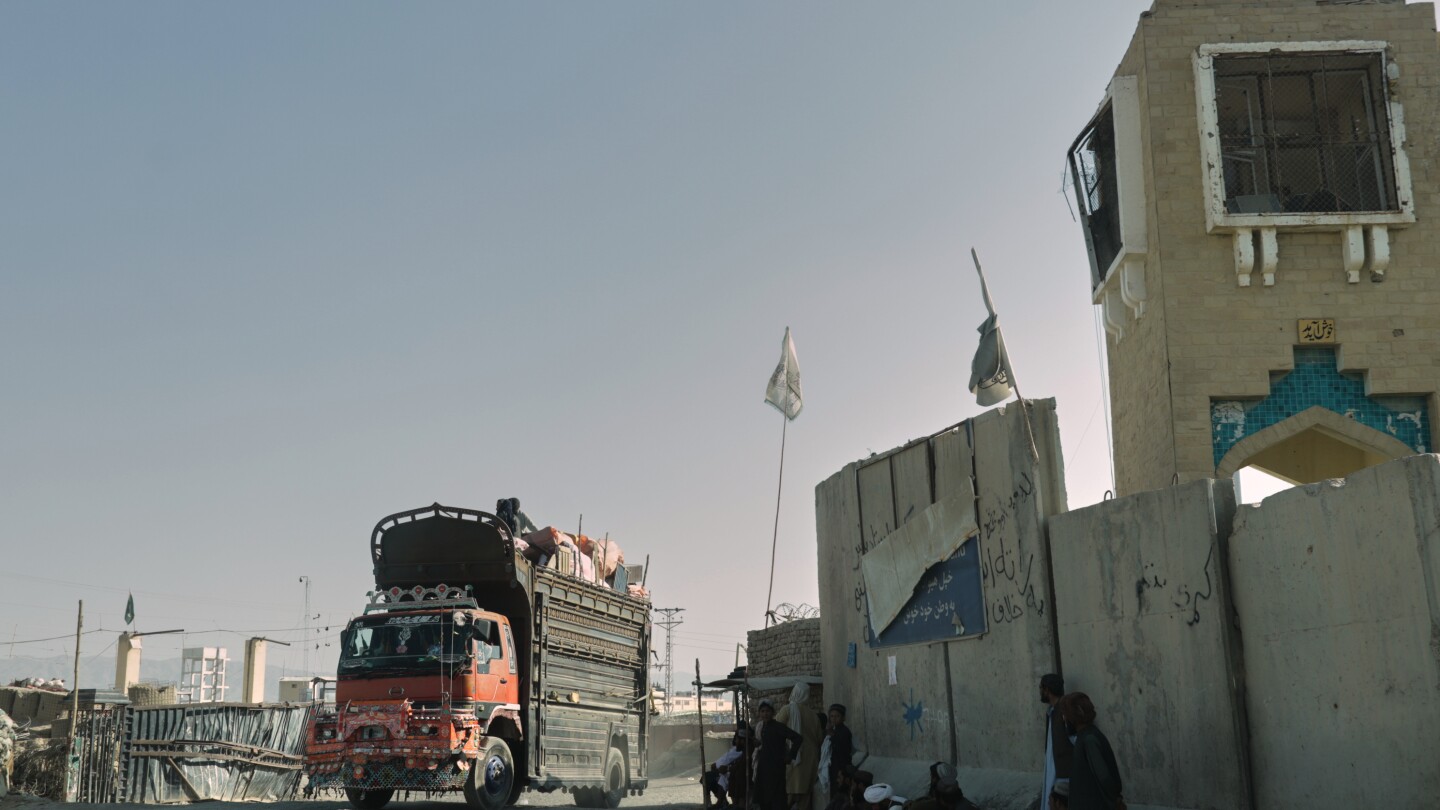
U.S. President Donald Trump has pledged to swiftly resolve the escalating tensions between Afghanistan and Pakistan, as the two nations engage in critical peace talks in Istanbul. The discussions, now in their second day, aim to solidify a fragile ceasefire brokered earlier this month in Doha into a lasting framework for peace and border security. The recent clashes between the neighboring countries have been the deadliest in years, exacerbating regional instability and raising concerns about the resurgence of militant groups like al-Qaida. Pakistan accuses Afghanistan of ignoring cross-border militant activities, a claim vehemently denied by the Taliban-led Afghan government. Trump, speaking on the sidelines of the ASEAN Summit in Malaysia, expressed confidence in his ability to mediate the conflict, praising Pakistani leaders as ‘great people.’ Meanwhile, Taliban-controlled media reported progress in the talks, with Afghanistan proposing measures to prevent Pakistani territorial violations and establish a monitoring mechanism for the ceasefire. Pakistan has yet to comment publicly on the latest developments, but Trump’s intervention is expected to bolster efforts for closer ties between Islamabad and Washington.
-
Trump in Malaysia: Dancing and a ‘peace deal’
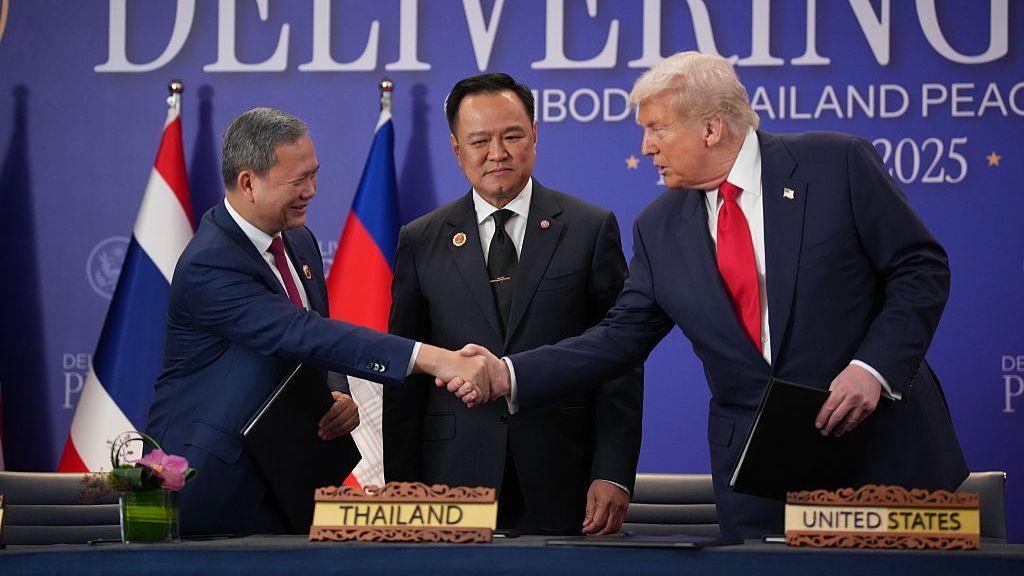
During his recent visit to Malaysia, U.S. President Donald Trump engaged in a unique blend of diplomacy and cultural exchange. The highlight of his trip was a ceremonial dance performance, where Trump participated alongside Malaysian officials, showcasing a rare moment of cross-cultural camaraderie. This event was not merely symbolic; it underscored the strengthening bilateral ties between the United States and Malaysia. Additionally, Trump announced a tentative ‘peace deal’ aimed at fostering regional stability. While details of the agreement remain undisclosed, it is expected to address key geopolitical challenges in Southeast Asia. The visit also included high-level discussions on trade, security, and counterterrorism, reflecting the multifaceted nature of U.S.-Malaysia relations. Trump’s presence in Malaysia, marked by both formal negotiations and informal interactions, signals a renewed commitment to deepening partnerships in the region.
-
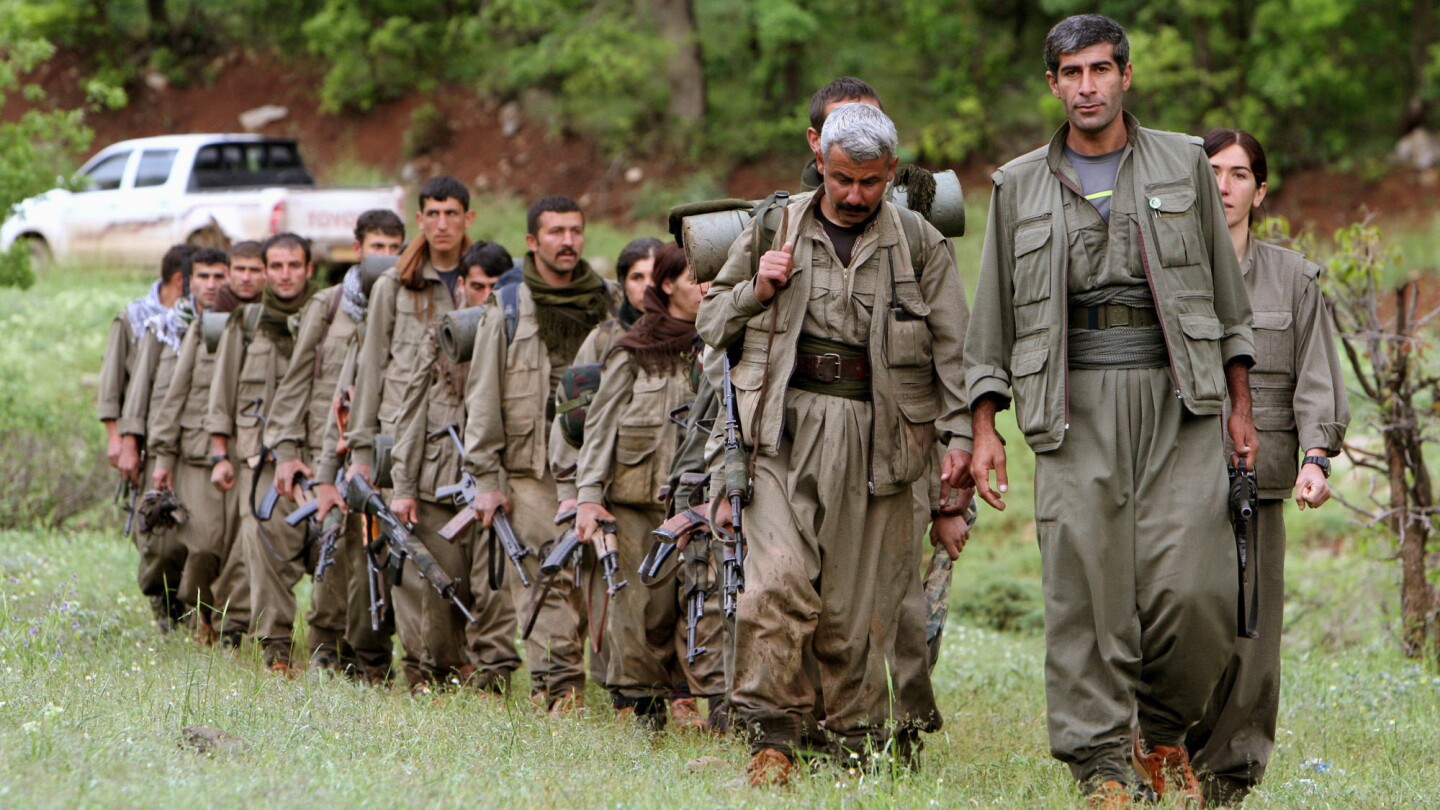
Kurdish rebel group PKK says it is withdrawing its fighters from Turkey to Iraq
In a significant development toward peace, the Kurdistan Workers’ Party (PKK), a militant Kurdish group, declared on Sunday its decision to withdraw its fighters from Turkey to Iraq. The announcement, made in northern Iraq, marks a pivotal step in the ongoing peace process between the PKK and Turkey. This move follows a symbolic ceremony months earlier where PKK fighters began laying down their weapons, signaling a commitment to de-escalation. The PKK, which has been engaged in a decades-long insurgency against Turkey since the 1980s, has been responsible for tens of thousands of deaths. The group’s statement, issued by Sabri Ok, emphasized the withdrawal of all forces to the Medya Defense Area in northern Iraq, a term frequently used by the PKK to describe its strongholds. The decision was made with the approval of Abdullah Ocalan, the group’s imprisoned leader, who has long advocated for peace. The statement also called for legal and political concessions to ensure the successful implementation of the peace process. Ocalan, imprisoned since 1999, had urged the PKK in February to convene a congress and formally disband and disarm, a move the group agreed to in May. Initially, the PKK’s insurgency aimed to establish an independent Kurdish state in southeastern Turkey, but its objectives later shifted to advocating for Kurdish autonomy and rights within Turkey. Despite the PKK’s efforts toward peace, it remains designated as a terrorist organization by Turkey, the United States, and the European Union.
-
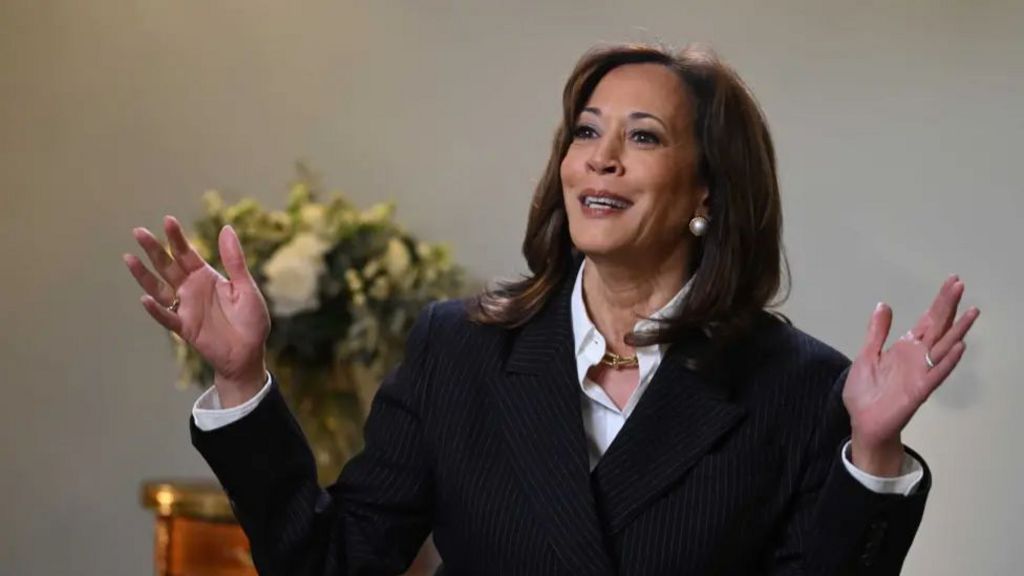
Harris reflects on why she did not ask Biden to quit sooner
In a candid interview with the BBC’s Laura Kuenssberg, former U.S. Vice President Kamala Harris expressed deep introspection over her decision not to urge President Joe Biden to withdraw from the 2024 presidential race. Harris, who stepped in as the Democratic nominee after Biden’s exit but ultimately lost to Donald Trump, revealed her lingering doubts in her new book, *107 Days*. She questioned whether her silence was an act of grace or recklessness, particularly given her concerns about Biden’s ability to endure the grueling demands of a presidential campaign. Harris emphasized that her reservations were not about Biden’s capacity to govern but rather his stamina for the campaign trail, especially against a formidable opponent like Trump. She also acknowledged the delicate position she was in, fearing that raising the issue might be perceived as self-serving. The broader debate about whether Biden’s inner circle should have challenged his decision to run has sparked significant discussion, with some alleging that his physical decline was concealed from the public. Biden’s aides have denied these claims, asserting that while he aged visibly, there was no evidence of mental incapacity. Harris, now promoting her book in the UK, hinted at a potential future presidential run, stating she is ‘not done’ with public service.
-
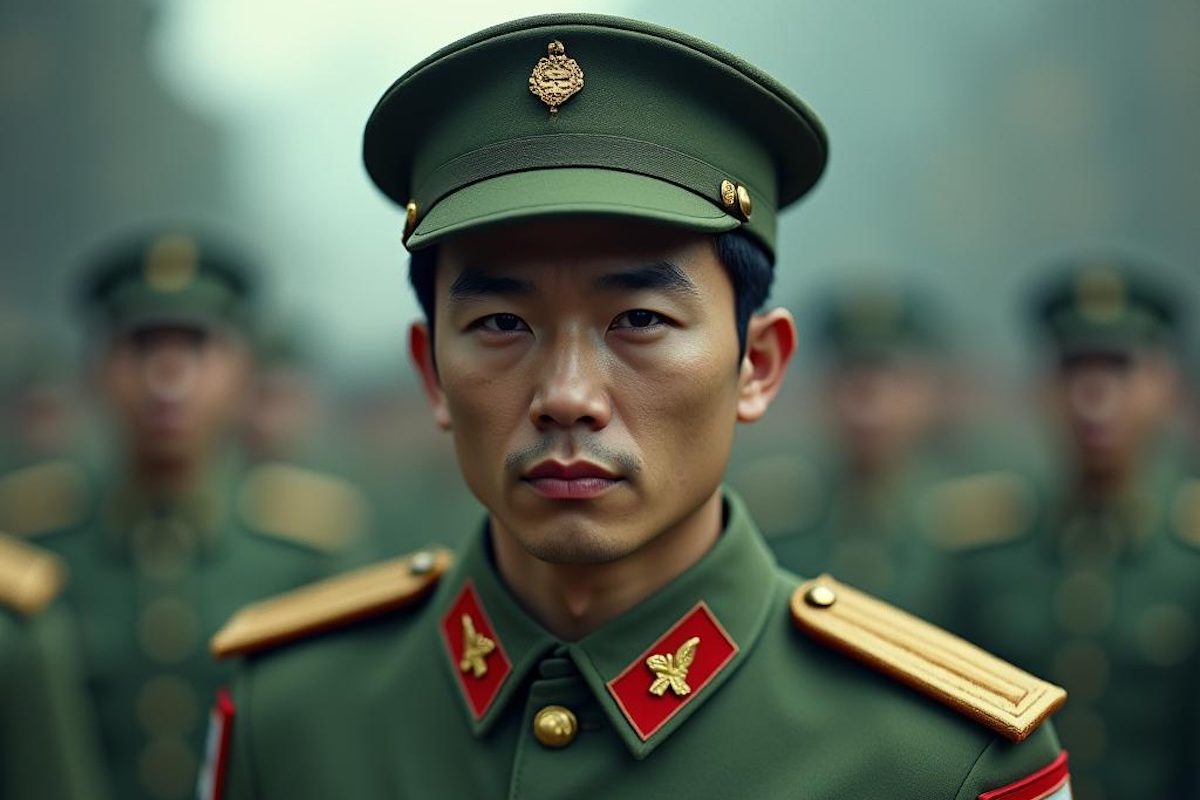
Biggest-ever PLA purge: Do anti-Xi coup plots or fears explain it?
In a historic move, Chinese President Xi Jinping has initiated a sweeping purge within the People’s Liberation Army (PLA), marking one of the most significant military shake-ups in the 76-year history of the People’s Republic of China. The purge, led by newly appointed PLA Vice Chairman Zhang Weisheng, has targeted high-ranking officials, including former Vice Chairman He Weidong, who was closely associated with Xi during his tenure in Fujian. Notably, no new PLA members were promoted to the Central Committee, signaling a potential demotion of the military’s political influence. The fate of Zhang Youxia, the first PLA vice chairman and a Politburo member, remains uncertain, though he is likely sidelined. This restructuring raises questions about the PLA’s role in China’s Taiwan strategy, with Xi possibly favoring a hybrid approach over direct military action. The purge’s origins trace back to the 2023 Chinese balloon incident, which exposed vulnerabilities in the PLA’s command structure. Over the past three years, Xi has systematically removed key defense officials, including Wei Fenghe and Li Shangfu, consolidating his control. The purge’s scale and duration suggest Xi’s intent to curb the PLA’s political clout, historically a kingmaker in Chinese politics. While the official justification is corruption, rumors of a potential coup attempt against Xi have fueled speculation. The move underscores Xi’s growing dominance, even as global tensions rise, and hints at a shift in the party-military dynamic, with the PLA’s influence potentially waning in favor of other party structures.
-

Argentina votes in midterm elections set to test President Milei’s mandate and US support
In the upscale Puerto Madero district of Buenos Aires, luxury car dealerships are thriving, and bankers are optimistic. This surge in economic activity follows President Javier Milei’s decision to lift import restrictions and end the ban on online dollar sales. Meanwhile, across the polluted Riachuelo River in Isla Maciel, Veronica Leguizamon struggles to feed her four daughters, relying on a local soup kitchen after Milei’s cuts to public subsidies and price controls on essential goods. ‘Before, we could choose what to cook,’ she lamented. ‘Now we depend on others to know if we’ll eat or not.’ This stark contrast highlights the deepening divide in Argentina as voters prepare for Sunday’s nationwide congressional midterms, a pivotal test for Milei’s libertarian government. While some praise his efforts to attract foreign investment and stabilize the economy, others suffer from the harsh realities of austerity. The election outcome could determine the future of Milei’s economic reforms and the Trump administration’s $40 billion financial rescue plan for Argentina. As the nation stands at a crossroads, the question remains: will Milei’s policies unite or further fracture a deeply polarized electorate?
-
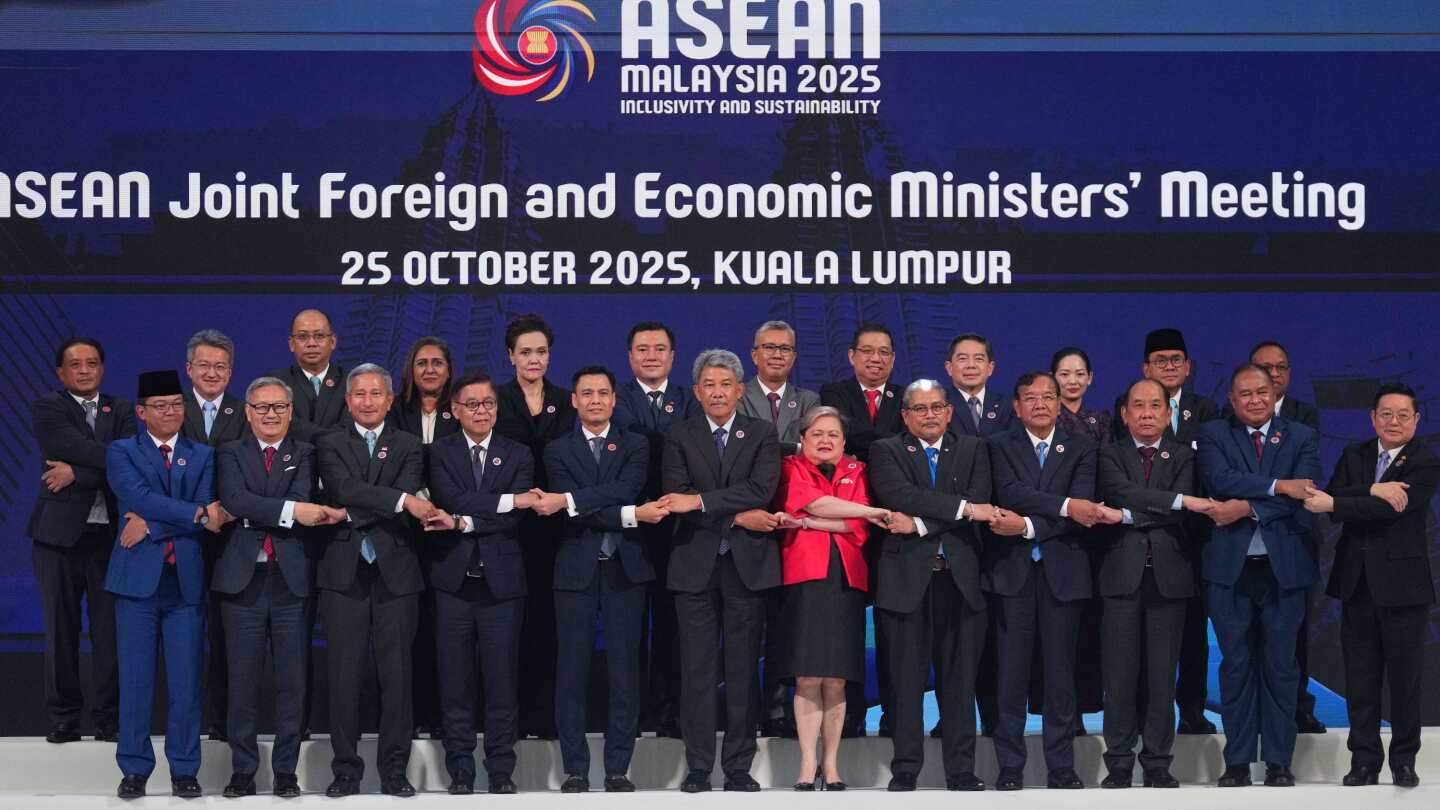
East Timor formally admitted to ASEAN in the group’s first expansion since the 1990s
In a landmark development for Southeast Asia, East Timor, also known as Timor-Leste, was officially welcomed into the Association of Southeast Asian Nations (ASEAN) on Sunday. This marks the bloc’s first expansion since the 1990s, symbolizing a significant stride towards regional inclusivity. With a population of just 1.4 million, East Timor is both the youngest and one of the poorest nations in the region. Its admission into ASEAN is expected to unlock access to free trade agreements, investment opportunities, and a broader regional market, which are crucial for diversifying its oil and gas-dependent economy. Historically, East Timor was a Portuguese colony for over four centuries before Indonesia’s invasion in 1975. Its integration into ASEAN underscores the bloc’s commitment to fostering unity and economic collaboration among its member states.
-
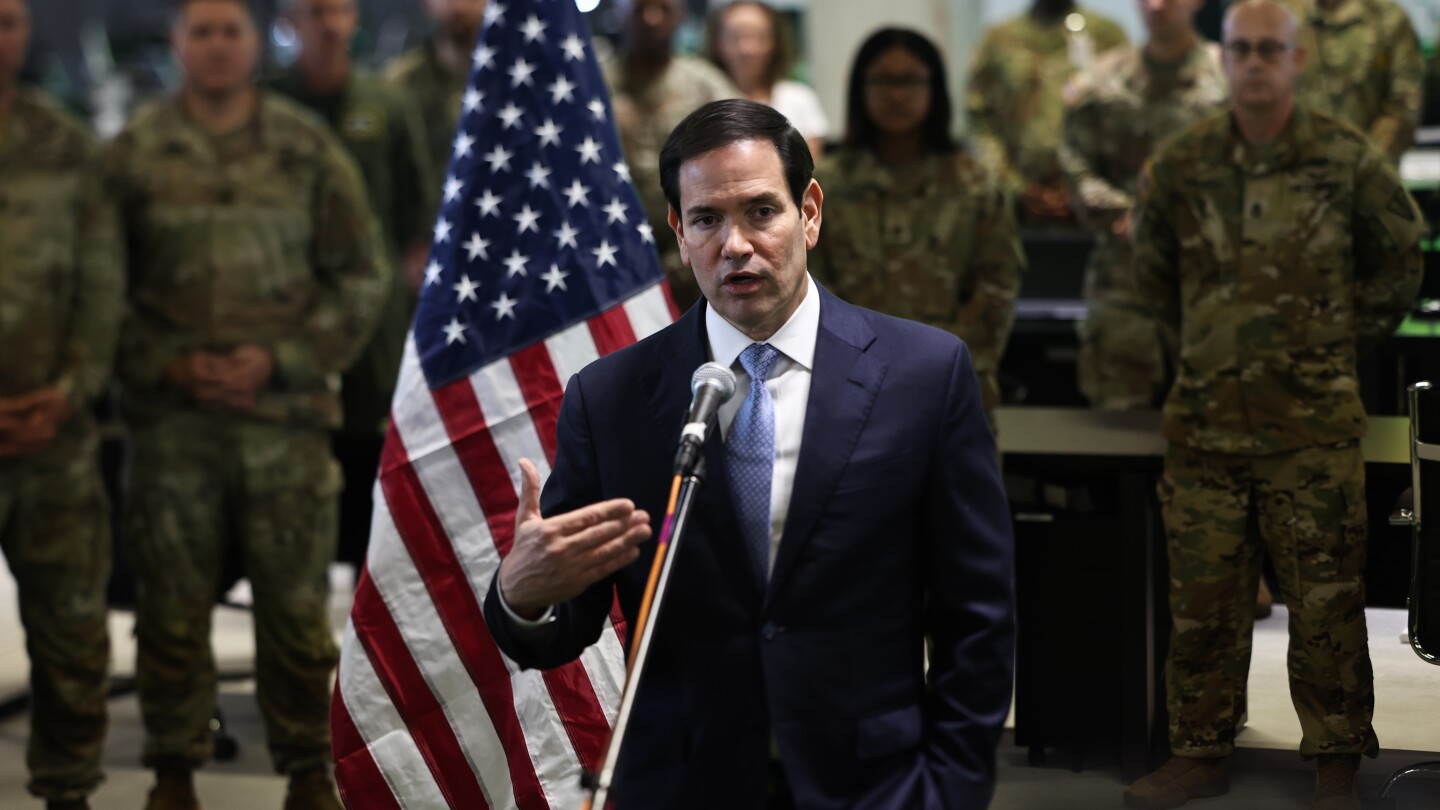
Rubio says mediators of Gaza ceasefire shared information to uncover a recent threat
In a significant development, U.S. Secretary of State Marco Rubio revealed on Saturday that Israel, the United States, and other mediators of the Gaza ceasefire agreement are actively sharing intelligence to preempt potential threats. This collaborative effort reportedly enabled the identification of a possible imminent attack last weekend, which was subsequently averted. The State Department had earlier issued warnings based on credible reports suggesting that Hamas might violate the ceasefire by targeting Palestinian civilians in Gaza. Rubio emphasized the importance of proactive threat detection, stating, ‘The goal is to identify a threat before it happens.’
Rubio also highlighted the growing interest among multiple nations in joining an international stabilization force aimed at deploying to Gaza. However, he noted that these countries require further clarity on the mission’s objectives and rules of engagement. The U.S. is considering advocating for a U.N. resolution to support the force, thereby encouraging broader participation. Countries such as Qatar, Egypt, Turkey, Indonesia, and Azerbaijan have expressed interest in the initiative.
During his multistop tour in Asia, Rubio met with President Donald Trump in Qatar, following his visit to Israel. In Israel, he engaged with Prime Minister Benjamin Netanyahu and toured a U.S.-led coordination center overseeing the ceasefire. Vice President JD Vance, special envoy Steve Witkoff, and Trump adviser Jared Kushner had previously visited Israel to reinforce the fragile ceasefire agreement.
Rubio also addressed other pressing foreign policy issues, including the recent U.S. sanctions on Colombian President Gustavo Petro over alleged involvement in the global drug trade. He clarified that the sanctions were not intended to target Colombia as a nation but were a response to Petro’s actions, which he described as hostile. Rubio reiterated the U.S.’s strong relationship with Colombia’s people and institutions, emphasizing that economic measures like tariffs were avoided to prevent harm to the country’s economy.
On the topic of Venezuela, Rubio dismissed speculation that recent U.S. military actions in Latin America were aimed at ousting President Nicolás Maduro. He framed these actions as part of a counterdrug operation, accusing Maduro’s government of facilitating narcotics trafficking. Maduro, however, denied the allegations, calling them a fabricated narrative.
Regarding U.S.-China relations, Rubio affirmed that Taiwan would not be used as a bargaining chip in trade negotiations. He stressed the importance of maintaining U.S. engagement with China while upholding commitments to Taiwan’s security.