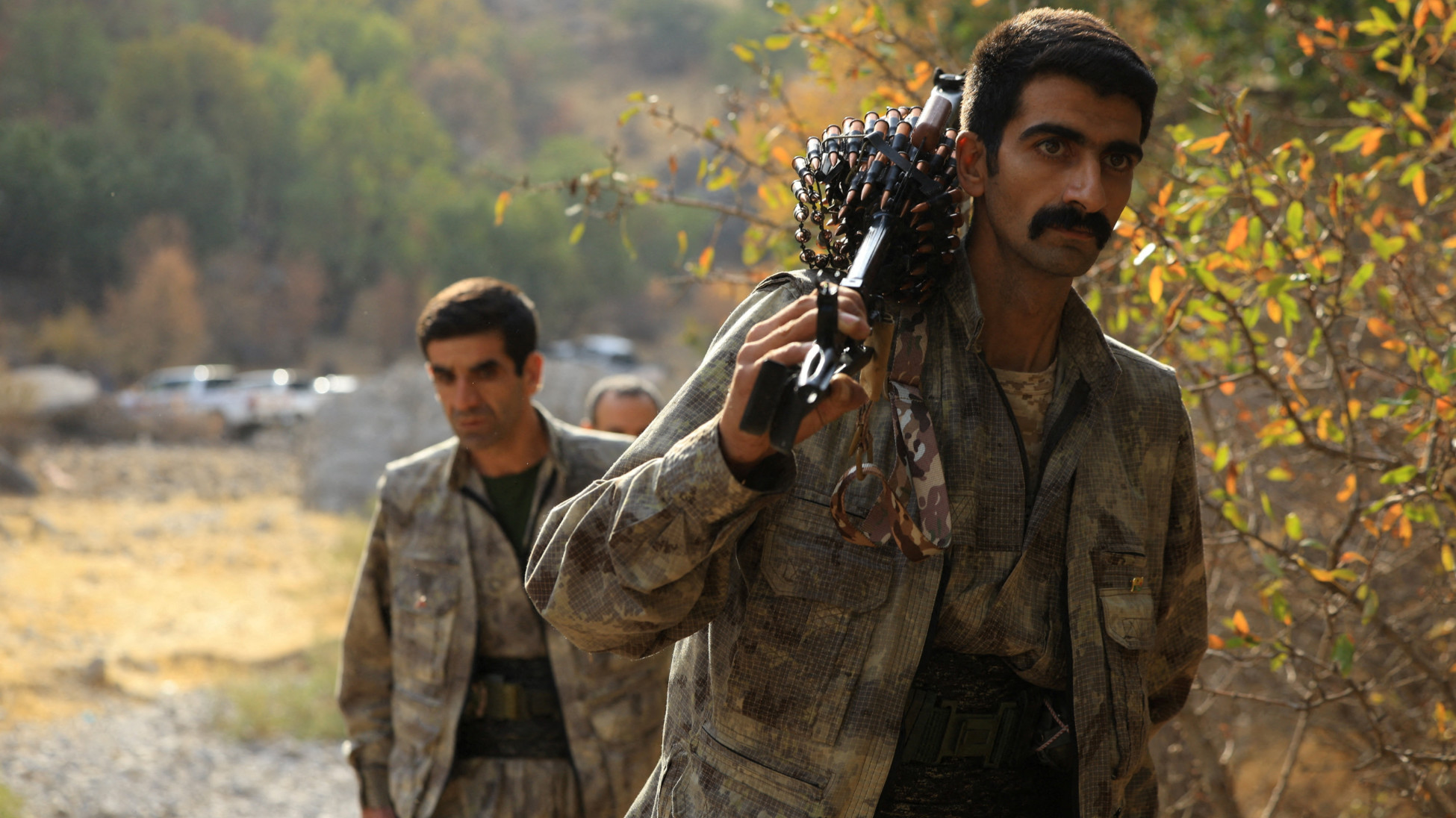
The Kurdistan Workers’ Party (PKK) declared on Sunday its decision to withdraw its fighters from Turkey to northern Iraq, emphasizing the need for Ankara to implement legal measures to safeguard the ongoing peace process. This move follows the PKK’s announcement in May to end its armed struggle, heeding a call from its imprisoned leader, Abdullah Ocalan, to resolve the decades-long conflict that has resulted in over 40,000 casualties. In a symbolic act in July, the PKK destroyed a portion of its weapons, underscoring its commitment to peace. During a ceremony in its Qandil Mountains stronghold in northern Iraq, the group formally announced its complete withdrawal from Turkey, expressing its aspiration to establish a “free, democratic, and fraternal” future. The PKK framed this decision as a step toward disarmament and integration, urging the Turkish government to enact legislation facilitating its transition into legitimate political participation. PKK spokesperson Zagros Hiwa highlighted that the withdrawal aligns with Ocalan’s peace plan and stressed the necessity for Turkey to introduce political reforms to support the process. Omer Celik, spokesperson for Turkish President Recep Tayyip Erdogan’s ruling AK Party, lauded the PKK’s decision as a significant milestone in achieving a “terror-free Turkey.” He noted that it would contribute to a “positive framework” for a parliamentary commission tasked with addressing the legal dimensions of the peace process. The PKK, which has primarily operated from bases in northern Iraq after being driven out of southeastern Turkey, has faced persistent Turkish military strikes and the establishment of Turkish outposts. A resolution to the protracted conflict between Turkey and the PKK could have far-reaching regional implications, particularly in Syria, where the US supports Kurdish forces that Ankara associates with the PKK.
分类: politics
-
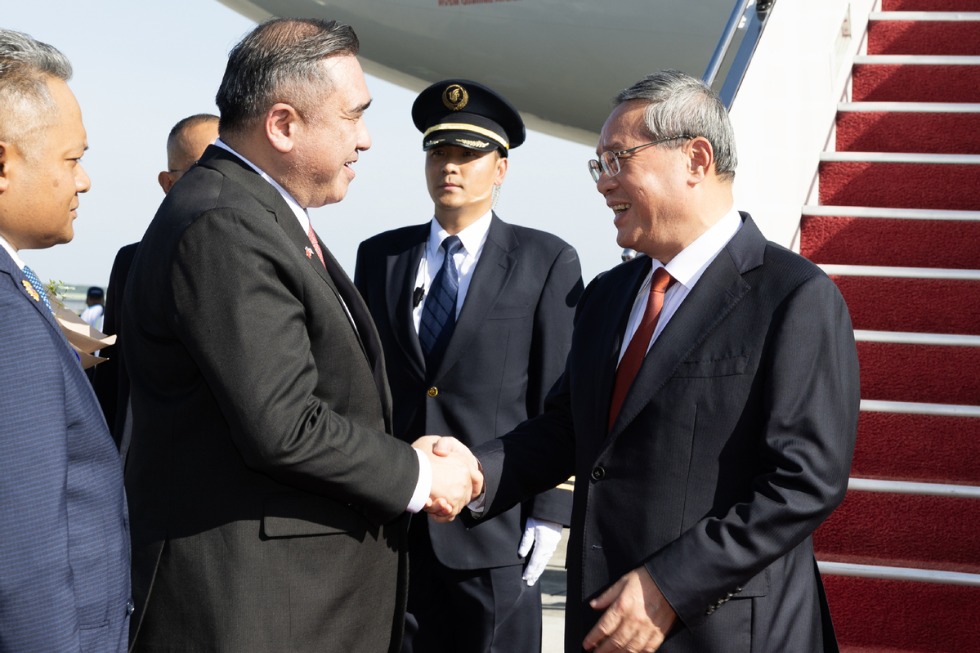
Chinese premier arrives in Malaysia for leaders’ meetings on East Asian cooperation
Premier Li Qiang of China arrived in Kuala Lumpur, Malaysia, on October 26, 2025, to participate in a series of high-level meetings focused on East Asian cooperation. The visit, at the invitation of Malaysian Prime Minister Anwar Ibrahim, who currently chairs ASEAN, underscores China’s commitment to regional collaboration and economic integration. Li’s agenda includes the 28th China-ASEAN Summit, the 28th ASEAN Plus Three Summit, the 20th East Asia Summit, and the fifth Regional Comprehensive Economic Partnership (RCEP) Leaders’ Meeting. These gatherings aim to strengthen multilateral ties, address shared challenges, and foster sustainable development across the region. Prior to his arrival in Malaysia, Li concluded an official visit to Singapore, where he engaged in bilateral talks with Prime Minister Lawrence Wong and Acting President Eddie Teo. He also attended a China-Singapore business symposium, emphasizing China’s dedication to enhancing economic and trade cooperation with Singapore and promoting a more equitable global order. Li’s participation in these summits highlights China’s proactive role in shaping regional policies and fostering partnerships that benefit all stakeholders.
-
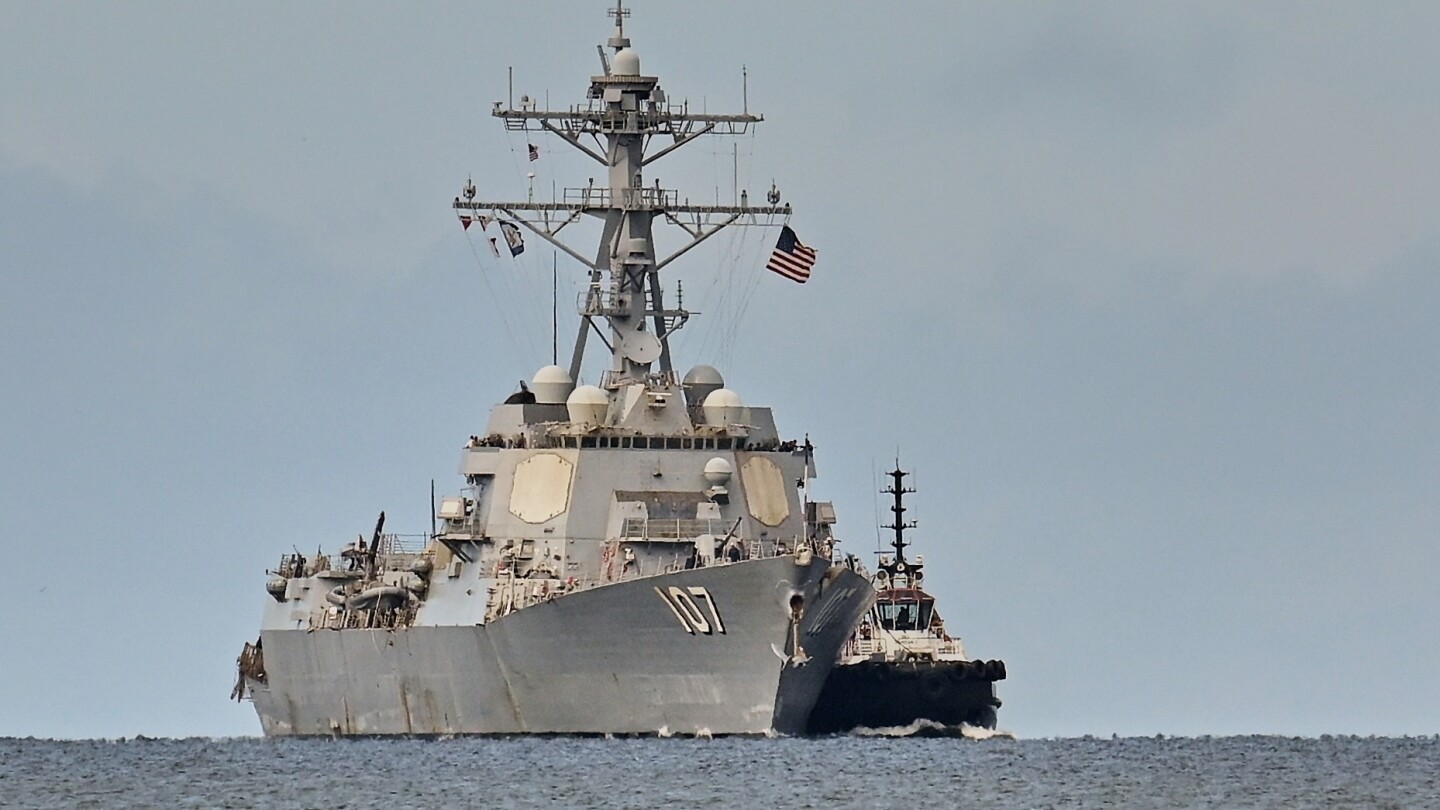
US warship docks in Trinidad and Tobago, puts more pressure on Venezuela
In a strategic move that underscores escalating tensions in the Caribbean, the USS Gravely, a guided missile destroyer, arrived in Port-of-Spain, Trinidad and Tobago, on Sunday. This deployment aligns with the Trump administration’s intensified military pressure on Venezuela and its President, Nicolás Maduro. The USS Gravely’s presence complements the USS Gerald R. Ford aircraft carrier, which is also positioning closer to Venezuelan waters. Maduro has condemned these maneuvers, accusing the U.S. of orchestrating a ‘new eternal war’ against his nation. U.S. President Donald Trump has further heightened tensions by alleging, without evidence, that Maduro leads the organized crime group Tren de Aragua. The warship will remain in Trinidad until Thursday, facilitating joint training exercises between the U.S. and Trinidad and Tobago. These exercises aim to address shared threats such as transnational crime and enhance regional security. However, the deployment has sparked controversy locally. David Abdulah, leader of the Movement for Social Justice, criticized the decision, labeling the warship’s presence an ‘abomination’ given the proximity to Venezuela and the looming threat of conflict. Meanwhile, Trinidad and Tobago’s Prime Minister, Kamla Persad-Bissessar, has voiced support for the U.S. military presence, citing regional security concerns. The visit follows a recent U.S. Embassy warning to Americans in Trinidad and Tobago to avoid government facilities due to reported threats. Despite calls for dialogue from regional trade bloc Caricom, Persad-Bissessar has emphasized that the Caribbean is not a ‘zone of peace,’ pointing to high rates of violent crime.
-
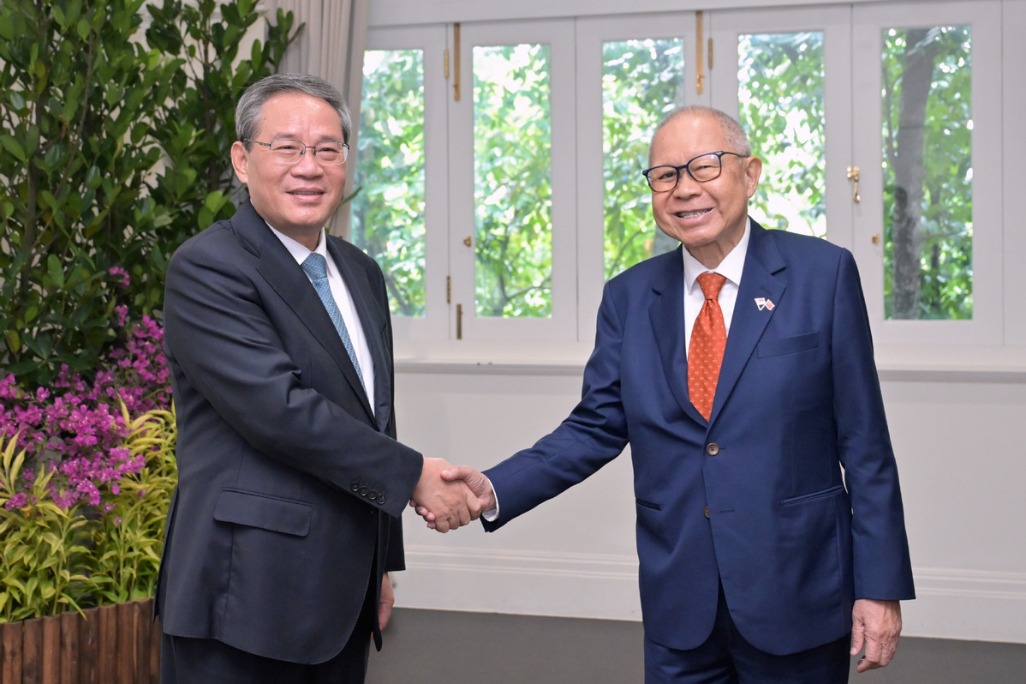
China ready to work with ASEAN members to build successful FTA 3.0, says Chinese premier
During his official visit to Singapore on October 26, 2025, Chinese Premier Li Qiang emphasized China’s commitment to advancing the China-ASEAN Free Trade Area (FTA) 3.0. Speaking at a meeting with Singapore’s Acting President Eddie Teo at the Istana presidential palace, Premier Li highlighted the importance of fostering closer cooperation between China and ASEAN member states to achieve shared prosperity. He underscored China’s willingness to maintain robust communication and coordination with Singapore within multilateral frameworks, advocating for the principles of multilateralism, free trade, and an inclusive global economic order. Premier Li noted that the world is currently navigating a period of significant transformation, marked by intertwined global challenges. In this context, he stressed the need for China and Singapore, as strategic partners, to enhance unity and collaboration. Looking ahead, Premier Li expressed China’s readiness to deepen high-level exchanges, support each other’s core interests, and expand cooperation in emerging sectors such as the digital economy, green development, and artificial intelligence. He also welcomed Singaporean enterprises to explore opportunities in China’s vast market, fostering mutual growth. Acting President Eddie Teo reciprocated these sentiments, acknowledging the strong bilateral ties between the two nations and expressing optimism about the potential of China’s 15th Five-Year Plan to benefit the region and beyond. Teo reiterated Singapore’s commitment to aligning development strategies with China and strengthening the ASEAN-China comprehensive strategic partnership.
-
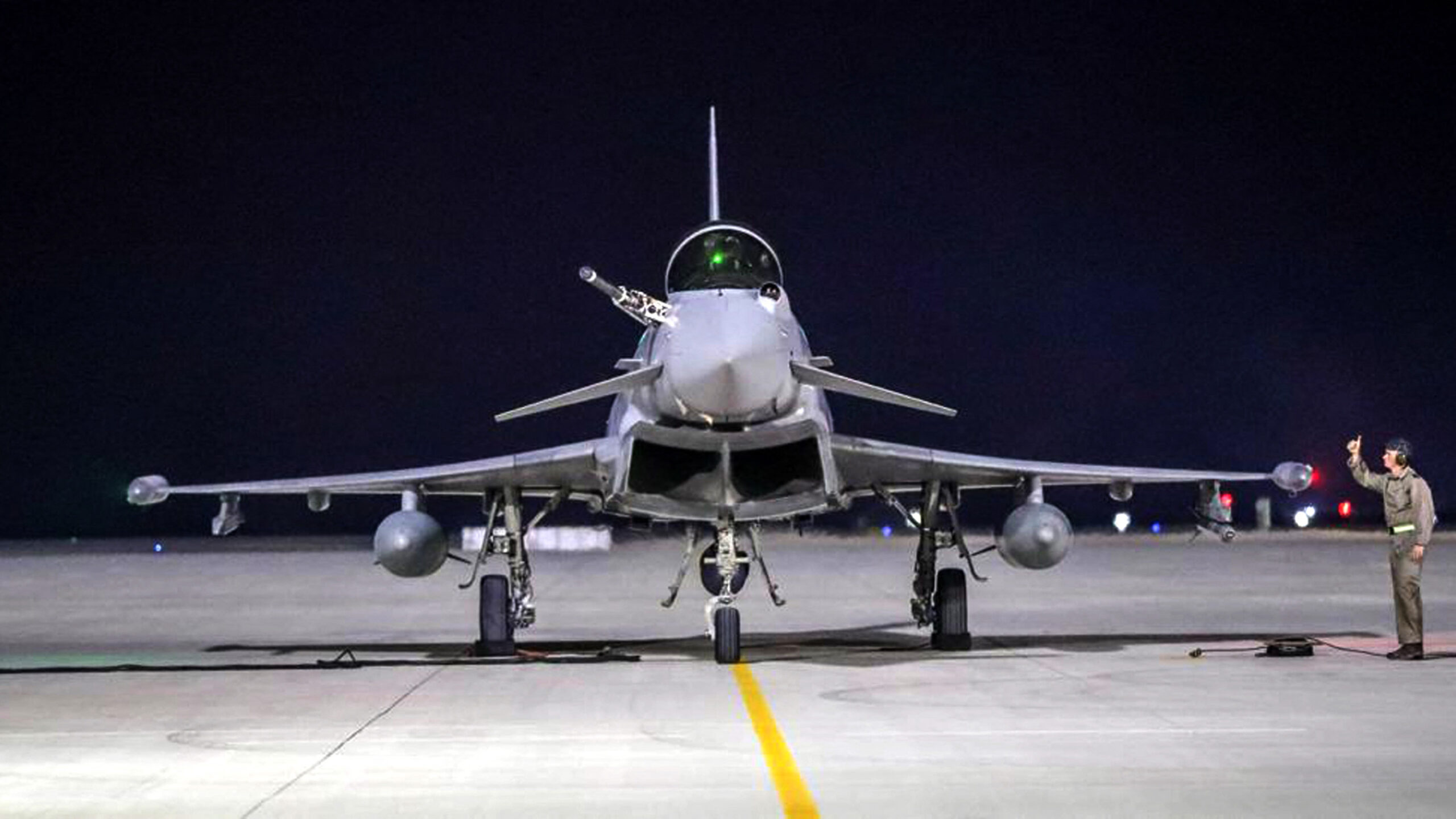
UK’s Starmer visit to Turkey set to finalise multibillion-dollar Eurofighter deal
Turkey and the United Kingdom are poised to finalize a multibillion-dollar agreement for Eurofighter Typhoon jets during British Prime Minister Keir Starmer’s inaugural official visit to Ankara on Monday, according to multiple sources. The deal, which has been in negotiation since 2023, marks a significant milestone in bilateral defense cooperation between the two nations. Ankara overcame a major obstacle earlier this year by securing Germany’s approval, which had previously vetoed the sale. A provisional agreement for 40 jets was signed in July, with ongoing discussions focusing on technical specifications and pricing. Reports indicate that Turkey found the initial pricing relatively high. Under the proposed terms, 20 jets will be operated by the Royal Air Force (RAF) to expedite delivery, while the remaining 20 will be customized to meet Turkish requirements and delivered later. In a symbolic gesture, Starmer dispatched two Eurofighter jets to Ankara ahead of his visit, underscoring the deal’s strategic importance to the UK. The visit also led Turkish President Recep Tayyip Erdogan to postpone a cabinet meeting, highlighting the significance of the occasion. The Eurofighter Typhoon Tranche 4, featuring advanced avionics and radar systems, will provide a critical stopgap solution for the Turkish Air Force, which currently relies on aging US-made F-16s. Turkey is also pursuing additional agreements to purchase used Eurofighter jets from Qatar and Oman, with separate maintenance and modernization deals expected to accompany these acquisitions. The UK has reportedly prioritized Ankara’s order by reallocating aircraft originally intended for the RAF. This landmark deal underscores Turkey’s urgent need to modernize its air force ahead of the anticipated deployment of its domestically produced Kaan fifth-generation fighter jet in 2028.
-
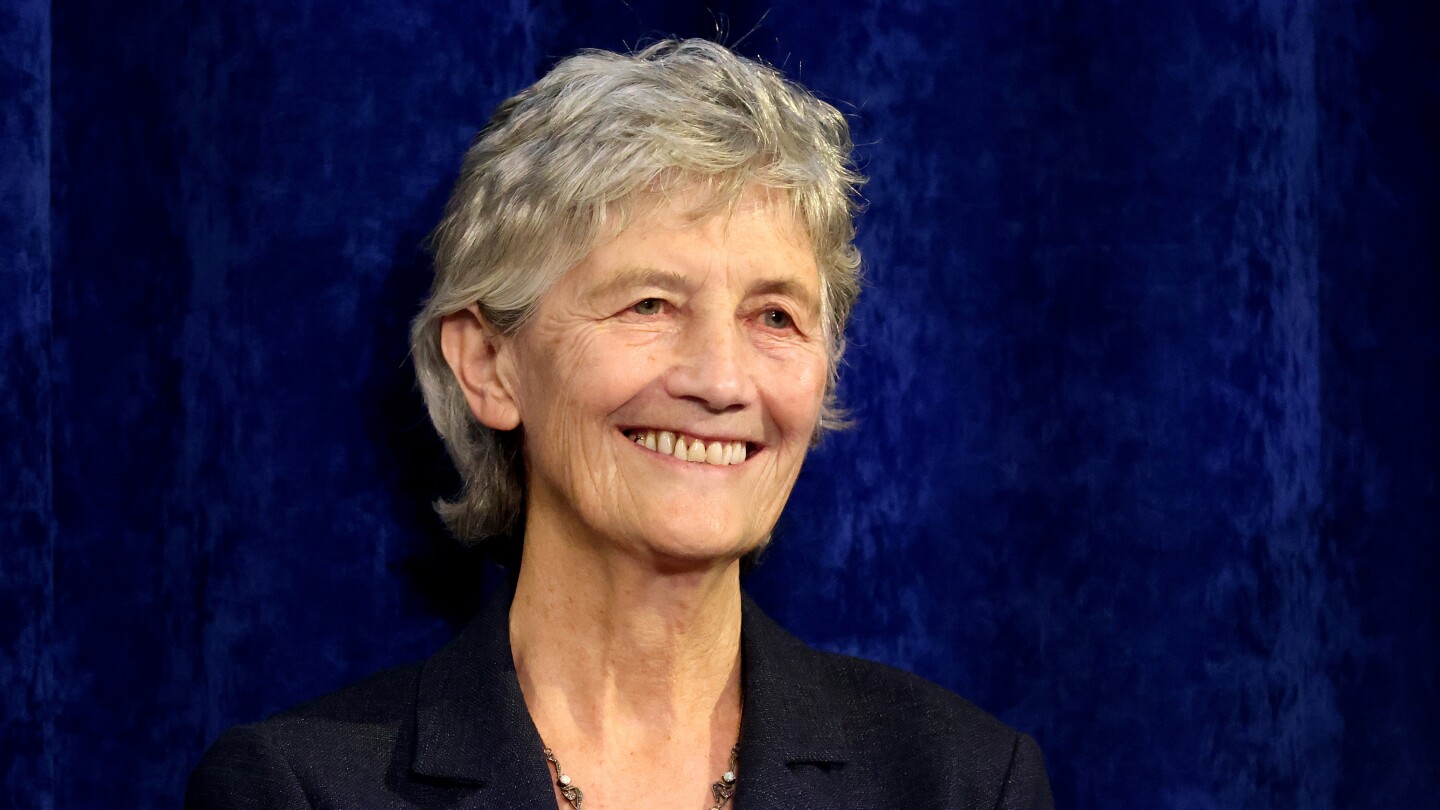
Ireland’s president elect is a left-wing, anti-establishment figure who is outspoken on Gaza
In a decisive electoral victory, independent lawmaker Catherine Connolly has been elected as Ireland’s president for the next seven years. The 68-year-old left-wing politician secured 63% of the votes in Saturday’s election, defeating her center-right opponent, former Cabinet minister Heather Humphreys. Connolly’s win was bolstered by the unified support of Ireland’s left-leaning opposition parties, including Sinn Féin, positioning her as a vocal challenger to the country’s center-right government. Although the Irish presidency is largely ceremonial, it holds significant symbolic power on the global stage, and Connolly is expected to continue the tradition of being a unifying voice on major issues. She succeeds Michael D. Higgins, a popular president known for his outspoken views on international matters such as the Gaza conflict and NATO spending. Connolly, a mother of two, has a rich political and personal background. She grew up in social housing in Galway, one of 14 children, and has degrees in clinical psychology and law. Her political career began in 1999 as a Labour Party member of Galway City Council, and she later became the city’s mayor in 2004. Connolly has been an independent lawmaker since 2007 and made history in 2020 as the first woman to serve as deputy speaker of Parliament’s lower house. Known for her outspoken views, Connolly has been a vocal critic of Israel’s actions in Gaza and the European Union’s growing militarization. She has also defended Ireland’s tradition of military neutrality, calling for a referendum on government plans to alter the conditions for deploying Irish soldiers abroad. Connolly’s campaign emphasized social equality, inclusivity, and diversity, resonating strongly with younger voters. In her acceptance speech, she vowed to be an inclusive president and a voice for peace, pledging to champion diversity and Ireland’s unique identity.
-
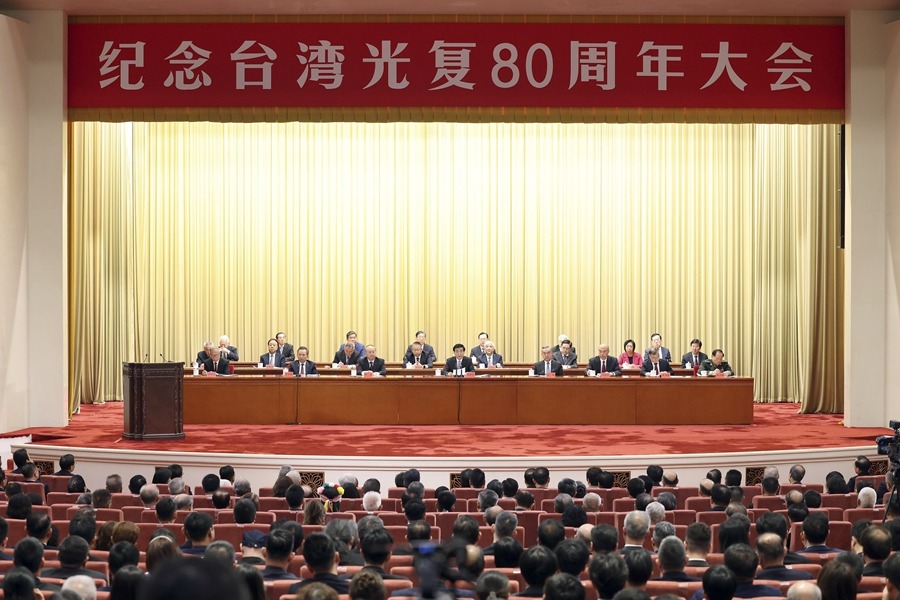
China honors first Commemoration Day of Taiwan’s Restoration
China commemorated the first Commemoration Day of Taiwan’s Restoration with a grand ceremony in Beijing on October 25, 2025, marking the 80th anniversary of Taiwan’s return to Chinese sovereignty. The event, attended by approximately 500 guests, including Taiwanese compatriots, was a significant milestone following the establishment of the commemoration day by the Standing Committee of the 14th National People’s Congress.
Wang Huning, Chairman of the National Committee of the Chinese People’s Political Consultative Conference, emphasized the importance of national reunification and the rejection of ‘Taiwan independence’ separatist activities. He highlighted the historical significance of Taiwan’s restoration, which followed Japan’s surrender in 1945, as a shared triumph for the Chinese people and the nation.
Wang underscored the commemoration day as a testament to China’s unwavering commitment to the one-China principle and territorial integrity. He called for continued adherence to the ‘one country, two systems’ framework and the 1992 Consensus, urging cross-Strait cooperation to preserve the achievements of the resistance war and advance national rejuvenation.
In a parallel event, the Taiwan Work Office of the CPC Central Committee and the Taiwan Affairs Office of the State Council hosted a reception in Beijing. Song Tao, head of both offices, reiterated the commemoration day’s role in honoring history, opposing separatism, and promoting national unity. He expressed confidence in achieving reunification and enhancing the well-being of Taiwanese compatriots.
Chi Hsing, publisher of The Observer in Taiwan, echoed these sentiments, stating that the commemoration reflects the shared aspirations of the majority of Taiwanese compatriots and fosters a collective memory of unity and patriotism across the Strait.
-
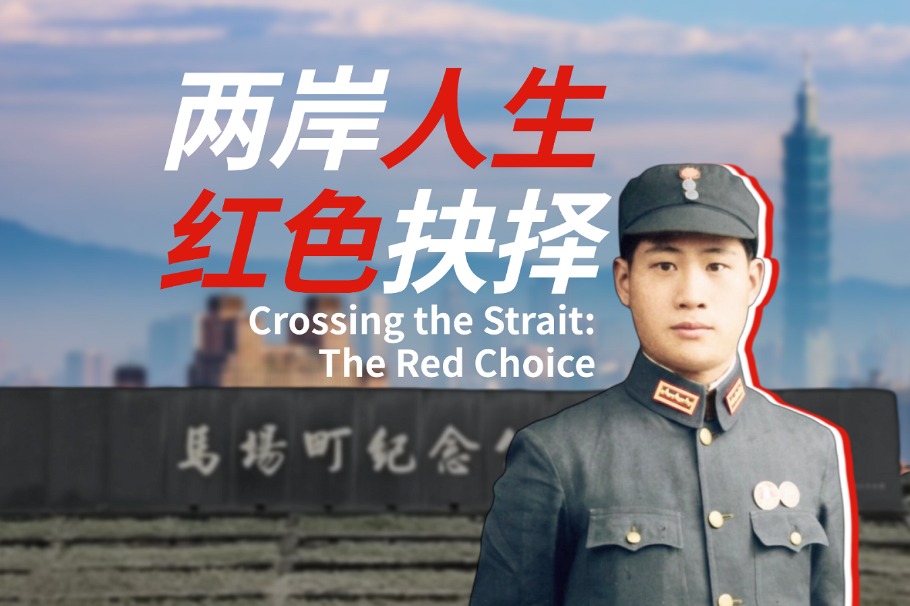
Crossing the strait: The red choice
Lin Cheng-heng, a descendant of Taiwan’s renowned Wufeng Lin family, emerged as a pivotal figure in the struggle against Japanese occupation and later as a steadfast member of the Communist Party of China. His profound compassion for the plight of his fellow Taiwanese fueled an unyielding commitment to revolution. In a poignant moment, Lin once gestured to a map adorned with small red flags, expressing his fervent hope that Taiwan would one day be marked by the same symbol of unity and progress. This vision, however, came at a great personal cost. At the age of 35, Lin’s life was tragically cut short at Taipei’s Machangding, where he was executed for his revolutionary activities. His legacy endures as a testament to the enduring spirit of those who dare to dream of a brighter future for their homeland.
-
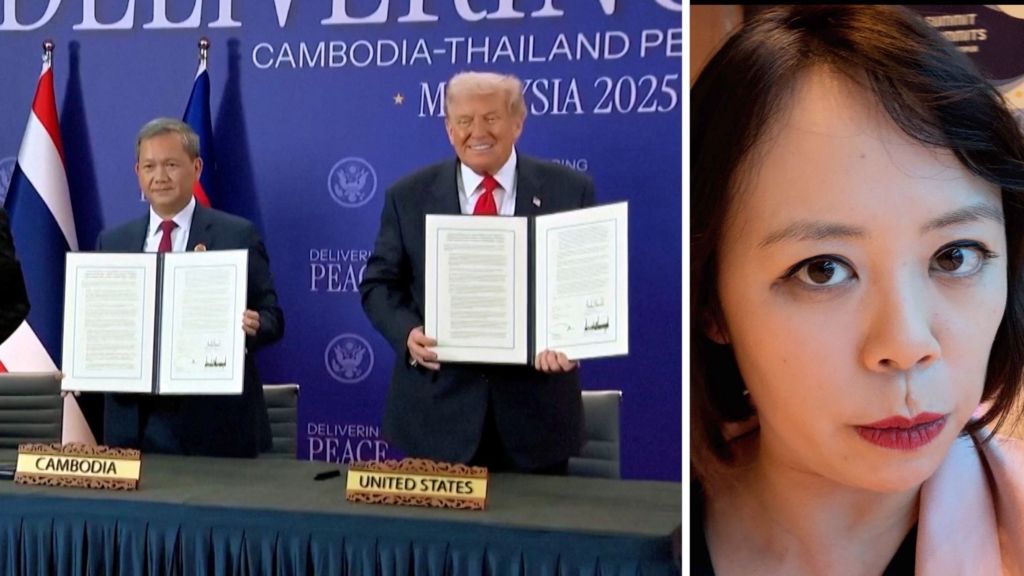
Will Trump’s ‘peace deal’ solve Thailand-Cambodia dispute?
In a recent announcement, former U.S. President Donald Trump asserted that he has successfully mediated a resolution to the long-standing conflict between Thailand and Cambodia. This declaration has sparked widespread curiosity and skepticism, prompting questions about the substance and implications of this so-called ‘peace deal.’ The dispute between the two Southeast Asian nations has deep historical roots, primarily centered around border tensions and territorial claims, particularly concerning the Preah Vihear temple. While Trump’s involvement marks a notable intervention, experts are cautious about the actual impact of this agreement. Many argue that without detailed terms and mutual commitment from both nations, the deal may amount to little more than a symbolic gesture. The international community is now closely monitoring the situation to assess whether this development will lead to tangible progress or remain a fleeting headline in the complex geopolitics of the region.
-
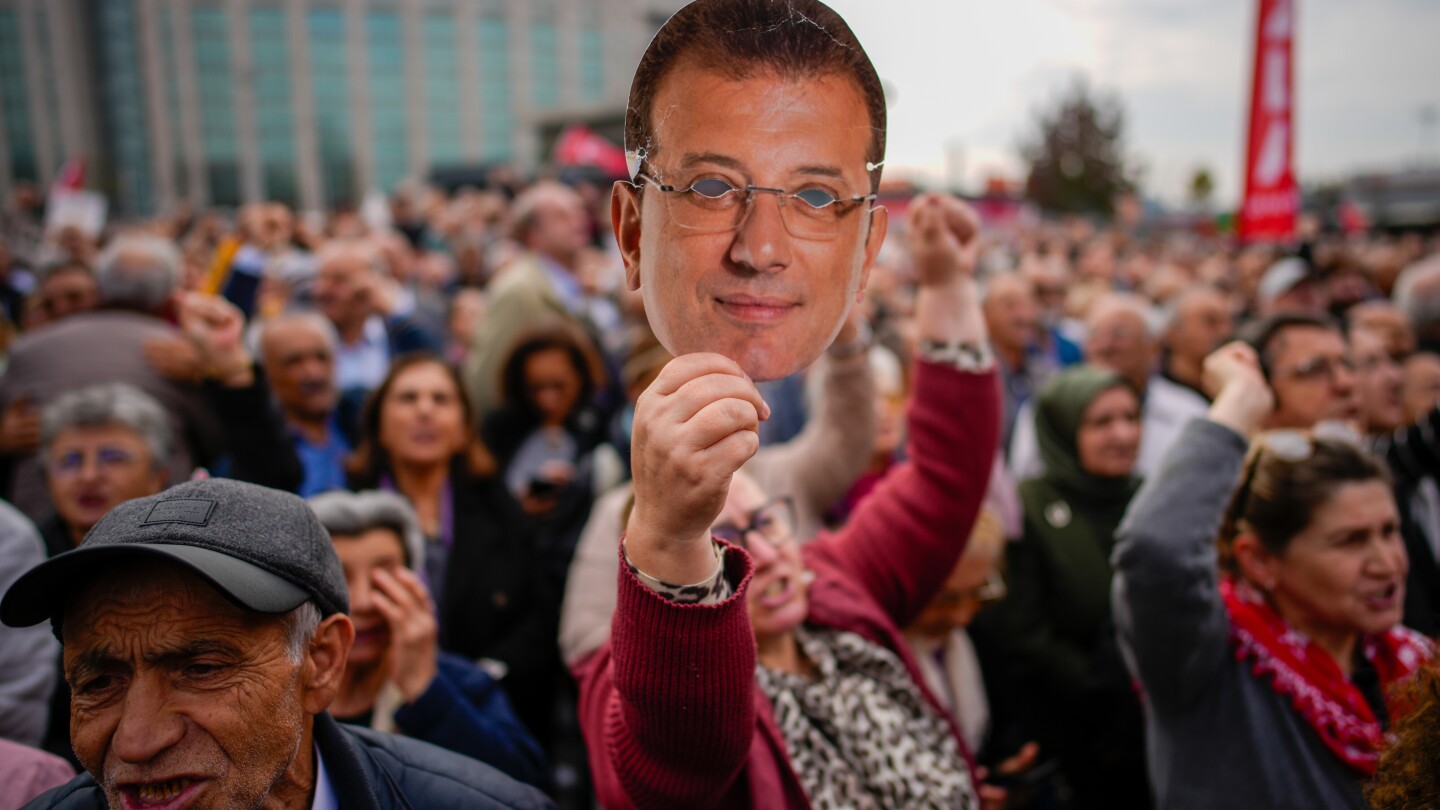
Imprisoned mayor of Istanbul is to be questioned over espionage charges
Istanbul Mayor Ekrem Imamoglu, currently imprisoned on corruption charges, was transported to the city’s main courthouse on Sunday for questioning in a newly initiated espionage investigation. The probe, launched two days prior, focuses on alleged connections between Imamoglu’s political campaign and an individual arrested in July for suspected intelligence activities on behalf of foreign states. Imamoglu’s former campaign manager, Necati Ozkan, and journalist Merdan Yanardag are also under scrutiny as part of the investigation. This marks the first time Imamoglu has left Istanbul’s Marmara Prison, where he has been held in pretrial detention since March, in seven months. Hundreds of supporters gathered outside the courthouse to demonstrate solidarity with the opposition leader, who is widely seen as a political rival to President Recep Tayyip Erdogan. Critics argue that the investigation is part of a broader crackdown on opposition figures, particularly following significant gains by the Republican People’s Party (CHP) in last year’s local elections. CHP Chairman Ozgur Ozel addressed the crowd, vowing to continue democratic resistance against what he described as oppression and injustice. Faruk Kılıç, a 26-year-old electrician, expressed his determination to support Imamoglu, stating, ‘I believe these injustices will never cease, so I will offer my support till the very end.’ Erdogan’s government maintains that the judiciary operates independently and that the investigations are solely focused on corruption.