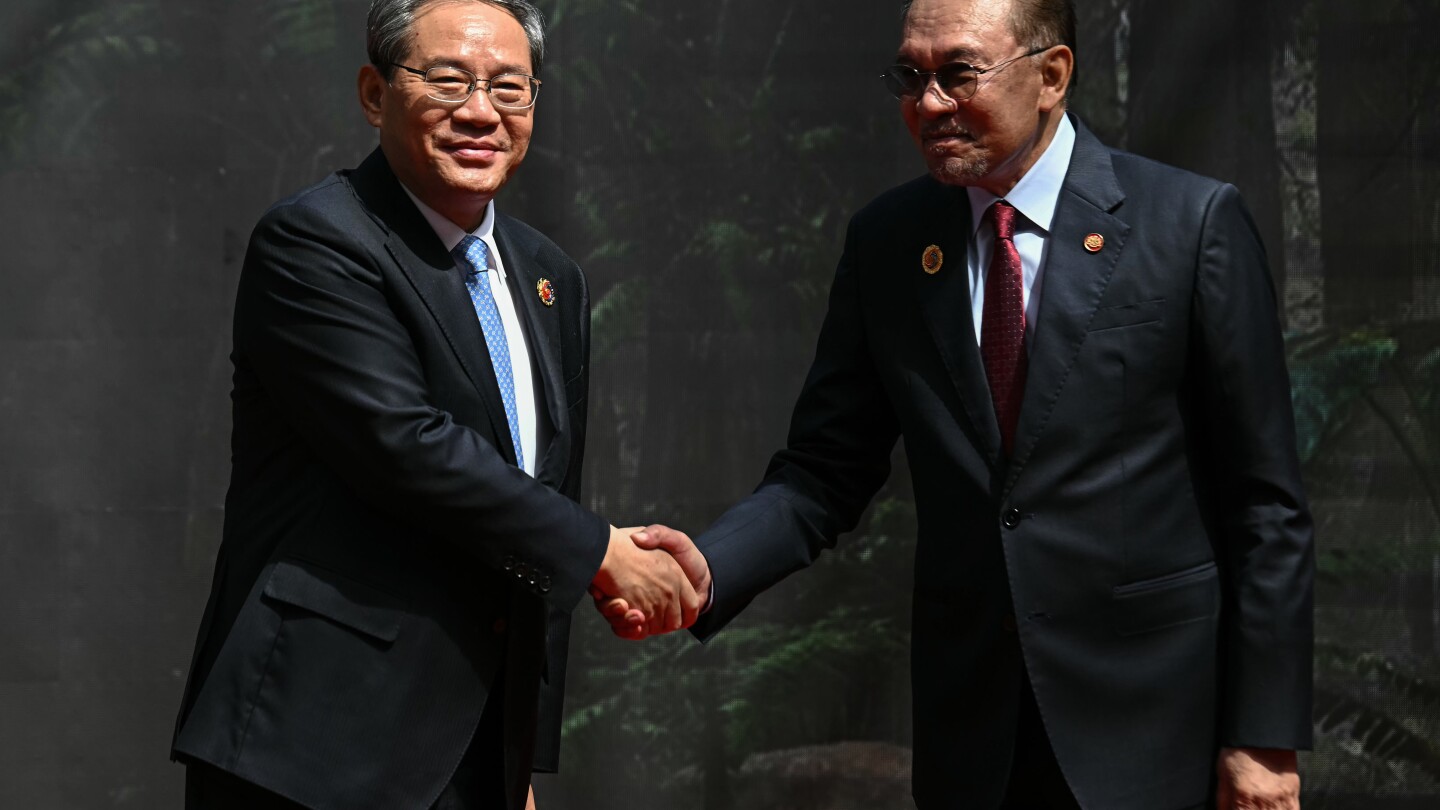
At the East Asia Summit in Kuala Lumpur, Malaysian Prime Minister Anwar Ibrahim emphasized the importance of dialogue and cooperation over coercion and confrontation. Addressing leaders from the Asia-Pacific region, Anwar highlighted the need for multilateralism and adherence to international law, particularly in the context of ongoing conflicts in Gaza, Ukraine, and North Korea, as well as the intensifying U.S.-China rivalry. The summit, a forum involving ASEAN and its key partners including Australia, China, India, Japan, New Zealand, South Korea, Russia, and the United States, focused on political, security, and economic challenges. Anwar also called for the resolution of the South China Sea territorial disputes through a negotiated Code of Conduct, warning against external pressures that could escalate tensions. Philippine President Ferdinand Marcos Jr. supported this stance, vowing to accelerate the Code of Conduct’s conclusion when the Philippines assumes the ASEAN chairmanship next year. Meanwhile, Chinese officials blamed Philippine actions for the maritime tensions. On other issues, Anwar commended U.S. efforts to resolve the Gaza conflict but stressed the need for a just and lasting solution for Palestinians. He also expressed concern over North Korea’s missile launches and reiterated ASEAN’s commitment to the Five-Point Consensus for peace in Myanmar. The summit also saw discussions on economic resilience, with leaders from the Regional Comprehensive Economic Partnership (RCEP) vowing to enhance regional economic integration and counter U.S. tariff impacts. Canadian Prime Minister Mark Carney announced plans to accelerate free trade talks with ASEAN, aiming to double non-U.S. exports in the next decade. The event concluded with a celebration of Brazilian President Luiz Inácio Lula da Silva’s 80th birthday, marking a lighter moment in the otherwise intense diplomatic gathering.
分类: politics
-
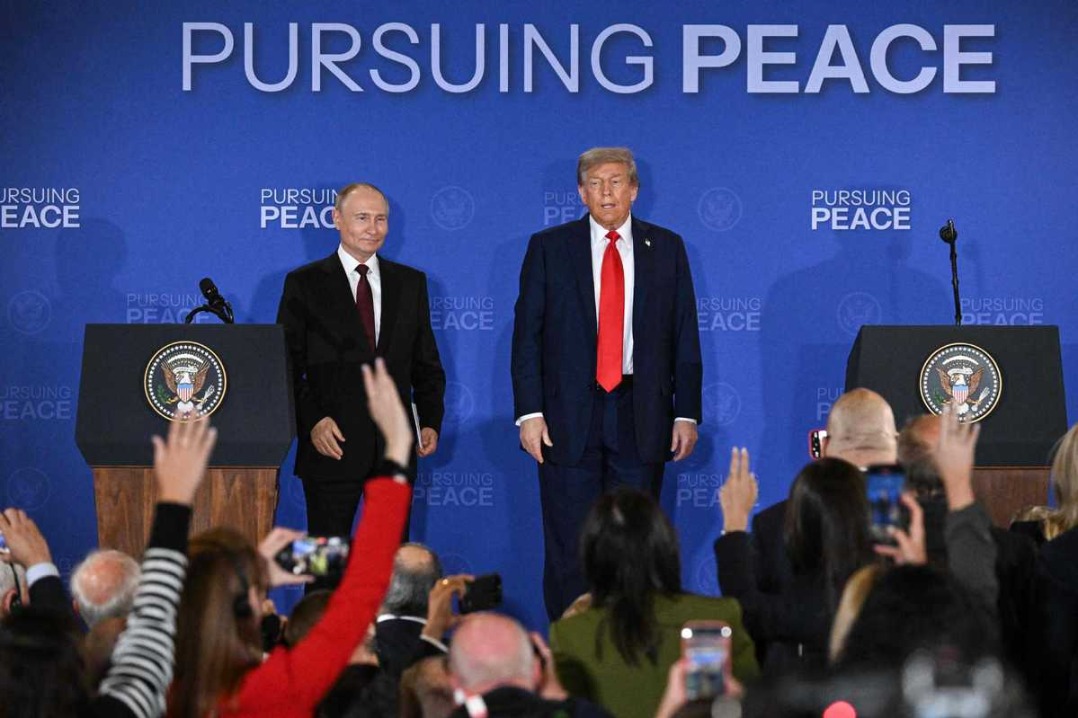
Prospects for talks between Trump, Putin played down
The likelihood of a summit between U.S. President Donald Trump and Russian President Vladimir Putin appears increasingly uncertain, as Trump expressed skepticism about the potential for productive talks. Speaking to reporters aboard Air Force One en route to Asia, Trump emphasized that any meeting with Putin would need to yield tangible results. ‘I’m going to have to know that we’re going to make a deal. I’m not going to be wasting my time,’ he stated, following the collapse of plans for a summit in Budapest. Despite his past rapport with Putin, Trump described the current situation as ‘very disappointing.’
Meanwhile, Kremlin negotiator Kirill Dmitriev engaged in discussions with U.S. officials over the weekend, focusing on resolving the ongoing conflict in Ukraine. Dmitriev, who met with Trump’s special envoy Steve Witkoff in Florida, expressed optimism about a diplomatic breakthrough. ‘I believe Russia, the U.S., and Ukraine are actually quite close to a diplomatic solution,’ he told CNN, highlighting Ukrainian President Volodymyr Zelensky’s willingness to use the current front line as a basis for negotiations.
The Kremlin, however, downplayed the notion of a canceled meeting between the two leaders, stressing the need for thorough preparation. ‘Presidents cannot meet for the sake of meeting,’ Kremlin spokesman Dmitry Peskov remarked, noting the complexity of the process. Russian Foreign Minister Sergey Lavrov and U.S. Secretary of State Marco Rubio have been tasked with laying the groundwork for a potential summit.
Amid these diplomatic efforts, tensions on the ground remain high. Russian missile and drone strikes in Ukraine resulted in multiple casualties, while Russia reported intercepting over 120 Ukrainian drones. Additionally, Putin announced the successful final test of the Burevestnik, a nuclear-powered cruise missile with an ‘invincible’ design and a range of up to 14,000 kilometers. The weapon’s unpredictable flight path and near-unlimited range pose a significant challenge to existing missile defense systems.
-
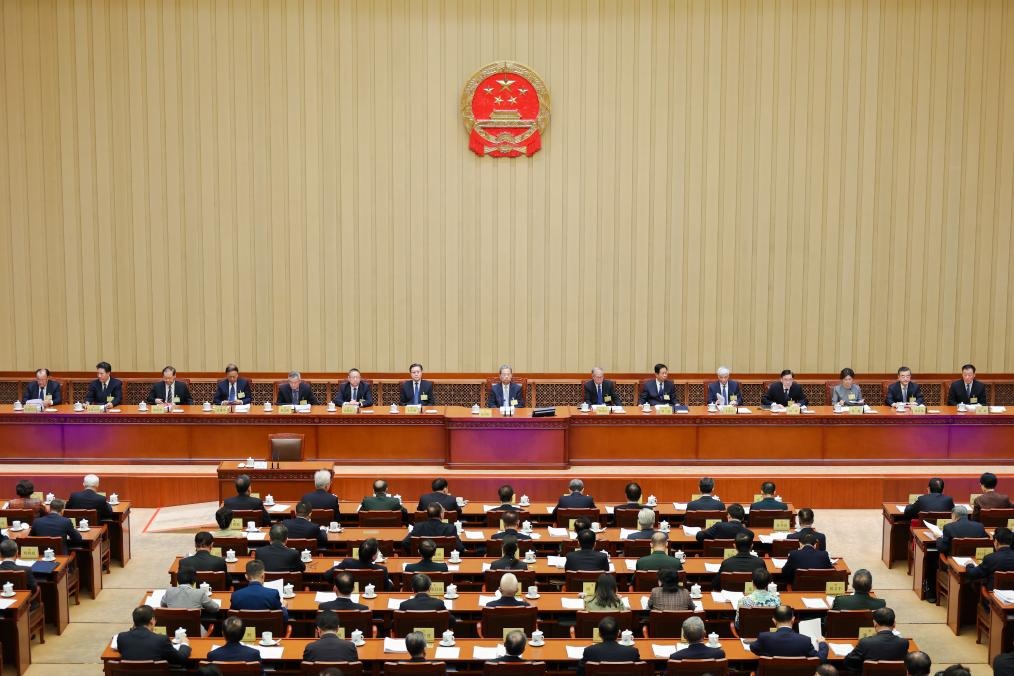
Chinese legislators hear reports at NPC standing committee session
The Standing Committee of the 14th National People’s Congress (NPC) convened its third plenary meeting on October 26, 2025, at the Great Hall of the People in Beijing. Chaired by Zhao Leji, the NPC Standing Committee Chairman, the session focused on deliberating several critical reports that underscore China’s legislative and financial priorities. Among the key discussions was a report on the implementation of the Food Security Law, which highlighted both achievements and challenges in enforcing the legislation. The report emphasized the need for a comprehensive revision of the law to ensure its effectiveness. Additionally, lawmakers reviewed a report on the Forest Law’s implementation, noting significant progress in forest conservation and ecological restoration while identifying areas for improvement. The financial sector was also a focal point, with a report outlining developments since November 2024 and proposing measures such as a moderately loose monetary policy and enhanced financial regulation. Other reports addressed state-owned asset management, criminal punishment enforcement, and maritime trials, reflecting the NPC’s broad oversight role. The meeting concluded with Zhao chairing a session of the Council of Chairpersons, where senior lawmakers discussed various legislative bills.
-
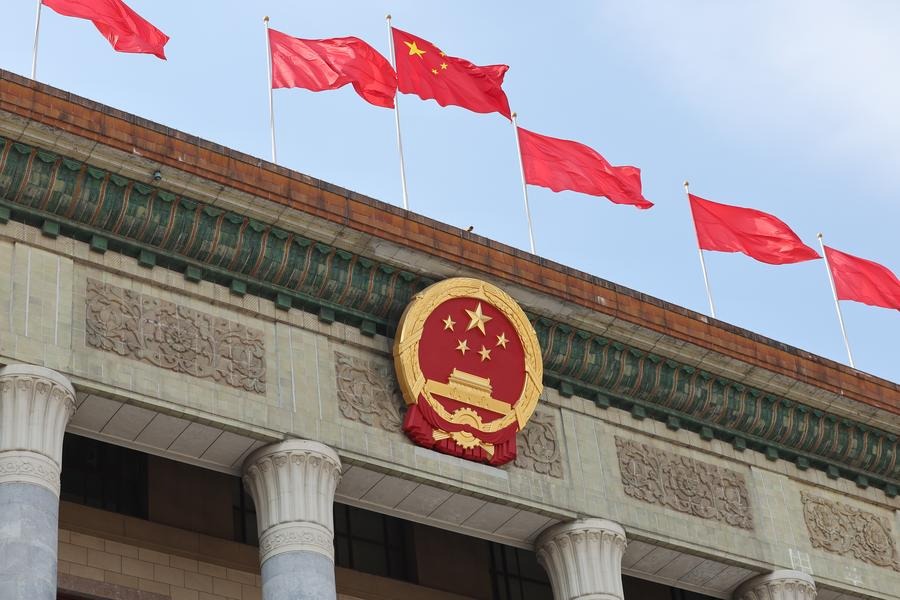
China fortifies public interest mechanism
China is taking a significant step to codify its public interest litigation system into law, marking a milestone in its legal and governance modernization efforts. The draft law on procuratorial public interest litigation, currently under review by the Standing Committee of the National People’s Congress (NPC), aims to consolidate and expand the system’s scope, which has been in place since 2015. This legislation, the first of its kind, defines 14 existing categories of public interest litigation and introduces two new areas: cultural heritage and national defense. The draft also establishes clear rules on jurisdiction, investigation, trial, and enforcement, ensuring a structured approach to safeguarding national and social interests. Yang Xiaochao, chair of the NPC’s Supervisory and Judicial Affairs Committee, emphasized that the law reflects China’s commitment to timely and effective public interest protection, a global governance priority. The draft mandates that prosecutors first urge administrative agencies to fulfill their duties before initiating litigation, and it prohibits coercive measures like restricting personal freedom or freezing assets during investigations. Citizens and social organizations are encouraged to provide leads and monitor case handling, fostering public participation. Since its pilot launch in 2015, the system has handled over 1.22 million cases, with significant support from provincial-level governments and legislatures. The Supreme People’s Procuratorate has also established collaborative mechanisms with over 30 administrative law enforcement agencies to enhance practical and theoretical integration. This new law aims to address the fragmented nature of existing regulations, providing a unified framework to tackle practical challenges and institutionalize a decade of innovative practices.
-
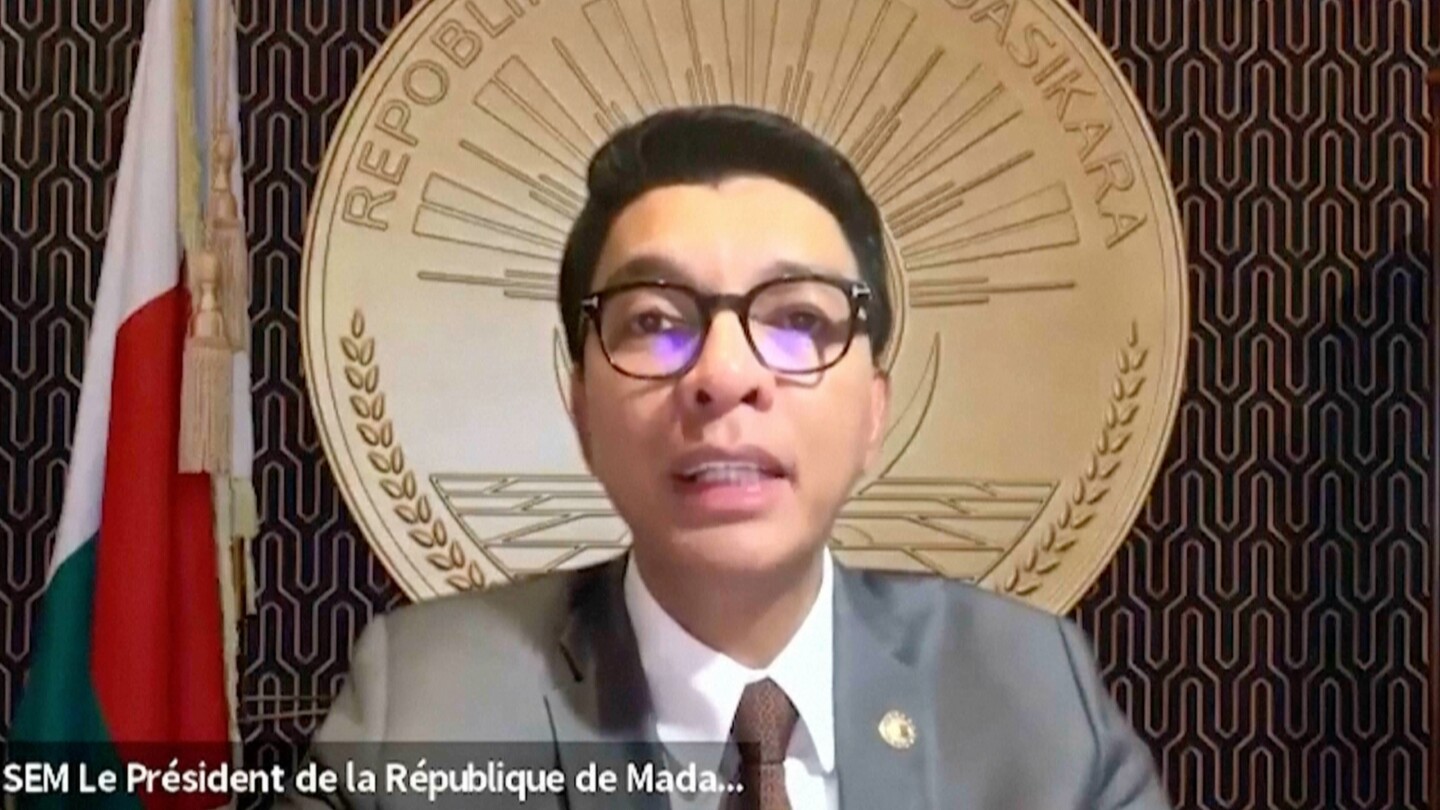
Former Madagascar president Andry Rajoelina stripped of citizenship after military takeover
In a dramatic turn of events, former Madagascar President Andry Rajoelina has been stripped of his Malagasy citizenship following his ousting in a military coup just over a week ago. Rajoelina, who also holds French citizenship, fled the country amid widespread protests demanding his resignation. His current whereabouts remain unknown. The new Prime Minister, Herintsalama Rajaonarivelo, has enacted a decree that revokes the citizenship of any Malagasy individual holding dual nationality, a move that directly impacts Rajoelina. This development follows intense scrutiny over Rajoelina’s eligibility to run in the 2023 presidential election, which he ultimately won. The protests, led predominantly by the youth, were initially sparked by chronic issues such as water and electricity shortages but quickly escalated to address broader grievances like poverty and unemployment. The unrest culminated in a violent crackdown by security forces, resulting in 22 deaths and over 100 injuries, according to the United Nations. Rajoelina, who expressed fears for his life, addressed the nation from an undisclosed location shortly before the military takeover. Colonel Michael Randrianirina has since been sworn in as the new president. Madagascar, which gained independence from France in 1960, has a tumultuous history of political instability, with Rajoelina himself first rising to power following a coup in 2009.
-
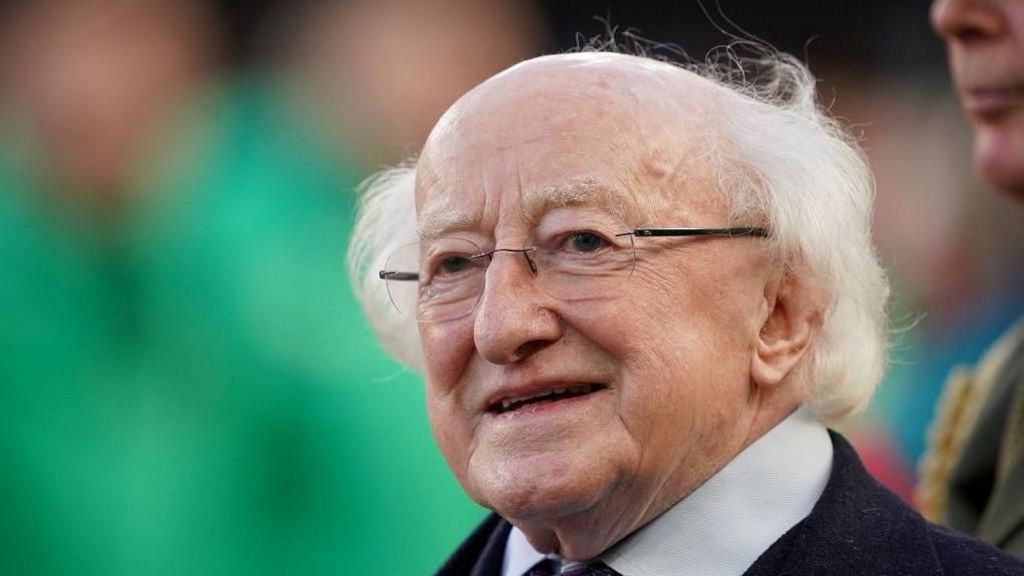
Michael D Higgins spends night in hospital for treatment
Irish President Michael D. Higgins was admitted to St. James’s Hospital in Dublin on Sunday for treatment of a localized infection. According to a spokesperson, the President received antibiotics and is in “good spirits,” with plans to return to Áras an Uachtaráin, his official residence and workplace. Higgins will continue to serve in his role until the inauguration of his successor, Catherine Connolly, on November 11 at Dublin Castle. Connolly, an independent member of the Irish parliament, made history by securing a record-breaking 63% of first-preference votes in the presidential election. However, the unusually high number of spoiled votes—213,738—has drawn attention and calls for electoral reform. Connolly’s victory over Fine Gael’s Heather Humphreys was officially confirmed on Saturday evening, marking the beginning of a new chapter in Ireland’s political landscape.
-
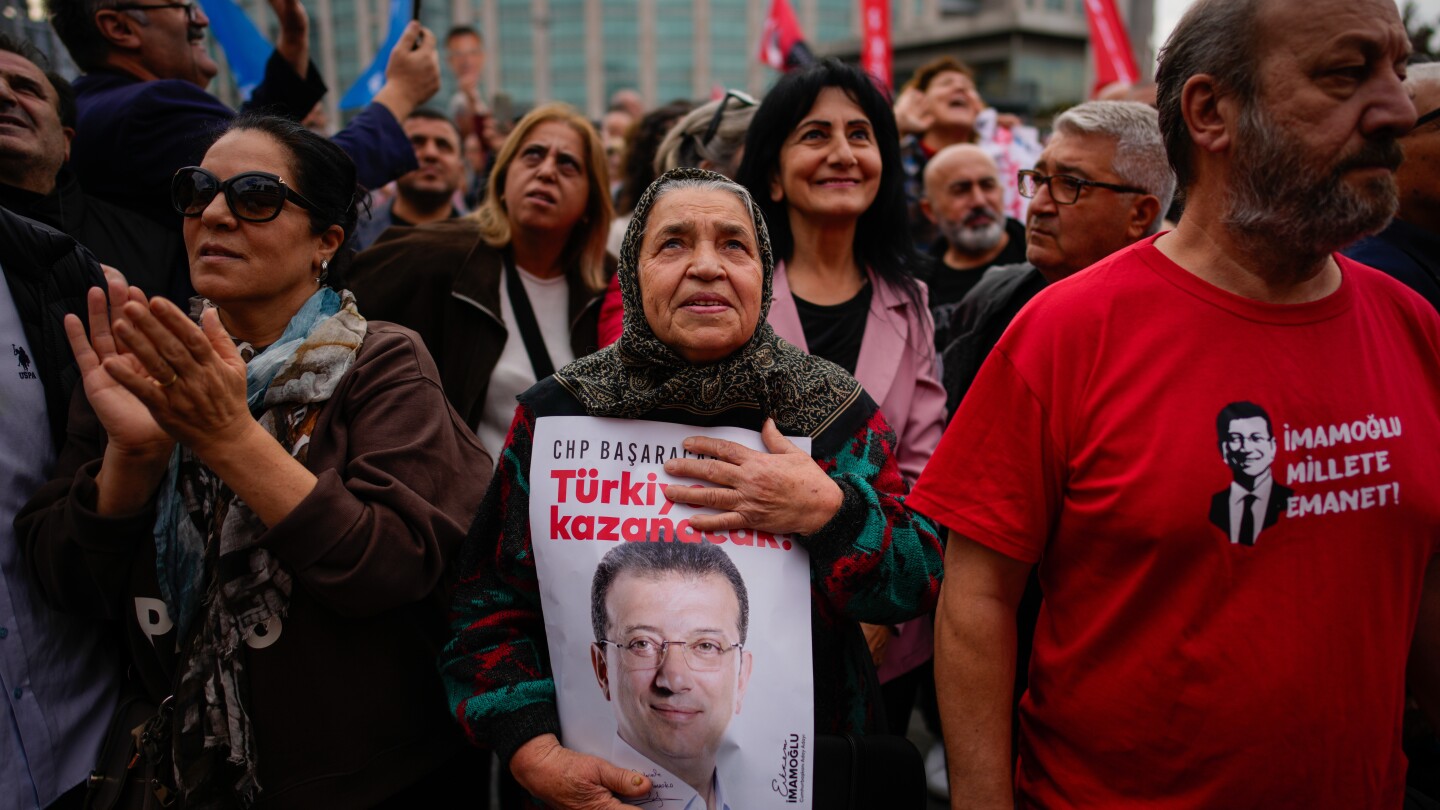
Turkish prosecutors file new espionage charges against Istanbul’s jailed mayor
In a significant escalation of judicial pressure, Turkish prosecutors have leveled new espionage charges against Ekrem Imamoglu, the incarcerated mayor of Istanbul and a prominent opposition figure widely regarded as a formidable challenger to President Recep Tayyip Erdogan. The charges, filed on Monday, are linked to an ongoing investigation into alleged connections between Imamoglu’s political campaign and a businessman arrested in July for reportedly conducting intelligence operations on behalf of foreign governments. Imamoglu’s former campaign manager, Necati Ozkan, and journalist Merdan Yanardag have also been implicated in the case. According to the state-run Anadolu Agency, Imamoglu, who is already in pretrial detention on corruption charges, is accused of unlawfully transferring personal data of Istanbul residents to secure international funding for his campaign. Imamoglu vehemently denied the allegations, dismissing them as ‘nonsense’ in a social media statement. ‘Even the claim that I burned down Rome would have been more credible than this nonsense,’ he remarked, vowing to intensify his resistance against what he described as a systemic effort to undermine Turkey’s future. The charges have further fueled accusations of a broader crackdown on opposition figures, particularly following the Republican People’s Party’s (CHP) significant gains in last year’s local elections. Imamoglu’s arrest in March had already sparked nationwide protests, with critics viewing it as part of a concerted effort to stifle dissent. Erdogan’s government maintains that the judiciary operates independently and that the investigations are solely focused on combating corruption.
-
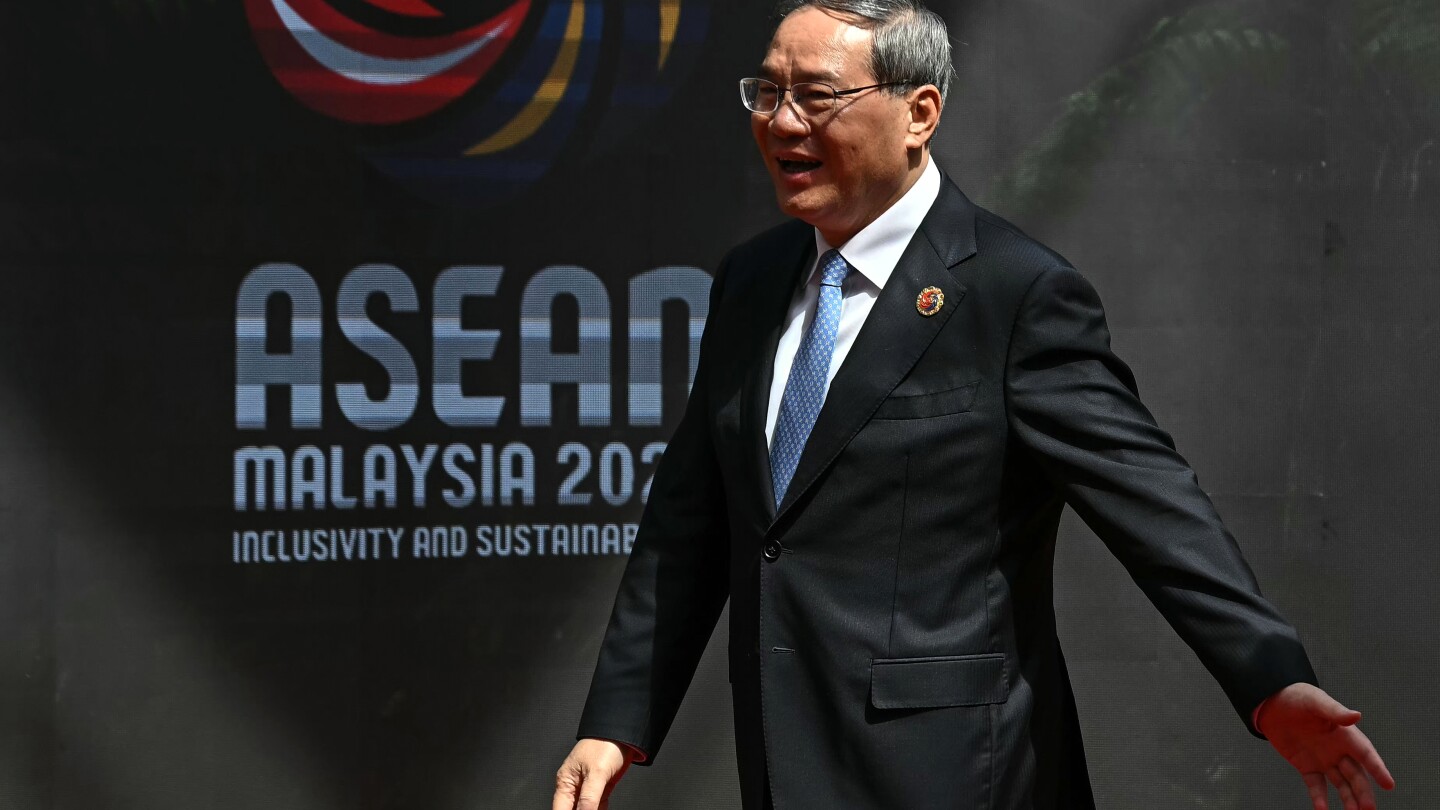
Australia’s Albanese discusses US minerals deal, jet incident with China’s Premier Li
In a significant diplomatic engagement, Australian Prime Minister Anthony Albanese and Chinese Premier Li Qiang convened on the sidelines of the Association of Southeast Asian Nations (ASEAN) summit in Kuala Lumpur, Malaysia. The meeting, described by Albanese as “positive,” focused on key issues such as Australia’s critical-minerals deal with the United States and recent tensions involving a Chinese warplane. This marked the seventh meeting between the two leaders, reflecting a stabilizing relationship since Albanese’s center-left government took office in 2022. China has since lifted several trade barriers that had previously cost Australian exporters up to $13 billion annually. Albanese highlighted discussions about his recent U.S. visit, where an $8.5 billion critical minerals agreement was signed, underscoring Australia’s strategic role in global rare earth resources amid China’s tightening export controls. Li emphasized China’s desire for an open, non-discriminatory environment for Chinese investments in Australia and expressed willingness to collaborate on green economy initiatives, high-tech industries, and digital innovation. However, Australia remains wary of China’s dominance in critical minerals and renewable energy supply chains, as evidenced by recent government actions to restrict Chinese ownership in key sectors. Albanese also raised concerns over a recent incident in the South China Sea, where a Chinese Su-35 jet released flares dangerously close to an Australian surveillance aircraft. The Australian government condemned the behavior as unsafe and unprofessional, while China accused Australia of violating its sovereignty. Despite these tensions, Albanese stressed the importance of frank dialogue in addressing disagreements, a sentiment echoed in his previous engagements with Chinese leadership.
-
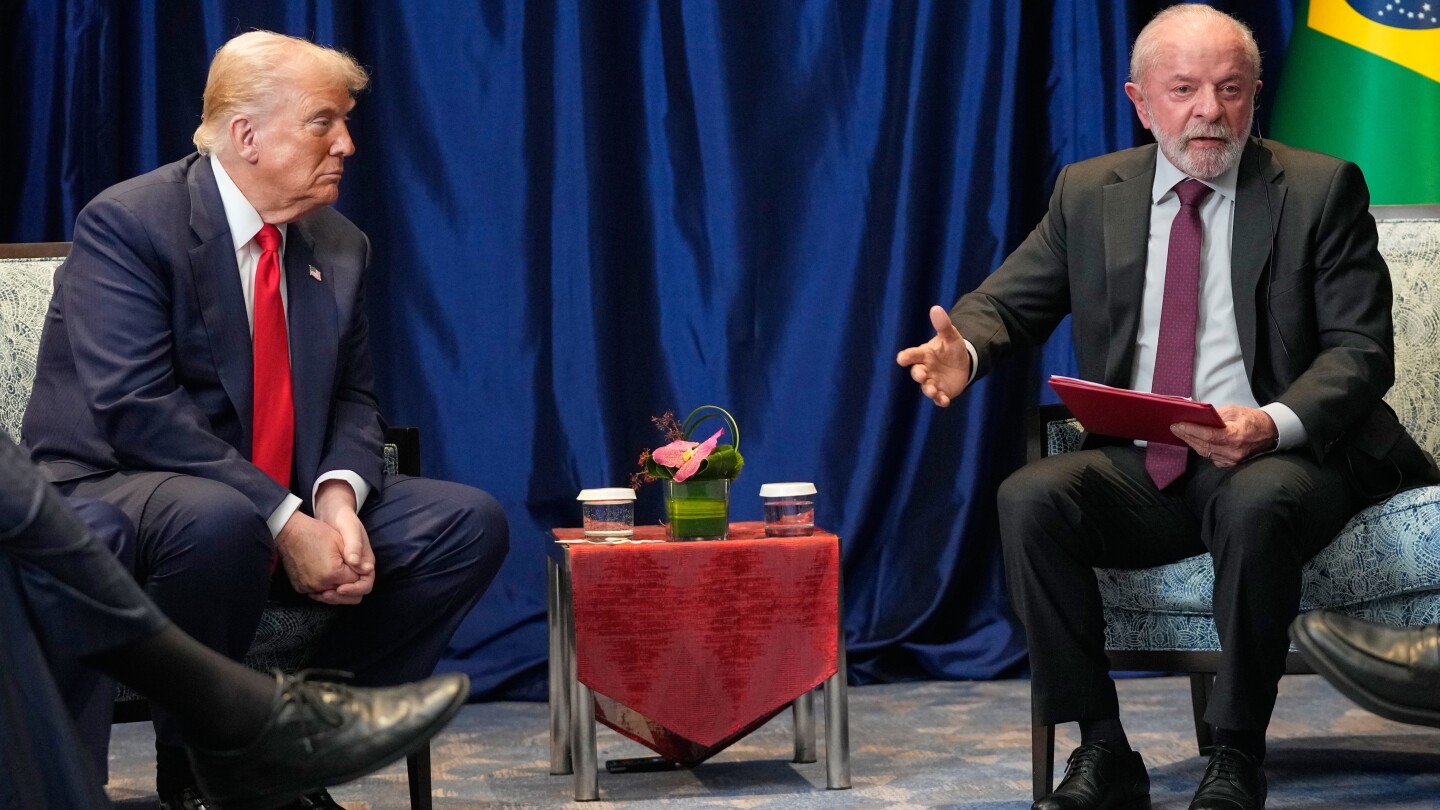
Lula is optimistic there will be a US-Brazil trade deal after meeting with Trump in Malaysia
KUALA LUMPUR, Malaysia — Brazilian President Luiz Inácio Lula da Silva expressed optimism on Monday about reaching a trade agreement with the United States, following a productive meeting with U.S. President Donald Trump. The discussions took place on the sidelines of a regional summit in Malaysia’s capital, Kuala Lumpur, which Lula described as “very good.” Trump, who later departed for Japan, hinted at the possibility of reducing tariffs imposed on Brazil, a move that could ease tensions between the two nations. The U.S. had previously implemented a 40% tariff on Brazilian goods in July, citing Brazil’s policies and the prosecution of former President Jair Bolsonaro as an economic emergency. Bolsonaro, a Trump ally, was recently sentenced to 27 years in prison for attempting a coup after losing the 2022 election. Lula presented Trump with a document outlining Brazil’s stance against the tariff hikes, acknowledging the U.S.’s right to impose such measures but arguing they were based on “mistaken information.” While Trump did not commit to suspending the tariffs, Lula remained confident, stating, “He guaranteed to me that we will reach an agreement.” Lula also emphasized Brazil’s role as one of three G20 nations with which the U.S. maintains a trade surplus, highlighting the $6.8 billion surplus recorded last year. Additionally, Lula offered to mediate the crisis in Venezuela, where President Nicolas Maduro has accused the U.S. of escalating tensions. Celebrating his 80th birthday, Lula expressed a sense of fulfillment and optimism for the future, aiming to live up to 120 years. His presence at the ASEAN summits underscored Malaysia’s efforts to strengthen trade ties between Southeast Asia and Latin America.
-

Argentina’s Milei wins big in midterms with ‘chainsaw’ austerity
Argentina’s President Javier Milei has achieved a decisive victory in the country’s midterm elections, solidifying his political influence and paving the way for his ambitious economic reforms. His party, La Libertad Avanza, garnered nearly 41% of the vote, securing 13 of 24 Senate seats and 64 of the 127 contested lower-house seats. This triumph significantly enhances Milei’s ability to advance his agenda of drastic state spending cuts and deregulation, which have defined his presidency since taking office in 2023. The election results mark a critical test of Milei’s popularity, as his administration has implemented sweeping austerity measures, including budget reductions in education, pensions, health, and infrastructure, alongside mass layoffs in the public sector. Supporters, including former U.S. President Donald Trump, credit Milei with curbing inflation, reducing deficits, and restoring investor confidence. However, critics argue that these policies have led to job losses, declining manufacturing, deteriorating public services, and an impending recession. The U.S. has offered Argentina a $40 billion lifeline, contingent on Milei maintaining political momentum, a move that has sparked accusations of foreign interference. Despite the mixed public sentiment, Milei’s victory reflects a rejection of the Peronist model he blames for decades of economic mismanagement. The financial markets are expected to rally, signaling continued support for Milei’s economic experiment. With a strengthened mandate, Milei now has the political capital to implement more radical changes ahead of the 2027 presidential election, where he may seek re-election. The key question remains whether ordinary Argentines will begin to feel the benefits of his reforms or if the ongoing economic pain will test their patience.