
Tanzania’s general election has been overshadowed by controversy, as opposition supporters took to the streets of Dar es Salaam to protest against what they claim is an undemocratic process. Police responded by firing tear gas to disperse the crowds, resulting in several injuries. The election, widely expected to secure a second term for President Samia Suluhu and her ruling party, Chama Cha Mapinduzi (CCM), has been boycotted by the main opposition party, whose leader is currently jailed on treason charges. Reports indicate low voter turnout in Dar es Salaam, with many citizens expressing concerns over safety. Despite assurances from police that there is no threat to public safety, the atmosphere remains tense. Over 37 million registered voters are eligible to cast ballots in the presidential and parliamentary elections, but the absence of significant opposition has led critics to label the process as a ‘coronation rather than a contest.’ Rights groups, including Amnesty International, have condemned the government for alleged repression, citing enforced disappearances, torture, and extrajudicial killings of opposition figures. The government has denied these claims, insisting the election is free and fair. President Samia, Tanzania’s first female president, initially gained praise for easing political repression but has since faced criticism for narrowing the political space and targeting critics. The electoral body is expected to announce results within three days.
分类: politics
-
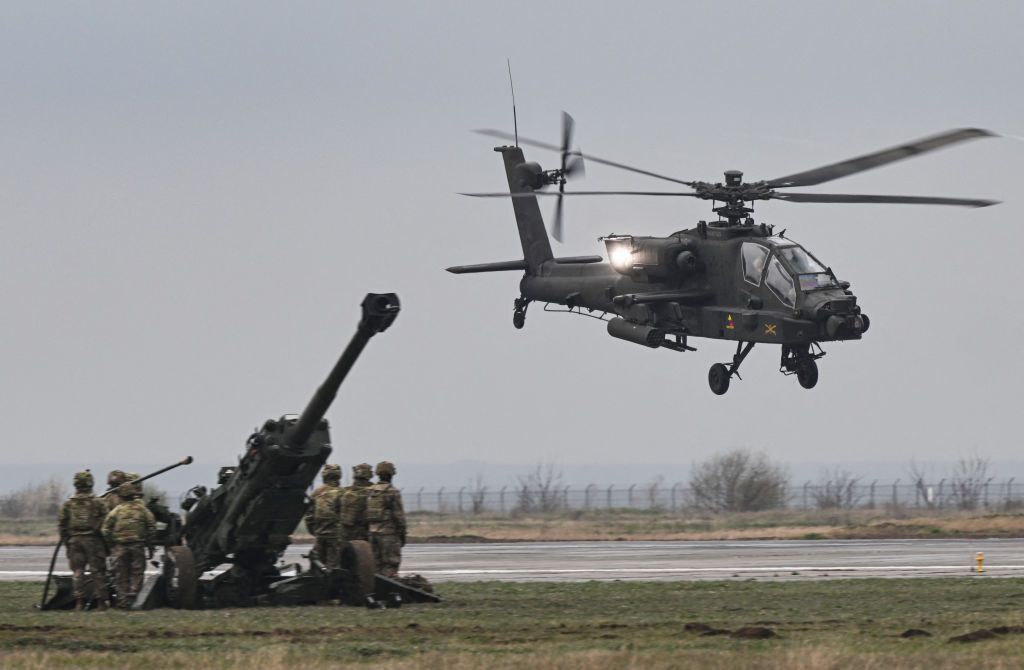
US will reduce its troops on Nato’s eastern flank, Romania says
The Romanian Ministry of Defence has announced that the United States plans to reduce its military presence on NATO’s eastern flank, with approximately 900 to 1,000 American troops remaining in Romania, down from the previous 1,700. This decision, described as ‘expected,’ aligns with the Trump administration’s strategic pivot towards the Indo-Pacific region. Defence Minister Ionut Mosteanu revealed that US Defence Secretary Pete Hegseth recently emphasized the need for European nations to bolster their own defence capabilities. A US brigade stationed at the Mihai Kogalniceanu airbase, which is set to become NATO’s largest in Europe, will be rotated out and not replaced. This brigade has elements across Bulgaria, Romania, Slovakia, and Hungary, though it remains unclear whether US troops will also be withdrawn from these countries. Polish Defence Minister Wladyslaw Kosiniak-Kamysz stated that Warsaw has ‘no information’ about potential troop reductions on its soil. The Pentagon has yet to comment on the matter. Meanwhile, the US military presence at Romania’s Deveselu and Campia Turzii bases will remain unchanged. President Donald Trump has consistently advocated for European NATO members to assume greater responsibility for their defence, reflecting his administration’s broader strategic realignment. However, the troop reduction has raised concerns among Eastern European nations, many of which perceive a persistent threat from Russia. A NATO official reassured that Washington’s commitment to the alliance remains ‘clear,’ noting that such adjustments are ‘not unusual.’ The official highlighted that the US military presence in Europe is still significantly larger than in previous years, with over 100,000 personnel deployed as of late last year. This announcement follows NATO’s recent establishment of the Eastern Sentry mission, aimed at enhancing vigilance along the eastern flank. The decision was prompted by several incidents, including Russian drones entering Polish and Romanian airspace, and Russian warplanes violating Estonian airspace.
-
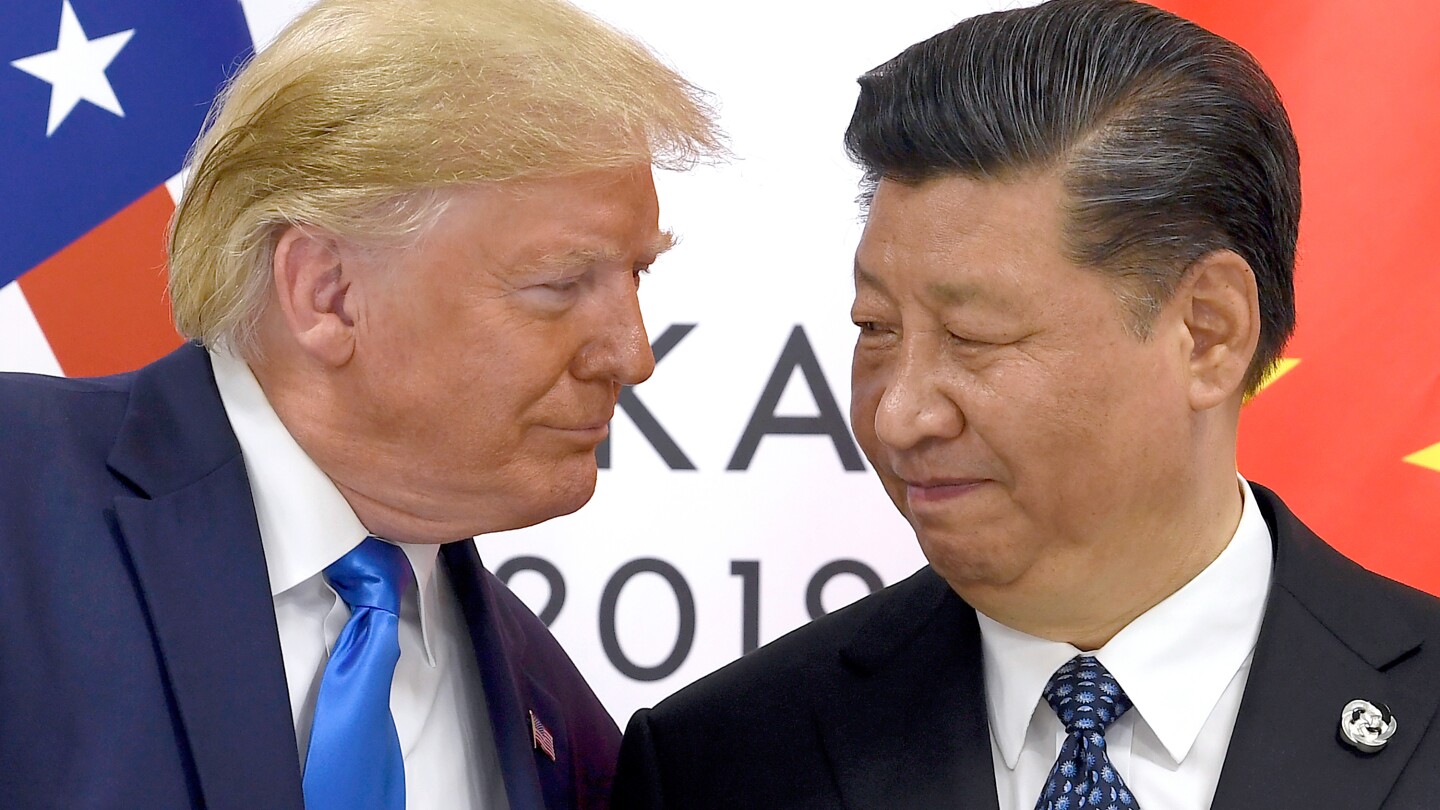
US government allowed and even helped US firms sell tech used for surveillance in China, AP finds
Since September last year, U.S. lawmakers have made four unsuccessful attempts to close a significant loophole allowing China to bypass export bans on advanced AI chips by renting them through U.S. cloud services. Despite bipartisan efforts, these proposals have been thwarted by extensive lobbying from tech companies and their trade associations, with over 100 lobbyists actively opposing the measures. The issue has become a focal point as U.S. President Donald Trump and Chinese President Xi Jinping prepare for a high-stakes meeting, with billions of dollars and technological dominance hanging in the balance. An Associated Press investigation reveals that, despite warnings about national security and human rights abuses, successive U.S. administrations have facilitated the sale of American technology to Chinese police, government agencies, and surveillance firms. For instance, in 2024, China purchased $20.7 billion worth of chipmaking equipment from U.S. companies, circumventing export controls. The tech industry’s immense lobbying power, coupled with political reluctance, has repeatedly undermined efforts to regulate these exports. Critics argue that this inaction has enabled China to strengthen its surveillance state, with American companies playing a pivotal role in its development. The AP’s findings highlight a complex interplay between economic interests, national security, and human rights concerns, raising questions about the U.S. government’s commitment to addressing these issues.
-
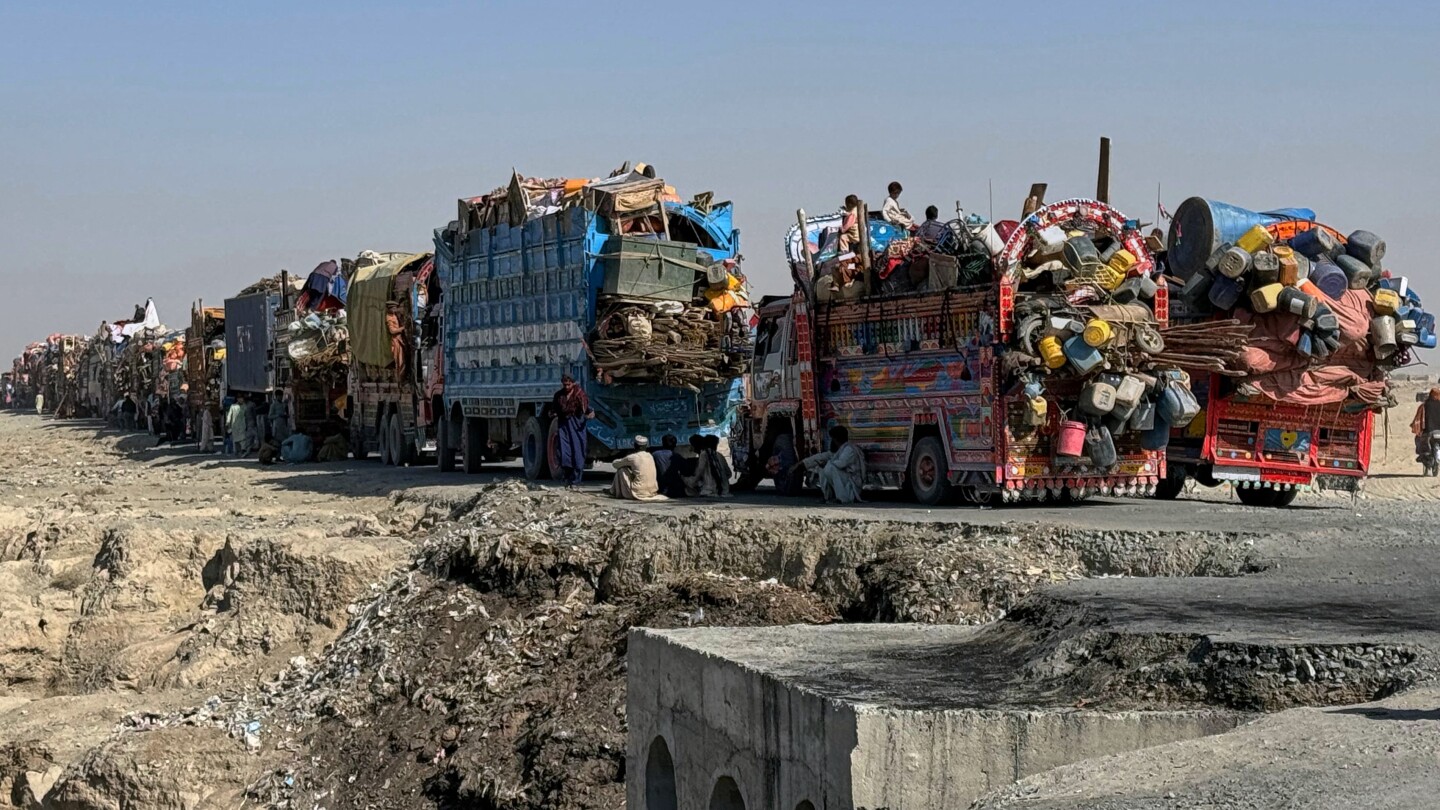
Pakistan’s Defense Minister warns Afghanistan of stern response to any new militant attacks
Pakistan’s Defense Minister Khawaja Mohammad Asif issued a stark warning to Afghanistan’s Taliban government on Wednesday, vowing a severe response to any future “terrorist or suicide attack” on Pakistani soil. This comes hours after peace talks in Istanbul concluded without a resolution. The negotiations, mediated by Qatar and other nations, followed a brief ceasefire agreement on October 19 in Doha. However, the discussions failed to bridge the growing tensions between the two neighboring countries. Earlier this month, Pakistan’s military conducted strikes on alleged Pakistani Taliban hideouts in Afghanistan, claiming to have killed dozens of insurgents. Afghanistan countered by stating that civilians were killed and retaliated with attacks on Pakistani military posts, allegedly resulting in the deaths of 58 Pakistani soldiers. Pakistan acknowledged losing 23 soldiers in the border clashes. In a post on X, Asif accused the Taliban government of enabling militant activities and warned of dire consequences if attacks persisted. Afghanistan’s state broadcaster RTA reported that the talks collapsed due to what it termed “irrational demands” from Pakistan, including assurances that no attacks would originate from Afghan territory. The Taliban delegation maintained that the Pakistani Taliban, or Tehrik-e-Taliban Pakistan, is an internal issue for Islamabad. Pakistan has long accused Afghanistan’s Taliban government of harboring militants, a claim Kabul denies. The recent surge in militant attacks in Pakistan, primarily claimed by the Pakistani Taliban, has heightened tensions. Despite the failed talks, the ceasefire remains intact, though major border crossings are closed, leaving hundreds of trucks and refugees stranded. At the Chaman border crossing in Balochistan, Afghan refugees and traders expressed frustration and fear over the uncertain future. “We are returning to Afghanistan, but it’s a scary situation,” said Ajab Khan, an Afghan refugee. “We don’t know how we will survive there.”
-
UN representatives reaffirm support for one-China principle
During a significant gathering at the United Nations Headquarters in New York, representatives from various nations reiterated their unwavering support for the one-China principle and General Assembly Resolution 2758. This resolution, adopted by an overwhelming majority during the 26th session of the UN General Assembly, officially restored all rights to the People’s Republic of China and recognized its government as the sole legitimate representative of China within the UN. The reaffirmation of this principle underscores the international community’s continued recognition of China’s sovereignty and its pivotal role in global governance. The event highlighted the enduring diplomatic consensus on this matter, reflecting the importance of maintaining stability and unity in international relations. This collective stance also serves as a reminder of the historical significance of Resolution 2758, which has shaped China’s position on the global stage for decades.
-
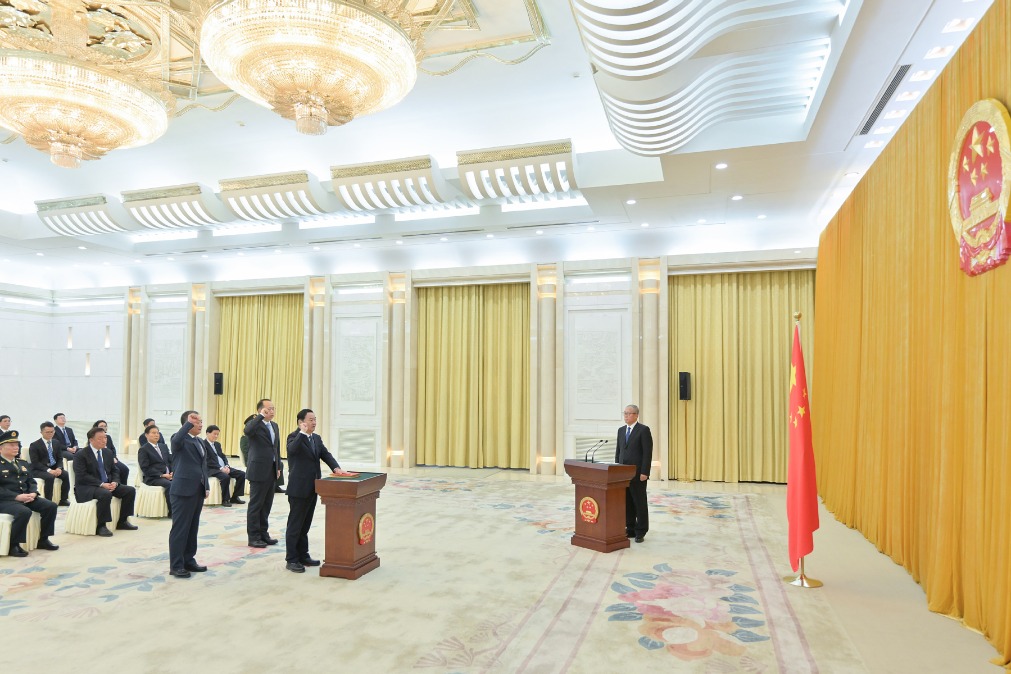
Oath-taking ceremony held by 14th NPC Standing Committee in Beijing
On October 28, 2025, the 14th Standing Committee of the National People’s Congress (NPC) held a solemn oath-taking ceremony at the Great Hall of the People in Beijing. The event, chaired by Li Hongzhong, Vice-Chairman of the NPC Standing Committee, underscored the commitment of its members to uphold the Constitution of the People’s Republic of China. The ceremony, a pivotal moment in China’s political calendar, reaffirmed the dedication of the NPC Standing Committee to the rule of law and the nation’s governance framework. The gathering highlighted the importance of constitutional allegiance in guiding the legislative body’s responsibilities and decisions. This event aligns with China’s ongoing efforts to strengthen institutional governance and ensure the effective implementation of its legal and political systems.
-
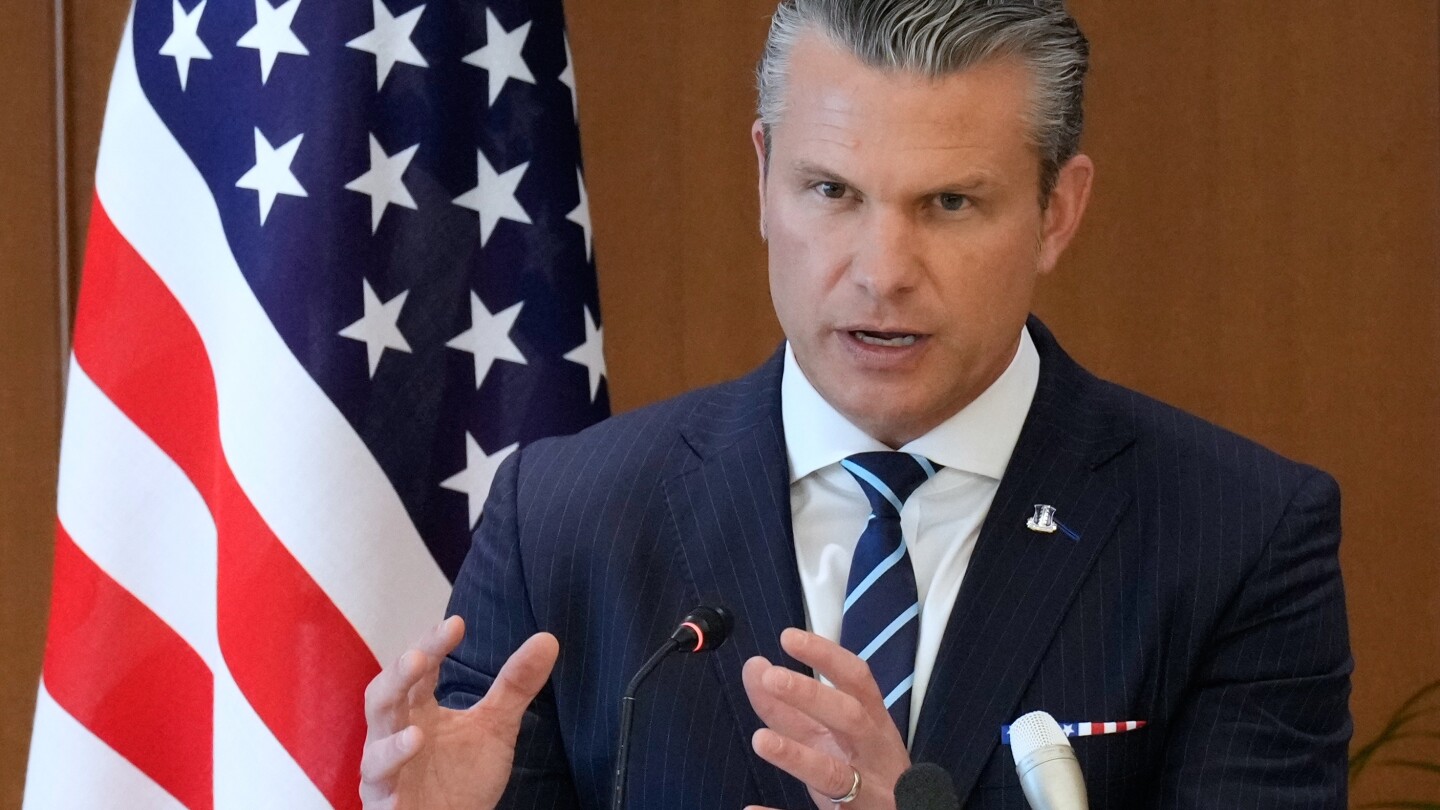
Hegseth welcomes Japan’s arms spending increase, says US-Japan alliance key to deter China
In a significant development for regional security, U.S. Defense Secretary Pete Hegseth has lauded Japan’s commitment to expediting its military expansion and increasing defense spending. During his visit to Tokyo on Wednesday, Hegseth emphasized the urgency of addressing China’s escalating military assertiveness, describing it as a tangible and pressing threat. He underscored the critical role of the U.S.-Japan alliance in deterring Chinese aggression and ensuring regional stability. Hegseth expressed his approval of Japanese Prime Minister Sanae Takaichi’s pledge to raise defense spending to 2% of the nation’s gross domestic product by March, two years ahead of the original schedule. This move aligns with Japan’s broader strategy to revise its national security framework and enhance its military capabilities. Hegseth clarified that the U.S. had not pressured Japan into this decision, framing it as a proactive step by Tokyo. The agreement also includes expedited deliveries of U.S.-made Advanced Medium Range Air-to-Air Missiles (AMRAAM), further strengthening Japan’s defensive posture. Japan’s shift from its post-World War II pacifist stance, marked by the 2022 security strategy, reflects its growing focus on self-reliance and offensive capabilities. The Takaichi administration is also exploring ways to ease restrictions on arms exports, signaling a historic transformation in Japan’s defense policy.
-

China passes its newly revised Maritime Law
In a significant legislative move, China’s National People’s Congress Standing Committee has approved a comprehensive revision of the country’s Maritime Law. The updated legislation, which will come into force on May 1, 2026, comprises 16 chapters and 310 articles, reflecting the latest developments in global shipping and trade practices. The revised law aims to balance the interests of various stakeholders while aligning with international maritime conventions. Key updates include adjustments to the rights and obligations of maritime participants, the legal recognition of electronic transport records, and enhanced provisions for marine environmental protection. Notably, a new chapter addressing liability for ship oil pollution damage has been introduced, underscoring China’s commitment to marine ecological conservation. The law also emphasizes international cooperation in maritime affairs, supporting the high-quality development of China’s shipping industry. Additionally, it includes provisions to address foreign-related legal applications, further solidifying China’s position as a maritime and shipping power.
-
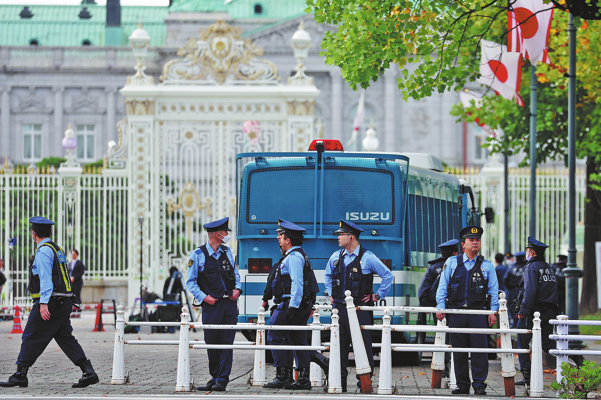
Japan, US leaders sign economic agreement
In a significant diplomatic move, Japan’s newly elected Prime Minister Sanae Takaichi and US President Donald Trump solidified their nations’ alliance through a series of economic and defense agreements during their meeting in Tokyo on Tuesday. The leaders signed a document reaffirming the implementation of a trade deal initially reached in July, which includes Japan’s pledge to invest $550 billion in critical US industries such as semiconductors, rare earths, and shipbuilding. Additionally, Japan committed to increasing its purchases of US agricultural products.
-
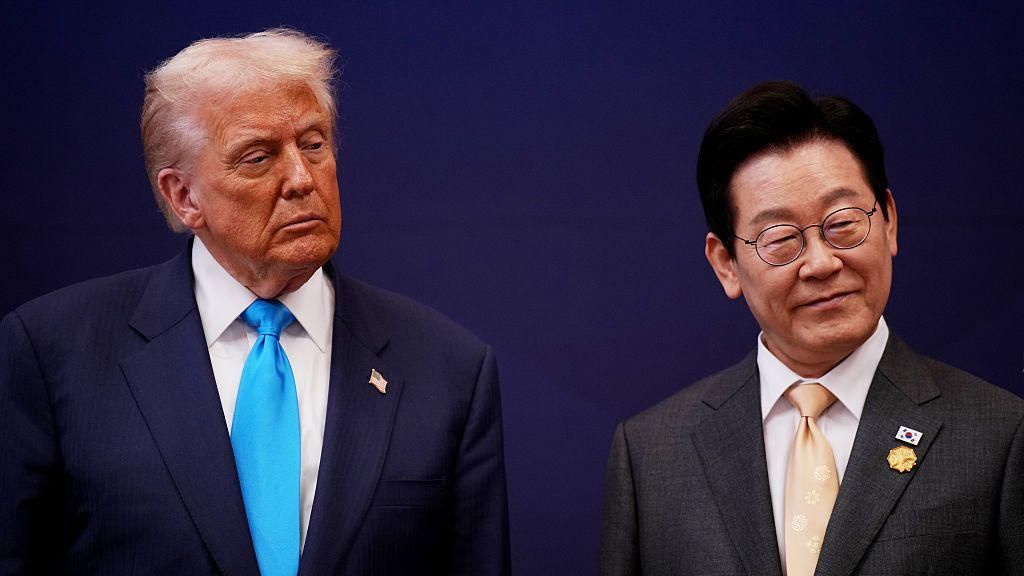
Trump meets South Korean leader as trade deal remains elusive
US President Donald Trump and South Korean President Lee Jae Myung held a significant meeting during the final leg of Trump’s whirlwind tour across Asia. The discussions, which lasted nearly two hours, focused on resolving the ongoing trade deal impasse between the two nations. Despite previous agreements in July, where South Korea committed to investing $350 billion in the US to mitigate tariffs, negotiations have stalled over the structure of these investments. Historically strong allies, the US and South Korea have recently faced tensions following the detention of hundreds of South Koreans in a US immigration raid last month. Trump, who is on a week-long trip in Asia, is also scheduled to meet Chinese President Xi Jinping on the sidelines of the Asia-Pacific Economic Cooperation (Apec) summit in Gyeongju. This will be their first face-to-face meeting since Trump assumed office in 2025 and imposed global tariffs. During his address to CEOs in Gyeongju, Trump expressed optimism about reaching a beneficial trade deal with China and praised Apec countries for their efforts in reforming the global trading system. Trump was honored with South Korea’s highest decoration, the Grand Order of Mugunghwa, in recognition of his contributions to peace on the Korean Peninsula. Despite the high-profile meeting, no concrete agreements were announced, leaving South Korea’s electronics, chip, and auto industries in uncertainty. Earlier this year, Trump had imposed a 25% tariff on South Korea, which was later negotiated down to 15% after Seoul pledged significant investments in the US. However, the White House has since increased its demands, pushing for cash investments. The visit was marked by protests and rallies, reflecting the complex geopolitical dynamics in the region.